Cycling Components
Are 3D Printed Bike Saddles Worth It? A Pressure-Mapped Comparison
Four saddle shapes pressure mapped in standard and 3D printed form, with rider feedback on where the upgrade pays off and where it does not.
Introduction
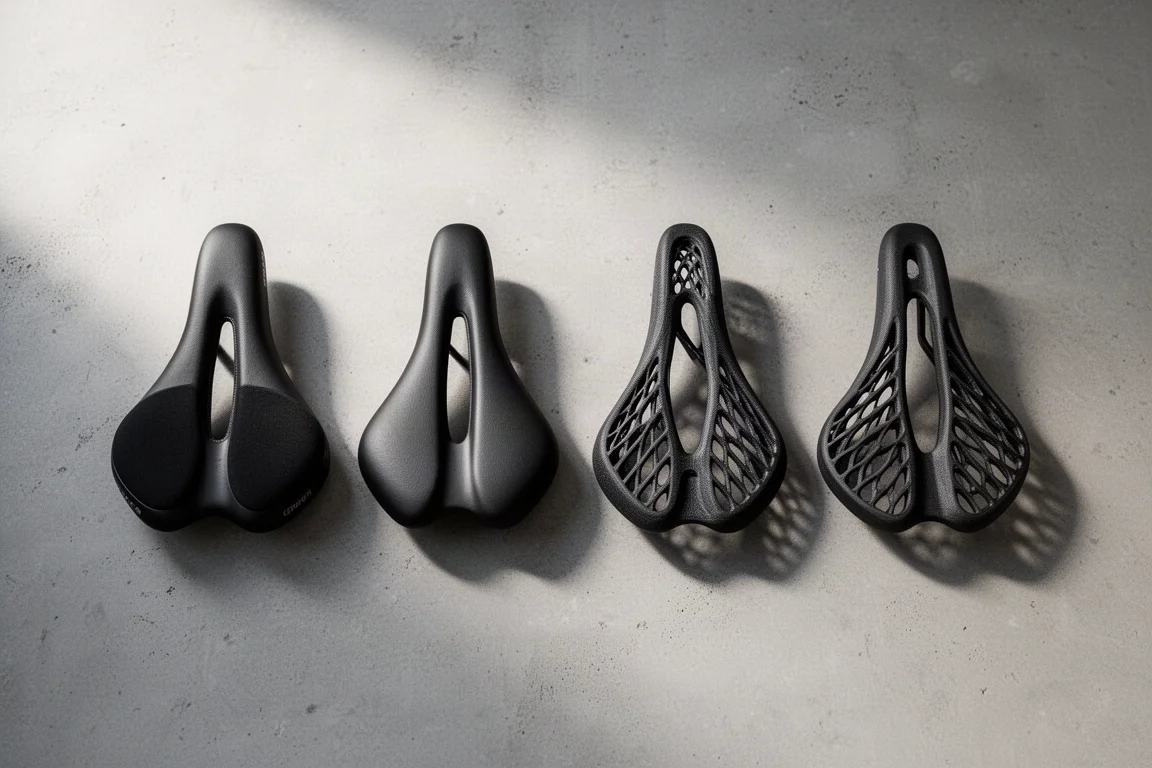
3D printed saddles have become a familiar sight on premium road bikes, and they almost always cost noticeably more than the traditional saddles they replace. That raises a fair question: does the extra money buy anything you can actually measure?
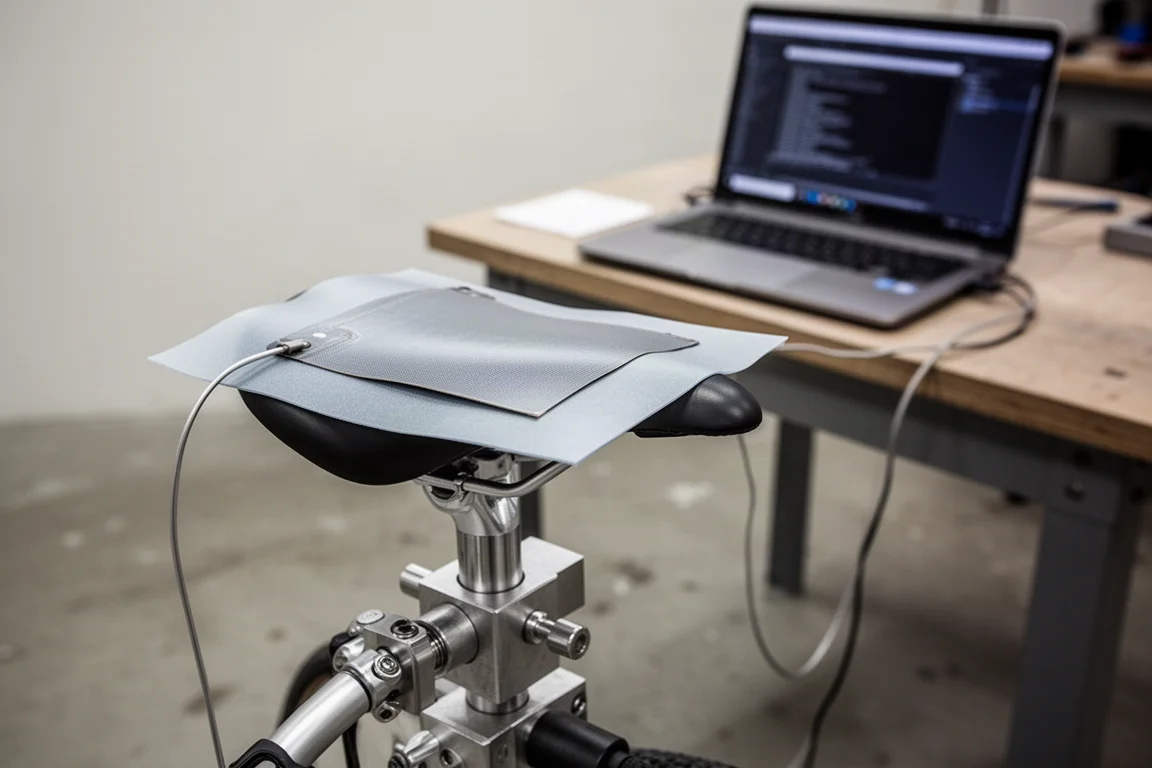
To find out, four popular saddle shapes were pressure mapped in both their standard and 3D printed forms, using an experienced road cyclist and bike fitter as the test rider. He has ridden for many years, normally on a narrow 130 mm saddle, and he gave feedback on feel at the same time as the pressure data was recorded.
The results were not uniform. Two of the four pairs improved clearly with the 3D printed version, one changed very little, and one got worse. Here is how each pair performed, and what the differences mean if you are weighing up the upgrade.
How the Comparison Was Run
Pressure mapping records how load is spread across a saddle. What you want to see is two roughly even zones of pressure under the sit bones and very little load through the nose. Left and right imbalance is common and is not something a saddle change usually fixes.
Width mattered from the start. The test rider normally rides a 130 mm saddle, so the 143 mm and 145 mm models felt wide immediately, while the 130 mm Selle Italia felt closest to home.
One practical detail affected the very first swap. Rail heights differ between saddles, so seatpost height has to be reset each time. Moving to the 3D printed version of one saddle raised the effective saddle height by more than a centimetre, which is enough on its own to change how a saddle feels. Almost all of these saddles also have a slight scoop, so the middle third is the part to level before judging anything.
Specialized Romin EVO vs Romin EVO 3D Printed
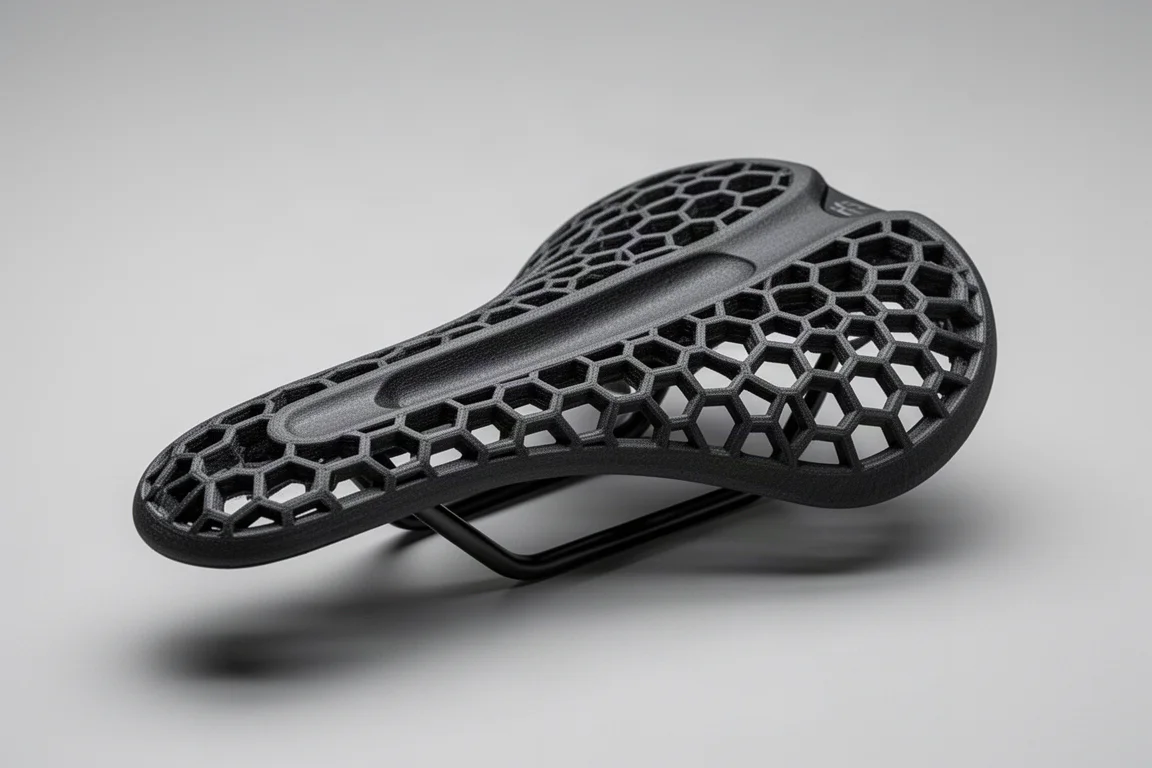
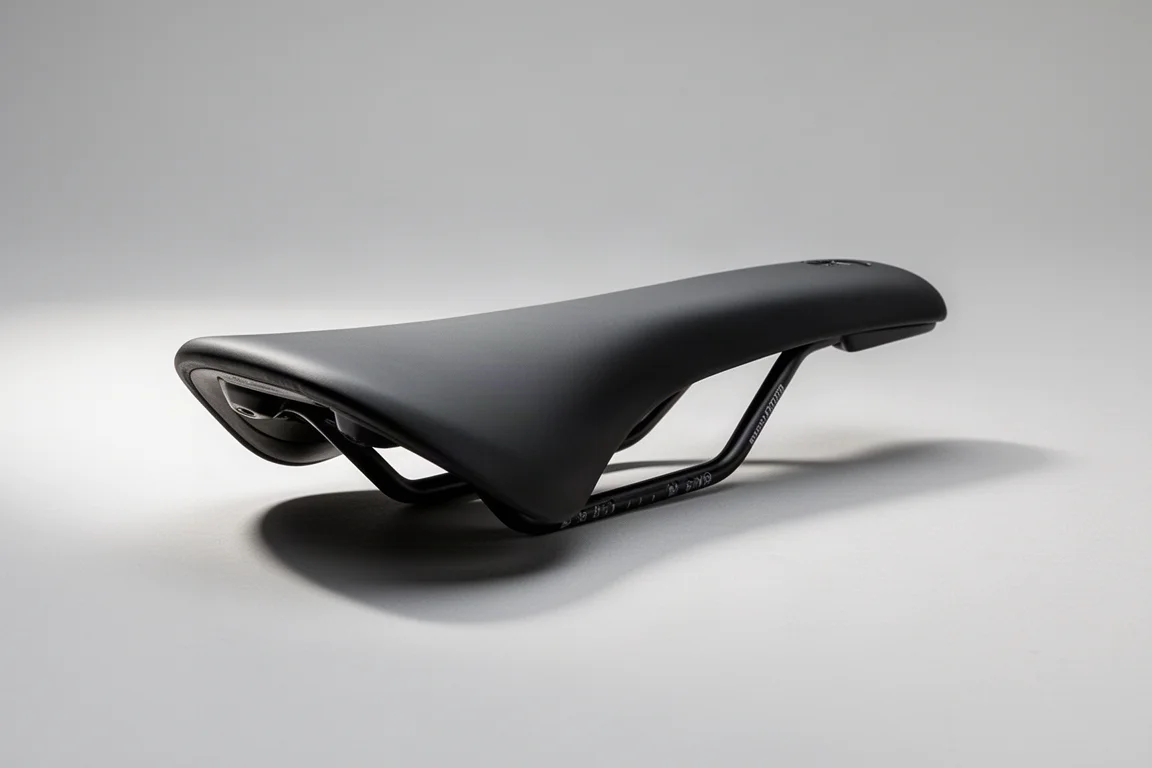
The standard Romin EVO is a 143 mm saddle with a rounded profile rather than a flat one, and a reasonably generous pressure relief channel. It has a long-standing reputation as a comfortable shape for long rides. In this test it felt wide at the back, with more load under the sit bones than the rider wanted, plus a small hot spot on the nose and a slight imbalance on the right side.
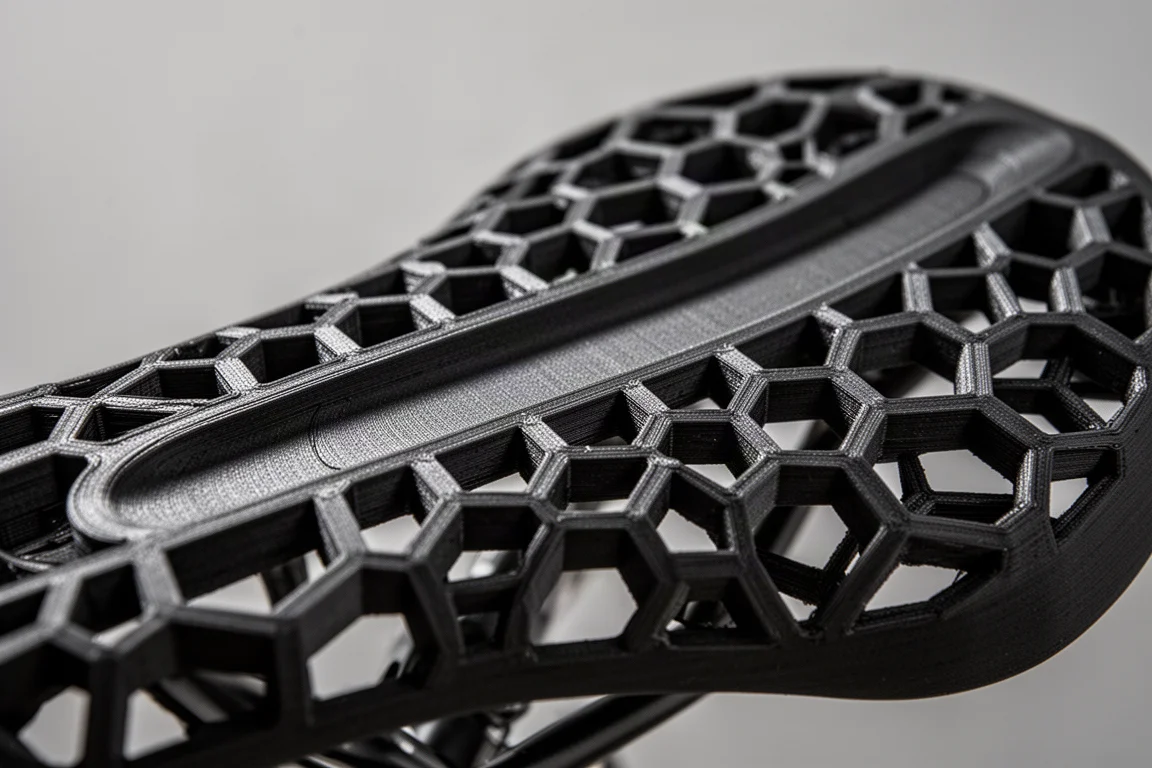
On the pressure map it still produced two clear zones of load under the sit bones and not much through the nose, which is a respectable result in isolation.
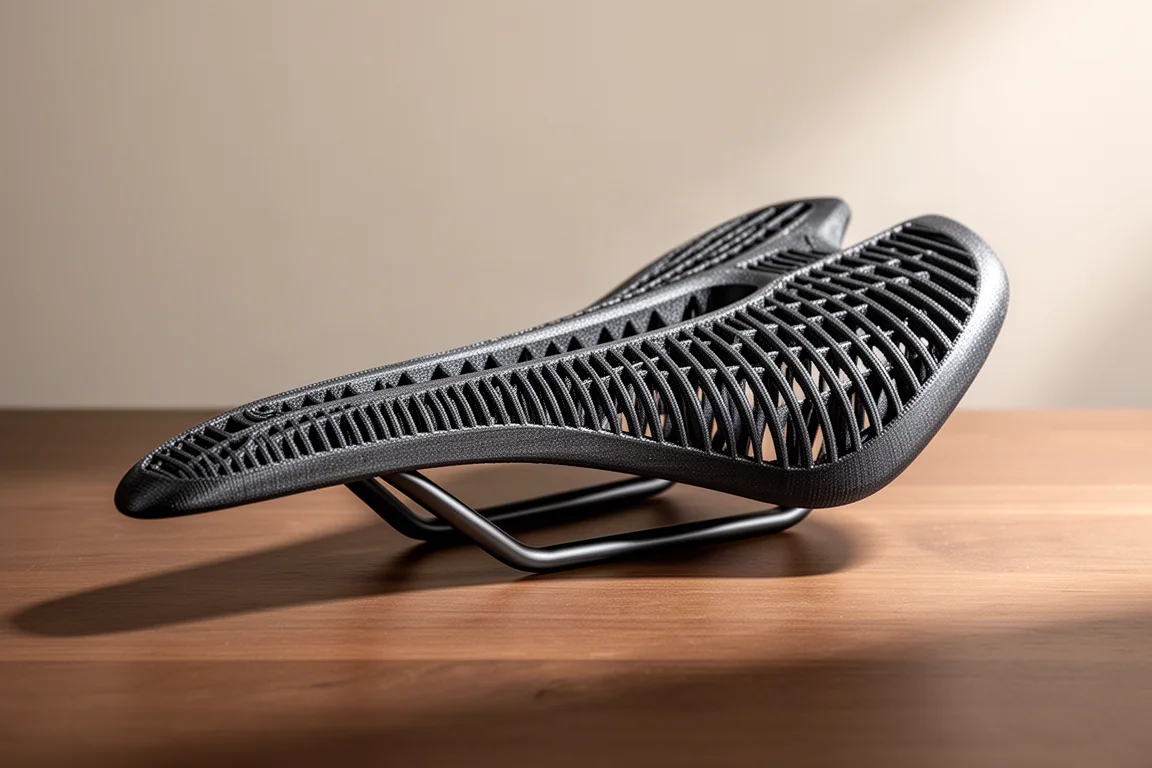
The 3D printed Romin EVO changed the picture substantially. The rider described it as better almost immediately, with a more stable feel and far less urge to shuffle around. Measured pressure dropped by roughly half compared with the standard saddle, which is a large difference for a single component swap. The left to right imbalance remained, which is what you would expect when the rider rather than the saddle is the cause.
Specialized Power vs Power 3D Printed
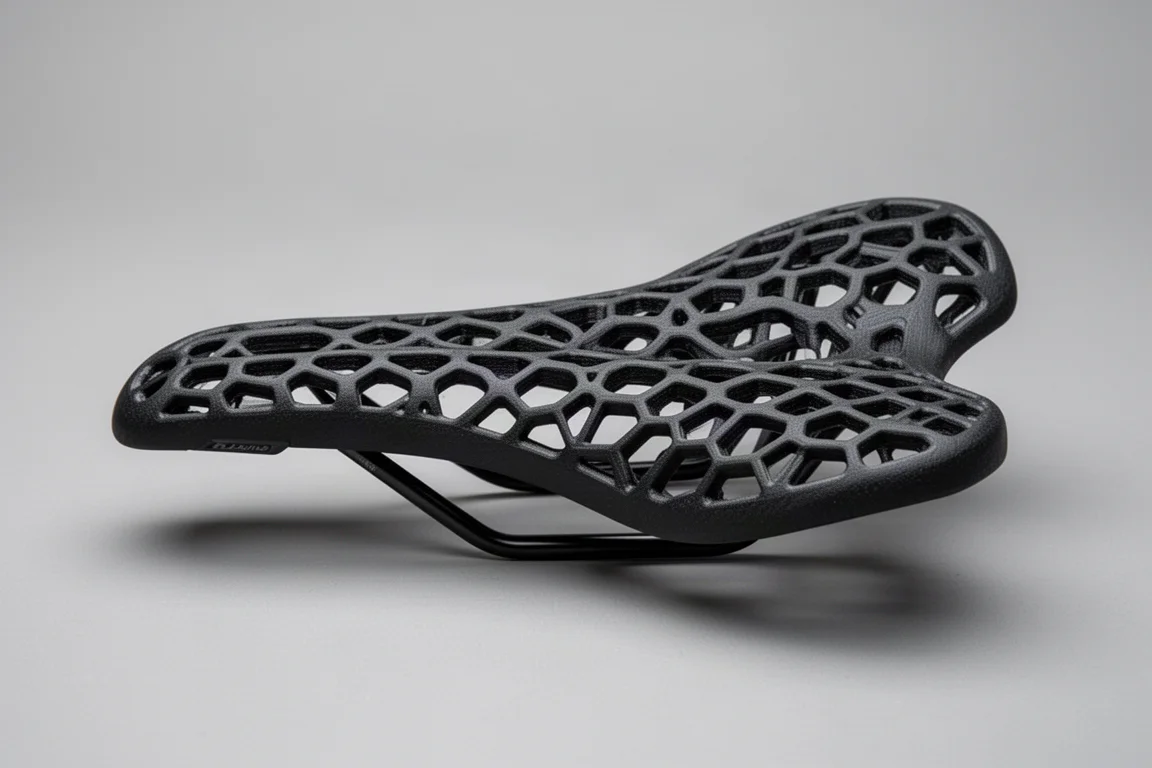
The Power is a short, wide noseless design at 143 mm. In this test it was the clear outlier for the wrong reasons. The rider felt pushed forward onto the nose, with no real support under the sit bones, noticeable rocking, more weight in the hands and tension through the shoulders. On the pressure map almost all of the load sat at the nose. Because the shape is noseless, that forward position does not translate into useful support.
The 3D printed Power felt softer but otherwise the same, and softer did not help. The rider still sat on the nose, still felt unstable, and the measured pressure was if anything higher than on the standard version. It was the only 3D printed saddle in the group that performed worse than the saddle it was meant to improve on.
Selle Italia SLR Boost S3 vs SLR Boost S3 3D Printed
The SLR Boost S3 is a narrow 130 mm saddle, which put it closest to what the test rider normally uses. He sat further back, felt less load at the front, and the left to right balance was the best of the traditional saddles in the group. A small hot spot on the nose was the only real criticism.
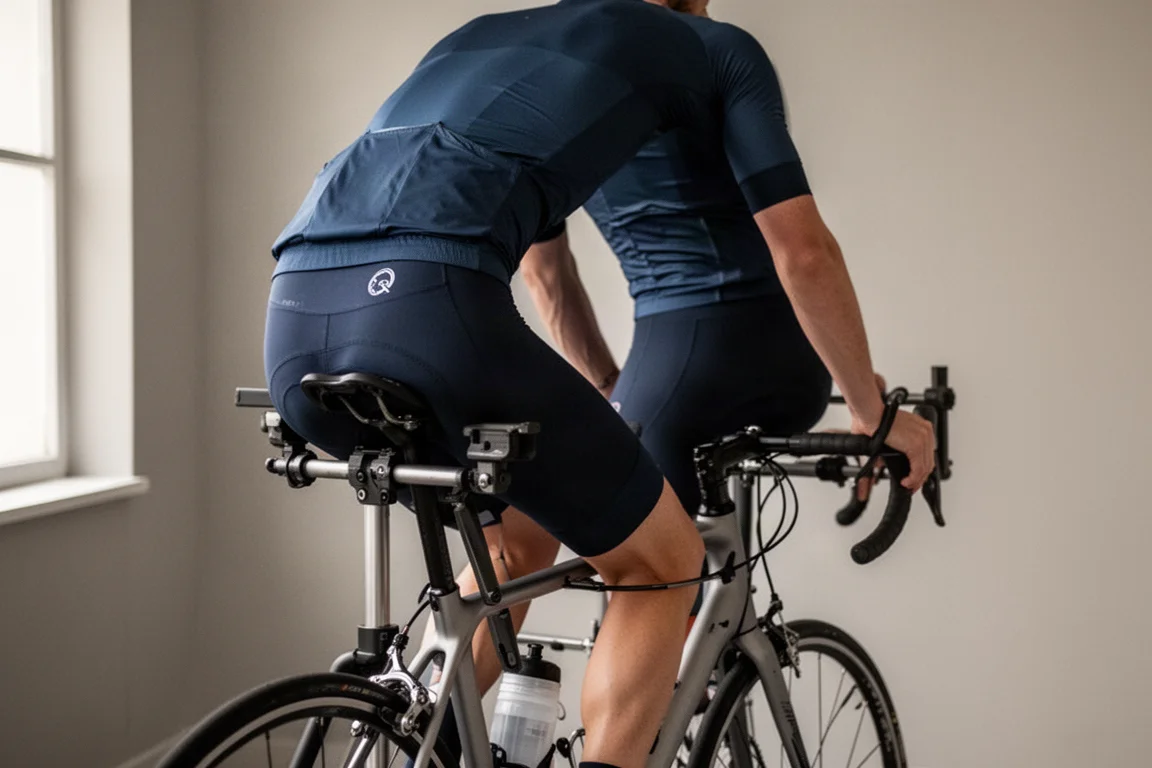
Its peak pressure matched the 3D printed Romin, which is a strong result for a conventional saddle and shows that construction is not the only variable at play.
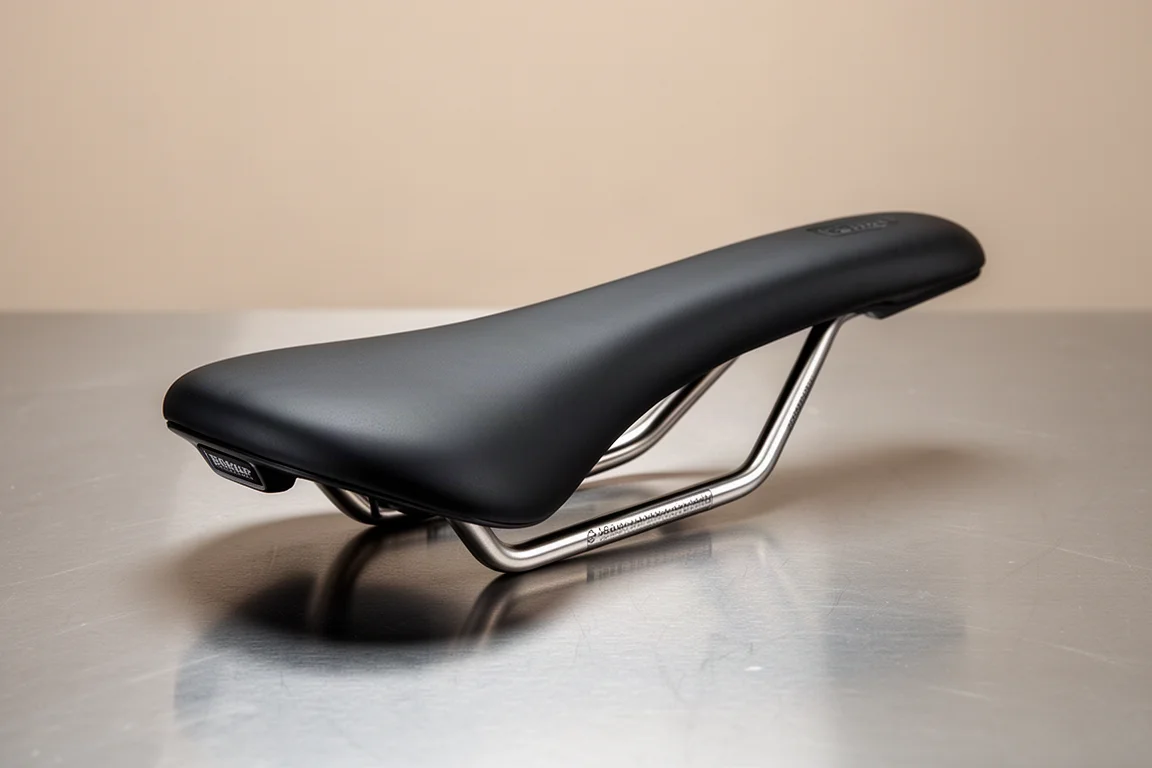
The 3D printed version produced the strongest result of the day. The rider called it the best of the group before seeing the data, and the pressure map backed that up with the most even distribution recorded in the session. It is worth noting that the same model has been disliked by another rider, who could feel the 3D printed texture through the chamois. That is a useful reminder that a lattice surface is not universally comfortable, even when the numbers look good.
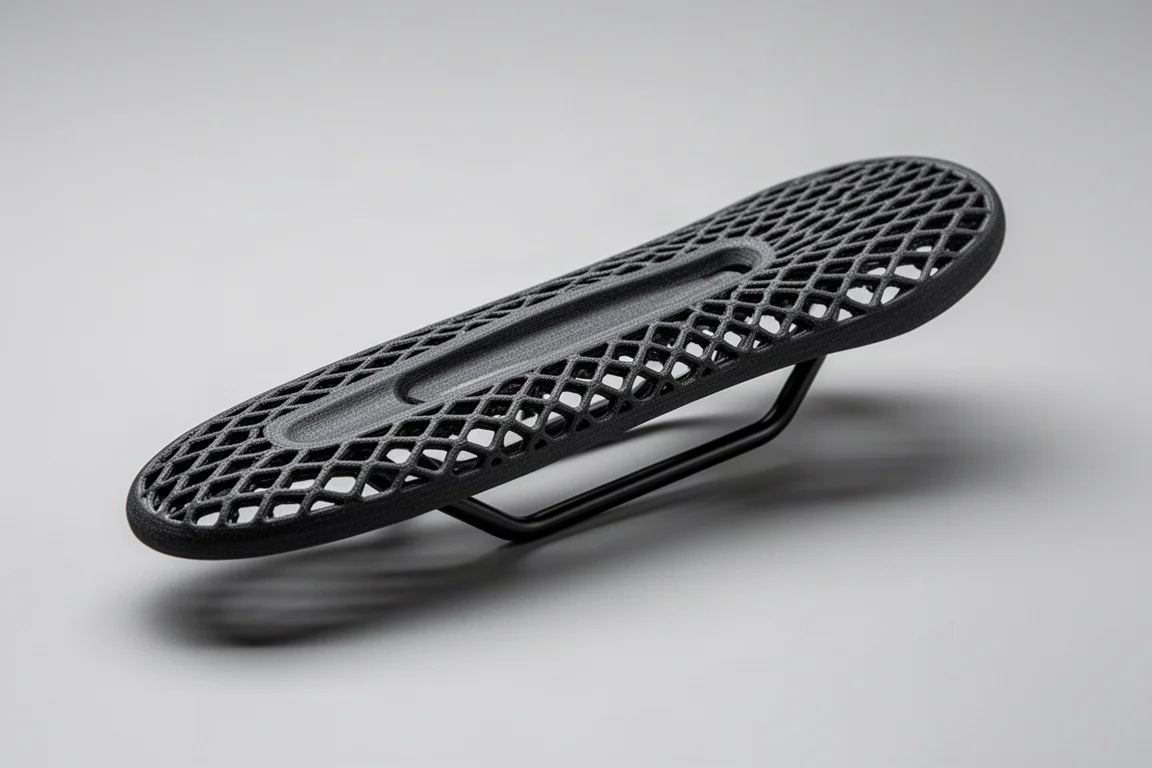
Fizik Aliante Tempo vs Aliante Tempo 3D Printed
The Aliante Tempo is 145 mm wide with a rounded profile that is similar in spirit to the Romin. It felt wider than the Specialized and produced a little more pressure overall, with a hot spot on the nose that may simply come down to width. It was not uncomfortable, but the rider felt tipped forward rather than held in place, with a sense of rocking to the left. Left to right balance on both Fizik saddles was better than on the other traditional models tested.
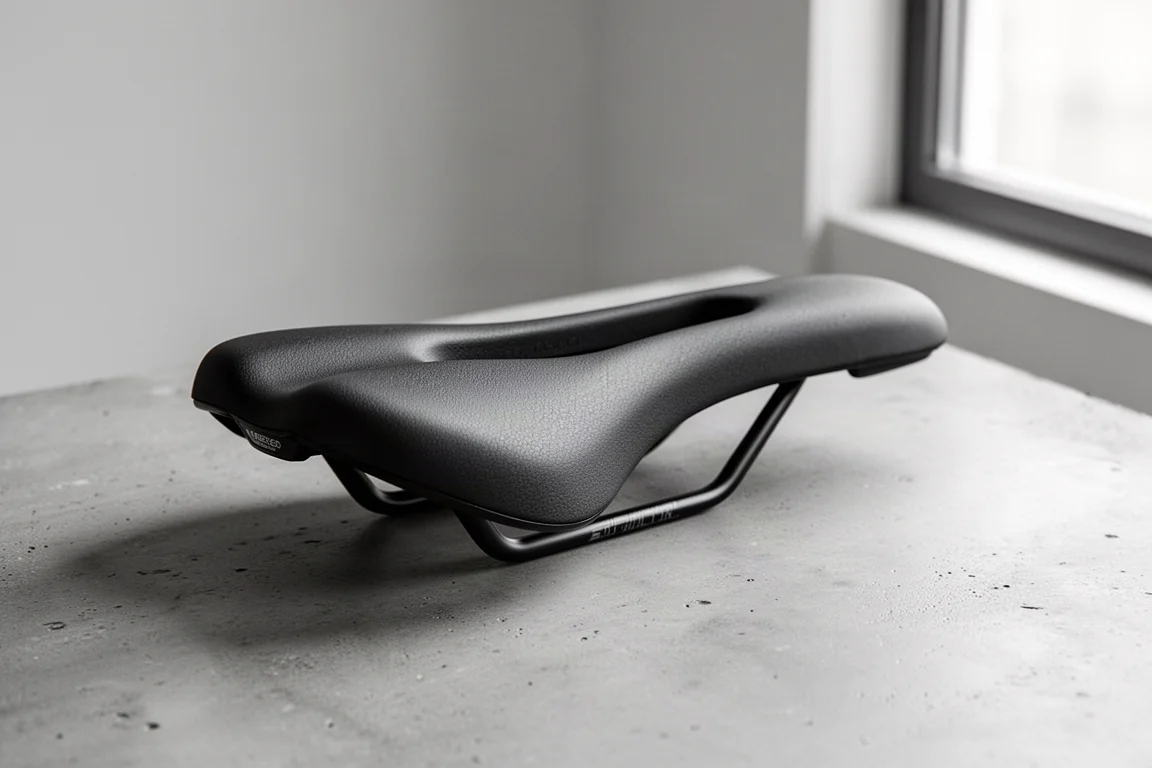
The 3D printed Aliante Tempo was better, but only slightly. The rider found it very similar to the standard version, a touch less stable, with pressure shifting further forward onto the nose. Left to right balance improved again. Of the four pairs, this was the one where 3D printed construction changed the experience least.
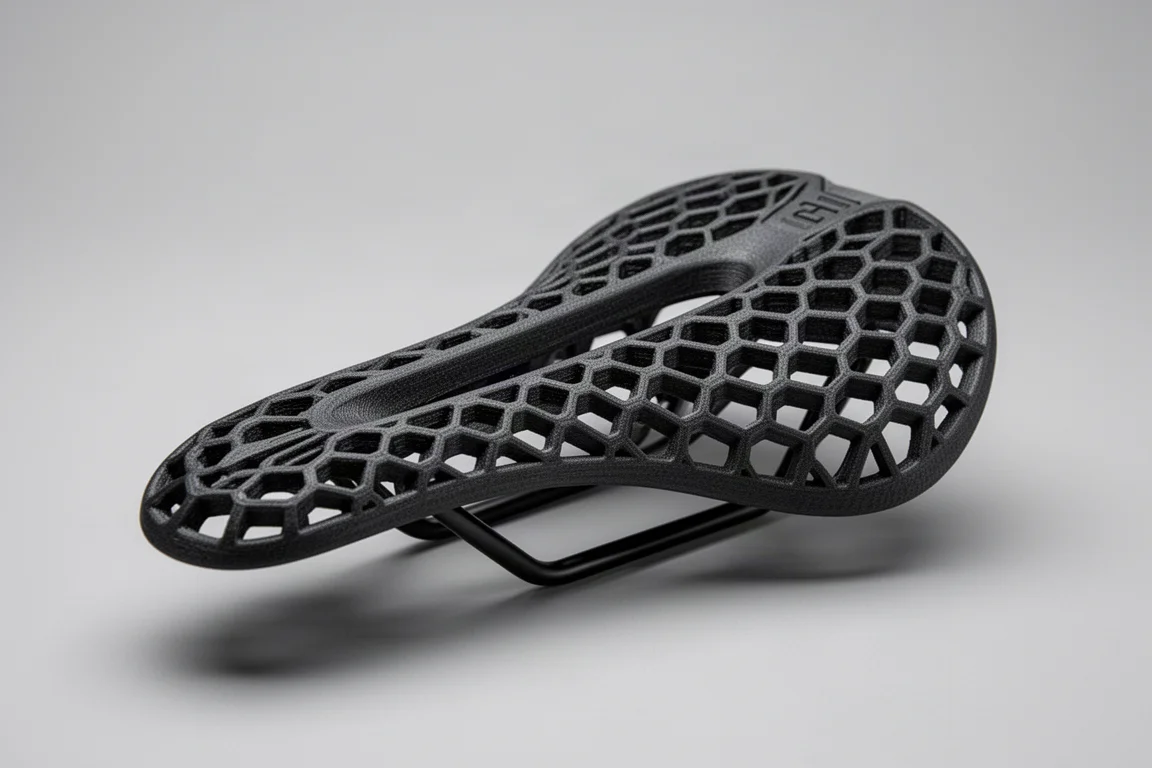
Buying Advice: Matching a Saddle to the Rider
The clearest lesson is that shape comes first. The short, wide Power shape failed in both its standard and 3D printed forms, and no amount of printed lattice rescued it. If a saddle shape already suits you, the 3D printed version is far more likely to deliver a real improvement, as it did with the Romin EVO and the SLR Boost S3.
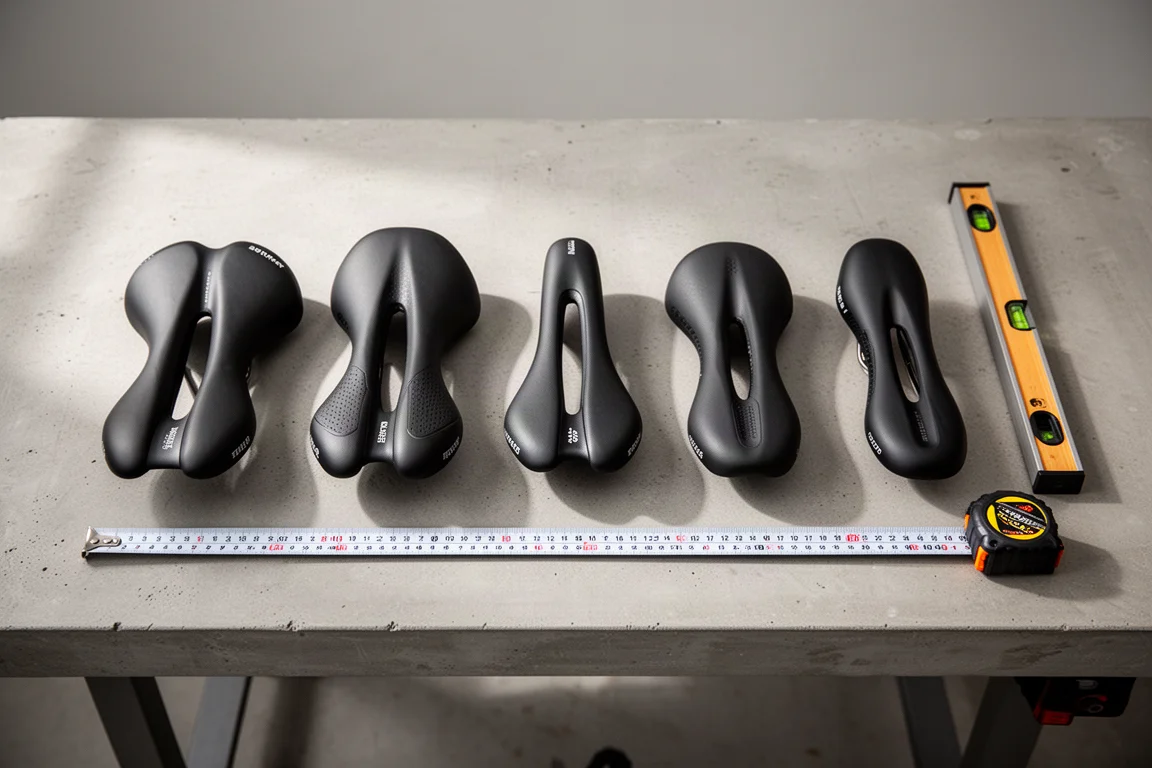
Second, expect the 3D printed version to sit differently. Rail heights vary between models, so re-measure saddle height and reset your position before judging the saddle. A change of more than a centimetre is enough to alter comfort on its own, and it is easy to mistake that for the material.
Third, be realistic about what the upgrade costs. 3D printed manufacturing is generally expected to be cheaper and more repeatable than traditional production, yet 3D printed saddles carry a significant price premium over their conventional counterparts. Whether that premium is worth it depends on how much the measured pressure reduction matters to you, and on whether you are sensitive to a lattice surface under a chamois.
Finally, comfort is personal. A saddle that one rider disliked on texture grounds was the best performer for another, and the two Fizik models were difficult to separate. If you can test a saddle before committing, do.
Conclusion
Across this comparison, 3D printed saddles were better for the most part, with one clear exception. The 3D printed Selle Italia SLR Boost S3 came out on top, followed by its standard counterpart, then the Specialized Romin, with the two Fizik Aliante Tempo saddles harder to rank against each other. The Specialized Power shape was the outlier in both versions.
If you already ride a shape that works for you, the 3D printed equivalent is a reasonable upgrade, particularly where pressure fell by half as it did on the Romin EVO. If you are still searching for the right shape, that is where your money is best spent first.
Further reading
Related Reviews
Cycling Components
A 20,000-Mile Budget Race Bike Build: Five Parts Worth Knowing
A rim brake race bike assembled from low-cost components and ridden for 20,000 miles. Here is what delivered real speed, what caused problems, and what to weigh before copying the formula.
Cycling Components
7 Bike Fit Products Fitters Avoid: What to Check Before You Buy
Seven bike components that regularly cause knee, foot and saddle problems, with the specific concerns behind each one and what to look for instead.
Cycling Components
Four Affordable Bike Upgrades That Improve Ride Feel
Four low-cost cycling products that make a real difference to ride feel, plus the free setup changes worth trying first.