Insulated Jackets
Arc'teryx Nuclei SV Review: Warmth for Cold Belays and Winter Days Out
A close look at the Arc'teryx Nuclei SV, the brand's warmest synthetic belay jacket, covering Coreloft insulation mapping, the Hadron face fabric, fit, features, and who should buy it.
Introduction
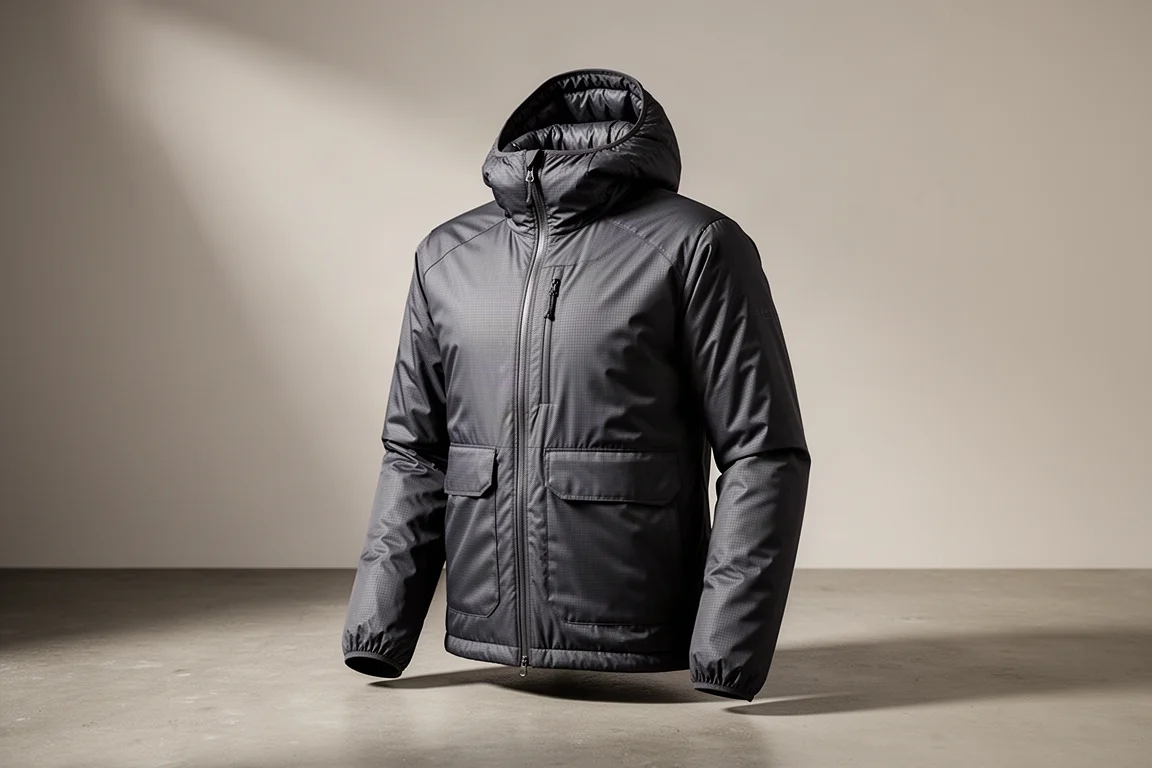
The Arc’teryx Nuclei SV is the warmest synthetic belay jacket in the Arc’teryx range, and it is built for severe conditions. The naming tells you where it sits: SV stands for severe, while FL and SL denote fast and light or super light. Where the lighter Nuclei FL is aimed at milder days and lower weight, the SV is designed for genuine cold and the kind of damp that makes a jacket work harder than the temperature alone suggests.
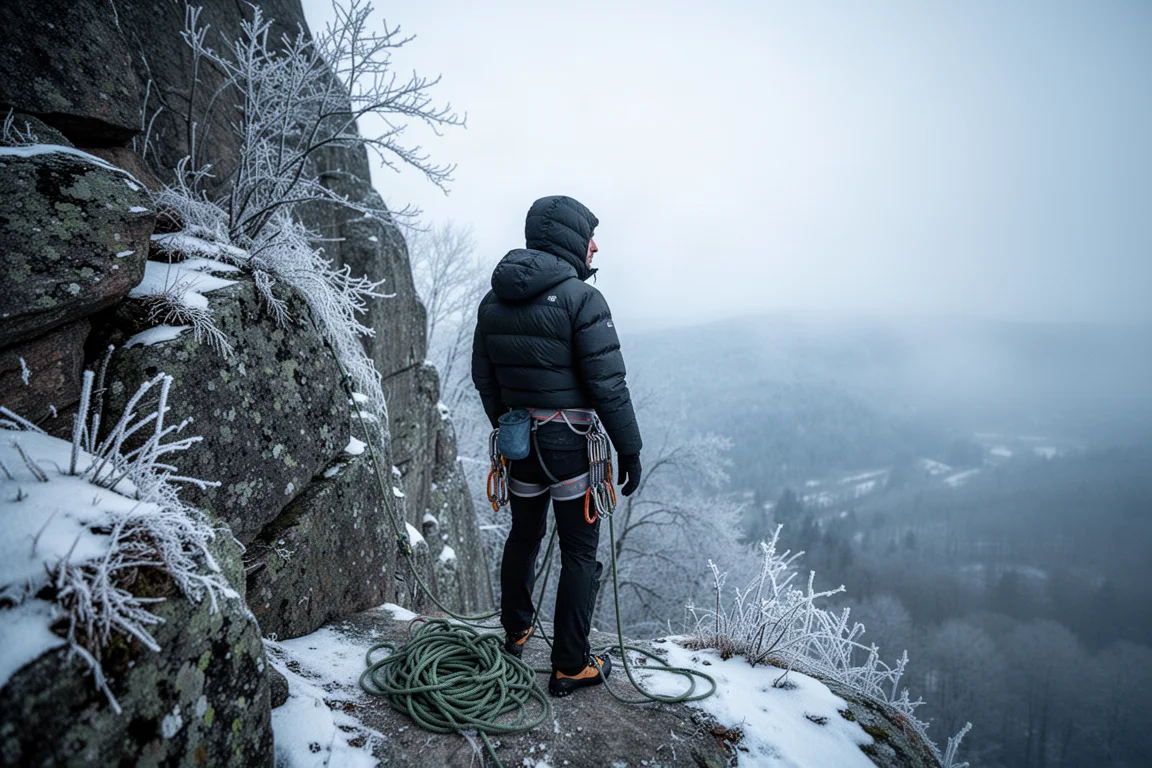
That distinction matters because a belay jacket is not meant to be worn while moving hard. It is meant to trap the heat you are already producing and hold it close while you stand still, whether that is on a belay ledge, at the base of an icefall, or behind a camera on a frozen morning.
Who the Nuclei SV Is For
This is a jacket for standing around in the cold. Winter climbers and ice climbers use it on the belay, boulderers wear it while warming their hands between attempts, and winter photographers and anyone else who spends long stretches stationary outdoors will recognise the problem it solves. You do not have to be a climber to want it, but you do have to accept that it is at its best when you are not generating much heat.
The other reason it suits wet, cold conditions is its insulation type. Down is lofty, warm, and packs down small, but once it gets wet the feathers collapse and the warmth goes with it. Even on a dry day, repeatedly stuffing a down jacket in and out of a pack can leave it damp enough to lose performance. Synthetic fibres keep their loft when wet, which is why a synthetic belay jacket is the more dependable choice for cold, humid winters.
Warmth and Insulation: How Coreloft Is Mapped
The jacket is filled with Coreloft, Arc’teryx’s own synthetic insulation, and the distribution is deliberate rather than uniform. There is 190 g per square metre through the core of the jacket, covering the body and the back, with 90 g per square metre under the arms and in the hood. The result is serious warmth where you need it and a little less bulk where you tend to overheat.
The lining is soft and durable, slides on easily over a layering system, and feels comfortable against the skin if you wear the jacket over a thin base layer. The outer is a touch more breathable than you might expect, which lets the warm air you create move into the insulation, where it is held rather than lost.
The Hadron Face Fabric and Weather Protection
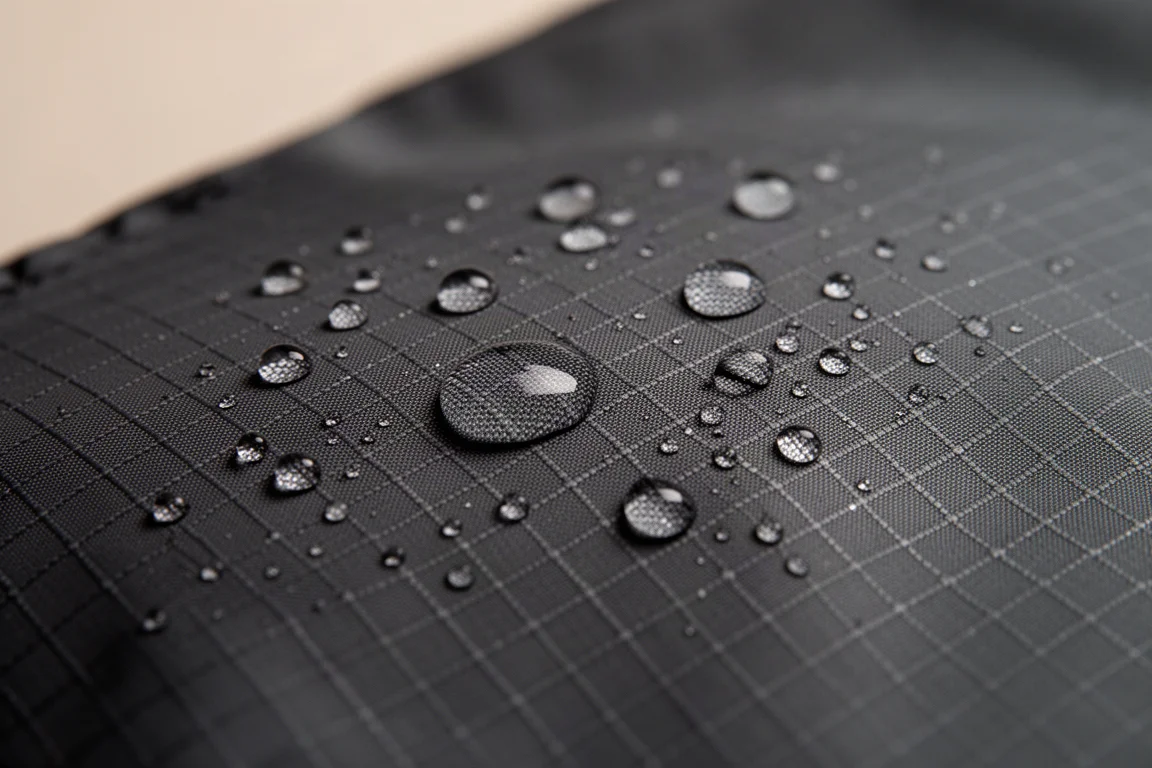
The most striking thing about the Nuclei SV in the hand is the face fabric. It feels crisp and solid, the kind of material that signals durability before you read anything about it. That fabric is called Hadron, a 20 denier ripstop built around a liquid crystal polymer and finished with an acrylic coating that adds water repellency and helps the treatment last.
Twenty denier is not a heavy weight, and many brands would go thicker to chase the same durability. Hadron reaches it while staying very light, which is why the jacket feels as substantial as it does without becoming a burden. The jacket is not classified as waterproof, but it is among the most water-resistant designs of its type, and the coating means that resistance should hold up over time rather than washing out after a season.
Fit, Sizing, and Layering
Sizing rewards a little thought. A large works well at around 6’4 and 90 kg when the jacket is worn over a harness, a mid layer, and a shell, which is exactly how a belay jacket is normally used. For everyday wear, without all of that underneath, a medium would likely be enough. If you plan to wear it casually rather than over climbing layers, sizing down is the sensible move.
Features: Hood, Pockets, and Cuffs
The feature set is intentionally lean, which helps keep the weight down for such a substantial jacket. The cuffs are elasticated rather than fitted with large hook-and-loop tabs. There is enough give to push a glove through, and they feel noticeably better against bare wrists than stiff closures do.
Up front there are two large hand warmer pockets, each with a fleece lining on the outer face, plus a chest pocket. All three are generously sized, roomy enough for a map or for gloves and a hat. Inside, there are two large dump pockets, the kind of feature every belay jacket should have: somewhere to stash gloves, a hat, climbing shoes you want to keep warm, or a water bottle you would rather not see freeze.
The hood carries 90 g of Coreloft, thinner than the body so it sits close without feeling bulky, and it uses Arc’teryx’s double pull cord arrangement. One cord snugs the hood around a helmet, and a secondary adjuster pulls it down so it does not creep over your eyes when you are not wearing one. Two front pull cords let you cinch everything in when the weather turns, and double pull cords at the hem keep the jacket close when you are not wearing a harness. A two-way zip runs the full length, which is genuinely useful on a long jacket when you are belaying.
Packability and Weight
The Nuclei SV weighs 600 g in a men’s medium, with larger sizes a little heavier and the women’s version lighter. That is not the lightest figure on the market, but it is among the lightest for the amount of insulation packed into it, and the compressed size is the real surprise. Hung on a rail it looks like far too much jacket to carry, yet squeezed down it takes up less room than some lighter and less warm alternatives.
Arc’teryx solves the packing question with a stuff sack that lives inside the internal pocket, attached inside out. You can detach it if you prefer, but leaving it in place means you simply reverse it and stuff the jacket inside, then clip the result to your harness. It avoids the fiddly business of folding a jacket into its own pocket and wrestling with a zip that might snag the fabric. A dry bag is still the better home if you want maximum compression and a guarantee that the jacket stays bone dry.
Things to Consider Before Buying
The first consideration is cost. This is not an inexpensive jacket, and it sits at the top of the brand’s synthetic range.
The second is weight. At 600 g it is a committed choice, and if you know you will leave a heavy jacket behind, the lighter Nuclei FL in the same range is the more practical option, even though it is less warm.
The third is how the jacket is designed to be used. The insulation mapping and the emphasis on trapping heat make it a poor match for fast, sweaty effort. The Proton is the breathable option in the range, the Atom is the all-rounder, and the Nuclei is the one you put on when you stop moving. It is also not classified as waterproof, so it is a warmth and weather-resistance layer rather than a replacement for a shell in sustained rain.
Buying Advice
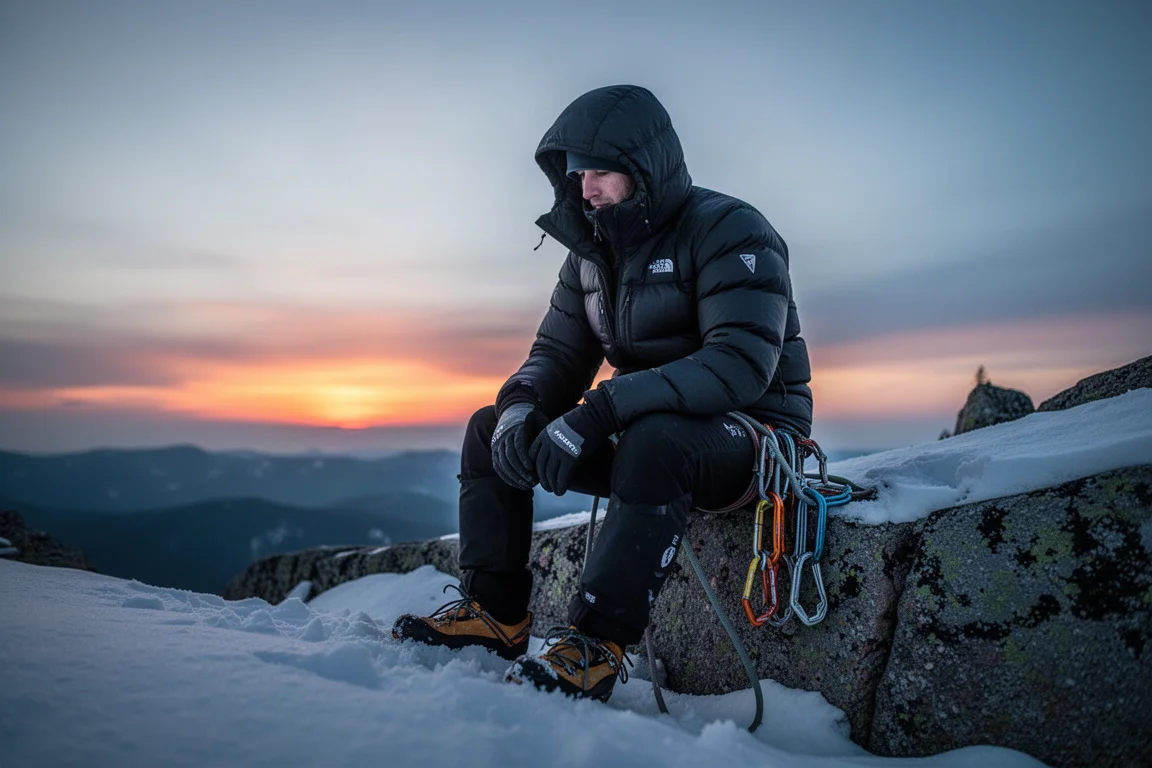
If you spend cold days standing still, this is one of the warmest and most protective jackets you can put on. Belays on long pitches, bouldering sessions on freezing mornings, winter photography, or simply waiting around outdoors in the kind of damp cold that makes down insulation unreliable: these are the situations where the Nuclei SV earns its place. The combination of 190 g Coreloft through the core, the durable Hadron face fabric, and the compressed pack size makes it easy to justify carrying despite the bulk.
Sizing should follow your layering plan. If the jacket will go over a harness, a mid layer, and a shell, take your normal size. If it is mostly for everyday wear, consider going down one. Either way, the finish is what you would expect at this level: the stitching, seams, and zips all work smoothly, and the jacket feels properly built rather than merely expensive.
Conclusion
The Arc’teryx Nuclei SV is a specialist piece, and it is honest about that. It is heavy compared with lighter belay jackets, it is not waterproof, and it is priced accordingly. What it offers in return is the warmest synthetic insulation in the range, thoughtfully mapped so you stay warm without feeling swamped, wrapped in a face fabric that feels far more robust than its 20 denier weight suggests. For anyone who spends real time stationary in severe cold, that trade-off is easy to accept.
Product link
View more details for Arc'teryx Nuclei SV
This product is mentioned in the review. Check the specifications, options, and compatibility before buying.
View more details for Arc'teryx Nuclei SVFurther reading
Related Reviews
Insulated Jackets
Aerogel vs Down Insulation: Two Aerogel Jackets Compared
Aerogel is the lightest solid on record, but two aerogel jackets measured against a comparable down jacket tell a more complicated story about warmth.
Insulated Jackets
Arc'teryx Atom LT vs Decathlon Trek 50: Does the Premium Synthetic Jacket Earn Its Price?
A side-by-side look at two synthetic insulated jackets at very different prices, covering fit, weight, insulation, features, and warranty.
Insulated Jackets
Big Agnes Shovelhead Jacket Review: Does Treated Down Stay Warm When Wet?
A close look at the Big Agnes Shovelhead jacket and its bluesign approved, PFAS-free DownTek insulation, including what happened when it was soaked twice in near-freezing conditions.