Integrated Amplifiers
Arcam SA45 Review: Class G Power, Dirac Live, and a Complete Streaming Amplifier
A premium streaming integrated amplifier with 180 watts per channel, a broad streaming platform, HDMI eARC, MM and MC phono inputs, and built-in Dirac Live correction, plus a few usability details worth checking first.
Introduction
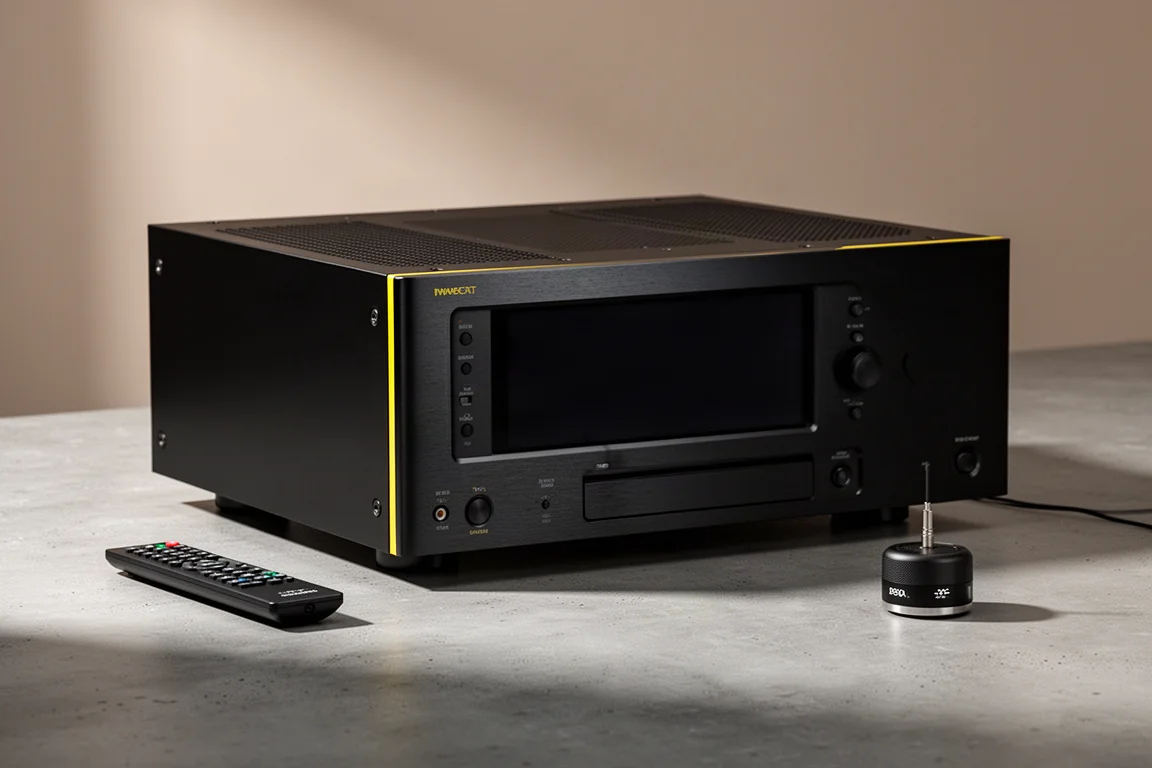
The Arcam SA45 is Arcam’s flagship streaming integrated amplifier. It is designed and engineered in the UK and manufactured in China, and it arrives as a 17 kg black chassis accented in yellow, accompanied by a matching infrared remote control and a puck microphone for room correction measurements. Both accessories are plastic, and both are serviceable rather than luxurious.
The amplifier section runs Arcam’s fifth-generation class G topology, rated at 180 watts per channel into 8 ohms and 300 watts per channel into 4 ohms. That is ample power for most loudspeakers, including low-efficiency stand mounts. Class G means the amplifier operates from a lower voltage rail at everyday listening levels and draws on a higher voltage rail only when transient peaks demand it. Arcam states that this approach delivers better efficiency and lower distortion at real-world volumes than conventional class AB designs.
The SA45 sells for 5,000 euros and 5,500 US dollars, which places it firmly in premium integrated territory. At that price, sound quality is not the whole story. The streaming platform, the phono stage, and the built-in Dirac Live correction all carry weight in the buying decision, and so do a handful of everyday usability details.
Who the Arcam SA45 Is For
This is an amplifier for listeners who want one box to cover streaming, television audio, vinyl, and room correction, rather than a rack of separate components. It suits a system built around a pair of loudspeakers, an optional subwoofer, and a television that shares the room.
The central appeal is that the SA45 does not force a choice between analog signal purity and the pragmatism of room compensation software. It offers both and leaves the decision to the listener, which is not as common as you might expect at this price.
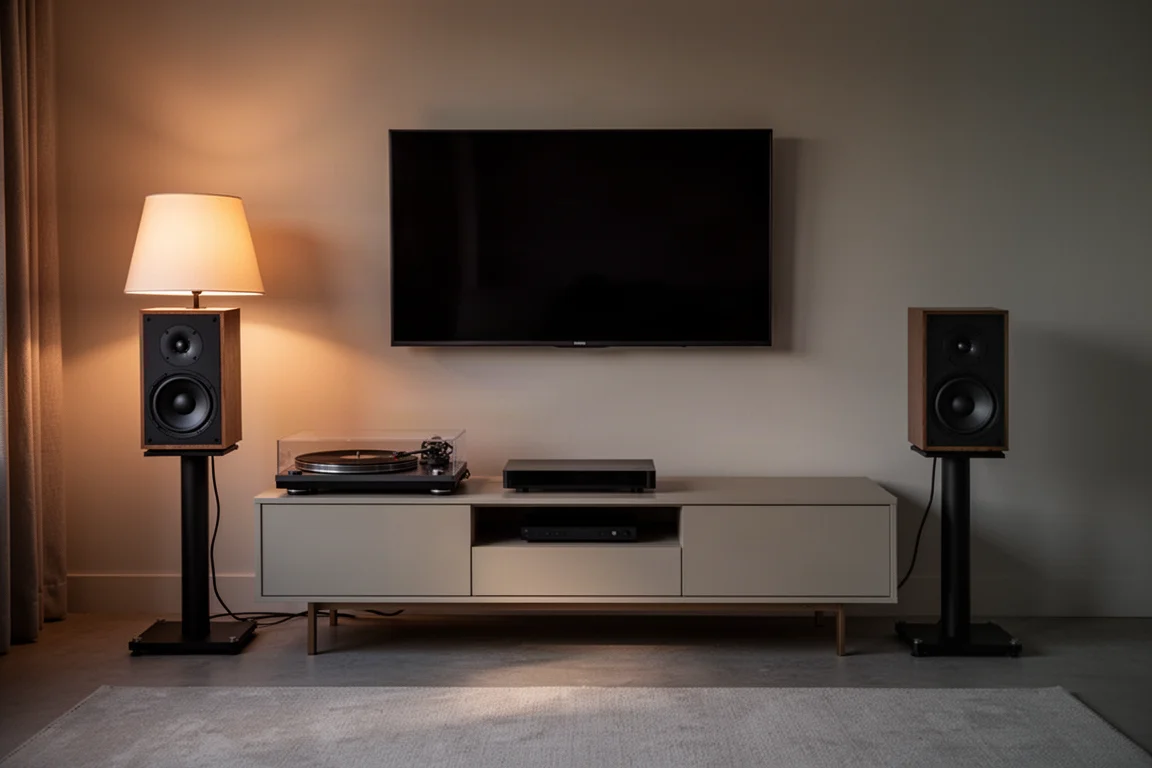
It also makes sense for anyone who wants a wired network connection as readily as Wi-Fi, and for vinyl listeners who would rather not add an outboard phono stage. The phono inputs are built in, and for many cartridges they will be entirely sufficient.
Main Strengths: Class G Power and Dynamic Headroom
The headline strength is the amplifier section. The SA45 sounds big, with above-average dynamic headroom for both the large swings in a recording and the smaller shifts in texture and energy within a track. Those micro dynamics are where it impresses most.
The top end stays exciting without tipping into brightness or hardness. That matters with revealing loudspeakers, which tend to expose any hint of aggression in an amplifier. The SA45 stays energised and lively without becoming tiring across a long listening session.
Arcam’s efficiency and distortion claims for class G do not read as idle marketing here. The amplifier’s dynamic authority is very much a product of its output stage, and it is the reason the SA45 feels quick and substantial rather than merely loud.
The chassis itself is as solid as anything in its class, and the physical presentation matches the asking price even before you press play.
Streaming, Connectivity, and the Onboard DAC
The digital platform is built on a six-layer PCB with the circuitry stacked vertically to keep signal paths short. The internal DAC is a flagship tier ESS Sabre 9027S Pro chipset running in a fully balanced configuration.
Streaming runs over Wi-Fi or Ethernet, with Apple AirPlay 2, Google Cast, Spotify Connect, Tidal Connect, and Roon Ready all supported. The accompanying Radia app handles basic setup and configuration, and in normal use there is little reason to open it beyond checking for firmware updates.
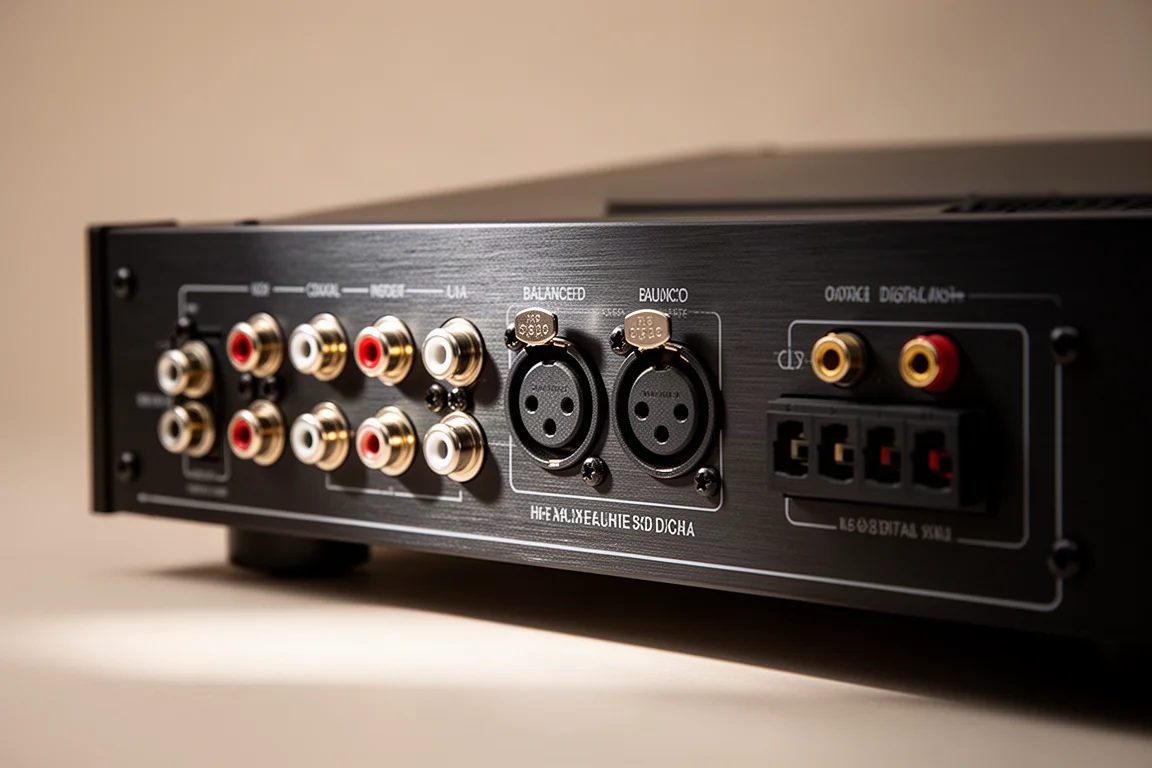
Physical connections cover most systems. There are two TOSLINK and two coaxial digital inputs, though no USB. Four line-level analog inputs are provided, one of which is a balanced XLR pair, and there are separate preamplifier and subwoofer outputs, each available in unbalanced RCA and balanced XLR. That distinction matters if you plan a 2.1 setup. HDMI eARC is included as well, which makes a television a first-class digital source without an extra converter.
For turntables there are separate moving magnet and moving coil phono inputs. The phono stage sits on the warmer, softer side of neutral. It is easy to listen to and forgiving of lesser cartridges, weaker pressings, and thinner recordings, but it is not the last word in resolution, and its loading values are fixed. The SA45 can also transmit audio to Bluetooth headphones rather than only receiving Bluetooth from a phone, tablet, or computer, a feature no direct rival in this comparison offers.
The Display, Controls, and Everyday Usability
The SA45 has a nine-inch colour display that is impressively large and surprisingly bright, and it is dimmable. During streaming playback it shows album artwork and metadata, and it puts the amplifier a clear step ahead of its rivals visually. It is not a touchscreen. Instead it is flanked by two large rotaries trimmed in yellow, which handle volume, input selection, and menu navigation. The menu system itself is beautifully fluid.
Two things stand out in daily use. First, the now playing screen shows the artist name in a font that is too small to read from a listening position a couple of metres away, and the input labels are constrained by a circular graphic that has the same legibility problem. The deeper settings menu also requires getting up close, which is where you choose whether analog inputs are digitised on entry for Dirac or kept in the analog domain, and where DAC filters are selected.
Second, the rotary controls feel light to turn, with more play in them than the solidity of the chassis would suggest. Neither issue is a deal breaker on its own, but at this price they register.
Dirac Live and Subwoofer Integration
Dirac Live is built into the SA45, and a firmware update now allows Dirac to recognise subwoofers connected to the dedicated balanced or single-ended outputs as separate from the main loudspeakers. One detail to be aware of is that both subwoofer outputs carry the same full-range mono signal rather than independent left and right channels.
In practice, Dirac reads a 2.1 system as three individual speakers, with three separate test tone sweeps at each measurement position. The outcome is what Dirac typically delivers, which is improved soundstage focus, better midrange clarity, and useful taming of a low bass resonance. It is worth being precise about the terminology. Dirac adjusts the output of the loudspeakers and subwoofers, and the room itself remains unchanged.
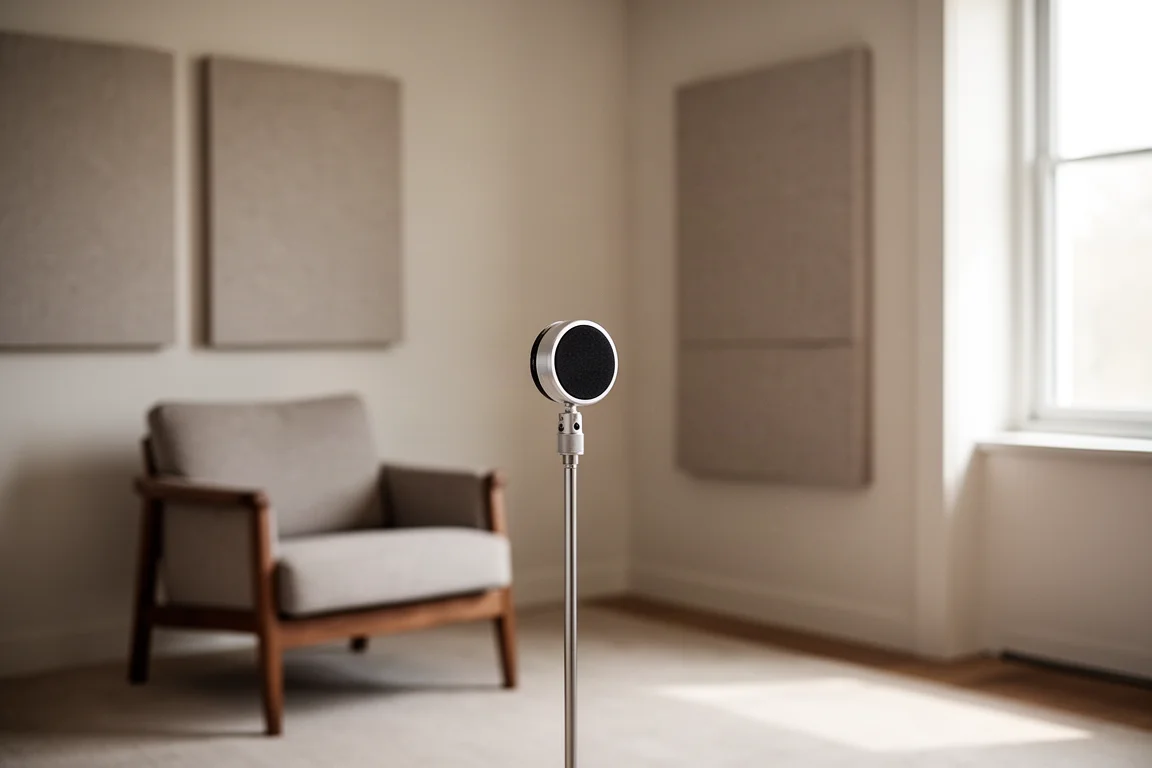
Dirac also allows the target correction curve to be optimised, which is genuine flexibility, but it asks more of the user than the fully automated room correction found in some rivals. Subwoofer integration has to be sorted manually before any measurements are taken. Documentation is the other gap. No Dirac material is supplied with the amplifier, and the quick start guide does not cover the process adequately, especially after the firmware change to how subwoofers are handled. The compensating strength is that analog inputs can be bypassed from digitisation entirely, which a digital-only rival cannot offer.
How the SA45 Compares With Its Closest Rivals
Two streaming integrated amplifiers sit naturally alongside the SA45: the Lyngdorf TDAI 3400 and the Hegel H190.
Against the Lyngdorf, the Arcam has the fuller musical body and the greater dynamic punch. The Lyngdorf gains in layer separation, but it gives up heft and slam in the process, and bass lines arrive with more snap and muscular presence through the SA45. The Hegel is the closer rival. It sounds marginally lusher and slightly warmer, a lean-back presentation that contrasts with the Arcam’s lean-in character and its extra upper-mid bite and excitement.
On features, the SA45 has the stronger streaming specification, and unlike the Hegel it includes a phono stage. The Lyngdorf counters with RoomPerfect, which automates subwoofer integration entirely, and it is a digital-only design in which everything passes through its DSP. The SA45 lets you bypass that stage instead.
Things to Consider Before Buying
The phono stage is the first thing to weigh if vinyl is a priority. It is warm and forgiving rather than highly resolving, and with fixed loading values there is no way to extract more from it. Listeners with a higher-end turntable and a demanding cartridge may end up adding an outboard phono stage, which works against the appeal of a single-box system.
The display is the second consideration. It is large and attractive, but the text that matters most in daily use is small enough that you will likely walk over to read it.
The third is Dirac. The correction itself performs well, but the setup process expects more involvement than an automated alternative, and the supplied documentation will not carry you through it. If you want room correction handled for you, that is a real drawback. If you enjoy tuning by ear and by measurement, it is not.
Finally, there is no USB digital input, so a computer-based source will need another route into the system.
Buying Advice
The SA45 is the right choice if you are undecided about room correction, if you want the option of an all-analog signal path, if you do not have a subwoofer to integrate, or if you are comfortable handling subwoofer integration manually.
Sitting next to its closest rival, it sounds fuller and more dynamically arresting, and the streaming platform and phono inputs make it a genuinely complete single box. If you would rather have the correction process automated from start to finish, a rival with an automated room correction system will serve you better. If vinyl is your main source, budget for the possibility of an outboard phono stage.
At 5,000 euros and 5,500 US dollars, the SA45 asks a lot, and its shortcomings are real. None of them is disqualifying on its own, but together they are worth understanding before you commit.
Conclusion
The Arcam SA45 gets the fundamentals right. It is powerful, dynamically expressive, generously equipped for streaming, and flexible about how much digital processing you want in the signal path. The display legibility, the rotary feel, the missing Dirac documentation, and the manual subwoofer integration are the trade-offs, and they will matter more to some listeners than others. Buy it for the amplifier section, the feature set, and the choice it gives you about analog purity. Check the usability details first if you like your equipment to feel as expensive as it costs.
Product link
View more details for Arcam SA45
This product is mentioned in the review. Check the specifications, options, and compatibility before buying.
View more details for Arcam SA45Further reading
Related Reviews
Integrated Amplifiers
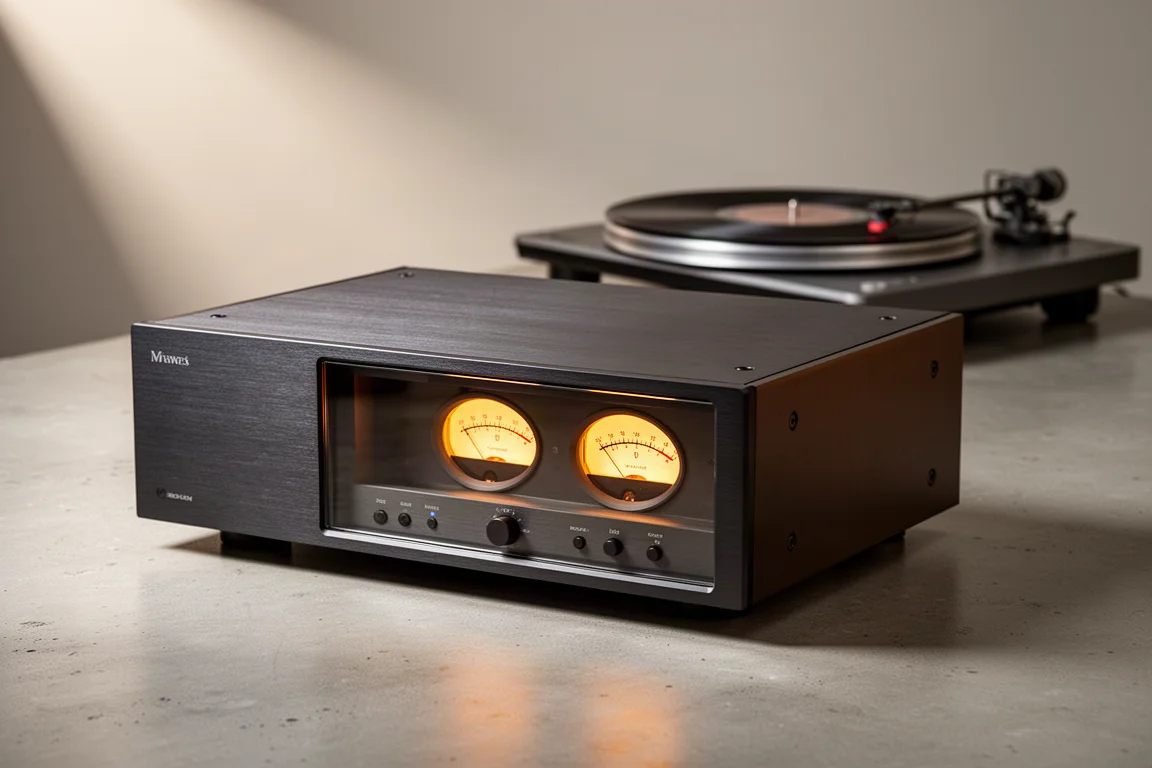
Advance Paris A10 Classic Review: Vintage Looks and a Lively, Punchy Sound
The Advance Paris A10 Classic pairs glowing blue VU meters and a tube stage with one of the widest input sets on any integrated amplifier. Here is what it does well and what to weigh before spending $2,500.
Integrated Amplifiers
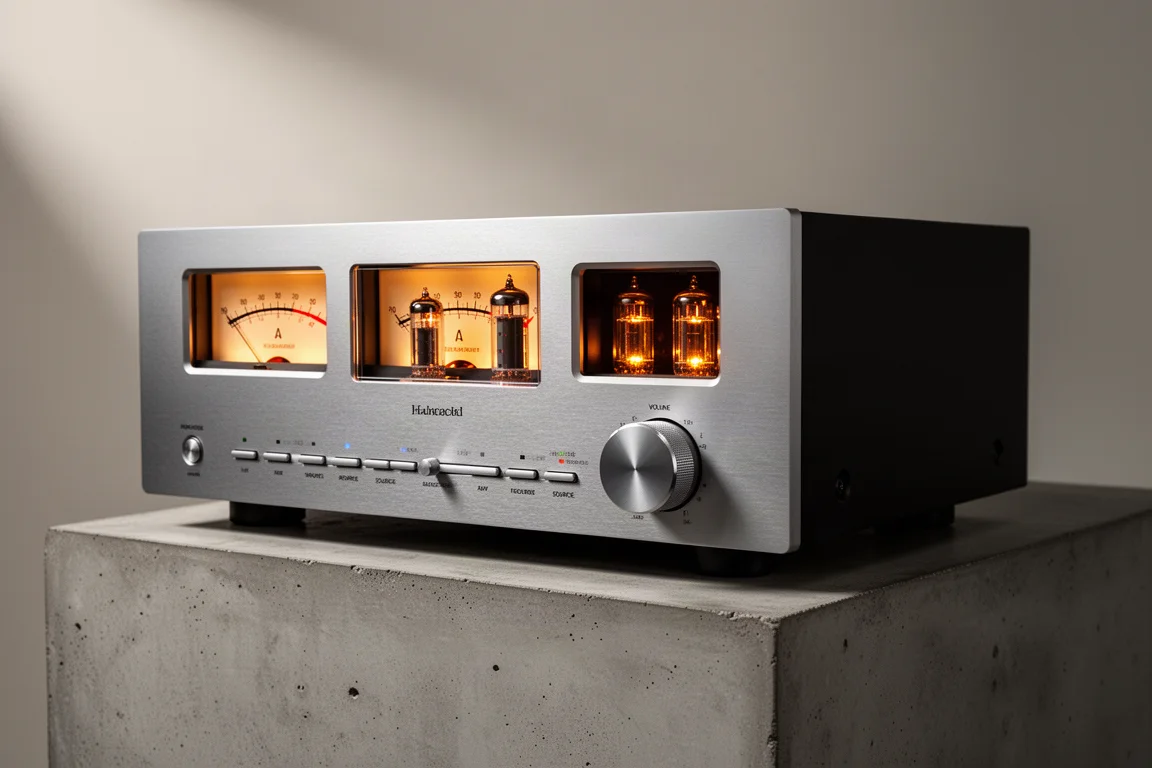
Advance Paris A12 Apex Review: A Modern Integrated Amplifier With Vintage Character
A dual mono integrated amplifier with 180 watts per channel, a tube front end, VU meters, and a connectivity list that covers turntables, televisions, computers, and headphones.
Integrated Amplifiers
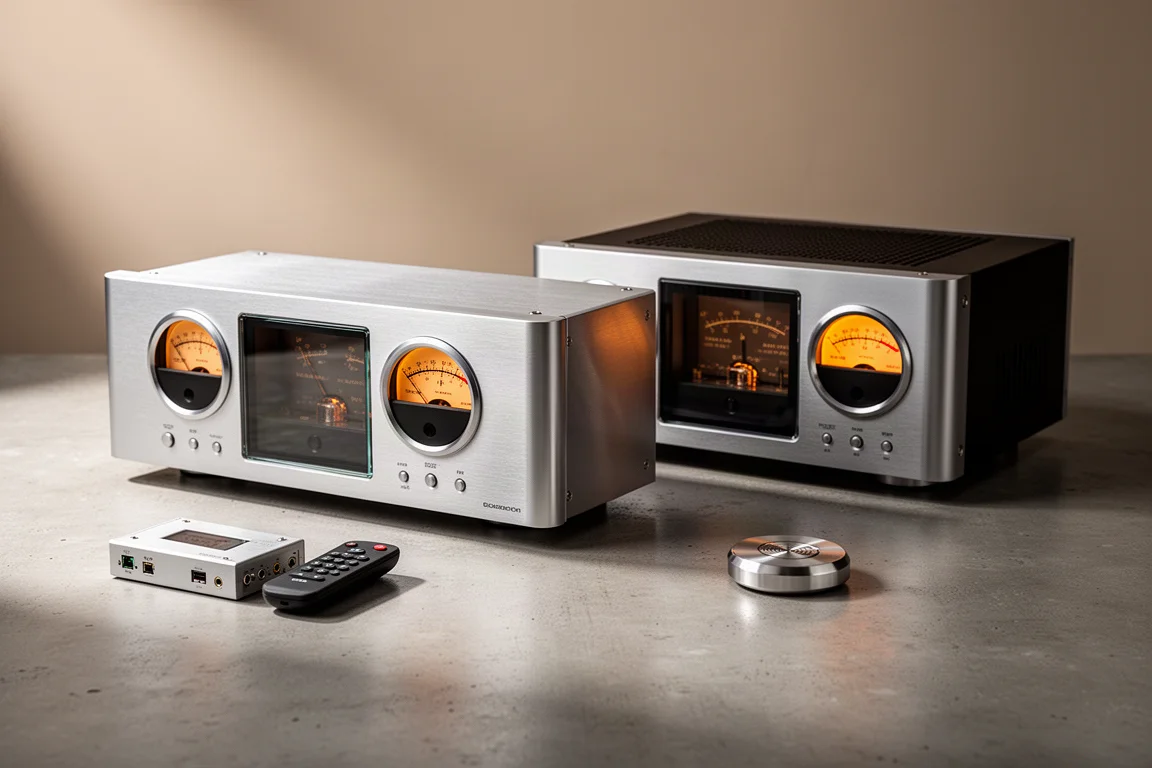
Advance Paris Nova Range Review: AI130, AI190 and Modular Upgrades
A practical look at the Advance Paris Nova range, including the AI130 and AI190 integrated amplifiers and the modular streaming, Bluetooth and remote accessories that expand them.