Hi-Fi Amplifiers
Arcam SA-10 and Sub-£1,000 Integrated Amplifier Alternatives Compared
A close look at the Arcam SA-10 alongside the Audiolab 6000A, IOTA VX SA3 and Exposure 2510, with practical speaker matching advice for each.
Introduction
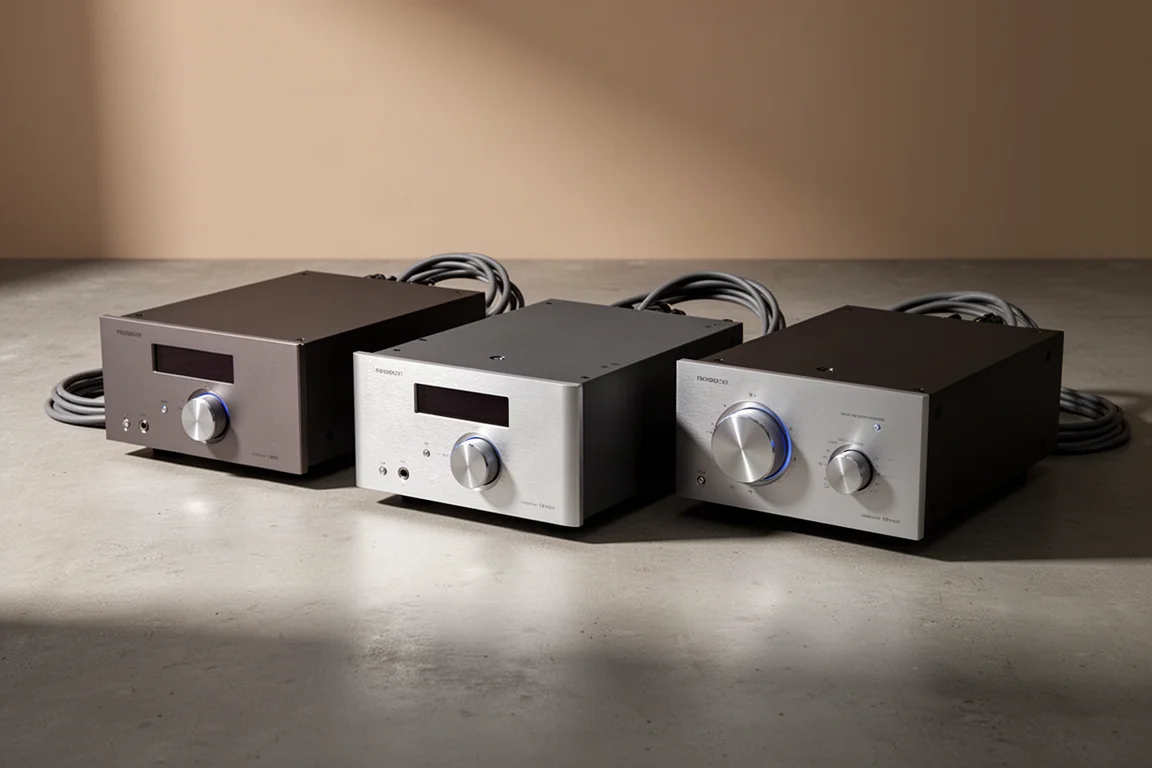
The Arcam SA-10 is a full-width class AB integrated amplifier that sells in the UK for a little over £700, and it makes a fairly specific promise. Arcam set out to deliver the tonal richness and physical body normally associated with far more expensive class A or vintage tube designs, while keeping enough fidelity that the sound never collapses into mush.
That places it in direct conversation with three amplifiers buyers at this price tend to weigh against it: the Audiolab 6000A at £650, the IOTA VX SA3 at £399, and the Exposure 2510, which costs more than twice as much and has no internal DAC at all.
This guide covers what each one does well, where each one gives ground, and which speakers tend to suit them.
What Matters at This Price
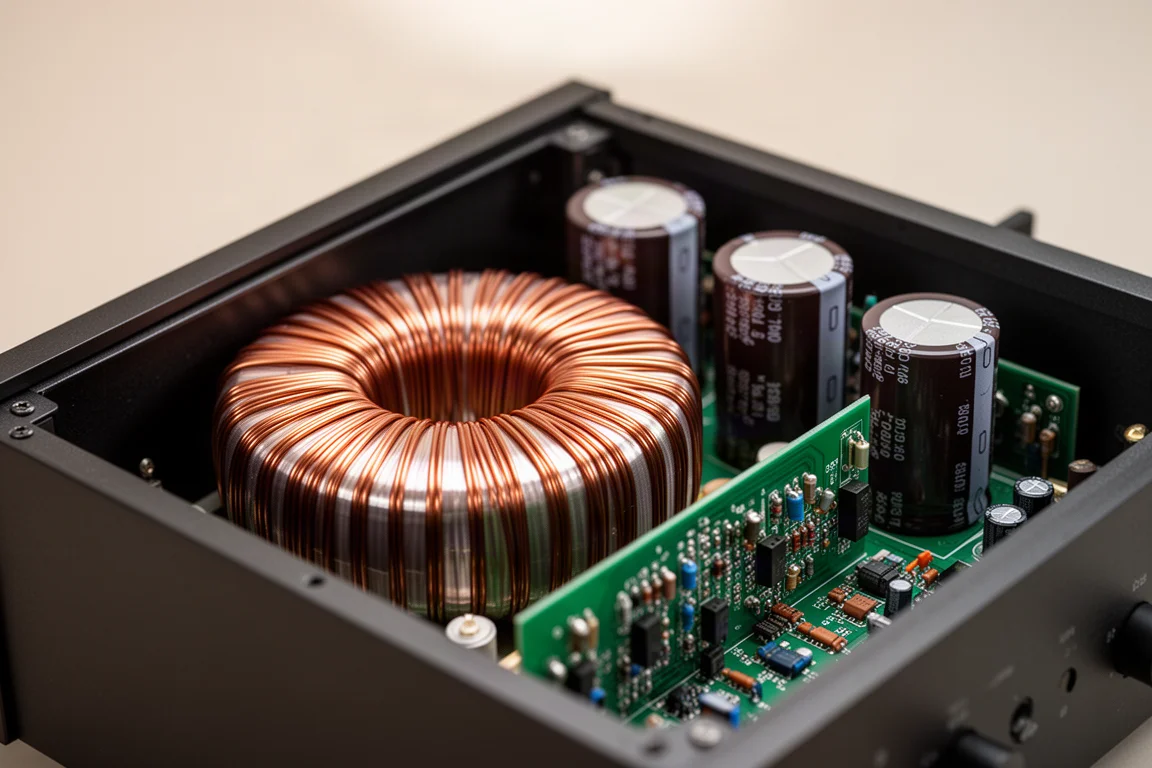
At this level, the clearest indicator of an amplifier’s capability is often the power supply, and the Arcam SA-10 makes that visible on the scale. It weighs 8.4 kg, which is hefty for the money. Inside you find a toroidal transformer, an AC inlet filter with fuses, and two power supply filter capacitors rated at 10,000 microfarads each. The output stage is class AB, rated at 50 watts into 8 ohms and 80 watts into 4 ohms.
Digital capability matters just as much. The SA-10 uses an ESS 9016 DAC chip, a design that is long in the tooth by current standards but was well regarded when it launched. The Audiolab 6000A counters with a noticeably better quality internal DAC, and that difference shows up in clarity and refinement.
Input flexibility is the third pillar. Every amplifier here offers optical and coaxial digital inputs plus line level analog connections, and none of the sub-£1,000 options include a USB DAC input.
Tonal balance is the final consideration, and it shapes what you hear more than any specification. Some amplifiers aim for neutrality, others deliberately contour the low and high frequencies, and the right answer depends entirely on the speakers and the room they sit in.
Arcam SA-10: Rich Tone Without Losing Fidelity
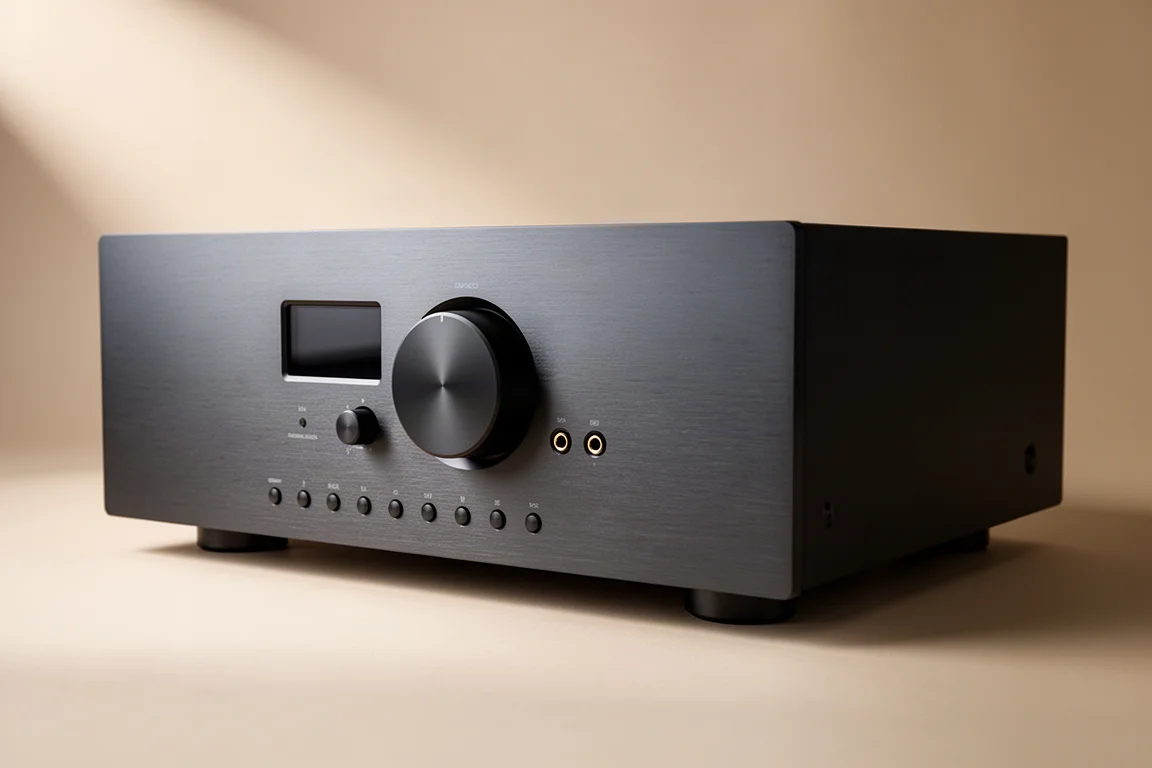
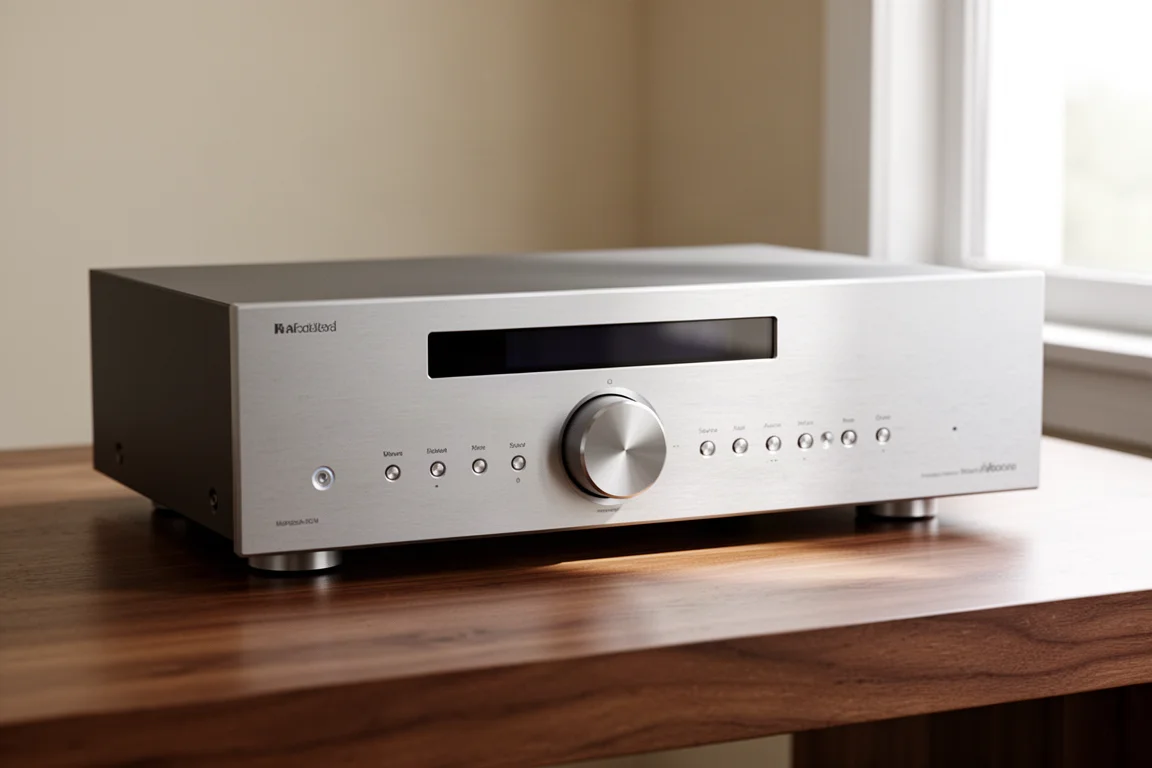
The SA-10 is a full rack width unit with a clean LCD display, a power button on the right hand side, and a slightly unusual standby routine: the amplifier comes out of standby when you rotate the volume dial. It takes a little getting used to. Next to the dial are two 3.5 mm jacks, one for headphones and one auxiliary input, and the first button under the display mutes the amplifier. Each input also has its own direct access button, which is genuinely convenient.
Arcam specifies a moving magnet phono stage, and the remaining inputs are labelled STB, PVR, CD, BD, AV and SAT. Plain line level, coaxial and optical labels would have been easier to live with. The fascia buttons are plastic but feel well built, the volume dial has a satisfying action, and the supplied universal remote can control other components in the range.
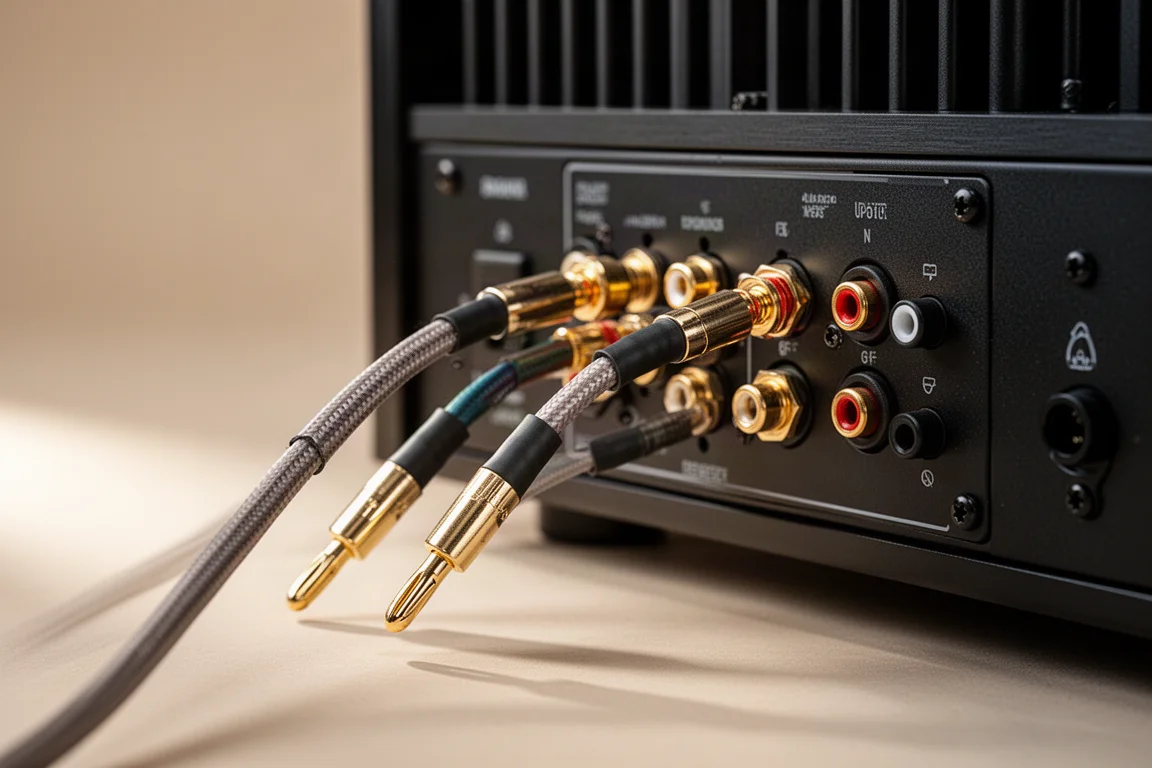
Around the back, the ethernet and RS232 ports exist purely for system control and integration with home cinema and home automation equipment. The USB slot is there for downloading future software upgrades rather than as a digital audio input. There are three digital inputs (one optical, two coaxial), three line level analog inputs, one moving magnet phono input, and a set of pre-outs for powered subwoofers or external power amplifiers. The speaker binding posts are of fairly standard quality.
Inside, the large circuit board carries the toroidal transformer, the AC inlet filter, the preamplifier, phono and DAC sections, and the discrete components of the power amplifier. Six output devices are mounted to the heatsink, which is more than the four that a typical push-pull class AB layout would use.
Sonically, the SA-10 delivers superb tonal richness. The midrange has a smoothness that gives it a fluid quality, real body and genuine acoustic mass, and it is unusual to hear that at this price without the sound turning to mush. The bass is full and weighty, which lends the amplifier a sense of authority, though it is not the last word in definition and control, and there is a little bleed from the bass into the lower midrange. Clarity is affected slightly, not excessively.
Instrument separation is very good, the soundstage is wide with excellent depth, and the leading edges of notes are softened just enough to give the presentation an organic, fluid character rather than a forensic one. The high frequencies are pulled back a touch, not enough to sound dull, but enough that the amplifier is more about richness than about telling you everything. Arcam designs and engineers these amplifiers at its facility in Cambridge, England.
Audiolab 6000A: Analytical Precision
The Audiolab 6000A sells for £650 in the UK and stands as a natural successor to the Audiolab 8000A, the amplifier that put the brand on the map with precision and detail. For listeners who approach hi-fi analytically, it is hard to do better for the money.
Its tonal balance is more neutral than the IOTA’s, with the midrange sitting in balance alongside the highs and lows, though it still leans slightly to the cool side of the spectrum. Against the IOTA VX SA3, the extra £250 buys a more neutral presentation, a much better quality internal DAC, and better overall clarity and refinement. Like the IOTA and the Arcam, it does not offer a USB DAC input.
The trade-off is character. Where the SA-10 paints in richer colours, the 6000A prioritises precision. Buyers who want warmth and body from the amplifier itself will find the Arcam more persuasive, while buyers who want the amplifier to stay out of the way will find the Audiolab more persuasive.
IOTA VX SA3: A Balanced Budget Option
At £399, the IOTA VX SA3 is the least expensive amplifier in this group, and its approach to tonal balance is the most distinctive. It applies a smile curve, boosting the low and high frequencies while placing a little less emphasis on the midrange. The result is a lively, engaging sound with very good all-round quality for the money.
In terms of simply getting the overall balance right, the IOTA is arguably the most successful of the group, even though it cannot match the midrange tonality of the Arcam. What you give up compared with the Audiolab is DAC quality, clarity and refinement, which is a fair reflection of the price difference.
Exposure 2510: The Costlier Reference Point
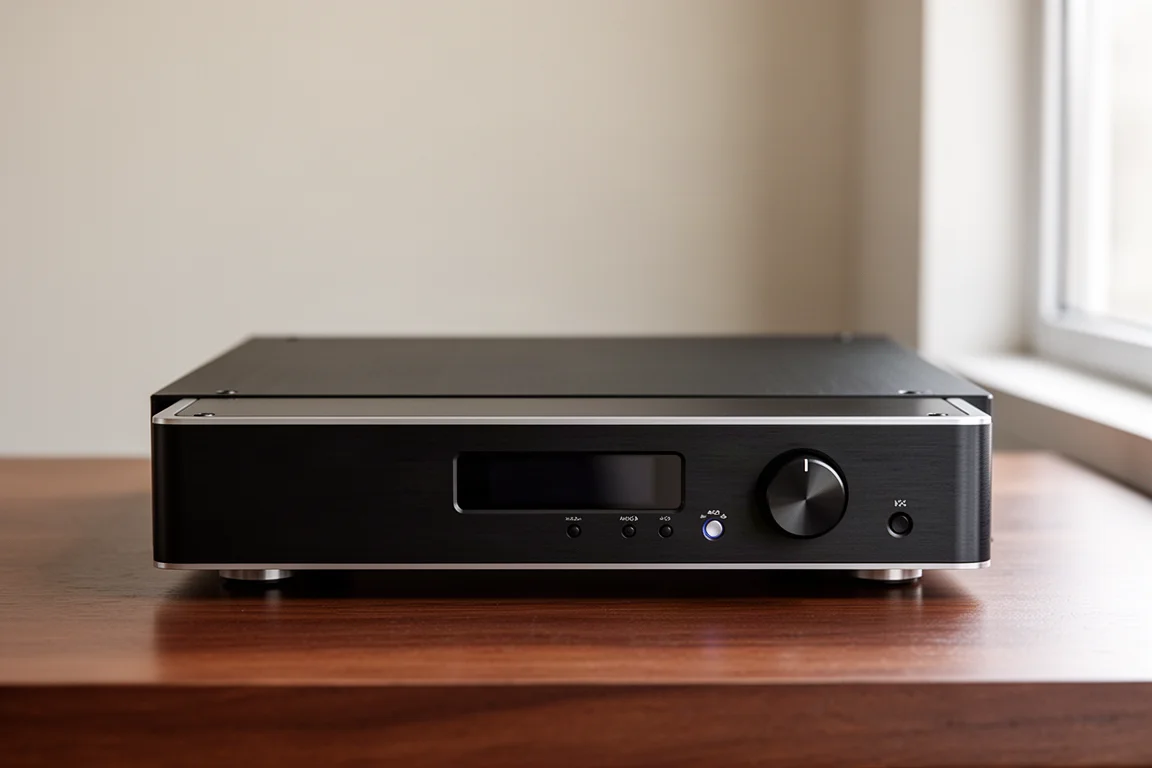
The Exposure 2510 sits well outside the sub-£1,000 bracket. It has no internal DAC and retails for more than twice the price of the Arcam SA-10, which makes it a useful reference rather than a direct competitor.
Against it, the SA-10 did not disgrace itself. There was no giant killing either. The Exposure offered better clarity and less coloration, allowing more of the recording to come through, along with much better control and grip over the speakers. Those advantages are real, and they come at a price.
That does not make the Exposure the better choice in every scenario. With price-appropriate speakers, and especially for listeners who specifically want a warm, rich tone, the Arcam remains the more sensible purchase. The honest framing is this: the Exposure is the more transparent and more controlling amplifier, and the Arcam is the more characterful one.
Speaker Matching and System Building
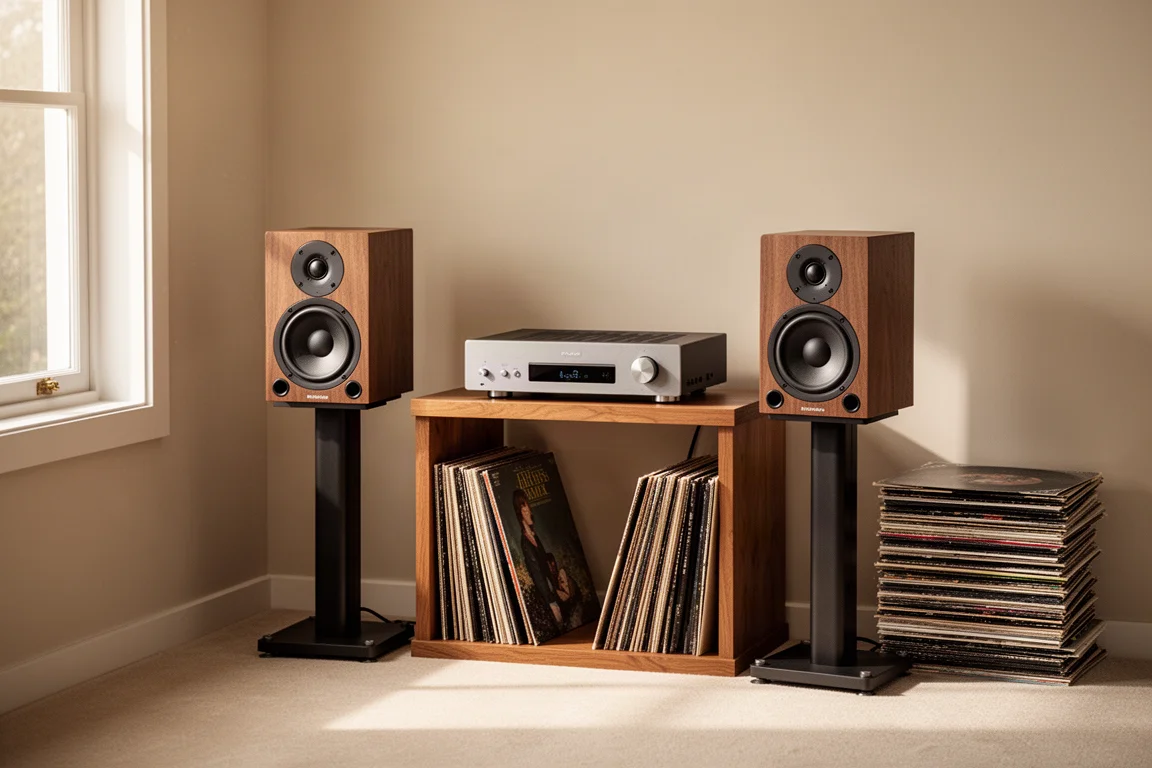
The SA-10 is close to plug and play, which is one of the pleasures of a traditional integrated amplifier, but speaker choice changes what you hear more than any other decision.
With ProAc Response 1SC speakers, which are revealing in the midrange and difficult to drive, the SA-10 did a reasonably good job, as well as any amplifier below £1,000 tested, which suggests the power supply is reasonably robust. Sonically it was not an appropriate match. The Dali Menuet SE was a similar story: driven reasonably well, but not able to get the most out of a near reference class mini monitor.
The Buchardt S400 Mk2 was much more like it. That speaker is fairly neutral overall with perhaps a touch of coolness, and the SA-10 is a good place to start if you want to shift the presentation toward warmth without spending a couple of thousand pounds on amplification. The Amphion Argon 1 is a more price-appropriate partner, and with it the character you hear comes from the amplifier rather than the speaker.
The most successful pairing was with JBL 4309 speakers, whose horn-loaded tweeter injects life without obliterating the SA-10’s virtues. Both are Harman products, which may not be a coincidence. As a rule, neutral speakers let the amplifier’s character come through, while brighter speakers from brands such as Focal, Bowers & Wilkins or Klipsch will temper it.
Buying Advice
Match the amplifier to the presentation you actually want rather than to a specification sheet. The Arcam SA-10 is the clear choice for richness, body and long, fatigue-free listening sessions, and it stands as a worthy successor to the Delta 290 that Arcam built decades earlier.
It is not for everyone. The coloration it adds will not suit rock enthusiasts, and the softened leading edges are a deliberate trade rather than a flaw. If precision and detail are the priority, the Audiolab 6000A delivers a more neutral balance and a better internal DAC for £650. If budget matters most and you want a lively, well-balanced sound, the IOTA VX SA3 at £399 is the value pick. If you can spend considerably more and want the greatest clarity and speaker control, the Exposure 2510 is the step up, provided you already have a DAC or a digital source.
One shared limitation is worth repeating: none of the sub-£1,000 amplifiers here include a USB DAC input, so a streamer or computer will need its own digital connection.
Conclusion
The Arcam SA-10 succeeds at the thing it set out to do. It delivers the tonal richness and body of far more expensive class A or vintage tube designs without dropping the ball on fidelity, and it does so for a little over £700 in the UK. For listeners building a system around warm, non-fatiguing sound, it belongs near the top of the audition list.
The Audiolab 6000A, the IOTA VX SA3 and the Exposure 2510 each answer a different question. Choose by the presentation you want, then match the speakers to it, and any of the four will reward the effort.
Further reading
Related Reviews
Hi-Fi Amplifiers
Accuphase E-280 Review: Entry-Level Accuphase With Flagship Attention to Detail
A close look at the Accuphase E-280 integrated amplifier, covering its champagne build, AAVA volume control, sound quality, and the speakers and sources that suit it best.
Hi-Fi Amplifiers
Advance Paris A10 Classic vs Yamaha A-S301: Two Integrated Amplifiers Compared
A practical comparison of a $350 integrated amplifier and a $2,500 reference model, covering the differences that matter and the ones that do not.
Hi-Fi Amplifiers
Affordable Chinese Amplifiers Worth Buying: Five Budget Hi-Fi Amps Compared
A practical look at five affordable amplifiers, what each one does well, and the trade-offs to weigh before you buy.