Aquascaping
Aquascaping Adhesives Compared: Which Bond Holds Up Best?
A practical comparison of five aquascaping adhesives, covering dry rock bonds, saltwater-soaked rock bonds, and which option suits each reef-building job.
Introduction
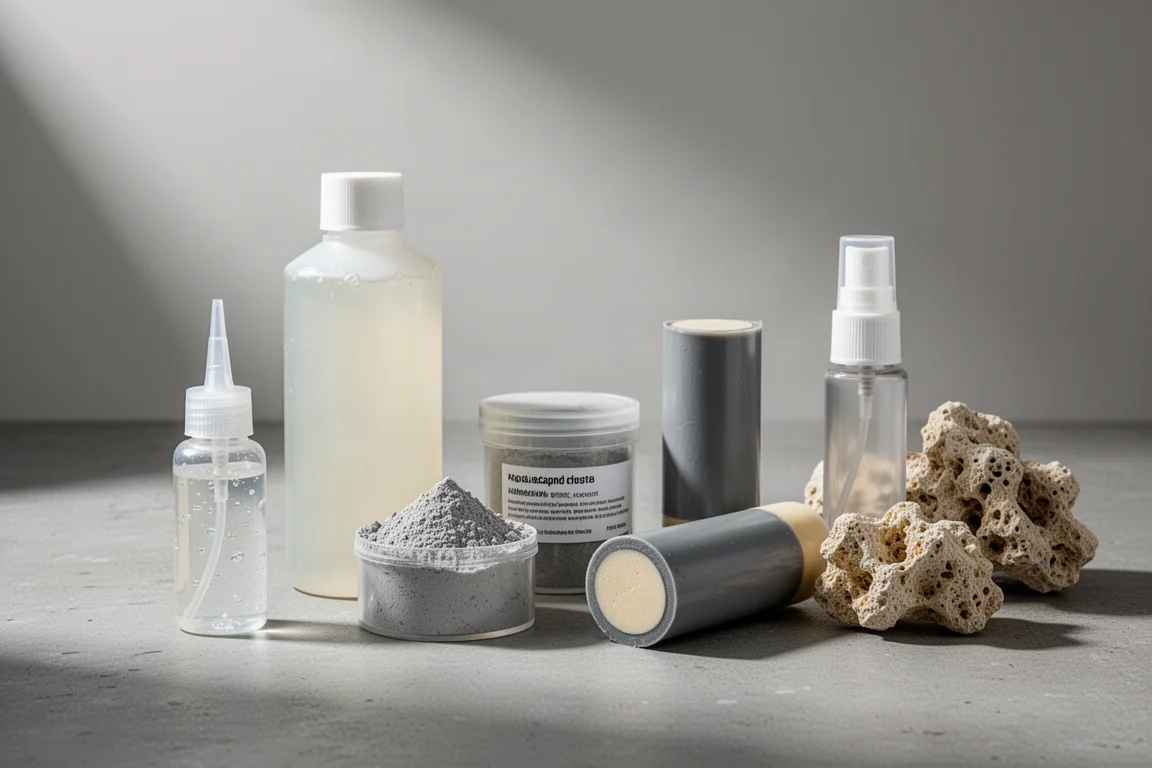
A reef aquascape only feels finished once the rockwork stops moving. Getting there depends on more than technique. The adhesive you reach for decides how quickly the structure goes together, how strong the joints are after curing, and how visible those joints end up once the tank is running.
To find out how much that choice really matters, seven adhesive combinations were put through three separate experiments covering dry rock bonds, saltwater-soaked rock bonds cured underwater, and seven full arching aquascapes assembled from dry rock and then tested to destruction. The results separated the adhesives far more sharply than most reefers would expect.
How These Aquascaping Adhesives Were Tested
The first experiment focused on smooth-surface bonds. Branches cut from real reef rock were glued back together on their cut faces and left to cure for 24 hours. Cutting the rock smooth removes most of the mechanical interlocking that adhesives normally rely on, so each joint had to survive on adhesion alone. Every bond was then asked to hold the weight of the branch base, given a vigorous handshake, and finally pulled apart by hand.
The second experiment repeated the same cuts, but the rock was soaked in salt water for 72 hours first. Those pieces were cut, glued, cured in air for 20 minutes, then dropped back underwater to finish curing for another 24 hours. That setup shows how each adhesive behaves when the rock is wet and the cure happens under water.
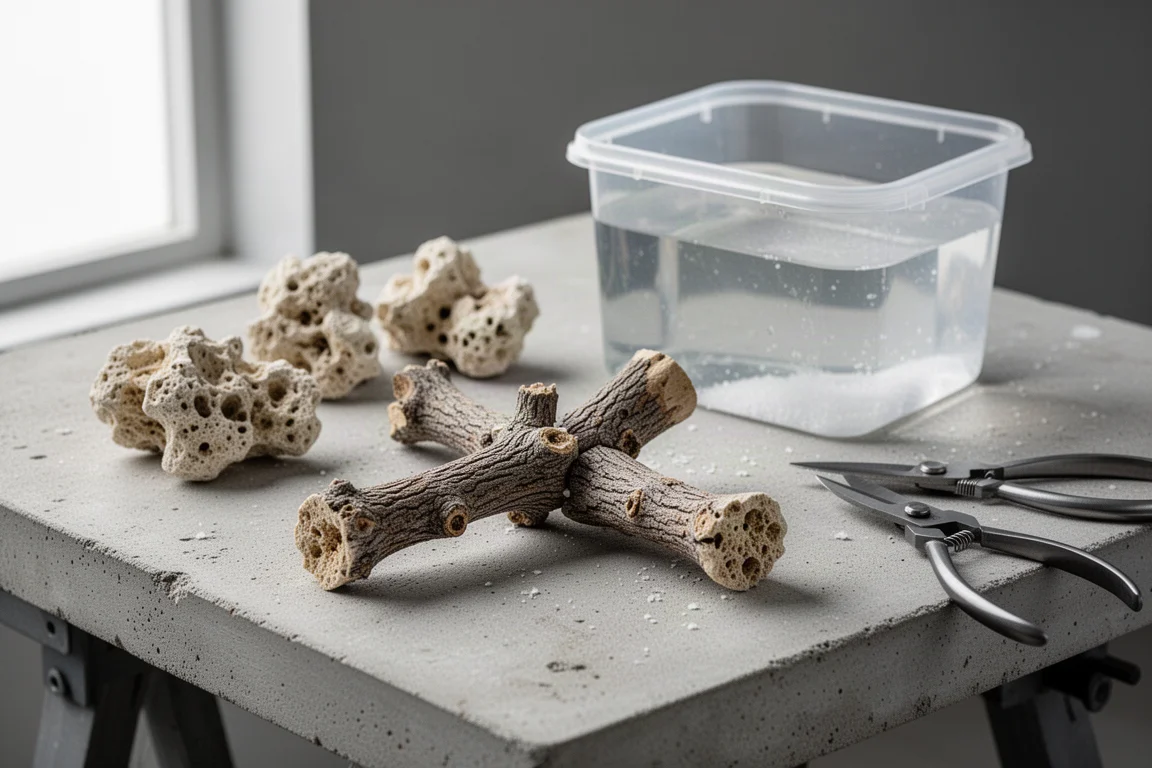
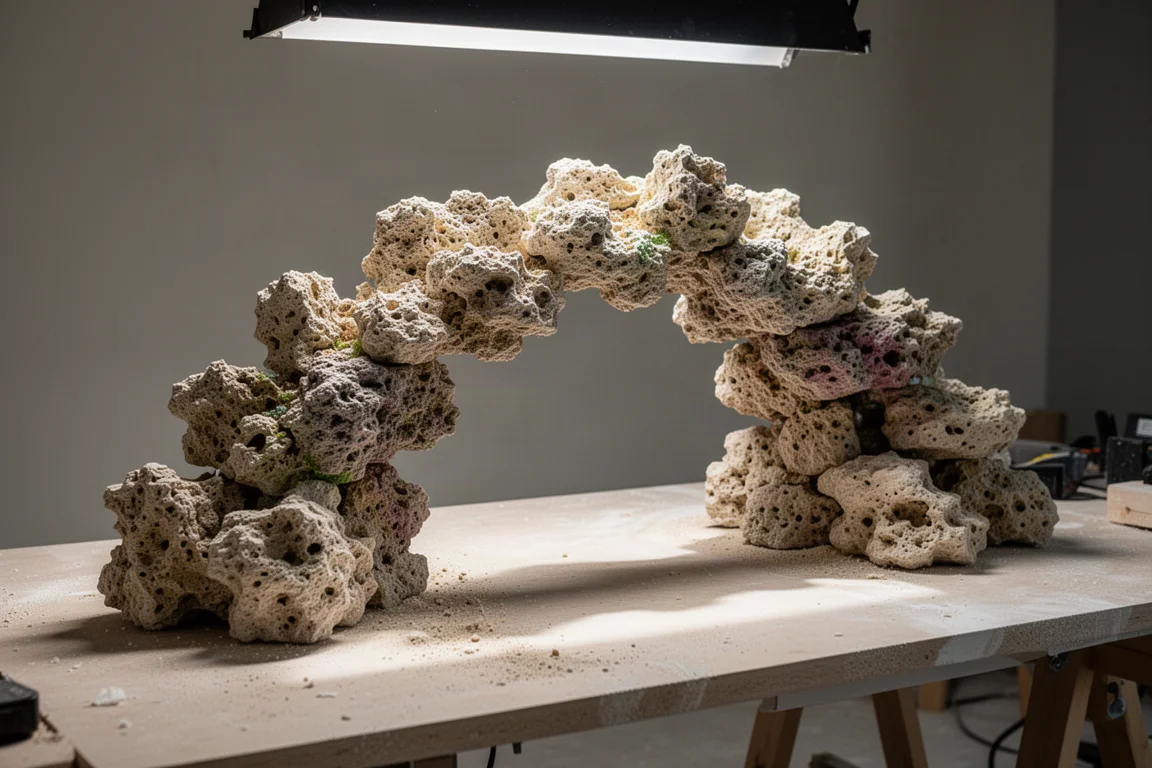
The third experiment moved up to full structures. Seven similar arching aquascapes were built from dry rock, bonded with each adhesive combination, and cured overnight. Each arch was then put through four phases: lifted from two points of contact near the base, lifted by a single archway rock, dropped from one foot onto the table, and finally dropped from five feet to the ground.
Jurassic Gel: A Long-Standing Superglue Choice
Jurassic Gel has a long history as one of the most popular superglue options for aquascaping, so it was the natural starting point. On dry rock, the bond held the weight of the branch base without trouble, but it broke easily during the handshake test. Inspecting the failure showed jagged, cracked glue left on both sides of the branch, meaning the adhesive itself gave way rather than the rock.
Adding an accelerator to both surfaces before applying the gel produced the same story: it passed the weight test and failed the handshake test just as easily. On saltwater-soaked rock the picture got worse. Jurassic Gel on its own did not make it past the handshake, and the accelerated version failed before it could even be lifted out of the water.
In the full aquascape build, thick globs of glue were still tacky before the first lift, and several joints felt flimsy and pliable. The arch held together for phase one, then came apart completely when it was picked up by a single rock. One practical detail worth knowing: Jurassic Gel cures crystal clear, which helps when joints sit close to the surface of the rockwork.
BRS Extra Thick Super Glue: The Wet-Rock Performer
BRS Extra Thick Super Glue followed a similar pattern to Jurassic Gel in the dry test. With and without an accelerator, it passed the weight test and failed the handshake test. The more interesting detail came after the break, where a sizeable chunk of rock failed along with the glue, suggesting a stronger grip than the clean glue-only failure seen on the other superglue.
Wet rock was where this adhesive separated itself. Both the plain gel and the accelerated gel passed the weight test and the handshake test on soaked rock, and only gave way after heavy force was applied. Water appeared to assist the bond rather than weaken it. The exact reason is difficult to confirm without further testing, and the two superglues clearly behave differently: Jurassic Gel dries crystal clear while BRS Gel dries more opaque and cloudy.
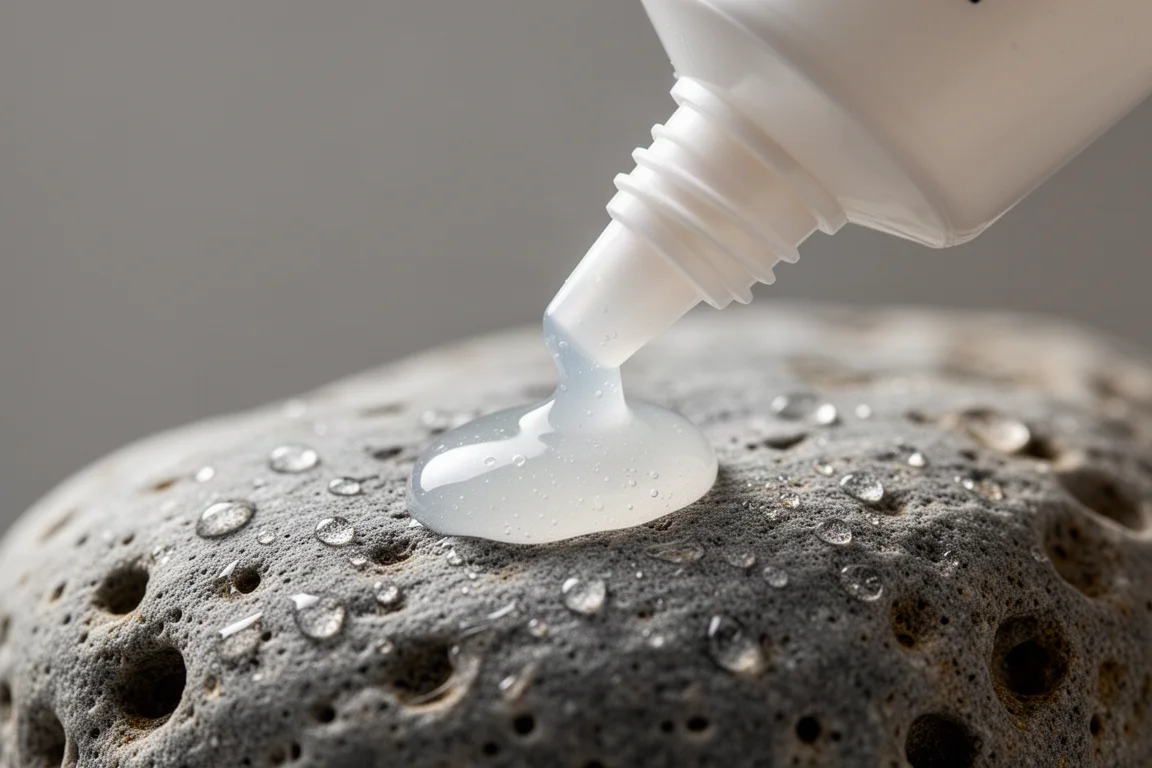
The full aquascape test told a more balanced story. BRS Extra Thick Glue on its own had a couple of tacky, uncured joints and felt slightly flimsy at the first lift, but it survived the single-point lift and only failed at the one foot drop. The version combined with an accelerator failed at the single-point lift, matching the other accelerated superglues. As with the other glues here, a longer cure may have changed the outcome.
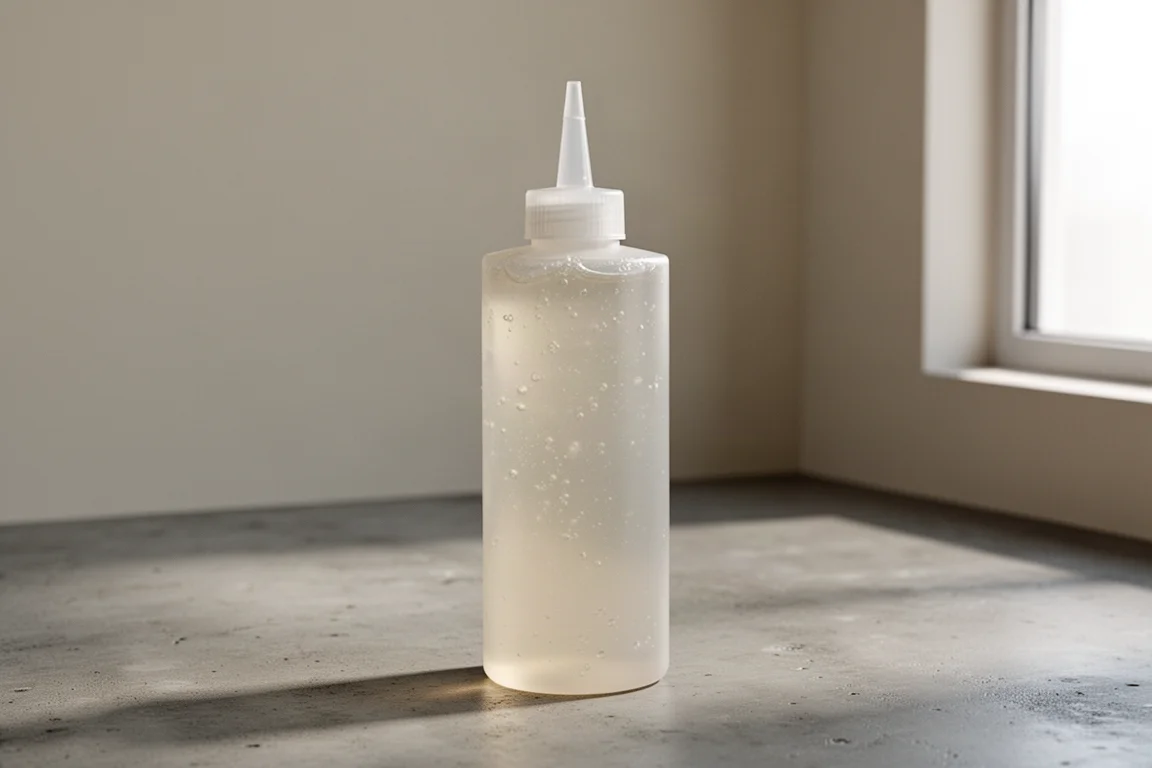
Marco Rocks Aquascaping Mortar: Cement-Like Strength
Marco Rocks Aquascaping Mortar behaves more like a cement than a glue. On dry branch rock it passed both the weight test and the handshake test and took slightly less force than the epoxy to break apart, leaving mortar residue on both rock surfaces afterwards.
In the aquascape demolition test the bond felt fully dried and far stronger than any of the superglue options. It passed the two-point lift and the single-point lift without any sign of failing bonds. When it was dropped from one foot, the arch landed looking like a single piece, but the bond had actually broken. On closer inspection, the surrounding rock and mortar failed rather than the mortar joint itself. The cement-like bond was strong enough that the shockwave from the fall travelled through the structure and found its weakest point, a small one inch section of rock held together by mortar.
Wet rock was a different story entirely. The mortar left some residue on the branch, but the majority of it disintegrated into a pile at the bottom of the bucket during the underwater cure.
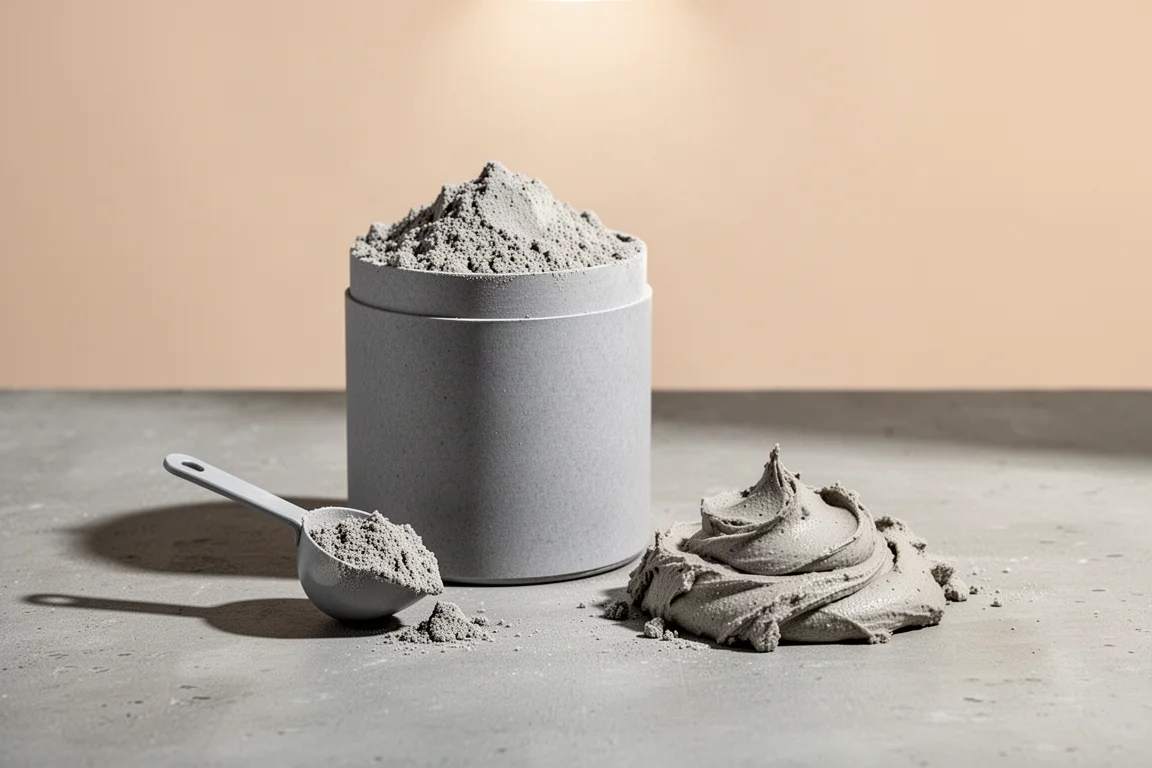
Two Little Fishies AquaStik Epoxy: Flexibility That Absorbs Impact
On dry rock, Two Little Fishies AquaStik Epoxy was the strongest performer of the group. After following the mixing instructions and a 24 hour cure, it passed the weight test and the handshake test, then proved surprisingly tough under brute force. Even with the amount of force required to break it, the epoxy did not pull away a chunk of rock the way the BRS gel did.
Wet rock reversed the result completely. The epoxy fell apart as soon as it went back into the water for the 24 hour cure, which matches the common experience of trying to use epoxy on damp rock.
The aquascape test was where epoxy surprised everyone involved. It passed the two-point lift, the single-rock lift, and the one foot drop, the only structure to come through that drop unscathed. Even after a five foot drop, some joints were still intact. The likely explanation is flexibility: even a small amount of give in the adhesive appears to absorb the shockwave of a fall just well enough to keep the joints together.
That result comes with two caveats. Epoxy would not be a first or second choice on wet or damp rock, and its final texture can look a little unnatural inside the tank.
Insta-Set: An Accelerator With Real Trade-Offs
Insta-Set is a glue accelerator rather than a standalone adhesive. It is applied to the surfaces or the joint to speed up the cure of cyanoacrylate superglue. It was tested alongside both Jurassic Gel and BRS Extra Thick Super Glue, and it also appeared in the three-part hybrid build that sandwiched BRS superglue, Insta-Set and Marco Mortar together.
Across the superglue tests, the accelerated joints were consistently the earliest to fail. In the full aquascape builds, Insta-Set appeared to chemically harden the outside of the superglue mass while leaving the inside tacky and uncured, which seemed to slow the overall cure rather than speed it up. One possible explanation is that the hardened outer shell blocks moisture from reaching the core of the joint, although that has not been confirmed.
The hybrid aquascape, which combined superglue, Insta-Set and mortar, failed in a similar way to the mortar-only build and slightly worse, with some joints uncured and others where the rock sheared away.
Buying Advice: Matching the Adhesive to the Job
The experiments point to a simple rule: match the adhesive to whether the rock is dry or wet, and to how visible the finished joint will be.
For dry rock builds where durability matters most, epoxy delivered the strongest and most shock-resistant bonds, with the flexibility of the cured material absorbing impacts that shattered other joints. The trade-offs are that it is a poor choice on wet or damp rock and that its texture can be visible in the tank.
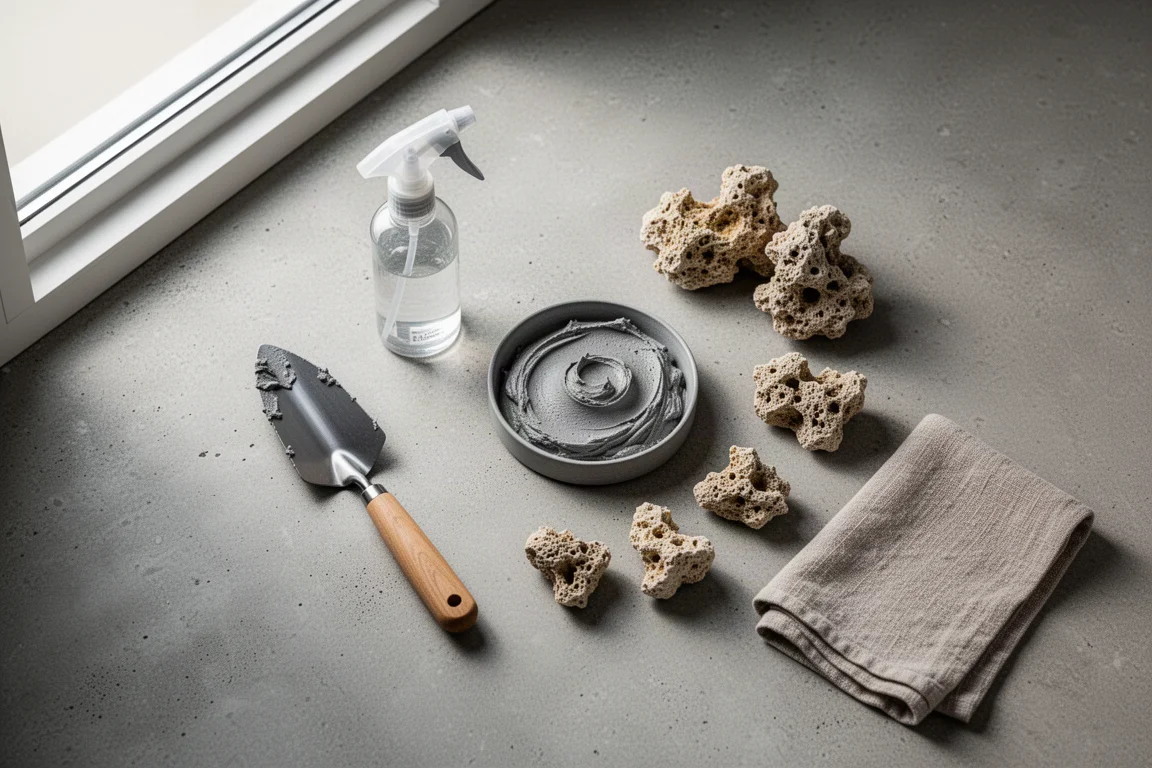
For wet or damp rock, BRS Extra Thick Super Glue was the clear winner, holding through the weight and handshake tests on soaked rock and only failing under heavy force. Superglue in general also suits small, hidden joints.
For seamless rockwork where the joint should disappear, mortar is the better tool. Used with a little superglue and some sand grains, mortar can turn hundreds of small rock fragments into one continuous aquascape with joints that blend into the surrounding rock.
One timing note applies to every superglue here: several joints were still tacky after a 24 hour cure, and a longer cure may have changed the aquascape results. If a superglue joint feels soft, more curing time is worth trying before assuming the bond has failed.
Conclusion
No single adhesive wins every job. Epoxy takes the trophy for dry rock bonds that need to survive real impact. BRS Extra Thick Super Glue is the most dependable option when the rock is wet or the cure happens under water. Marco Rocks Aquascaping Mortar produces the strongest, most seamless joints when a cement-like bond and a natural look matter more than shock resistance.
Giving superglue enough curing time, keeping epoxy off wet rock, and using mortar where joints need to disappear is enough to build an aquascape that stays put.
Further reading
Related Reviews
Aquascaping
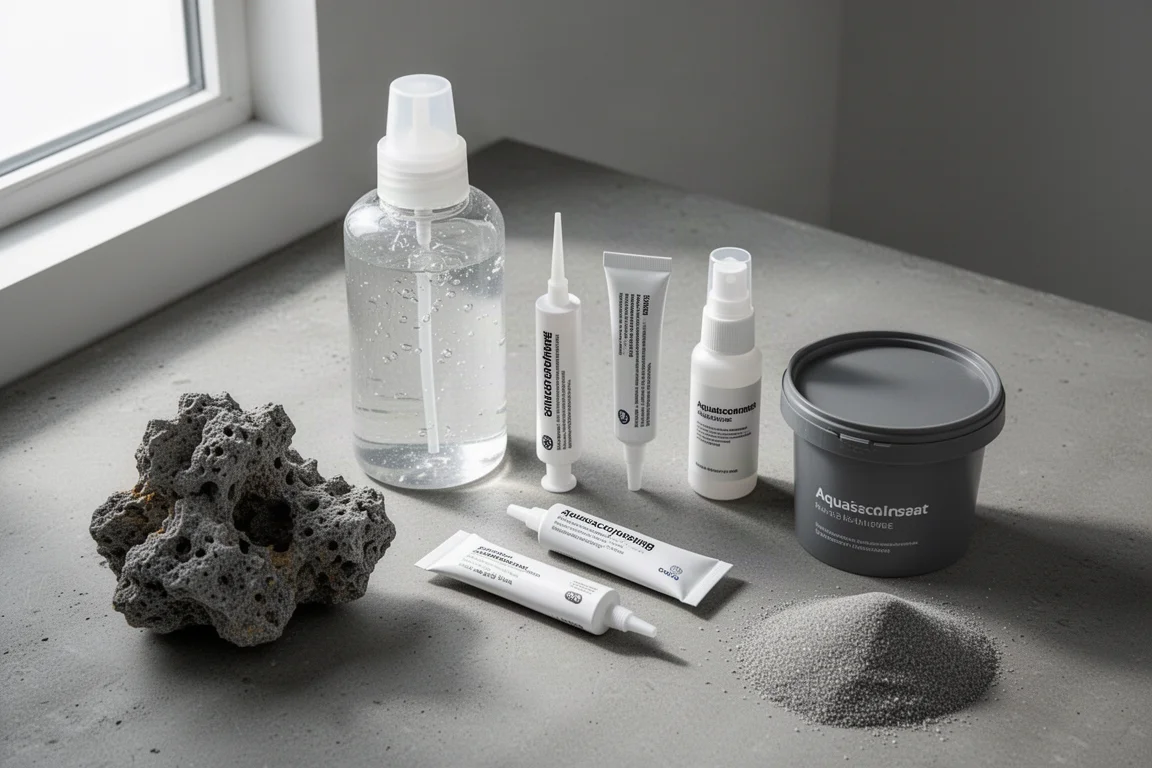
Aquascaping Adhesives Buyer's Guide: Super Glue, Accelerator, and Mortar
A practical guide to the four adhesives that hold a reef aquascape together, from extra thick gel and underwater glue tubes to instant accelerator and load-bearing mortar.
Aquascaping
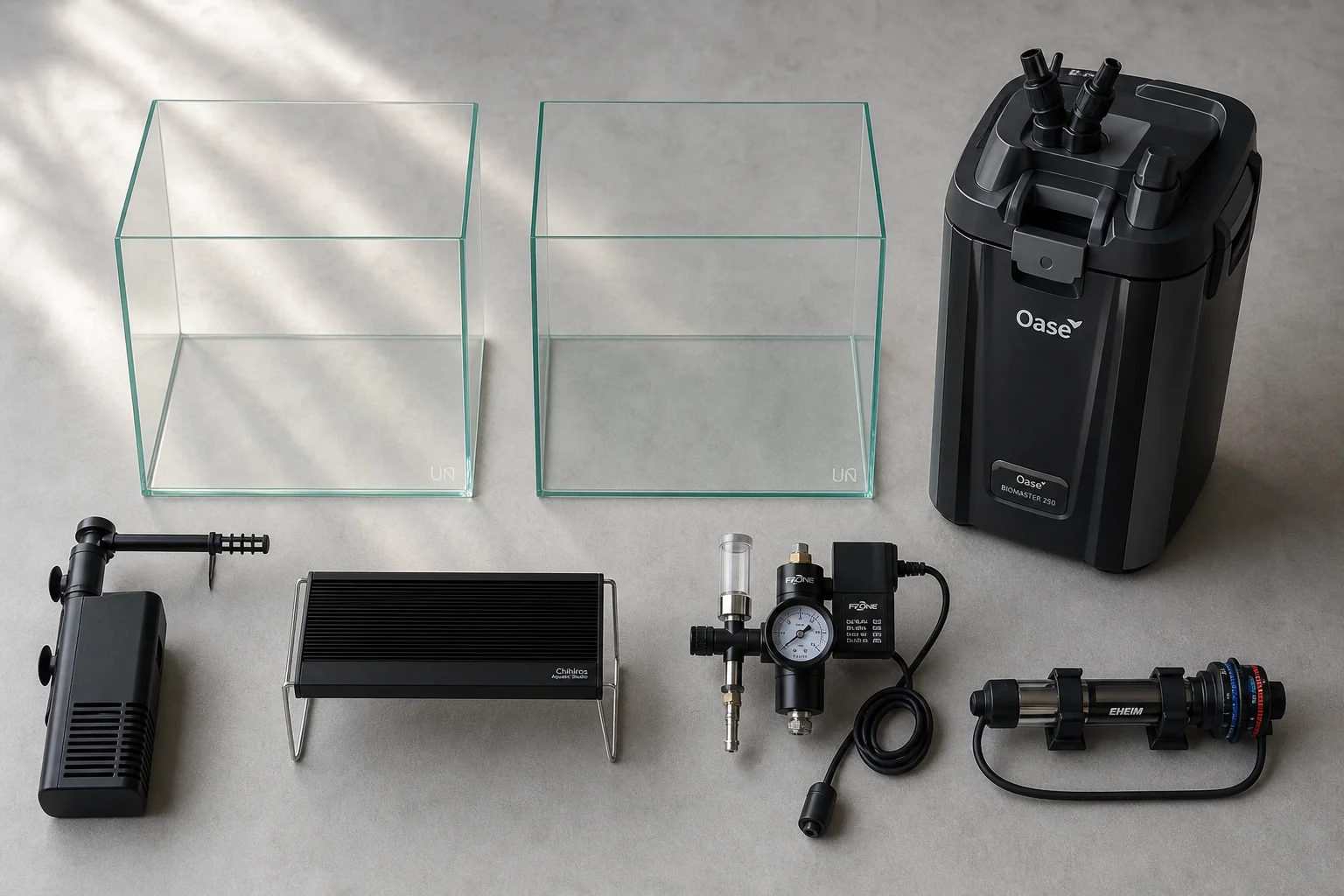
Aquascaping Beginners Guide: Essential Equipment and Shopping Tips
A practical walkthrough of the tanks, filters, lights, heaters, and CO2 systems you need to start aquascaping, with budget-friendly and high-tech options for every setup.

Backpacking Gear
Building a 10 lb Base Weight: An Ultralight Backpacking Gear List
A practical walkthrough of the ultralight pieces behind a 10 lb base weight, from a 765 g pack and a roomy one-person tent to a full camp chair and a dependable water filter.