Camping Tarps
Aqua Quest Defender 20x13 Tarp Review: Heavy-Duty Shelter for Basecamp and Overlanding
A practical look at the Aqua Quest Defender 20x13 tarp, including its 47 reinforced tie-out points, 20,000 mm waterproof rating, 9.2 lb packed weight, and the setups it suits best.
Introduction
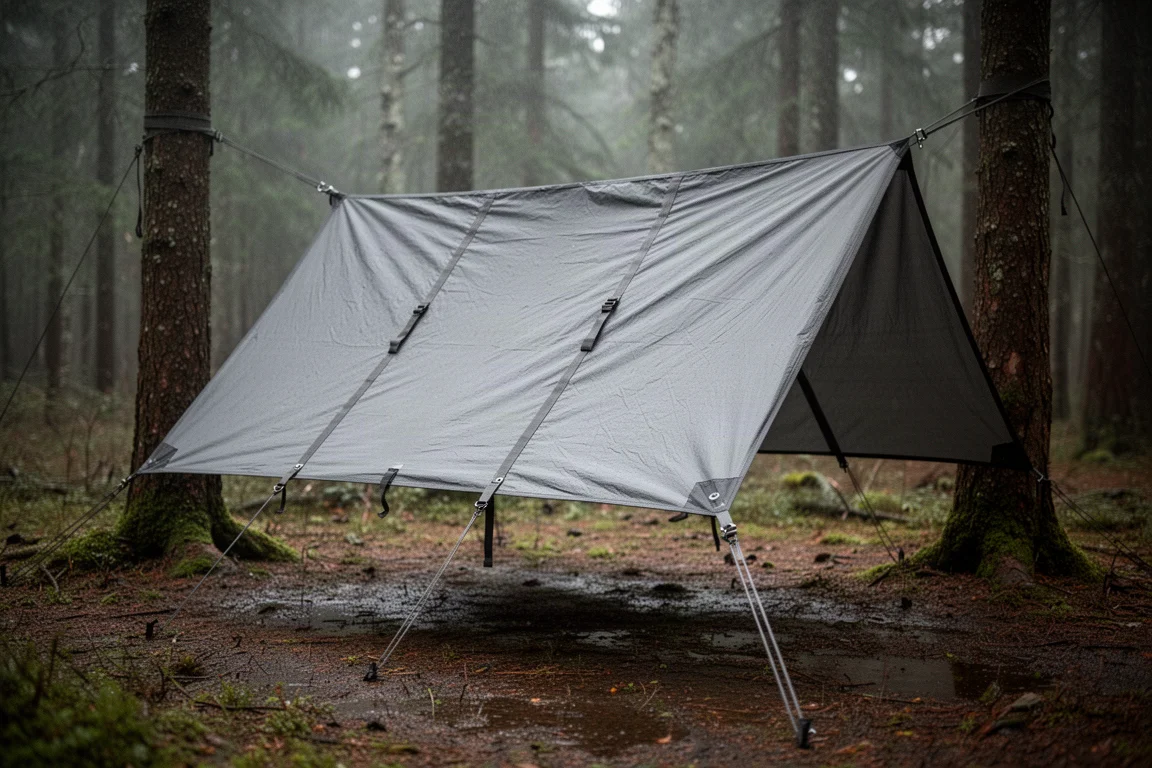
The Aqua Quest Defender 20x13 tarp sits at the heavy-duty end of the brand’s tarp range. It is built for weather that pushes most shelters out of the picture, with 47 reinforced tie-out points, a 20,000 mm hydrostatic head rating, and a packed weight of 9.2 lb. This is not a minimalist backpacking tarp. It is closer to a portable roof for basecamp, vehicle-based travel, and group shelter.

At 20 ft by 13 ft, the footprint covers roughly 240 square feet. That is enough covered area for eight people to sleep on cots underneath with room left over, and the height and span are immediately obvious once it is standing. Setup and teardown take real effort at this scale, and the reward is a dry living space that holds up in heavy rain, thunderstorms, snowstorms, and wind.
This overview covers materials, construction, sizing, and setup, along with the trade-offs worth understanding before committing. Extended field testing is still ahead.
Who This Tarp Is For
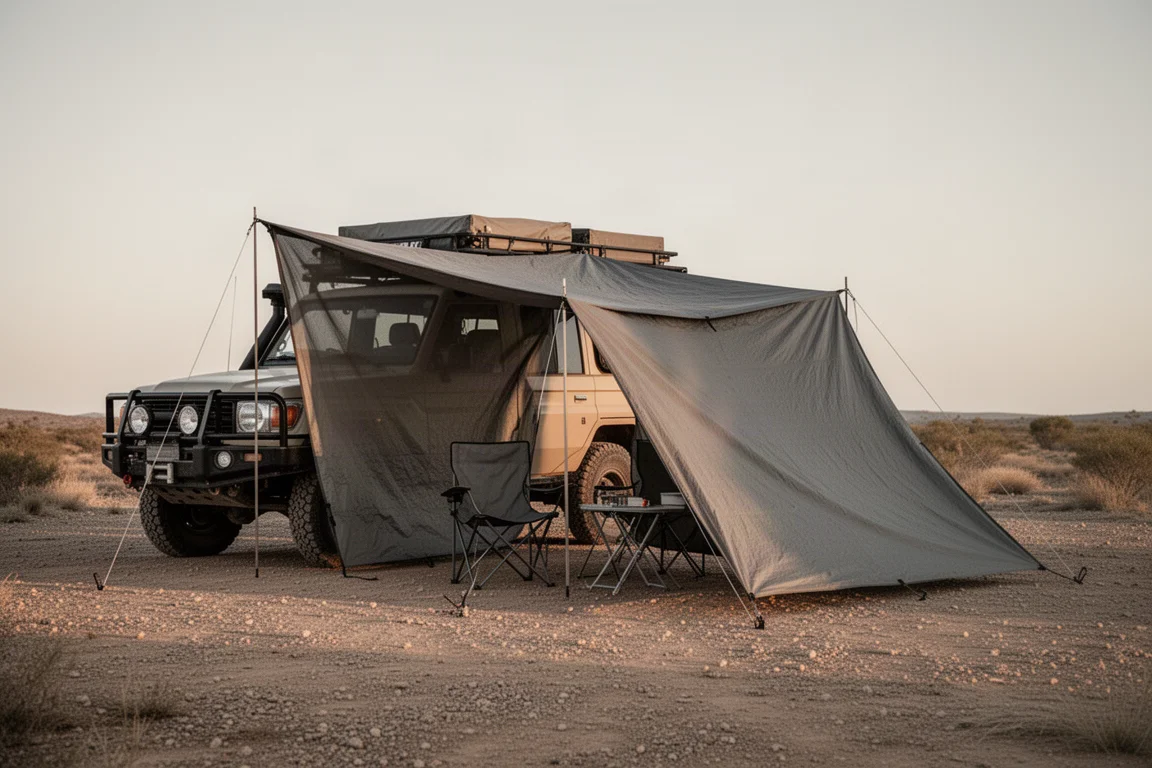
The clearest fit is overlanding. A tarp this size can run from one side of a vehicle to the other, or from the roof line down to the ground, creating a windbreak and a covered area to cook, sit, and sleep under. It also suits guides, group camps, and family basecamps where the priority is covered space rather than carried weight.
For a solo backpacker covering long distances, the 9.2 lb packed weight is difficult to justify. The same 20 x 13 ft footprint is available in a lighter build within the range, and for most on-foot trips that version is the more practical answer.
Main Strengths
The tie-out system is the defining feature. There are 47 reinforced tie-out points around the perimeter and across the body of the tarp, and every one is reinforced. A reinforced strip runs down the centre, with three more strips running across the width. That structure holds the fabric’s shape under tension and spreads load away from individual anchor points, which matters when the wind picks up and the whole sheet starts working against its lines.
The 20,000 mm hydrostatic head rating is the headline number, and it is a large step beyond the rest of the range. The 20 x 13 ft Safari tarp, for comparison, is rated at 5,000 mm, which is already enough for sustained rain. The Defender uses a 70 denier ripstop nylon with a TPU coating, and the coating is noticeably thicker to the touch than on the lighter tarps.
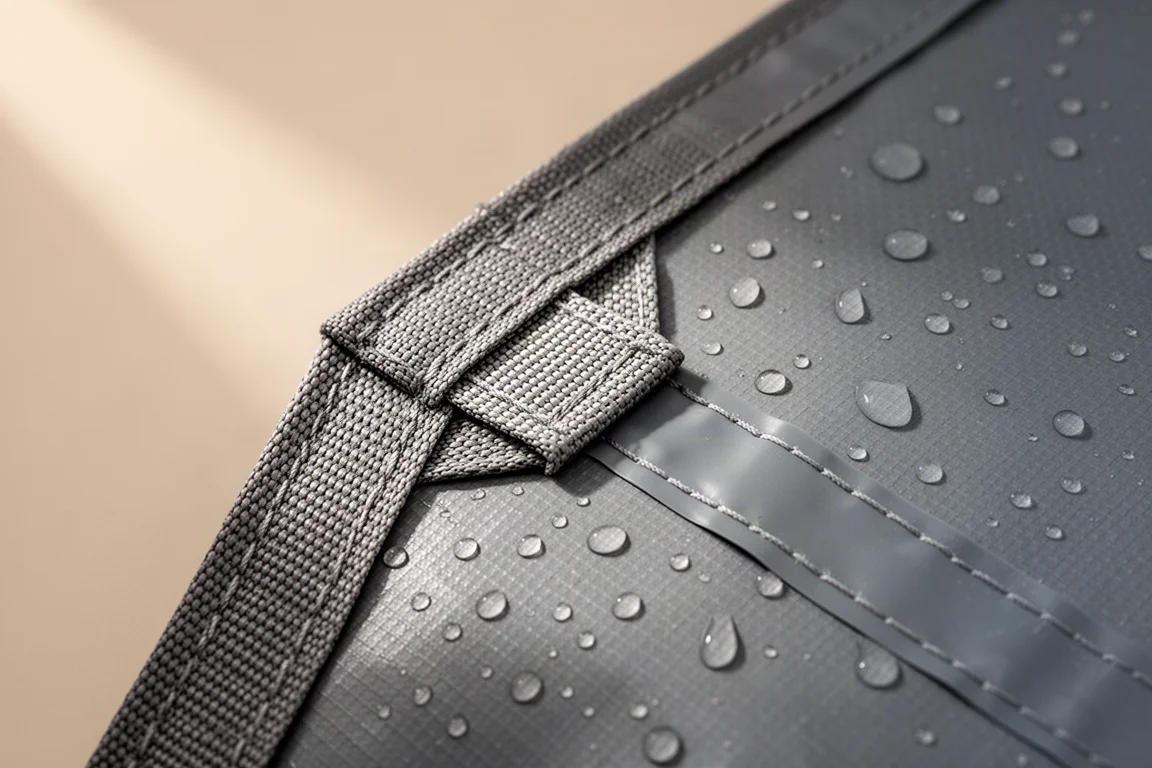
Build quality on inspection is excellent. The seam tape is clean and consistent, there are no loose threads, and the webbing is heavier than what the lighter tarps in the range use. The colour shown here is stealth gray, and it is available alongside forest green, olive drab, woodland camo, and other camo patterns.
Materials, Construction, and Setup
The 70 denier ripstop nylon and TPU coating feel familiar in hand next to the lighter tarps, but the coating is thicker and the reinforcement is denser. Every tarp in the brand’s range carries a lifetime warranty, which is a meaningful detail on a purchase at this level.
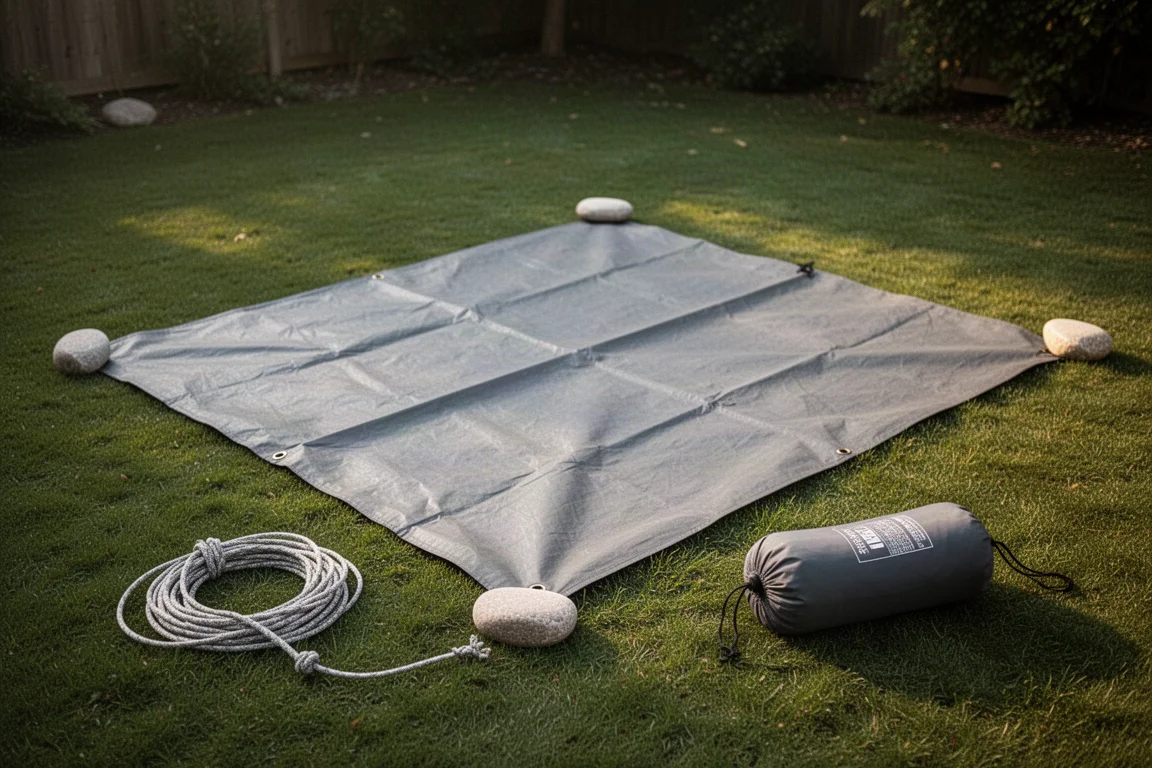
Packed, the tarp lives in a storage bag measuring 16 in by 9 in by 5 in, and the full load is 9.2 lb. Guiding out a 20 ft by 13 ft sheet and tensioning 47 anchor points is a chore rather than a quick task, and drying it after a wet trip is a genuine job. A large yard or a garage makes that manageable. Without that kind of space, plan for where a soaked tarp this size will dry, because keeping the coating and seams in condition means taking care of it every time.
Sizing, Colors, and the Aqua Quest Range
The Defender construction is offered in a range of footprints, so a 20 x 13 ft sheet is not the only option. Available sizes include 10 x 7, 10 x 10, 13 x 10, 15 x 15, and 20 x 13, in both rectangular and square shapes. Colour options include stealth gray, forest green, olive drab, woodland camo, and other camo patterns.
The range itself is organised in three levels. Guide tarps are the lightest and the least waterproofed, though they remain very strong and have held up in 35 mph winds, thunderstorms, and sideways rain. Safari tarps sit in the middle as a hybrid, a little heavier and a little more waterproof while staying reasonably light. Defender tarps go all out on strength and waterproofing and are designed for the most extreme conditions.
The Safari version of the 20 x 13 ft tarp weighs 4.5 lb, about half the Defender’s weight, with 25 tie-out points and a 5,000 mm rating. It handles backpacking and overlanding well and remains an outstanding option in most conditions.
For anyone planning a family or group camp rather than extreme-weather shelter, the smaller footprints in the same construction will be considerably easier to live with, from setup through to drying.
Things to Consider Before Buying
Weight is the first consideration. At 9.2 lb, this tarp will not make sense for most people travelling on foot. Guides and vehicle-based campers can carry that weight without much thought, but a long-distance hiker will feel every ounce of it.
Price is the second. At $230, this is a lot of money for a tarp, and it is worth being honest about that. The counter-argument is that tarps this large are genuinely hard to find, and the ones that do exist are often made from thin, weak polyester. What the Defender offers instead is a thick, heavily coated, extremely waterproof construction with reinforcement throughout.
The third consideration is logistics. A tarp this size needs somewhere to dry and somewhere to store. Finally, note that this assessment is based on materials, construction, and setup rather than extended field use, so long-term durability under repeated storms is not yet documented here.
Buying Advice
If you need covered space that stands up to severe weather and you have the vehicle, yard, or garage space to manage a tarp this size, the Defender delivers exactly what the price implies: a 20,000 mm waterproof rating, 47 reinforced tie-out points, a reinforced centre strip with three cross strips, and clean taped seams. The lifetime warranty across the brand’s range softens the entry cost considerably.
If your trips are on foot, or if you want the same 20 x 13 ft footprint at roughly half the weight, the Safari version at 4.5 lb with 25 tie-out points is the better match. And if a 20 x 13 ft sheet is simply more shelter than your trips require, the same construction is available in 10 x 7, 10 x 10, 13 x 10, and 15 x 15, which will be far easier to pitch, pack, and dry.
Conclusion
The Aqua Quest Defender 20x13 tarp is a specialist piece of gear, and it is very good at the job it was designed for. The 20,000 mm rating, the 47 reinforced tie-out points, and the reinforced panel structure put it several steps above the lighter tarps in the range, and the roughly 240 square feet underneath it can shelter a group rather than a single sleeper. The trade-offs are honest ones: 9.2 lb, a $230 price, and a setup and drying routine that asks for space and patience. Choose it for overlanding, basecamp, and group shelter, and choose the lighter Safari version for anything you have to carry.
Product link
View more details for Aqua Quest Defender 20x13 Tarp
This product is mentioned in the review. Check the specifications, options, and compatibility before buying.
View more details for Aqua Quest Defender 20x13 TarpFurther reading
Related Reviews
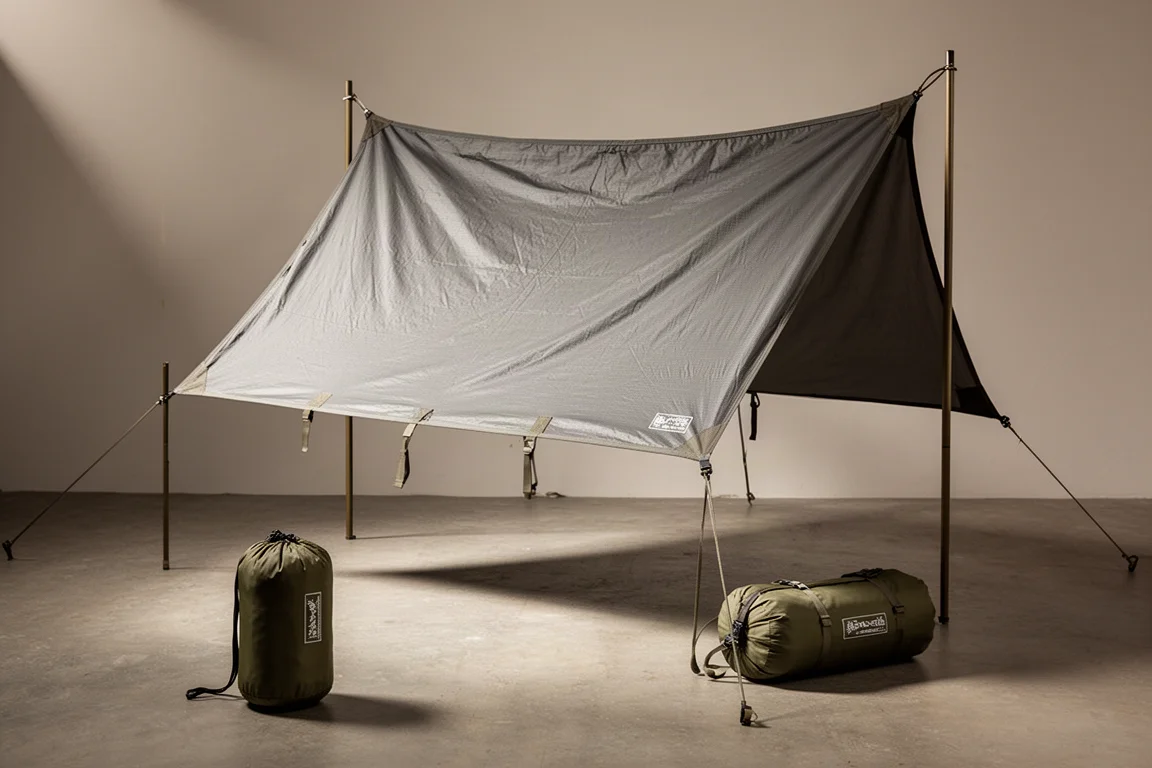
Camping Tarps
Aqua Quest Defender vs Safari 20x13: Which Large Tarp Fits Your Setup?
A side-by-side look at Aqua Quest's two 20 ft by 13 ft tarps: the 9.2 lb, 20,000 mm Defender and the 4.5 lb, 5,000 mm Safari, plus sizing, setup, and warranty details worth knowing.
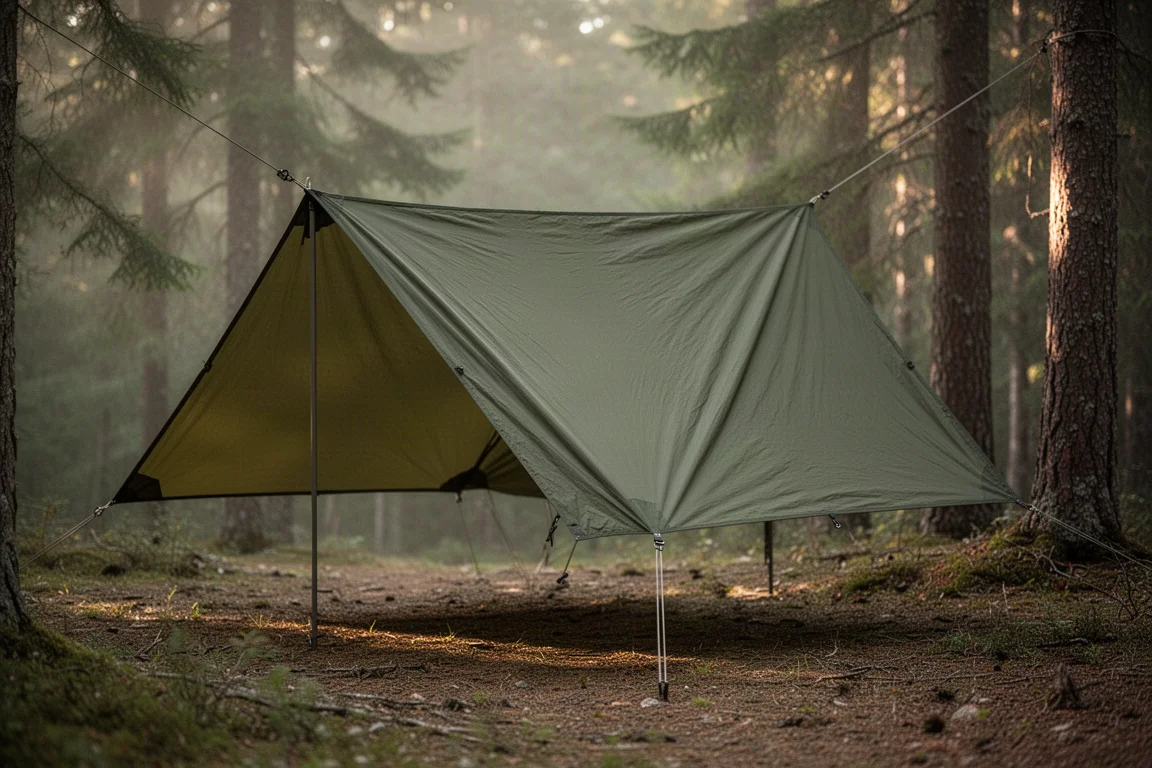
Camping Tarps
AquaQuest Guide Series Tarp 13 ft x 10 ft Review: Light, Waterproof, Storm Ready
A detailed look at the AquaQuest Guide Series 13 ft x 10 ft tarp, covering its 5,000 mm waterproof rating, 1 lb 6.3 oz weight, 17 tie-off points, and the trade-offs worth knowing before buying.
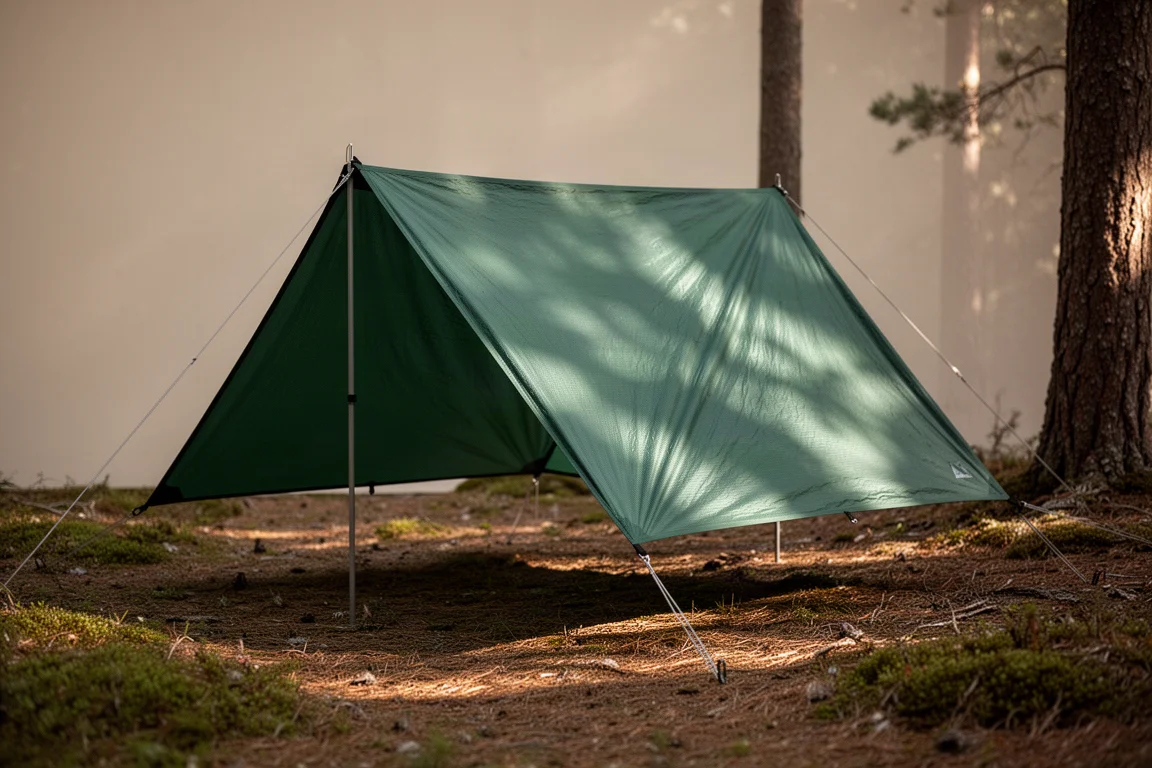
Camping Tarps
Fjällräven Abisko Tarp Review: Premium Ultralight Materials, Unreliable in Rain
The Fjällräven Abisko Tarp pairs a 1.1 lb packed weight with 40D silicone-treated nylon, but long-term testing found it leaks in steady rain and sags badly once wet.