Aquarium Lighting Equipment
Apogee One PAR Meter Review: Measuring Aquarium Light Without Guesswork
A handheld PAR meter for reef aquariums, who realistically benefits from owning one, and the practical habits that keep its readings useful.
Introduction
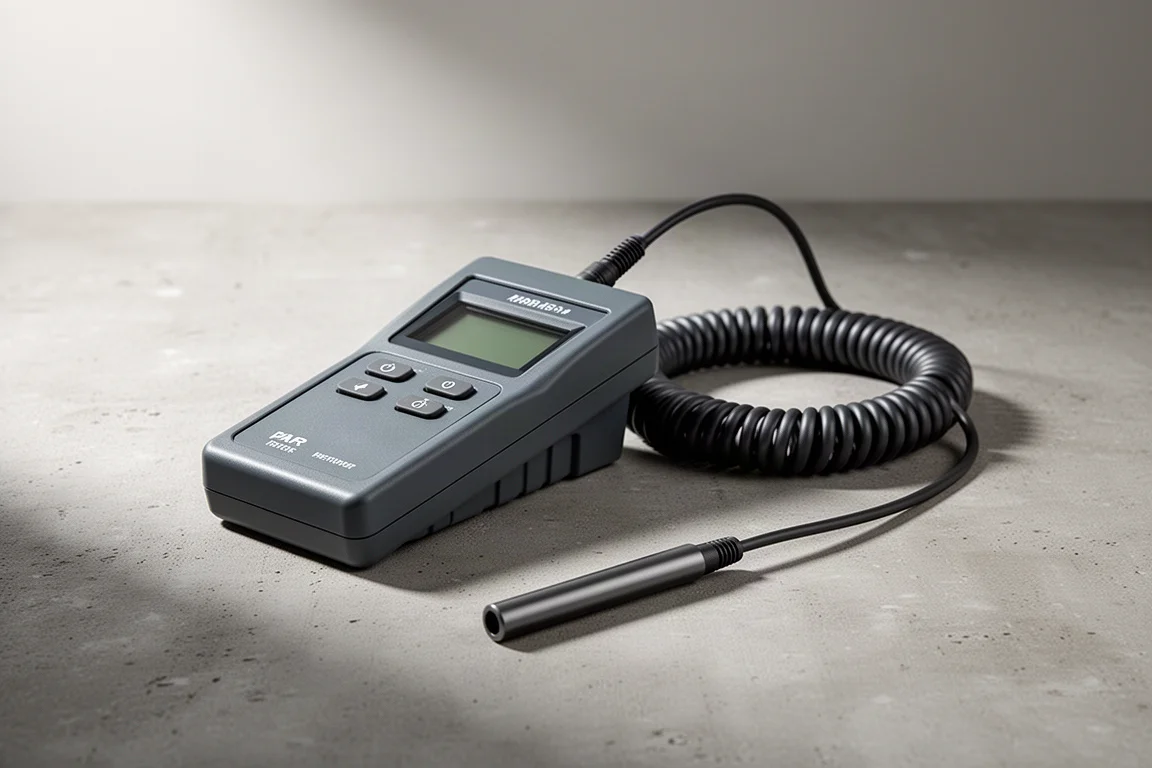
A PAR meter answers a question that a light fixture’s specification sheet cannot: how much photosynthetically active radiation actually reaches a given spot in the tank. The Apogee One is a handheld meter built for exactly that job, and it sits at around $500.
That price is why the purchase decision matters. Many reef keepers need the measurement once, spend about an hour dialing in their lighting, and then leave the tool on a shelf. Others run systems where lighting changes have a direct effect on growth, coloration, and revenue, and for them the meter earns its place.
The recurring mistake is not buying the tool. It is buying an advanced instrument and then winging it, flipping switches and hoping corals adapt to a lighting environment that might deliver a fraction of what they receive in the wild, or several times more. Too much power is often the bigger problem.
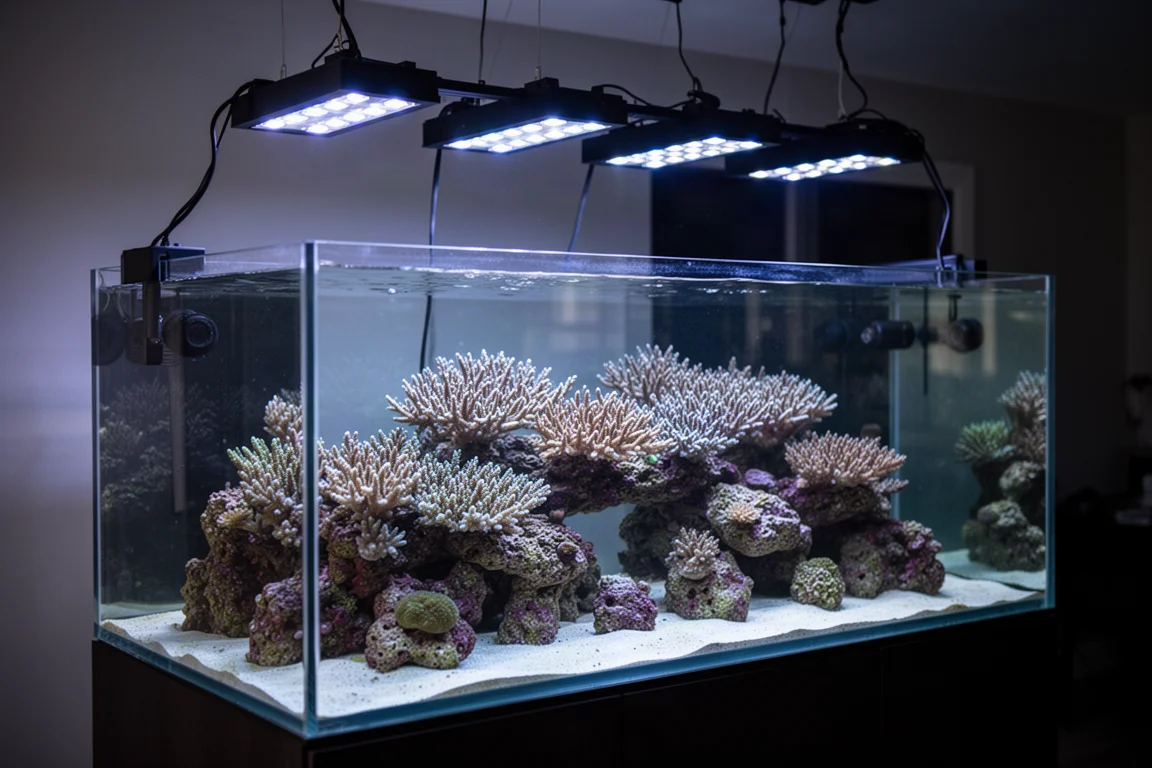
This guide covers what the Apogee One does well, who realistically benefits from owning one, and the habits that keep its readings meaningful.
Who This Is For
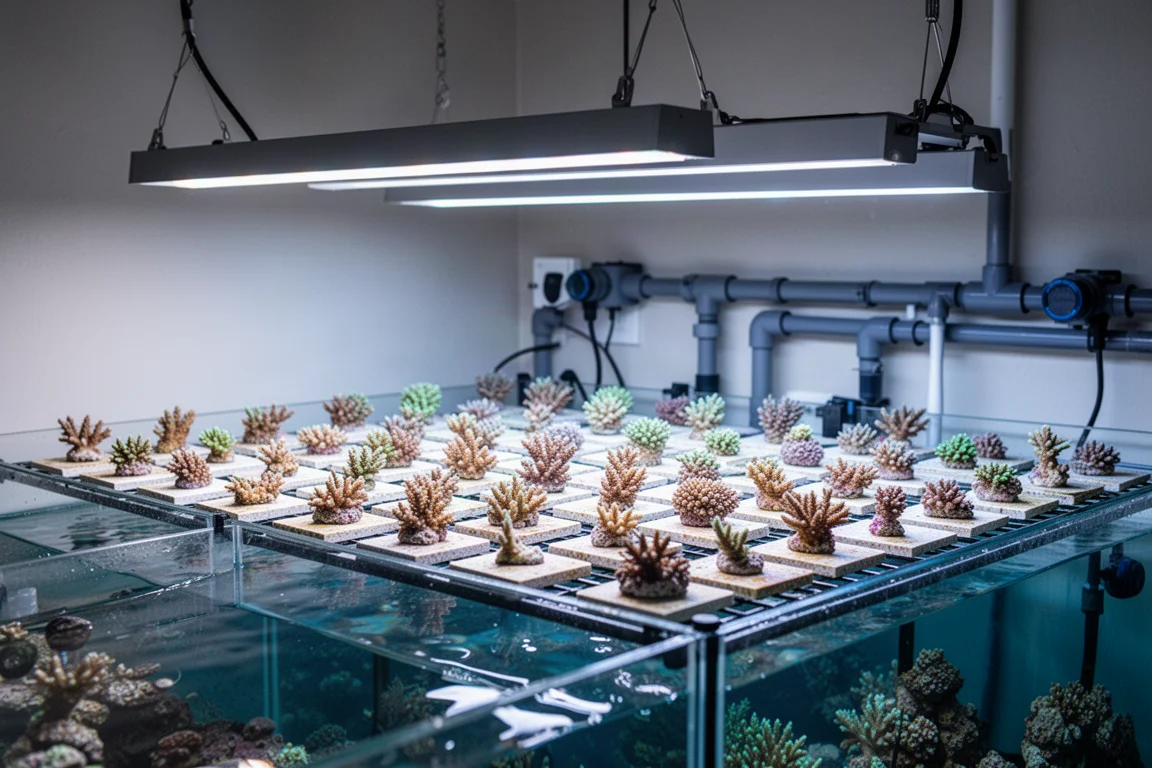
Owning a PAR meter makes sense for a fairly specific group. Aquaculture facilities and advanced frag systems qualify, because every small lighting tweak there produces some kind of measurable economic effect. So do reef keepers running large systems with a substantial amount of coral in them, particularly those who want to document how coloration and growth patterns respond to, for example, 200 PAR versus 300 PAR, then test again after a couple of months.
For everyone else, rental is often the smarter route. Rentals are available at a fraction of the purchase price, setup usually takes about an hour, and the meter can go back once the lighting is dialed in. That frees up the budget for something the tank actually needs long term.
The honest framing is this: a meter that gets used once is a rental in disguise, and a meter that gets used constantly is a tool worth owning.
Main Strengths
The core strength is that the Apogee One replaces judgement with a number. The human eye is a poor measuring instrument for aquarium light. It reads green as brightness, it auto-irises as conditions change, and it has no ability to measure photosynthetic radiation at all. A bulb that looks several times brighter than another can genuinely deliver around 25 percent less PAR. Even 15 years of hobby experience only partially compensates for that.
The handheld form factor matters too. Picking up a dedicated meter and having it work immediately, without menu systems, sleep timers, app connections, or notifications interrupting the session, is a real advantage for anyone who measures often.
It also makes documentation practical. Owners who want to run a controlled lighting experiment, hold conditions steady for two months, and then re-measure can do so whenever they like rather than scheduling around a rental.
Things to Consider Before Buying
The price is the first consideration. At around $500, the Apogee One is a significant purchase for a tool that many hobbyists will use a single time, which is why renting is worth weighing seriously.
Readings also fluctuate more than new users expect. The meter works on a rolling window, taking continuous measurements, and results shift with surface refraction and with small movements of the sensor. Averaging in your head is the practical approach. Chasing one exact number is a waste of effort, and landing within roughly 50 points of a chosen range is a realistic goal.
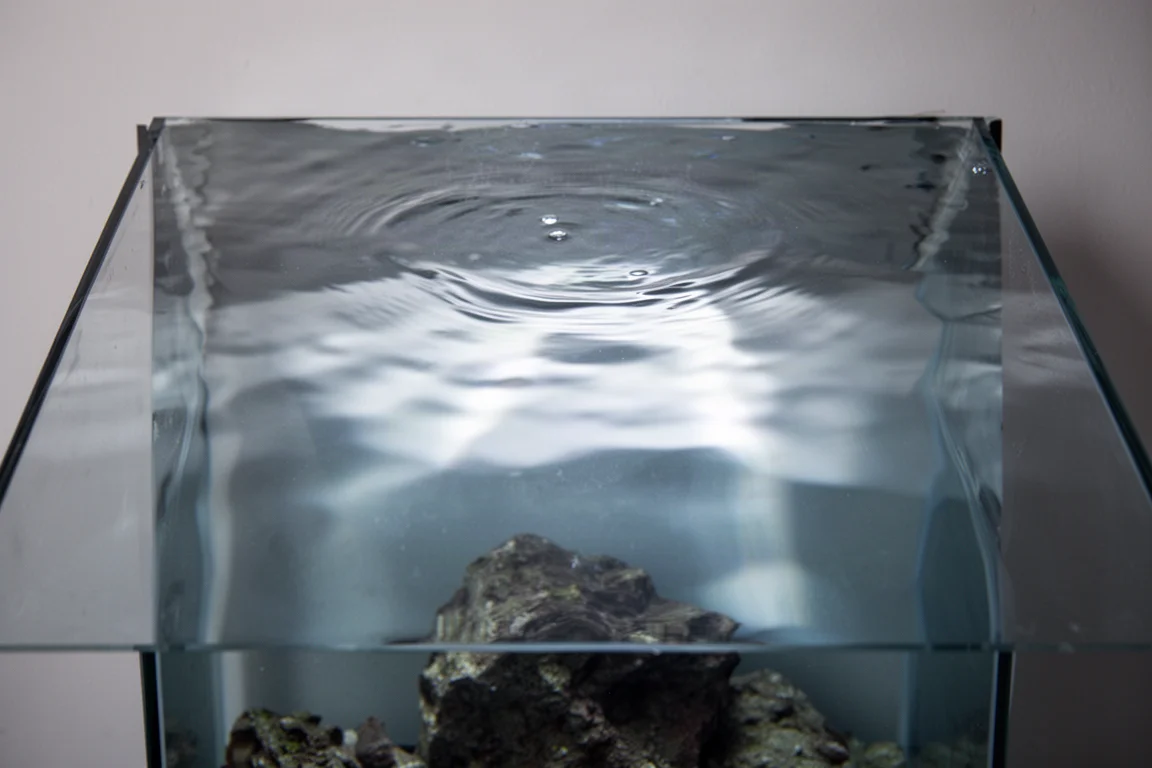
Flow management changes the reading window. Measuring with the powerheads off produces a tighter, easier to read result, because surface ripples stop shifting the numbers around. Leave the return pump running, though, so the water level stays normal. Switching it off can drop the level by an inch or two, which changes the penetration of light and therefore the numbers.
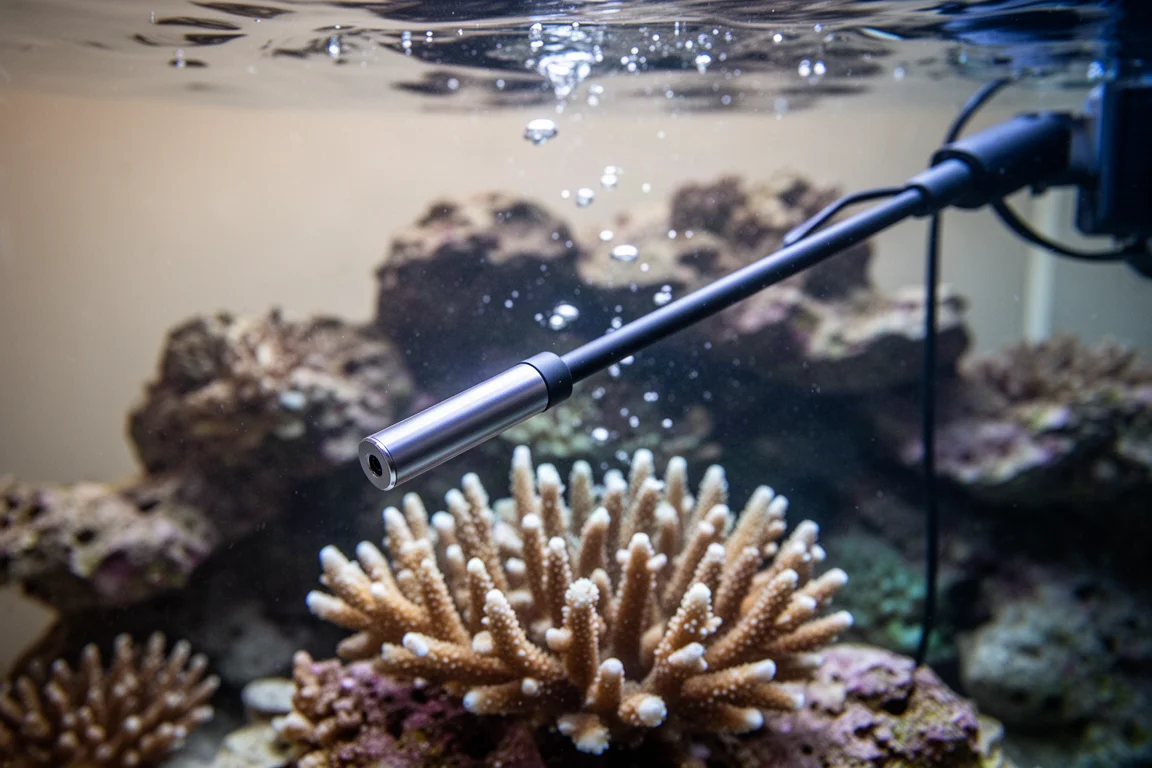
Finally, think about which version and accessories suit you. The wand is the best way to position the sensor around the tank, since it keeps your arm out of the water while you take notes, and it comes with rentals. If you buy the meter, plan on buying the wand or building a DIY equivalent. A Bluetooth version exists that lets you monitor from a phone or computer and offers logging capabilities, at roughly half the cost, though it is less convenient for someone who measures constantly.
None of these points are reasons to avoid the tool. They are reasons to decide between owning, renting, and choosing a different version before spending the money.
Buying Advice
The goal of measuring is not precision for its own sake. It is avoiding the extremes: making sure the tank is not sitting at 1,600 PAR when it should be nowhere near that, and confirming the lighting sits in a sensible range. Pick a target range, get within roughly 50 points, and move on.
Set the lighting up once and get it right the first time. Repeatedly changing colors and intensity for novelty effects is not what these animals benefit from. A stable, correctly measured environment is.
If you measure often, the handheld Apogee One is the more convenient choice, because it is always ready and never depends on a connection. If your use is occasional, the Bluetooth option at roughly half the cost, or a rental, may fit better.
For most reef keepers, the decisive question is simple: will this meter be used more than once or twice? The answer points clearly to either owning or renting.
Conclusion
The Apogee One does one job well: it tells you what your lighting is actually delivering, instead of what your eyes assume. At around $500 it is a serious purchase, and it is best suited to facilities, advanced frag systems, and reef keepers with substantial coral collections who test lighting repeatedly. Everyone else should weigh rentals, which cost a fraction and usually take about an hour to use effectively.
Whichever route you take, measure with the flow off, keep the return pump running, average the fluctuating numbers, and aim for a range rather than an exact figure. Then leave the lighting alone and let the tank settle.
Product link
View more details for Apogee One
This product is mentioned in the review. Check the specifications, options, and compatibility before buying.
View more details for Apogee OneFurther reading
Related Reviews

Backpacking Gear
Building a 10 lb Base Weight: An Ultralight Backpacking Gear List
A practical walkthrough of the ultralight pieces behind a 10 lb base weight, from a 765 g pack and a roomy one-person tent to a full camp chair and a dependable water filter.

Road Bikes
10 New Road Bikes Worth Watching: Aero, Titanium, Steel and Endurance Standouts
A practical roundup of 10 new road bikes, from aero flagships chasing single-watt gains to titanium, steel and endurance platforms built for real roads.
Bikepacking Gear
11 Bikepacking Essentials for Long-Distance Cycling
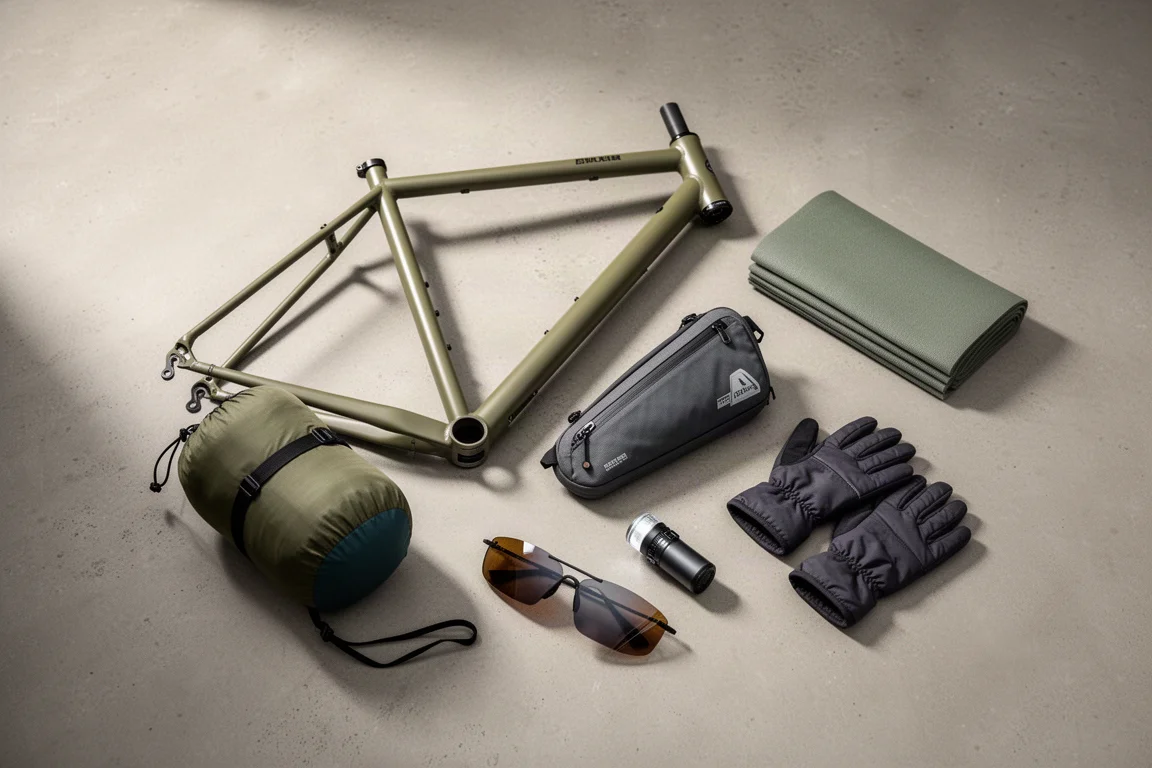
Eleven bikepacking essentials for long-distance cycling, from a steel gravel frame and a two-person tent to helmet lights, packable gloves, and a frame bag that puts weight in the right place.