Astronomy Eyepieces
Apertura Panorama 82° Eyepieces Review: A Serious Upgrade from Kit Plossls
Apertura's Panorama line delivers an immersive 82-degree field of view with premium build quality at a price that makes sense for serious visual observers.
Introduction
For most amateur astronomers, the journey begins with the same moment: the first look through a telescope’s eyepiece. For many, that first look comes through a Plossl, the standard eyepiece bundled with most telescopes. Plossls usually offer an apparent field of view of about 52 degrees and ship as a pair, typically a 25 or 28mm wide-field eyepiece and a 9 or 10mm higher-magnification option.
They do their job well. They get you out under the night sky the moment you open the box. But as experience grows, many observers find the views increasingly claustrophobic, especially at higher magnifications. That is the gap the Apertura Panorama 82° field-of-view eyepiece line is designed to fill.
Why Field of View Matters
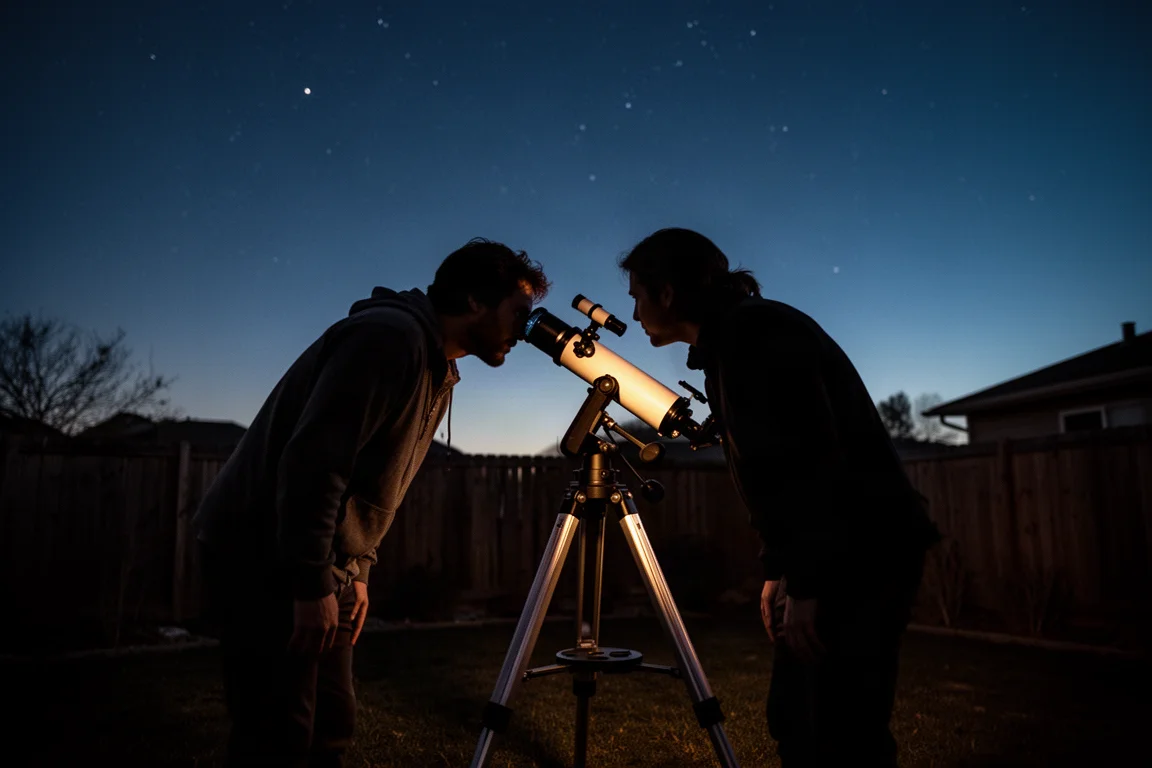
Imagine looking at a distant mountain while holding your fingers in a small circle about the size of a quarter around your eye. That is roughly what a 52-degree Plossl shows you. You can still see the mountain, but you only truly settle into the view when you widen that circle to the size of a large silver dollar. That is what an 82-degree field of view feels like.
It is worth clarifying the terminology. That finger-circle experiment describes apparent field of view, the size of the view as it appears to your own eye. Magnification stays the same regardless. Take a view of the Moon through an Apertura AD8 with its 1200mm focal length: a 12mm, 52-degree eyepiece fits the Moon neatly within the field. A 12mm, 82-degree eyepiece gives the identical magnification, but the space around the Moon is noticeably larger. With a 10mm 50-degree eyepiece and a 10mm 82-degree eyepiece, magnifications are identical. What changes is comfort and immersion, and that difference is substantial in practice.
Build Quality and Design
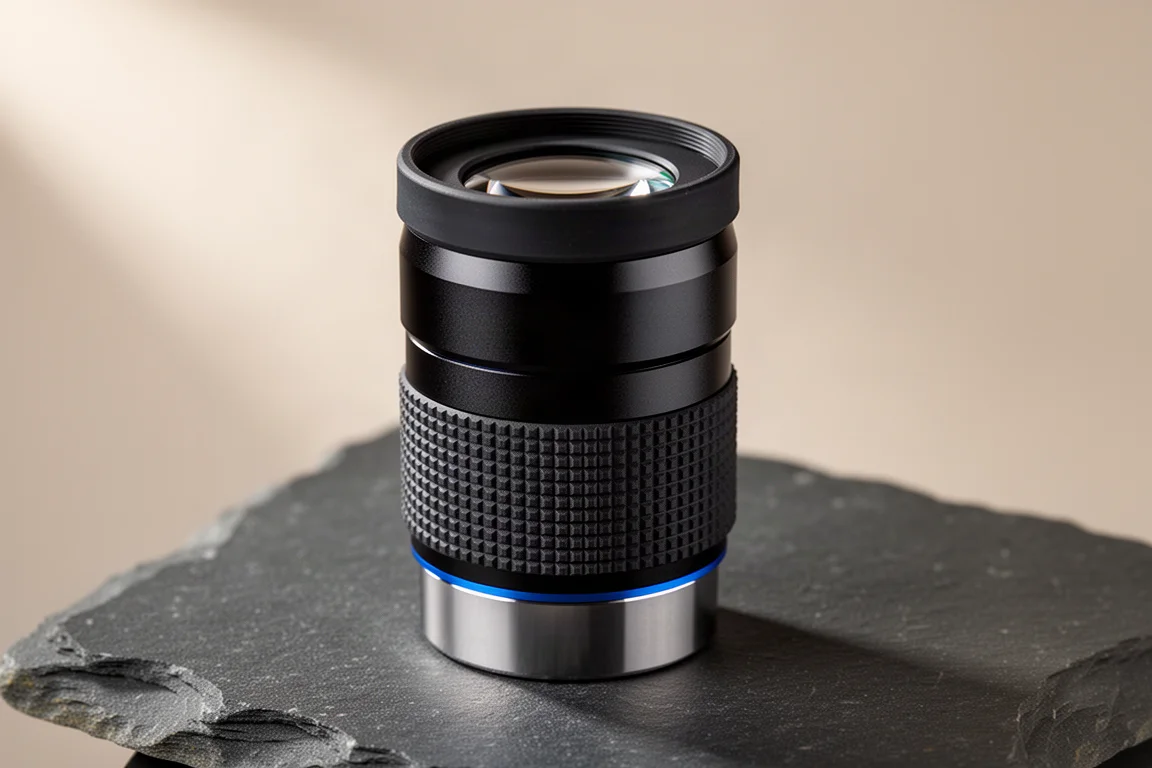
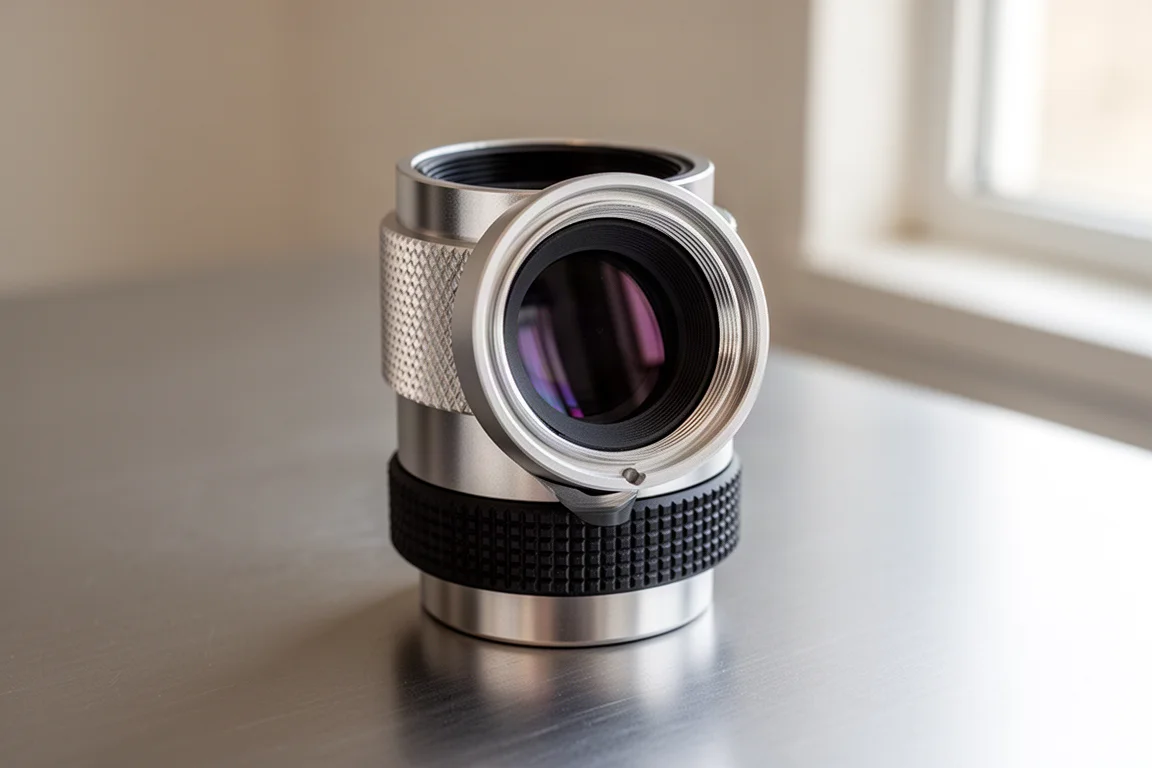
The Panorama line feels premium from the moment you pick it up. Each eyepiece features a sturdy CNC-machined barrel with a safety lip to help prevent accidental drops. Filter threads are provided for 1.25-inch and 2-inch light pollution and O3 filters, depending on the model.
Rubber eyecup guards boost contrast by rejecting stray light, and they make for a comfortable viewing experience at the eyepiece. The bodies carry a rubberized checkered grip accented with thin strips of Apertura blue, which ties them into the rest of Apertura’s accessory lineup visually and functionally.
Optical Performance
The views are what make these eyepieces compelling. The design delivers sharp, high-contrast, immersive views, and the wider field makes extended objects and lunar observations noticeably more relaxing than through a standard bundled Plossl.
In a blind test, several gear experts compared the Apertura Panorama eyepieces against models from the top brands on the market. Overall, there was very little difference between them. Where a slight difference was noted, the price increase of the competing option was considered hard to justify. That result positions the Panorama line as one of the strongest value propositions in its class.
Choosing Your Focal Lengths
Apertura offers the Panorama line across seven focal lengths, split between barrel sizes and use cases:
- 4mm and 7mm (1.25-inch): Fantastic for high-magnification views of the planets and the lunar surface.
- 21mm and 28mm (2-inch): The choices for deep sky objects such as the Orion Nebula or the Andromeda Galaxy.
- 10mm, 13mm, and 16mm (1.25-inch): A versatile middle range offering a wide variety of magnifications, working well for the Moon and planets as well as deep sky targets like globular star clusters.
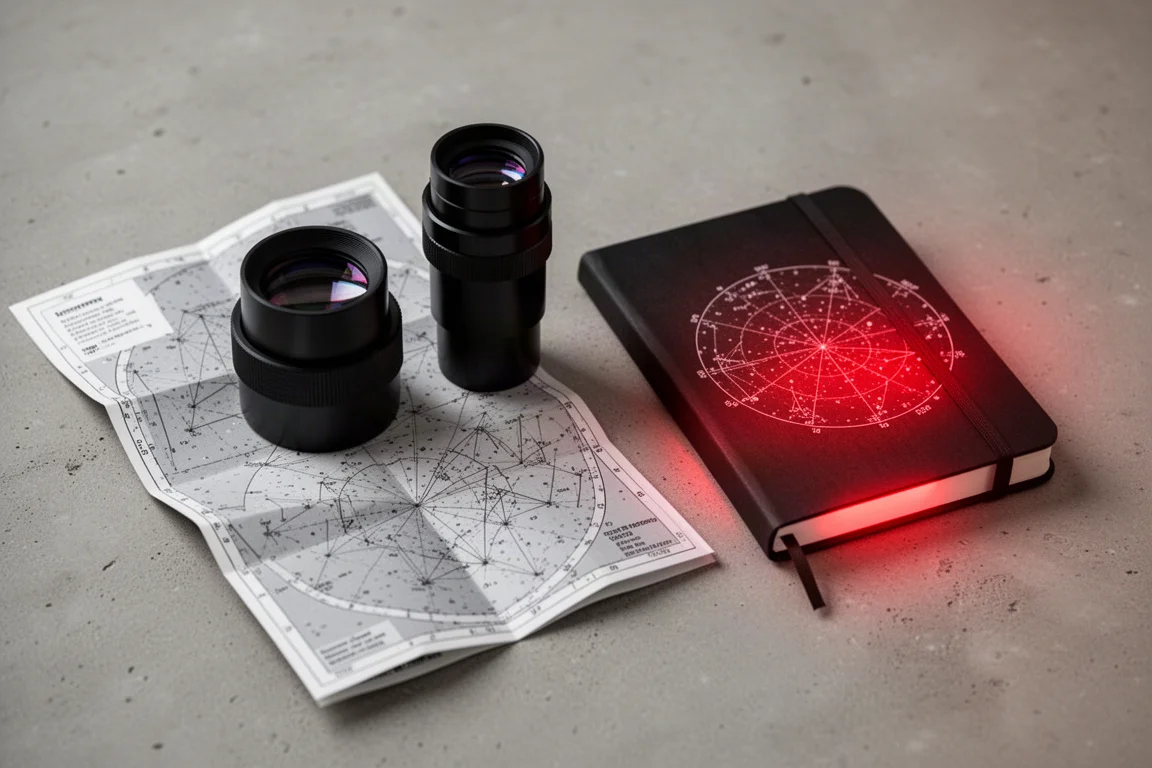
If you are upgrading from the standard two-eyepiece Plossl set that ships with most telescopes, the mid-range focal lengths are a natural first step, since they cover both planetary and deep sky viewing with one purchase.
Who These Eyepieces Are For
These are for observers who have outgrown their kit Plossls and want a genuinely immersive experience without paying premium-brand prices. If you spend most of your time on planets and lunar detail, the 4mm and 7mm focal lengths are the logical picks. If galaxies and nebulae are your focus, the 2-inch 21mm and 28mm options are designed around that use. Viewing is also an intensely personal experience: unlike astrophotography, where data can be edited and studied, what you see through an eyepiece is intimate and unique to you, which makes choosing focal lengths that match your own observing habits especially worthwhile.
Buying Advice
The case for the Panorama line is straightforward. If you want a truly immersive, high-contrast, tack-sharp visual experience, these eyepieces are a serious upgrade from the Plossls bundled with traditional telescopes, and the blind comparison against top-brand alternatives suggests you are not giving up meaningful performance to save money.
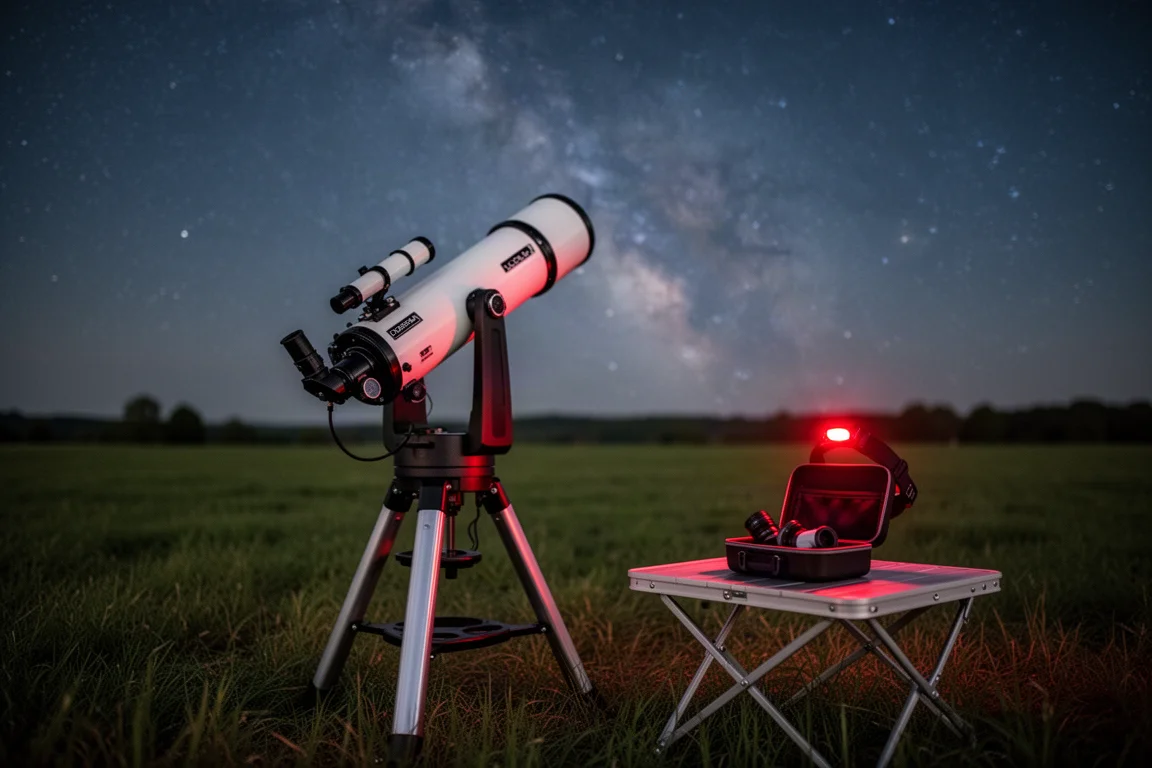
Start by matching your most-observed targets to the focal length breakdown above, and build out your set from there. For anyone still deciding, the versatile 10mm, 13mm, and 16mm trio covers the widest range of targets before you commit to the extremes of the range.
Conclusion
The Apertura Panorama 82° eyepiece line combines premium build quality, a genuinely wider and more comfortable field of view, and performance that stands up to the top brands in blind comparisons. For anyone ready to move beyond bundled Plossls, it is an easy recommendation.
Product link
View more details for Apertura Panorama 82° Eyepiece Line
This product is mentioned in the review. Check the specifications, options, and compatibility before buying.
View more details for Apertura Panorama 82° Eyepiece LineFurther reading
Related Reviews
Astronomy Eyepieces
Houdini Coma-Correcting Eyepieces Review: Built-In Coma Correction for Fast Reflectors
Three focal lengths, an ultra-wide 86-degree field, and coma correction built into each eyepiece. A month of testing on the moon, Jupiter, and deep sky targets.
Astrophotography
RBFocus Merlin Autofocuser Review: A Premium Focuser Without the Premium Price
A detailed look at the RBFocus Merlin autofocuser, covering its easy installation, zero backlash performance, and the 12V power requirement you need to know about.
Astrophotography
Wanderer Astro ETA Review: Automatic Tilt Adjustment for Astrophotography
The Wanderer Astro ETA promises to solve one of astrophotography's most frustrating problems: sensor tilt. We tested it on a full-frame camera to see if it delivers.