Astrophotography
Apertura Anchor Review: A Portable Pier That Ends Tripod Collisions
A sturdy portable pier for strainwave mounts that lifts your setup nearly 39 inches and clears the way for worry-free astrophotography.
Introduction
Few things ruin an imaging session faster than a pop-up rainstorm, but the close second is the dreaded tripod collision. If you image with a long refractor or a telescope with a long imaging train, you have probably spent sleepless nights worrying whether your rig will slam into the tripod as it tracks near zenith. The Apertura Anchor is designed to put that problem behind you, and after spending time with it in the field, it is an easy product to recommend to serious astrophotographers.
What the Apertura Anchor Is
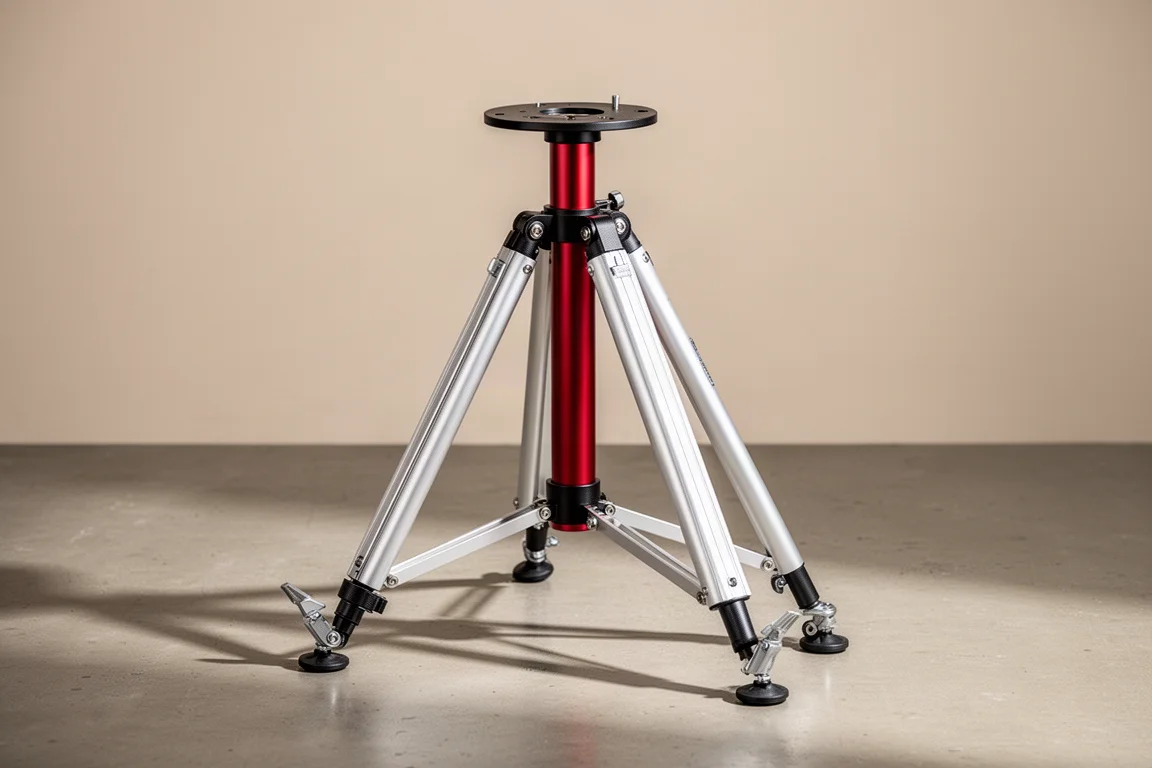
At its core, the Apertura Anchor is a pier-style support system topped with a custom adapter plate compatible with several brands of strainwave mounts on the market today. Instead of working within the limitations of a traditional tripod, the Anchor raises your mount nearly 39 inches off the ground, and 19 inches above the leg joint. That is nearly twice the height of a traditional pier extension, which is what makes it such a game changer for avoiding tripod collisions.
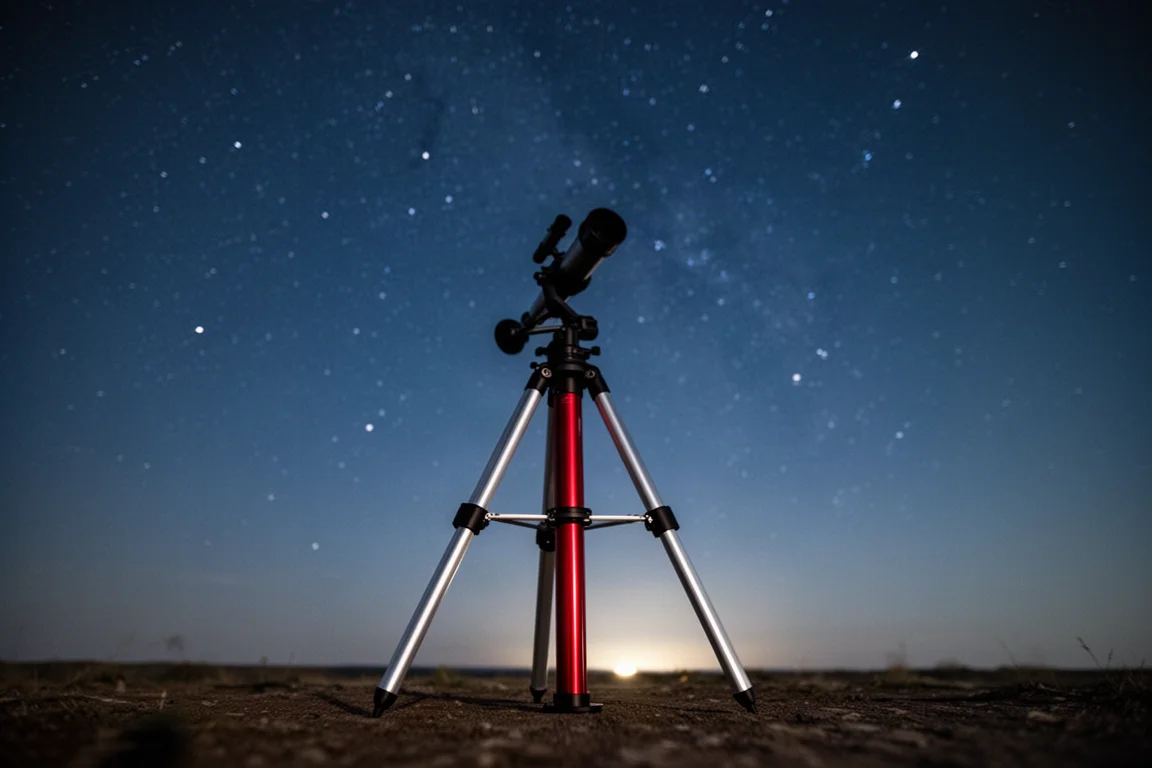
The numbers behind it are solid: the collapsible legs cover a maximum distance of 34 inches when extended, the structure supports up to 220 lbs of payload, and the whole unit weighs just 17.5 lbs. That weight makes it a very manageable pier to move in and out when needed.
Design and Build Quality
Visually, the Anchor is genuinely striking. The signature Apertura red anodized pier, reinforced aluminum legs, and stainless steel hardware give it the look, the feel, and the stability that dedicated astrophotographers need when imaging out in the field.
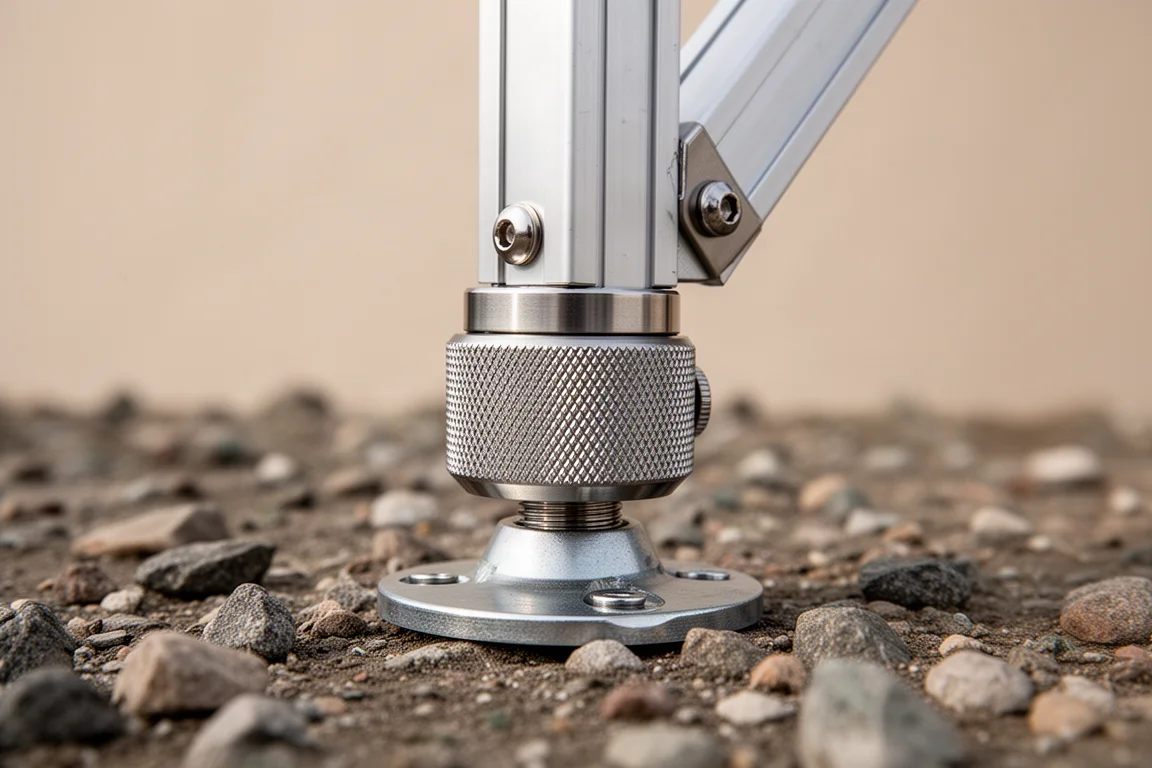
Practical details are well thought out too. A detent pin automatically locks the legs as you extend them, making setup quick and secure. Each of the three feet can swivel into position, and large locking collars make dialing in your footing on uneven ground effortless.
It also ships with a soft Apertura carrying case, which rounds out a package that feels designed for people who actually transport their gear to dark-sky sites.
Setup and Mount Compatibility
For fine adjustments, the integrated leveling knobs let you bring the system perfectly level without having to adjust the legs themselves, which is a meaningful improvement over many other tripods and piers.
Setup is simple and straightforward. You check the detent pin is in the down position, loosen the clamping lever, extend the legs until the detent pin falls into place, then lock everything down. From there you swivel each foot for sturdy ground contact, adjust the leveling knobs, and you are ready to attach your mount.
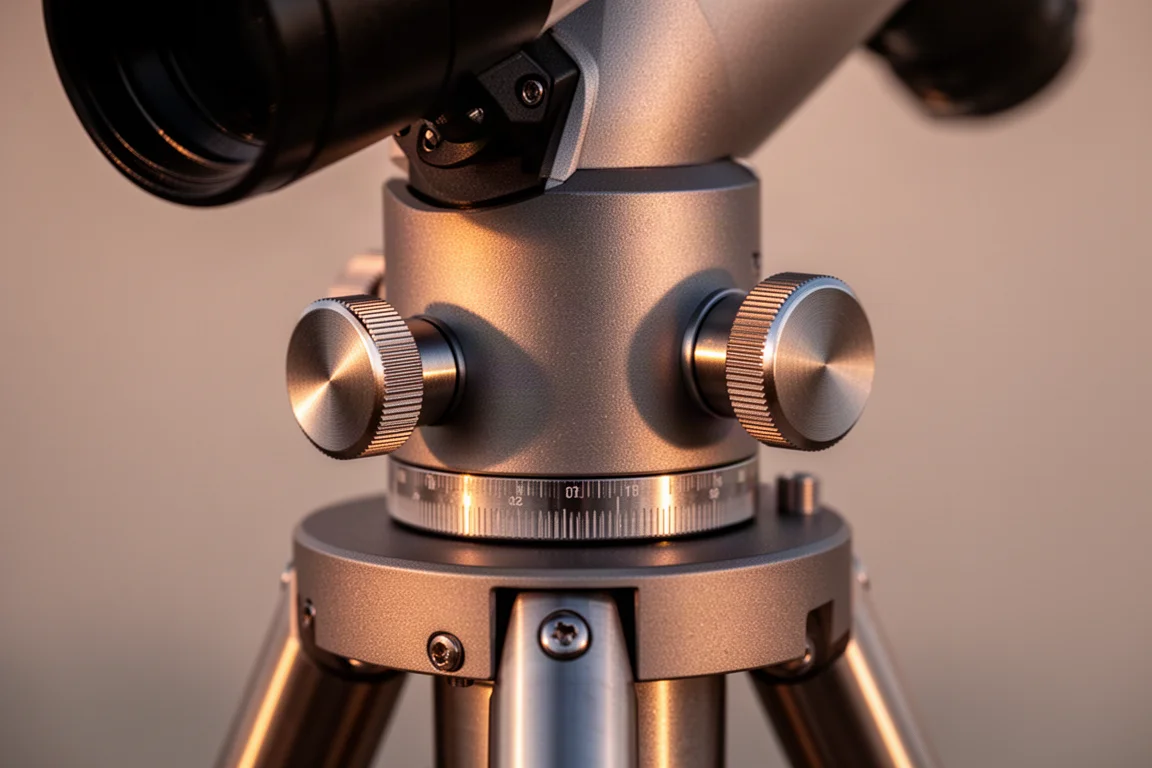
The custom quick-detach adapter plate uses M6 holes and a 3/8-inch center screw, allowing compatibility with a wide variety of strainwave mounts, including the ZWO AM3 and AM5, the Sky-Watcher Wave 100 and 150i, and the WarpAstron WD17 and WD20. Attaching a compatible mount uses three hex bolts and the included 5mm hex key, or the 3/8-inch center bolt if your mount lacks the bolt pattern.
Field Performance
The difference between the Apertura Anchor and a standard photographic tripod used with something like the AM5 or AM3 is quite staggering. In a field test, an Apertura APO 90 refractor paired with the ASI2600MC Air and ZWO EAF Pro on an AM5 tracked straight through zenith without any risk of contact.
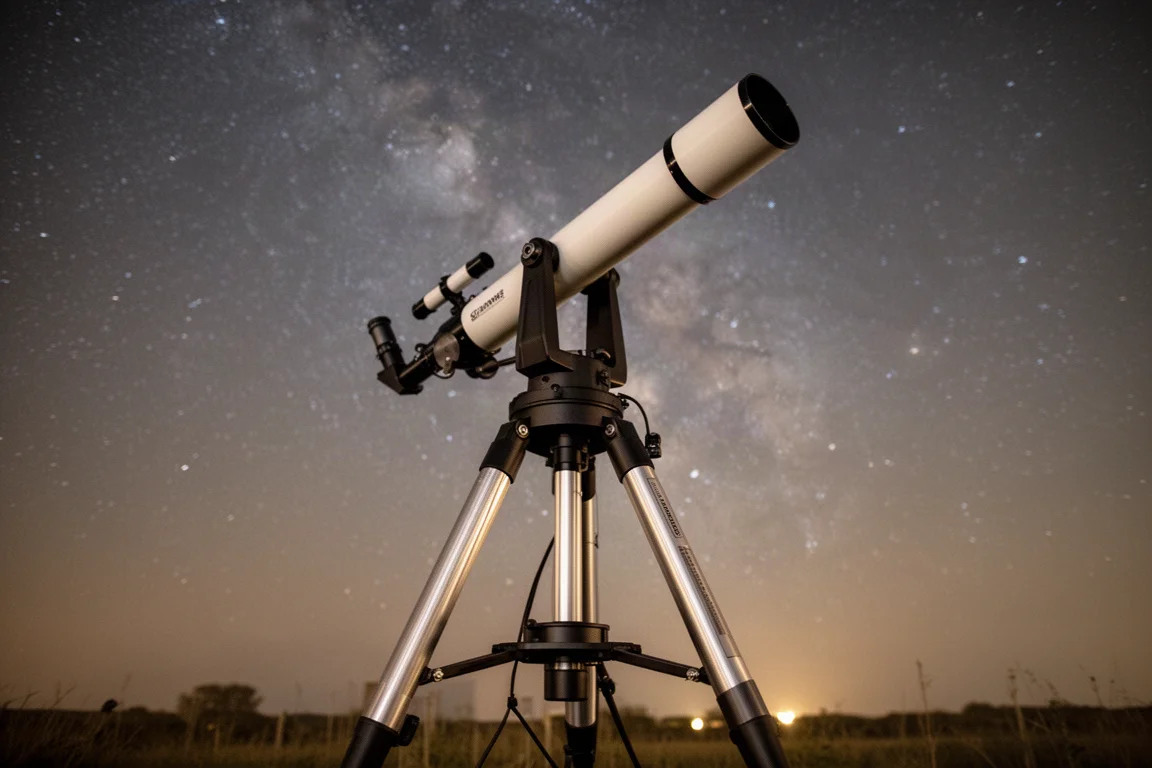
The Anchor delivers the best of both worlds: the strength, stability, and clearance of a permanent pier combined with the portability of a traditional tripod. It gave us both the confidence to image throughout the night and a good night’s sleep, two things you typically do not get with a standard tripod.
Buying Advice
If you are running a strainwave mount like the ZWO AM3 or AM5, or Sky-Watcher’s Wave mounts, the Anchor is a thoughtful upgrade that prevents tripod collisions entirely. This matters most if you have a long imaging train, such as a refractor or an RC. With its boosted weight capacity, improved stability, and Apertura’s Absolute Warranty behind it, the Anchor is an easy recommendation for those who are serious about astrophotography.
Conclusion
The Apertura Anchor solves one of the most persistent frustrations in portable astrophotography without asking you to give up portability. If tripod collisions have been costing you sleep, this pier offers the clearance, stability, and peace of mind to image high-altitude targets all night long.
Product link
View more details for Apertura Anchor
This product is mentioned in the review. Check the specifications, options, and compatibility before buying.
View more details for Apertura AnchorFurther reading
Related Reviews
Astrophotography
ASKAR FRA400C Review: A Versatile 400mm Refractor for Astrophotography and More
The ASKAR FRA400C is a compact 72mm refractor that balances reach, versatility, and portability for astrophotographers and visual observers.
Astrophotography
Askar SQA106 Review: A Premium 106mm Astrograph With Exceptional Optics
The Askar SQA106 is a premium 106mm quintuplet astrograph with impressive sharpness across full-frame sensors, though its price and weight demand careful consideration.
Astrophotography
Astro Imaging Gear 2026: Eight New Products Worth Watching
A look at the most interesting new astrophotography and astronomy products announced this year, from fast telescopes to smart cameras and wireless accessories.