Astrophotography
Apertura 90mm Triplet APO Review: A Capable Imaging Refractor for the Next Step Up
A closer look at Apertura's 90mm FPL53 triplet refractor, from the included accessories to full-frame field illumination results.
Introduction
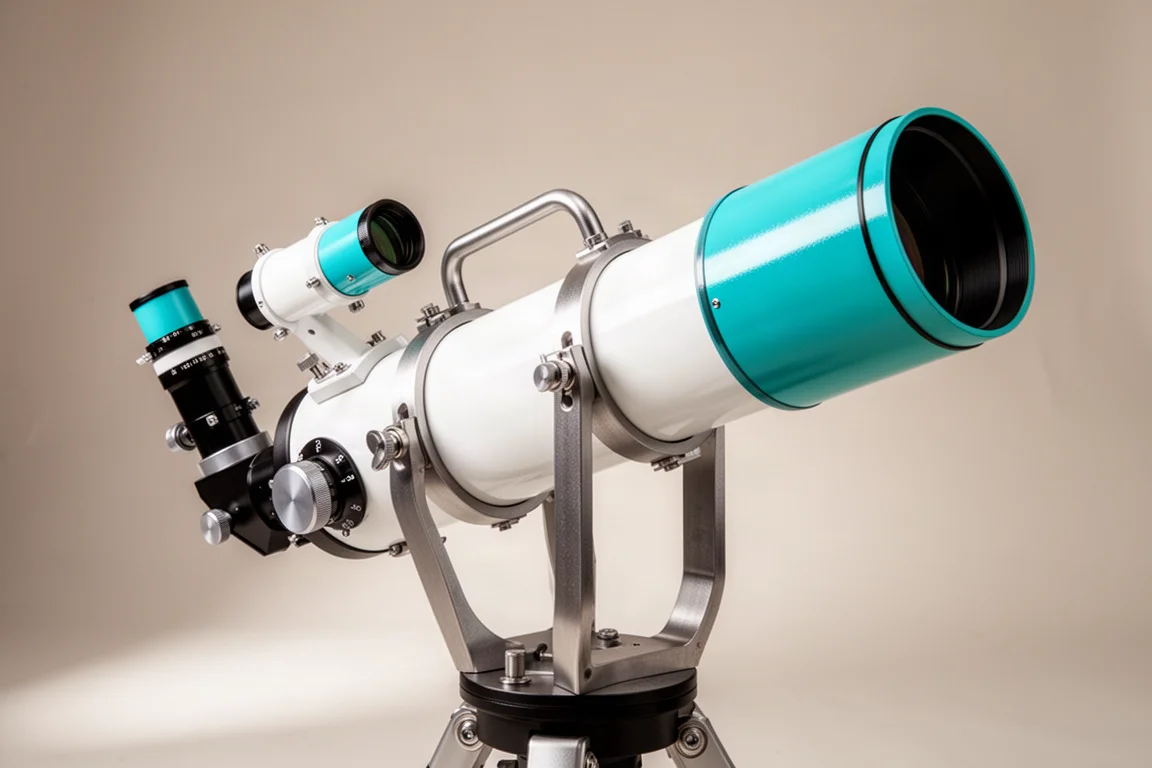
Apertura’s new imaging refractor, the 90mm Triplet APO, arrives as a well-equipped package aimed squarely at dedicated astrophotographers. With FPL53 glass, a 540mm focal length at f/6, and a flattener included in the box, it positions itself as a serious next step for anyone outgrowing a short wide-field refractor. After examining the hardware and running field illumination tests against a widely respected benchmark, this scope leaves a strong impression.
What Comes in the Box
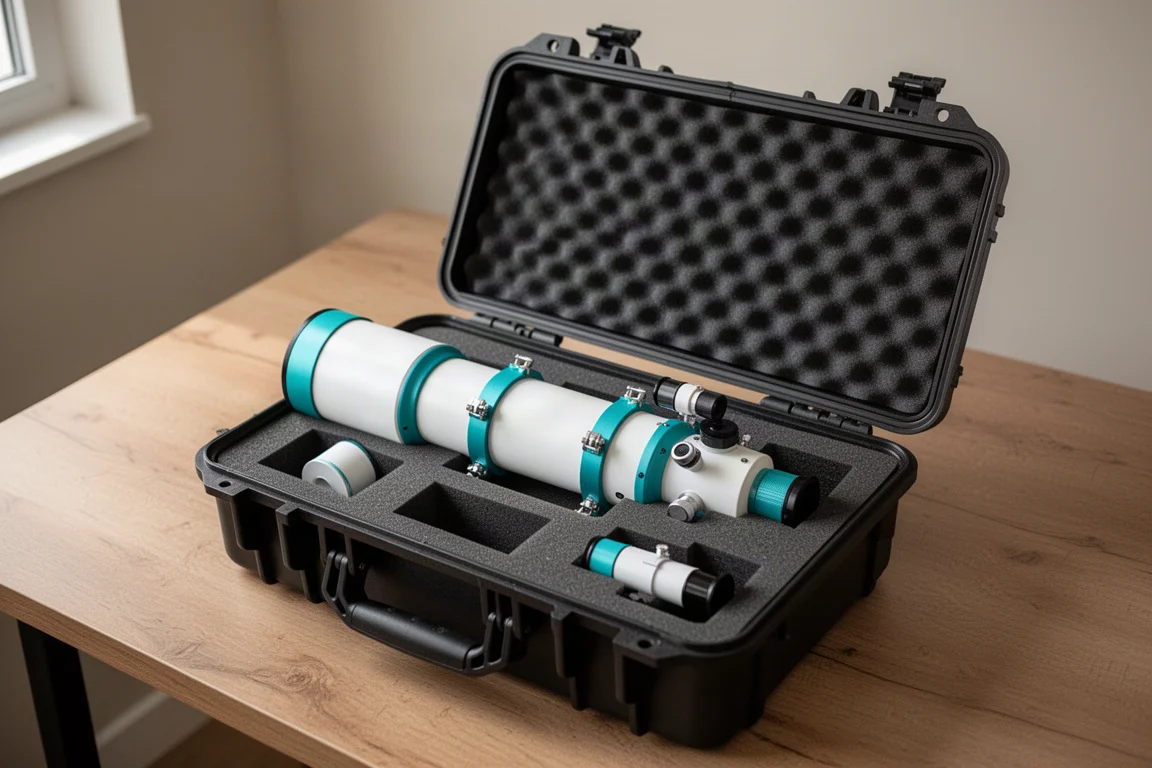
The unboxing experience sets the tone. The scope ships in a custom hard case with a carrying handle, making transport and protection straightforward. Inside, the 90 APO itself is a handsome white optical tube with vibrant turquoise complementary coatings, in classic Apertura style.
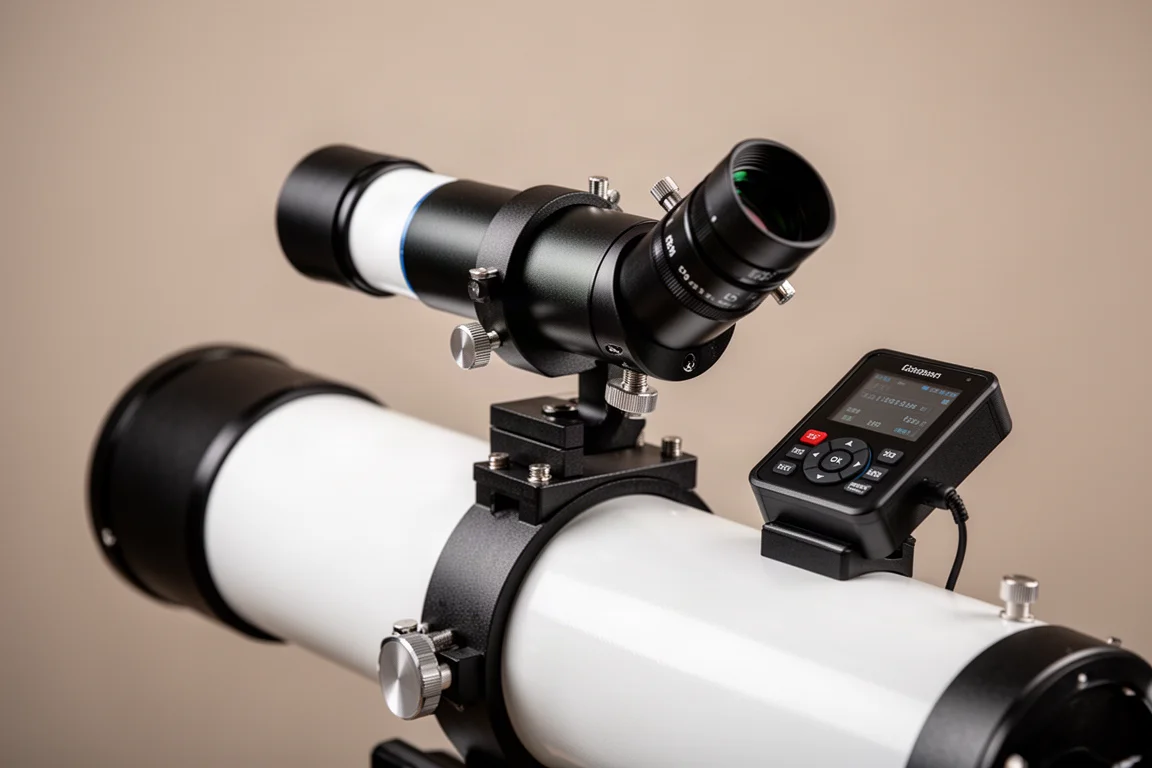
Around the tube you get a durable set of rings with an included handle, plus a Vixen slot for added accessories. Also included is a 1x flattener capable of correcting for full-frame cameras, which requires the standard 55mm of back focus. A 32mm guide scope wrapping the same pleasant color scheme rounds out the package.
Optics and Focusing Hardware
The APO 90 is a triplet refractor with a focal length of 540mm and a focal ratio of f/6, using FPL53 glass for near-perfect color correction and optical quality. Apertura includes both a camera rotator for precise framing and a focuser rotator to accommodate longer dovetails and other accessories that might otherwise interfere.
The focuser is a smooth dual-speed 10:1 rack-and-pinion design, allowing precise focus during both visual and photographic use. With the Apertura diagonal, the scope also works well for visual observing.
Optical Performance and Full-Frame Correction
For pixel peepers, the corners matter most. Using a full-frame camera, star correction at the corners of the field of view was near perfect, which is extremely impressive at this level. Images such as Markarian’s chain show stars that look splendid across the frame.
Field Illumination Testing
Using analysis software to compare the APO 90 with the included 1x flattener against the renowned Takahashi FSQ 106, the results showed an 18% increase in field illumination with the APO 90 when using a full-frame camera. The FSQ 106 was used as the gold standard for comparison rather than a direct rival, and the takeaway is that the APO 90 stands its ground impressively.
The same test was run with the optional Apertura 0.8x reducer against the Takahashi, and field illumination with a full-frame camera was nearly identical all the way up to 44mm image circles. For flat field correction, the 0.8x reducer corrects perfectly up to APS-C size sensors and corrects very well for full-frame cameras, making it a great option if you want to widen the field of view and speed up the refractor.
Who the APO 90 Is Designed For
Picture a typical progression: you have a star tracker, a DSLR, and a wide-field lens such as a 135mm f/2 Rokinon or a RedCat 51, and you want more. The next move is usually a sturdier mount with a higher weight capacity, plus a telescope with more focal length to capture finer detail.

The 90mm APO provides nearly four times the light gathering power of a RedCat 51, letting you get up close and personal with larger galaxies and nebulae. It also sits neatly as the step before longer-focal-length SCTs or Newtonians, making it a natural fit for the all-around astrophotographer.
Things to Consider Before Buying
The included flattener requires the standard 55mm of back focus, so plan your imaging train spacing accordingly. The optional 0.8x reducer, while excellent, is a separate purchase if you want the wider, faster field. And while the scope works visually with an Apertura diagonal, its clear focus is imaging.
Buying Advice
If you are moving up from a small wide-field refractor and want more focal length and detail without jumping straight to a large SCT or Newtonian, the APO 90 sits right in the middle of that path. The combination of FPL53 triplet optics, a full-frame-capable flattener in the box, and a guide scope included makes the package unusually complete, and the field illumination results suggest the optics hold their own against a far more established benchmark.
Conclusion
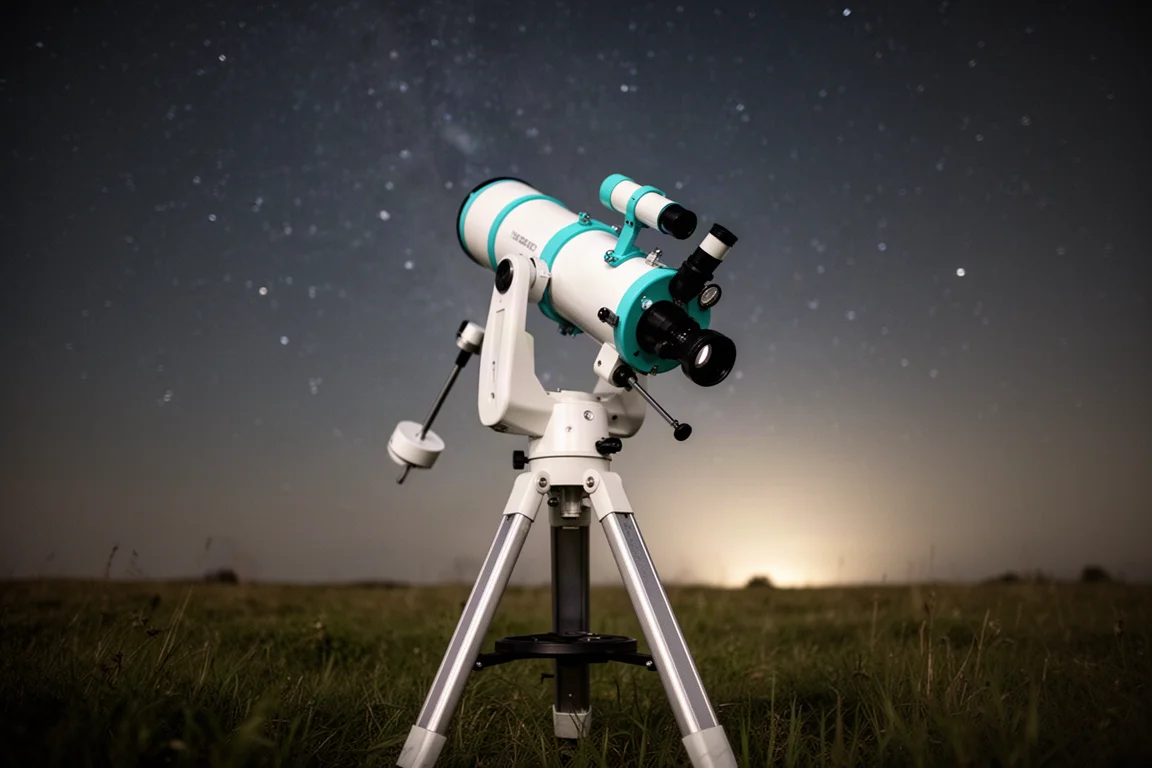
The Apertura 90mm Triplet APO delivers impressive full-frame correction, thoughtful included accessories, and a design that fits naturally into an astrophotographer’s progression. For anyone stepping up from a wide-field rig, it is an easy recommendation worth serious consideration.
Product link
View more details for Apertura 90mm Triplet APO
This product is mentioned in the review. Check the specifications, options, and compatibility before buying.
View more details for Apertura 90mm Triplet APOFurther reading
Related Reviews
Astrophotography
ASKAR FRA400C Review: A Versatile 400mm Refractor for Astrophotography and More
The ASKAR FRA400C is a compact 72mm refractor that balances reach, versatility, and portability for astrophotographers and visual observers.
Astrophotography
Askar SQA106 Review: A Premium 106mm Astrograph With Exceptional Optics
The Askar SQA106 is a premium 106mm quintuplet astrograph with impressive sharpness across full-frame sensors, though its price and weight demand careful consideration.
Astrophotography
Astro Imaging Gear 2026: Eight New Products Worth Watching
A look at the most interesting new astrophotography and astronomy products announced this year, from fast telescopes to smart cameras and wireless accessories.