Astrophotography
Apertura 75Q and 0.75x Reducer: A Fast Astrophotography Pairing Tested on the Iris Nebula
The Apertura 75Q is already a no-fuss imaging refractor, and its 0.75x reducer pushes it to f/4.0 with a wider field. Here is how the pair performs under dark skies.
Introduction
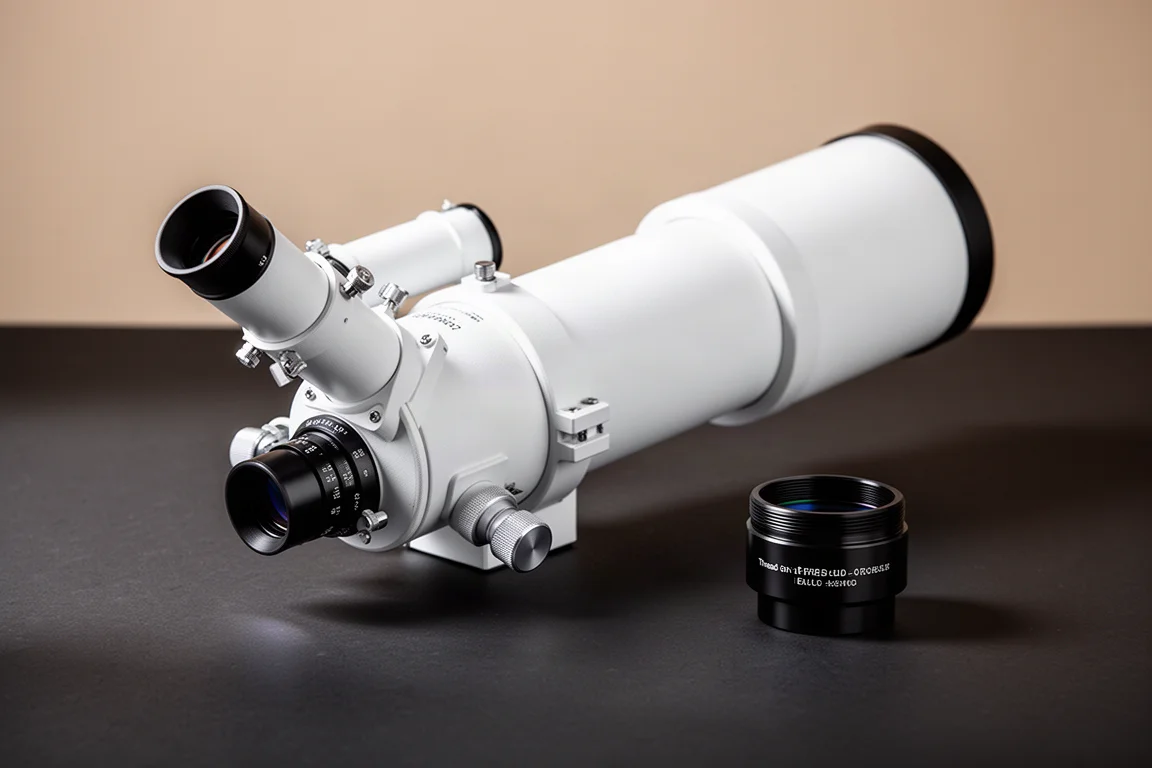
The Apertura 75Q has earned attention as an easy, high-quality imaging refractor, and the 0.75x reducer takes that formula and makes it faster and wider. We took both out under Bortle 3 dark skies to image the Iris Nebula, a demanding target surrounded by extremely faint dust, and the pairing proved to be exactly what the spec sheet promises.
The Apertura 75Q: A No-Fuss Imaging Refractor
The Apertura 75Q is an f/5.3 quadruplet Petzval refractor, which means there is no spacing math to worry about. You do not need to calculate back focus or fuss with critical spacing like you would with many other refractors. Simply attach your camera, achieve focus, and start imaging.
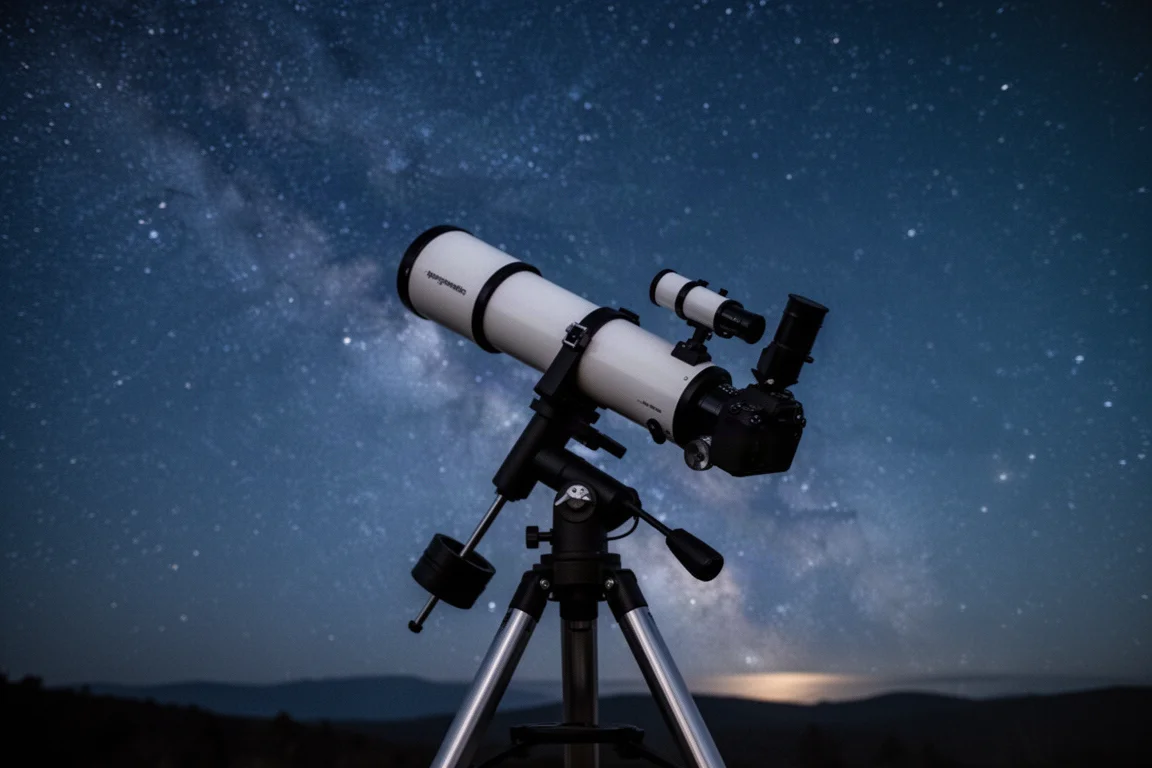
Optically, it uses FCD 100 glass, and the color correction and overall performance are top notch, yielding high-contrast images with sharp stars across the cameras on the market today. The dual-speed rack and pinion focuser and built-in camera rotator round out a feature set aimed squarely at astrophotographers.
The 0.75x Reducer: Faster Optics, Wider Field
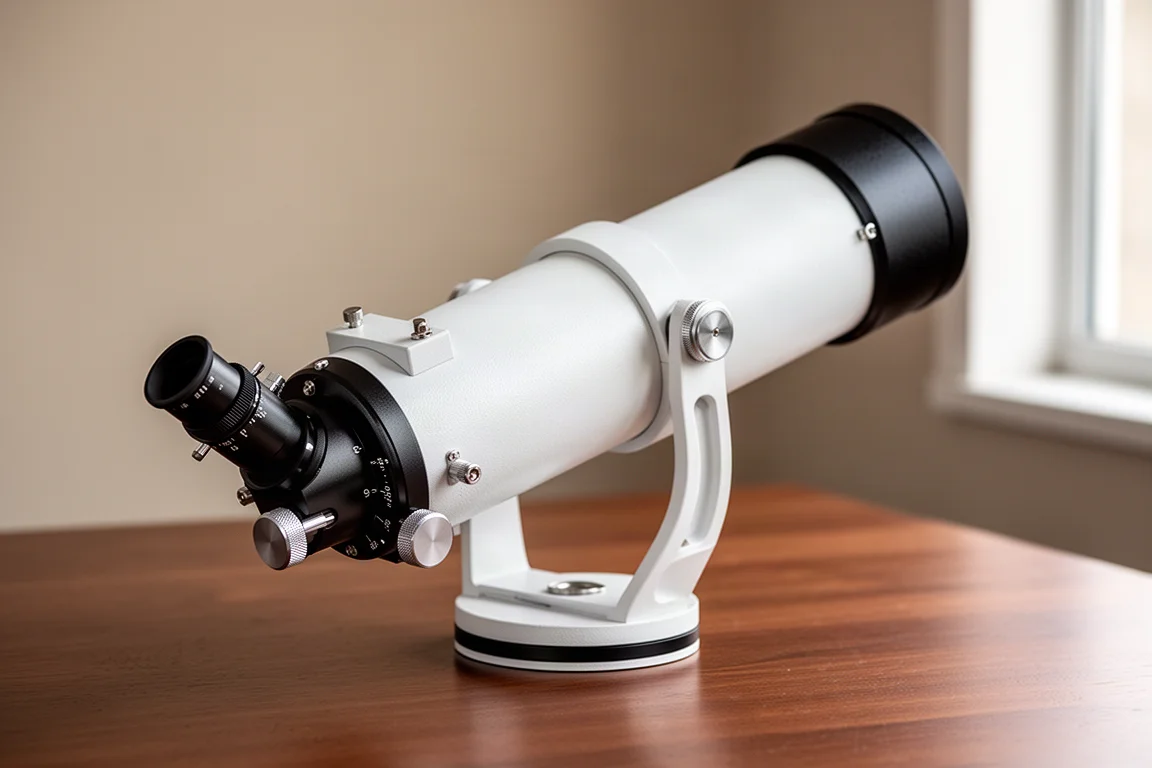
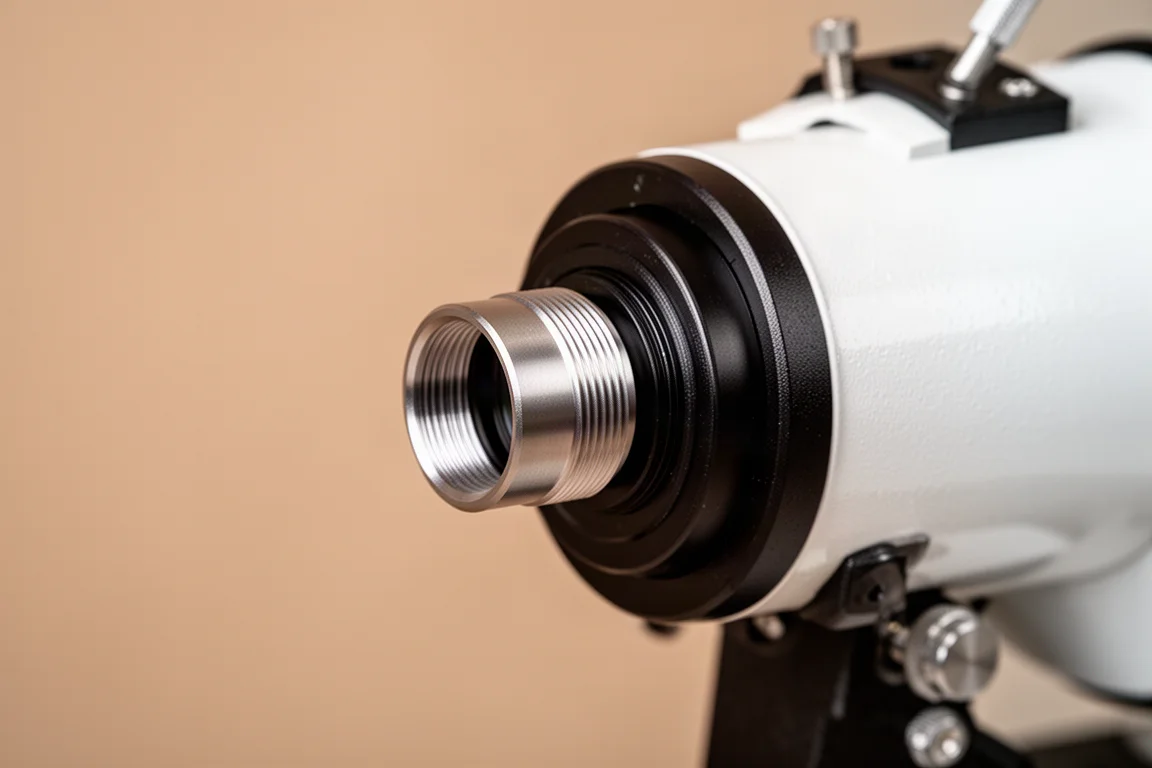
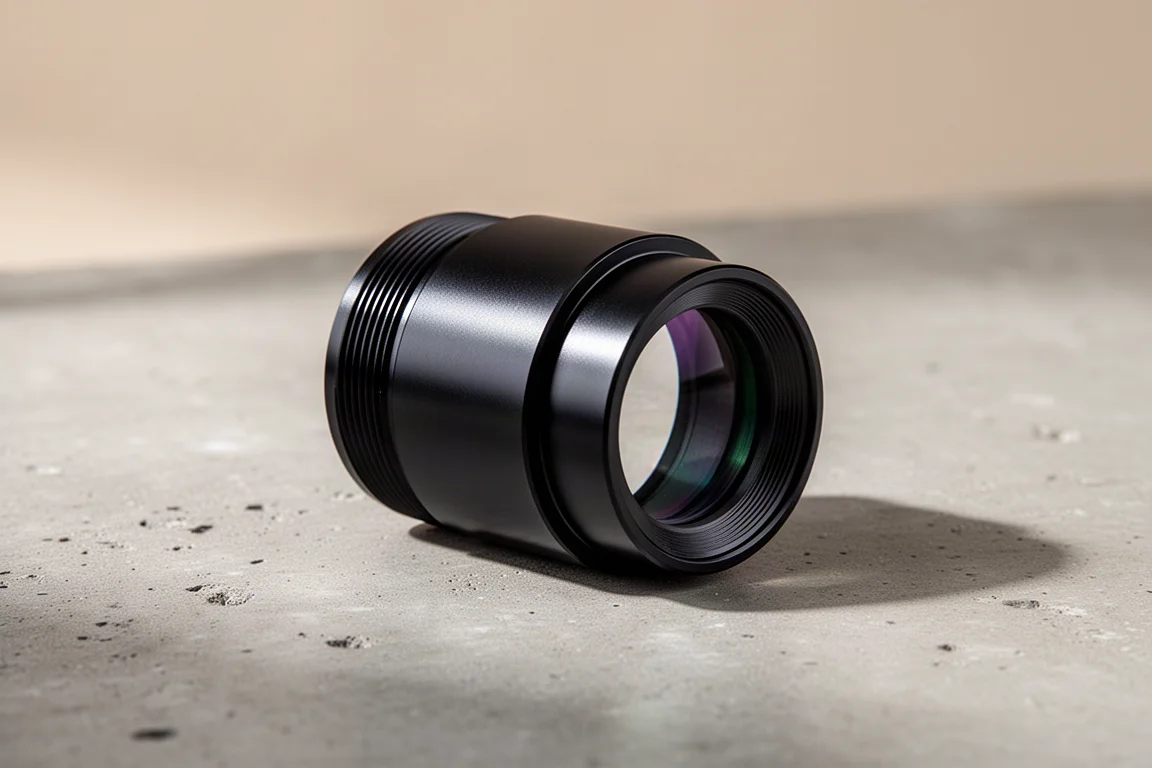
The Apertura 75Q 0.75x reducer is a thread-on design with a provision for 2-inch filters. Installation is very simple: remove the neutral adapter from the back of the scope and replace it with the reducer using the same threads.
The reducer is corrected for APS-C size sensors, and the 0.75x reduction brings the 75Q from f/5.3 down to f/4.0. Native focal length drops from 405mm to 303mm, which is nearly identical to that of the RedCat 61, but the 75Q has 1.5x the light-gathering capability thanks to its larger aperture.
Putting the Extra Speed to Work on the Iris Nebula
The Iris Nebula is bright at its core but surrounded by very dim dust and gas that is lit not by nearby stars but by the Milky Way galaxy itself. That means you need extremely dark skies to capture something this faint, and the extra light-gathering power of this faster optical configuration is a genuine advantage.
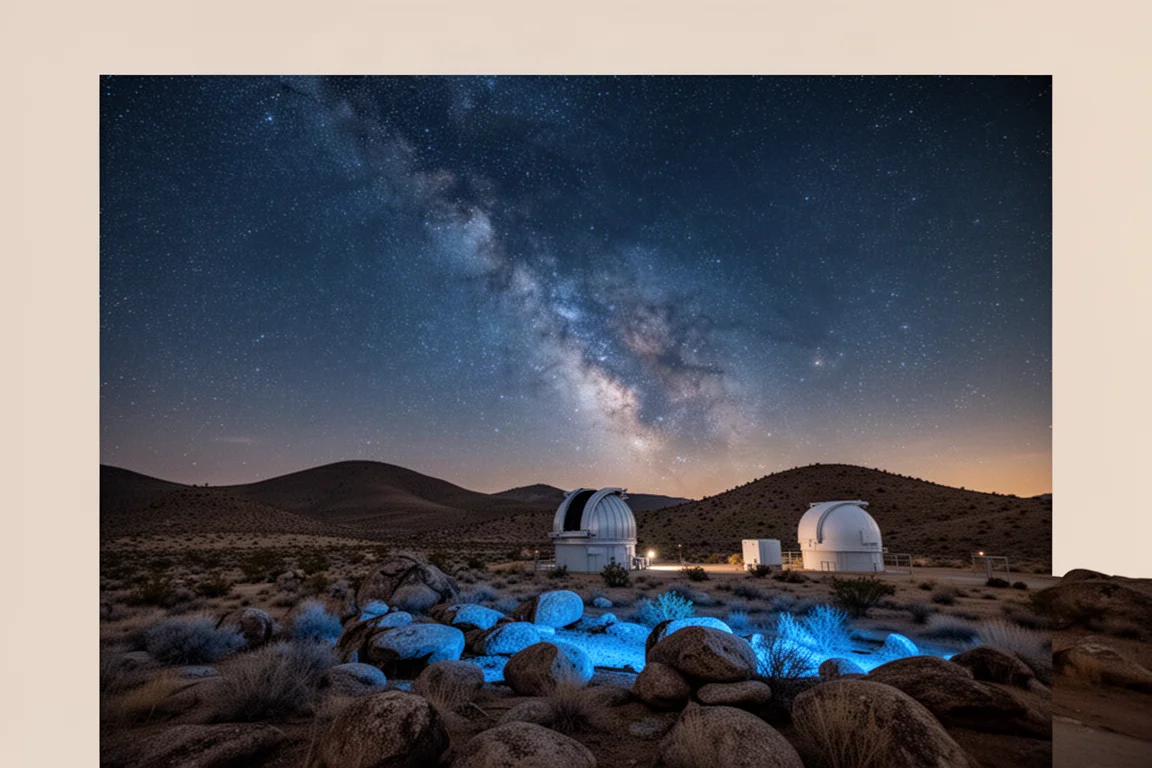
The plan going in was a clear night and around 6 hours of data. Dark skies and faster optics make targets like this far more approachable than they would be on a slower, narrower setup.
Results Under Dark Skies
The sessions under Bortle 3 skies delivered 9 hours of data on the Iris Nebula, three more than originally planned. The 0.75x reducer worked exactly as expected, and the stars across the APS-C sensor were sharp throughout.
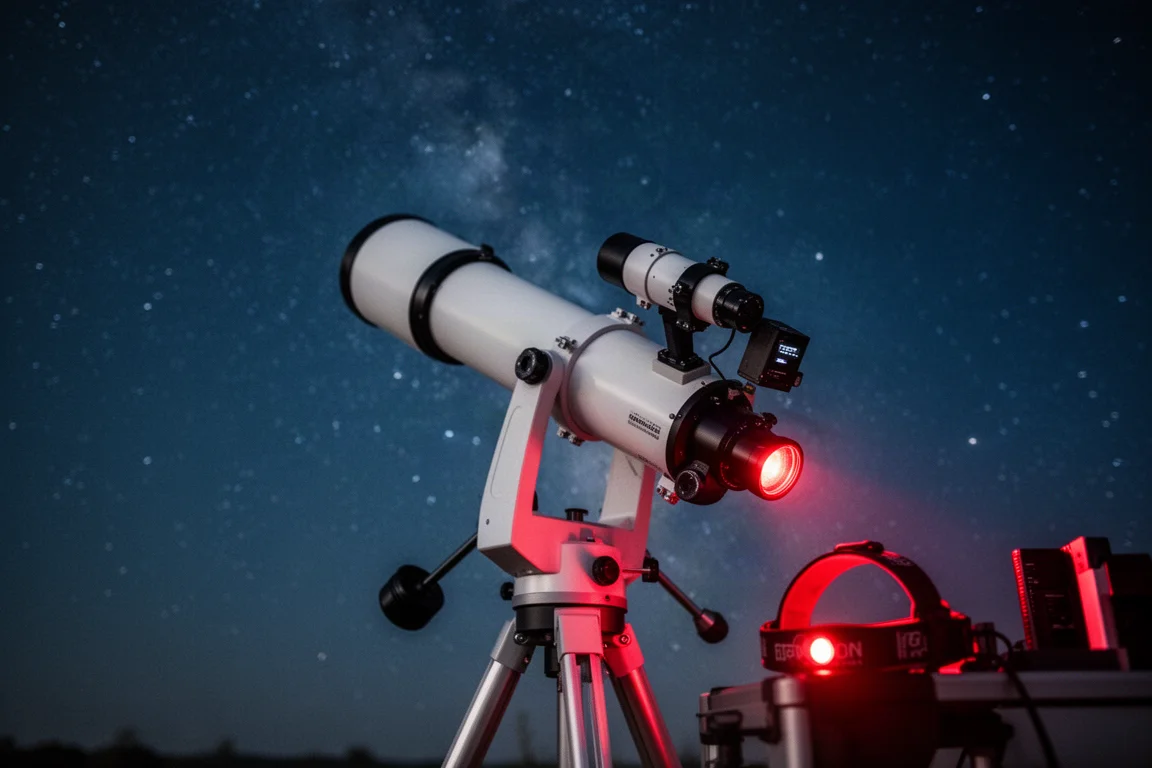
The extra light-gathering power clearly helped collect good data, and the wider field of view from the reducer made a real difference on a target like this. If you already own the Apertura 75Q, the reducer is a great addition. If you are a beginner or shopping for your next astrophotography package, the 75Q with the 0.75x reducer is an excellent choice.
Conclusion
The Apertura 75Q is an easy, high-quality imaging refractor, and the 0.75x reducer makes it faster and wider without adding complexity. Together they turned a challenging, faint reflection nebula into a very achievable target, and that combination of simplicity and performance is what makes this pairing easy to recommend.
Further reading
Related Reviews
Astrophotography
ASKAR FRA400C Review: A Versatile 400mm Refractor for Astrophotography and More
The ASKAR FRA400C is a compact 72mm refractor that balances reach, versatility, and portability for astrophotographers and visual observers.
Astrophotography
Askar SQA106 Review: A Premium 106mm Astrograph With Exceptional Optics
The Askar SQA106 is a premium 106mm quintuplet astrograph with impressive sharpness across full-frame sensors, though its price and weight demand careful consideration.
Astrophotography
Astro Imaging Gear 2026: Eight New Products Worth Watching
A look at the most interesting new astrophotography and astronomy products announced this year, from fast telescopes to smart cameras and wireless accessories.