Home Theater Processors
Anthem AVM 90 vs AVM 70: Which Anthem Surround Processor Fits Your Theater?
A practical look at the Anthem AVM 90 flagship surround processor, how it differs from the Anthem AVM 70, and which one makes more sense for your room.
Introduction
The Anthem AVM 90 is the flagship of Anthem’s surround processor lineup, and the Anthem AVM 70 is the model most people will actually consider. Both are 15-channel processors built around a single priority: sound quality, room correction, and flexible bass management rather than feature padding. The AVM 90 adds four discrete subwoofer outputs, a more ambitious DAC and power supply implementation, and the newest ARC Genesis calibration tools. Choosing between them usually comes down to how many subwoofers you run and how much two-channel music listening you do.
What the Anthem AVM 90 and AVM 70 Have in Common
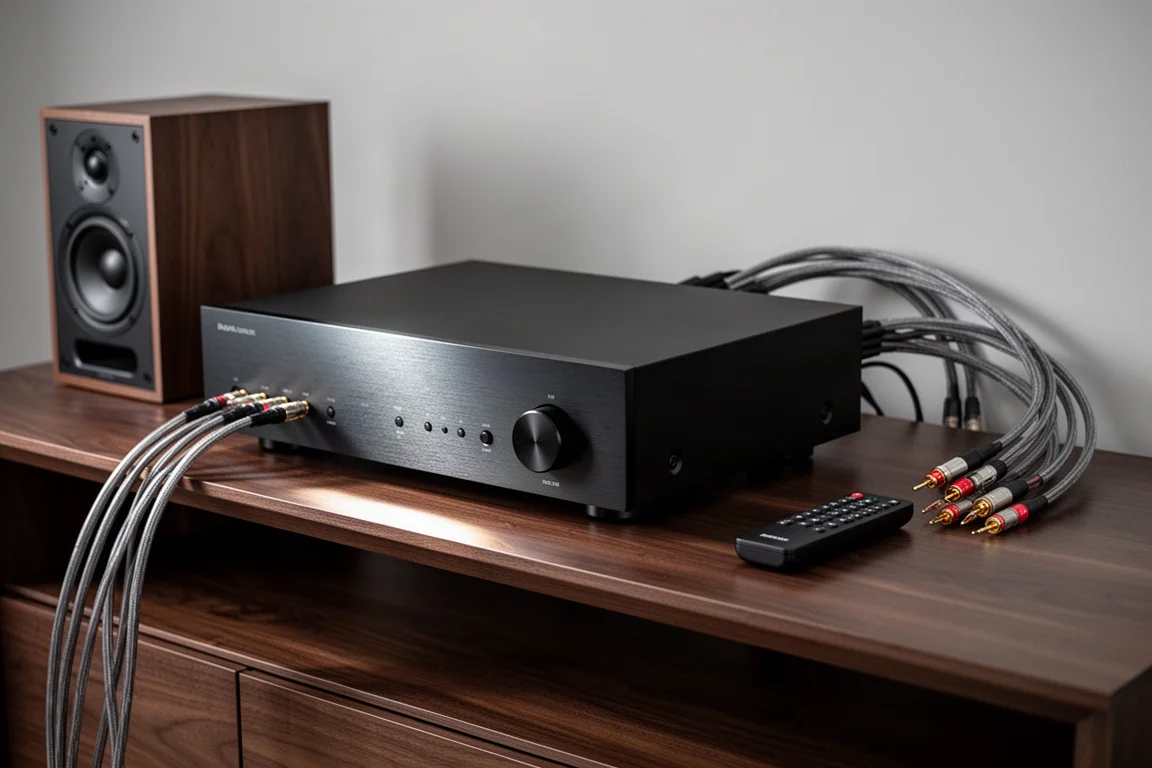
Both processors provide 15 channels of preamp outputs with either RCA or balanced connections. That is enough flexibility to place wides between your front and side speakers, and to run a mix of height and overhead channels, including up to six Atmos channels. Both also include zone 2 audio and HDMI outputs, and both ship with the same updated calibration microphone. That microphone is directional by design, so it can be aimed toward the front of the room to better reflect how listeners actually hear from their seats.
Setup on both models runs through a web-based interface that is unusually complete for this category. You can connect the processor over a wired or wireless network and configure it from a laptop, which means you can sit in the primary listening position and fine-tune settings while you listen instead of walking back and forth to a rack. You can also set muting behaviour, control how long the front display stays lit before dimming, and manage CEC commands for the rest of the system.
Anthem AVM 90: Flagship Performance
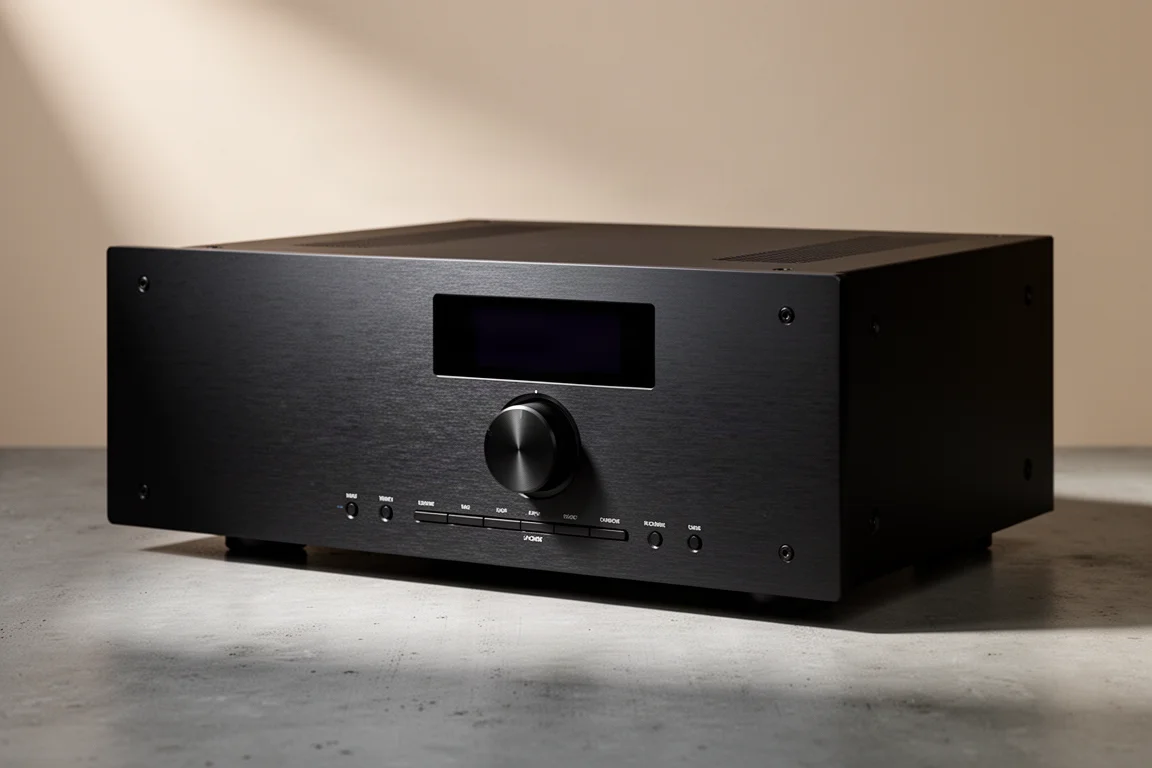
The clearest difference between the two models is bass management. The AVM 90 adds four discrete subwoofer outputs, and anyone who has chased a truly integrated low end knows how much that matters. More than two independent subwoofer outputs have historically pushed buyers toward processors in a much higher price bracket.
Inside the chassis, the AVM 90 uses ESS Sabre 9038 Pro DACs across all 19 channels, capable of 32-bit/768 kHz decoding, supported by high-precision resistors and top-tier linear regulators. A 1.6 GHz dual-core DSP with 64-bit floating point computation and dual-precision filter states handles real-time equalization and phase alignment across the system.
Video support is current rather than merely adequate: HDMI 2.1 with HDCP 2.3, 8K at 60 Hz, 4K at 120 Hz, and eARC. Decoding covers Dolby Atmos, DTS:X, and IMAX Enhanced, and Dolby Vision is supported for compatible displays. Streaming is built in through Chromecast, AirPlay 2, Bluetooth, and Spotify Connect, with Roon support planned in a future update. A moving magnet phono preamp is included as well, which makes the AVM 90 a genuine option as the centerpiece of a music system, not just a movie system.
Anthem AVM 70: The Practical Alternative
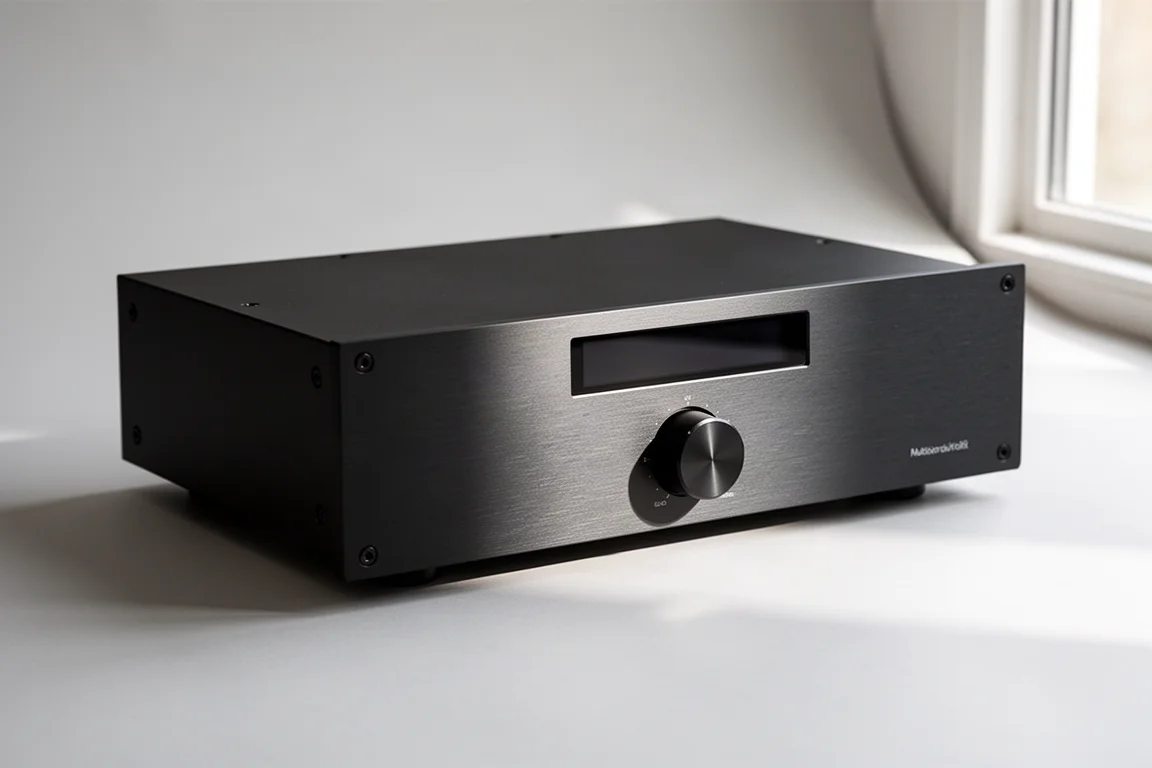
The AVM 70 matches the flagship on channel count, with the same 15 channels of preamp outputs in RCA or balanced form, and it uses the same improved directional microphone. It handles demanding speaker layouts well and delivers the precise spatial imaging Anthem processors are known for. What it does not include is the AVM 90’s four discrete subwoofer outputs or its upgraded audio circuitry.
For most rooms, that trade-off is easy to live with. If you run two subwoofers or fewer, the AVM 70 delivers excellent movie performance and still sounds strong with music, and it offers the same zone 2 audio and HDMI outputs as the flagship.
Setup and Room Correction with ARC Genesis
Anthem’s ARC Genesis room correction is one of the strongest reasons to choose these processors. Every room exaggerates some frequencies and cancels others, and ARC Genesis measures the room and smooths that response. The version released alongside the AVM 90 adds the ability to set speaker distances automatically and to time align and phase align every speaker, which has a direct effect on how cohesive the system sounds.
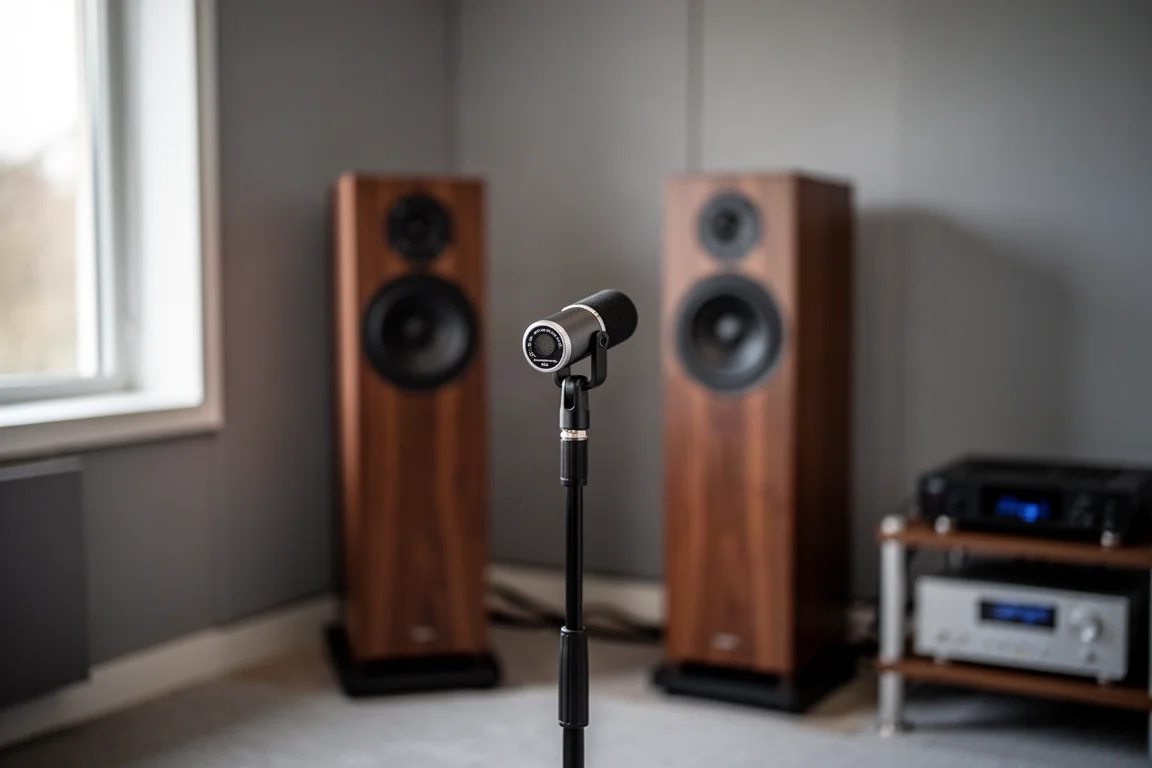
The most valuable addition for multi-subwoofer systems is subwoofer blending. ARC Genesis examines the phase response of the main speakers and the subwoofers and aligns them into a single unit, replacing a process that previously involved measurement, guesswork, and repeated adjustments. In practice, this produces a noticeably tighter low end, and it removes most of the manual work from a task that used to be genuinely difficult.
One practical tip: make adjustments inside ARC Genesis rather than in the web setup menu, because ARC Genesis recalculates across all speakers together instead of changing one channel in isolation. ARC Genesis can also run main speakers full range while sending bass to a subwoofer at the same time, though that adds more low frequency energy than intended and is not recommended for most systems.
Connectivity, Streaming, and Video Support
The AVM 90 provides seven dedicated HDMI inputs, three Toslink digital inputs, two coaxial digital inputs, and four analog inputs, plus the moving magnet phono stage. Sources connect directly to the processor, with a single HDMI output feeding the display or projector. eARC allows a compatible display to send uncompressed object-based audio back to the processor for decoding.
Input flexibility goes further than most processors allow. Up to 30 inputs can be configured, and each one can pair any video source with any audio source. That opens up setups such as watching a broadcast while listening to a separate audio feed, or creating dedicated inputs for solo listening, group viewing, and stereo music, each tied to its own calibration profile. Four profiles are available, which is more than most owners will ever need but genuinely useful for anyone who calibrates for different seating arrangements.
Lip sync is handled per input as well, with an adjustment range from zero to 500 milliseconds. That range matters for projectors and for systems running a separate video processor, where video can arrive 200 to 250 milliseconds late before any additional display delay is added.
Bass Management and Multiple Subwoofers
Subwoofer alignment is where the AVM 90 pulls clearly ahead. Four independent subwoofer outputs let the processor treat each subwoofer individually rather than pairing them, and ARC Genesis then aligns phase and timing across the whole low frequency system. The result behaves like one integrated subwoofer instead of several overlapping sources.
If your theater uses more than two subwoofers, this is the feature that matters most, and it is the strongest argument for stepping up from the AVM 70. For single-subwoofer or dual-subwoofer rooms, the benefit is smaller, and the AVM 70 remains a sensible choice.
Who Each Processor Suits Best
The AVM 90 makes the most sense for listeners who treat music and movies as equally important. Its DAC implementation and power supply design give it an edge in two-channel listening, and its spatial imaging places effects with precision across the sound field. If you have the budget and a genuine interest in high-performance audio, the AVM 90 is the model that rewards that interest.
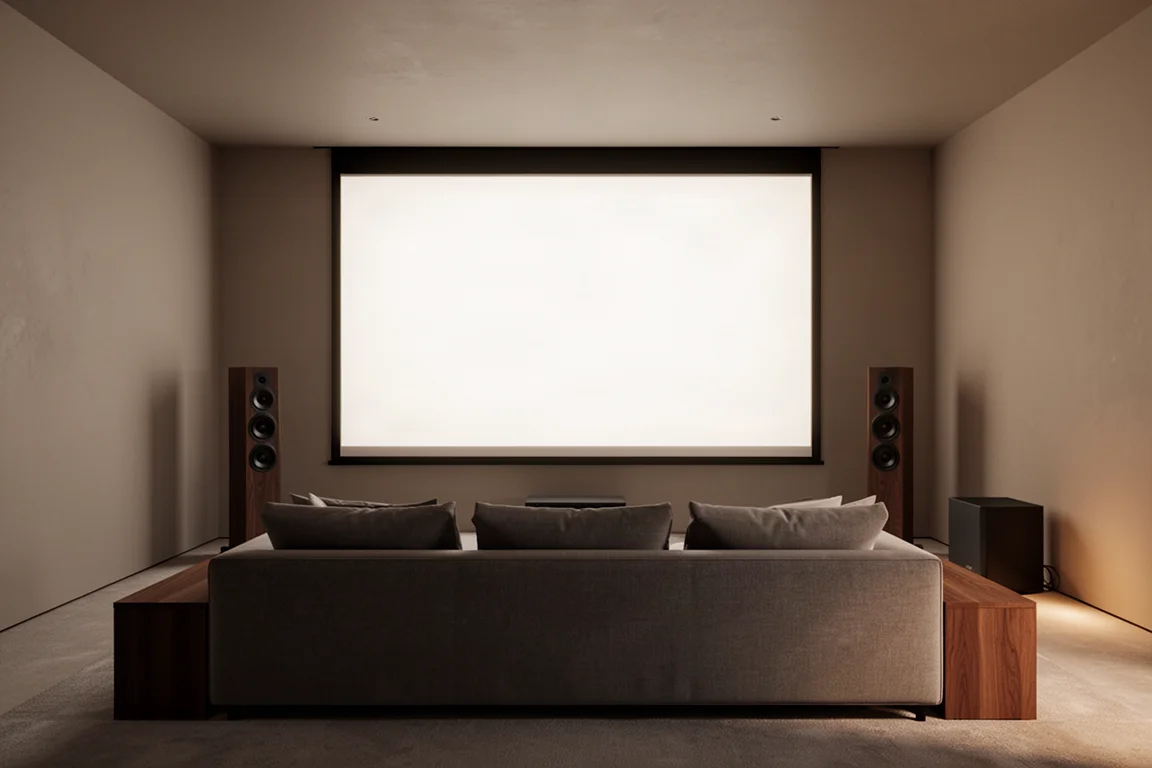
The AVM 70 is the better fit for most people. It offers the same channel count, the same calibration microphone, and excellent spatial imaging, which covers the vast majority of home theater setups without the flagship price.
Things to Consider Before Buying
Both processors are substantial components that deserve proper setup, and neither one is a plug-in-and-forget device. ARC Genesis launched alongside the AVM 90, and new calibration software typically continues to receive refinement over time, so keeping firmware current is worthwhile. Room correction also benefits from care: the microphone placement and the seating arrangement you measure will shape the result.
It is also worth being honest about subwoofers. The AVM 90’s four discrete subwoofer outputs only pay off if you actually run more than two subwoofers. If you do not, that advantage largely disappears, and the AVM 70 becomes the more rational purchase.
Buying Advice
If you run more than two subwoofers, the AVM 90 is the straightforward choice, because nothing else in the lineup blends them as effectively. If you listen to a lot of music and want the best two-channel performance, the AVM 90 also earns its place. In both cases, the extra cost buys capabilities you will actually use.
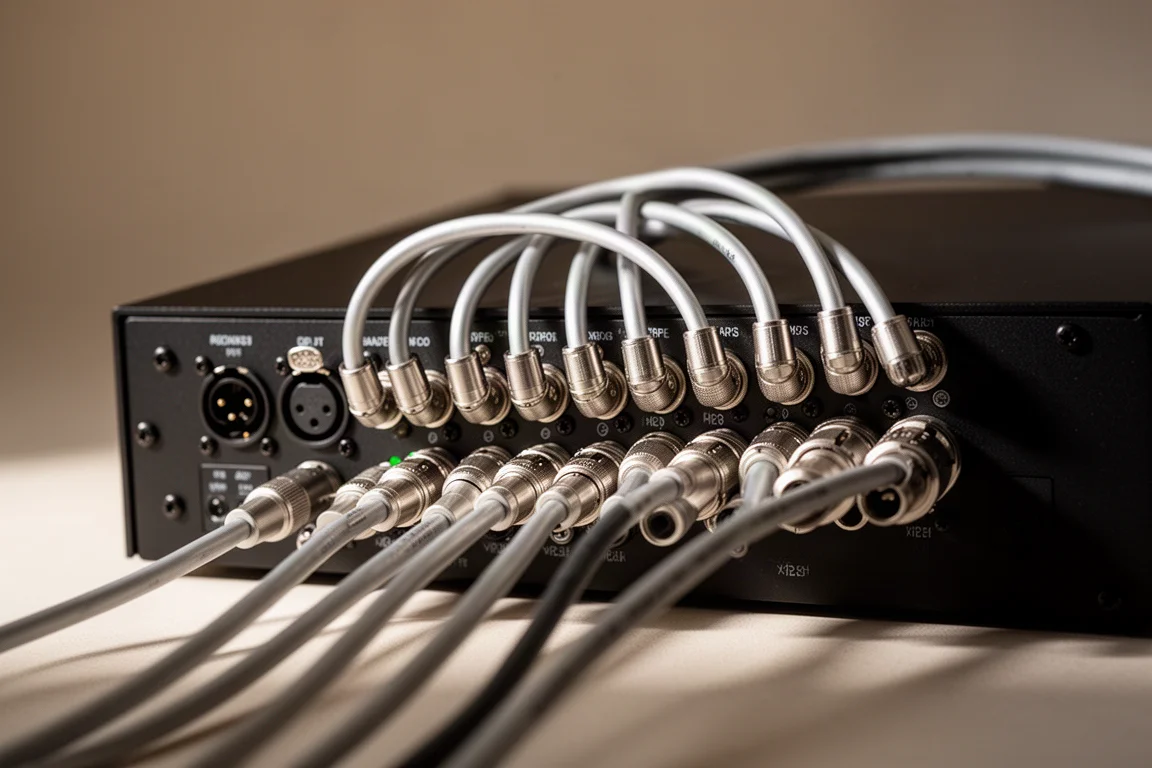
If you run one or two subwoofers and your priority is movie performance, the AVM 70 is the smarter purchase. It shares the same 15-channel architecture, the same calibration microphone, and the same room correction approach, and it delivers excellent results in a typical theater.
Either way, plan on investing some time in calibration. These processors reward careful setup far more than casual setup, and the room correction tools are where much of the performance advantage is unlocked.
Conclusion
The Anthem AVM 90 and AVM 70 are close relatives, and the choice between them is narrower than the price gap might suggest. The AVM 70 covers the needs of most home theaters with the same channel count, calibration, and imaging. The AVM 90 adds four discrete subwoofer outputs, a higher-end DAC and power supply implementation, and a built-in phono stage, which together make it the stronger option for music-focused listeners and multi-subwoofer theaters.
Further reading
Related Reviews
Home Theater Processors
Trinnov Altitude16 and the Wider Altitude Line: Home Theater Processors Explained
A practical look at the Trinnov Altitude16 and the wider Altitude processor line: what the software-based platform does differently, how channel counts scale, and which version suits which room.
Room Correction
Anthem ARC Genesis Beta Review: Smarter Speaker and Subwoofer Integration
A practical look at Anthem's ARC Genesis beta, including phase-aware speaker calibration, all-pass subwoofer blending, and the settings worth adjusting.
AV Processors
Anthem AVM 90 8K Review: A Reference-Grade AV Processor for Music and Movies
A close look at the Anthem AVM 90 8K AV processor: measured performance, two-channel and immersive listening notes, bass control, and what to weigh before buying.