Portable Power
Anker 757 Portable Power Station: A Field Power Solution for Astrophotography
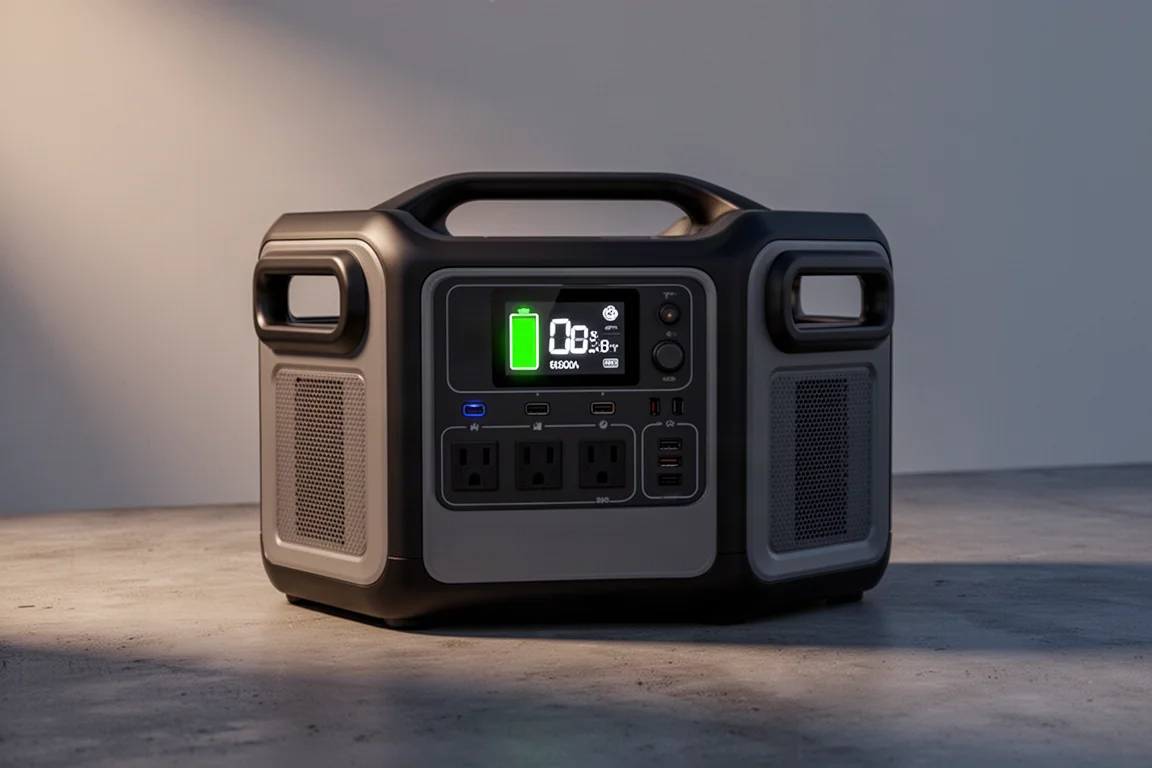
Six AC outlets, fast LFP charging and silent operation make the Anker 757 a strong candidate for powering a full deep-sky imaging rig for multiple nights off grid.
Introduction
Anyone who shoots astrophotography away from home eventually faces the same problem: keeping a full rig running all night without a single interruption. A brief power drop means losing the connection to the telescope mount, watching auto-guiding fall apart, and wasting a precious clear night. That is why a quality portable battery pack is one of the most worthwhile investments an amateur astrophotographer can make.
The Anker 757 Portable Power Station sets out to be exactly that kind of dependable field power source, and after real-world use with a fully loaded deep-sky imaging setup, it makes a strong case for itself.
Why Reliable Power Matters Under the Stars
For field power, reliability comes before everything else. A battery that flickers in and out is worse than useless, and many astrophotographers would rather run a 200-foot extension cord than trust one. The encouraging news is that most astrophotography gear draws relatively little power, so a well-chosen power station can run a seriously decked-out rig for two straight nights.
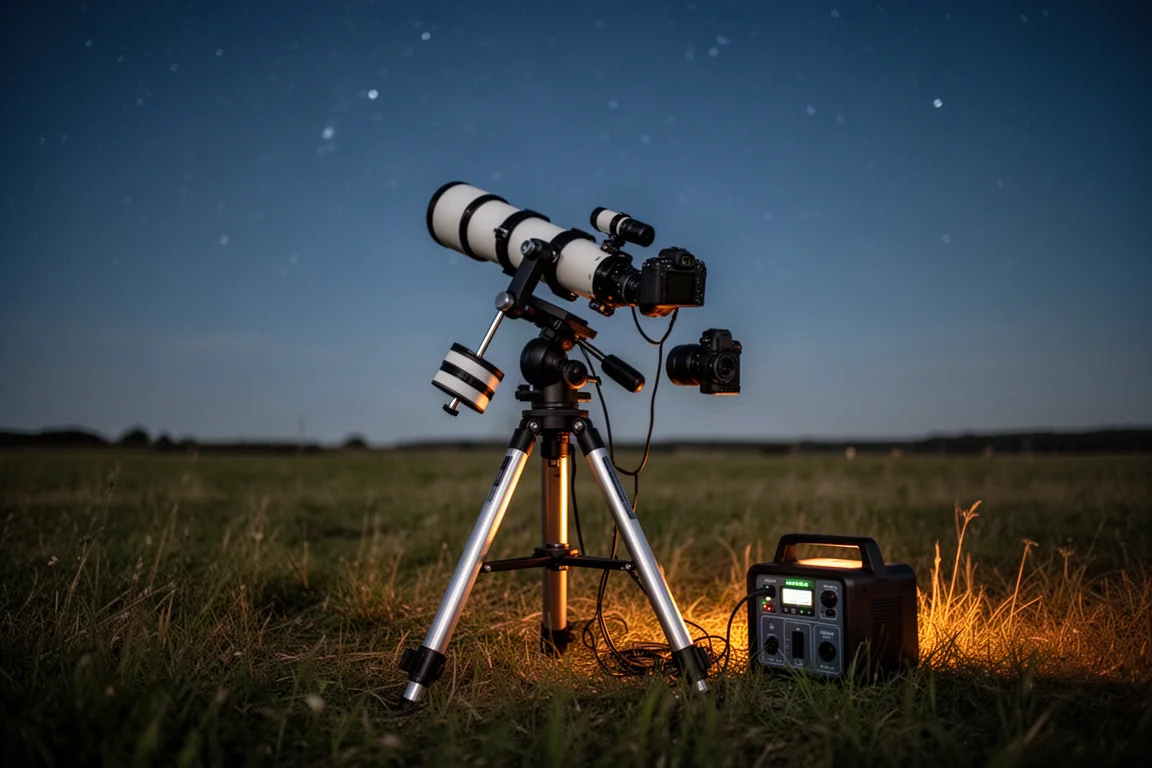
The Anker 757 is built around premium LFP batteries, which last up to six times longer than the industry average. It also charges remarkably quickly, going from zero to 80 percent in about an hour, which is a genuine convenience at a star party when you need a quick top-up before the next session.
Build, Weight and Durability
This is Anker’s flagship power station, built for durability and long-lasting power. It uses an automotive-grade aluminum frame and is vibration and temperature resistant. It is a hefty unit, weighing in the region of 40 to 45 pounds, but integrated handles make it manageable to lift, and a power station that feels too light is not necessarily a good sign.
It also has the capacity to run far more than an astronomy rig: a laptop, a PC, a microwave, a mini fridge, even an 85-inch TV. And it does all of this silently. There is no noisy cooling fan, which your camping neighbors will appreciate, and it is quiet enough that you would hardly know it is switched on.
Ports for a Full Imaging Rig
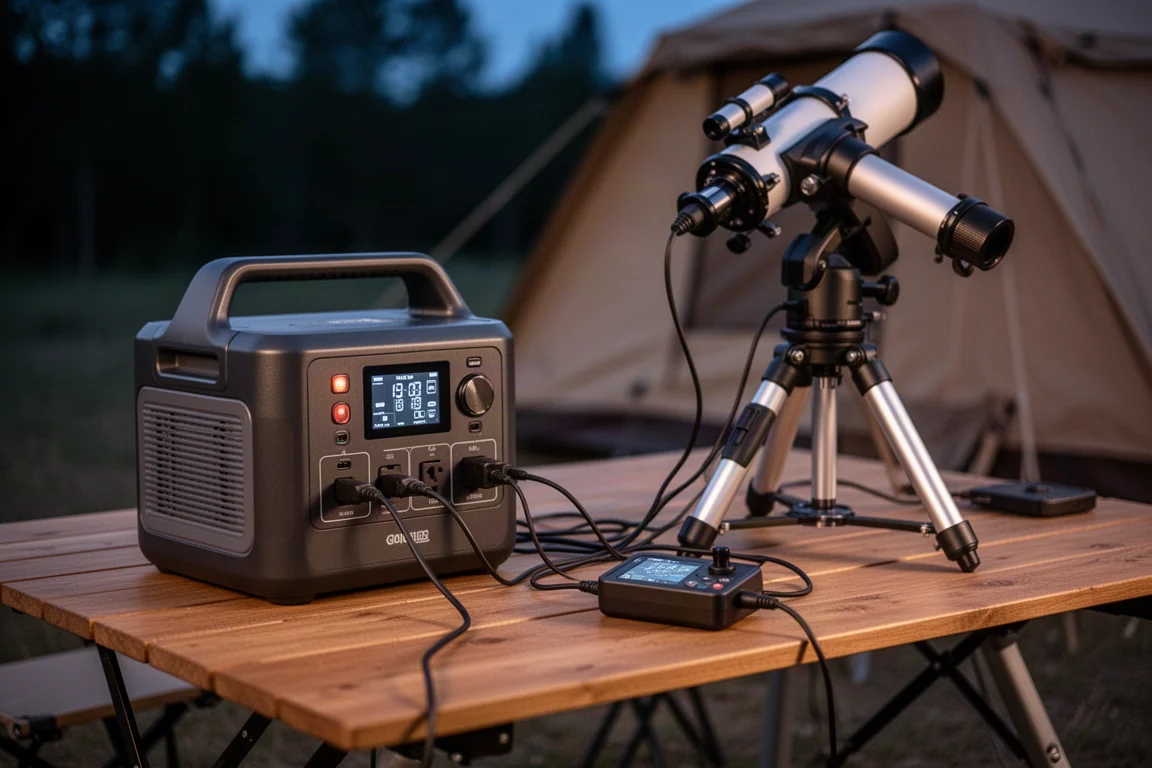
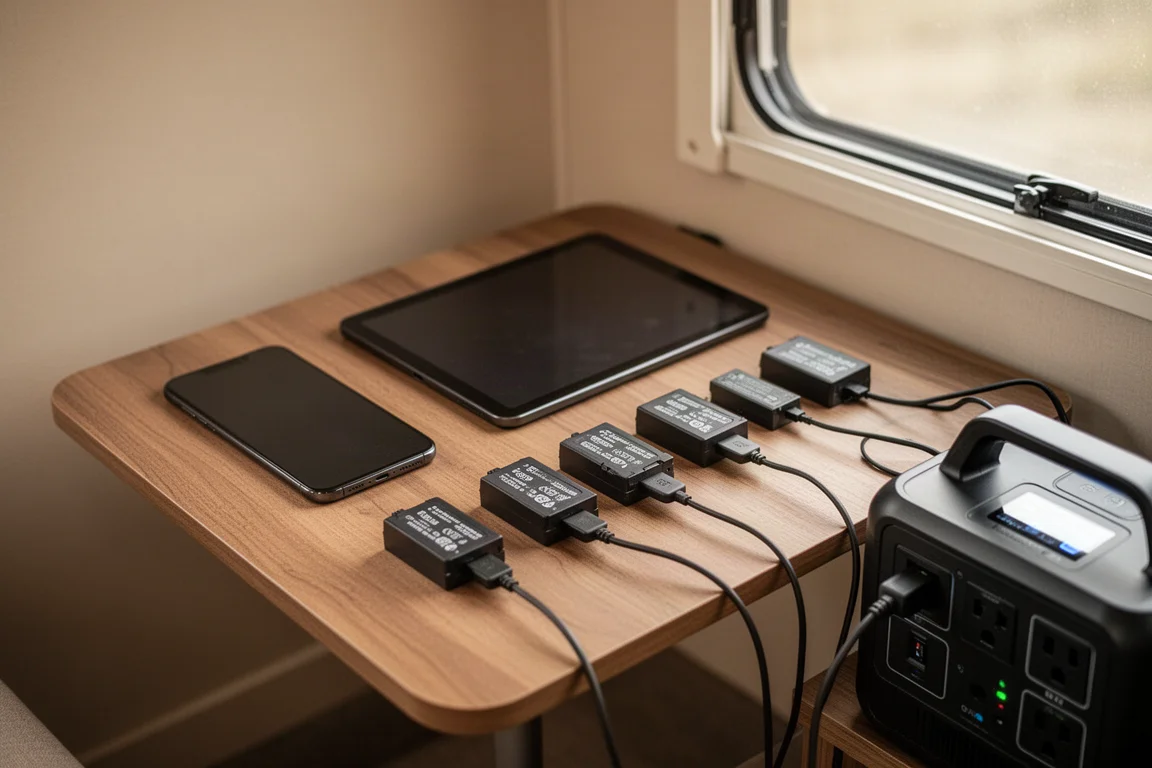
Port selection is where the 757 really suits astrophotography. There is a car socket DC port, useful for a computerized telescope mount, and six AC outputs for everything else, such as the power supply for an ASIAIR control unit, with outlets to spare.
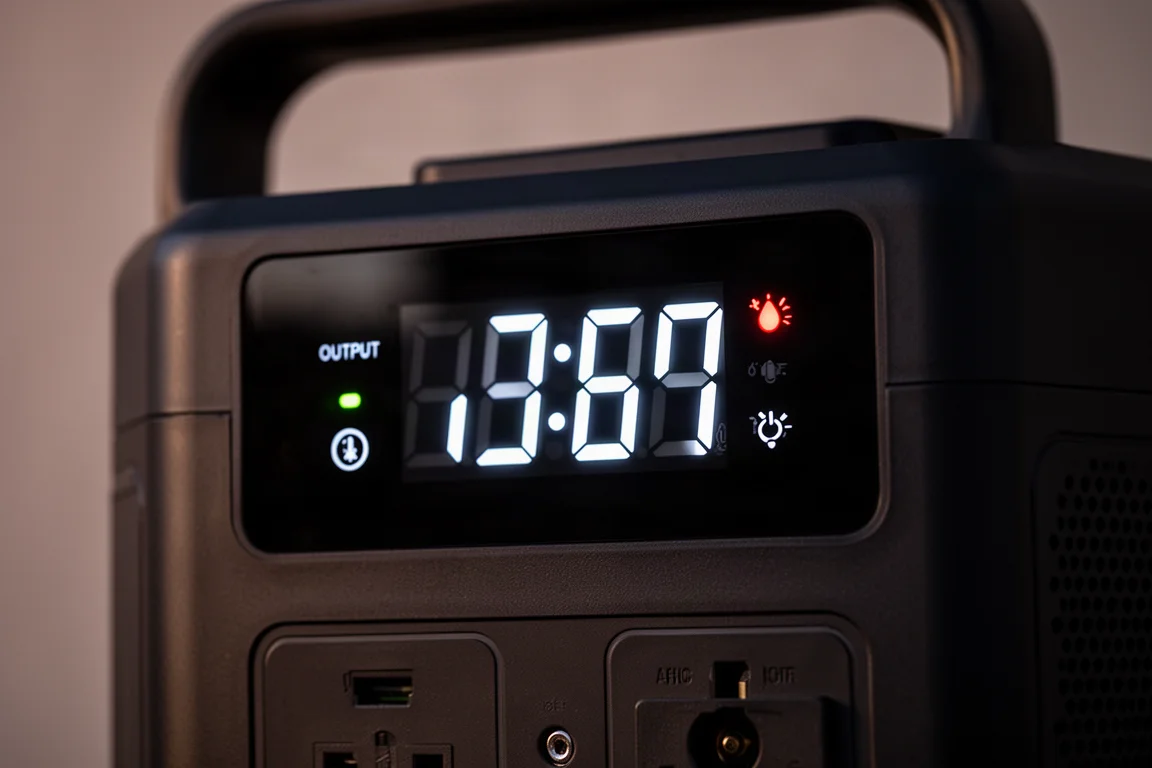
The USB selection covers four USB-A ports and two USB-C, which are perfect for dew heater bands and for keeping phones or tablets topped up during an imaging session. Laptops, cooled astro cameras, autofocusers and similar accessories all fit comfortably within what this unit can supply.
Real-World Runtime
How long the battery lasts depends on how much power your specific setup draws. As a benchmark: running a heavy-duty mount, a cooled astro camera and dew control through a full night, the unit still had about 45 percent remaining the next morning. Two nights with a setup like that is pushing it, so if there is a chance to recharge for an hour before the next session, it is worth taking.
Display and Light Bar
The display screen is a highlight: large, easy-to-read digits showing remaining capacity, plus indicators for current output power, recharge time, and high and low temperature alerts. One small annoyance is that a second press of the display button does not turn the screen off; you have to wait for it to time out.
The integrated light bar is handy off grid. It uses a warmer color temperature with a soft, campfire-like glow rather than the blinding white LEDs found on many portable power banks. A dedicated red light mode to protect night vision would have been a welcome addition.
Temperature Limits to Keep in Mind
The manual specifies an operating range of 32 to 100 degrees Fahrenheit, or 0 to 40 degrees Celsius. That places a real limit on which times of year the unit can be used, and it is something to factor into your plans. Bitterly cold winter nights fall outside the range, so for those sessions the rig is better off plugged in at home.
Everyday and Campsite Uses
Beyond astrophotography, the 757 earns its place as general travel backup power. It keeps phones and camera batteries charged, and it has even handled running a toaster when a camper lost power after a storm. Having a dependable backup power source while traveling is simply a nice position to be in.
Buying Advice
For anyone tired of hardware-store power boxes that let them down, or hesitant about building a DIY setup from a marine battery and questionable wiring, a clean ready-to-go solution like this makes a lot of sense. The main trade-offs are the roughly 40 to 45 pound weight, the lack of a dedicated red night-vision light, the display that stays lit until it times out, and the 0 to 40 degree Celsius operating window. If those limitations fit your style of observing trips, the 757 is an easy recommendation as a reliable field power source.
Conclusion
The Anker 757 Portable Power Station delivers on the things that matter most for off-grid astrophotography: dependable continuous output, six AC outlets plus a DC socket and six USB ports, LFP batteries rated to last up to six times longer than the industry average, and fast one-hour charging to 80 percent. With roughly 45 percent left after a full night running a demanding imaging rig, it has plenty of headroom for multi-night trips, and it doubles as a quiet, versatile backup power source for camping and travel.
Product link
View more details for Anker 757 Portable Power Station
This product is mentioned in the review. Check the specifications, options, and compatibility before buying.
View more details for Anker 757 Portable Power StationFurther reading
Related Reviews
Portable Power
Best Portable Power for Camping and Remote Work: Six Power Banks and Solar Panels Compared
A practical comparison of six portable power options, from a 500W solar generator for car camping to a one pound solar power bank built for backpacking.
Portable Power
Best Portable Power Stations 2026: Nine Models Compared for Real-World Use
We compared nine portable power stations across output, capacity, charging speed, noise, and UPS performance to find the best value and the best overall pick.
Portable Power
Best Portable Power Stations and Power Banks for Blackouts and Travel
Five portable power solutions compared: two EcoFlow power stations, a flight-friendly Zendure power bank, a see-through Shargeek, and the feature-packed Omni 20c+.