Hi-Fi Amplifiers
Ampsandsound Stereo 17 Little Nugget Review: A Compact Tube Amplifier With Real Body
A 17 watt per channel push-pull tube amplifier from a Southern California builder, tested with three speaker pairs and compared against two rival designs.
Introduction
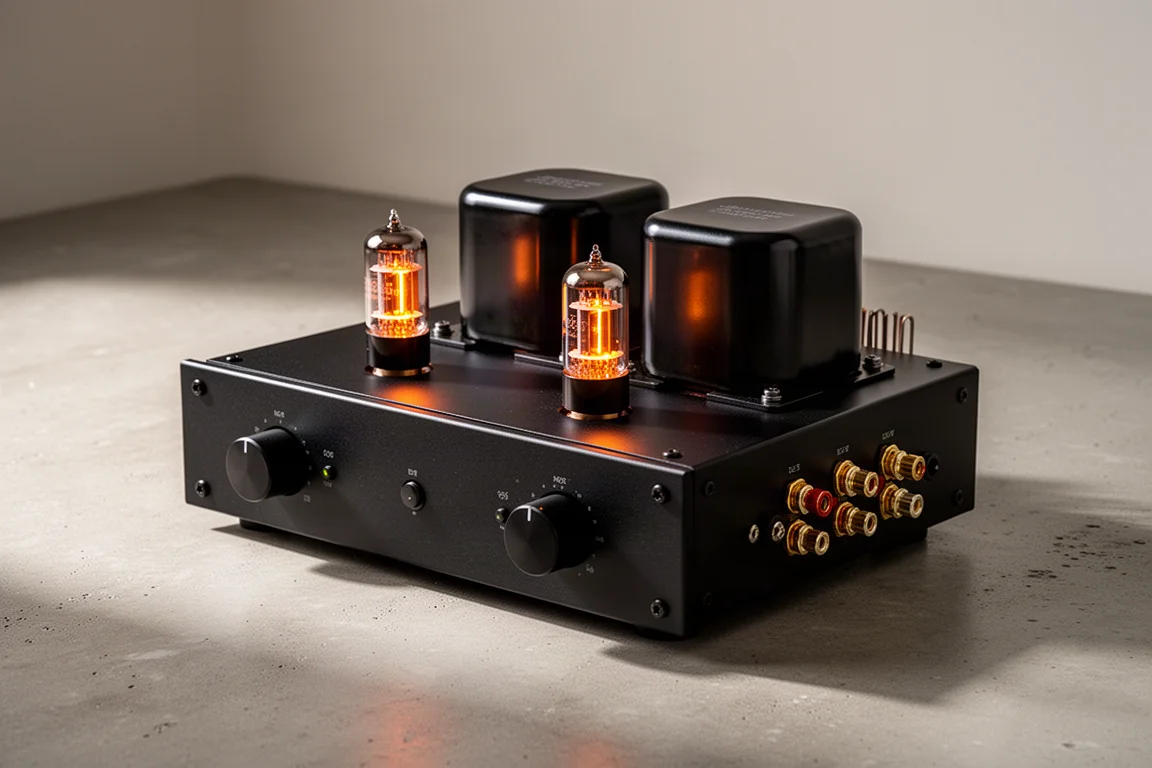
Small chassis, serious hardware. The Ampsandsound Stereo 17 Little Nugget is a 17 watt per channel push-pull tube amplifier built by a Southern California company that designs and manufactures its own products in house. It measures less than 12 inches wide, yet it weighs 39 pounds, and most of that mass comes from a steel chassis and three transformers.
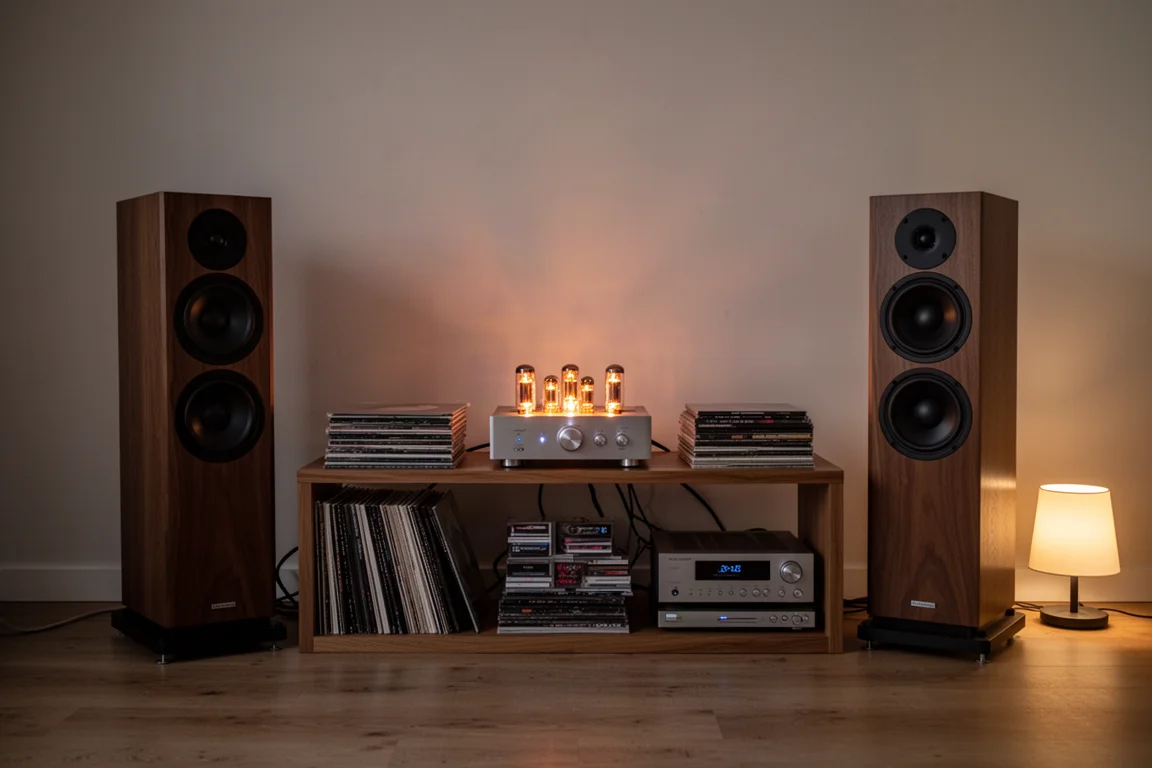
That combination of a small footprint and substantial construction is the first thing that stands out. The second is the sound. After an extended listening period with three different pairs of speakers and direct comparisons against two other amplifiers, the Little Nugget consistently behaved like a classic tube amplifier rather than something trying to imitate solid state. It brings body, drive, and a natural sense of flow to music, and it does so with a power rating that looks modest on paper.
Who the Stereo 17 Little Nugget Is For
This amplifier makes most sense for listeners who value musical flow, tone, and dimensionality above the last word in resolution. If your priority is razor-sharp edge definition and tightly controlled bass, this is not the design to chase.
Owners of reasonably high-sensitivity speakers will get the most from it. That said, it also performed well with a far less sensitive design, so the 17 watt rating should not be treated as an automatic disqualifier. It suits listeners who want a small, carefully built amplifier with a long service life and a warranty that few competitors match.
Build Quality and Tube Design
The chassis is steel, and the layout is deliberately simple: one power transformer and two output transformers. The output transformers are custom units built to the company’s own specification, and they are generously rated, capable of handling roughly twice the amplifier’s rated output per channel. That is a sensible place to spend money in a transformer-coupled tube design.
The tube complement is a push-pull quartet of EL84 output tubes, with a 12AX7 input tube and a 12AU7 phase splitter. Biasing is cathode based rather than self-biasing, so replacement EL84s should be bought as matched quads. The rear panel carries two RCA inputs and 4 ohm and 8 ohm speaker outputs, with high-quality binding posts.
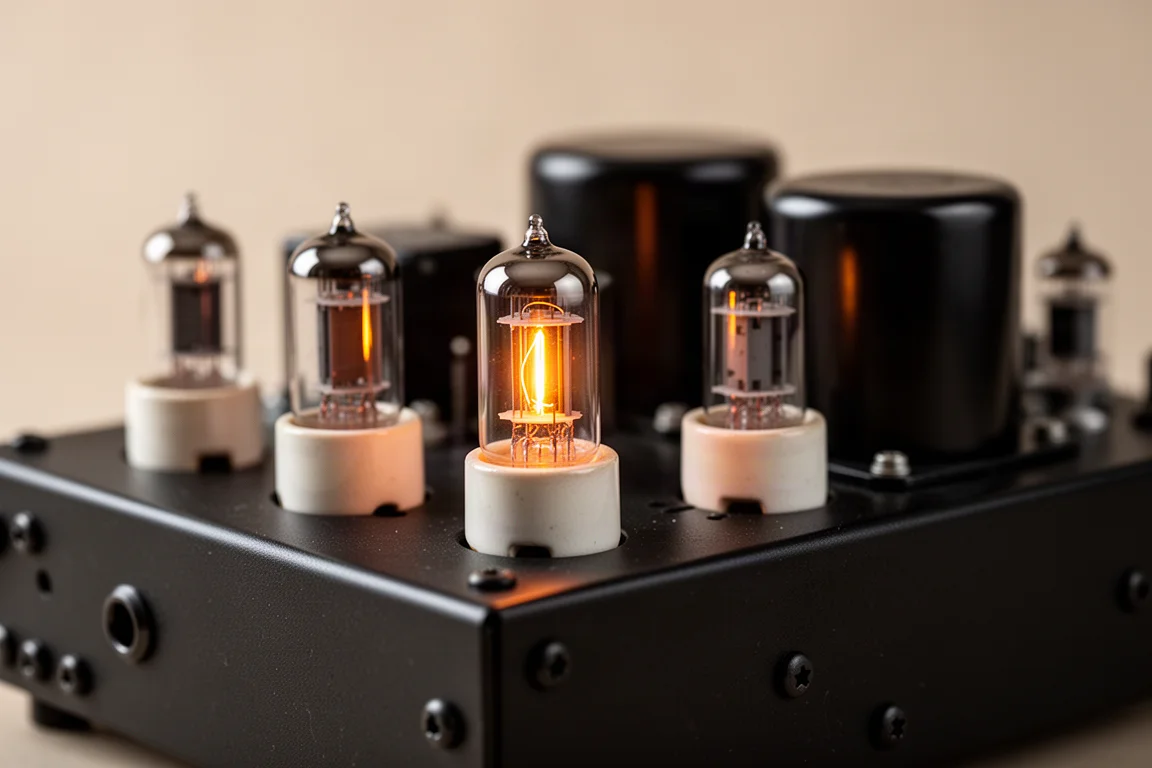
The standard finish is black on black, and a range of other colours is available, including the orange and black of our test sample. The amplifier ships in a hard protective case rather than a cardboard box, and the amplifier itself carries a lifetime warranty. Tubes are not covered by that warranty, which is normal practice, but a lifetime warranty on a tube amplifier is genuinely uncommon.
Main Strengths
The strongest argument for the Little Nugget is rhythm. Timing, pace, and the sheer energy of a performance come through clearly, and that held true even with aggressively recorded, abrasive material. Rather than smoothing everything into the same polite shape, the amplifier kept the bite and the jump of those recordings intact.
Body and three-dimensionality are the other standouts. Against a solid-state reference, the Little Nugget simply had more drive and a fuller sense of space around instruments. Paired with the Zu Audio Dirty Weekend 6, a speaker whose character was already well known, the combination sounded more refined and fuller-bodied than usual, and noticeably more dynamically alive than expected. Switching to a classic rock recording and pushing levels into the mid-90 dB range with those speakers, the amplifier stayed composed and enjoyable.
The biggest surprise came with the Sound Artist LS3/5a, an 83 dB, 11 ohm design that looks like a poor match for 17 watts on paper. It worked beautifully. The image stretched wide across the room, bass was reasonable for a very small monitor, and the presentation felt dynamic and engaging rather than strained.
Speaker Pairing Notes
Most listening was done through the Pure Audio Project Duet 15, a high-sensitivity design that let the amplifier’s strengths show clearly. The Zu Audio Dirty Weekend 6, also high sensitivity, proved the more dynamically alive of the two pairings on large orchestral material.
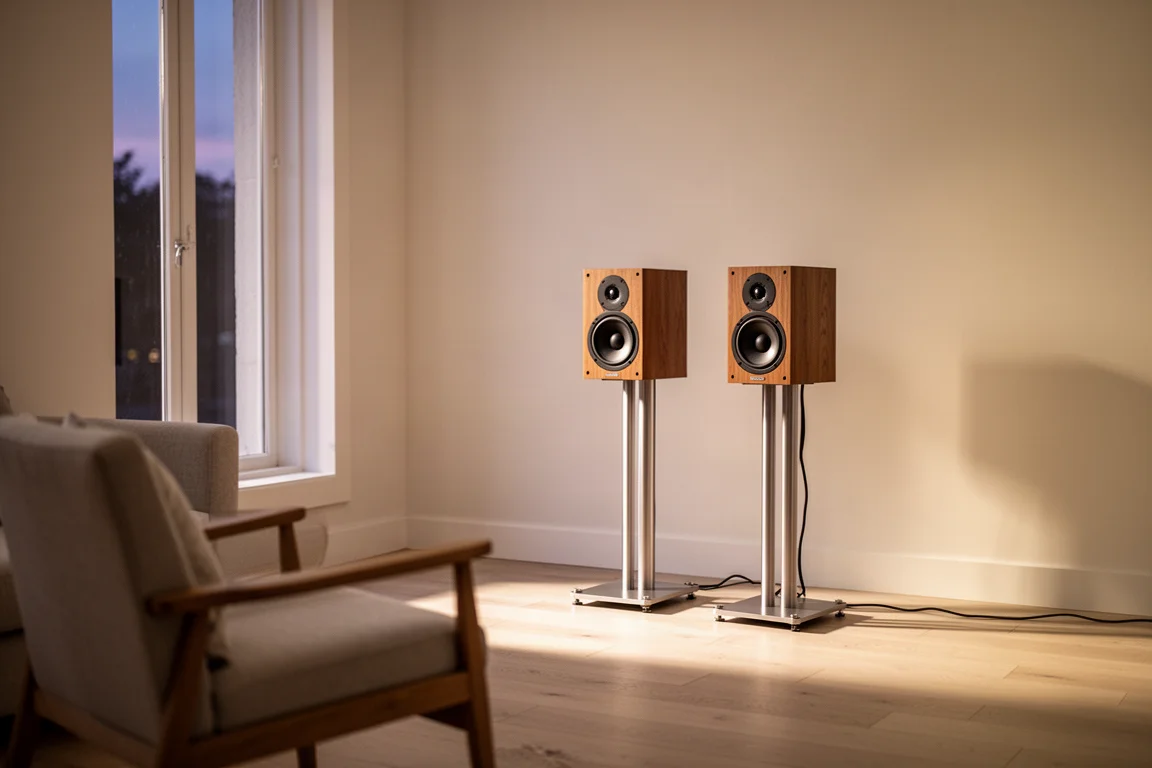
The low-sensitivity experiment is worth repeating here, because it changes the buying calculation. The Sound Artist LS3/5a worked far better than its specifications suggested, and the KEF LS50 and LS50 Meta also pair well with the Little Nugget for listeners who keep peaks below roughly 84 to 85 dB in a small room. If you listen loudly in a large space, high-sensitivity speakers remain the safer choice.
How It Compares With Other Amplifiers
Against the Pass Labs XA25, a solid-state design rated at 25 watts per channel into 8 ohms, the differences were easy to hear. The XA25 pushed the midrange forward, sounded brighter overall, and delivered more edge and slam, with better-defined leading edges. The Little Nugget countered with more drive, more body, and a more three-dimensional presentation, while the solid-state amplifier felt slightly more uptight by comparison.
The Linear Tube Audio Ultralinear, an output-transformerless tube design rated at 20 watts per channel and priced around $6,800, made for a closer contest. Both are tube amplifiers, but the Little Nugget sounded denser, more robust, and more overtly tube-like, while the Ultralinear was clearer, faster, and better focused. On loud, highly dynamic orchestral recordings, the Ultralinear held together slightly better, with the Little Nugget holding back a little by comparison. On gentler material, the Little Nugget’s tonal beauty was the more compelling quality.
Things to Consider Before Buying
Power is the first consideration. At 17 watts per channel, this amplifier rewards speaker matching, and loud listening with low-sensitivity speakers will expose its limits.
The second is tube maintenance. Because the design is cathode biased rather than self-biasing, EL84 output tubes need to be purchased as matched quads.
Third, the voicing is a choice, not a flaw to fix. Listeners who want maximum resolution, crisp edge definition, and very tight bass will find the Little Nugget too relaxed and too rounded. It is also a premium purchase, sold directly rather than through a dealer network.
Buying Advice
Ampsandsound sells direct in the US and worldwide, with no dealer or distributor markups in the chain. That structure keeps the amplifier’s price closer to its build cost, and the lifetime warranty on the amplifier adds meaningful long-term confidence for a component you may keep for many years.
Match the amplifier to your speakers and to your listening habits rather than to its wattage figure alone. High-sensitivity speakers will let it breathe at any volume. If your speakers are less sensitive, this amplifier can still work well in a small room at moderate levels, and the LS3/5a and LS50 pairings show how convincing that can sound.
Conclusion
The Ampsandsound Stereo 17 Little Nugget is a compact, heavily built tube amplifier that sounds like one. It gives music body, drive, and a natural sense of flow, and it handled a wide range of speakers and recordings without losing its character. Buyers who want the last degree of resolution and grip should look elsewhere. Buyers who want a small amplifier that makes long listening sessions effortless should put this one on their shortlist.
Product link
View more details for Ampsandsound Stereo 17 Little Nugget
This product is mentioned in the review. Check the specifications, options, and compatibility before buying.
View more details for Ampsandsound Stereo 17 Little NuggetFurther reading
Related Reviews
Hi-Fi Amplifiers
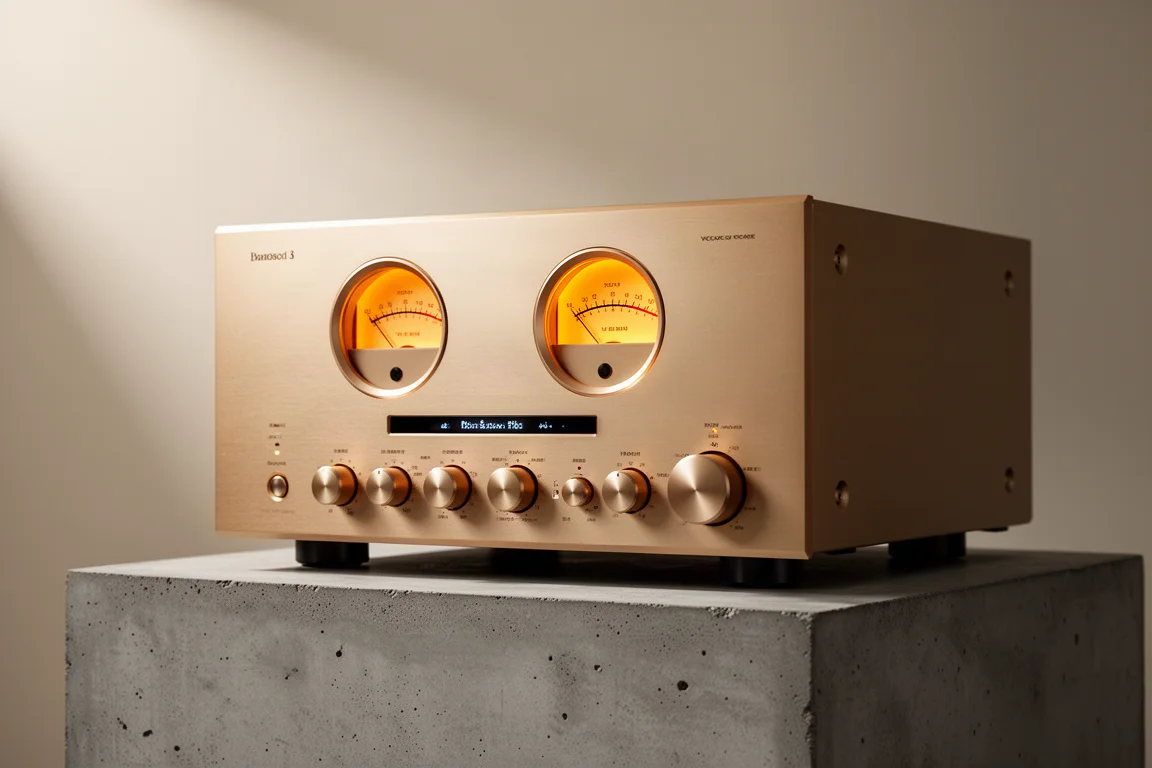
Accuphase E-280 Review: Entry-Level Accuphase With Flagship Attention to Detail
A close look at the Accuphase E-280 integrated amplifier, covering its champagne build, AAVA volume control, sound quality, and the speakers and sources that suit it best.
Hi-Fi Amplifiers
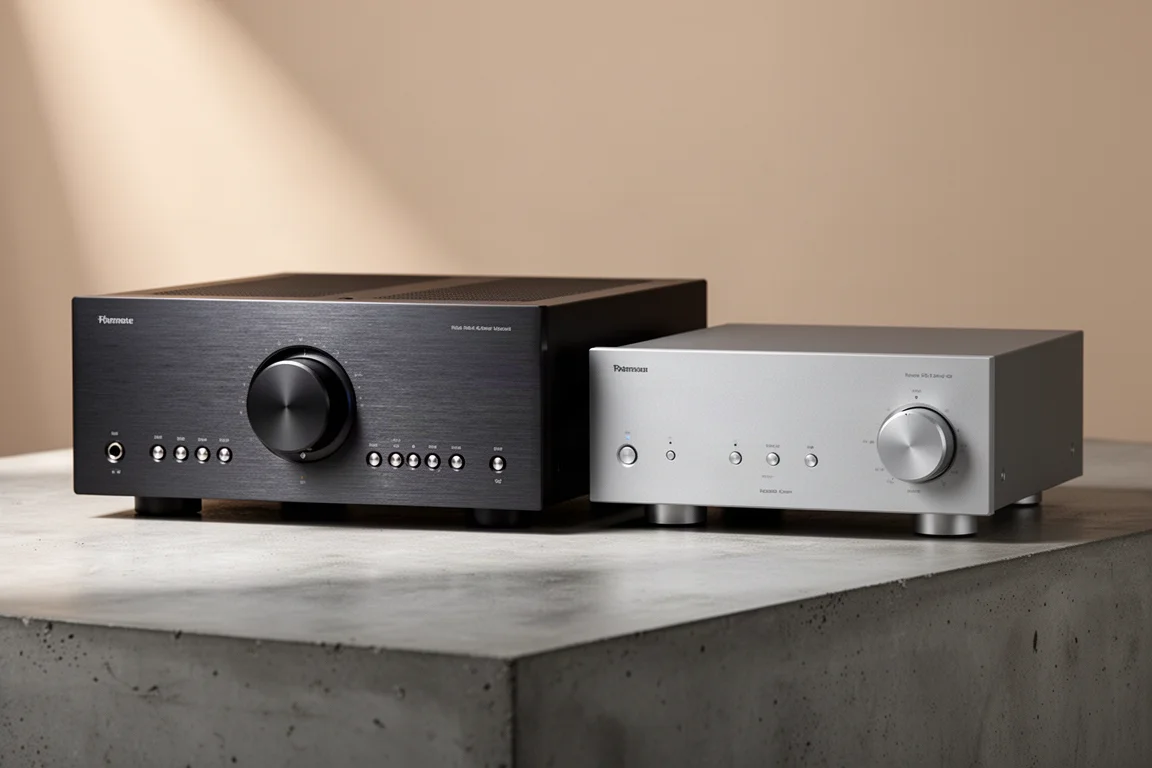
Advance Paris A10 Classic vs Yamaha A-S301: Two Integrated Amplifiers Compared
A practical comparison of a $350 integrated amplifier and a $2,500 reference model, covering the differences that matter and the ones that do not.
Hi-Fi Amplifiers
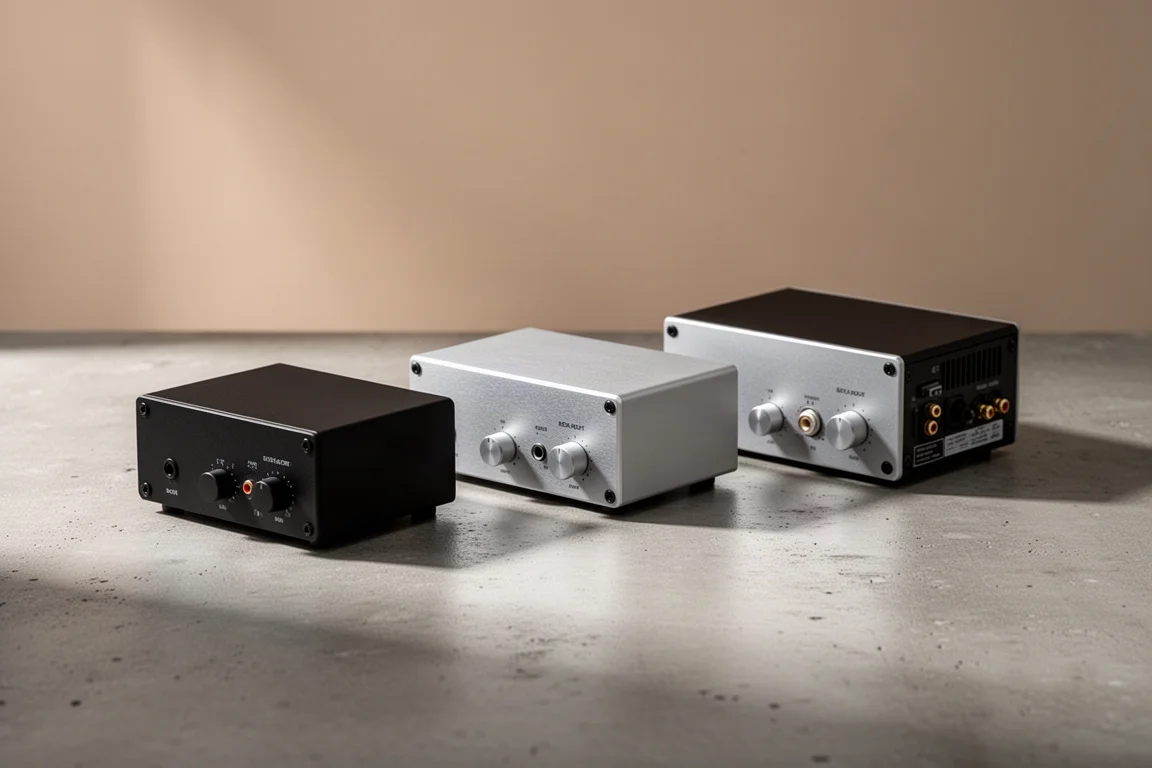
Affordable Chinese Amplifiers Worth Buying: Five Budget Hi-Fi Amps Compared
A practical look at five affordable amplifiers, what each one does well, and the trade-offs to weigh before you buy.