GPU Buying Guide
AMD vs NVIDIA Mid-Range GPUs: Which One Should You Buy?
We compare the AMD Radeon RX 9070 XT, NVIDIA GeForce RTX 5070 Ti, RX 9070, and RTX 5070 across native performance, ray tracing, upscaling, and price.
Introduction
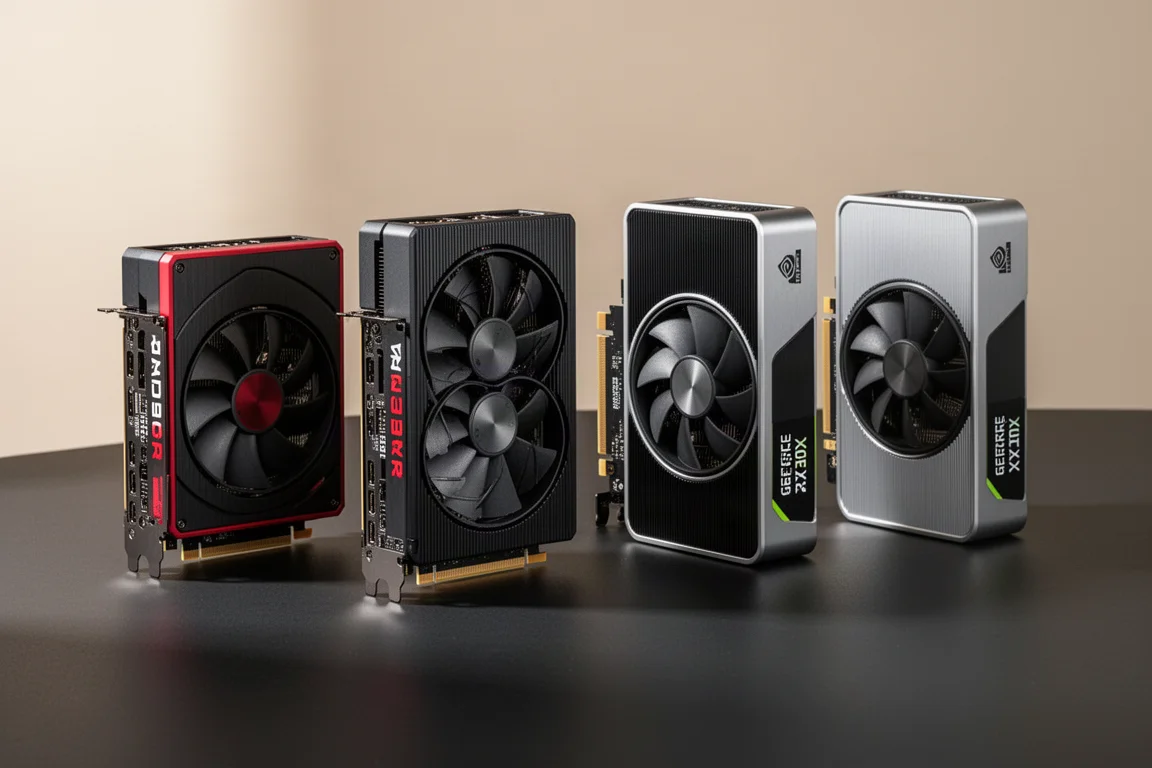
Choosing between AMD and NVIDIA for a mid-range GPU in 2026 is a genuine decision. The AMD Radeon RX 9070 and RX 9070 XT have disrupted the mid-tier market by matching or sometimes exceeding the performance of NVIDIA’s recent offerings, often at a lighter price point. They also arrived with more initial supply. But NVIDIA still brings strengths in ray tracing, upscaling technology, and creative workloads. This guide breaks down the four main contenders: the RX 9070 XT, RTX 5070 Ti, RX 9070, and RTX 5070.
Native Gaming Performance: 4K and 1440p
At 4K, the RX 9070 beats the RTX 5070 in almost every title across a 12-game test spread. In Dying Light 2, it falls a couple of steps behind, and Black Myth Wukong is essentially a tie. The most surprising result was Black Ops 6, where AMD absolutely dominates. These runs were confirmed to be 100% GPU limited with no CPU bottlenecking and VRAM nowhere near full.
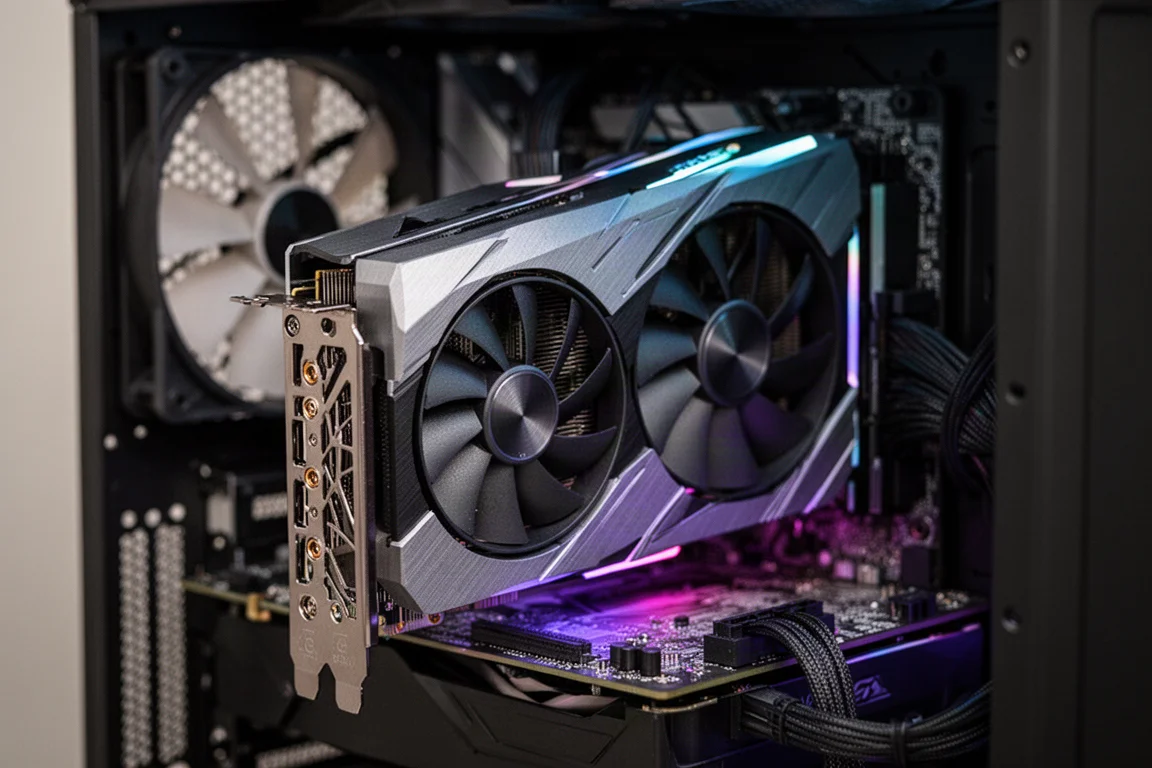
Moving to 1440p, the situation is similar. Dying Light 2 is the only clear win for NVIDIA, while the RX 9070 pulls ahead in Wukong. All benchmarks are typically run one step below the highest preset, without ray tracing or upscaling unless they cannot be turned off.
At 1080p, both cards perform exceptionally well, leaving plenty of headroom to increase detail levels and enable additional visual effects, particularly in older titles. This also highlights just how demanding Black Myth Wukong is.
The RX 9070 vs RTX 5070: Value and Performance
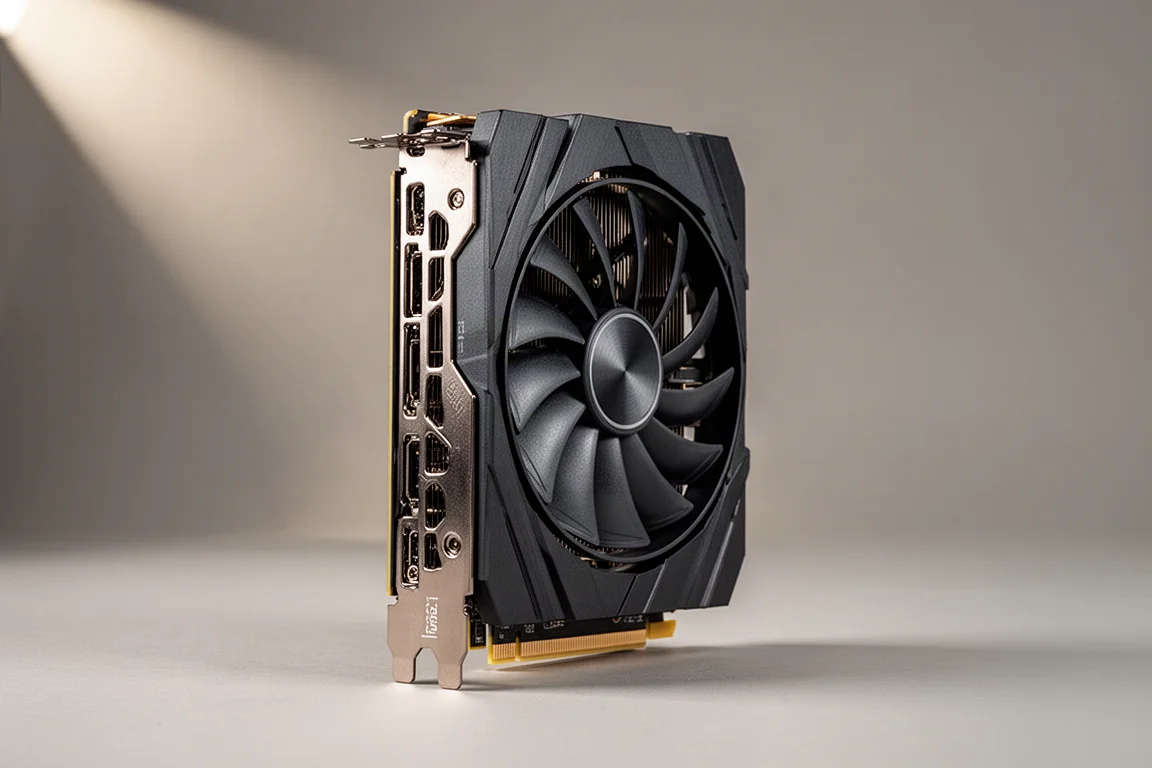
The RTX 5070 retails anywhere from $549 to $740, with secondary market pricing more like $650 to $870. The Founders Edition card is traditionally harder to obtain. The cooler design is a smaller version of the RTX 5080’s aesthetic.
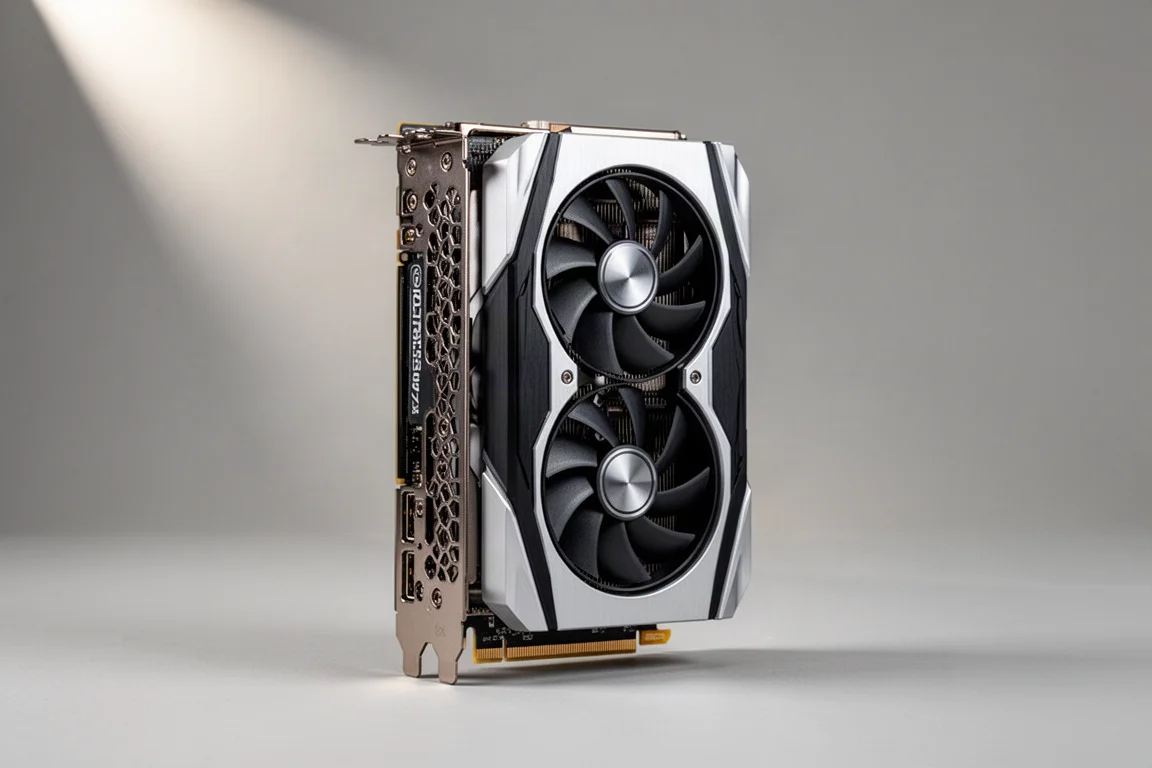
The RX 9070 Prime from ASUS runs $655 new. The range on new cards is anywhere from $549 to $729, and the secondary market is more like $750 to $900. Market sentiment clearly favors the 9070 over the 5070, and the performance charts back that up.
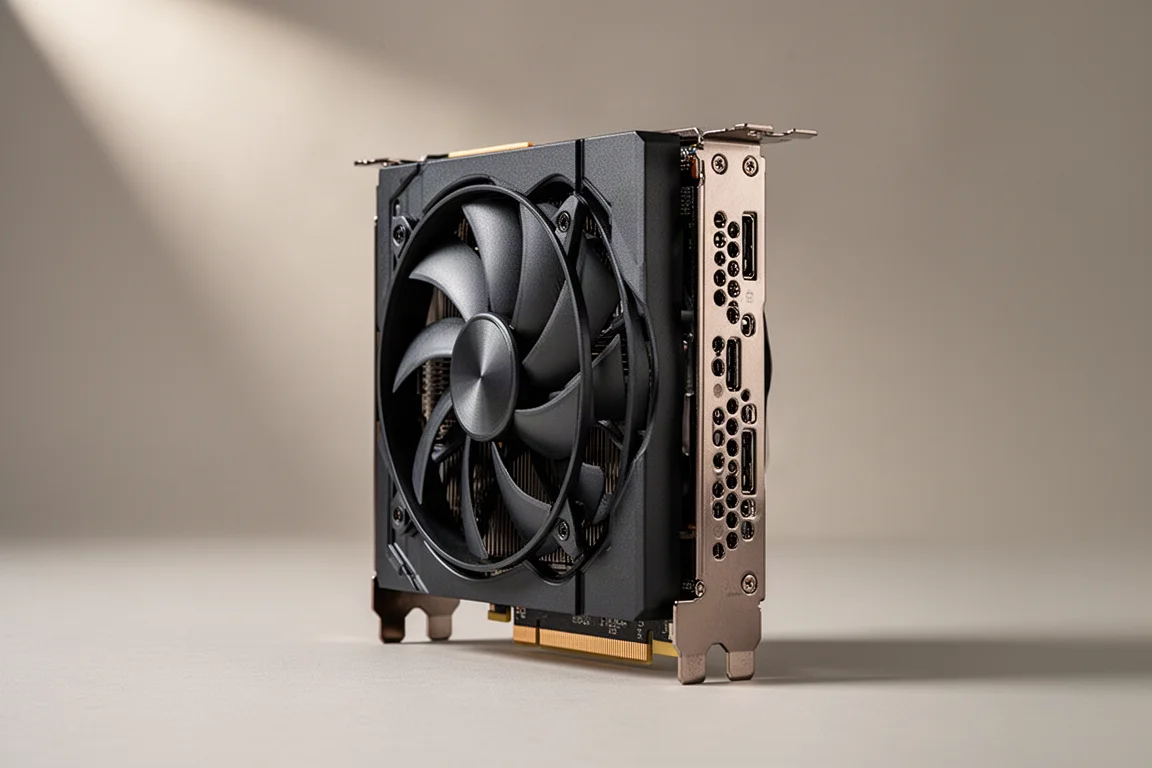
The RTX 5070 is a weaker value, especially at secondary market pricing. The lesser VRAM and single fan design are notable drawbacks. The RX 9070 simply beats it unless you are heavily invested in NVIDIA-specific technology.
The RX 9070 XT vs RTX 5070 Ti: A Closer Fight
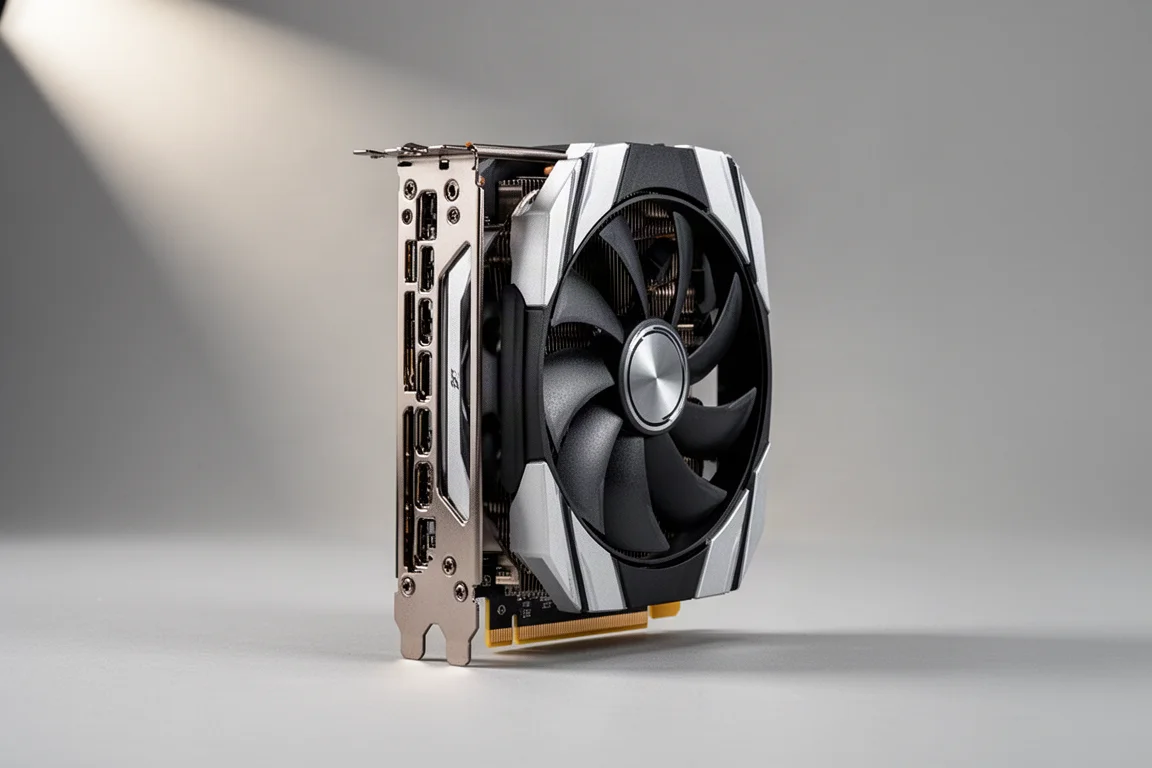
The battle between the RX 9070 XT and RTX 5070 Ti is far more interesting. In 4K native rendering, if a 3% variance or less counts as a tie, they tie in about seven of twelve titles. NVIDIA takes four clear wins and AMD takes one. At 1440p, there are four ties, NVIDIA with three wins, and AMD with five wins. Both cards deliver impressive 1440p performance and make excellent choices if you are not interested in upscaling.
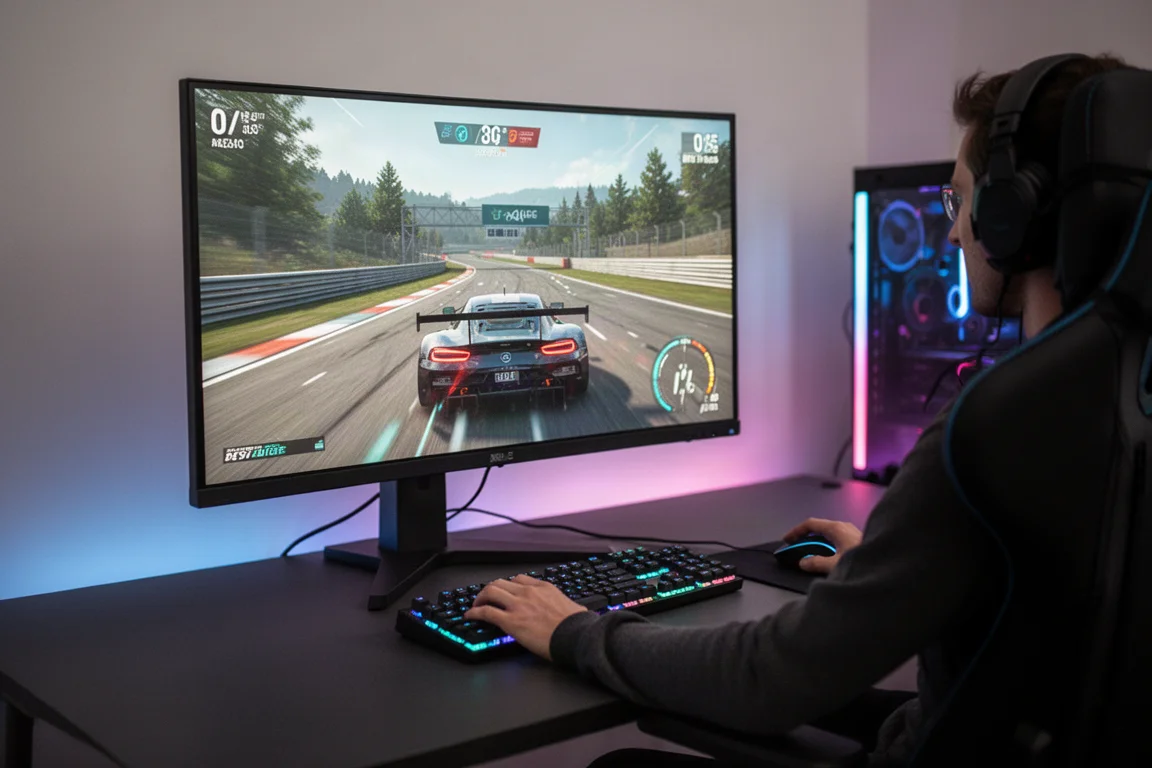
Pricing is where things get more interesting. The RX 9070 XT new goes for about $599 and upwards of $900 for more premium models. The TUF Gaming OC from ASUS is a massive card priced at $799. The RTX 5070 Ti starts at $749, which is $150 more than the RX 9070 XT, and goes up to about $1,000. The secondary market for the 5070 Ti sees anywhere from $1,000 to $2,000, with an average around $1,100 for an MSRP card.
For purely native rendering and price point, the smart money clearly goes to AMD, and more specifically to the RX 9070 XT. Even with scalpers in the mix, AMD brought a card that trades blows with the 5070 Ti for $150 less.
Ray Tracing Performance
Ray tracing is used for rendering light and scenes with accurate reflections. NVIDIA pioneered real-time ray tracing in games, so it stands to reason their cards perform better when it is enabled. However, ray tracing can be both extremely demanding and completely overrated depending on how it is implemented.
In Dying Light 2, the ray traced presentation looks better in both day and night scenes, but it needs to be cranked up to high settings, which causes significant performance hits. The RTX 5070 Ti at 4K averages 103 FPS with no ray tracing. Low settings give 91 FPS, a 12% hit, while ultra drops to 48 FPS, a 53% performance hit. The RX 9070 XT puts up 95 FPS with no ray tracing. Low drops to 75 FPS, a 17% hit, and ultra goes to 41 FPS, a 57% hit.
A similar pattern appears in Black Myth Wukong, with a sizable hit just from enabling ray tracing and another major hit moving to very high. In Cyberpunk, medium settings hit hard, ultra is only marginally worse, and overdrive mode with path tracing absolutely destroys both cards. The RX 9070 XT specifically saw an average of only 8 FPS in path tracing.
The NVIDIA side wins all of these ray tracing performance comparisons, sometimes by a small margin and sometimes by a notable one. The question is whether it is worth the performance trade-off, and that varies significantly by game.
Upscaling and Frame Generation
If you want to run ray tracing at 4K, especially at high settings, AI upscaling is necessary. This is rendering at a lower resolution and using AI to upscale. NVIDIA uses DLSS, while AMD uses FSR.
Black Myth Wukong was the first time FSR 2 was seen in action, and it turned the surface of water into a watercolor painting. FSR 3.1 is not particularly impressive compared to DLSS 3, especially with obvious artifacts in waterfalls and particle effects.
The new AMD cards use FSR 4, either natively or through an override in the Adrenaline software. To use FSR 4, the game must currently support FSR 3.1, be whitelisted by AMD, and you must be on the newest RDNA 4 cards. Older AMD cards do not support FSR 4.
The quality of DLSS 3 versus FSR 4 versus DLSS 4 varies game to game, but FSR 4 and DLSS 3 punch pretty close, with FSR 4 coming out on top more often than not. It is rare for FSR 4 to outright beat DLSS 4. AMD currently shows only 36 titles with FSR 4 support. On the NVIDIA side, DLSS 4 works retroactively back to the 20 series cards, with over 100 games supported.
AMD has made significant strides in upscaler performance, but their game list is still light without modding. NVIDIA still leads the industry in this technology, having already moved to a better upscaling model called Transformer. If you always want the latest tech in this area, NVIDIA is where you want to be.
Both sides currently offer frame generation. DLSS 4 offers multi-frame generation for the 50 series, though it is not particularly impressive at 4K on this tier of card.
Power Connectors and Physical Fit
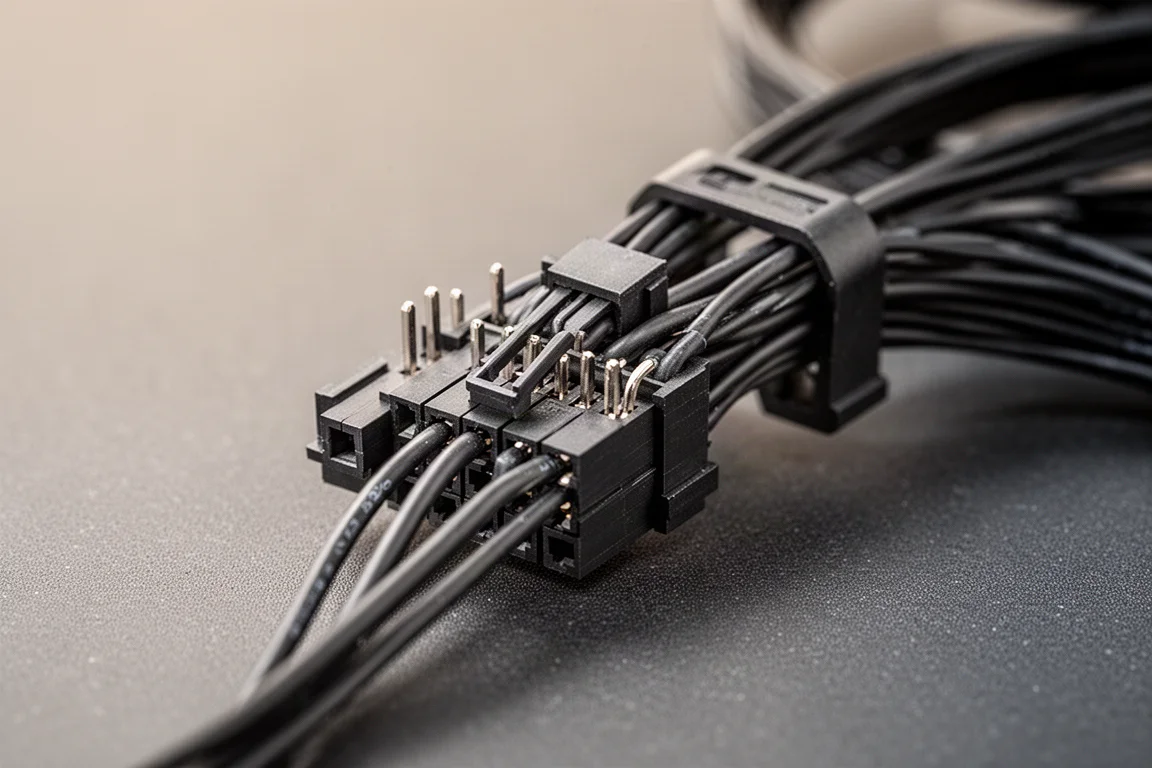
The AMD cards use standard 8-pin connectors versus the 16-pin connector that has been problematic on the NVIDIA side. The TUF Gaming OC uses three 8-pin connectors. It is a nice looking card, but TUF Gaming cards are unlikely to fit in small form factor builds where the Prime model cards usually will. Always measure before ordering, as clearance can come down to a single millimeter in some cases.
Beyond Gaming: Video Editing and Creative Workloads
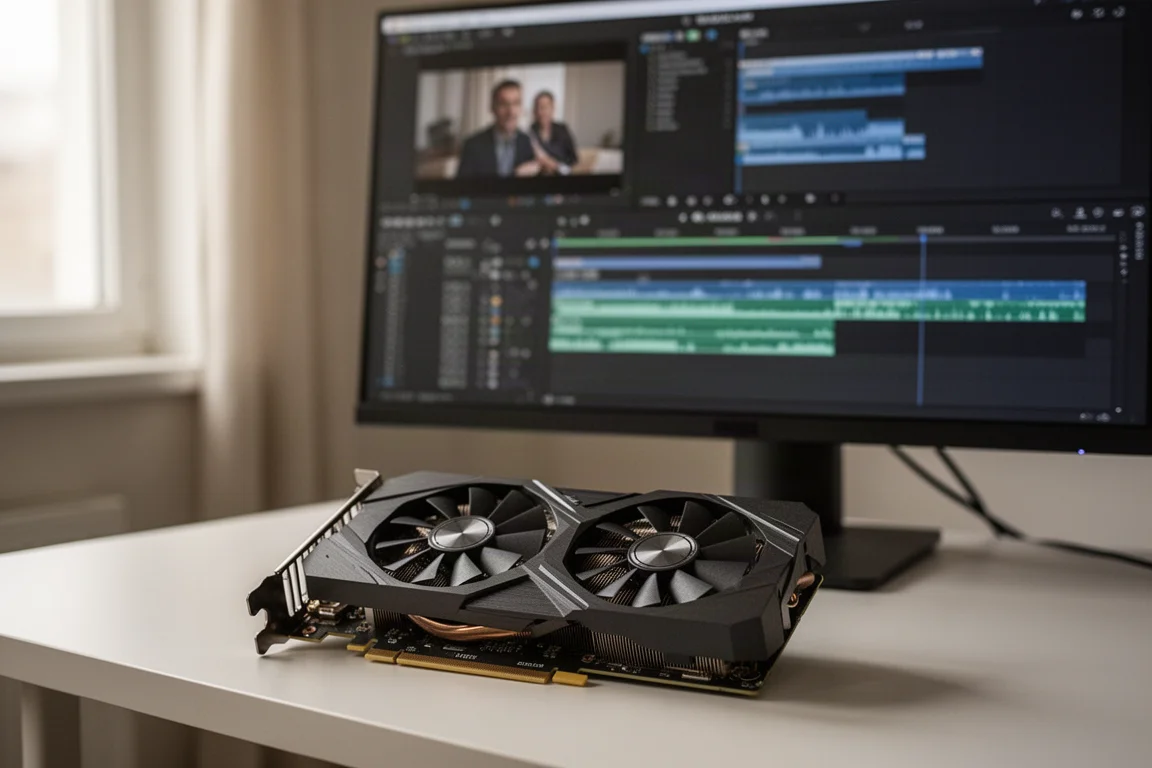
Outside of gaming, NVIDIA takes a clear lead in video editing, as shown in the Puget Bench for DaVinci Resolve. In Blender benchmarks, the new NVIDIA cards offer almost two and a half times the performance in Blender 4.4 compared to the AMD cards.
For software features, there is pretty good parity on both sides. Recording gameplay is equally easy with equal quality on both platforms. For every NVIDIA software feature like Reflex, AMD has an answer. But it still feels like NVIDIA is leading with AMD playing catch-up.
Overall Buying Advice
The RX 9070 XT and RTX 5070 Ti are the real contenders. The RX 9070 pricing feels too high when the XT is only $50 more for roughly 11-13% more performance. The RTX 5070 is a weaker option, especially at secondary market pricing.
If pricing were the same and public sentiment of NVIDIA were better, NVIDIA would be a no-brainer. Based on the price difference between the RX 9070 XT and the RTX 5070 Ti, the decision likely comes down to whether the titles you mainly play are supported by FSR 4 or not.
AMD is making big strides with FSR 4 and offering competitive performance at this tier, which is great for consumers. NVIDIA still feels like the GPU to beat, especially for ray tracing, upscaling technology, and creative workloads.
Conclusion
For pure gaming value, the AMD Radeon RX 9070 XT is the standout choice, matching the RTX 5070 Ti in native performance for $150 less. For ray tracing, upscaling, and creative workloads, NVIDIA remains the stronger option. Your final decision should come down to your budget, the games you play, and whether NVIDIA’s extra features justify the higher price.
Further reading
Related Reviews

Pickleball Paddles
2025 Paddle Awards: The Best Pickleball Paddles of the Year
A category-by-category breakdown of the best pickleball paddles of 2025, covering value, control, all-court, power, and paddle of the year.
Automotive Accessories
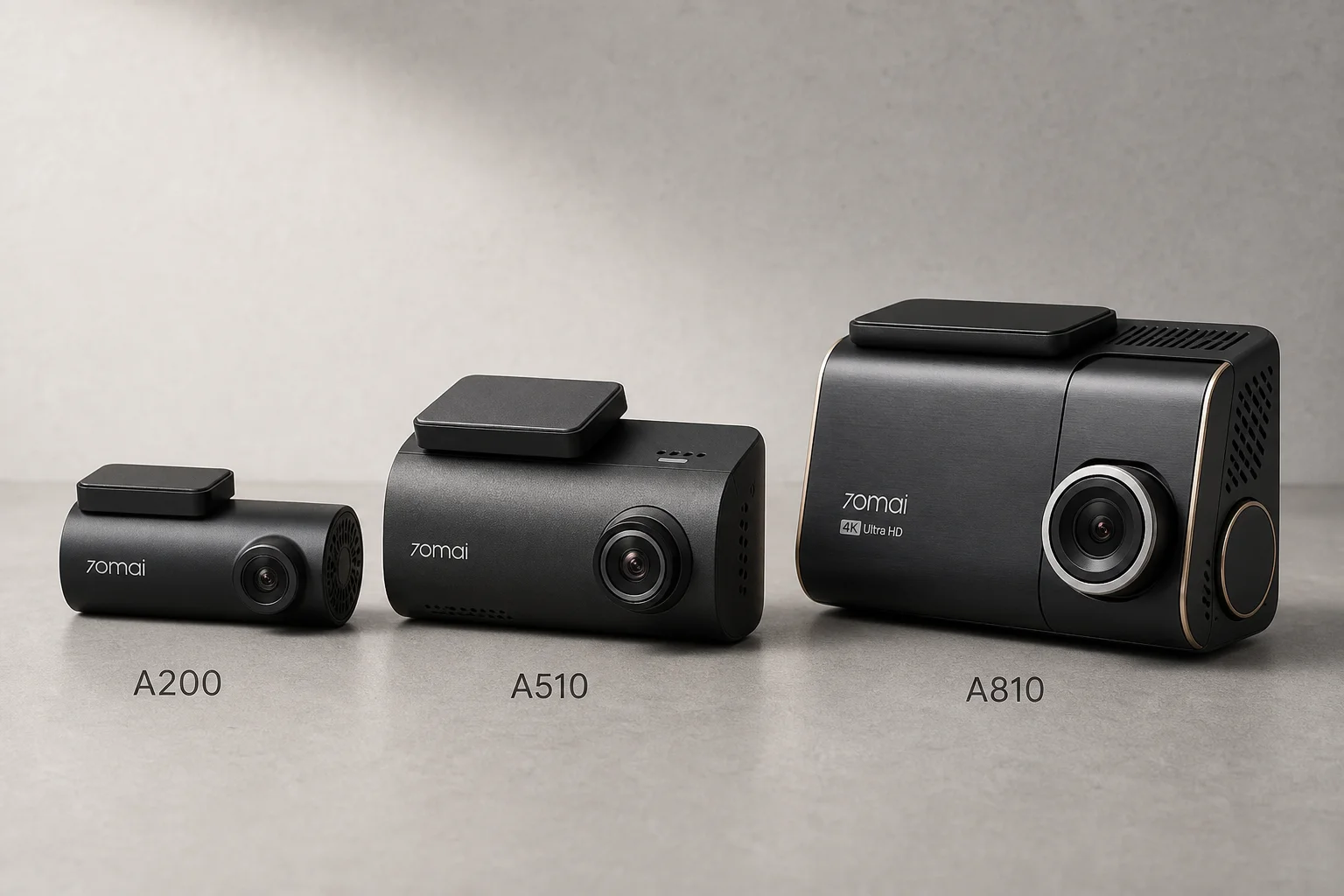
70mai Dash Cam Comparison: A200 vs A510 vs A810
Three dash cameras from 70mai across different price points reveal how resolution and sensor quality impact real-world footage clarity, especially for number plate visibility and low-light performance.
Mobile Gaming Accessories
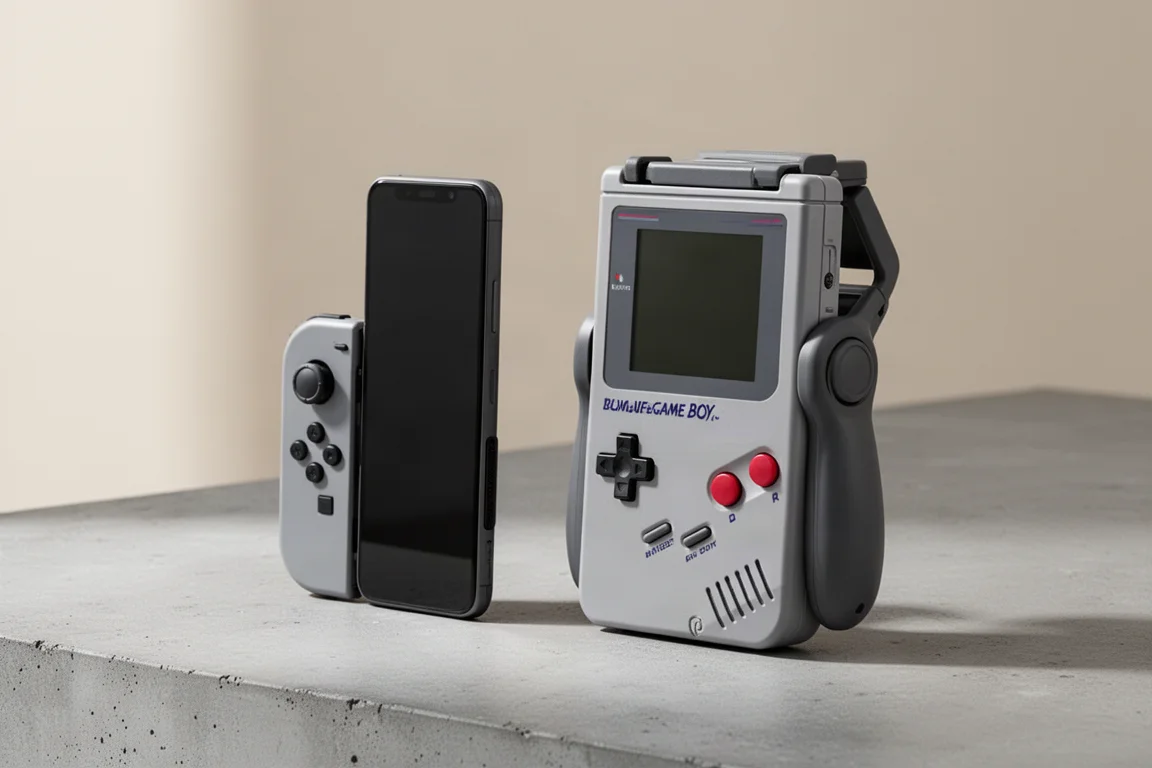
8BitDo FlipPad vs GameSir Pocket Taco: Which Vertical Phone Controller Fits You Best?
Two compact vertical phone controllers with very different approaches to connectivity, controls, and everyday use. Here is how they compare across seven practical categories.