Backpacking Gear
Amazon Budget Backpacking Gear: 10 Pieces Tested on a Real Overnight Trip
Ten budget backpacking pieces from Amazon, carried on an overnight alpine lake trip, with honest notes on fit, warmth, weight, and where the compromises show up.
Introduction
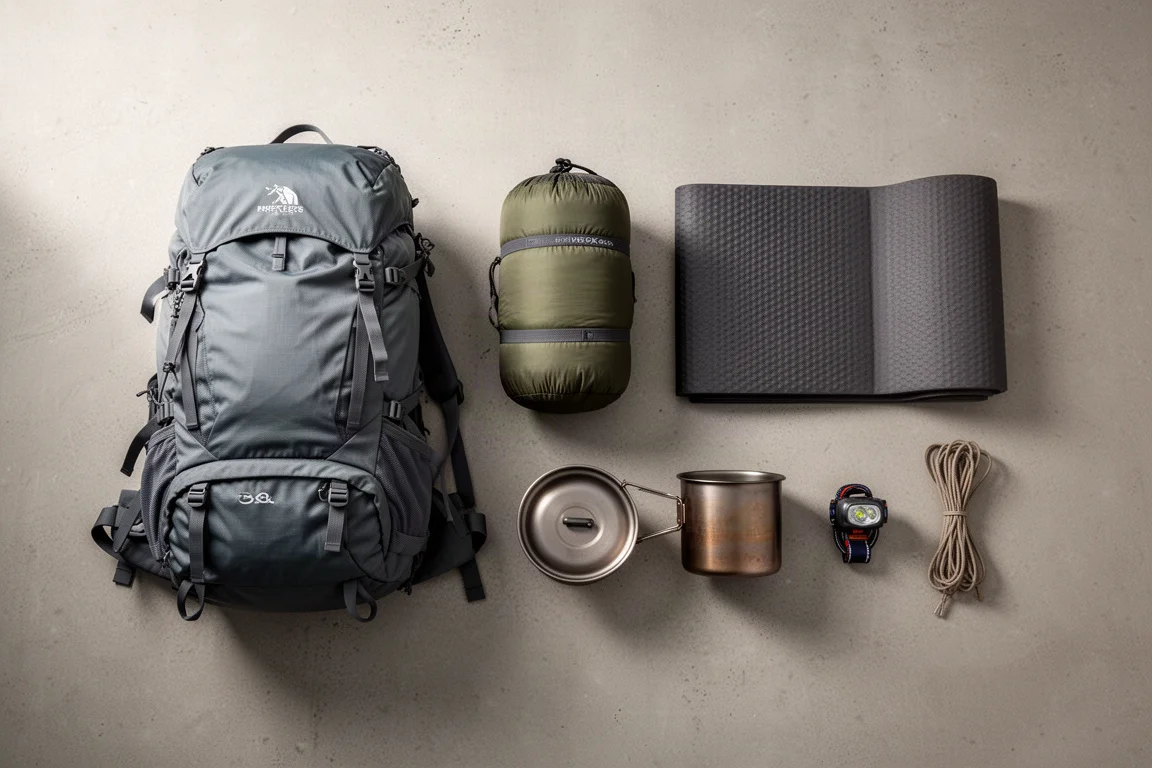
Cheap backpacking gear almost always asks for a compromise somewhere. The real question is which compromises you can live with on an overnight trip and which ones will cost you a night of sleep. To find out, a complete budget kit was packed for a short overnight trip to an alpine lake, roughly three and a half miles in from the trailhead, with overnight temperatures dropping into the 40s.
The pack weighed exactly 30 lb at the car, which makes it the lightest budget setup tested so far. The full spread of gear cost about $580 in total. The ten pieces below are the ones worth talking about, including several that performed far better than their price suggests and a couple that did not hold up at all.
How These Picks Were Evaluated
Every item here was carried and used on a real overnight trip rather than judged from a product page. The criteria were straightforward: packed weight and bulk, how the gear performed across a full night, whether the price reflected a sensible trade-off, and how the construction held up to actual use. Warmth ratings were treated as optimistic until proven otherwise, which turned out to be the right approach.
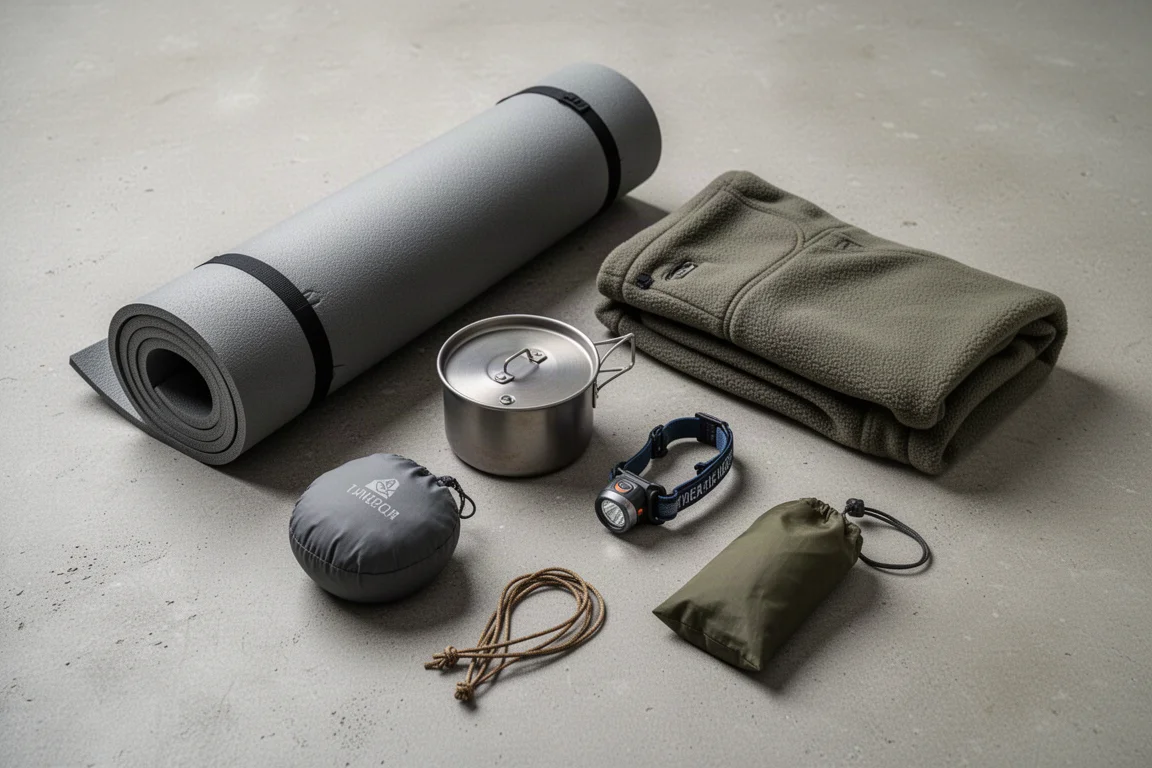
Fit received as much attention as price. A pack that does not match your torso will feel wrong no matter how cheap it is, and a sleeping bag that cannot seal around your shoulders will not keep you warm regardless of what its rating claims. The overnight low landed in the 40s, which is warm enough to expose a bag that cannot deliver on its comfort rating but not cold enough to be genuinely risky.
Neville Rhino Advanced 60 Pack: Big Capacity, Fit-Dependent
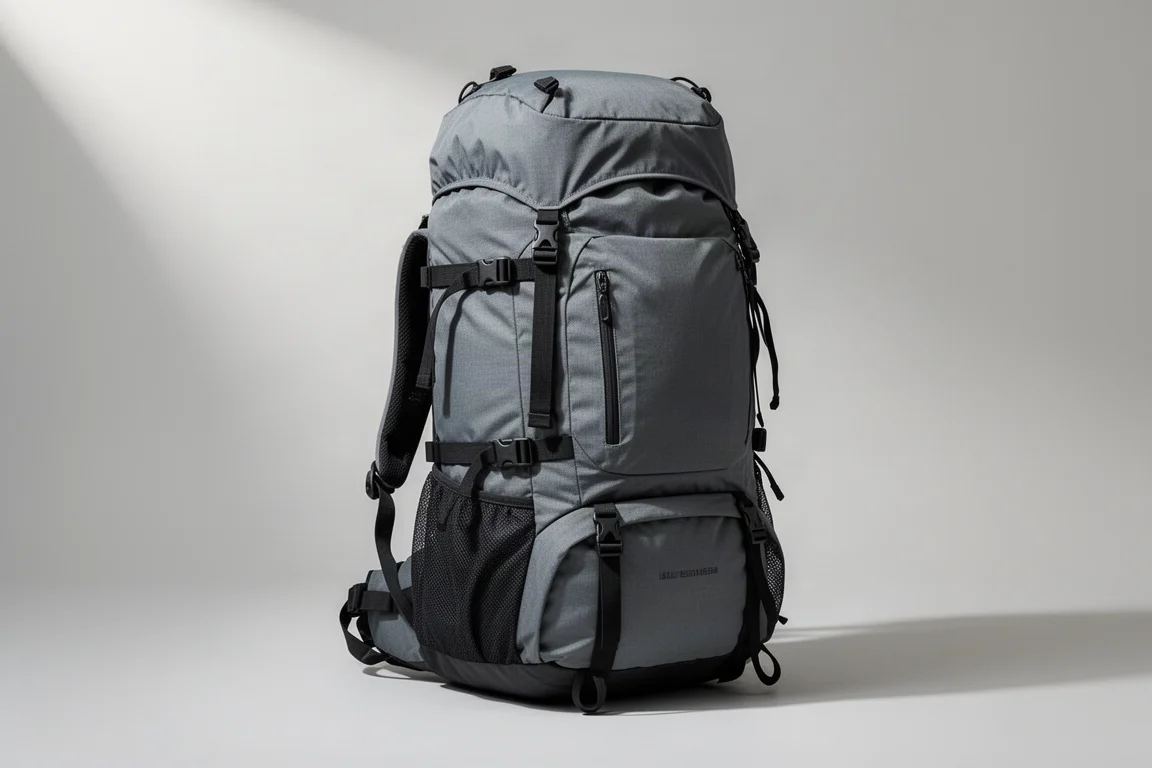
At $41.99 for a 60 litre frameless pack, this is one of the most popular options in the budget backpacking space, and capacity is the reason. Cheaper gear tends to be heavier and bulkier, so the extra ten litres over a typical 50 litre pack gives you room to absorb that bulk. The listing claims 3 lb, though it feels lighter than that in hand. There is a lot going on: two zippered hip belt pockets with mesh, a front zipper pocket, a sleeping bag compartment at the base, a reservoir sleeve, water bottle pockets on both sides, a stowed rain cover, and plenty of straps and buckles.
The harness is where the pack lives or dies, because nothing about it is adjustable. The listing states the pack suits torsos between 5’2” and 6’1”. On a 5’5” frame, the shoulder straps were fully tightened and the pack still sat low, the hip belt was nearly maxed out, and the sternum strap sat at its highest possible position. On a taller and broader build, the same pack sat almost perfectly, which is a useful reminder that the stated range is a starting point rather than a guarantee.
The side bottle pockets are small, not especially stretchy, and awkward to reach while wearing the pack, so a soft bottle that slides in easily is the practical choice. Everything else about the layout is genuinely good: the pockets and compartments are easy to use, the organisation is helpful, and the materials feel better than the price suggests. If the torso range suits you, this is a lot of pack for the money.
Naturehike MJ 300 Sleeping Bag: Light and Packable, Warmth Is Limited
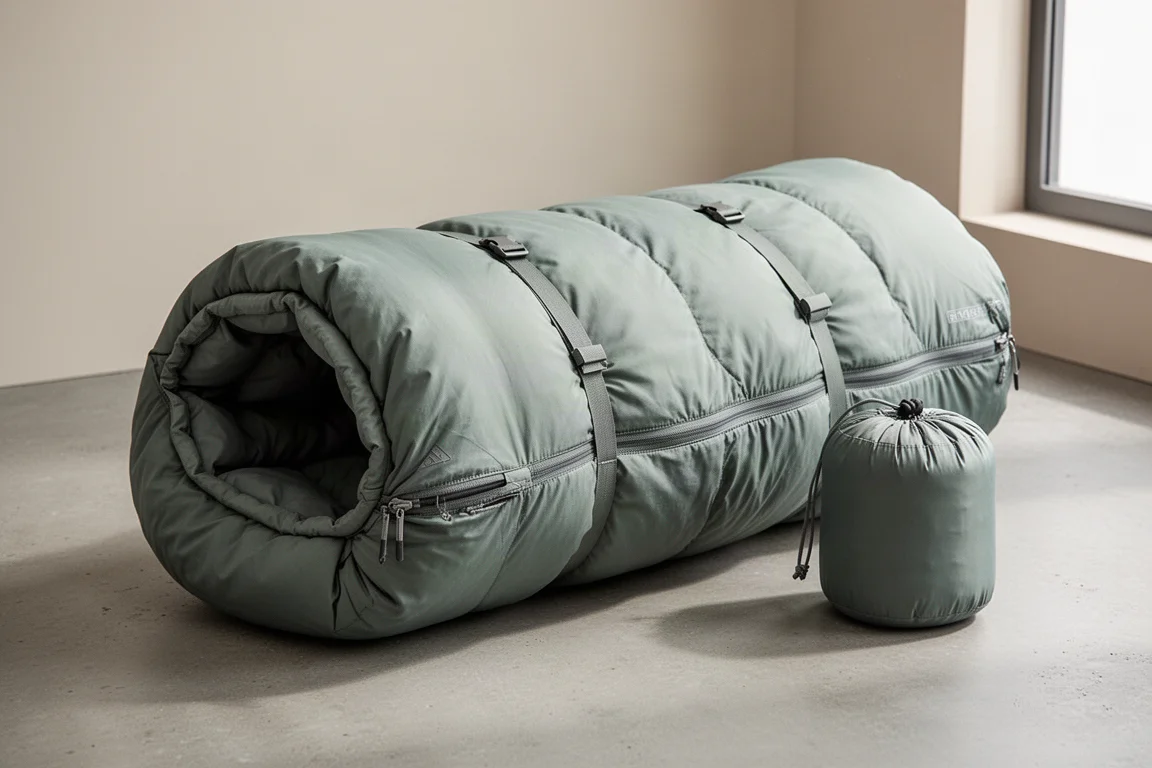
For $35.99 on sale, or $45.99 at full price, this synthetic bag weighs about 2.5 lb and packs down remarkably small for the money. The listed ratings are a comfort limit around 39°F, a transition temperature near 30°F, and a risk rating near 1.4°F, which is optimistic for a bag at this price. The fill is a synthetic hollow fibre, the shell feels soft, and a single toggle tightens the hood and neck together rather than separately. A dual zipper runs all the way to the footbox, and the design allows two bags to be zipped together.
On a night that dipped into the 40s, the bag did not keep its sleeper warm on its own, and the extra blanket packed alongside it turned out to be essential. Two construction issues showed up immediately. The zipper caught constantly on the way up, and the hood cinch tore straight through the fabric the first time it was tightened, leaving a visible hole in the shell. The hood is also very large and cannot be cinched around the face, which matters because most heat loss happens at the collar. A bag without extra features can be a sign that money went into construction instead, but that was not the case here.
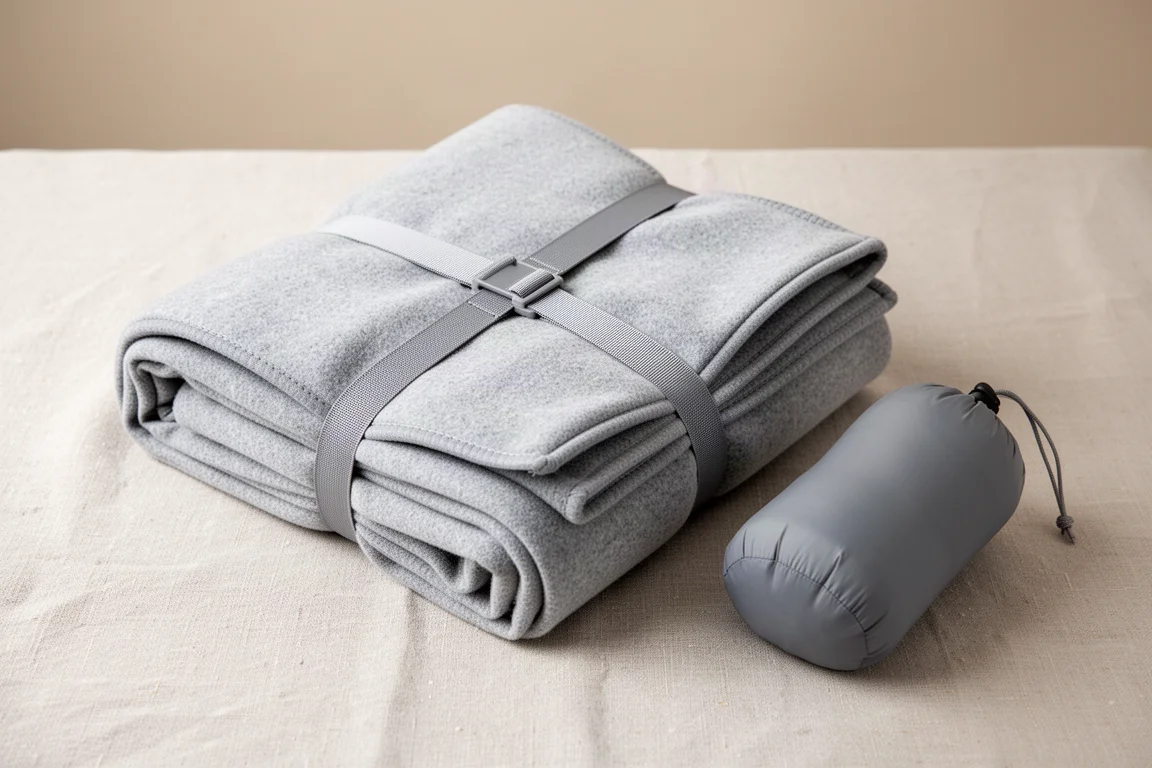
Kakir Packable Blanket: The Cheapest Way to Add Real Warmth
Packed as a just-in-case layer for $25, this blanket ended up being one of the most useful items on the trip. Folded into the sleeping bag, it added enough warmth to make a marginal bag usable through a night in the 40s. It also came out in the evening while dinner was cooking and again in the morning, wrapped around the shoulders, which is the kind of flexibility a second sleeping bag cannot offer.
It is light, packs small, and feels soft rather than plasticky. If you already own a summer sleeping bag and want to stretch it into cooler shoulder-season nights without buying a warmer bag, this is a far cheaper route than replacing the bag outright.
Klymit Static V Sleeping Pad: Comfortable Until It Deflates
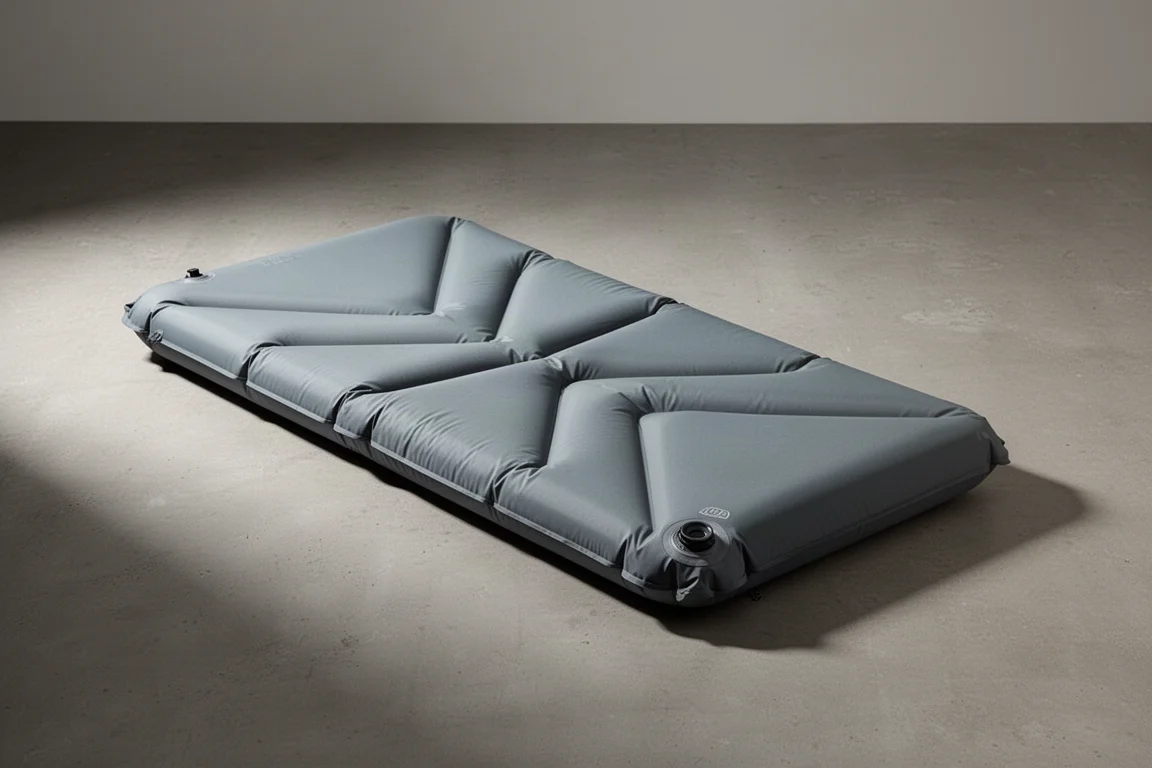
The Static V usually sells for somewhere between $40 and $60 and goes on sale fairly often, which puts it in the middle of the budget range. At 18.6 oz, or 530 g, it is light for an inflatable pad, and the V-shaped baffles make for a genuinely comfortable surface. The listed R-value is 1.3, which is low and worth taking seriously when you plan a trip.
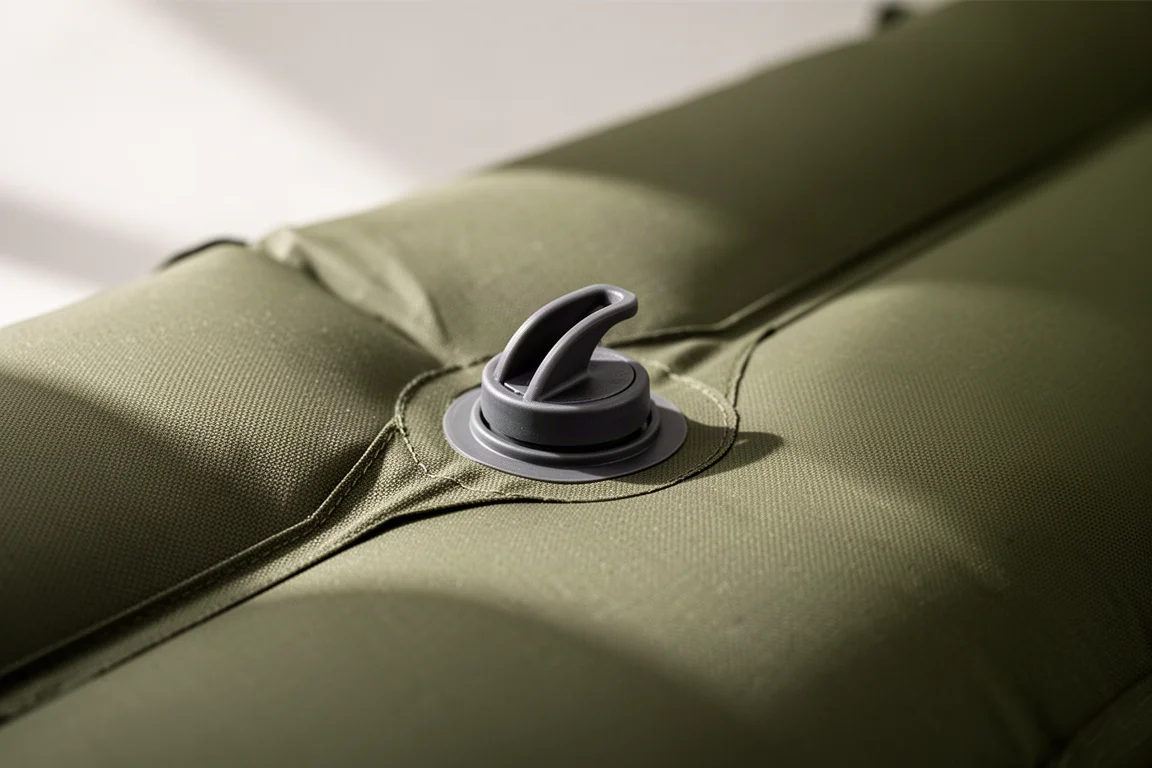
The first lie-down was impressive, which makes the overnight result more disappointing. The pad deflated almost completely in the night and had to be reinflated around 5 a.m. There was no obvious puncture, and the loss of air did not behave like a leak, but the practical effect was the same: lying on your side, your hip ends up on the ground. The valve adds a second problem, because opening it releases air immediately. That makes it nearly impossible to top the pad up and close the valve without losing pressure, so it never feels properly full. Paired with a closed-cell foam pad underneath, the night was survivable, but this is not a pad to rely on by itself.
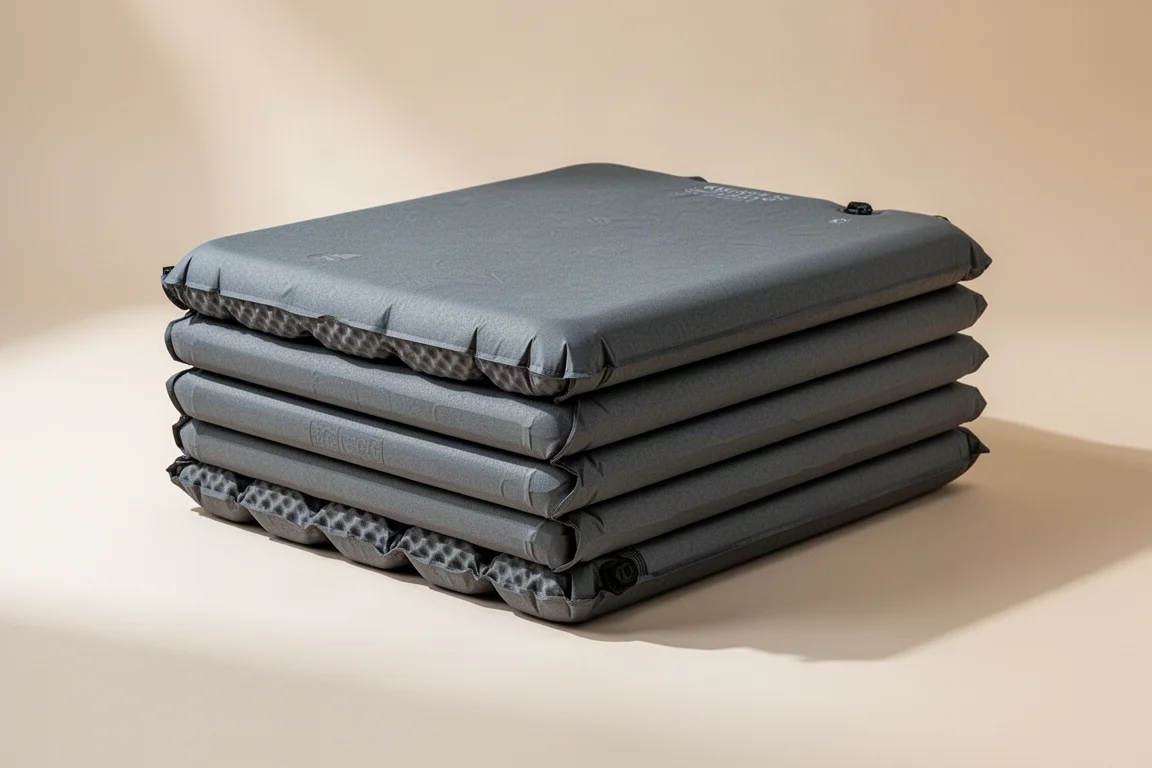
Featherstone Accordion Sleeping Pad: The Reliable Base Layer
This closed-cell foam accordion pad costs $30, roughly half the price of most comparable pads, and weighs only 16 oz. The R-value is around 2, which is higher than the inflatable pad it was paired with, and R-values stack. Combined, the two pads land at roughly 3.4, a sensible target for late summer nights in the mountains.
Stacking this pad under the inflatable one turned out to be the best decision of the trip. When the air pad lost pressure, the foam pad kept hips and shoulders off the ground and stopped the cold from coming up through the floor. On its own it offers less cushioning than an air pad and takes up more room in a pack, but it performs as well as other closed-cell accordion pads that cost twice as much.
Night Cat 1-Person Tent: Roomy, Affordable, Heavy
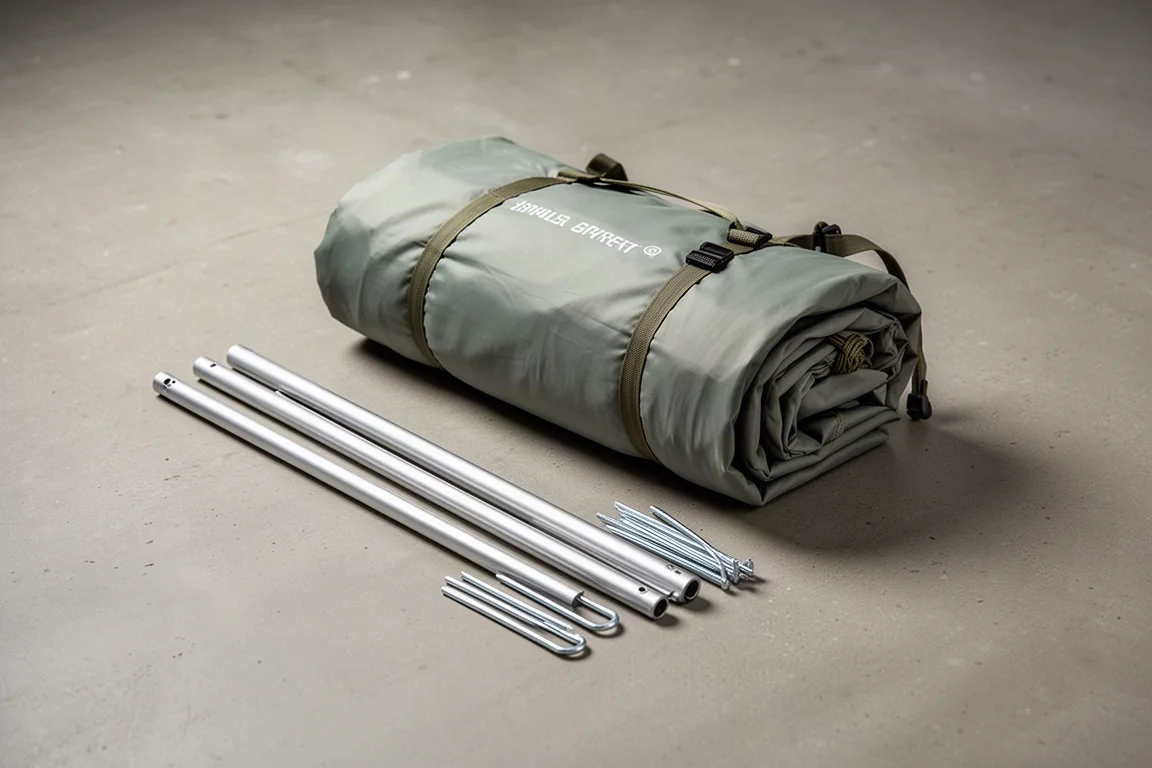
At about $40, this is the cheapest and most compact tent package in the kit, and the weight is where the savings show. The whole thing weighs 4.2 lb, and almost all of that heft sits in the poles, which feel heavier than a full litre of water. Setup is simple: two poles cross through sleeves on the body, and the tent pops into shape once they are in place.
The footprint is unusually large for a one-person tent, closer to what many people would call a two-person size. You can sit up fully inside, there is plenty of room to spread out gear, and the double front doors with mesh panels open wide for airflow. The single-wall body is waterproof and seam taped from just past the small mesh window at the top, but the rainfly only covers that tiny window, so the design is not built for serious weather. Condensation is likely in humid or hot conditions, as with any single-wall tent.
The poles are the weak point, both for weight and for build quality. Even so, $40 is a reasonable price to find out whether backpacking is something you enjoy, and the space and comfort inside are real advantages. It is a solid entry point rather than the best budget backpacking tent you can find.
Nortiv 8 Quick Lace Hiking Shoes: The Standout Value
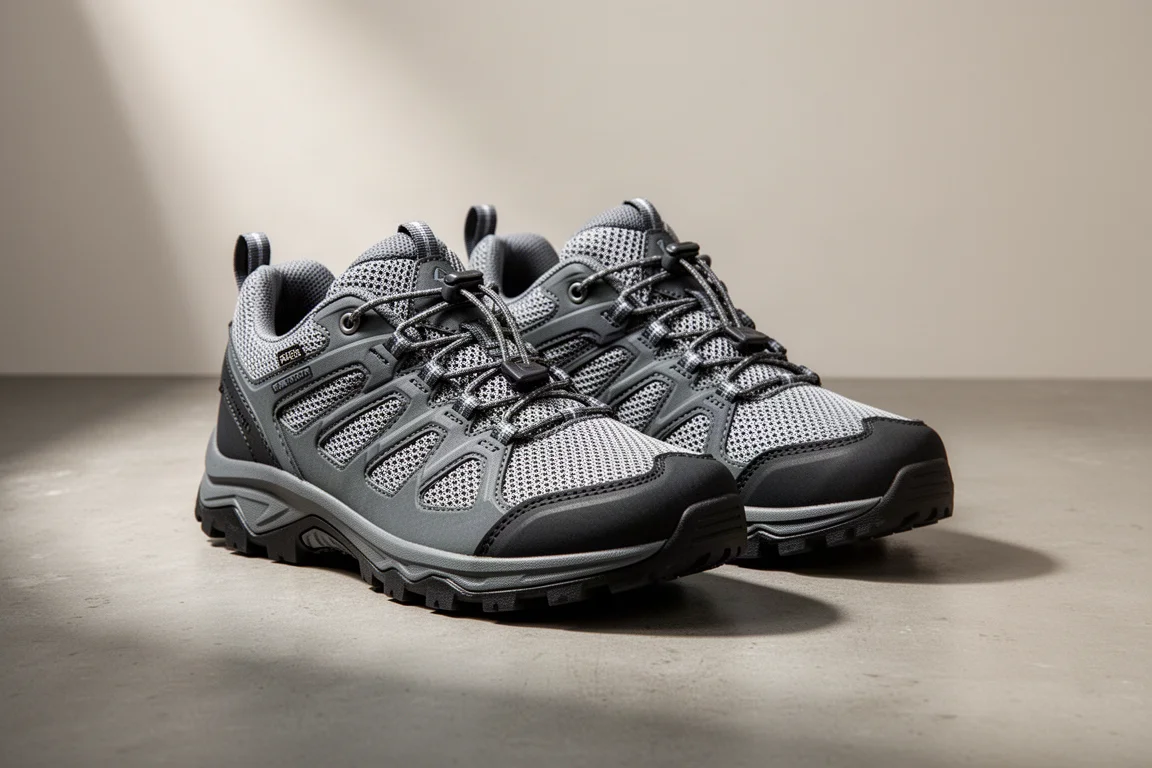
These trail-runner style hiking shoes cost about $42 and were the most surprising item in the kit. They are light, breathable, and the lugs look well suited to trail use. Comfort was immediate, with no break-in period and no hot spots, and on the hike they felt almost indistinguishable from far more expensive trail runners.
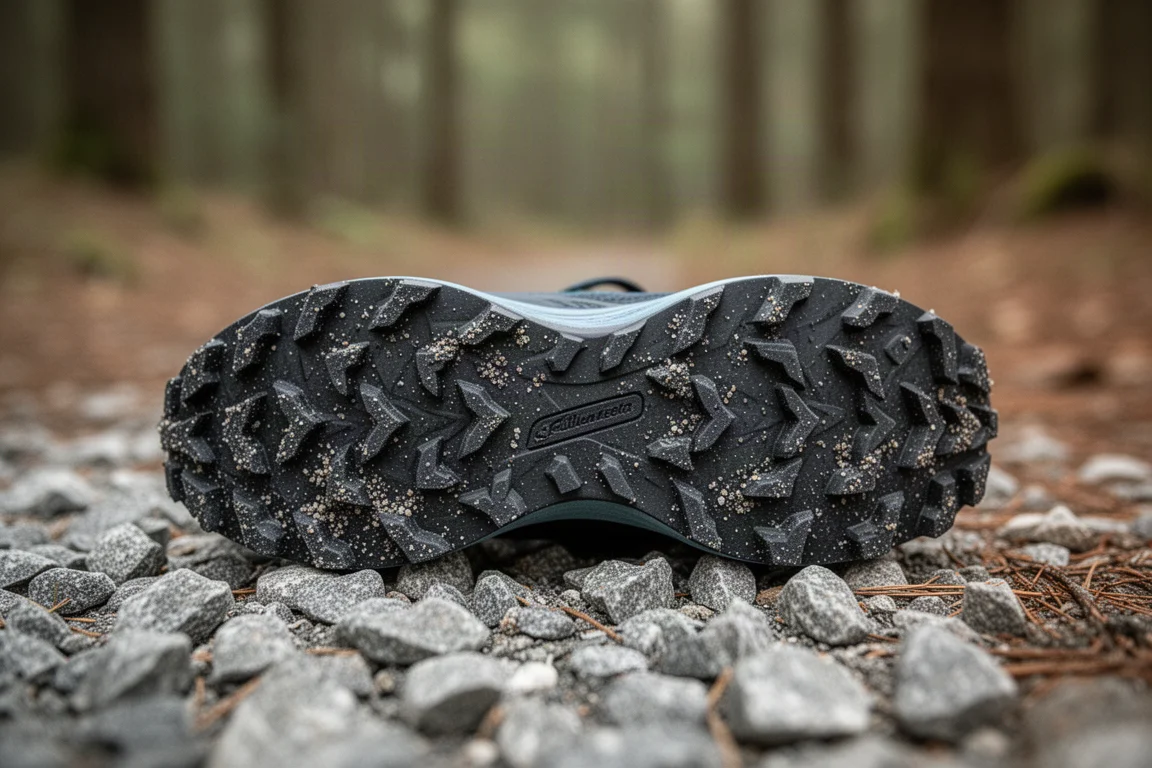
The quick lace system is the headline feature: pull the cord to tighten, then tuck the excess into a small pocket on the tongue. If you prefer standard laces, the system can be removed and replaced, so the pocket becomes a handy storage slot either way. The one open question is durability, since these have covered one overnight trip and three or four day hikes so far and have not been through a full season. On comfort and grip alone, they are the best value in this guide.
Toaks 750ml Titanium Pot and Long-Handled Titanium Spork
The cook kit came through the trip without a single complaint. Both pieces are titanium, both are light, and both cost far less than the premium equivalents they were compared against.
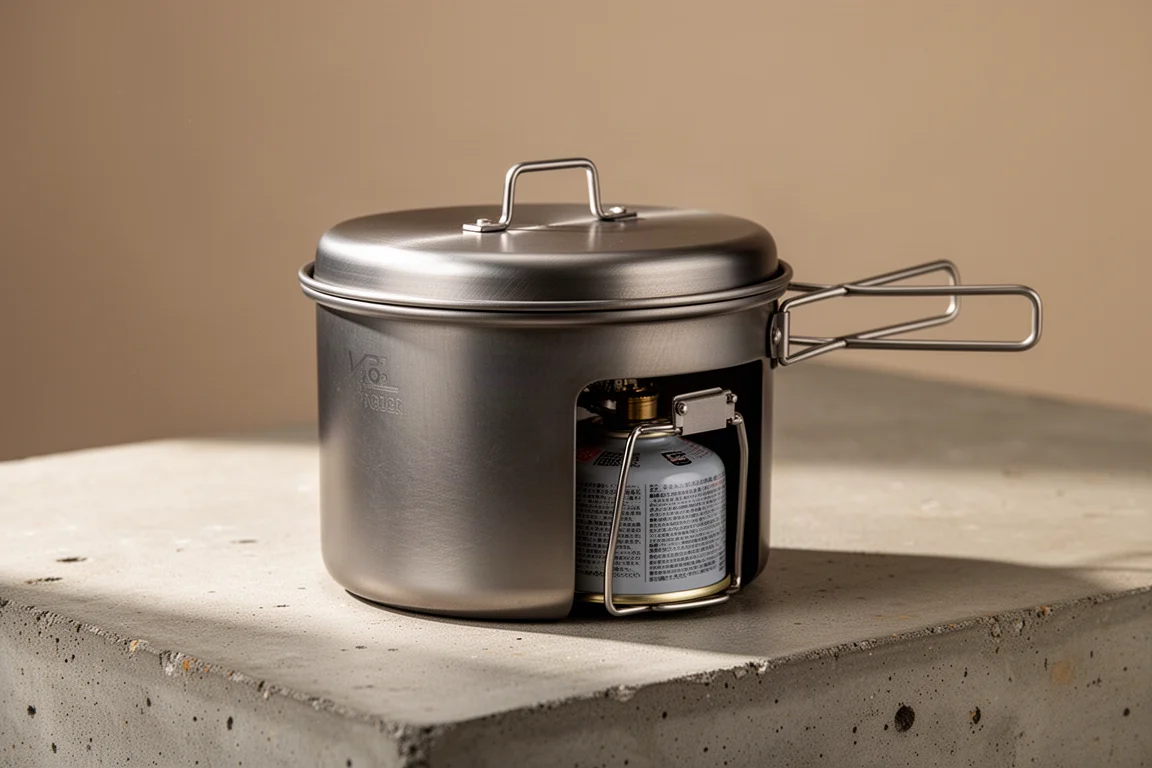
Toaks 750ml Titanium Pot
At about $25, this 750 ml titanium pot handled everything asked of it across the trip. It is light in the pack, simple to use, and feels like a piece of gear that will outlast far more expensive alternatives. For solo trips, it is the right size.
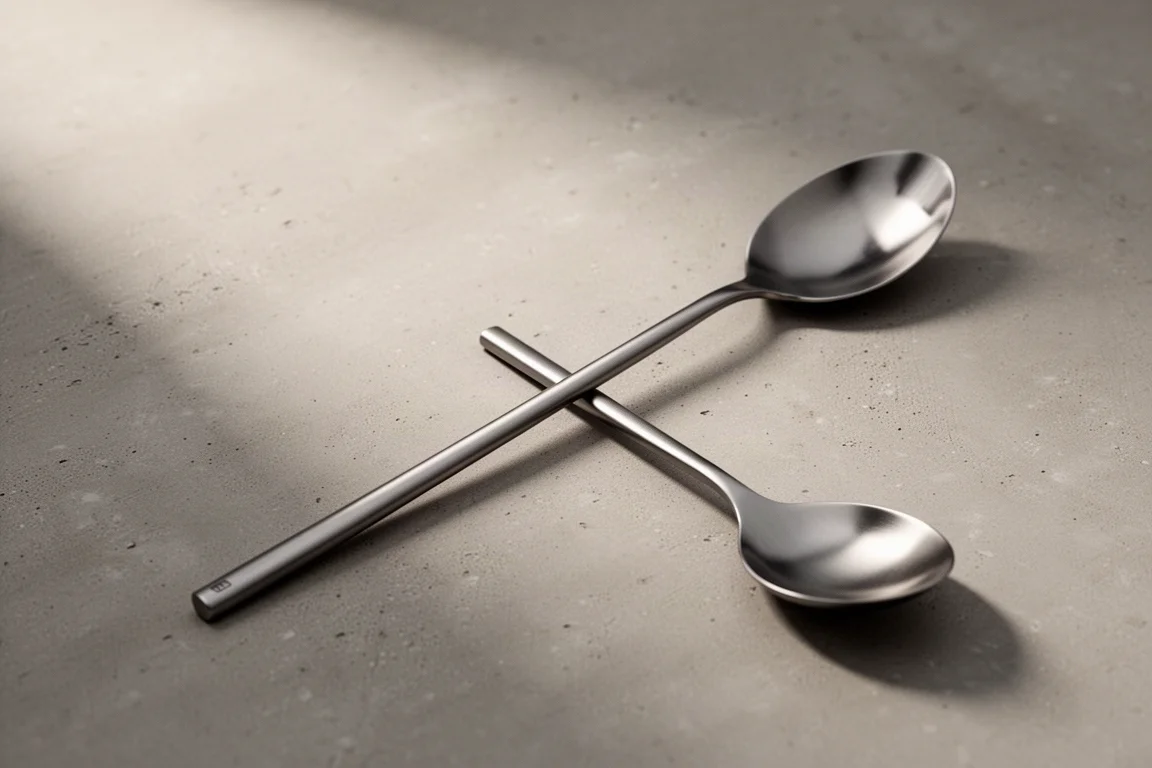
Toaks Long-Handled Titanium Spork
The long-handled spork costs $10, which is well below most comparable long-handled titanium sporks. The polished bowl is the detail that stands out: it has a smooth, rounded mouth feel that makes it pleasant to eat with rather than merely functional. The long handle is useful for reaching into deep meal pouches, though it takes up a little more room in a pack than a standard spork. This one is likely to become a permanent part of the kit.
Energizer 260 Lumen Headlamp: Simple and Cheap
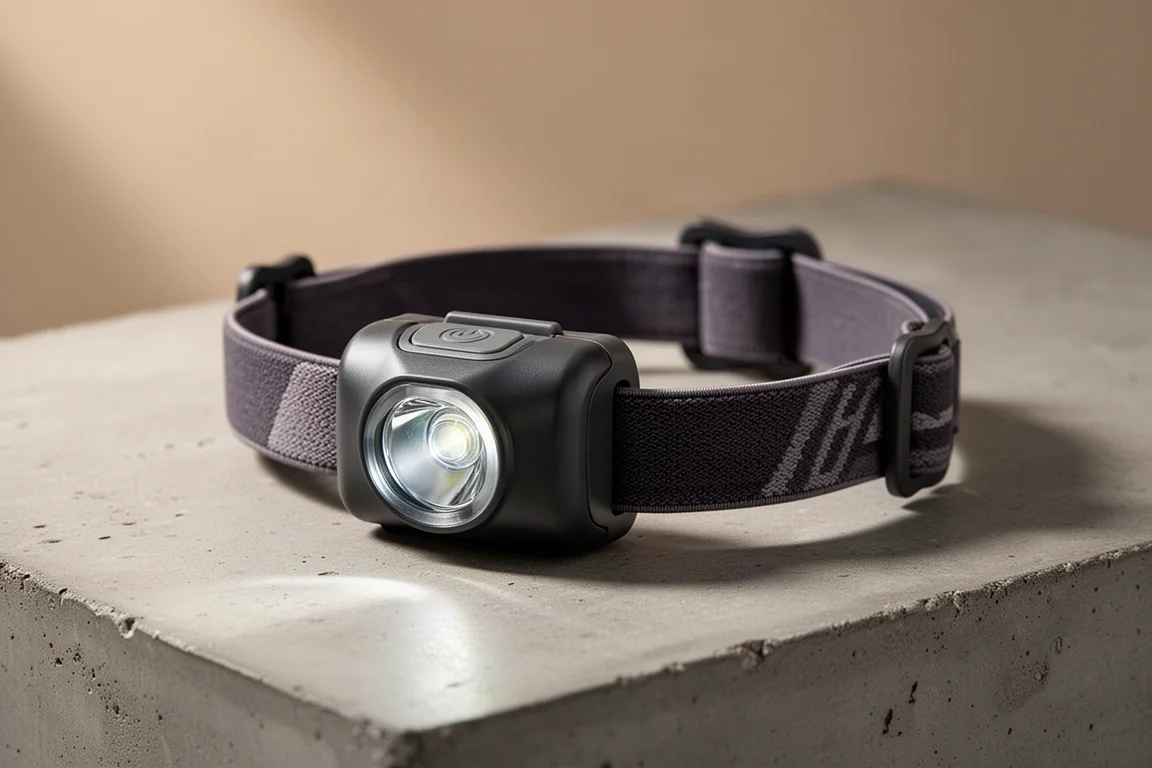
At $15, this headlamp does exactly what a headlamp needs to do around camp: it lights up the inside of a tent well enough to organise gear and read, and it keeps both hands free. There are no unnecessary features and nothing to learn. It is also sold in multi-packs, which is useful if you want a spare for a car kit or a second tent. If you would rather not spend premium money on lighting, this covers the basics without complaint.
What This Kit Costs
The full spread of gear, including everything laid out for the trip, came to about $580, which is a realistic budget for a complete backpacking setup. The ten picks covered in this guide come to just over $300 of that total, and the value is concentrated in a few places: the shoes, the packable blanket, the closed-cell foam pad, the cook kit, and the headlamp.
The trade-offs cluster around the sleep system and the tent, which is exactly where budget gear struggles most. Warmth and low weight are expensive to engineer, and no amount of clever pocket design makes up for a pad that loses air or a bag that cannot hold heat.
Buying Advice
Start with the items that have the biggest effect on whether you enjoy the trip. Sleep warmth comes first: a low R-value inflatable pad paired with a closed-cell foam pad is a cheap way to reach a combined rating that works for three-season nights, and a packable blanket can rescue a summer bag on a cold night. Treat the comfort rating on any budget sleeping bag as optimistic and plan for a margin.
Fit is the second priority, especially for packs. A fixed harness is only a good deal if the stated torso range genuinely matches your body, so check the sizing range before buying and be prepared to return the pack if it sits wrong. Footwear and cookware are where budget gear gives up the least: the shoes in this guide were comfortable and grippy from the first mile, and the titanium pot and spork were flawless. Spend the money where it changes your night, and save it where it does not.
Conclusion
Budget backpacking gear from Amazon is a mixed bag, but the mix is more predictable than it first appears. Sleep systems and tents are where the compromises bite, because warmth and low weight are the hardest things to deliver cheaply. Packs can be excellent value if the fit is right, while footwear, cookware, and lighting are areas where a low price costs you very little.
The kit that came out of this trip would get anyone out on a late-summer overnight for a sensible amount of money. Replace the two weakest links, the inflatable pad and the sleeping bag, and you have a setup that would hold up well beyond a first trip.
Further reading
Related Reviews

Backpacking Gear
Building a 10 lb Base Weight: An Ultralight Backpacking Gear List
A practical walkthrough of the ultralight pieces behind a 10 lb base weight, from a 765 g pack and a roomy one-person tent to a full camp chair and a dependable water filter.
Backpacking Gear
A 15-Pound Lightweight Backpacking Gear List for Solo Trips
A beginner-friendly 15-pound backpacking setup built from easy-to-find gear, with notes on what each piece does, how it packs, and where to spend your attention.
Backpacking Gear
8 Ultralight Backpacking Gear Upgrades Worth Carrying
Eight small, affordable backpacking upgrades that solve real trail annoyances, from a pillow that stays put to a fuel valve that rescues leftover canister gas.