Fitness Wearables
Amazfit Helio Band on the Bicep: A Follow-Up Accuracy Test
We retested the Amazfit Helio Band worn on the bicep instead of the wrist, covering outdoor cycling, rowing, ski erg, and weight training against chest strap references.
Introduction
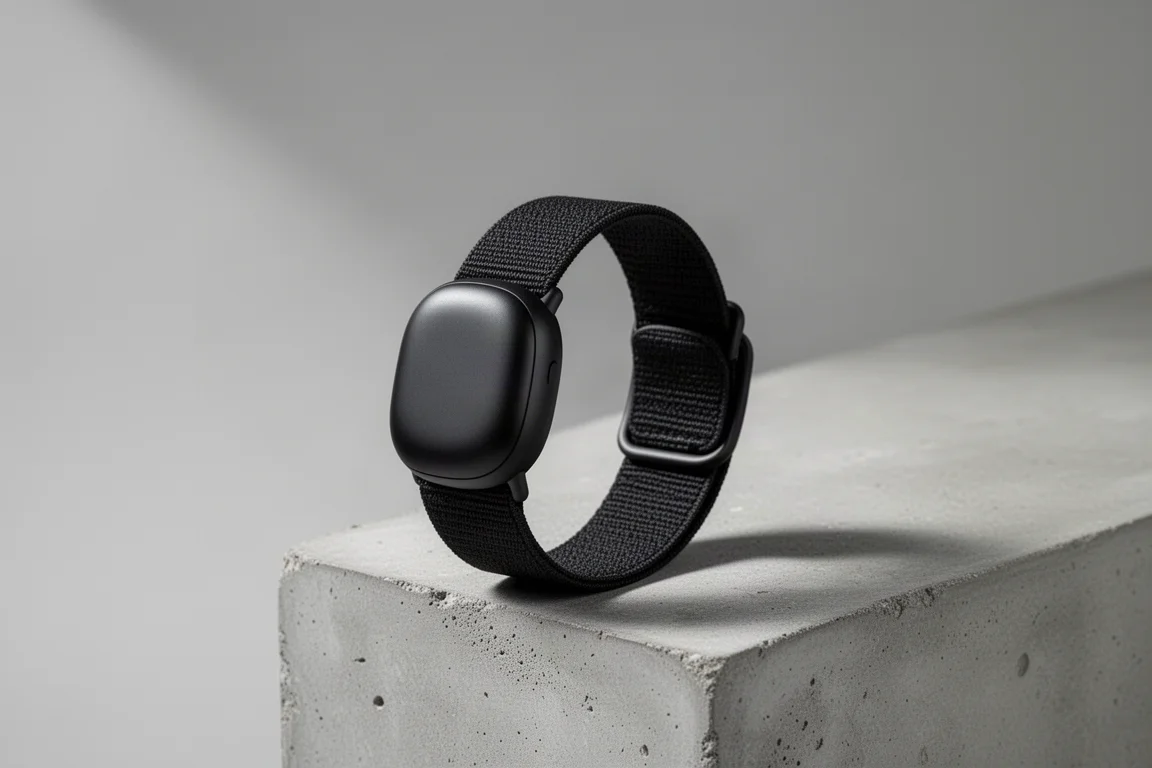
The Amazfit Helio Band made a strong impression as a $99 screenless health and training band, and the original in-depth testing earned it a solid recommendation. That testing, however, was done with the band worn on the wrist. The one thing it lacked was more ways to wear it, and a bicep band has been the most requested option.
This follow-up looks at exactly that: how the Helio Band performs when worn on the bicep rather than the wrist, across outdoor cycling, high-intensity interval work like rowing and the ski erg, and weight training, all measured against a chest heart rate strap as the reference.
Why the Bicep Placement Matters
There are several reasons someone might want to wear a band like this on the arm instead of the wrist. Some people simply do not like wearing anything on their wrist. Others already wear a watch and do not want to double up. Sleeping with a band on the arm can also be more comfortable.
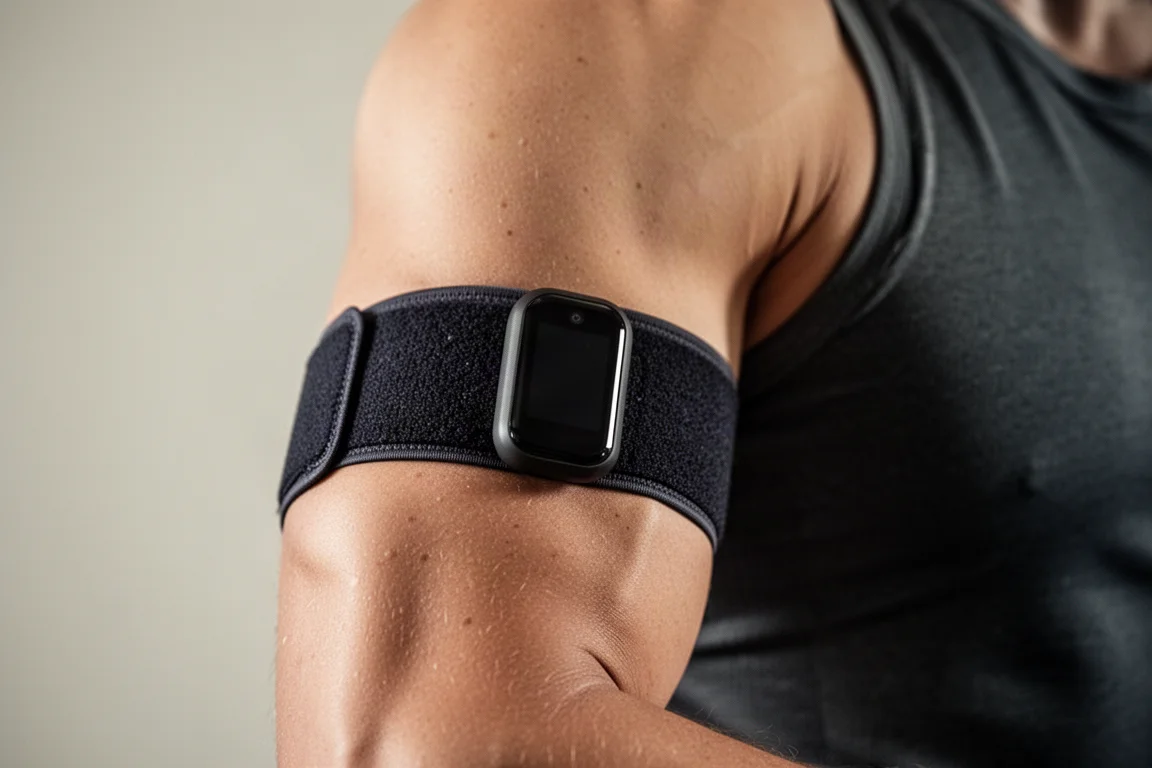
Accuracy is the most important reason. Optical heart rate sensors work best over an area with more flesh, and the wrist is actually not an ideal location because it is relatively bony and full of tendons that can interfere with readings. The bicep is one of the better spots for this kind of sensor, and since the Helio Band is discreet and screenless, it suits the placement well.
Finding a Band That Works
Amazfit does not offer an official bicep band yet, though one seems likely to arrive eventually. In the meantime, the Helio Band uses a standard watch band style interface, so certain third-party watch bands can be made to work. Not all of them fit, because the strap needs the correct orientation to align with the notch on the holder for the watch pin mechanism.
The bands that do work have enough stretch to slide over the hand and sit snugly on the arm. One advantage of the stretchy style used here is that there is no velcro to come undone mid-workout, and it can still be worn on the wrist when tightened, which some may actually prefer over the velcro closure of the original band.
Outdoor Cycling: Nearly Identical to the Reference
Indoor cycling was already covered in the original wrist-worn review, where it performed well, so this round focused on the outdoors. Worn on the bicep during road and gravel riding, the Helio Band tracked nearly identically to the chest strap and an arm-based monitor worn alongside it.

There was only one moment across the rides where the reading wandered briefly after a rest stop, and it picked back up immediately once riding resumed. That was the only fault found across all the outdoor road and gravel testing. For comparison, the Apple Watch Ultra 2 was also accurate, though it showed a slight delay in tracking falling heart rate during rest stops, and a larger smartwatch worn on the wrist was thrown off in a few spots, likely from bouncing on the wrist.
High-Intensity Intervals: Rowing and Ski Erg
High-intensity interval workouts like rowing and the ski erg are among the hardest activities for optical heart rate sensors, thanks to constant gripping and arm movement. On the wrist, this was where the Helio Band struggled most in the original testing.
On the bicep, rowing was exactly what you want to see: clean, consistent tracking against the chest strap. During the same session, a wrist-worn Apple Watch Ultra nailed the warm-up but read high in some of the intervals, while the Helio Band stayed on target.
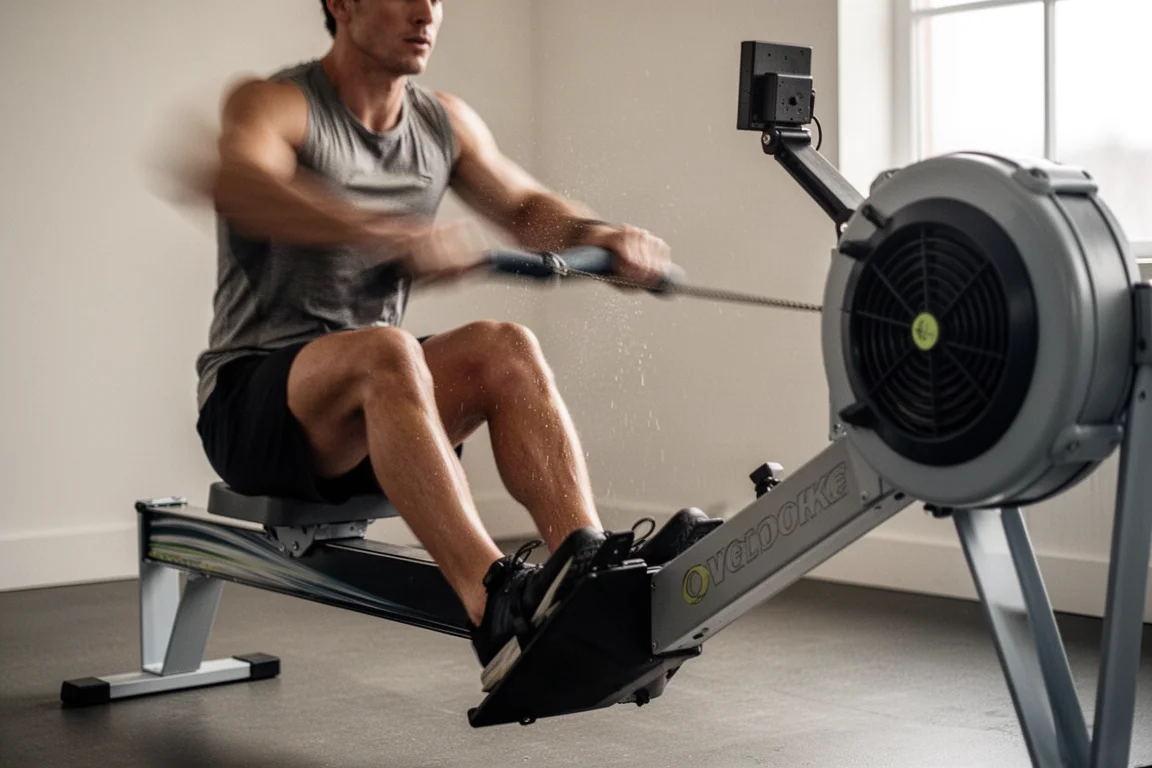
The ski erg was nearly as good. There was a brief moment reading slightly high during the warm-up, though it normalized, and a few spots around the intervals where it drifted a couple of beats per minute low or high. Even so, the overall result was impressive for a workout type that defeats many wrist-based sensors.
Weight Training: A Clear Step Up From the Wrist
On the wrist, weight training produced only a middling result for the Helio Band. On the bicep, it was markedly more accurate, with only a handful of small deviations, mainly on seated rows. Incline bench, deadlifts, and bicep curls were all handled well, with a very slight high reading on shoulder flies and solid tracking on tricep extensions.
The band also offers automatic rep counting and exercise recognition for strength training. That feature appears designed for the wrist, and the results reflect it: worn on the bicep, exercise detection and rep counts were less accurate, though it did at least correctly identify deadlifts. On the wrist, detected exercises were identified precisely, rep counting was within a rep or two, but some sets went unrecognized entirely. Everything can be edited manually afterwards, which softens the impact.
Buying Advice
If you already own or are considering the Helio Band and prefer not to wear it on your wrist, the bicep placement is a genuinely better option for heart rate accuracy, particularly for rowing, ski erg intervals, and weight training. Since no official bicep band exists yet, you will need to hunt down a compatible third-party stretch band with the right pin orientation, and not every strap will fit. If automatic exercise recognition and rep counting matter to you, keep in mind that those features work best on the wrist.
Conclusion
Worn on the bicep, the Amazfit Helio Band went from good to excellent: near-perfect outdoor cycling accuracy, strong interval performance on the rower and ski erg, and a clear improvement in weight training. The lack of an official bicep band is the main limitation, but with the right third-party strap, this $99 band becomes even more capable than its original review suggested.
Product link
View more details for Amazfit Helio Band
This product is mentioned in the review. Check the specifications, options, and compatibility before buying.
View more details for Amazfit Helio BandFurther reading
Related Reviews
Fitness Wearables
COROS EvoLab VO2 Max Review: How Close Is the Estimate to a Lab Test?
COROS EvoLab estimated a VO2 Max of 61 against a lab result of 63.5. Here is what the estimate gets right, where its limits sit, and who should trust it.
Fitness Wearables
Coros HR Monitor Review: A Simple Optical Armband That Mostly Delivers
The Coros Heart Rate Monitor broadcasts accurate heart rate over Bluetooth with a comfortable strap and solid battery life, but a few steady-state wobbles and missing features give some pause.
Fitness Wearables
Garmin Circa vs Whoop, Fitbit, Amazfit and Polar: Which Wearable Gets the Data Right?
We compare eight wearables across workout heart rate, automatic activity detection, sleep, steps and calories to see where each one earns its place on your wrist or bicep.