Camping Tents
ALPS Mountaineering Zephyr 2-Person Tent Review: Roomy Ventilation, Modest Rain Protection
A practical look at the ALPS Mountaineering Zephyr 2-Person Tent, covering setup time, interior space, ventilation, waterproofing results, and the trade-offs to weigh before buying.
Introduction
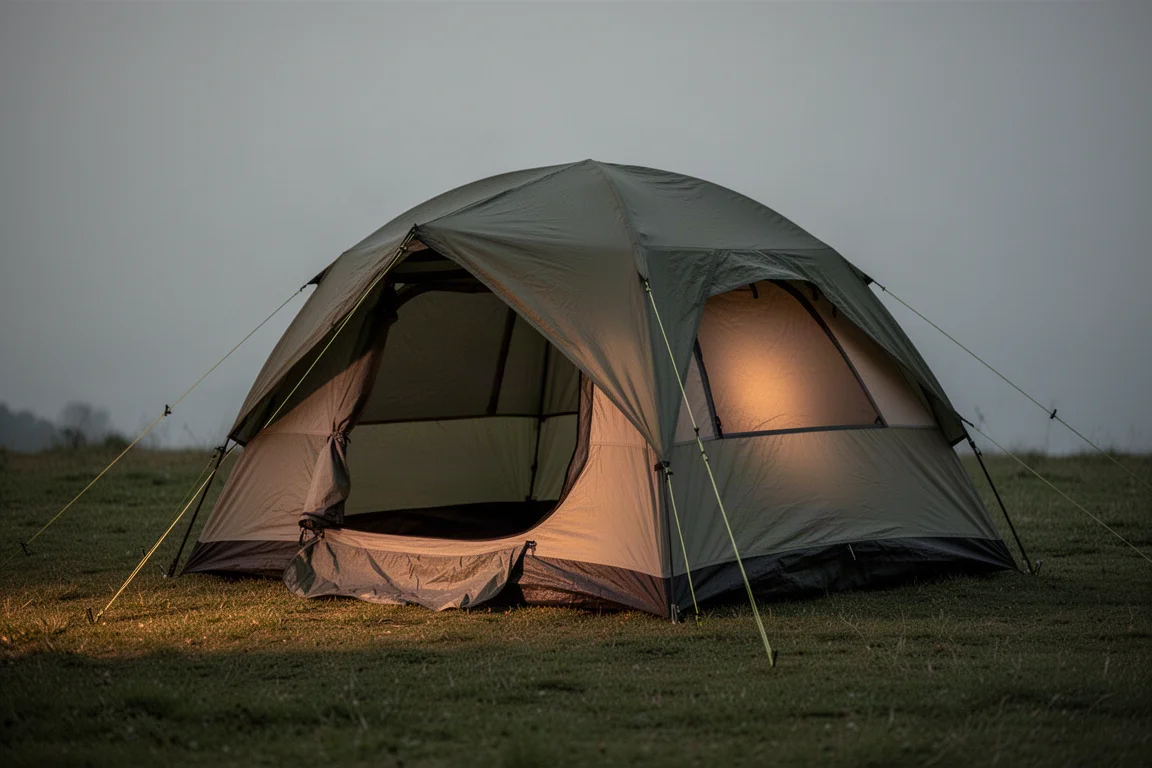
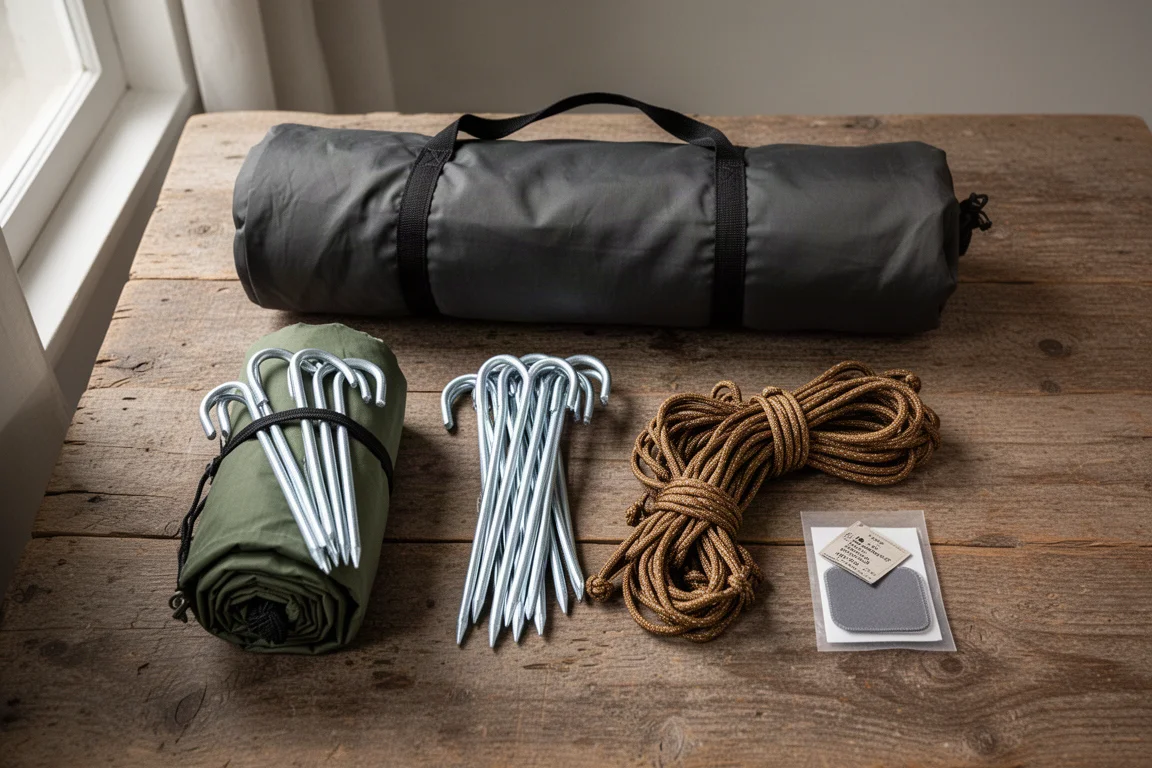
The ALPS Mountaineering Zephyr 2-Person Tent is a double-wall, three-pole shelter built for two campers. It arrives with a carry bag, the tent body, a removable gear loft, a full-coverage rainfly, 12 stakes, six guylines, repair patches, a stake bag, a pole bag, and the three poles that form its structure. Pitching runs through two main poles, 10 pole clips, a spreader pole, and a rainfly that locks down at four corners; a clean setup takes under seven minutes, and takedown lands at around six. This review walks through what works, where the tent gives ground, and who will get the most from it.
Who this product is for
This tent suits campers who value airflow and interior livability ahead of all-weather confidence. Roughly 80 percent of the tent body is micromesh, and condensation has not been an issue, so warm-weather trips are where it feels most at home. The three-pole structure, made up of two main poles and a spreader bar, creates usable interior space that two people can share without feeling boxed in. Two doors and two vestibules give each camper a separate entry and a place for gear. Anyone whose trips regularly run through long, heavy rain should read the waterproofing results below before deciding.
Main strengths
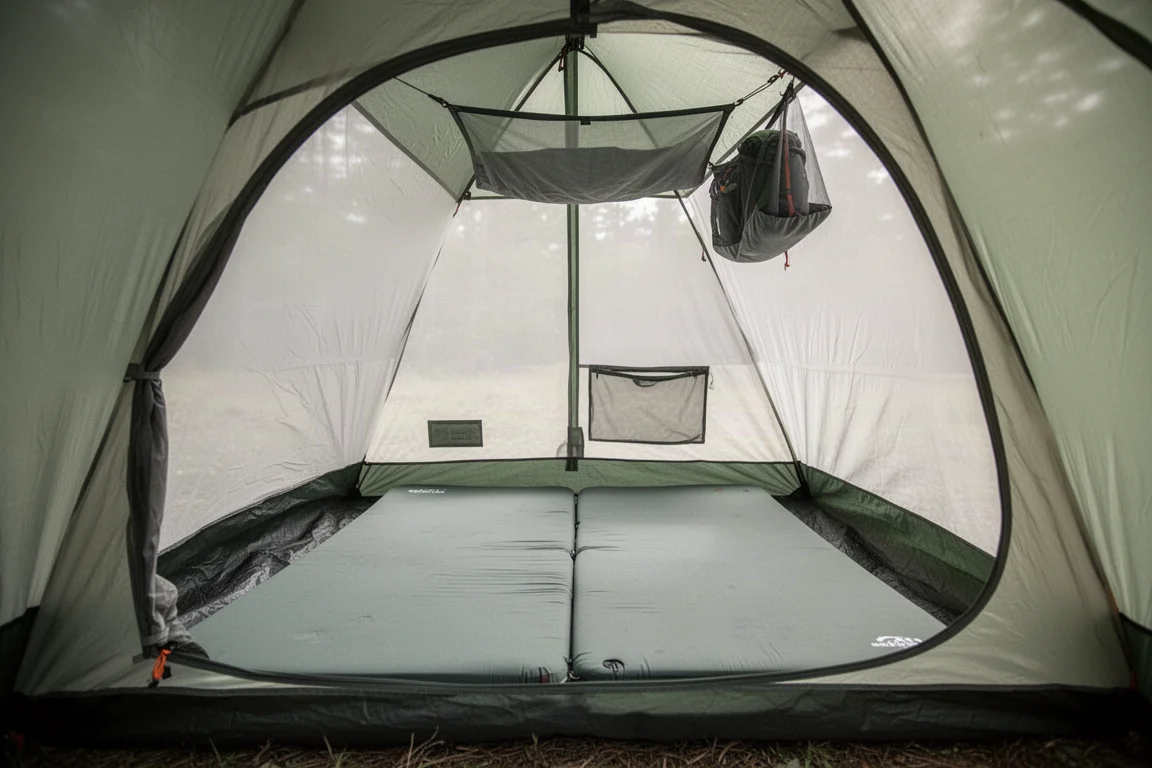
The strongest argument for the Zephyr 2 is ventilation. The body is mostly micromesh, which keeps air moving in summer heat, and both doors can be propped open with their toggles for cross ventilation. Storage is modest but workable: a pocket near the bottom measures about 9 by 4 inches, while the removable gear loft at the top measures about 18 by 8 inches. Loops left over with the loft in place can still hold a lantern.
Interior space is reasonable for the footprint. The floor runs about 87.5 inches long, tapering from roughly 57.5 inches at the head to about 42 inches at the foot. A double-wide sleeping pad fits neatly at the tapered end with no room to spare, which is a useful sizing detail if you plan to use a large pad. Each vestibule adds about 26 inches of width, or nearly eight square feet per side.
Zippers are two-way on both the doors and the vestibules, and they ran without snagging. ALPS Mountaineering also covers its gear with a limited lifetime warranty, which adds long-term peace of mind.
Setup and Interior Space
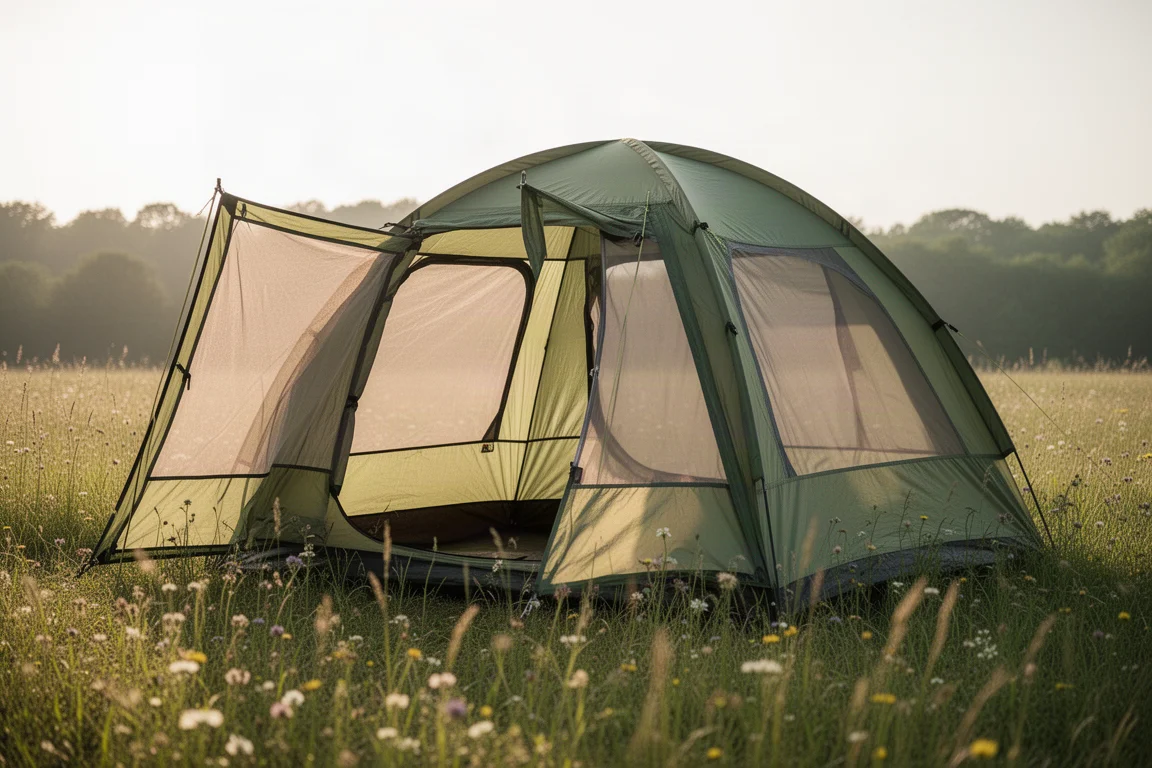
Setup follows a clear sequence: thread the two main poles through the sleeves with the longer pre-bent sections facing the head, seat the pole ends in the grommets, clip on the 10 pole clips, then add the spreader pole near the top using two more grommets. The rainfly drapes over the top with the vestibule zips aligned over the doors and the large vent at the head, and it secures with pole wraps underneath plus clip buckles at the four corners. Finish by staking both vestibules and guying out the six supplied lines. Done without mistakes, the whole process takes under seven minutes.
Headroom is the main compromise. Peak height measures about 37 inches, and the ceiling slopes gently to roughly 33 inches near the foot, so sitting up is comfortable under the peak while the space tightens as you move toward the foot of the tent.
One packing note is worth remembering: skip the gray straps while rolling the tent back up, and slot them on only once the tent is fully packed.
Weather Protection and Materials
Waterproofing starts with a bathtub floor that runs around the entire tent and stands about seven inches high on both the widths and the lengths. The floor seams and corner seams are taped, and the taping stops at the top of the tub; the tent body above it is not taped. The rainfly is a different story, with every seam taped and a full-coverage cut that extends almost all the way to the ground.
The rainfly also brings useful detailing. There is an extra guy-out point at the head with a short guyline that pulls the fly away from the body, plus a stake-out point at the foot without a guyline. Two vents manage airflow: a large one at the head, held open with a supplied guyline, and a smaller one near the foot, held open by a Velcro kickstand.
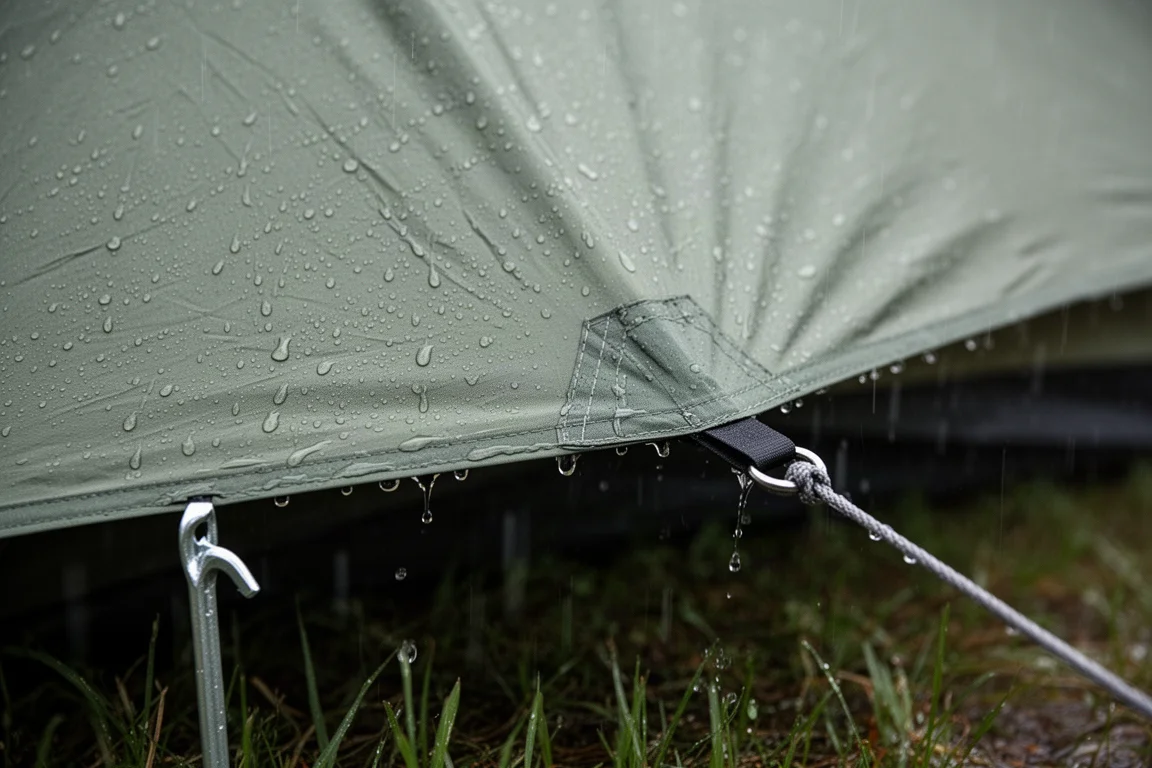
In a heavy rain test, the rainfly became soaked through after about 30 minutes and water dripped through the mesh into the tent. Water also drips inside when the door is opened, because the tent body curves outward under the fly. The remaining waterproofing features did not leak.
Materials are straightforward: a 75-denier polyester taffeta floor with a 3,000 mm coating, a 75-denier polyester rainfly with a 1,500 mm coating, 7,000-series aluminum poles, micromesh walls, shockcord guylines with easy-to-use tensioners, and aluminum shepherd hook stakes. The tent meets flammability requirements and is made in China.
Things to consider before buying
A few details deserve attention. Peak height sits below the roughly 40 inches common on many two-person tents, so taller campers should think about how easily they sit up inside. There is no color-coding on the poles or the body, which makes the first few pitches less intuitive than they could be.
The rainfly results are the biggest caveat, both in the short term, where water can drip into the tent when the door opens, and over time, since the waterproof coating does not hold up for long. The zippers are lightweight 3F units rather than YKK, trading durability for weight. The doors measure about 36 by 28 inches, on the smaller side for a two-person tent, and each vestibule has only one webbing stake-down point, so just one panel opens and closes, and the vestibule cannot be rolled entirely away because the opposite side has no toggle.
Storage is limited to a single pocket and the gear loft, and the loft does not sit tight against the ceiling, so heavy items should stay out of it. The mesh also reads as fairly white rather than transparent, which slightly limits stargazing.
Buying advice
The Zephyr 2 makes the most sense for campers who camp mainly in mild weather and want airflow, two doors, and a wide sleeping area at a reasonable price. It is a functional, well-ventilated tent with a lifetime warranty behind it, and the three-pole frame gives it a livable feel for its class.
Buyers who expect to camp through sustained rain, or who want a taller ceiling and more refined detailing, should weigh those priorities carefully, because the rainfly performance and the low peak height are the two areas where this tent gives ground.
Before your first trip, check pad sizing against the tapered 42-inch foot width and run through the pole sequence once, since the lack of color-coding makes the first pitch slower than later ones. When packing up, leave the gray straps for last so the tent rolls down cleanly.
Conclusion
The ALPS Mountaineering Zephyr 2-Person Tent gets the fundamentals of a two-person shelter right: generous mesh ventilation, two doors, two vestibules, a three-pole frame that creates livable interior space, and a limited lifetime warranty. It also comes with real compromises, including a low peak height, no color-coding, lightweight zippers, limited storage, and a rainfly that soaks through in heavy rain. For fair-weather campers who prioritize airflow and interior room, it is a sensible and functional choice. For anyone who camps through serious rain, those trade-offs deserve a careful look first.
Product link
View more details for ALPS Mountaineering Zephyr 2-Person Tent
This product is mentioned in the review. Check the specifications, options, and compatibility before buying.
View more details for ALPS Mountaineering Zephyr 2-Person TentFurther reading
Related Reviews
Camping Tents
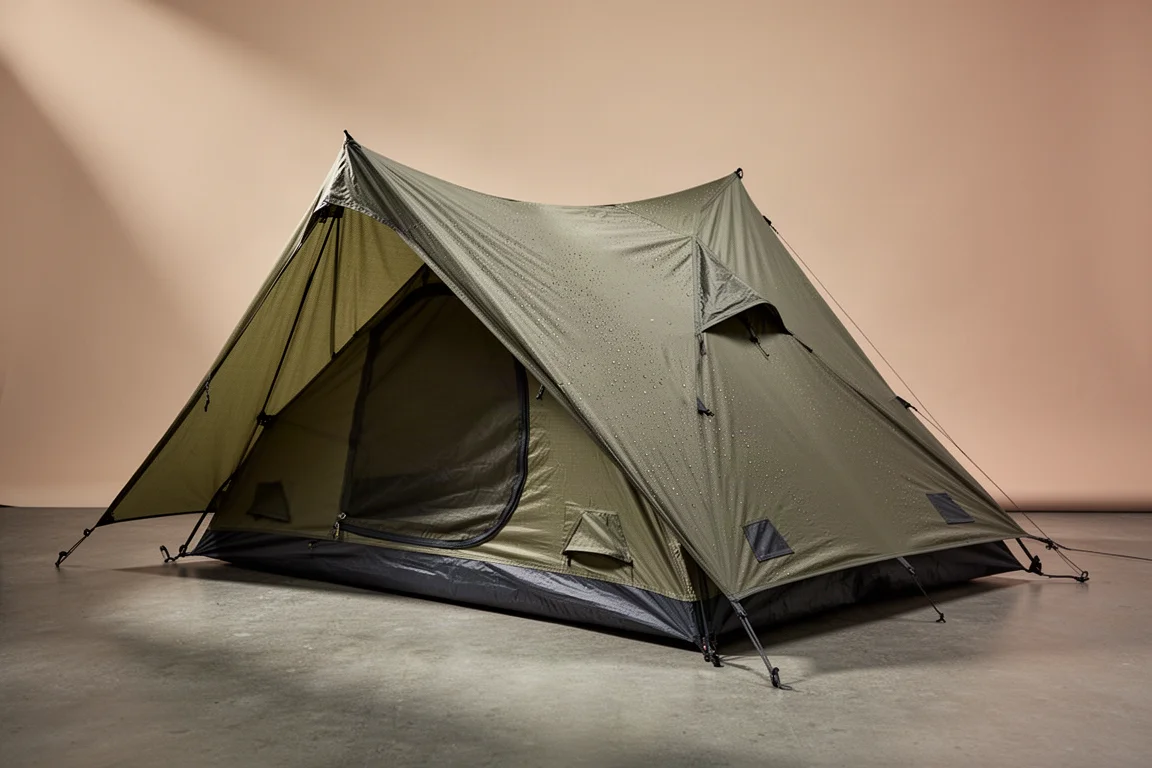
3F UL Gear Taiji Two-Person Tent Review: Field Waterproofing Results and Buying Advice
The Taiji pairs an attached fly with a removable inner, but sustained rain exposed untaped vent seams that need sealing before this shelter can be trusted.
Camping Tents
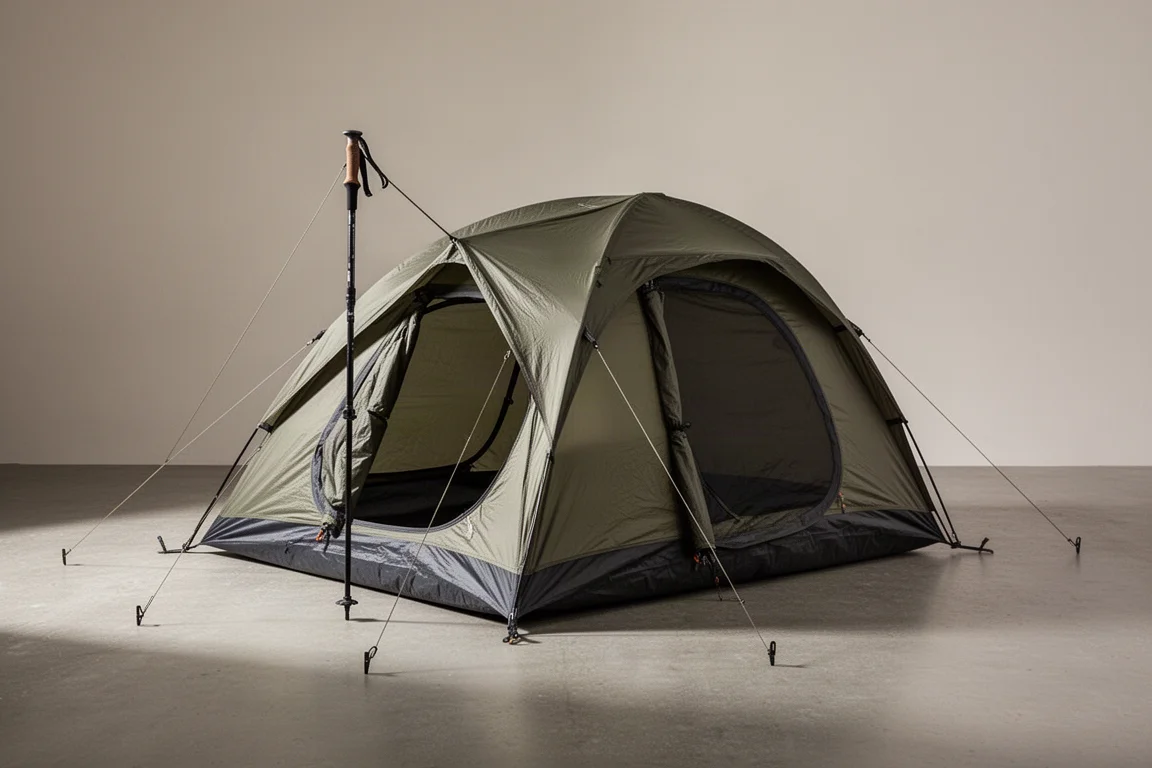
3FUL Gear Lanshan 2 Pro 4-Season Review: A Sub-$200 Single-Wall Trekking Pole Tent
An early look at the 3FUL Gear Lanshan 2 Pro 4-Season, covering its straightforward pitch, generous interior space, and the condensation and seam-sealing questions that come with any single-wall shelter.
Camping Tents
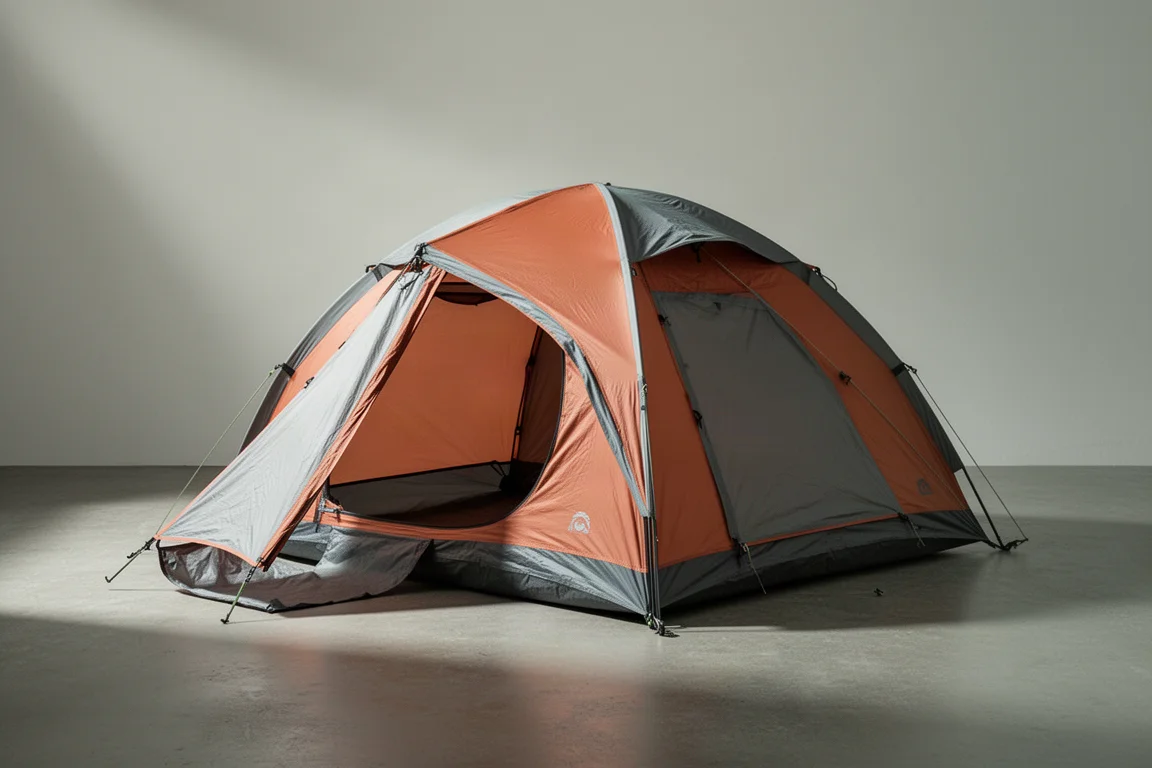
Alps Mountaineering Lynx 1-Person Tent Review: Big Value in a Small Budget Tent
A close look at the Alps Mountaineering Lynx 1-Person Tent, covering real interior dimensions, materials, setup time, ventilation limits, and who should buy it.