Bivy Tents
Alps Mountaineering Stealth One Bivy Tent Review: Step-In Space With Real Trade-Offs
A detailed look at the Alps Mountaineering Stealth One bivy tent, covering its step-in design, materials, setup quirks, ventilation limits, and who should buy it.
Introduction
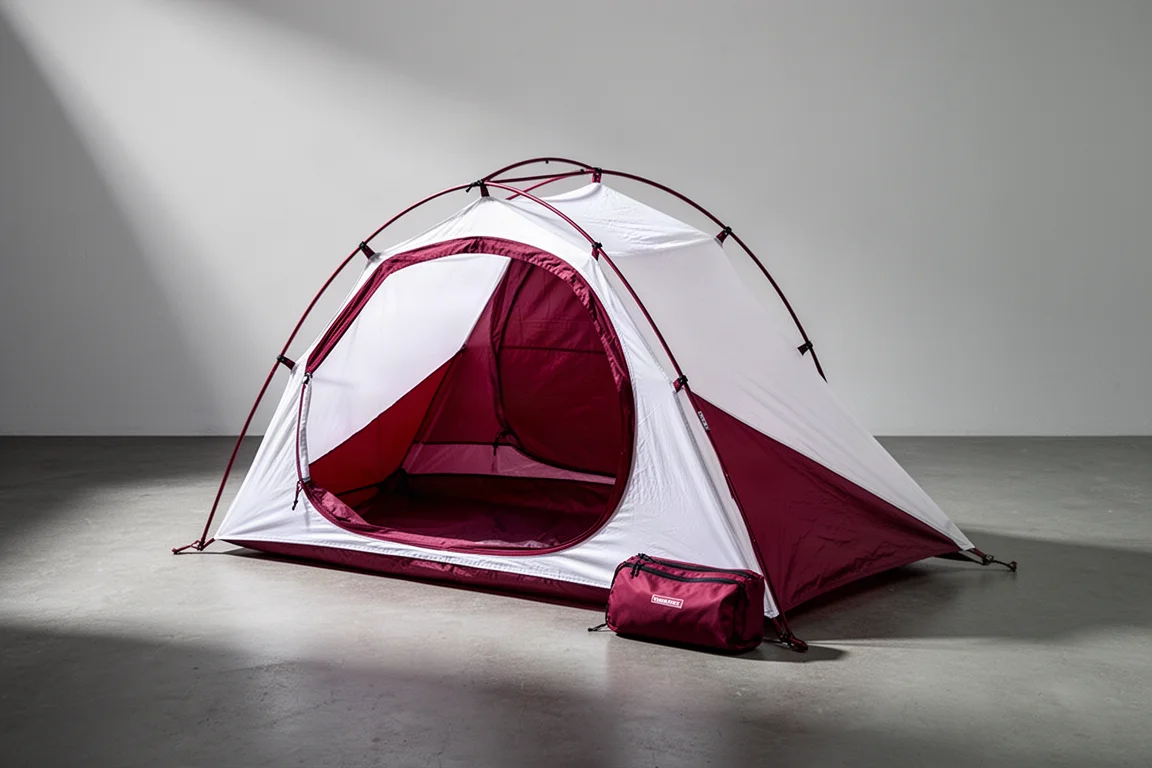
Alps Mountaineering is best known for a white and blue palette, which is exactly why the Stealth One catches the eye. This single person bivy arrives in a cranberry ash colorway, a white and red combination that reads more like a winter shelter than a low-profile camping tool. The design is unusual too: a hooped bivy with a step-in opening rather than the crawl-in entry found on most traditional bivvies. It retails for around $120 and is regularly discounted closer to $100.
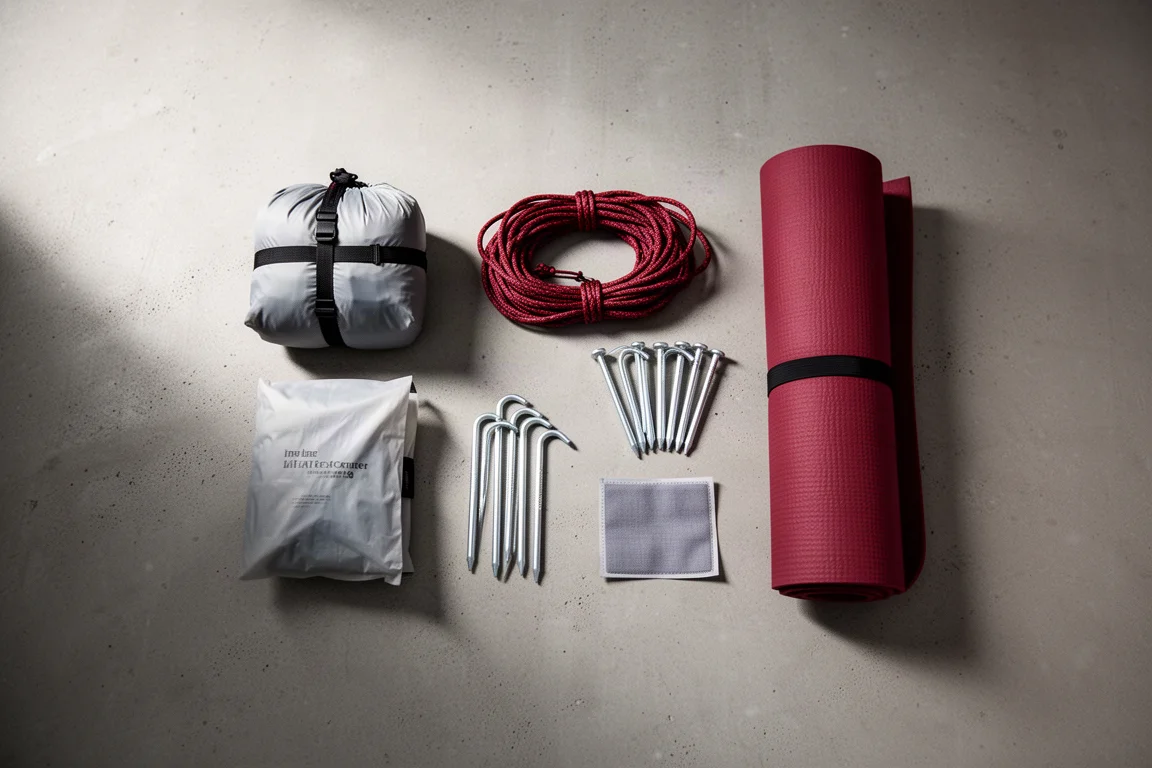
The package includes a storage case that looks like an oversized first aid kit, two fiberglass poles, six tent stakes, and a small repair kit with mesh bottom fabric and top fabric. Below is a close look at how the Stealth One is built, how it pitches, and the conditions where it makes sense.
Who This Product Is For
The Stealth One is aimed at backcountry travelers who want a compact, low-profile shelter for mild weather. Its strongest case is a calm, cool, dry night where you want a small footprint, quick access, and enough length to stretch out without carrying a full tent.
It is a poor match for warm or humid nights. Because there is no mesh panel at the head end, you cannot leave the shelter partly open for airflow while staying protected from insects. The choice is fully closed or fully open, which narrows the range of conditions where this shelter works well.
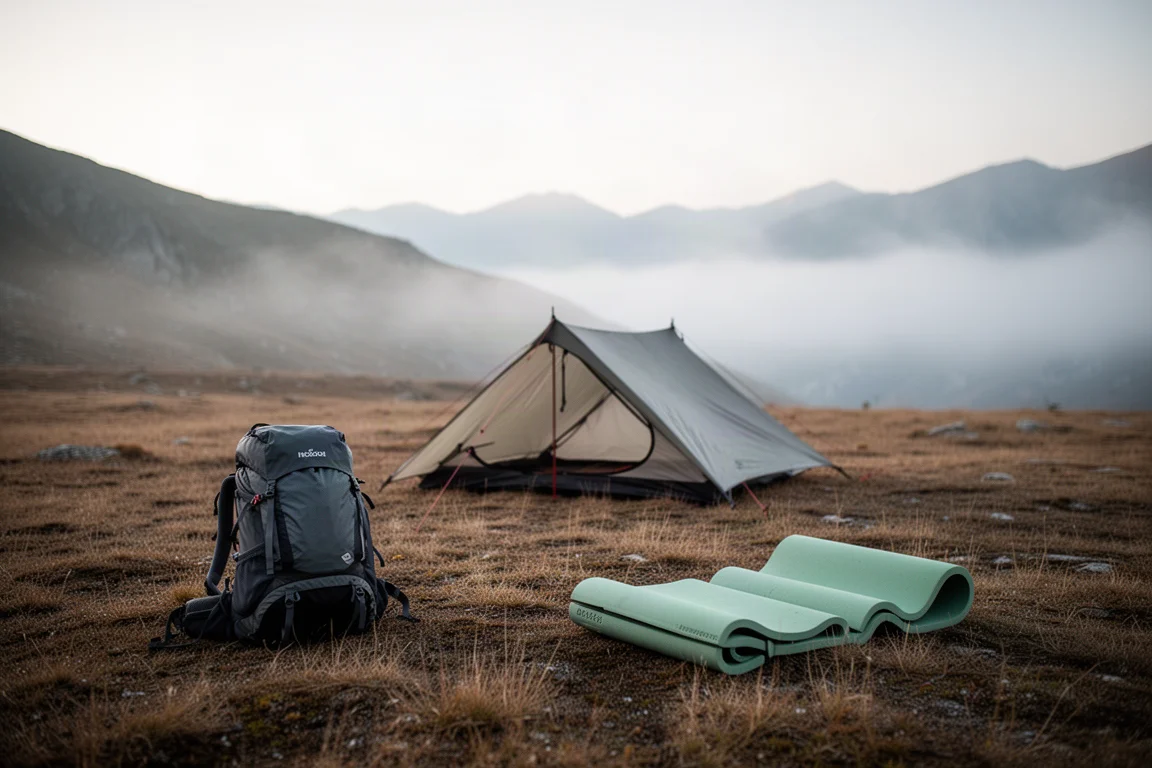
Riders and hikers who mainly camp in exposed, dry, breezy terrain will get the most from it. Anyone who camps in humid valleys, near water, or through mosquito season should treat the Stealth One as a fair-weather option at best.
Main Strengths
Setup is straightforward once every component is present. You stake out the corners at the head and the foot, then thread the two fiberglass poles through their sleeves. The long pole goes to the head and the short pole to the foot box, with velcro closures securing the pole on one side and a sewn sleeve on the other.
The step-in entry is the standout feature. You can kick off your boots and step inside instead of crawling in, and the interior is genuinely roomy for a bivy: 7 feet of length, roughly 32 inches of width at the head, and 16 inches of height at the head end. A bathtub floor and a single mesh pocket round out the interior.
Build quality looks solid. The stitching is neat and the seam tape is applied cleanly. The storage case has two zippers and multiple lashing loops so it can be strapped to a pack, and the included repair kit covers both the mesh bottom fabric and the top fabric.
Setup and Design Details
The two poles arrive wrapped in velcro and held under tension, so they need to be unwrapped slowly and carefully before use. At the foot box, one sleeve is sewn closed on both ends and the other closes with velcro, which means the pole has to be fed in from the side before the velcro is secured.
The guyline placement at the foot box uses three points: one at each side and one in the middle that serves the vent. That arrangement works well for the vent, but it is not ideal for the overall pitch. Pulling low on the shelter puts pressure into the middle of the structure rather than the top, so the material stretches and sags over time. There are no additional guyline points on the main walls, which would have helped pull the fabric away from the occupant.
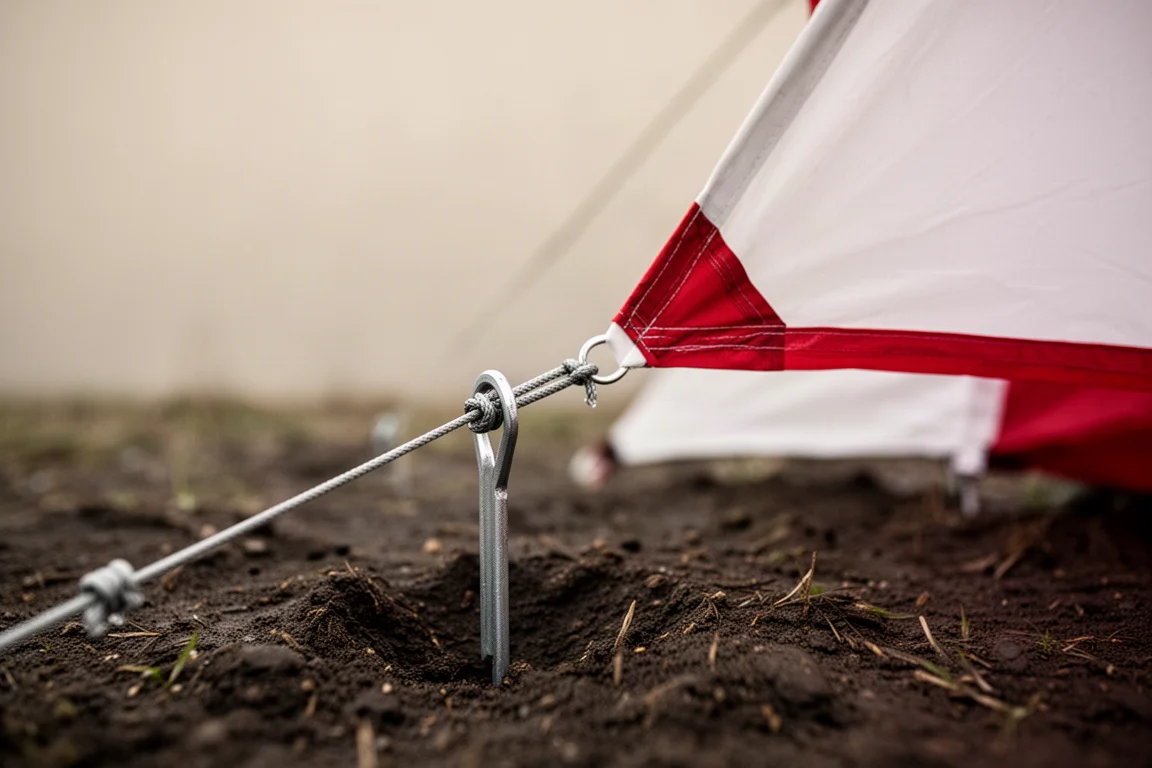
In the supplied kit, the second guyline was missing, which left the shelter impossible to pitch completely until a replacement line was sourced. That is worth checking the moment the package arrives, since a single missing cord determines whether the shelter can be used at all.
Ventilation and Interior Space
The head end has no mesh panel. That makes the door an all-or-nothing proposition: fully zipped or fully open. With the fly closed, heat builds quickly inside, and the two small vents, one at the head and one at the foot box, are not enough to move meaningful air or manage moisture.
Inside, the walls sit close to the occupant. With no way to tension the side walls outward, the fabric rests against a sleeping bag, which makes condensation a realistic problem on cool, still nights. Sealed up against insects, the interior warms sharply, and an open door is the only real relief.
Things to Consider Before Buying
Component completeness is the first thing to verify. The design calls for two guylines, and a kit that ships with one cannot be pitched properly without a replacement.
Sag is the second concern. Because the stake-out points sit low and there are no wall guylines, the fabric has no way to be pulled outward, and the material is likely to stretch further once it gets wet.
Weather protection matters too. The step-in opening makes entering and exiting during rain awkward, and doing so will wet the inside of the shelter. A traditional crawl-in bivy lets you get in and out while keeping the interior dry.
Weight is worth weighing honestly. The bivy alone is 1 lb 12 oz, and the full kit is 2.1 lb. To use a shelter like this adequately in anything but calm weather, a tarp over the top is advisable, which adds more weight on top of that. This is not an ultralight setup.
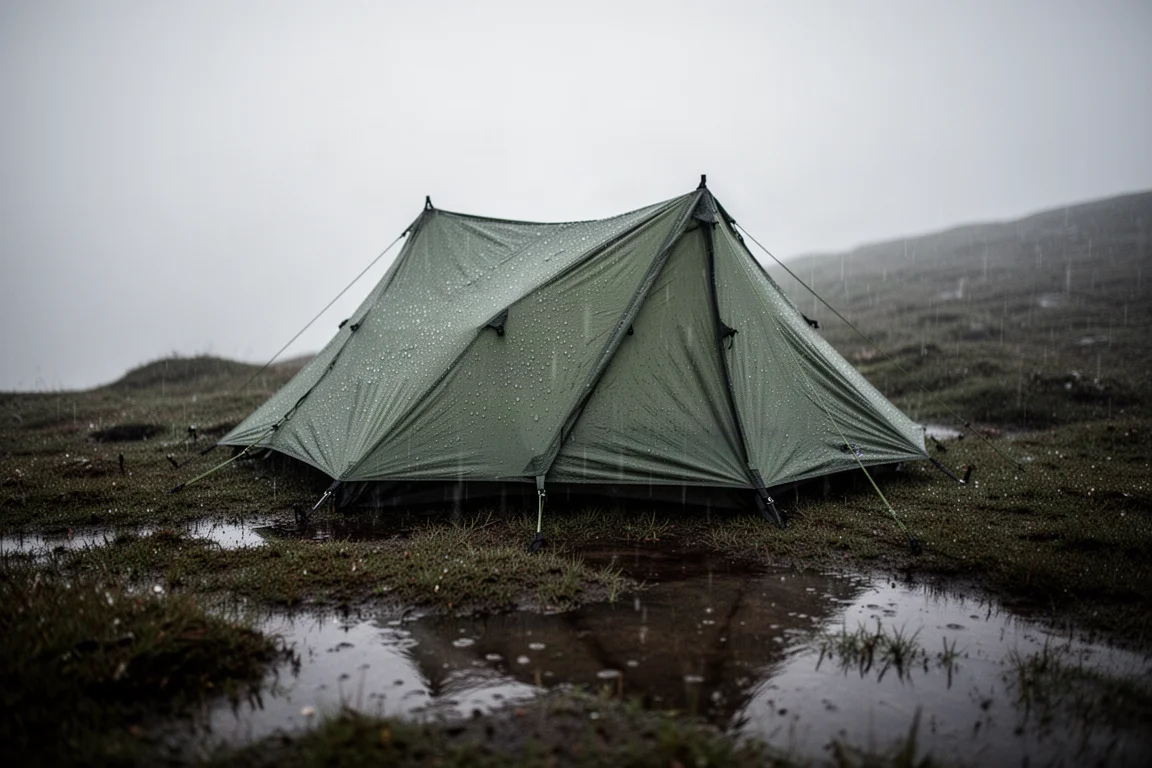
The color deserves a mention as well. Despite the name, the white and red fabric stands out clearly in most terrain. That does not make it a bad shelter, but it does mean the Stealth One name sets an expectation the product does not meet.
Materials, Weight, and Packability
The fly is a 75 denier 185T polyester with a 1500 mm hydrostatic head rating. The floor is a 150 denier polyester Oxford with a 2,000 mm hydrostatic head rating. Those are durable, mid-weight materials rather than featherweight ones, and the construction quality on the sample looks good, though waterproof performance still needs real-world testing to confirm.
The kit includes two fiberglass poles, six tent stakes, and, in this case, only one guyline where two are expected. The stakes have holes at the top but no pull cords, which makes them harder to remove from firm ground. Minimum weight for the bivy alone is 1 lb 12 oz, the full kit comes in at 2.1 lb, and the packed size is 12 by 11 by 3 inches. A repair patch kit for the mesh bottom and top fabric is included.
Buying Advice
The Stealth One makes sense for one specific scenario: calm, cool, dry camping where you want a small footprint and easy step-in access. If that describes your trips, the roomy interior, bathtub floor, and tidy construction give you a usable shelter at an approachable price, with retail around $120 and sale pricing near $100.
If your trips involve humidity, insects, or a real chance of rain, plan for a tarp over the top, or look at a lighter traditional bivy that keeps its interior dry during a downpour. Either way, inspect the package on arrival and confirm that both guylines and all six stakes are present before you rely on it.
Value here depends less on the price tag and more on matching the shelter to your conditions. At roughly $100 to $120 for a polyester bivy, it is not a bargain in material terms, so it only earns its place if the step-in design and interior space genuinely suit how you camp.
Conclusion
The Alps Mountaineering Stealth One is a distinctive design with a genuinely useful step-in entry and a roomy interior for a bivy. It is also held back by the absence of head-end mesh, limited ventilation, low stake-out geometry that encourages sag, and a kit that did not include every component needed to pitch it.
Buy it if you camp in calm, cool, dry conditions and value easy access over low weight. Skip it, or pair it with a tarp, if you need airflow, insect protection, or reliable performance in rain. Be safe, be smart, and check the components before your first night out.
Product link
View more details for Alps Mountaineering Stealth One Bivy Tent
This product is mentioned in the review. Check the specifications, options, and compatibility before buying.
View more details for Alps Mountaineering Stealth One Bivy TentFurther reading
Related Reviews

Backpacking Gear
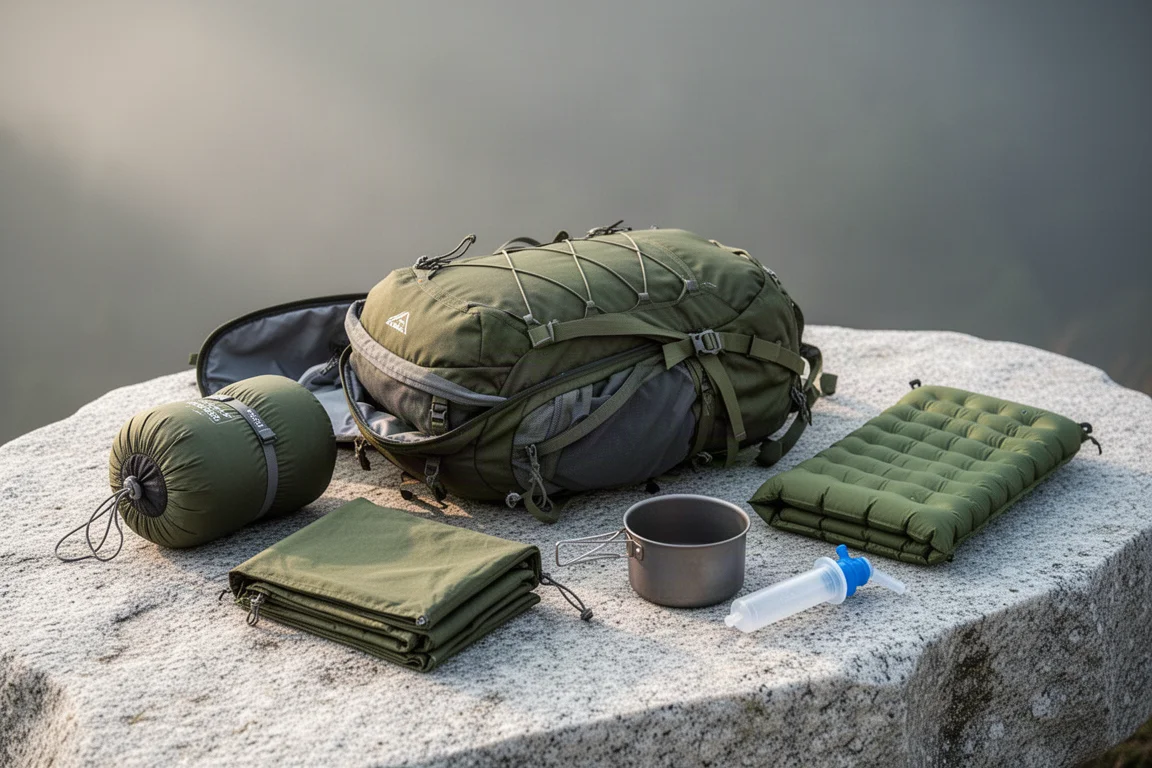
Building a 10 lb Base Weight: An Ultralight Backpacking Gear List
A practical walkthrough of the ultralight pieces behind a 10 lb base weight, from a 765 g pack and a roomy one-person tent to a full camp chair and a dependable water filter.
Backpacking Gear
A 15-Pound Lightweight Backpacking Gear List for Solo Trips
A beginner-friendly 15-pound backpacking setup built from easy-to-find gear, with notes on what each piece does, how it packs, and where to spend your attention.
Trail Running Gear
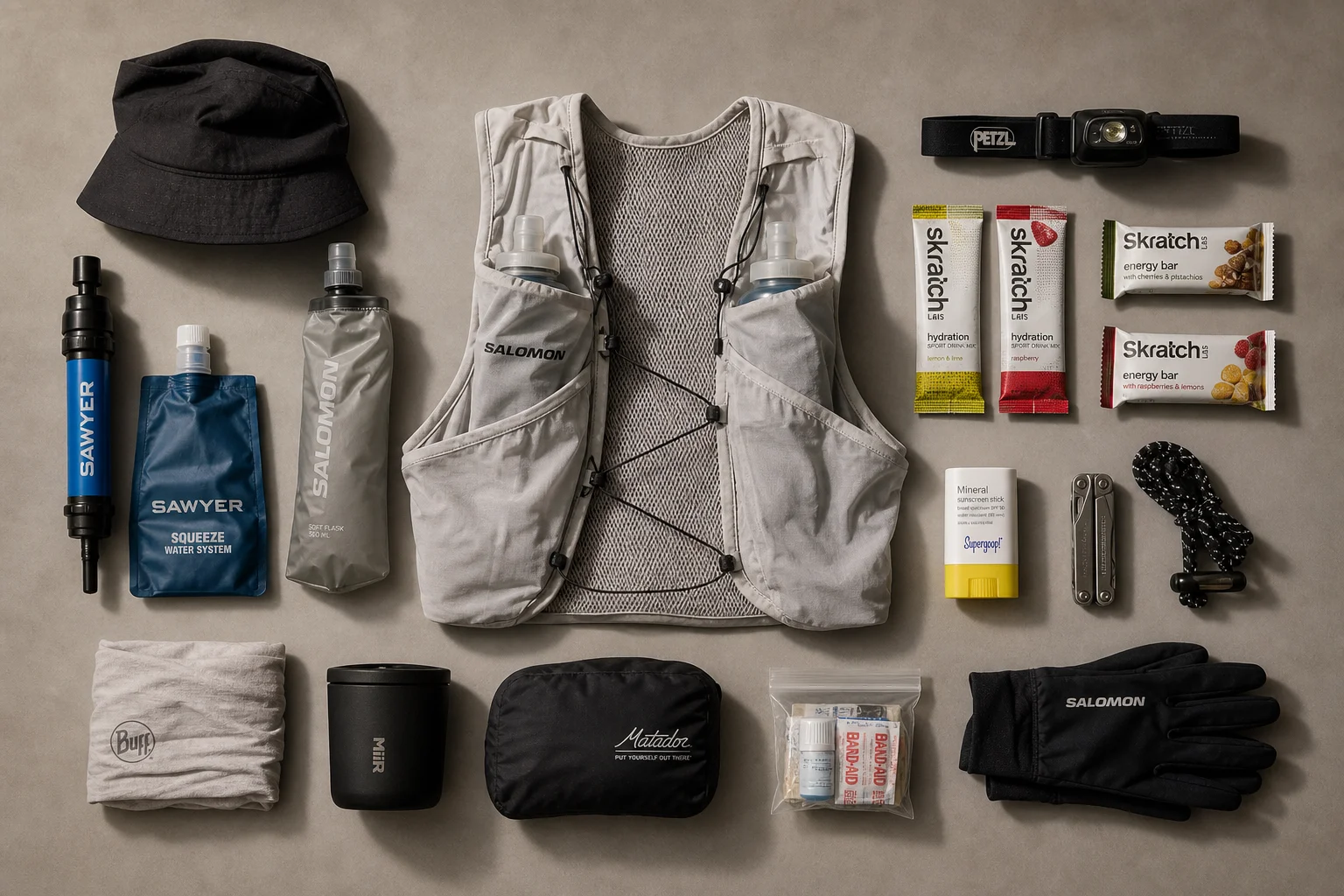
28-Mile Trail Run Pack Loadout: Ultralight Gear for High Alpine Self-Supported Running
A complete breakdown of gear, clothing, hydration, nutrition, and safety equipment for a 28-mile high alpine trail run with 7,800 feet of elevation gain.