Camping Tents
Alps Mountaineering Ranger 1 Review: A Standing-Height Cot Tent for Summer Camping
A huge three-season shelter built around stand-up headroom, cot space, and serious airflow, with a pitching process that asks for patience.
Introduction
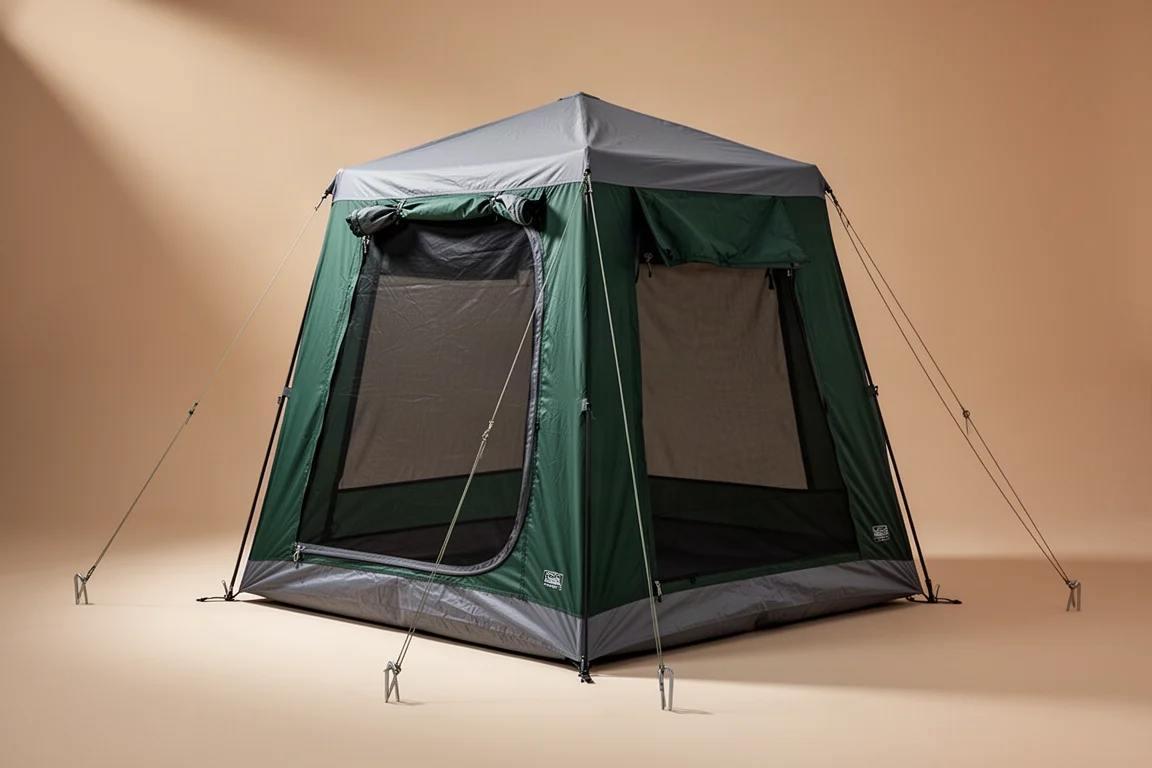
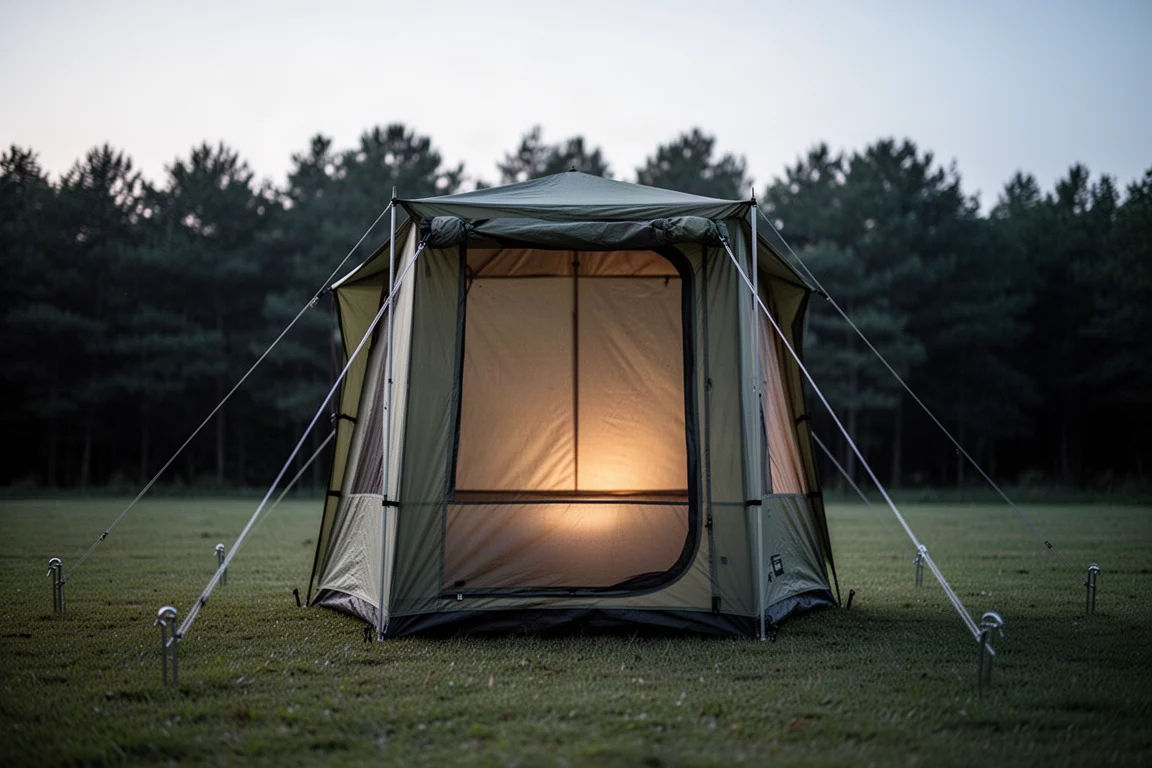
The Alps Mountaineering Ranger 1 is a tent built around three very specific goals: stand-up height for one person, room for a camping cot, and enough mesh to stay comfortable through a hot summer night. Nearly every design decision follows from those goals, including the tall, boxy profile that looks unlike most three-season shelters.
After two trips with this tent, the overall picture is positive. It is genuinely enormous inside, ventilation is excellent, and it handled conditions well beyond its intended season. It is also one of the more demanding tents to pitch, and that is the trade-off anyone considering it needs to weigh honestly.
Who This Product Is For
The Ranger 1 is a one-person tent when a cot goes inside, and a two-person tent when the cot stays home. Interior height reaches 75 inches, or 6 feet 3 inches, which means campers up to roughly 6 feet 1 inch can stand upright without stooping. Length runs 91 inches, with about 48 inches of width at the middle of the tent and about 63 inches at the floor.
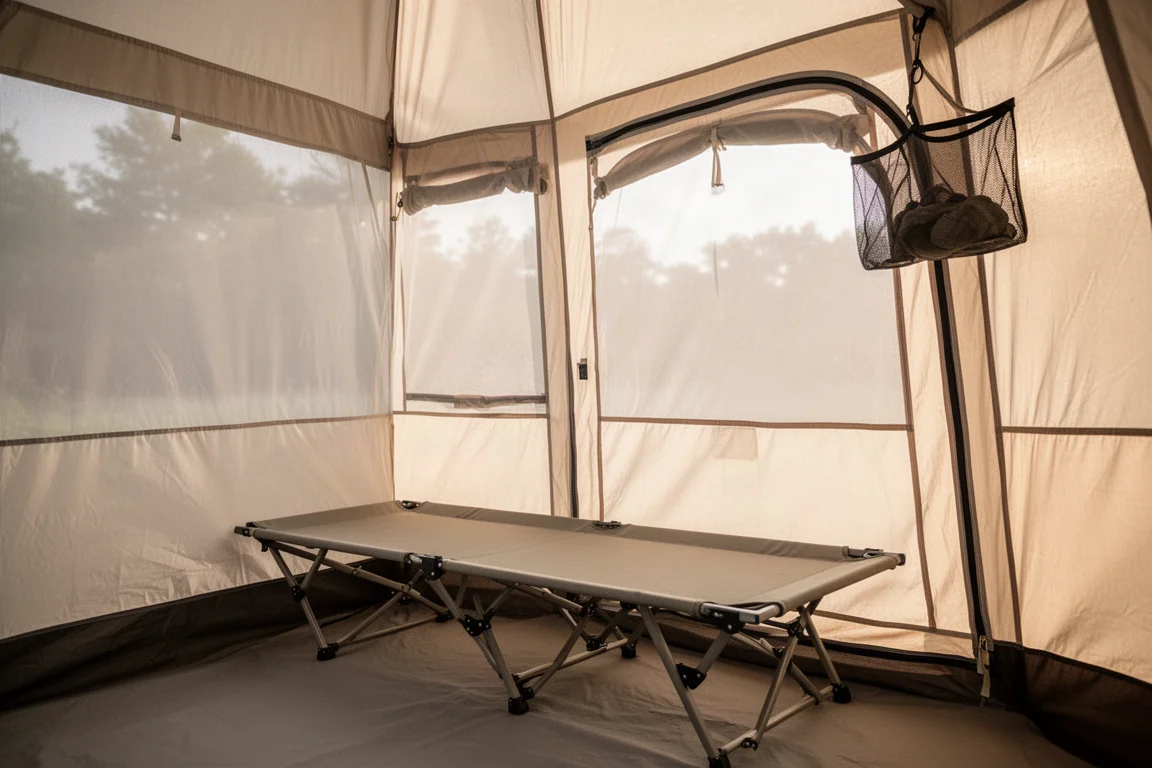
That combination makes it a basecamp-style shelter rather than a backpacking tent. A single camper with a cot still has room left over for a small table, a chair, and a stove or heater used with proper ventilation. Two adults fit comfortably without a cot. It is a three-season tent designed for warm conditions, so summer camping is where it makes the most sense. Three-season shelters can be used in winter, but they come with real compromises, and this one is no exception.
Main Strengths
Space and access are the obvious wins. The door is huge and uses two-way zippers with a storm flap covering them, so getting in and out with gear is easy. The bathtub floor rises roughly 6 inches at the perimeter. A corner access port lets a power cord reach inside for campground use, and interior attachment points hold the two mesh caddies that ship with the tent, along with a small sleeve at the top for a light.
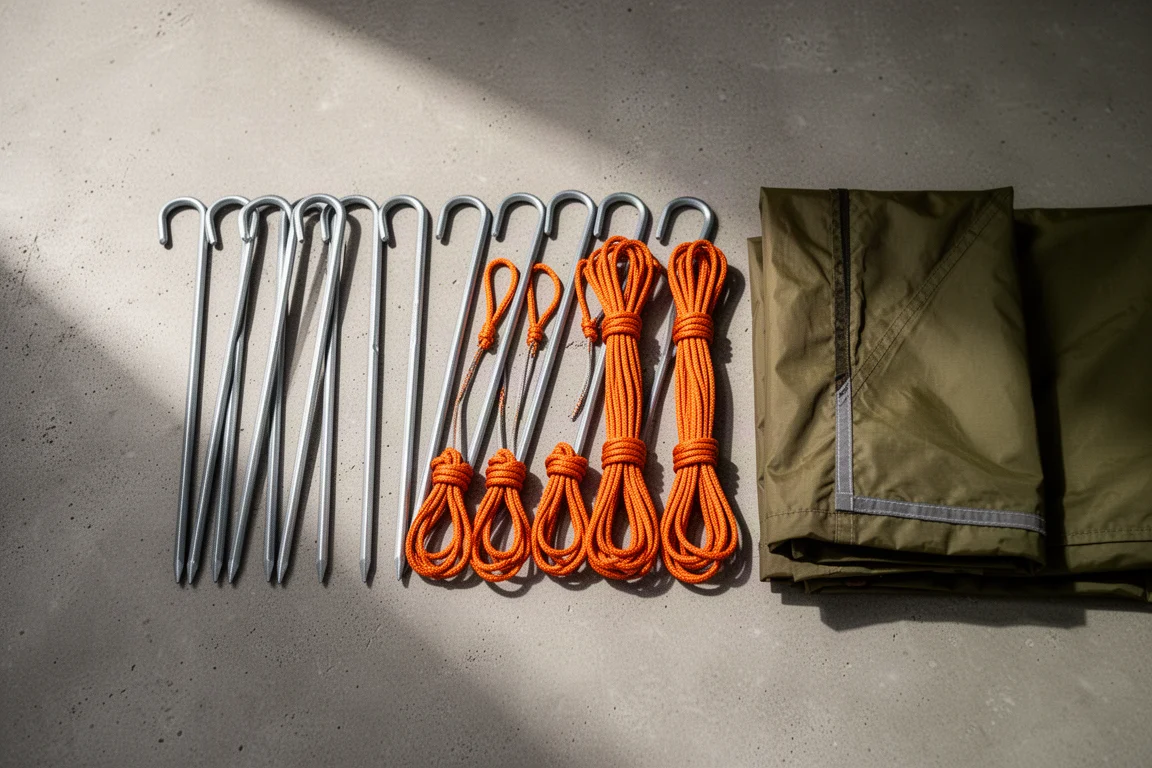
Build quality is fairly good by the standards of the brand. There are occasional loose threads here and there, but nothing that looks likely to cause a problem. The included hardware is substantial: eleven steel shepherd hook stakes and seven guy lines, plus steel and fiberglass poles.
Ventilation and Interior Space
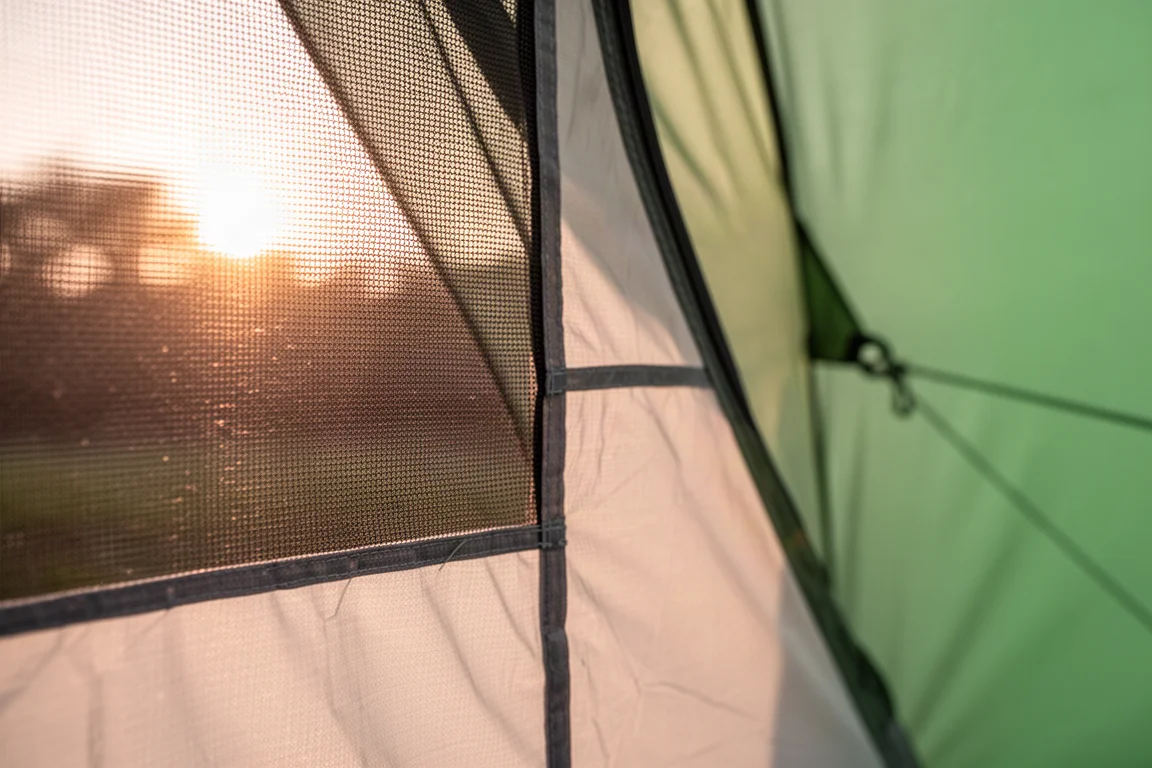
Ventilation is the headline feature. Large mesh panels cover the door, both sides, and the back, while fabric runs across the top and along the perimeter. The fly stands off the body, which promotes drying and limits condensation. In practice, condensation stayed minimal on a cold, snowy outing with the tent closed up as much as ventilation allowed, and it stayed minimal on a mild-weather trip with two people inside.
For warm-weather camping, that airflow is the main reason to choose this shelter. The mesh coverage is exactly what you want in summer and exactly what you do not want in deep winter, which is worth remembering before committing to it as a year-round tent.
Weather Protection and Materials
The fly is 75D 185T polyester with a 1,500 mm waterproof rating. The floor is 210D polyester Oxford with a 5,000 mm hydrostatic head rating. Poles are a mix of steel and fiberglass, and the stakes are steel.
Waterproofing looks promising so far. On one trip the weather started as rain, then transitioned to snow as temperatures dropped quickly, and the tent did not leak in the rain, in the snow, or as the snow melted. Heavy rain camping is still the outstanding question, and that is the test that will say the most about long-term weather protection.
Wind is a separate matter. The boxy shape catches air, and gusts around 9 mph were enough to move the tent noticeably. Staking it out every single time is not optional: around the perimeter, and at the fly corners up top as well.
Things to Consider Before Buying
The cot fit is tighter than the marketing implication suggests. An average-size folding camp cot does fit, but only barely. It presses against the walls and stretches the material, so you have to be careful not to snag or tear the mesh while positioning it. A few extra inches of length and width would have solved the problem entirely.
Weight and packed size are also worth planning around. The tent weighs 16 pounds and packs to about 2 feet long and roughly 6.5 inches wide and tall. That is heavy, though it makes sense for a shelter this large. One more practical annoyance: the storage bag is too small to get the tent back into comfortably, even when rolled as tightly as possible.
Setup Complexity and Packed Size
No printed setup instructions are included, which is a genuine oversight on a tent this involved. The storage bag holds a small slip of paper directing owners to an online setup walkthrough instead.
The reason instructions matter here is that the poles are all different. Four orange poles and three fiberglass poles, each with its own length and thickness, have to go in very specific locations and in a specific order. Get the sequence wrong and the tent simply cannot be assembled. Expect 15 to 20 minutes of work solo, possibly a little faster with a second person helping. It is a chore, but not an impossible one, and it is not severe enough to rule the tent out.
Buying Advice
The full retail price is $280, and around $238 was the going rate at the time of writing, with deeper discounts available if you search around. This is one of the pricier tents the brand offers, so sale prices are worth waiting for.
Buy it if stand-up headroom and a proper cot setup matter more to you than a fast pitch. A camper who wants to walk in, stand up, and sleep off the ground will find a lot to like here, and the ventilation makes it a genuinely pleasant summer shelter. Skip it if you want a tent you can throw up in five minutes without thinking, or if you plan to carry it any real distance. The setup process is the one thing you have to accept going in, and once you have it dialed, everything else about this tent is easy to live with.
Conclusion
The Ranger 1 delivers on the three promises that define it: you can stand up inside, a cot fits, and the airflow is excellent. Its weaknesses are practical rather than fundamental. A missing instruction sheet, an order-dependent pitch, a snug cot fit, and an undersized storage bag are all fixable annoyances, and none of them undermine the shelter itself.
For warm-weather campers who want space and comfort over speed, this is a compelling option, particularly at a discounted price. Just budget the first pitch as a learning session, and stake it out properly every time.
Product link
View more details for Alps Mountaineering Ranger 1
This product is mentioned in the review. Check the specifications, options, and compatibility before buying.
View more details for Alps Mountaineering Ranger 1Further reading
Related Reviews
Camping Tents
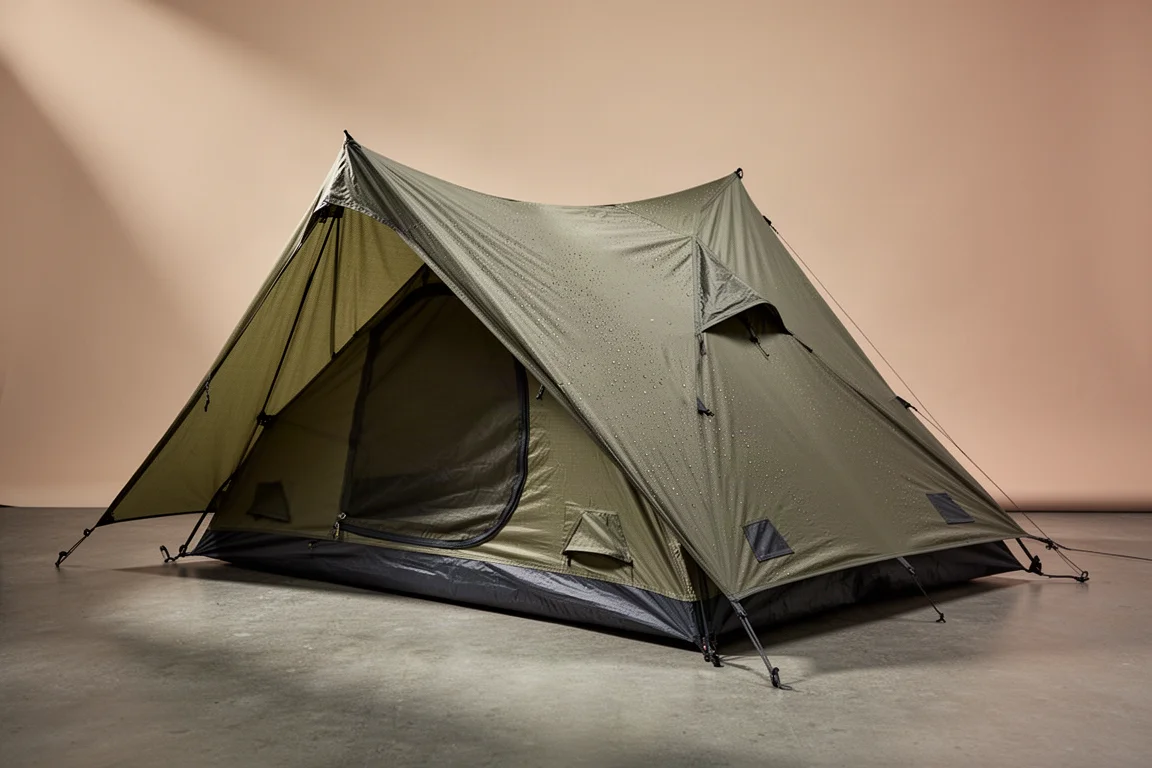
3F UL Gear Taiji Two-Person Tent Review: Field Waterproofing Results and Buying Advice
The Taiji pairs an attached fly with a removable inner, but sustained rain exposed untaped vent seams that need sealing before this shelter can be trusted.
Camping Tents
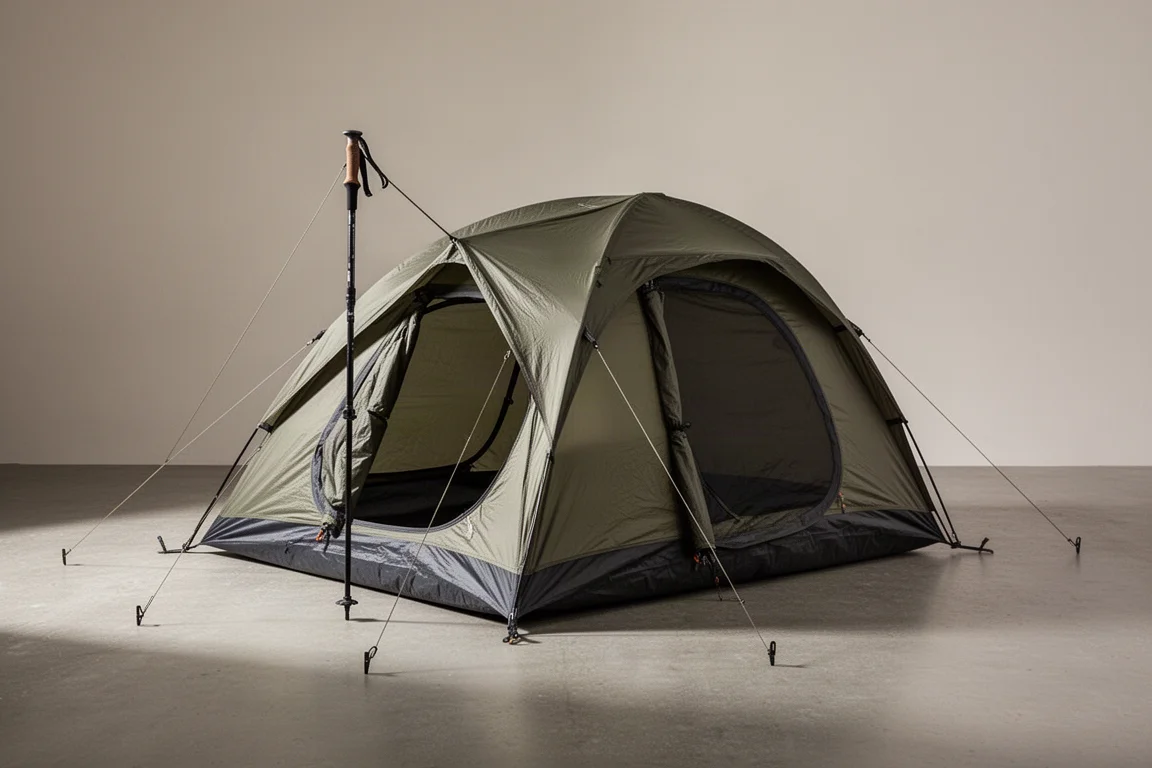
3FUL Gear Lanshan 2 Pro 4-Season Review: A Sub-$200 Single-Wall Trekking Pole Tent
An early look at the 3FUL Gear Lanshan 2 Pro 4-Season, covering its straightforward pitch, generous interior space, and the condensation and seam-sealing questions that come with any single-wall shelter.
Camping Tents
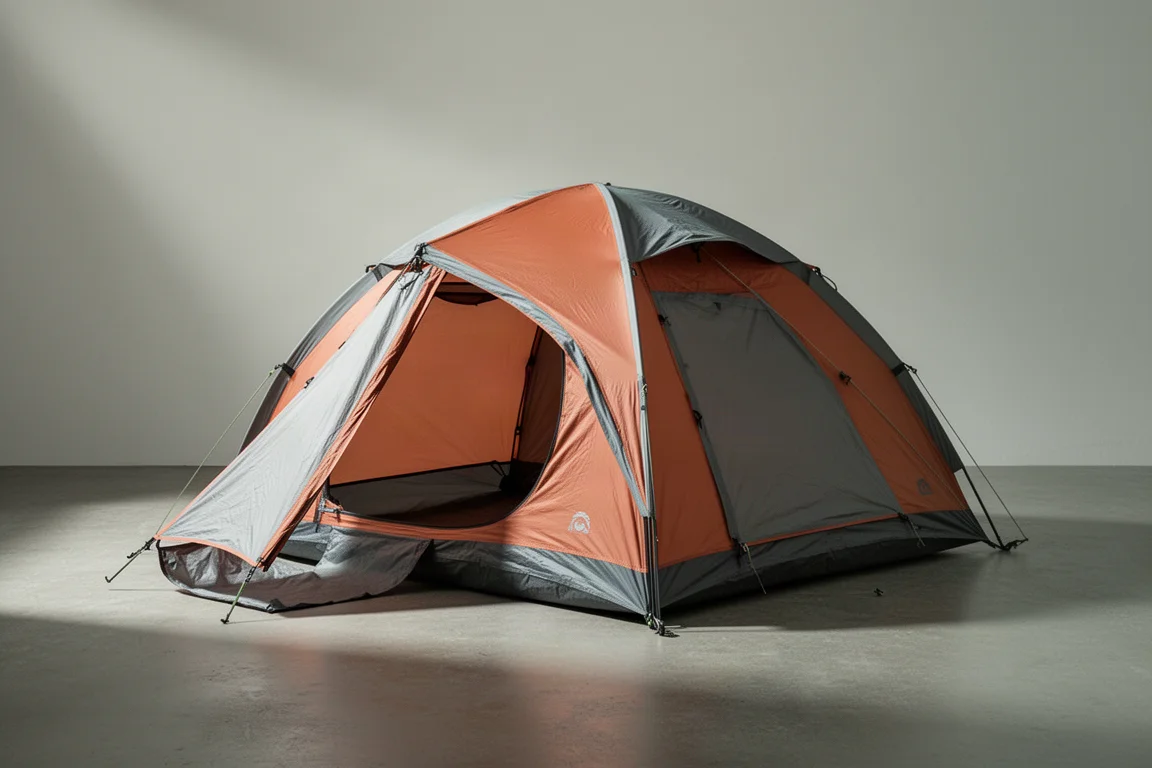
Alps Mountaineering Lynx 1-Person Tent Review: Big Value in a Small Budget Tent
A close look at the Alps Mountaineering Lynx 1-Person Tent, covering real interior dimensions, materials, setup time, ventilation limits, and who should buy it.