Camping Tents
ALPS Mountaineering Meramac 6 Review: A Six-Person Tent Built for Value
A close look at the ALPS Mountaineering Meramac 6, covering setup time, real interior space, rain performance, materials, and the trade-offs to weigh before buying.
Introduction
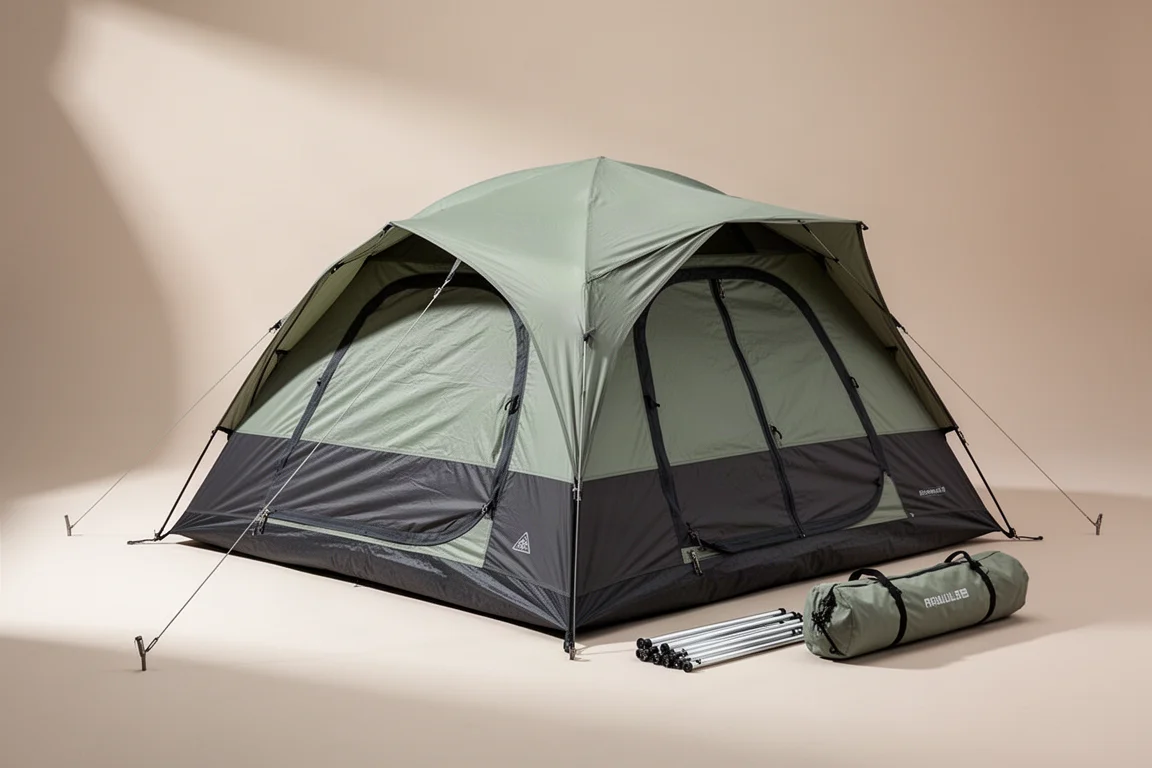
The ALPS Mountaineering Meramac 6 occupies a useful middle ground. It costs only a few tens of dollars more than the most affordable six-person tents on the market, yet it arrives with two doors, a complete set of guylines and guy-out points, and a lifetime warranty that many budget competitors do not offer. For campers who need genuine space without pushing the budget, that combination is worth a closer look.
This review covers how the tent goes together, how much room it really provides, how it behaves in sustained rain, and where it makes compromises. The aim is straightforward: help you decide whether this is the right tent for the trips you actually take.
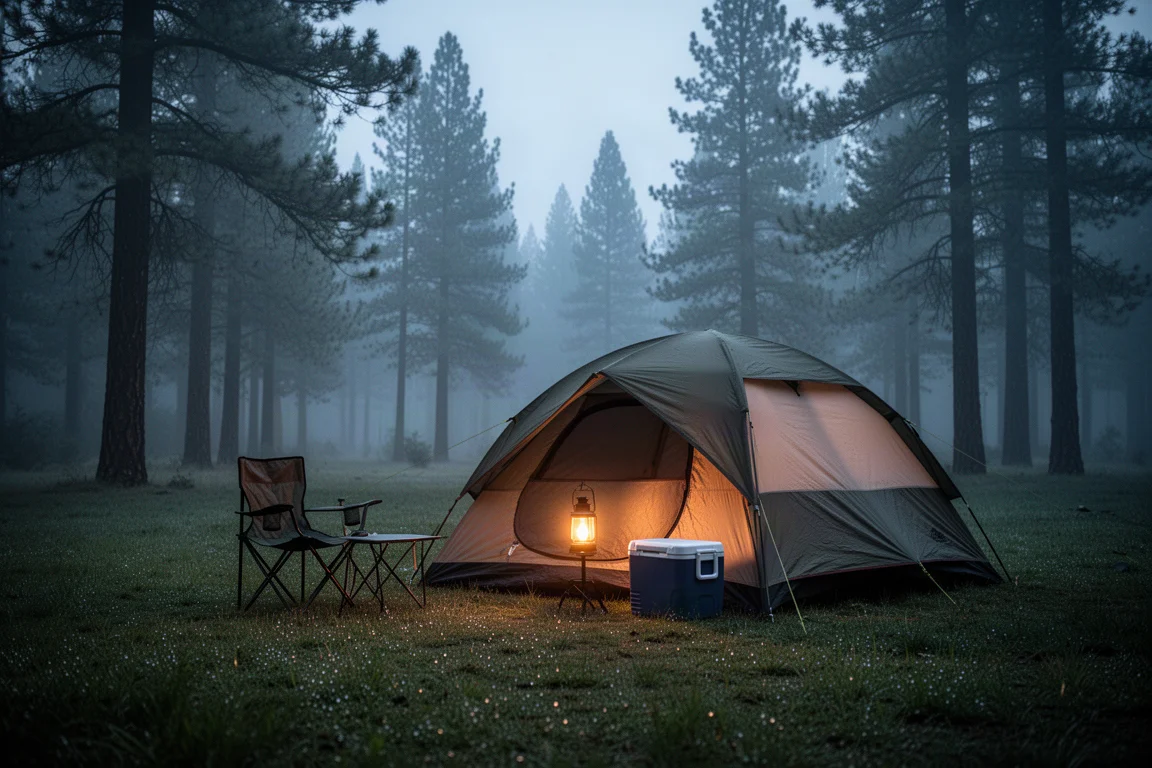
The Meramac 6 is a dome-style tent with a full-coverage rainfly and a base area of roughly 92.5 square feet. It can sleep up to six people on pads, although the practical capacity depends on how much gear you bring along.
Who the ALPS Mountaineering Meramac 6 Is For
This tent makes the most sense for car campers, families, and anyone who wants a large sleeping area without paying a premium. The two-door layout is a genuine convenience when several people share a tent, and the generous fabric coverage suits shoulder-season and colder-weather camping, where a warmer interior matters more than airflow.
It is less suited to backpacking. At around 15.8 pounds for everything, it belongs in a vehicle. Campers who regularly ride out long, heavy storms should also weigh the rain performance described below against their own expectations, because the shorter rainfly coverage at the front and back leaves parts of the tent body more exposed than a fully extended fly would.
Setup and Structural Design
Setup is conventional and quick to learn. Two longer poles slot into the pins at the corners, the top clip attaches to the top pole, and roughly 20 pole clips run around the tent body. The third pole runs down the centre of the rainfly and is held by pole pockets, after which the rainfly drapes over the tent with that pole positioned above the two doors. Eight pole wraps and four clip buckles at the corners secure the fly, and the final step is guying out the six guylines and staking the body down with eight stakes.
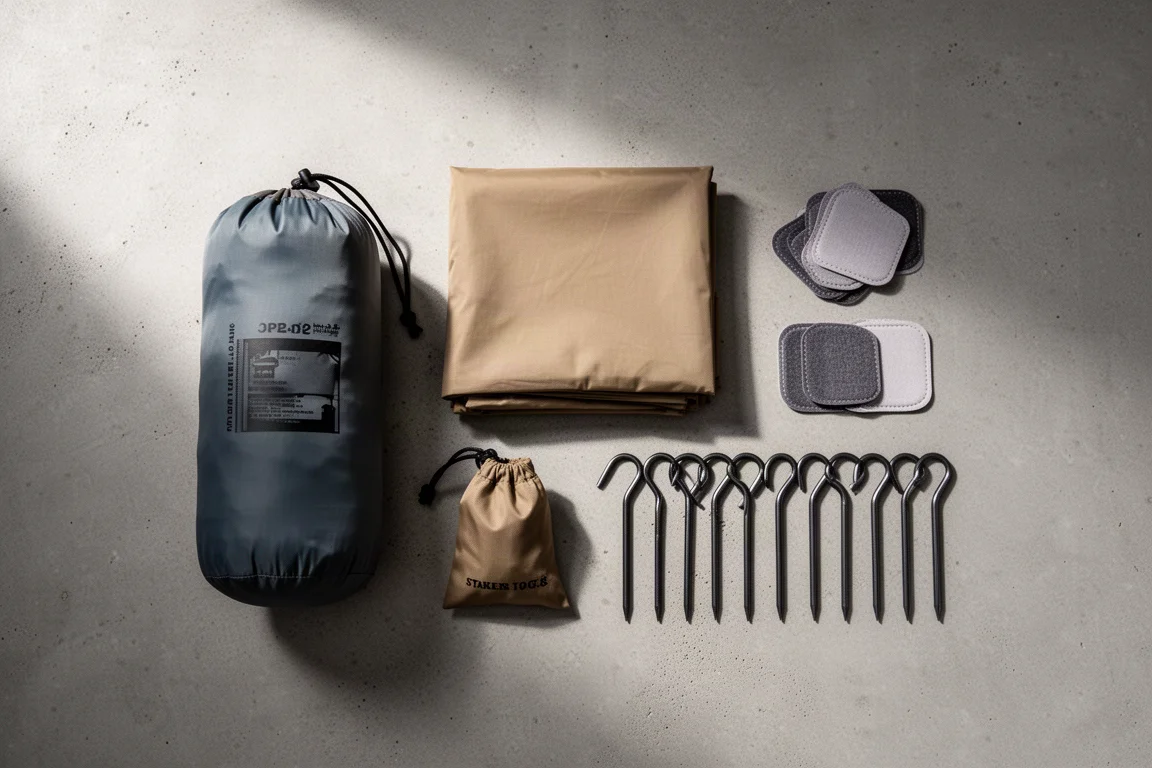
A full pitch takes about 12 minutes, and takedown runs about 11 minutes. The package includes the rainfly, gear loft, carry bag, tent body, three poles, repair patches, six guylines, 14 stakes, and a stake bag.
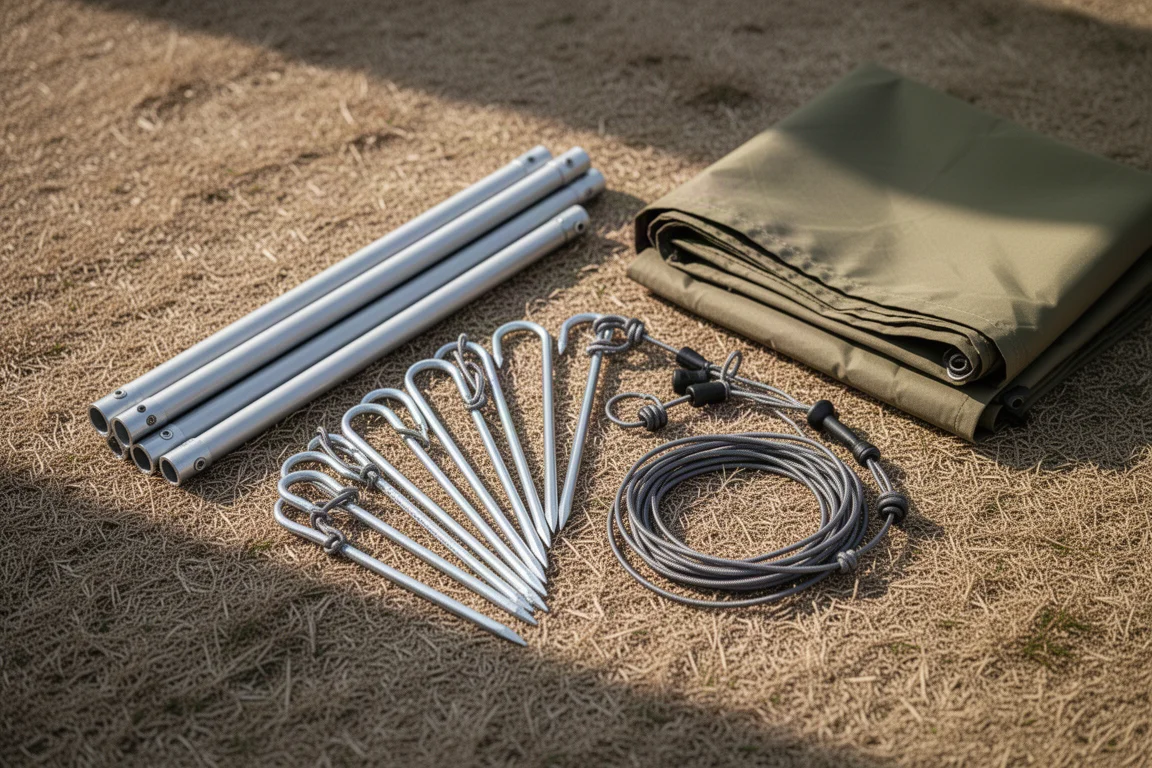
Packed down, the tent measures roughly 26 by 9.5 by 8 inches, with a short handle at the top for carrying. The poles are fiberglass and about 11 millimeters thick, which is typical for this price bracket. One practical annoyance is the carry bag: it is a tight fit, and getting everything zipped away can take about a minute on its own, which slows down packing at the end of a trip.
Interior Space and Comfort
The base is square, measuring 115.5 inches on both the length and the width, for a total of about 92.5 square feet. Five pads fit across the top with a sixth at the bottom, leaving some space for gear, but the arrangement is snug: the pads sit shoulder to shoulder and close to the walls, and the sloping sides eat into usable space at the edges.
Peak height is about 72.5 inches, just over six feet, and it occurs only in the middle of the tent. The roof slopes away from that point, so taller campers will find headroom disappears quickly after a couple of steps to either side. With four people instead of six, the interior feels noticeably roomier and less cramped along the walls.
The two doors measure about 46 inches wide by 58.5 inches long, but the doorway stands only about 58 inches from the ground to the top, so most adults will duck on the way in and out. Each door has two zippers and a rain flap at the bottom that occasionally catches the zipper. The two windows, one at the front and one at the back, sit on the doors themselves and open to about 43 by 24 inches, each held by two toggles. Their bug netting is non-removable, with openings that look larger than no-see-um mesh but smaller than standard mosquito netting. The zippers are unbranded yet run without snagging in most cases, though the door toggle sometimes gets in the way.
Storage is modest for a tent this size: two double pockets, each about 17 by 7 inches with a small divider in the middle, plus a removable 20 by 20 inch gear loft that reattaches with four S-hooks to felt loops on the ceiling. A loop at the top still allows a lantern to be hung even with the gear loft in place.
Rain Protection and Materials
Waterproofing starts with a tub floor that wraps the entire base, rising more than a foot at the sides and about 8 inches at the front and back. Seams are taped throughout, including the floor seams, the mid-body stake loops, all corners, and the full rainfly.
Rainfly coverage is asymmetrical by design. The left and right sides extend almost to the ground, while the front and back are shorter and rely on a small awning held up by the rainfly pole to cover the doorways. The longer sides include vents at the base, and short guylines let you pull the fly away from the tent body to create a sizeable ventilation gap. Those same guylines can be readjusted from outside to pull the fly close to the body when you want to hold warmth in during cold weather.
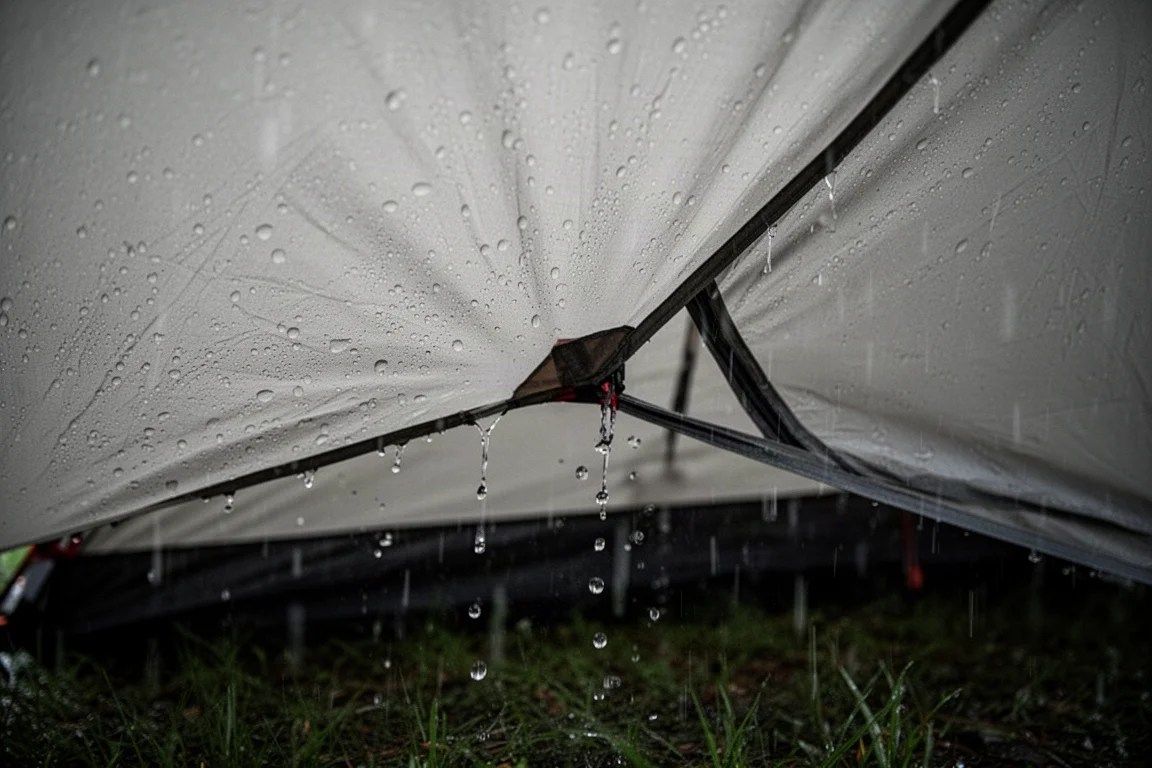
In heavy rain, the tent soaked through after about 30 minutes. Water came in through the door rain flap and through a section of fabric above the tub floor, rather than through the taped seams, which held up as intended. Because the rainfly covers relatively little of the front and back, a good deal of water runs directly over the tent body. One corner leaked heavily, and the cause turned out to be a hole in the fabric.
The materials are consistent with the price. Both the floor and the rainfly use 75D polyester taffeta with a 1,500 millimeter coating, the zippers are unbranded number 8 zippers, and the poles are fiberglass. Guylines are standard shock cord with easy-to-use tensioners, and the stakes are simple shepherd hooks. The tent meets flammability requirements and is made in China. Under the rainfly, mesh accounts for roughly a quarter of the tent body, with the front and back almost entirely fabric and only a couple of small mesh panels on the sides.
Things to Consider Before Buying
- Storage is limited for a tent of this size, with only two double pockets and one gear loft.
- Mesh coverage is lower than the Coleman Sundome, which helps in cold weather but makes the tent warmer in hot conditions.
- Rain performance is roughly on par with the Coleman Sundome, which also lasts around 30 minutes in heavy rain.
- Quality control is a real consideration. This particular tent arrived with a hole in one corner, which let water in during the rain session.
- The carry bag is a tight fit and adds time to every pack-up.
Buying Advice
The case for the Meramac 6 rests on value and design rather than outright weather performance. It undercuts the premium end of the six-person market while still delivering two doors, enough stakes, enough guylines, guy-out points on all four sides of the rainfly, and double the number of body stakes you would expect at this price. The lifetime warranty is a meaningful advantage too, since the Coleman Sundome does not include one.
If your trips are mostly fair-weather, car-based, and shared with family or friends, this tent offers a lot of usable space for the money. If you camp in prolonged heavy rain or expect a tent to shrug off a full storm without extra preparation, the shorter front and back rainfly coverage and the observed leakage are worth taking seriously. Buying from a retailer with a straightforward return policy is a sensible safeguard given the quality control variance.
Weighing it all up, the Meramac 6 is a well-equipped budget tent with a clear set of strengths and a clear set of limits. Matching those limits to your own camping habits is the whole decision.
Conclusion
The ALPS Mountaineering Meramac 6 earns its place as a spacious, affordable six-person tent with thoughtful touches that budget rivals often skip: two doors, a complete stake and guyline kit, full seam taping, and a lifetime warranty. It pitches in about 12 minutes, packs down to a manageable size for a vehicle, and provides a genuinely large sleeping area.
Its weaknesses are equally clear. Storage is thin for the size, mesh coverage is limited, and rain protection held up for only about half an hour in heavy downpours, with one corner leaking because of a manufacturing defect. Campers who want a roomy base camp for dry, mild conditions will find a lot to like here. Campers who need dependable storm protection should factor those trade-offs into their decision before they buy.
Product link
View more details for ALPS Mountaineering Meramac 6
This product is mentioned in the review. Check the specifications, options, and compatibility before buying.
View more details for ALPS Mountaineering Meramac 6Further reading
Related Reviews
Camping Tents
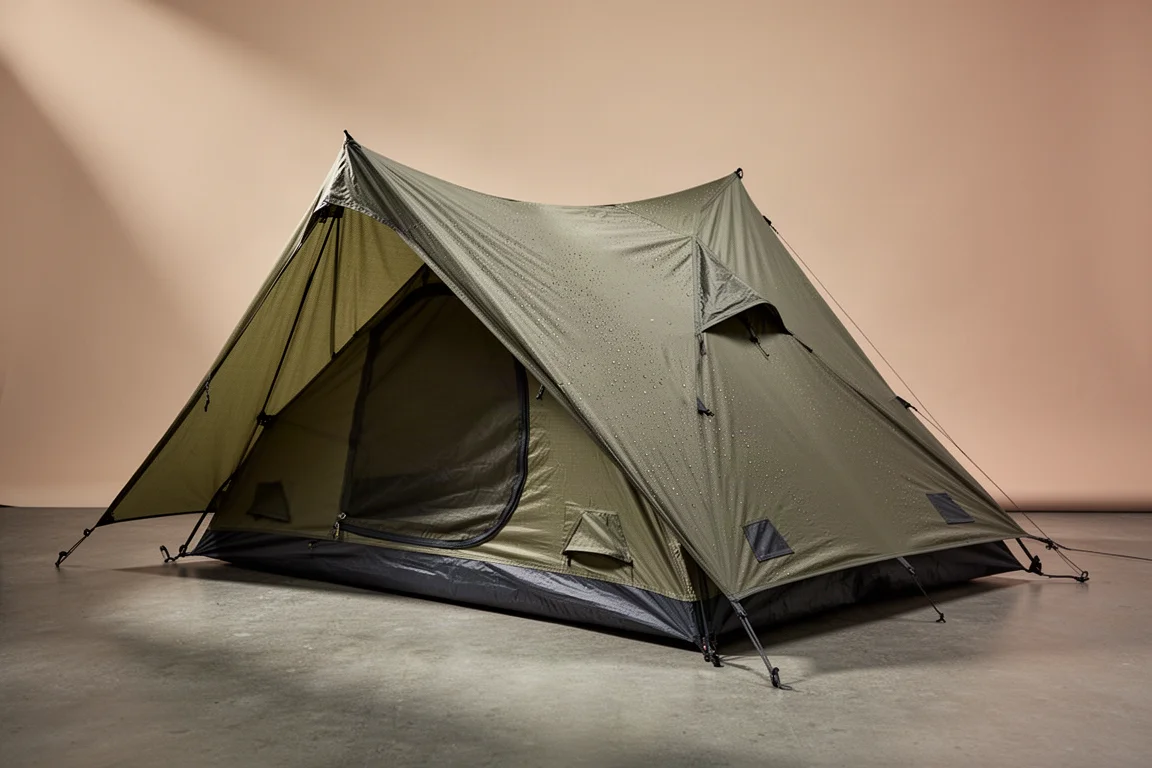
3F UL Gear Taiji Two-Person Tent Review: Field Waterproofing Results and Buying Advice
The Taiji pairs an attached fly with a removable inner, but sustained rain exposed untaped vent seams that need sealing before this shelter can be trusted.
Camping Tents
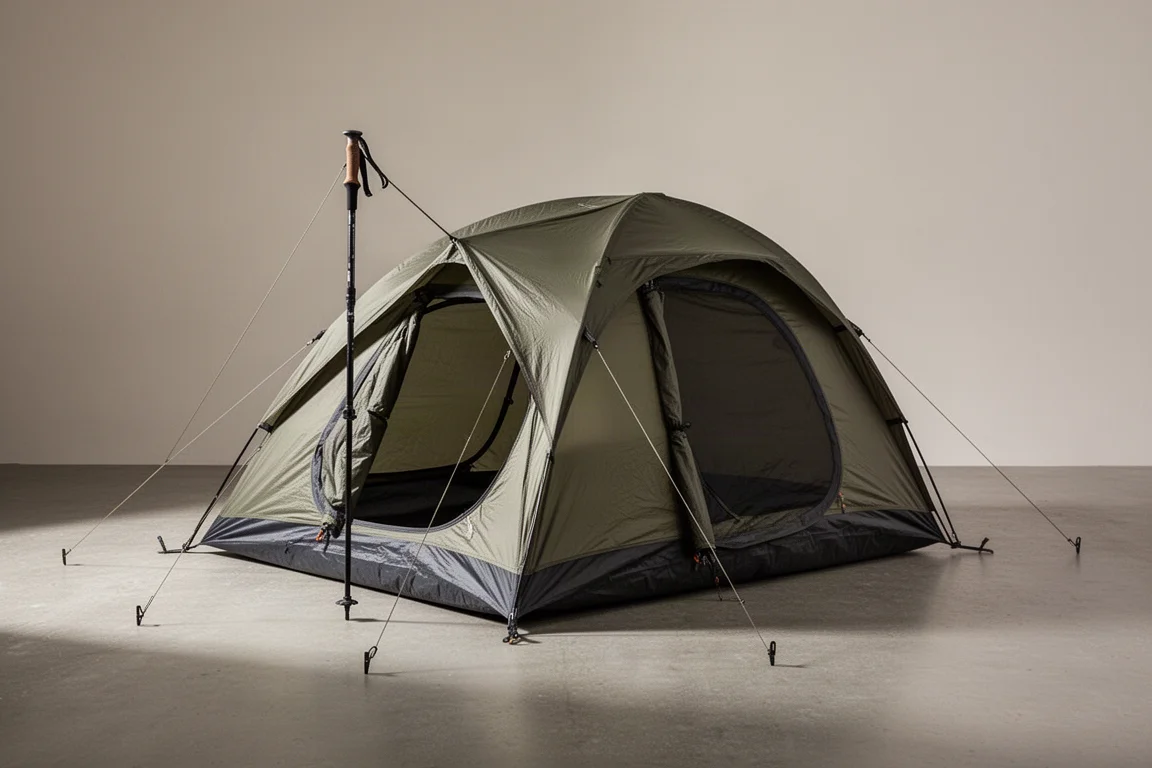
3FUL Gear Lanshan 2 Pro 4-Season Review: A Sub-$200 Single-Wall Trekking Pole Tent
An early look at the 3FUL Gear Lanshan 2 Pro 4-Season, covering its straightforward pitch, generous interior space, and the condensation and seam-sealing questions that come with any single-wall shelter.
Camping Tents
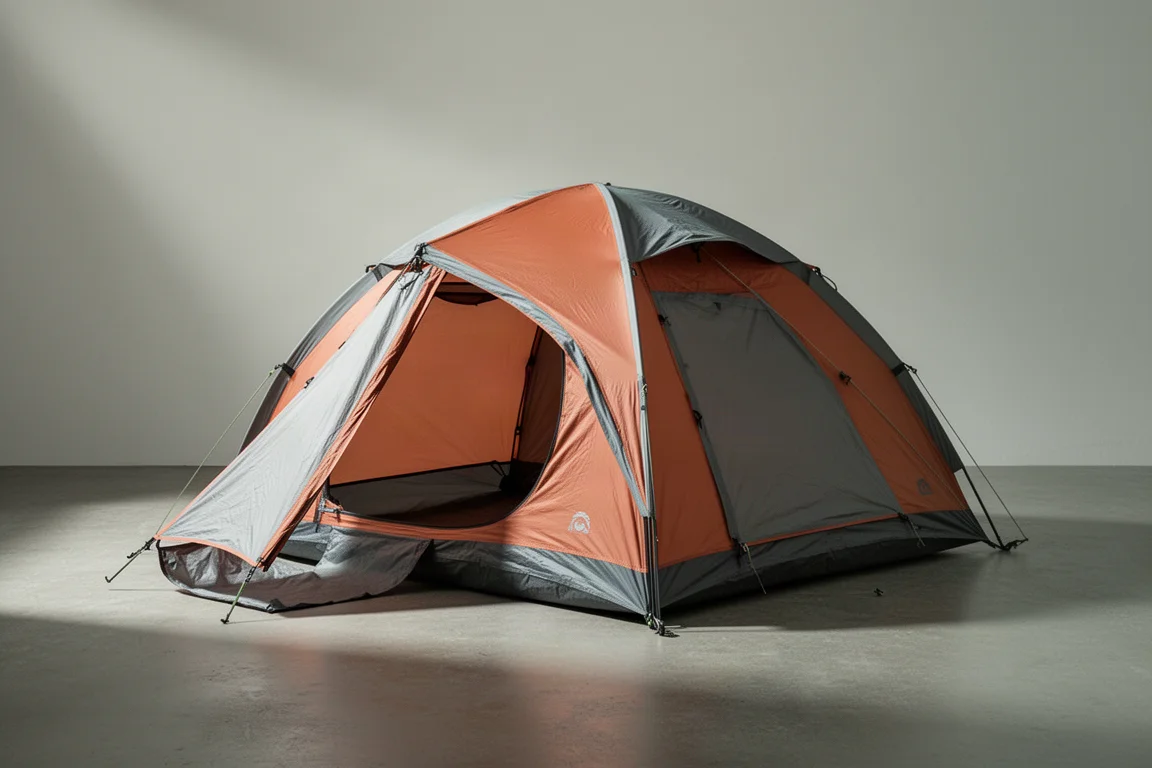
Alps Mountaineering Lynx 1-Person Tent Review: Big Value in a Small Budget Tent
A close look at the Alps Mountaineering Lynx 1-Person Tent, covering real interior dimensions, materials, setup time, ventilation limits, and who should buy it.