Camping Tents
Alps Mountaineering Lynx 2-Person Tent Review: Big Interior, Small Price
A roomy, inexpensive two-person tent with a tall peak, two doors, and two large vestibules, plus the rain and ventilation trade-offs to weigh first.
Introduction
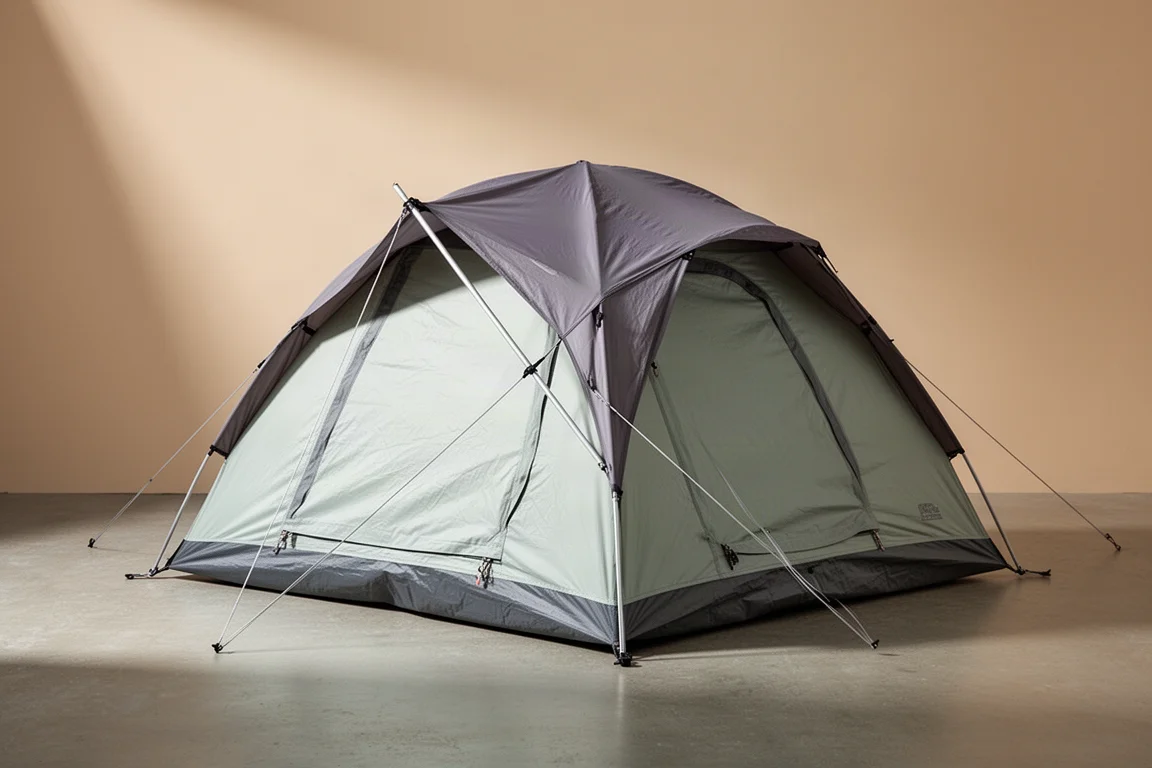
The Alps Mountaineering Lynx 2-Person Tent is one of the more affordable routes into a genuinely roomy two-person shelter, typically selling for slightly over $100. What makes it worth a closer look is not the price alone but the shape of the package: a peak height of roughly 47 inches, two doors, two vestibules that together approach 20 square feet, and a simple two-pole frame. Those are figures usually attached to tents that cost considerably more.
The trade-offs show up in weather performance and airflow rather than in the fundamentals. This review walks through setup, interior space, storage, rain behaviour, and materials so you can judge whether the Lynx matches the camping you actually do.
What Comes in the Box and Setup Experience
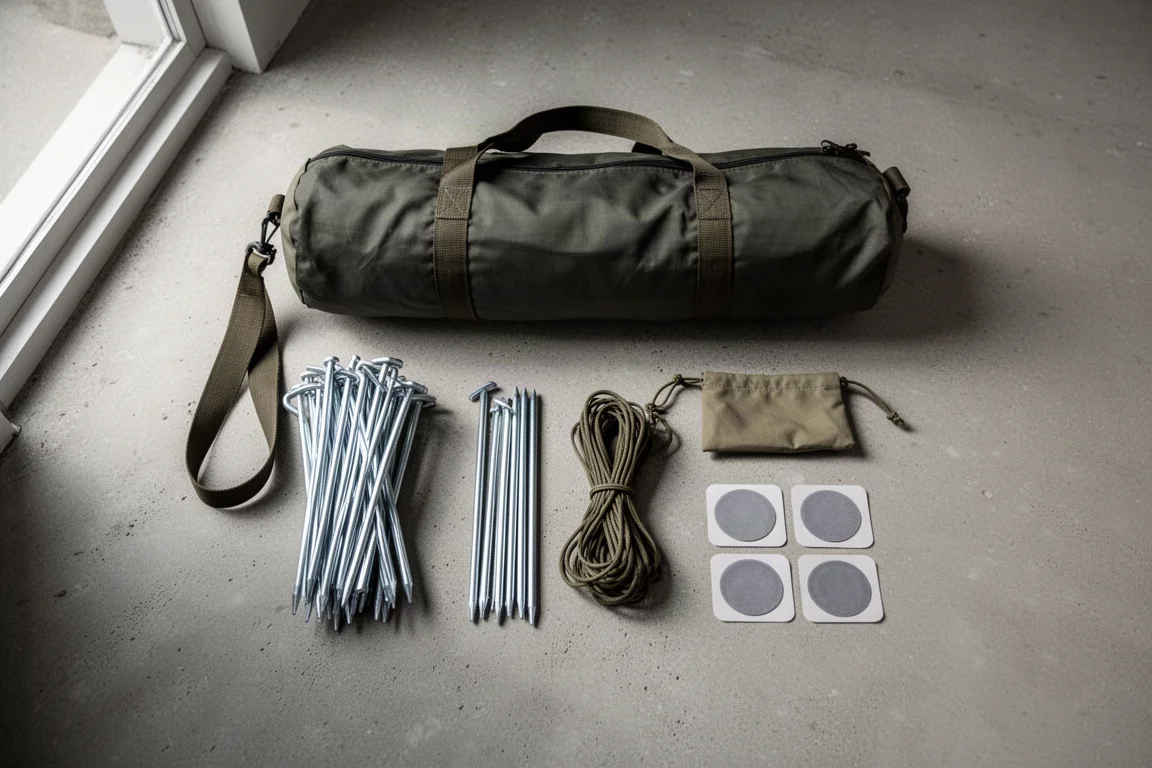
Everything arrives in a single brown carry bag. Inside, you get the tent body, the rainfly, a gear loft, 10 stakes, 4 guylines in a separate bag, two poles in their own bag, and a set of repair patches.
Setup is not difficult, and the frame is refreshingly simple. Two orange poles run diagonally across the tent body and cross near the top. The first genuinely useful detail is at the corners, where each of the four corners has two grommets, one outer and one inner. That gives you a way to adjust pole tension depending on whether the fabric is too taut or too loose, a small thing that makes a real difference over repeated use.
From there you clip the pole clips onto the poles. The clips carry orange webbing, so they are easy to locate, and clipping them on is intuitive. There are 16 smaller clips plus one large clip at the top. There are no pole sleeves to thread the poles through, which removes the usual snagging frustration. Setting the tent up solo takes about six and a half minutes.
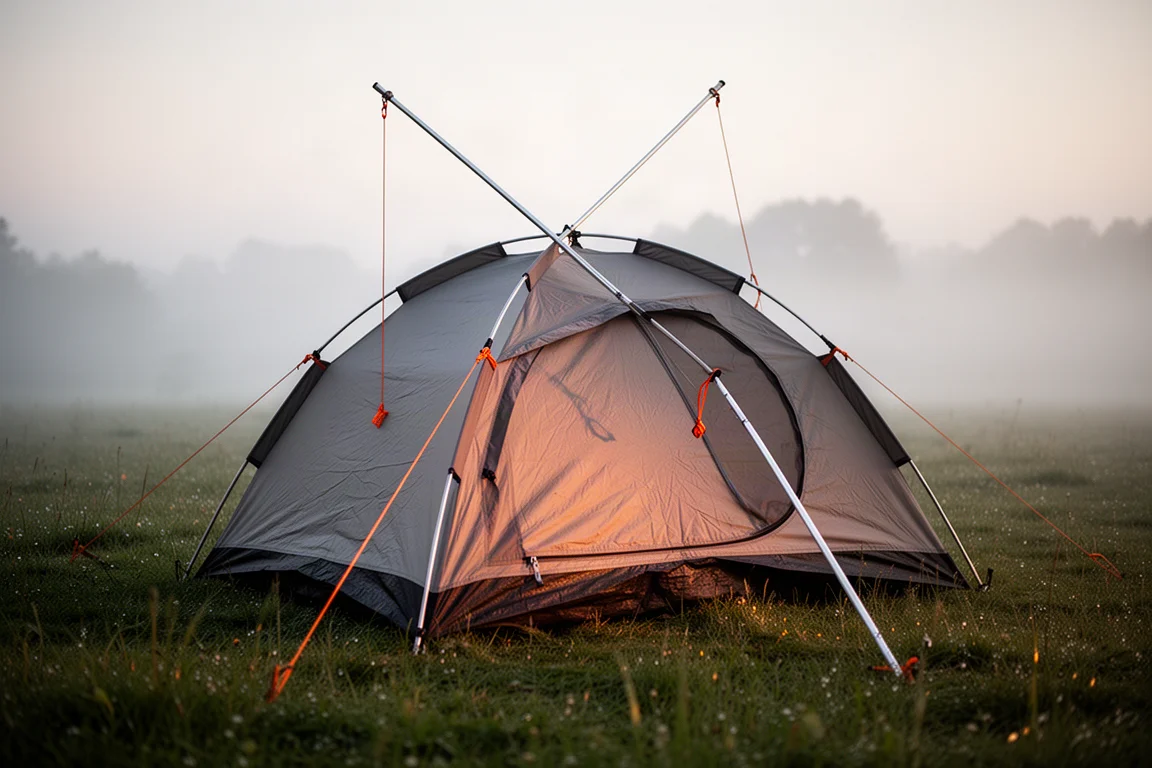
The rainfly then goes over the body, with the vestibule zips running over the doors at the front and back and orange colour coding marking the widths. One thing to plan for: before securing the rainfly, you need to lift it and find the four Velcro strips underneath that attach to the orange poles. Those strips are large and loose, and there is no way to cinch them tighter against the poles. Securing the rainfly itself is quick, thanks to four buckles at the tent corners.
Guying out is worth the effort. Two extra stakes and two extra guylines are needed to guy out the widths, and doing so improves ventilation and reduces condensation. Packing away takes about seven minutes. The carry bag packs everything down tightly, though it could be slightly larger or could have included compression straps, because fitting everything back in takes some work.
Interior Space and Headroom
The peak height is about 47 inches, close to a full four feet and one inch taller than the marketed figure. For a two-person tent, that is tall. Getting in and out requires only a crouch, and at the centre you can sit fully upright with headroom left over. Even though the peak sits only at the middle, the surrounding area does not feel cramped.
The height holds up with bedding in place. With a 4-inch pad there is still plenty of headroom and room to stretch an arm upwards, and a 6-inch pad still leaves a comfortable amount of space above. Deflating pads while crouched inside is easy enough to be genuinely convenient.
The floor measures about 89 inches long and 59 inches wide. The length is generous: with roughly 18 inches of buffer, it should suit anyone up to about six feet, and taller sleepers can lie diagonally. Width is the more limiting figure. A true queen mattress at 80 by 60 inches will not fit, but a slightly smaller than queen airbed, such as an 80 by 56 inch Alps Mountaineering Vertex Airbed, fits properly. Two regular sleeping pads, like the Exped MegaMat Duo 10, leave leftover space in both directions.
Storage, Vestibules, and Doors
With the rainfly in place, zipping the vestibule closed before staking it down makes the zipping experience much easier afterwards, and the zips run cleanly in both directions without snagging.
There are two vestibules, one on each side and identical in size, each with a longest width of about 31 inches. That is enough for sandals and a tripod with room to spare, and it is among the larger vestibule spaces available on a two-person tent. Each vestibule has two loops at the bottom, so you can stake either the left or the right side and open the vestibule from that side. In dry conditions you can un-stake the vestibule entirely and tie it up with two toggles to open up access to the doors.
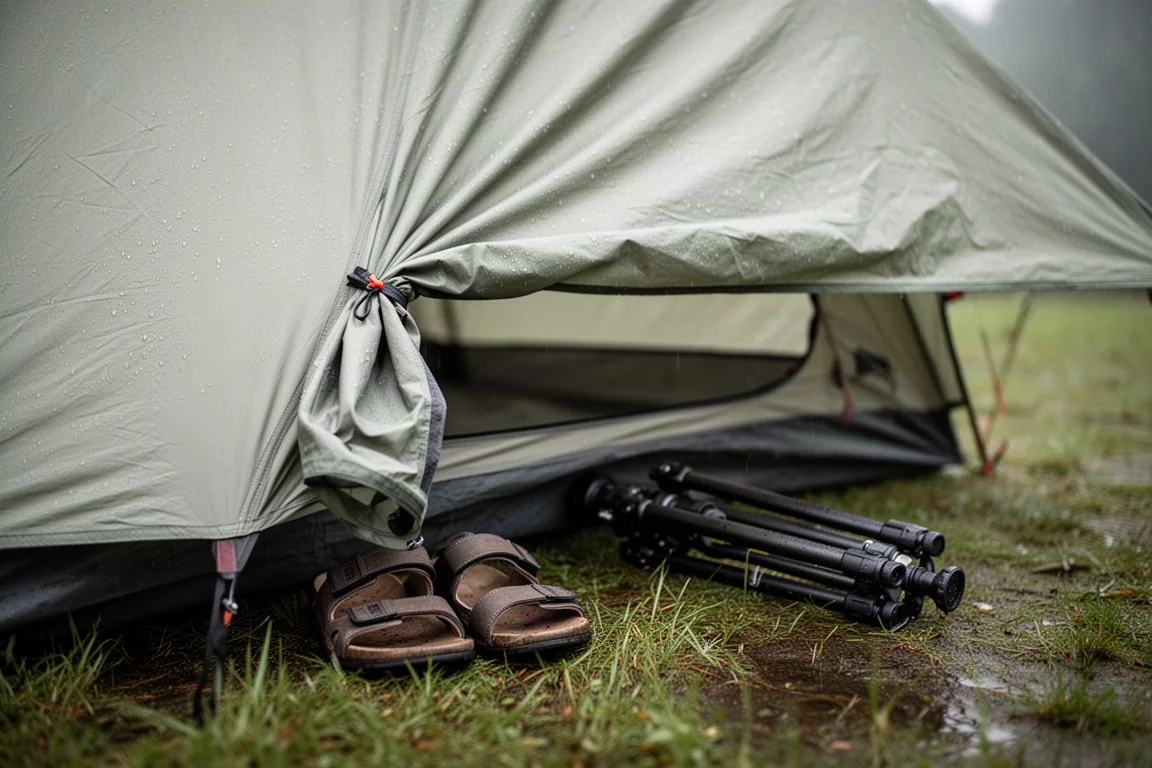
Both doors are identical, one at each end of the tent. An open door measures roughly 41 inches at its longest length and 39 inches at its widest, so entry and exit are easy. Each door has two zippers, and when closed about half of the door is mesh, a soft micro mesh rather than coarse mosquito netting. More mesh would improve airflow, and the door fabric can be tied back with two toggles when you want the door open.
Inside, there are two pockets, one at each width, sized about nine by seven inches, so they hold only small items. A lantern loop sits at the very top, and four loops around it accept the included gear loft, which hooks in snugly and measures about 21 by 12 inches. The loft holds a reasonable amount of gear and still leaves room for a lantern on the top loop. Beyond these there are no other storage options, and there is no e-port or power port.
Rain and Ventilation Performance
Seam taping covers the rainfly seams, the seams running the length of the flooring, and the corner seams on the flooring. The rest of the seams are not taped, which appears to be a consequence of the rainfly being nearly full length, with only a small gap at the bottom. The bathtub floor sits slightly higher at the widths, about seven inches, than at the lengths, about six and a half inches. The seam where the bathtub floor meets the tent body is not taped.
During a six-hour weather test, two hours of heavy rain followed by four hours of lighter rain, the ground flooded and the right side of the tent sat in water. One corner seam leaked a small amount, just a few drops, and that was the corner sitting in an inch or two of water. The other three corner seams stayed dry despite heavy exposure. Light flooding is manageable; standing water of a couple of inches is not.
The pockets were another weak point. They became completely wet and leaked water into the tent. The cause is the untaped seam at the top of the bathtub floor at the widths, which is the seam the pockets attach to. Water seeping into that seam reaches the pockets and then the interior. Taping that seam on the inside and the outside would prevent it, and buyers who expect regular rain should plan on sealing the corner seams and pocket seams before the first trip.
The two rainfly vents at the top have Velcro kickstands and were left open during the heavy rain, which produced two puddles in the middle of the tent. Shutting them in heavy rain is the sensible approach. Their position could also be improved by angling them further downwards, and they can only be reached from outside, since the interior side is covered with mesh.
Rainfly ventilation is a strength. The vestibules allow the rainfly to be pulled about 31 inches away from the body, and with owner-supplied guylines at the widths you get a vent roughly 11 inches from the body. The rainfly also stops short of the ground, leaving a small gap. Even with the fly on, air moves around the tent.
With the rainfly off, mesh coverage is adequate rather than generous. A large share of the tent, at least 60 to 70 percent by estimate, is fabric rather than mesh. That makes the Lynx better suited to shoulder season camping, where retaining heat matters, than to hot summer nights, when it can become warm and stuffy.
Materials, Quality, and Packed Size
The flooring is 75D polyester taffeta and the rainfly is 75D polyester, and the tent body appears to be the same 75D polyester based on how it looks and feels. The poles are 7,000 series aluminium. The zippers are size #8 and unbranded, with no engraving. The mesh behaves like micro mesh and kept out all bugs during testing.
Stitching is generally good, double-stitched throughout with only a couple of loose threads. Packed size is about 22 by 8 by 7.5 inches, and the carry bag has a small strap at the side. Total weight is exactly 6 pounds with all provided stakes and guylines included. For context, that is only slightly lighter than a Coleman 2-person Sundome at 6.4 pounds.
At six pounds, the backpacking label is a stretch, and the Lynx makes more sense for car camping. The packed footprint is compact enough to store easily, but weight is the number that matters if you plan to carry it any distance.
Who This Tent Is For
This tent suits campers who want maximum interior volume and storage for the money. The tall peak, long floor, two doors, and two large vestibules make it comfortable for two people, and the simple two-pole frame keeps setup fast.
It also suits shoulder season campers who want a warmer interior, and anyone who camps primarily from a vehicle where six pounds is not a concern. Buyers who camp in sustained heavy rain will need to budget time for seam sealing, and anyone chasing hot summer airflow or a light backpacking shelter should look at other designs.
Main Strengths
Price is the headline. At slightly over $100, the Lynx delivers decent quality and genuine function rather than a stripped-down compromise.
Setup is easy, helped by dual grommets at every corner, the absence of pole sleeves, and clearly marked clips. The peak height of nearly four feet makes the interior easy to live in, and the dimensions are accurate, with the peak measuring an inch taller than advertised and the base area matching expectations. The inner tent offers about 36.5 square feet of floor area, and the two vestibules add close to 20 square feet of covered storage. Two pockets, a gear loft, and a lantern loop cover the basics. The rainfly can be pulled away from the body on all sides for ventilation, and two doors provide cross-flow.
Things to Consider Before Buying
The tall profile catches wind more than lower tents, so stake and guy out fully if wind is likely. The guylines sit nearer the top for stability, which is a good design choice, but they are on the short side.
Rain performance is the main limitation. The bathtub floor is not tall enough at the widths, and something closer to 10 inches would have kept splash-back out of the untaped seams. Corner seams and pocket seams should be sealed before use in wet conditions.
Livability is good rather than exceptional. The two-pole structure produces less vertical wall than three-pole budget tents, so the usable interior is smaller than the peak height suggests. The fabric-heavy build limits summer airflow. And at six pounds, it is a car camping tent in practice rather than a backpacking one.
Buying Advice
If your trips are mostly fair weather and car-based, and you want a roomy two-person tent for the money, the Lynx is a sensible buy. Add a tube of seam sealer to the order and treat the corner seams and pocket seams before the first wet trip. Close the rainfly vents when rain is forecast, and guy out the widths for airflow.
If your trips involve long walks to camp, or you regularly camp through heavy rain and heat, this is not the tent to build a kit around. The Lynx is best understood as a comfortable, inexpensive car camping shelter that rewards a little preparation, not as an all-weather backpacking tent.
Conclusion
The Alps Mountaineering Lynx 2-Person Tent gets the fundamentals right for the money: fast setup without pole sleeves, a genuinely tall peak height, an accurate and generous floor, two doors, and two large vestibules with nearly 20 square feet of covered storage between them. At slightly over $100, that is a lot of usable space per dollar.
The caveats are specific rather than broad. Plan on sealing the corner seams and pocket seams, keep the rainfly vents closed in heavy rain, and treat it as a car camping tent rather than a backpacking one. Do that, and it is a comfortable two-person shelter for fair weather and shoulder season trips.
Product link
View more details for Alps Mountaineering Lynx 2-Person Tent
This product is mentioned in the review. Check the specifications, options, and compatibility before buying.
View more details for Alps Mountaineering Lynx 2-Person TentFurther reading
Related Reviews
Camping Tents
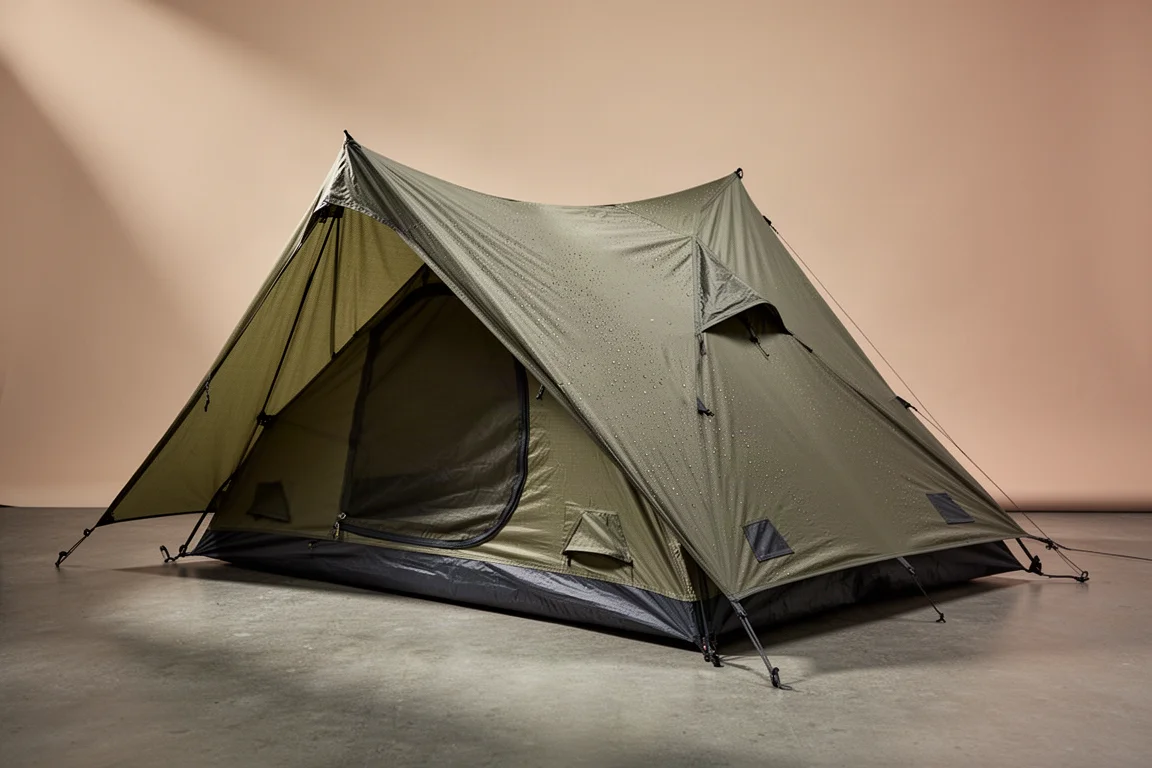
3F UL Gear Taiji Two-Person Tent Review: Field Waterproofing Results and Buying Advice
The Taiji pairs an attached fly with a removable inner, but sustained rain exposed untaped vent seams that need sealing before this shelter can be trusted.
Camping Tents
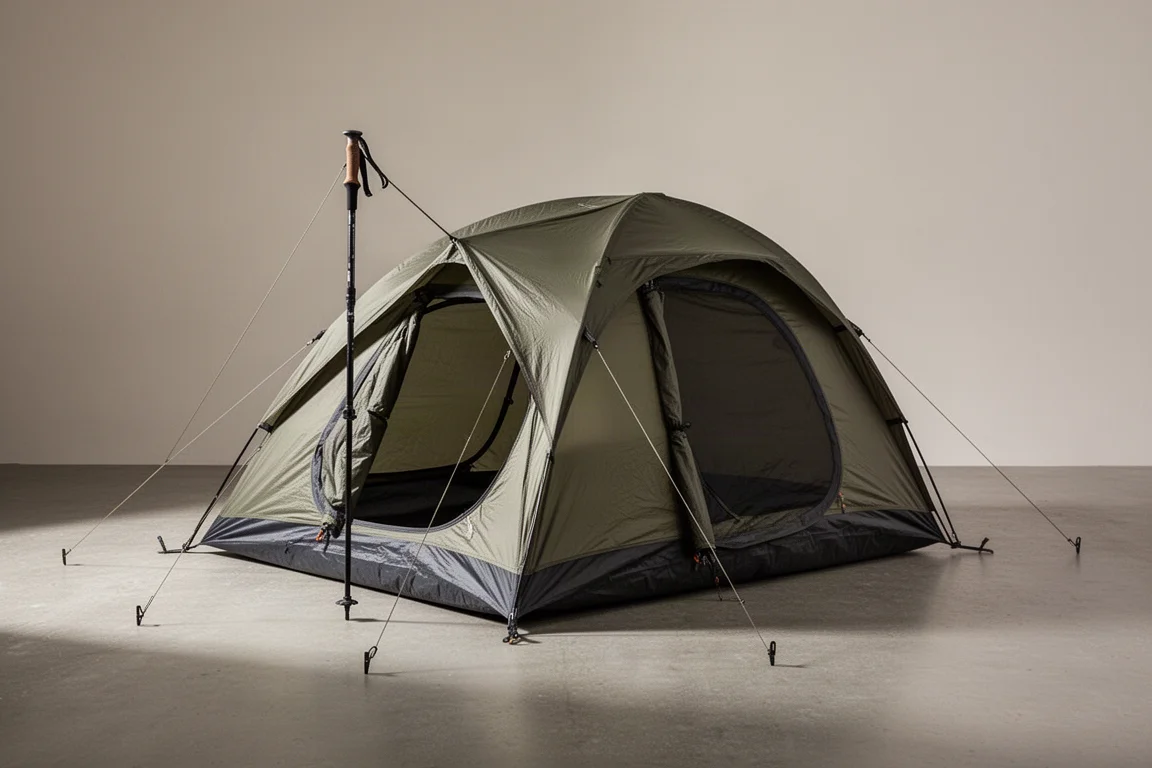
3FUL Gear Lanshan 2 Pro 4-Season Review: A Sub-$200 Single-Wall Trekking Pole Tent
An early look at the 3FUL Gear Lanshan 2 Pro 4-Season, covering its straightforward pitch, generous interior space, and the condensation and seam-sealing questions that come with any single-wall shelter.
Camping Tents
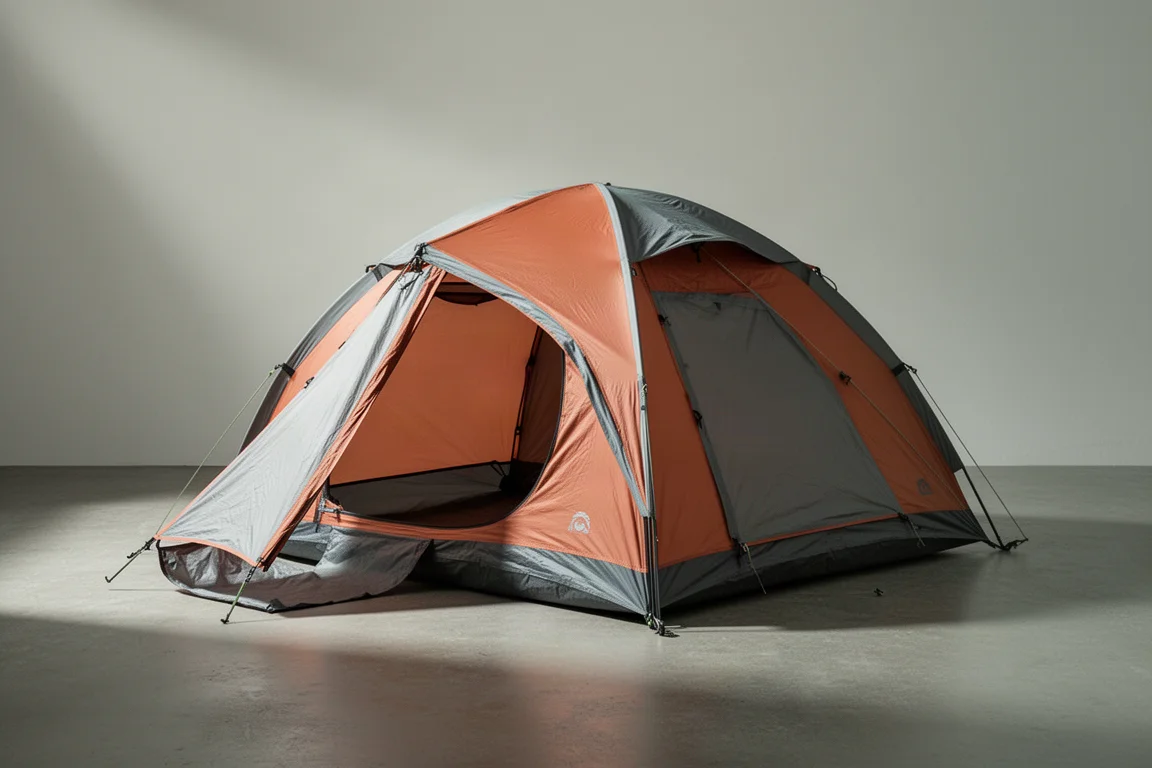
Alps Mountaineering Lynx 1-Person Tent Review: Big Value in a Small Budget Tent
A close look at the Alps Mountaineering Lynx 1-Person Tent, covering real interior dimensions, materials, setup time, ventilation limits, and who should buy it.