Camping Tents
Alps Mountaineering Lynx 1-Person vs 2-Person Tent: Which Size Should You Buy?
A practical comparison of the Alps Mountaineering Lynx 1-person and 2-person tents, covering setup time, headroom, vestibule space, ventilation, weight, and price.
Introduction
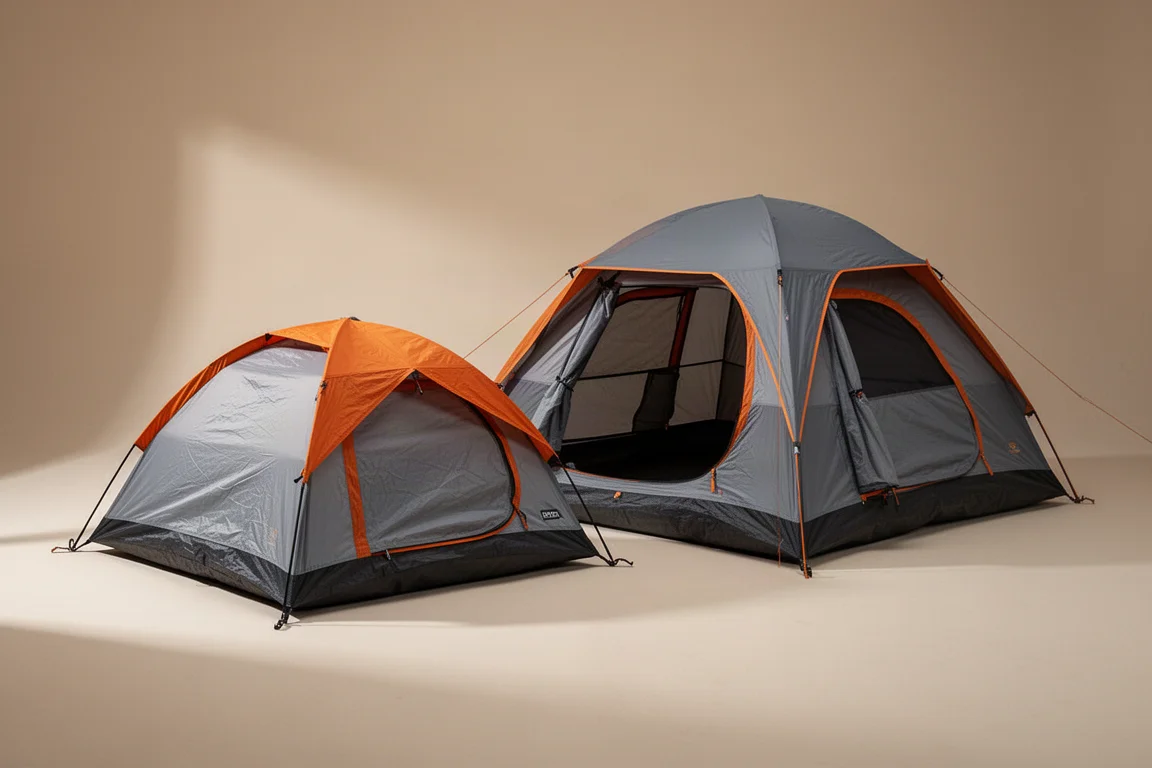
The Alps Mountaineering Lynx comes in two sizes that look nearly identical on a product page but behave quite differently once you are actually camping. The 1-person version is a fast-pitching solo shelter, while the 2-person version trades a little extra weight and setup time for a much taller, roomier interior.
Both tents share the same pole architecture and sit at a budget-friendly price point. The real decision comes down to how much space you need, how much you are willing to carry, and how long you want to spend setting up camp.
What Both Lynx Tents Get Right
The Lynx 1-Person and Lynx 2-Person share a common foundation. Both pitch with two orange poles that crisscross over the body and seat into grommets at the corners, and both rely on pole clips to hold the tent body to the frame. The rainfly attaches with quick-release buckles rather than a long threading process, which keeps the pitching sequence simple once the poles are up.
Both tents also sit at a budget-friendly price point for what they offer. The 2-person version lists for roughly $20 to $30 more than the 1-person version, a small gap given how much more interior volume the larger model provides.
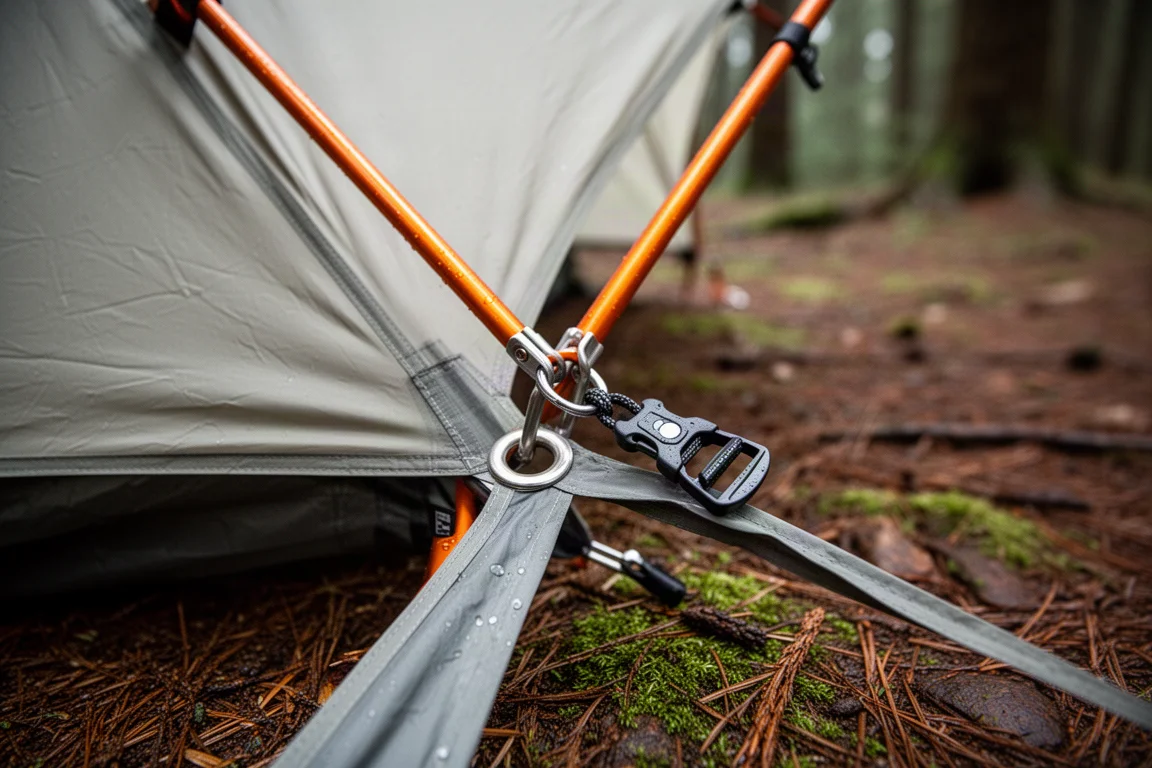
The shared design means the choice between them is not about build philosophy. It is about how much room you need, how much weight you are willing to carry, and how long you want to spend pitching camp.
Alps Mountaineering Lynx 1-Person Tent: Light and Fast for Solo Campers
The 1-person Lynx is the quicker of the two to pitch, going up in roughly four and a half to five minutes. Its peak height is 37 inches, so the interior works best with a thinner sleeping pad. A pad of 3 to 4 inches is a reasonable ceiling, and taller campers may want to go thinner still, around 1.5 inches, so the pad does not eat into livable space.
The floor measures about 88 inches long and 31 inches wide. That is enough for an extra-wide pad of 25 inches, and a 30-inch pad will fit as well, though it starts to feel tight. Storage is modest but useful: two pre-attached pockets inside the tent, one removable pocket that mounts on the side wall, and a single lantern loop at the top.
The 1-person Lynx weighs exactly four pounds complete and packs down to roughly 19.5 by 7 by 7 inches, which keeps it easy to carry on trips where every pound matters. It comes with one vestibule with a longest width of about 28 inches, giving roughly 8.5 square feet of covered gear space, and one door measuring about 36 by 27 inches.
Alps Mountaineering Lynx 2-Person Tent: More Headroom and Two Doors
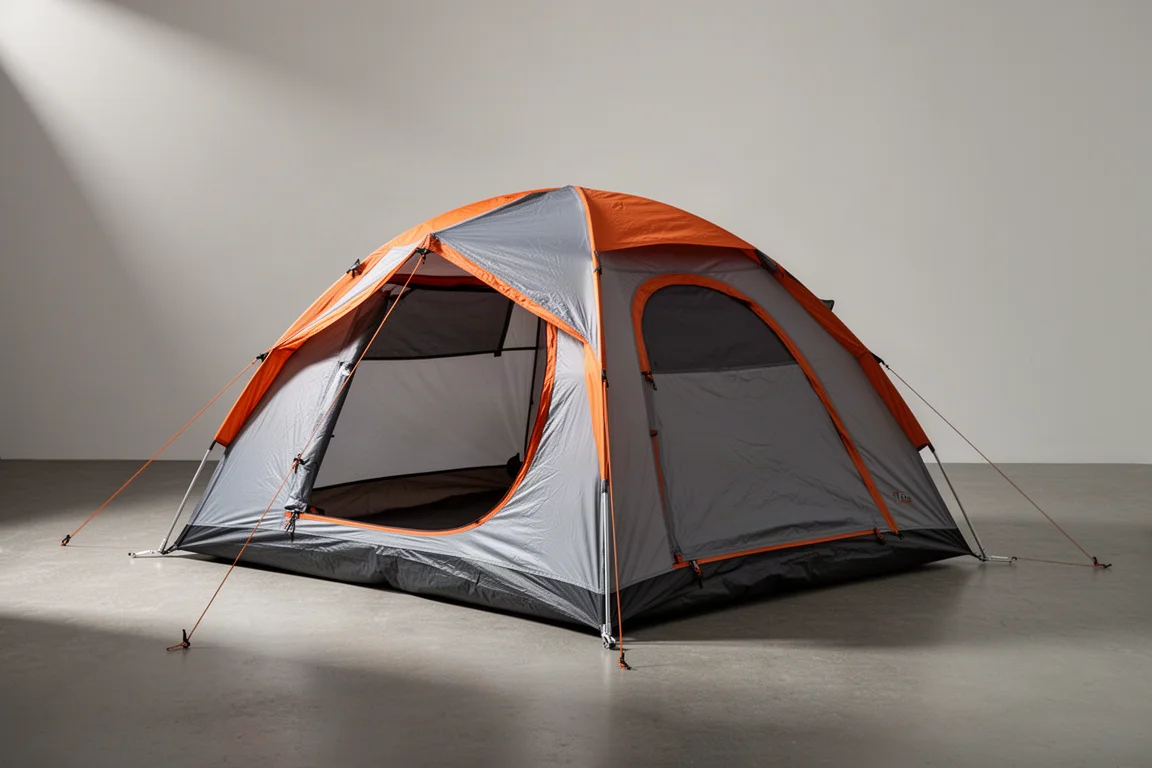
The 2-person Lynx takes about six and a half minutes to pitch, roughly two minutes longer than the smaller model. The extra time comes from a larger rainfly, four additional pole clips around the body, a second vestibule, and two extra rainfly vents at the bottom.
The payoff is interior comfort. Peak height is 47 inches, a full 10 inches taller than the 1-person tent. That extra height comfortably swallows a 4-inch pad with headroom left over, and even a 6-inch mattress still leaves plenty of space above. The floor is about 89 inches long and 59 inches wide, so two regular sleeping pads fit side by side with room to spare. An 80 by 56 inch airbed also drops in neatly, though the width is not enough for a full queen mattress.
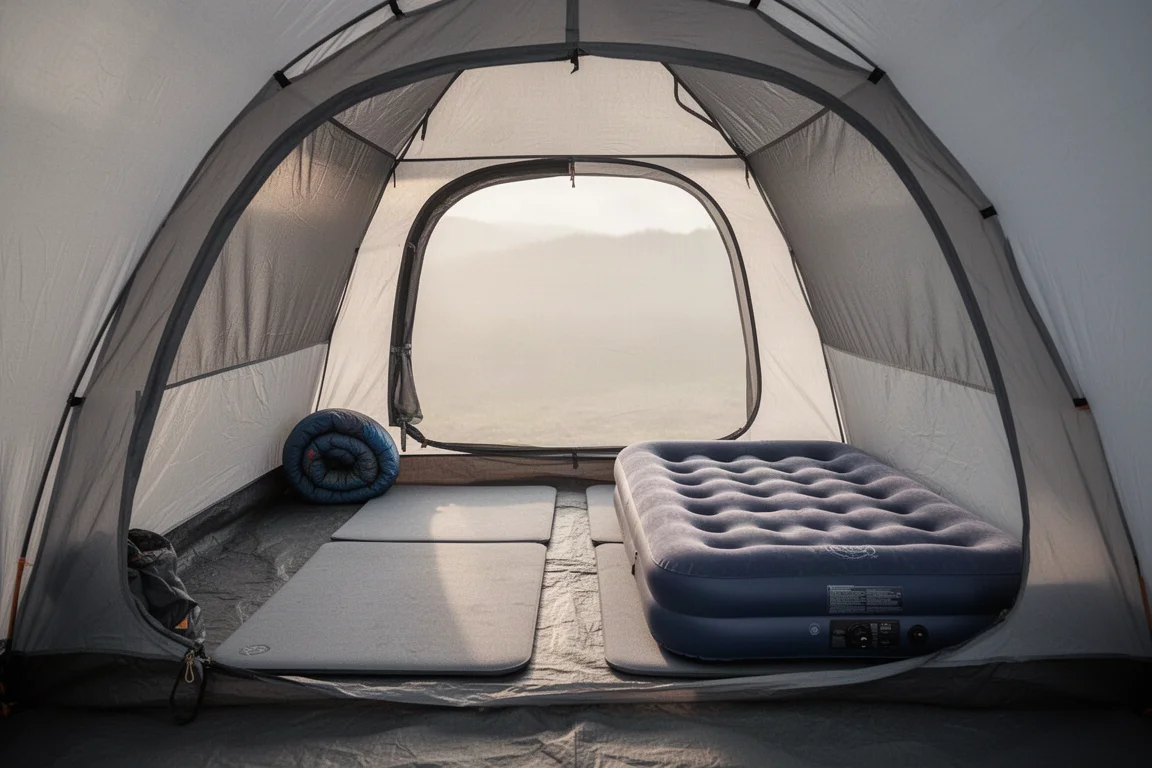
Two doors, one at each end, measure about 41 by 39 inches each, and two vestibules offer about 9.5 square feet apiece for a total of roughly 19 square feet of covered storage. Interior organization mirrors the smaller tent: two pre-attached pockets and one lantern loop, with a larger gear loft in place of the removable side pocket.
Weight comes in at exactly six pounds for the complete package including stakes and guylines, and the packed size is about 22 by 8 by 7.5 inches. That is roughly double the packed volume of the 1-person tent, but only about 10 to 15 percent longer in practice.
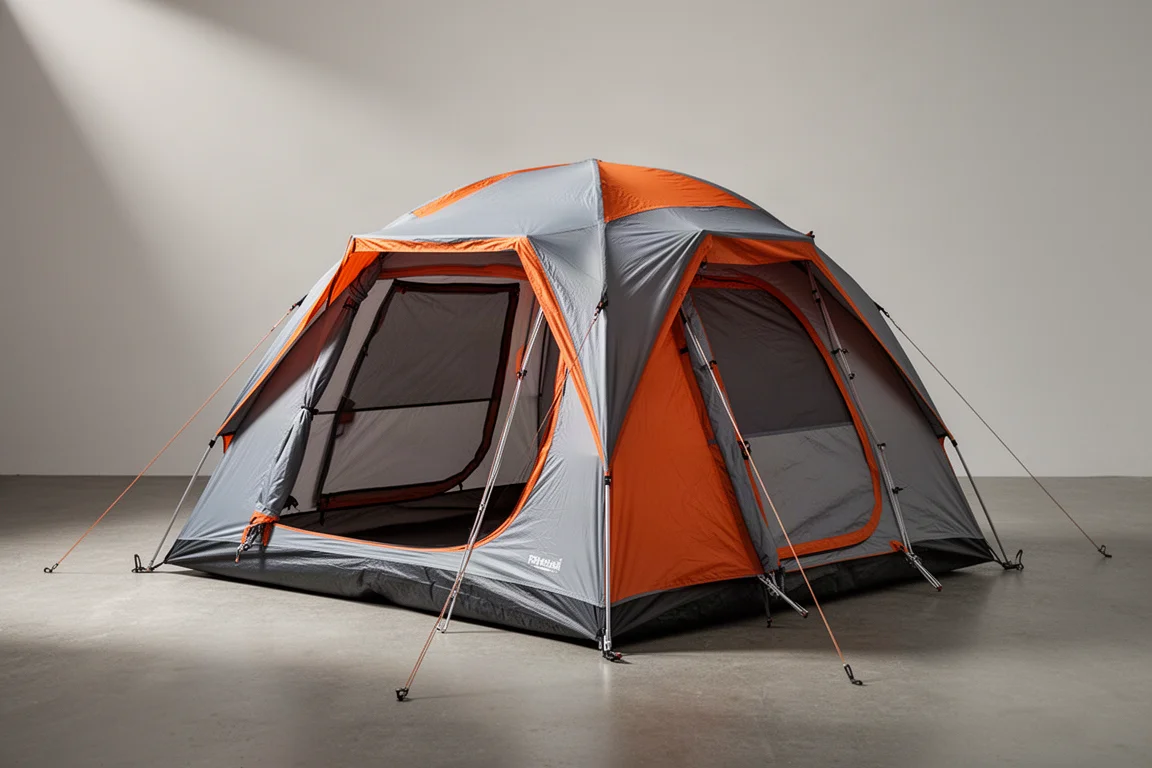
Interior Space, Doors, and Vestibules Compared
The numbers make the gap clear. The 1-person Lynx offers 31 inches of floor width against 59 inches in the 2-person model, and the door area grows from about 36 by 27 inches to 41 by 39 inches. Two doors instead of one also means you do not have to climb over a tent mate to get out at night.
Vestibule space scales up even more sharply. The 1-person tent’s single vestibule covers about 8.5 square feet, while the 2-person tent’s two vestibules add up to roughly 19 square feet. For anyone who stores a pack, boots, and cooking gear outside the sleeping area, that is a meaningful difference.
Storage pockets stay roughly the same between the two tents, with two pre-attached pockets in each and a single lantern loop. The 2-person model swaps the removable side pocket for a larger gear loft, which is a modest upgrade rather than a doubling of storage.
Ventilation, Rainfly Design, and Weather Protection
Rainfly coverage is where the two tents diverge most in practice. A well-designed fly can be pulled away from the tent body on all four sides, which improves airflow and reduces condensation. The 1-person Lynx cannot do this at its two short widths because there is no stake loop to guy the fly out there, leaving the fly at most about two and a half inches from the body. The vestibule at the front pulls away, and the back of the tent can be pulled away as well, but the sides stay close.
The 2-person Lynx does better here. Beyond its two vestibules, the fly can be guyed out at the widths, creating a vent about 11 inches from the tent body. That extra gap is a real advantage in wet weather, where airflow keeps the interior drier and cuts condensation.
Mesh coverage is a little counterintuitive. The 1-person Lynx has more of it, with an estimated 40 percent of the tent covered in mesh, concentrated on the sides and back. The 2-person tent carries more fabric because of its two doors and comes in around 30 percent mesh or less.
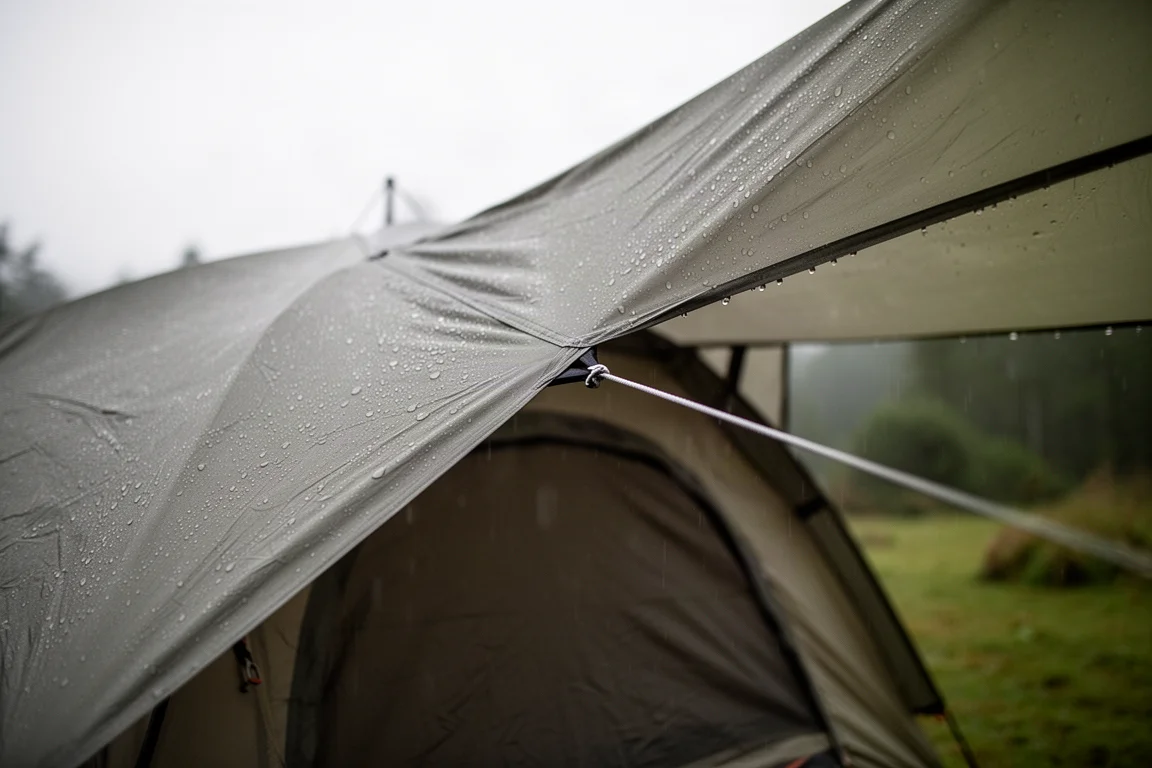
Cross-ventilation makes up the difference. With two doors, the 2-person Lynx can be opened at both ends for strong airflow on warm, bug-free nights, which keeps it from feeling stuffy. The 1-person tent lacks that option and tends to feel warmer and more closed in during summer camping.
Setup, Weight, and Packed Size Compared
| Spec | Lynx 1-Person | Lynx 2-Person |
|---|---|---|
| Setup time | About 4.5 to 5 minutes | About 6.5 minutes |
| Peak height | 37 inches | 47 inches |
| Floor size | About 88 x 31 inches | About 89 x 59 inches |
| Doors | 1 | 2 |
| Vestibules | 1, about 8.5 sq ft | 2, about 19 sq ft total |
| Weight | 4 pounds | 6 pounds |
| Packed size | About 19.5 x 7 x 7 inches | About 22 x 8 x 7.5 inches |
The trade-off is straightforward: the 2-person Lynx asks for about two more minutes of setup, two more pounds, and a slightly longer stuff sack, and returns a much larger and taller living space. The 1-person Lynx stays fast and light for solo trips.
Which Lynx Tent Is Right for You?
Choose the 2-person Lynx if you rarely camp alone, want the option to fit more pads or an airbed, and value the 10 extra inches of headroom. The two doors, two vestibules, and the ability to guy the rainfly out on all sides make it easier to live with in rain and heat, and the price difference of about $20 to $30 is small for the space you gain. Campers who drive to their site rather than hike in will barely notice the extra two pounds or the slightly longer pack.
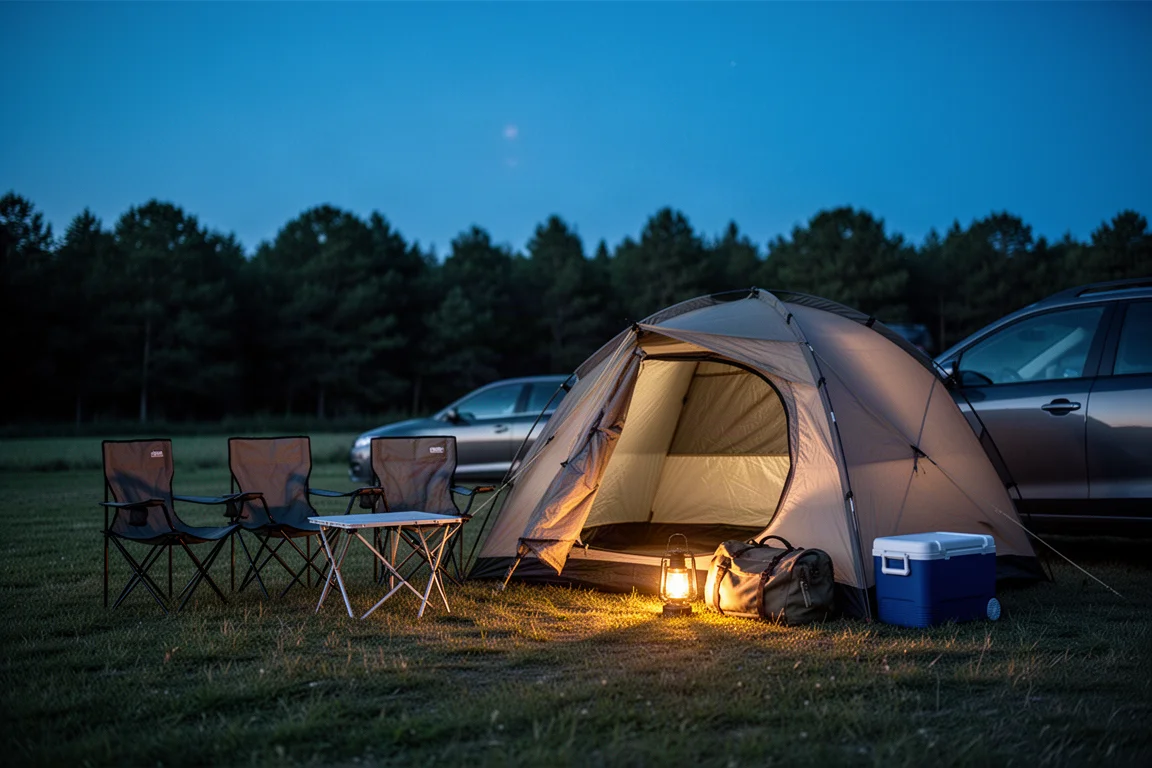
Choose the 1-person Lynx if you usually camp solo, need to shed those two pounds, and prefer the shortest possible setup because you are moving on the trail each day. It pitches in under five minutes, packs small, and still delivers the same budget-friendly value as its larger sibling.
Conclusion
Both Lynx tents deliver strong value at a budget price. The 1-person model suits solo campers who prioritize weight and fast setup, while the 2-person model rewards anyone who wants more headroom, a second door, and enough vestibule space to keep gear dry. Match the tent to how you actually camp, and either one will serve you well.
Further reading
Related Reviews
Camping Tents
3F UL Gear Taiji Two-Person Tent Review: Field Waterproofing Results and Buying Advice
The Taiji pairs an attached fly with a removable inner, but sustained rain exposed untaped vent seams that need sealing before this shelter can be trusted.
Camping Tents
3FUL Gear Lanshan 2 Pro 4-Season Review: A Sub-$200 Single-Wall Trekking Pole Tent
An early look at the 3FUL Gear Lanshan 2 Pro 4-Season, covering its straightforward pitch, generous interior space, and the condensation and seam-sealing questions that come with any single-wall shelter.
Camping Tents
Alps Mountaineering Lynx 1-Person Tent Review: Big Value in a Small Budget Tent
A close look at the Alps Mountaineering Lynx 1-Person Tent, covering real interior dimensions, materials, setup time, ventilation limits, and who should buy it.