Cycling Components
AliExpress Race Bike Build Review: What 20,000 Miles Revealed
A long-term look at a budget race bike build, covering an Elves Falath Pro frame, a Sensah Empire Pro groupset, Elite Wheels carbon rims, and Continental GP5000 tires.
Introduction
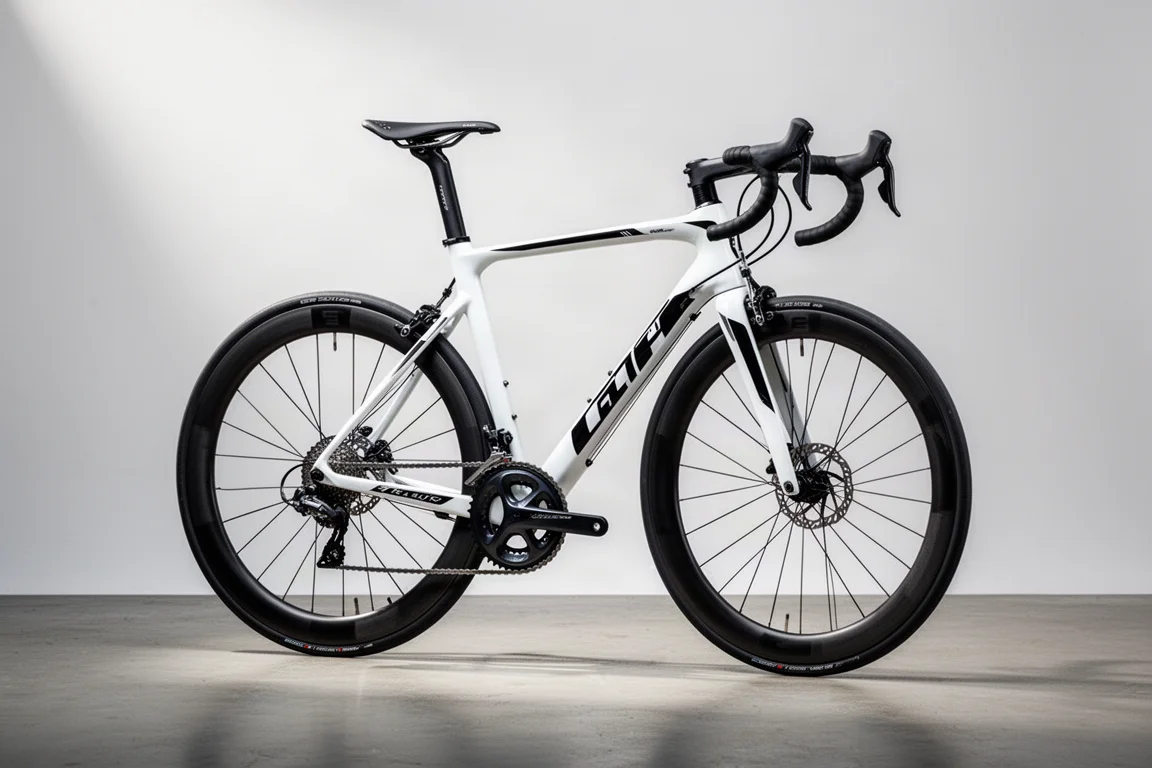
A road race bike assembled almost entirely from low-cost components is usually a gamble. This particular build has now covered roughly 20,000 miles and has been raced at national championship level, so the parts have had a fair hearing. The specification centres on an Elves Falath Pro rim brake frame, a Sensah Empire Pro 12-speed mechanical groupset, an Elite Wheels carbon wheelset, and Continental GP5000 tires with latex tubes. Total outlay came to just over £2,000, with a few parts carried over from an earlier bike.
The result is a genuinely fast machine. It has held its own in a breakaway on a hilly national-level course and it flies on flat roads. What it does not do is work as smoothly as a premium bike, and the gap shows up as dozens of small faults rather than one dramatic failure.
What 20,000 Miles Revealed
Long-term ownership of a budget build is less about a single verdict and more about patterns. Over roughly 20,000 miles the frame stayed intact, the ceramic bearings in the wheels kept spinning without a service for more than a year, and the bike continued to be raced hard. That is a meaningful result for components bought at a fraction of typical retail prices.
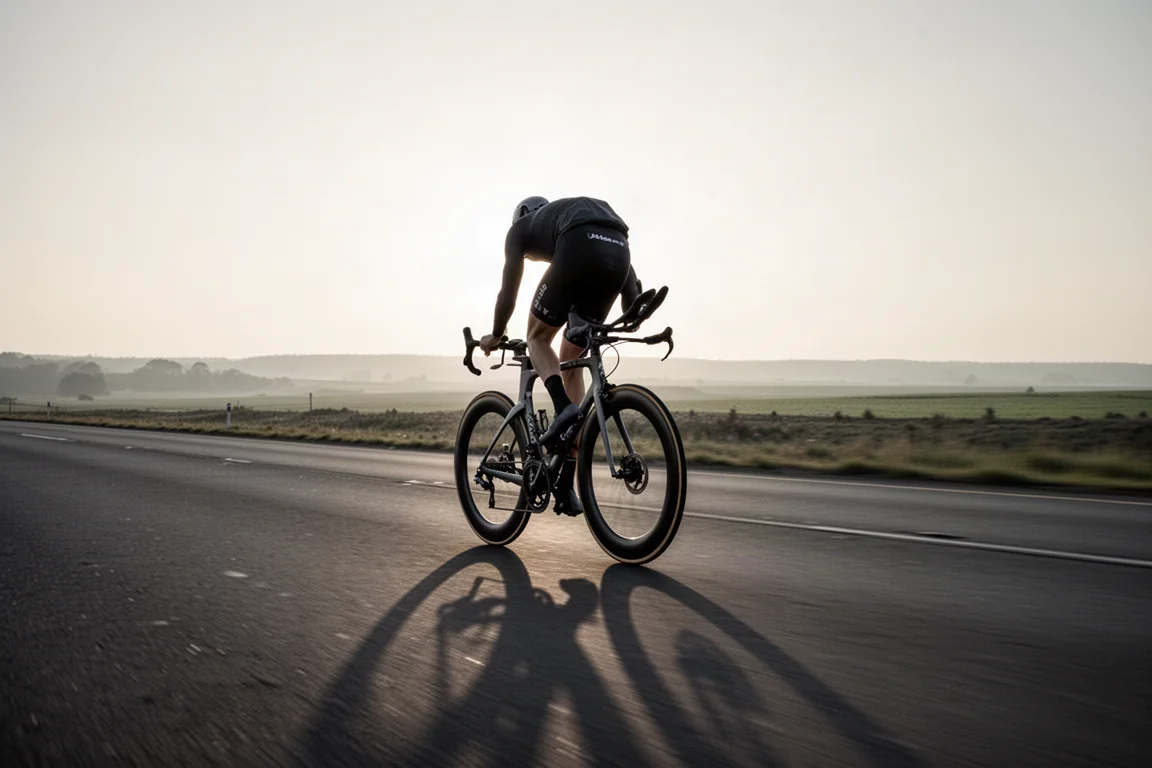
The counterweight is the number of recurring niggles: a seatpost that slides, a rear derailleur that drifts, a brake track that wears away. None of them ended a ride permanently, but together they explain why the owner is now considering a replacement bike. On the road, the aero frame and deep rims feel quick on the flat and sluggish on steep climbs, which is worth knowing before copying this recipe for a hilly route.
Frame: Elves Falath Pro Rim Brake
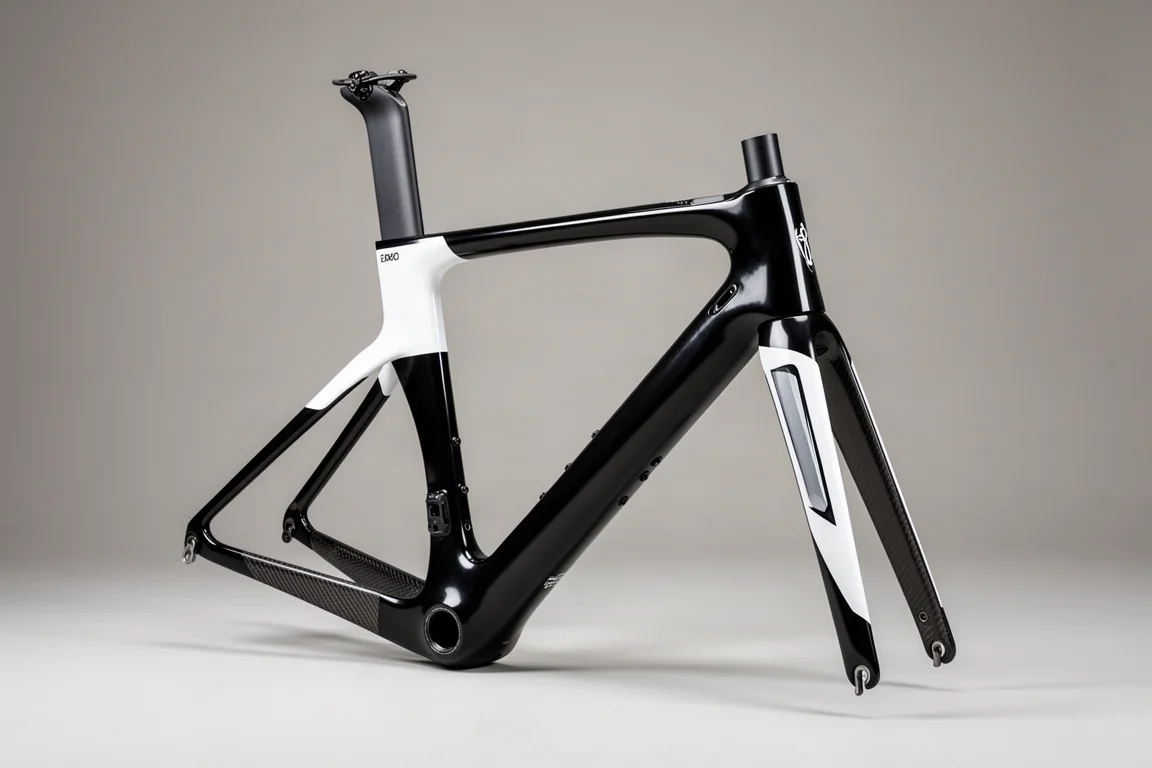
The frameset is a previous-generation rim brake model that sells on AliExpress for around £800. It is the part that makes this build possible at the price, and it is also where the finishing standards show. The clear coat has been applied unevenly: some areas feel properly sealed and others do not, and the paint stains, so the white sections no longer come fully clean. The brake mounts were not faced properly and had paint overrun, and the bottom bracket shell was tight enough that installation felt like it might crack the frame.
The rear brake routing is the other long-term annoyance. There is an outlet for the rear brake cable but no matching inlet, so the cable has to be routed through the headset, which forces it into tight bends that brakes and cables are not designed for. Everything else can run internally through the down tube. The seatpost also slipped repeatedly and is now held with thread lock on the bolt and a wedge of sandpaper, which is not a factory fix.
Set those aside and the frame does its job. It is fast, it has survived 20,000 miles, and it has been raced well above its price bracket.
Groupset: Sensah Empire Pro 12-Speed Mechanical
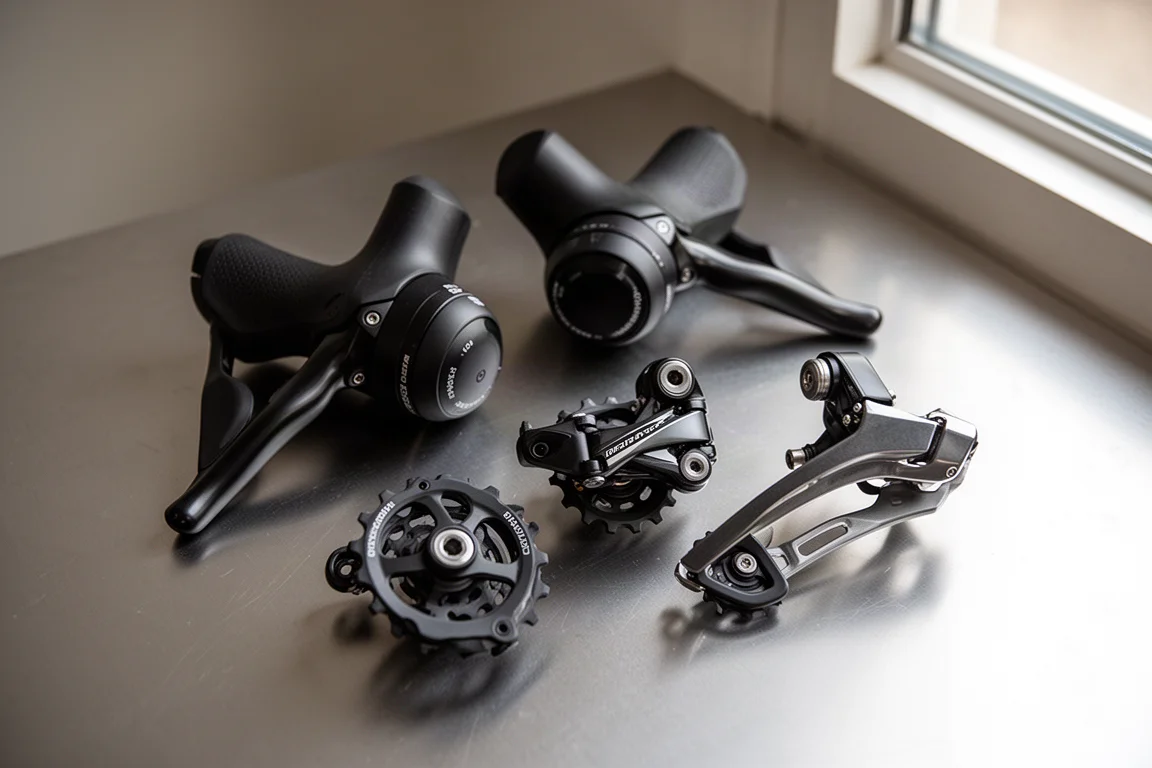
The groupset is the cheapest major component here, with both shifters costing around £100. Shifting quality is enjoyable when everything is adjusted correctly, and it has covered a year and a half of racing. The problems are small and constant. The front derailleur is the weakest link and is best replaced with a Shimano Ultegra unit rather than tuned endlessly. The rear derailleur has visible play because the spring that should steady it does not do the job properly, and a replacement unit behaved the same way. A pin also worked loose after about 18 months and was fixed at the roadside by wedging a twig into the mechanism to get home.
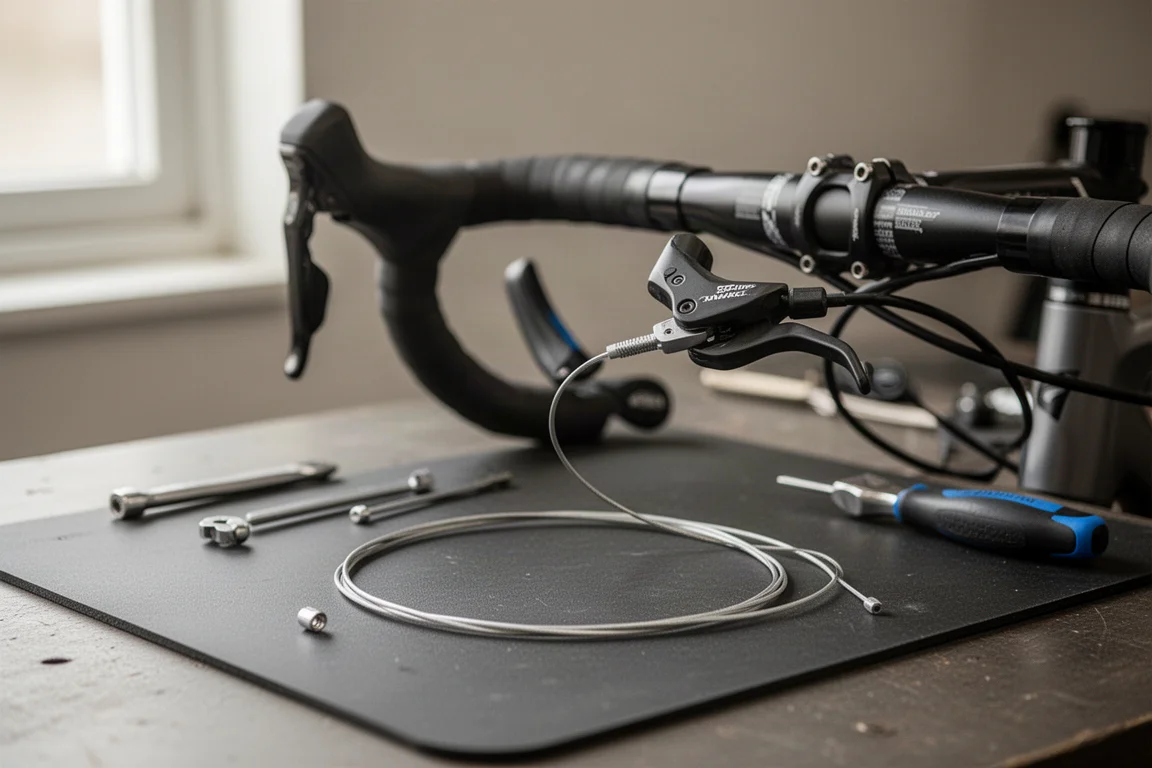
For a buyer, this is a component to treat as a starting point rather than a finished system. Budget for a front derailleur swap, expect to check bolts and pins periodically, and accept that the rear mech may never sit perfectly still. The build also uses a SRAM Red crankset carried over from an earlier bike, a reminder that mixing tiers is normal in builds like this.
Wheelset: Elite Wheels Carbon
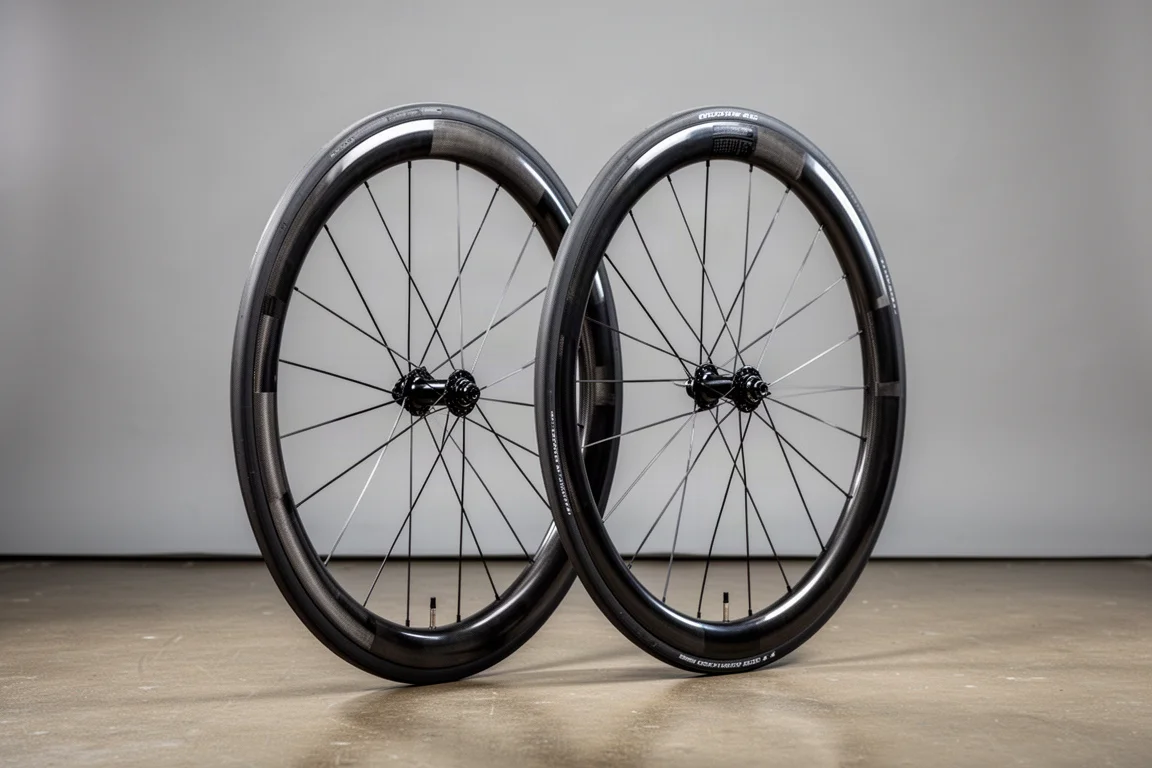
The carbon wheels came through AliExpress in an 82mm rear and 60mm front configuration. Two things have gone very well. The ceramic bearings lasted over a year without being serviced or replaced and still spun smoothly, and the wheels are quick on flat terrain. Two things have not. The machined brake track was essentially gone within about six months and non-existent by seven, and after a year and a half of use it is starting to dip further. The spokes also seize in the nipples, so a spoke replacement means replacing the spoke rather than simply truing the wheel.
Stability in crosswinds is another limitation of the 82/60 pairing, which makes the front end feel nervous in gusty conditions. The 82mm rear depth also causes a practical annoyance: valve stems sized for the more common 80mm depth do not fit neatly, and the odd number makes sourcing the right length harder than it should be. Support has been mixed, with one early response suggesting the brake track be sanded by hand and a later contact proving far more helpful.
Tires: Continental GP5000
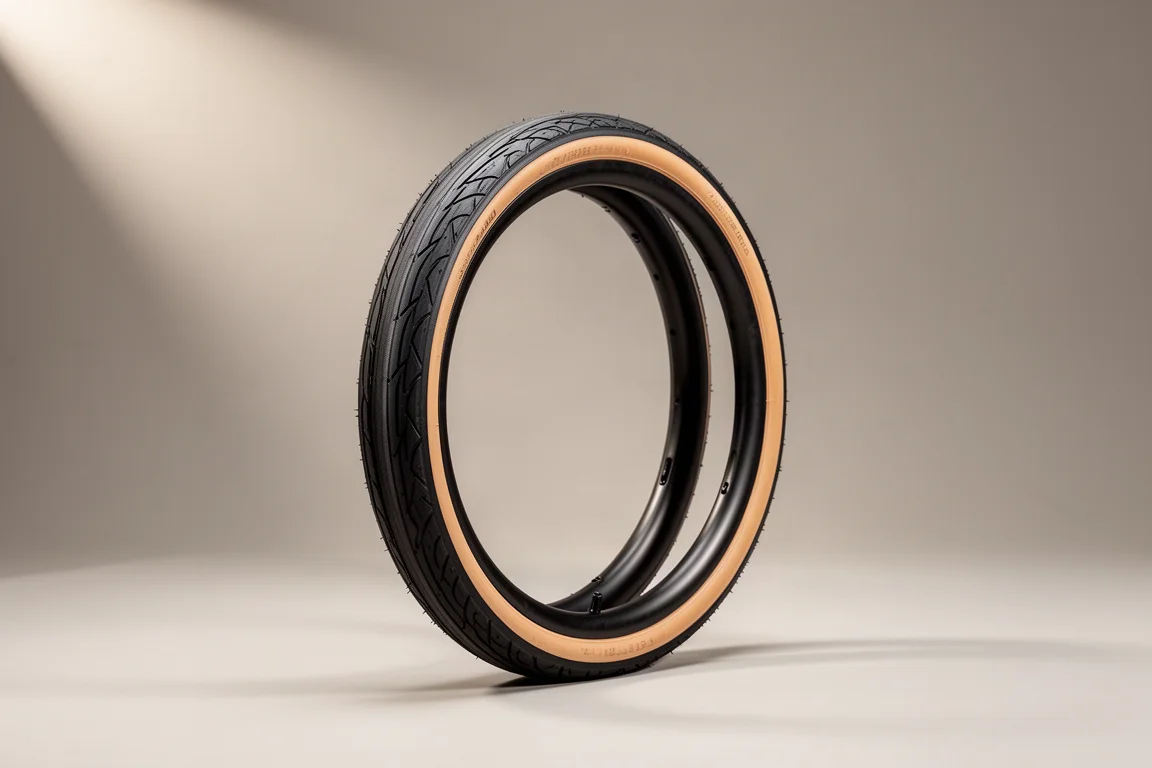
Not every part on the bike came from a budget marketplace. The build runs Continental GP5000 tires with latex tubes, a combination that rounds out the deep-section wheelset and keeps the contact patch simple.
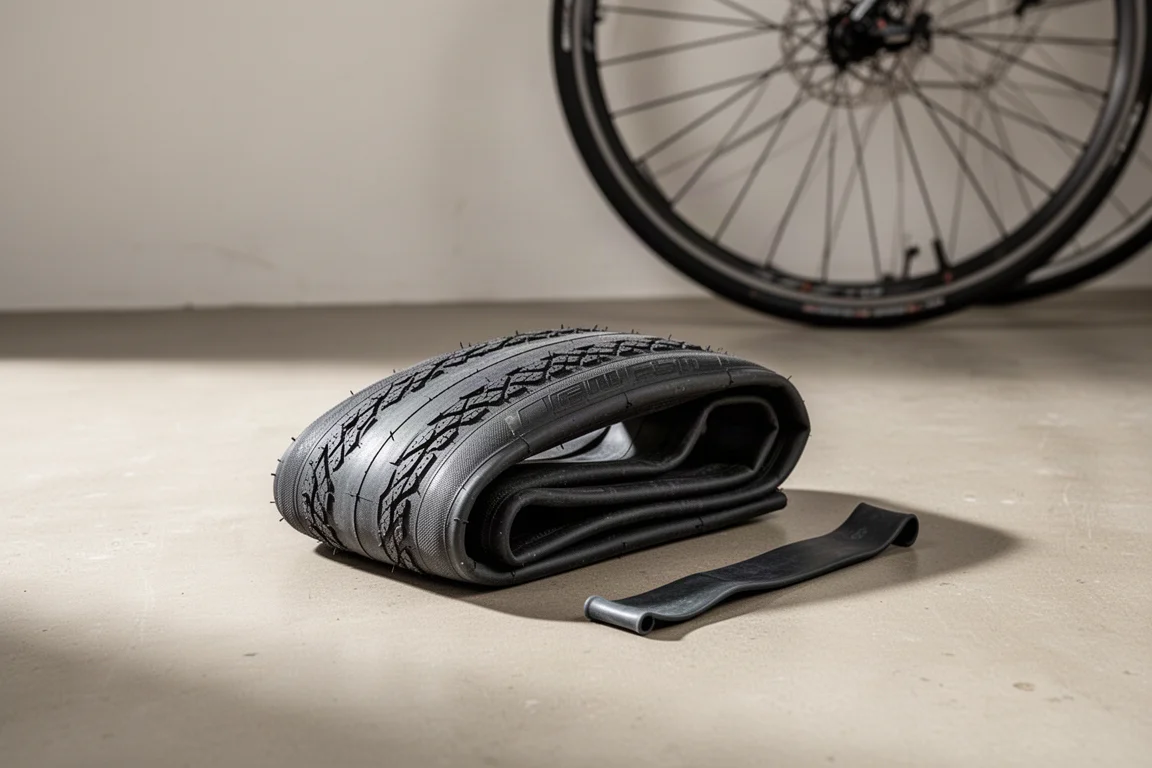
Tires are rarely the component that makes or breaks a build like this, and they are a sensible place to avoid compromise: they cost little relative to a frame or groupset, they are easy to swap, and they do not demand the workshop time that facing, routing and derailleur alignment require.
What to Watch Out For
Finishing work is the first thing to budget for. A frame at this price can arrive with an uneven clear coat, unfaced brake mounts and a bottom bracket shell that needs persuasion, all of which are easier to deal with before the bike is built up. If you are not confident doing that work yourself, factor in a workshop visit.
Safety-critical parts deserve extra caution. A budget stem developed a crack and went spongy under load, which was only noticed by feel, and it was replaced with a 3T stem painted to match the frame. Counterfeit brake calipers were bought on the strength of good reviews and did work, but they need the cable to enter at a specific angle, which this frame does not allow, so a cable noodle was needed at the rear. Counterfeit components are not something we recommend buying, whatever the reviews say.
The last category is the accumulation of small faults: a slipping seatpost, a drifting rear derailleur, a loose pin, a worn brake track. Individually they are minor. Together they are the reason this bike is close to being replaced despite still being fast.
Buying Advice
This build makes sense for a specific kind of rider: someone who enjoys doing their own maintenance, is comfortable chasing down small faults, and wants race pace without premium prices. At just over £2,000 for the complete bike, it delivers speed comparable to machines costing far more, and it has the racing record to prove the concept works.
The trade-off is refinement rather than pace. A premium bike works far better in every practical sense: cleaner shifting, better braking, fewer surprises. If you would rather ride than tinker, that difference is worth more than the savings.
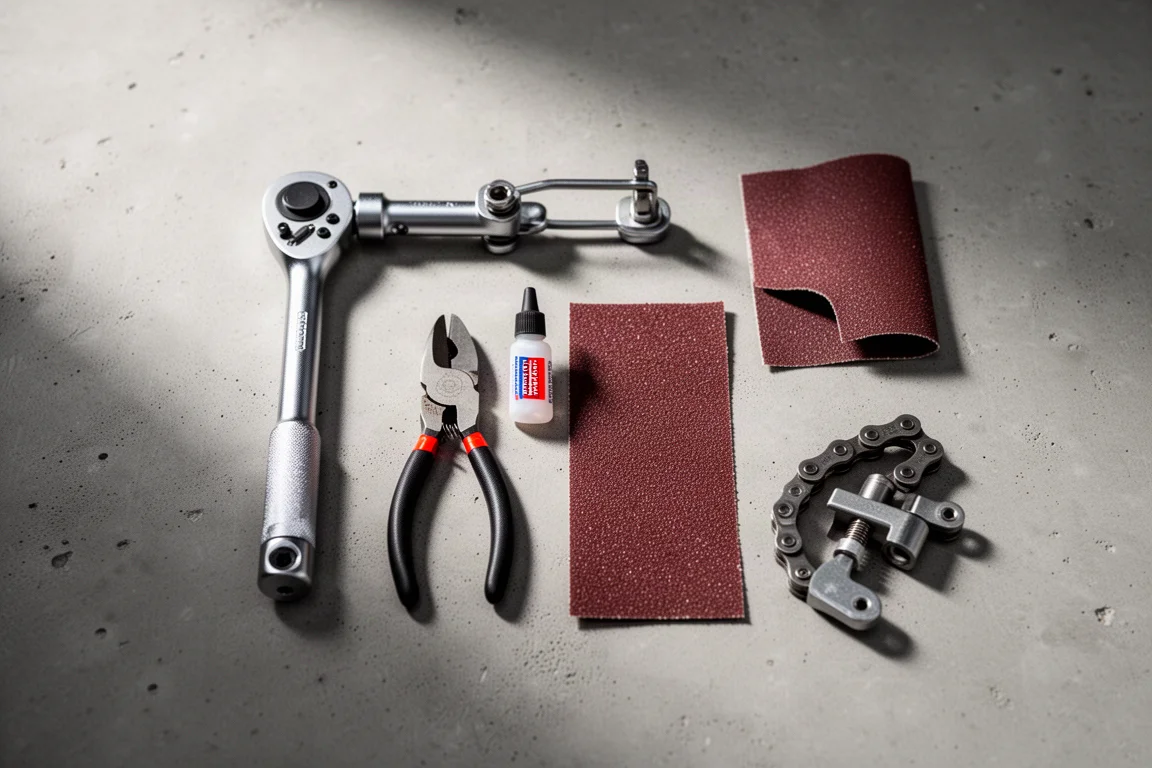
If you do go ahead, prioritise the parts that affect safety and shifting. Replace the front derailleur with a Shimano Ultegra unit, check stem and bar bolts regularly, and treat brake tracks, cables and pins as consumables rather than long-term fixtures. Maintenance is the hidden cost of a build like this, and it is the reason this one is now being retired.
Conclusion
The experiment worked. A bike assembled from budget components has covered around 20,000 miles, been raced at national level and stayed genuinely fast. It also needed constant attention, and the list of small faults eventually outweighed the savings for its owner. If you are willing to do the work and want maximum speed per pound, this approach can deliver. If you want a bike that simply works, the money is better spent elsewhere.
Further reading
Related Reviews
Cycling Components
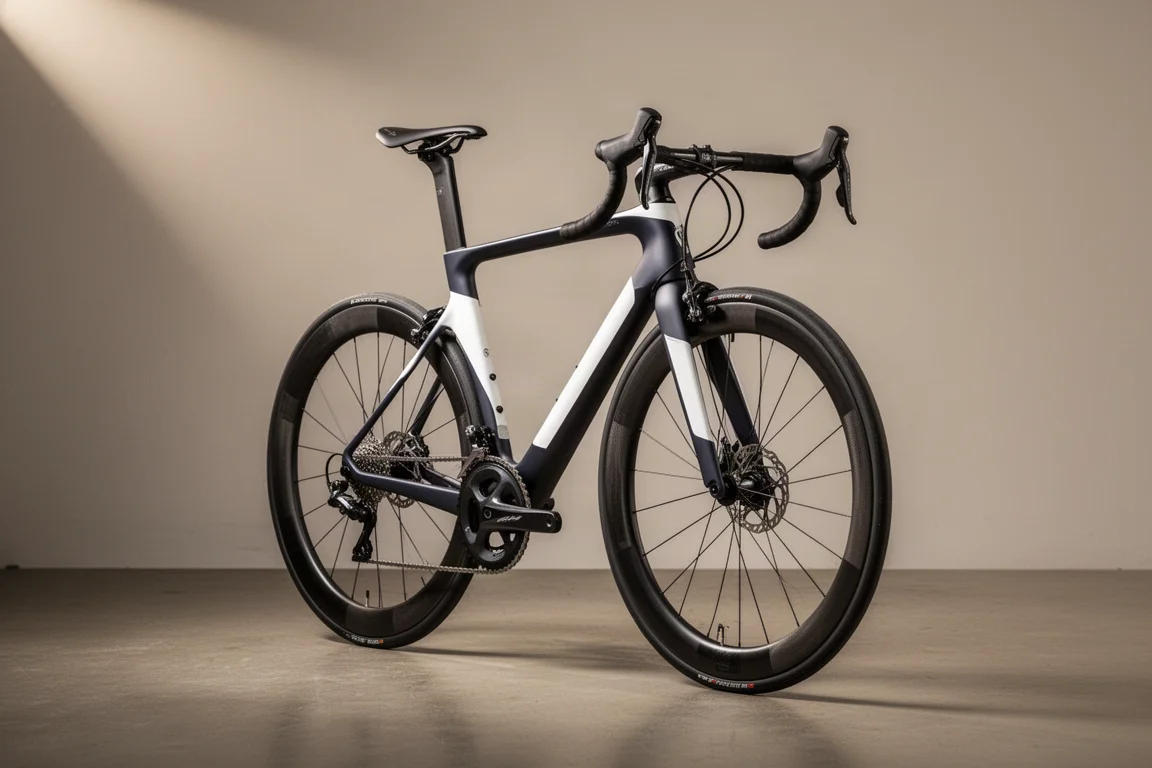
A 20,000-Mile Budget Race Bike Build: Five Parts Worth Knowing
A rim brake race bike assembled from low-cost components and ridden for 20,000 miles. Here is what delivered real speed, what caused problems, and what to weigh before copying the formula.
Cycling Components
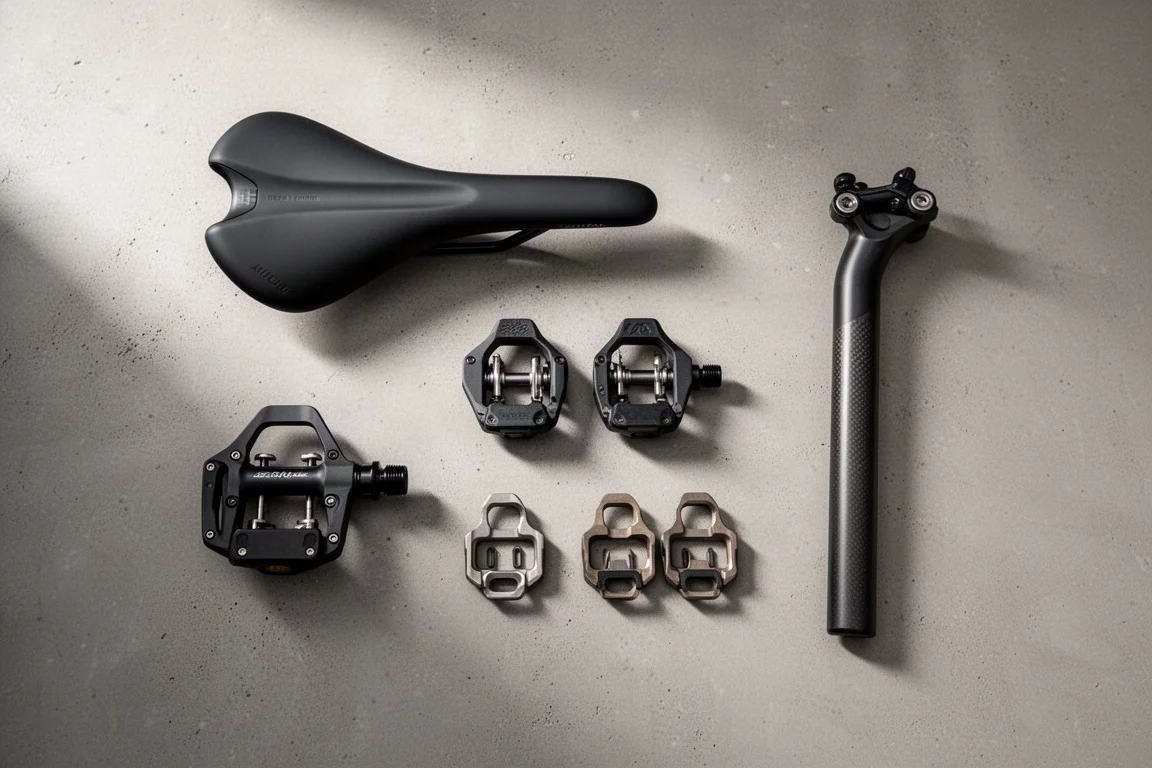
7 Bike Fit Products Fitters Avoid: What to Check Before You Buy
Seven bike components that regularly cause knee, foot and saddle problems, with the specific concerns behind each one and what to look for instead.
Cycling Components
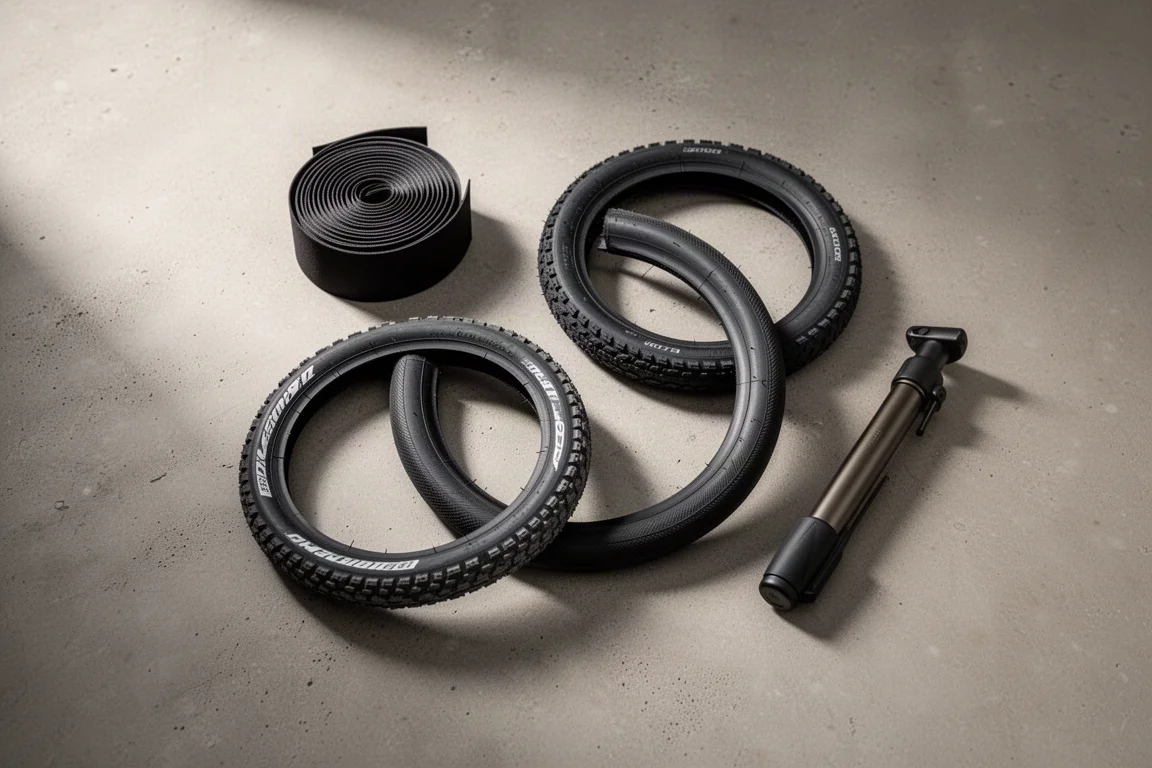
Four Affordable Bike Upgrades That Improve Ride Feel
Four low-cost cycling products that make a real difference to ride feel, plus the free setup changes worth trying first.