Backpacking Gear
Alaska Backpacking Gear: What Failed and What to Take Instead
A 17-day, 300-plus mile traverse of the Brooks Range put trekking poles, trail shoes, water treatment, and shelter to the test. Here is what failed and what earned a place in the pack.
Introduction
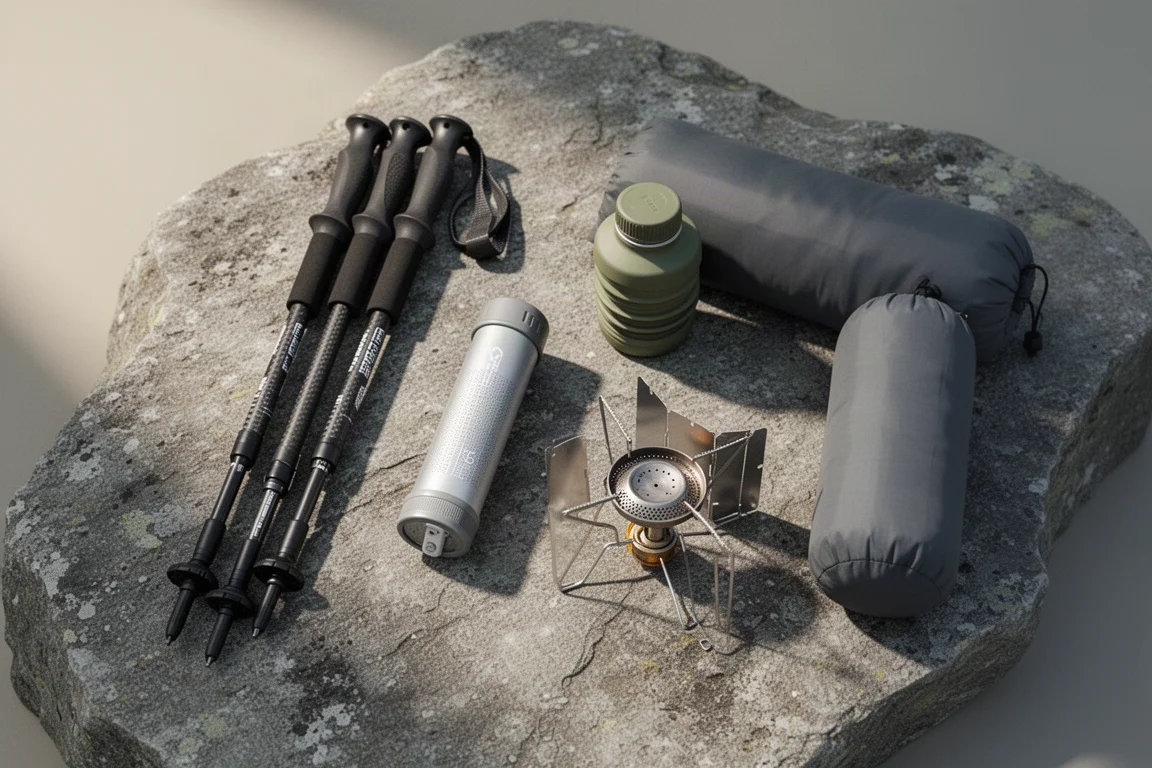
Gear lists are easy to write when everything works. This one is built around 17 days and more than 300 miles of travel through the Brooks Range in Alaska, a route that mixed packrafting sections, river crossings, rocky descents, and long days of off-trail walking across tundra tussocks while carrying loads that peaked just over 60 lbs.
That combination exposes weak points quickly. Some items failed outright. Others worked exactly as designed but were simply the wrong choice for these conditions. A few performed far better than expected and deserve a place in the pack on the next trip.
What follows is a plain breakdown: what failed, what should have been left at home, and which alternatives have already proven themselves over long-distance trails.
What This Gear List Covers
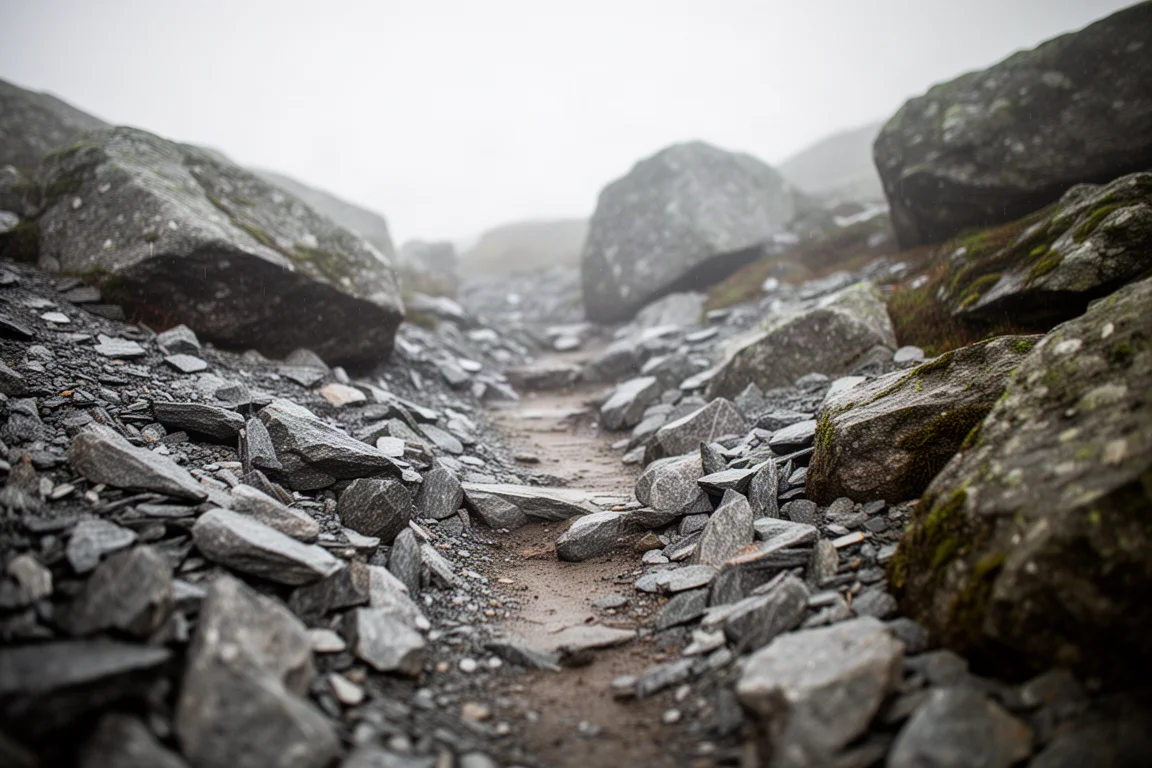
The conditions matter as much as the gear. The route combined moving water, loose rock, sustained wet weather, wind-exposed campsites, and mile after mile of tussock grass that forces the foot into constant small corrections. Anything that touches the ground or the skin takes far more abuse than a weekend trip would suggest.
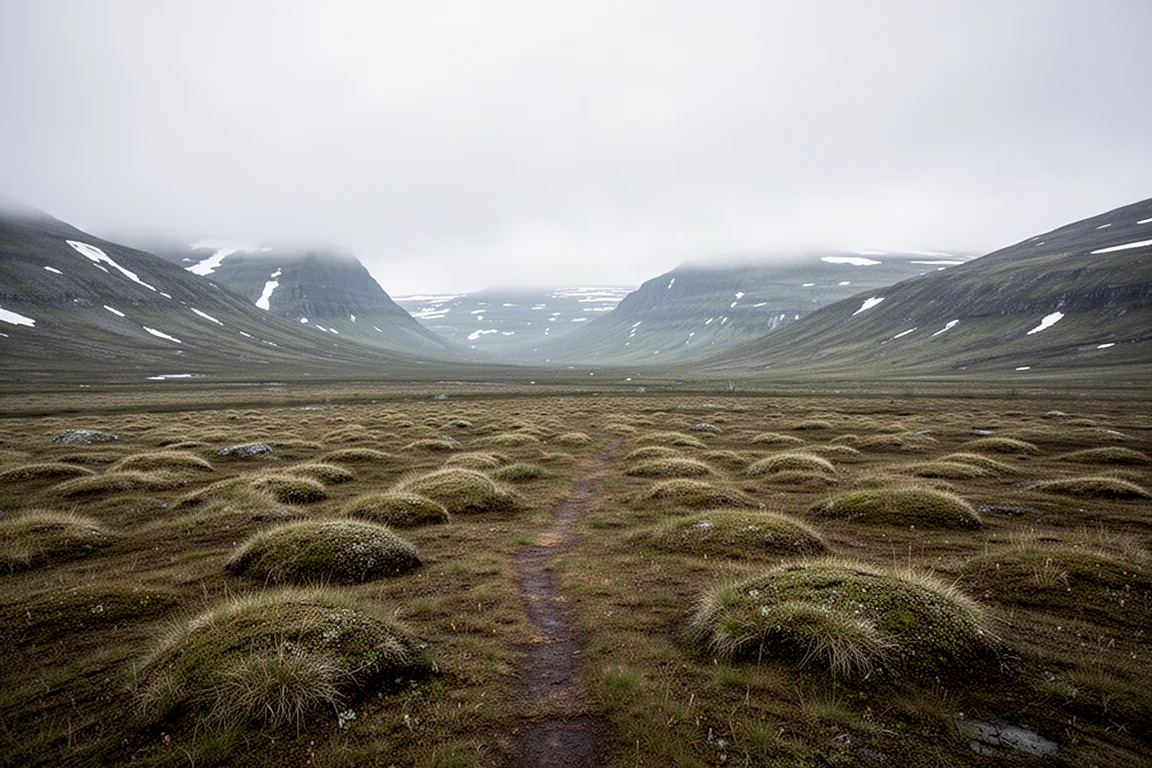
The notes below focus on three questions: did the item survive sustained use, did it stay comfortable over long days, and did it earn the weight and space it occupied. Where something failed, a proven alternative is listed alongside it. Where something worked well, the reason it worked is worth understanding, because the same logic applies to almost any long trip.
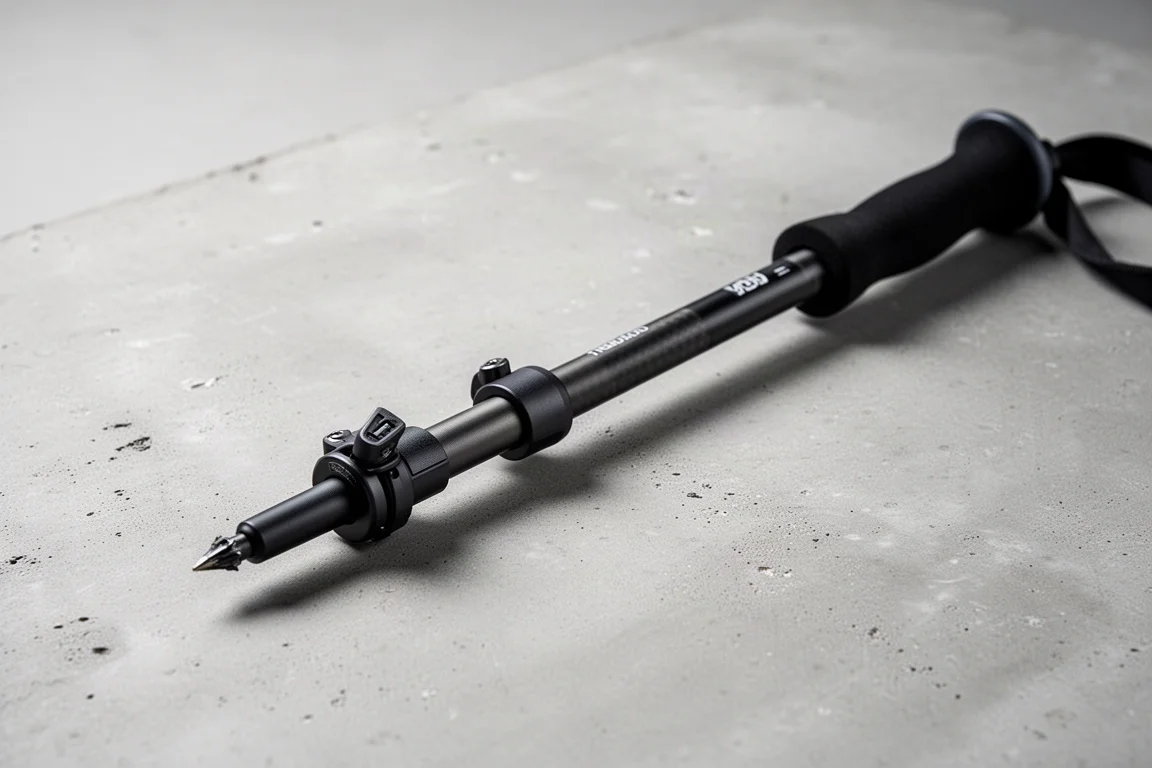
Durston Iceline Carbon Trekking Poles: The Failure That Shaped the Trip
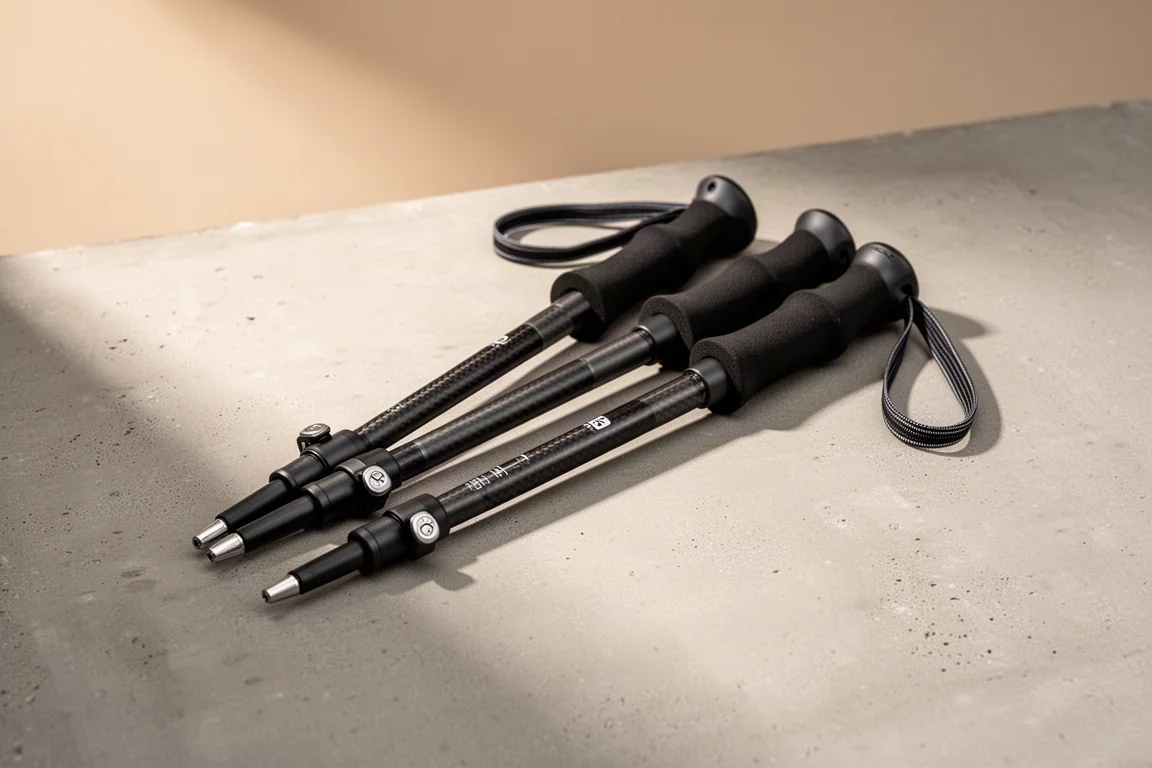
These carbon poles were chosen for three reasons: low weight, a carbon construction that felt stiff and sturdy, and a design that separates and breaks down small enough to store inside a pack. That last point mattered on a route where the pack was already heavy.
The locking button failed on day two. After a transition from packrafting back into backpacking and a river crossing, the snap button would not spring back and the sections would not lock together. Flushing the button with water did not restore it. From that point the pole separated randomly during walking, and the tip would catch in mud when lifted.
Roughly five days in, the carbon shaft sheared off mid-section during a rocky river crossing, not at the tip. A similar break happened once before on a carbon pair that had covered close to 3,000 miles. These had around five days of use. Later, the small aluminum insert that engages the button bent when the pole was used to arrest a fall on a loose rocky descent, and that insert is a known weak point on this design.
By the end of the trip the poles were out of service. One was lost in dense brush after repeated separations, and the remaining pole bent at the insert. The conclusion is straightforward: this is not a pole to trust on hard backcountry routes.
Black Diamond Carbon Cork Trekking Poles: The Known Quantity
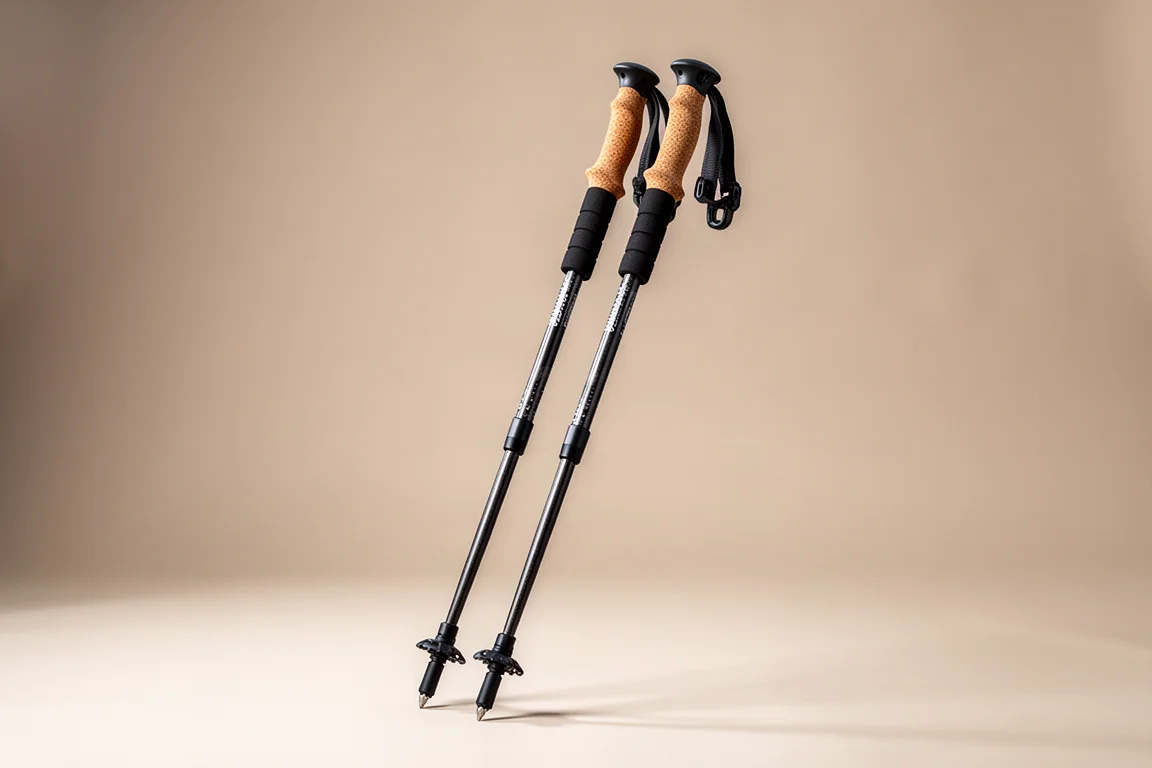
In service since 2016, this pair has covered a large portion of the Pacific Crest Trail, the Arizona Trail, and trips overseas, accumulating an enormous mileage total without a single failure. That record is the reason it is the first recommendation when replacing a failed pair of poles.
For anyone planning a long route, the value here is not a spec sheet number. It is the fact that the same poles have already survived years of the kind of terrain that broke a newer carbon set in under a week.
Diorite Carbon Trekking Pole: A Second Dependable Option
The Diorite carbon pole, previously sold as the Kak carbon trekking pole before the brand was renamed, is the other dependable option. Its only recorded failure came after nearly 3,000 miles of hard hiking, which is a very different reliability profile from a pole that failed within days of starting a trip.
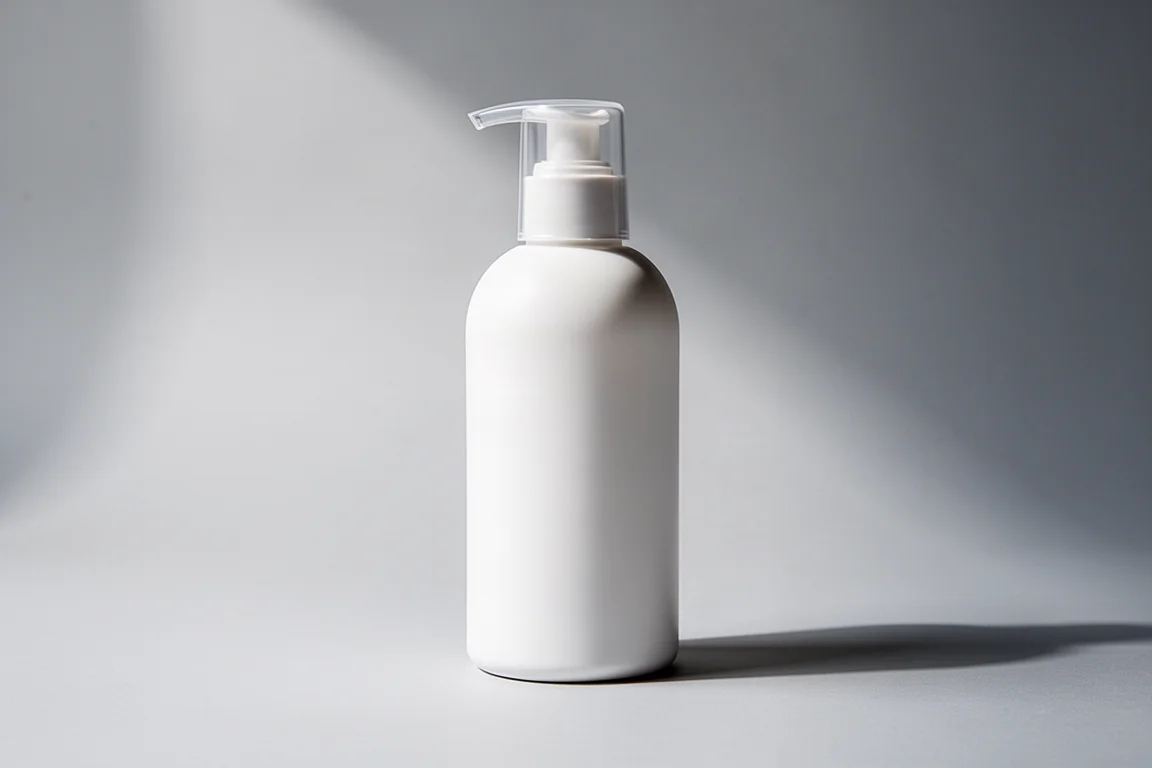
Sawyer Picaridin Lotion: Right Product, Wrong Format
This lotion has been the go-to mosquito repellent for years and it performs well against mosquitoes. The problem on this trip was coverage. With long pants, long sleeves, and a hood worn almost the entire time, the only skin exposed for most of the day was the hands and face, and even that was often covered by a bug net.
Across 17 days, roughly one packet of lotion was used. A spray would have been far easier to apply to the small areas of exposed skin. The spray versions carried by other members of the group worked well against mosquitoes, and treating clothing with permethrin also made a real difference.
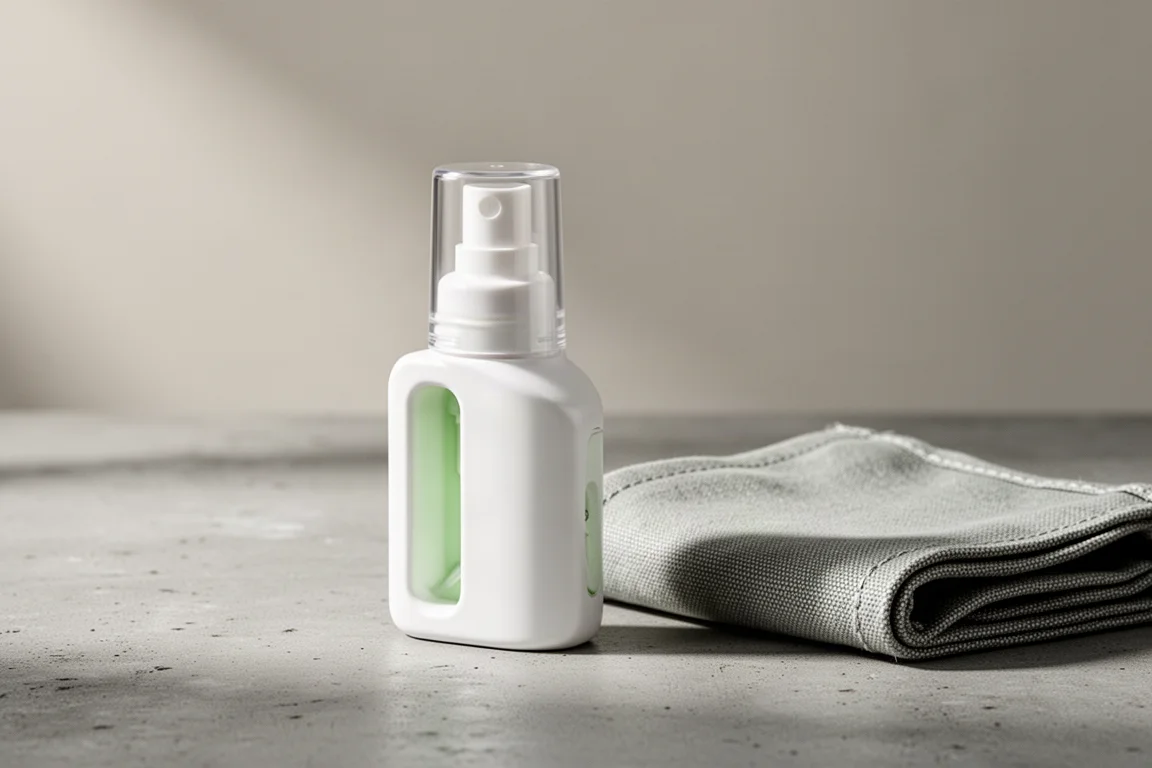
Sawyer Picaridin Spray: The Format That Made Sense
Available in both lotion and spray, the spray version is the one that should have been packed. It is quick to apply to hands and face, it works well against mosquitoes, and it pairs naturally with permethrin-treated clothing when most of the body is covered.
If there is a lesson worth repeating, it is that repellent format is a packing decision, not an afterthought. Choose the format that matches how much skin will actually be exposed.
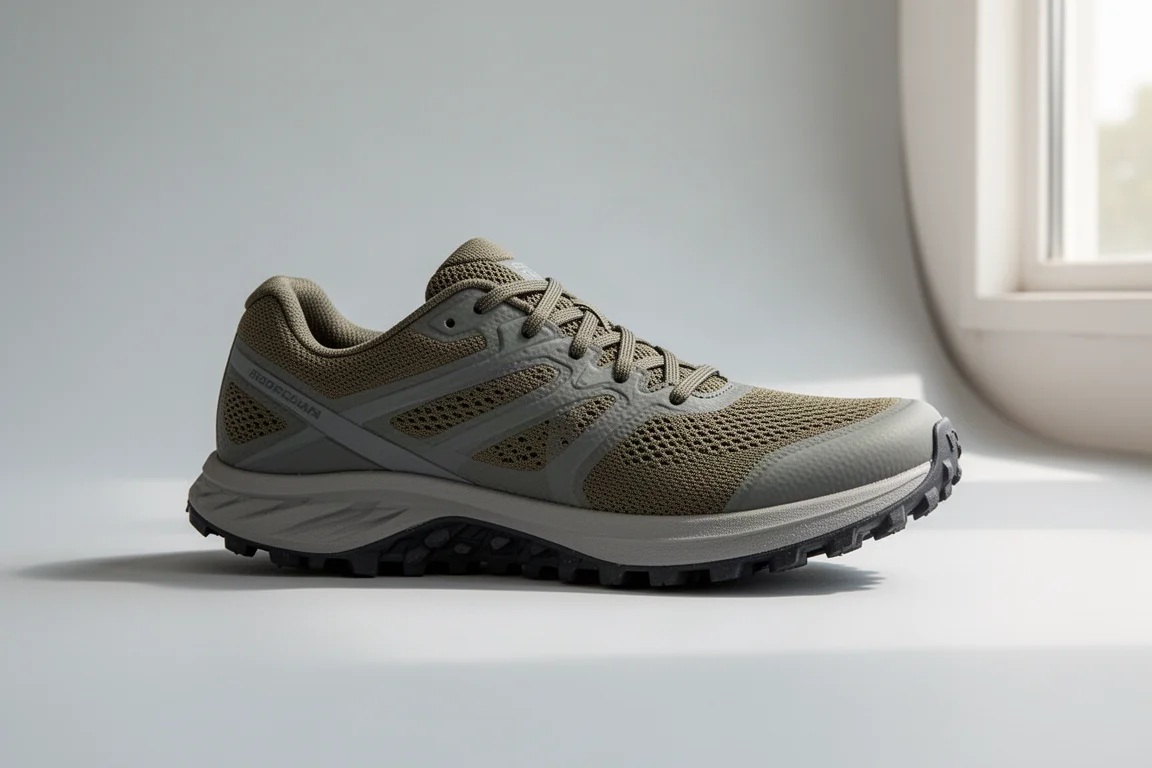
Topo Pursuit: The Shoe That Never Caused a Problem
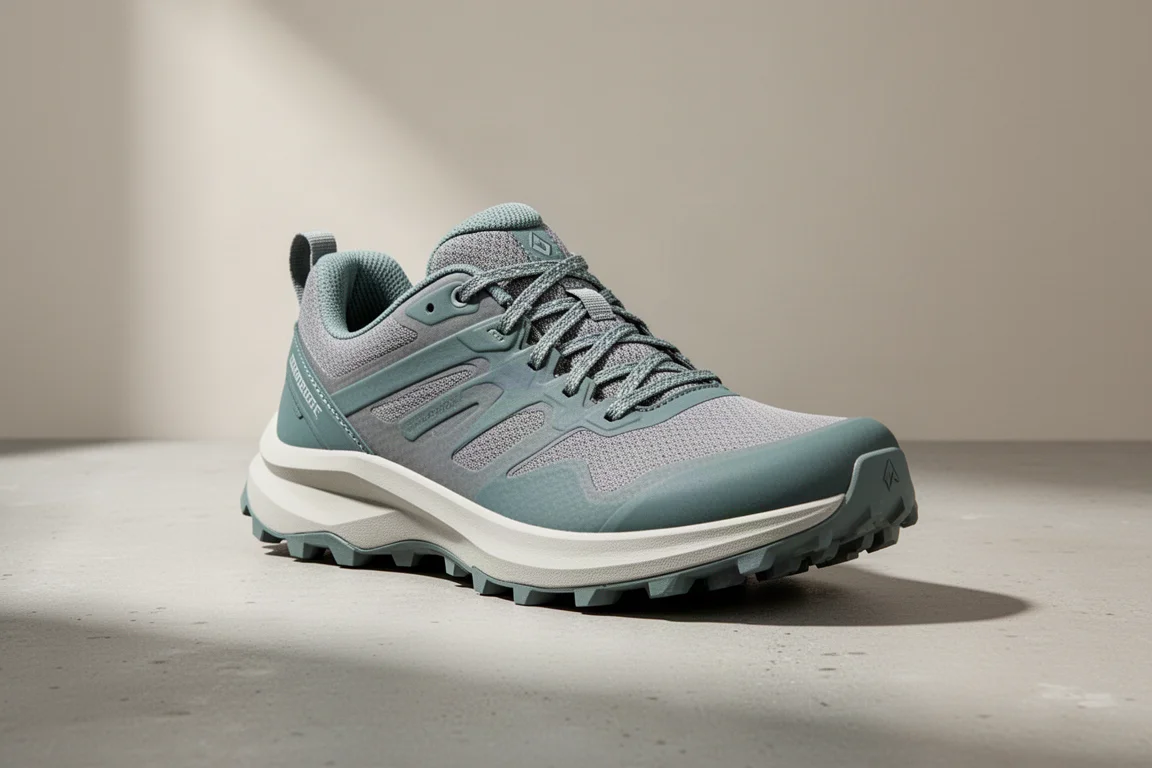
After years in Altra Lone Peaks, the switch to the Topo Pursuit was a clear improvement. The shoe has covered a large number of miles with no blisters, no ankle or Achilles issues, and no knee problems. That record is exactly why the original remains the reference point for everything that followed it.
Topo Pursuit 2: A Redesign That Caused an Injury
The Pursuit 2 arrived with a revised design that did not hold up as well over a year of use. A brand new pair was purchased specifically for the Alaska trip, and the heel cup produced a hard rubbing sensation against both Achilles tendons.
On the right side the rubbing became very painful around day seven. Removing the fabric, the foam, and a small hard plastic piece from the heel cup of the right shoe relieved the pressure slightly, but Achilles tendonitis had already set in. It then developed on the left side as well, where it was tolerated for another 7 to 8 days of hiking. Walking barefoot around camp caused no pain at all, which pointed clearly at the heel cup. The problem was still present after the trip.
For future routes the plan is to return to the original Pursuit. If that model is no longer available, the options are a later version of the shoe or a different brand entirely.
Sawyer Mini 2: The Biggest Surprise
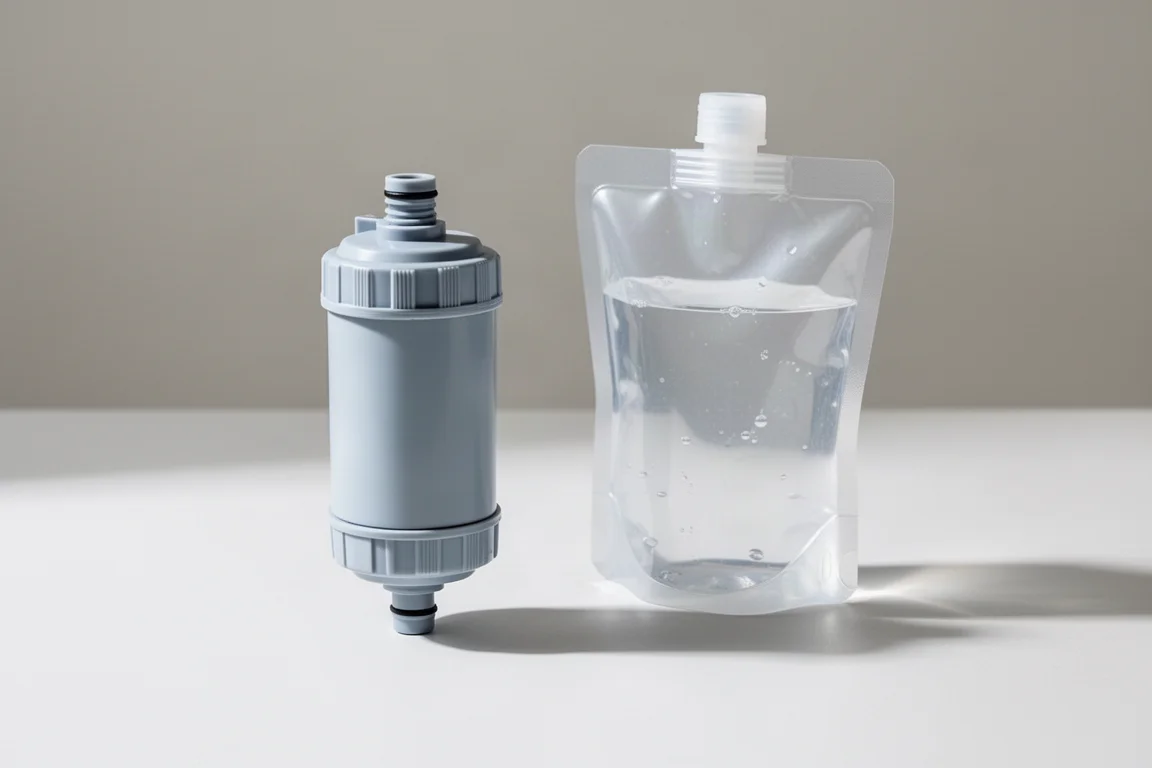
The original Sawyer Mini, last used around 2016, clogged frequently, especially with salty water, and never had a good flow rate. The Mini 2 addresses both complaints with an improved flow rate and threading on both ends.
The dual threading is the practical upgrade. With the cap removed, the filter threads directly onto a water bottle, and a small nipple on the other end lets a bottle be used to backflush the filter in the field. It was backflushed several times during the trip and never clogged, even in silty river water. It far exceeded expectations.
Cnoc Vesica 1L Bottle: The Bottle That Should Have Stayed
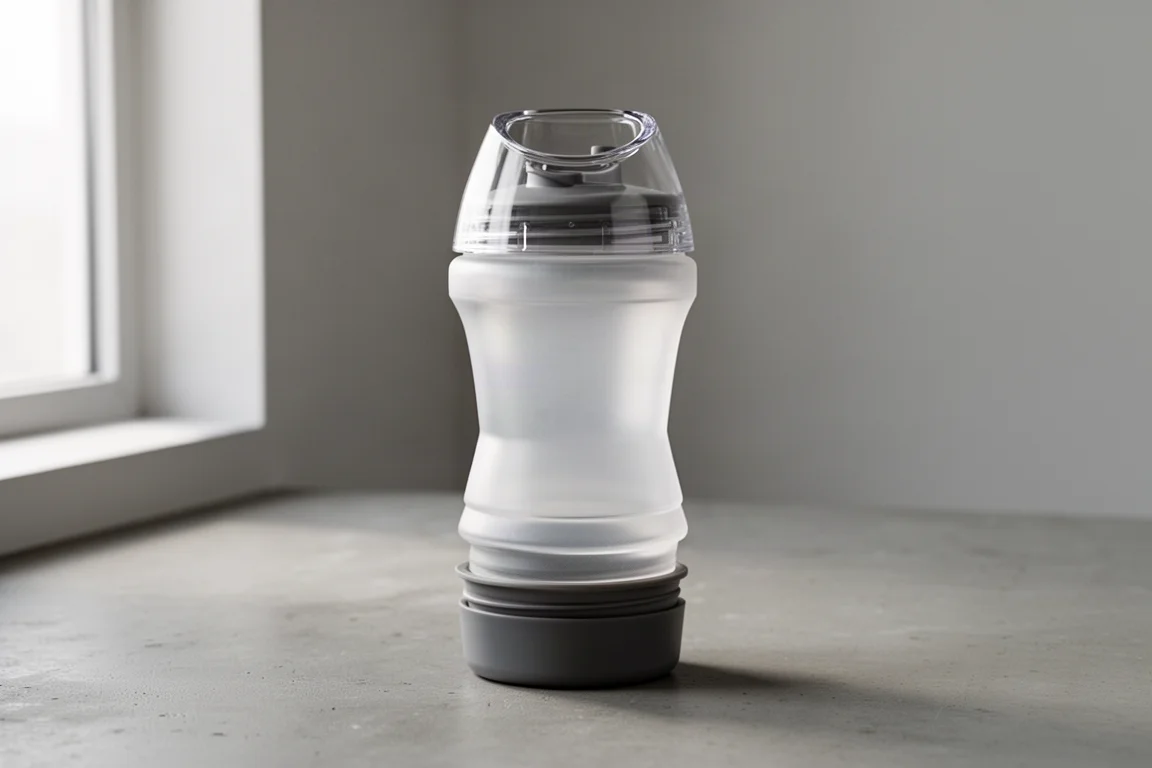
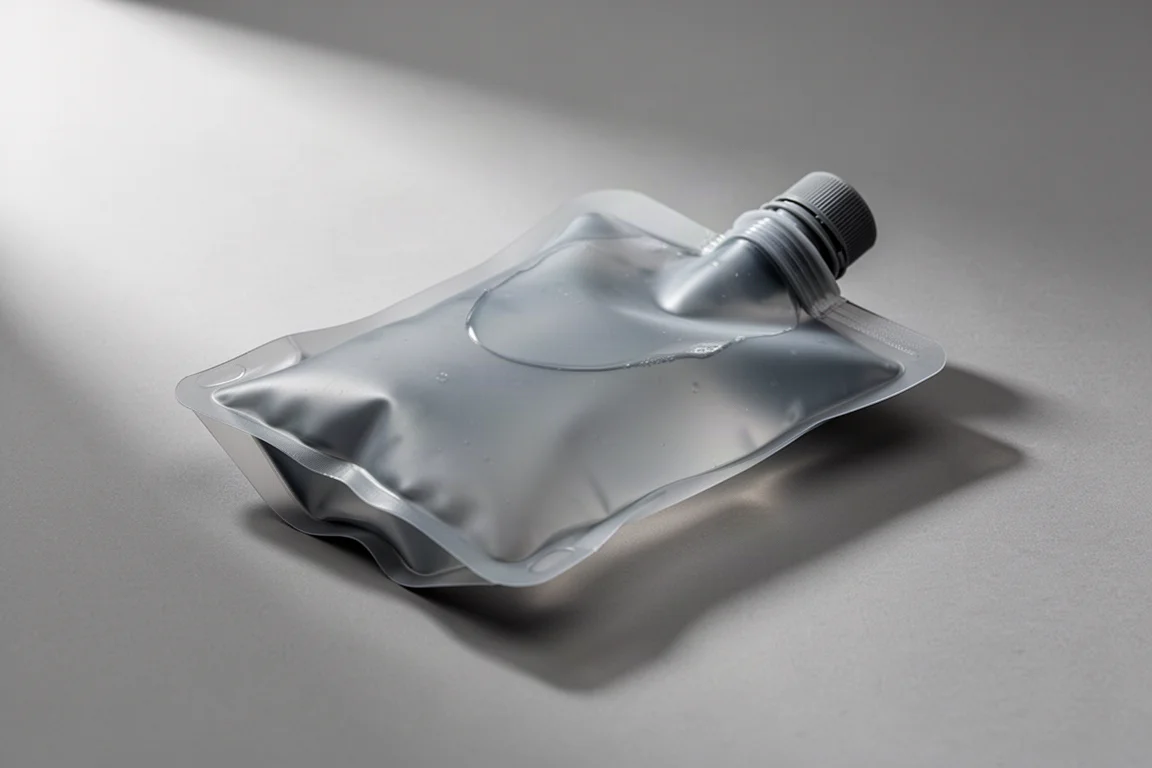
The original water plan paired the filter with a 1-liter collapsible Cnoc Vesica bottle that has a rigid top and a rigid base. A version of this bottle is also bundled with some of the same manufacturer’s filters.
The rigid top turned out to be the most useful detail. It worked like a cup for scooping water out of small puddles on high ridges, where collecting water was genuinely difficult. Both other members of the group carried one, and one liter of capacity also meant fewer refill trips at camp.
Sawyer 750 mL Pouch: A Good Bag in the Wrong Size
A 750 mL pouch was swapped in at the last minute. The bag itself held up perfectly, and the newer bags are noticeably thicker than the older plastic versions. The problem was capacity: 750 mL does not fill a 1-liter bottle, so filling up at camp meant multiple trips, and a soft pouch cannot scoop water out of a shallow puddle.
For shorter trips this is a perfectly reasonable bottle. For long carries, dry ridgelines, and camp routines built around a 1-liter bottle, the larger rigid-topped option is the better call.
Zpacks Altaplex: A Trekking Pole Tent That Held Up
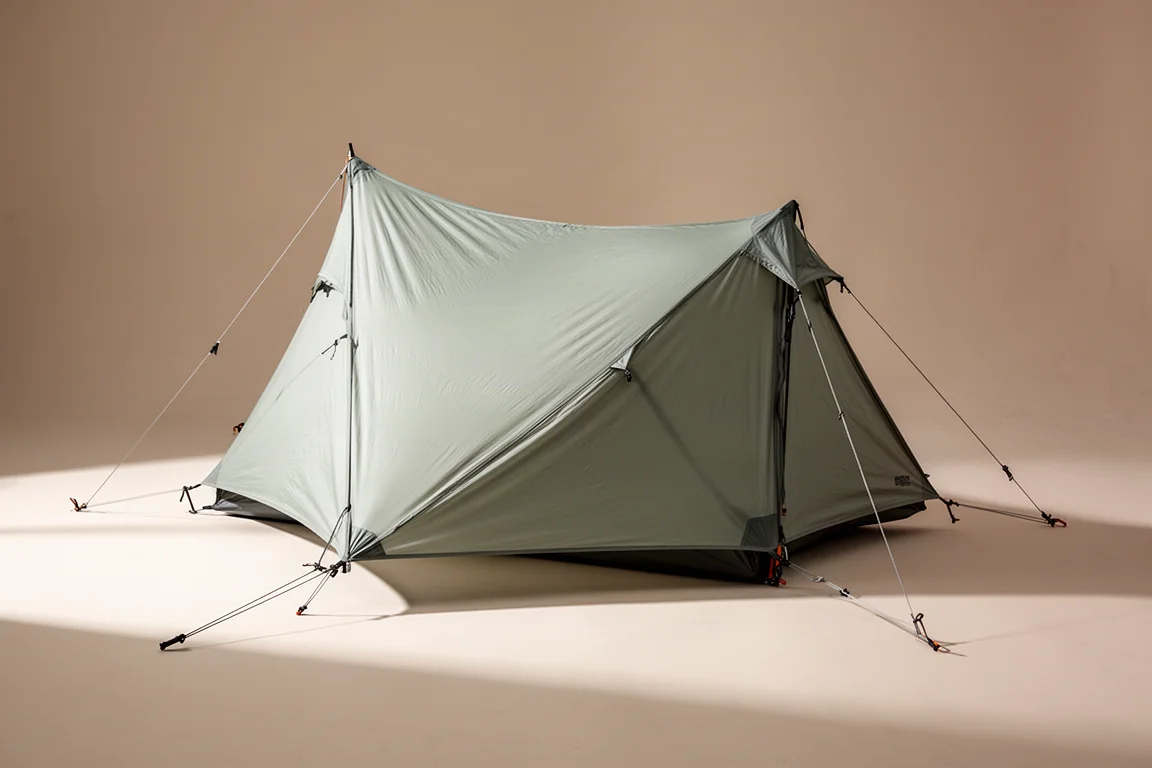
There were real doubts about taking a trekking pole shelter into an environment known for wind and rain, where many would argue for a freestanding tent. The Altaplex has been in use for years and has been pitched in strange conditions. In Alaska it handled rain and wind without a problem, and there was never a situation where it could not be pitched.
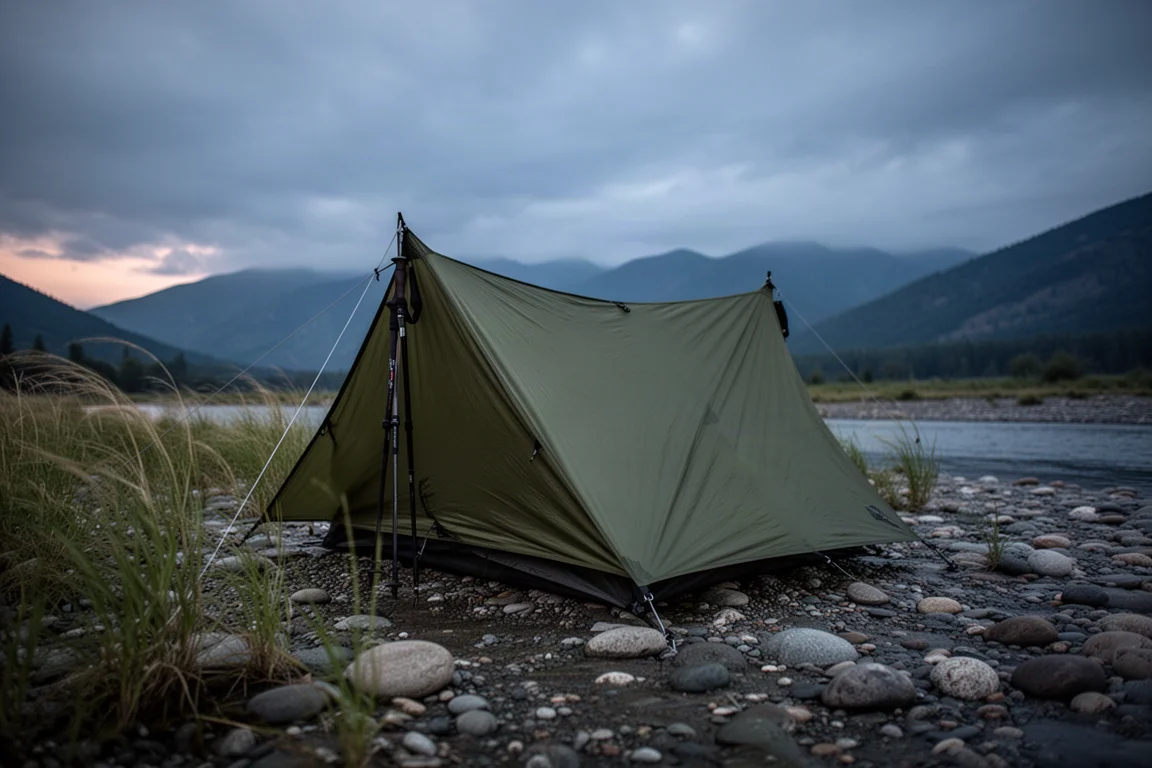
The wider point is that a trekking pole shelter is only as reliable as the poles holding it up, which turns pole choice into a structural decision rather than an accessory one. A shelter that has been pitched many times in bad weather is worth more than a lighter one with no track record.
Toaks Siphon Alcohol Stove: Simple and Efficient
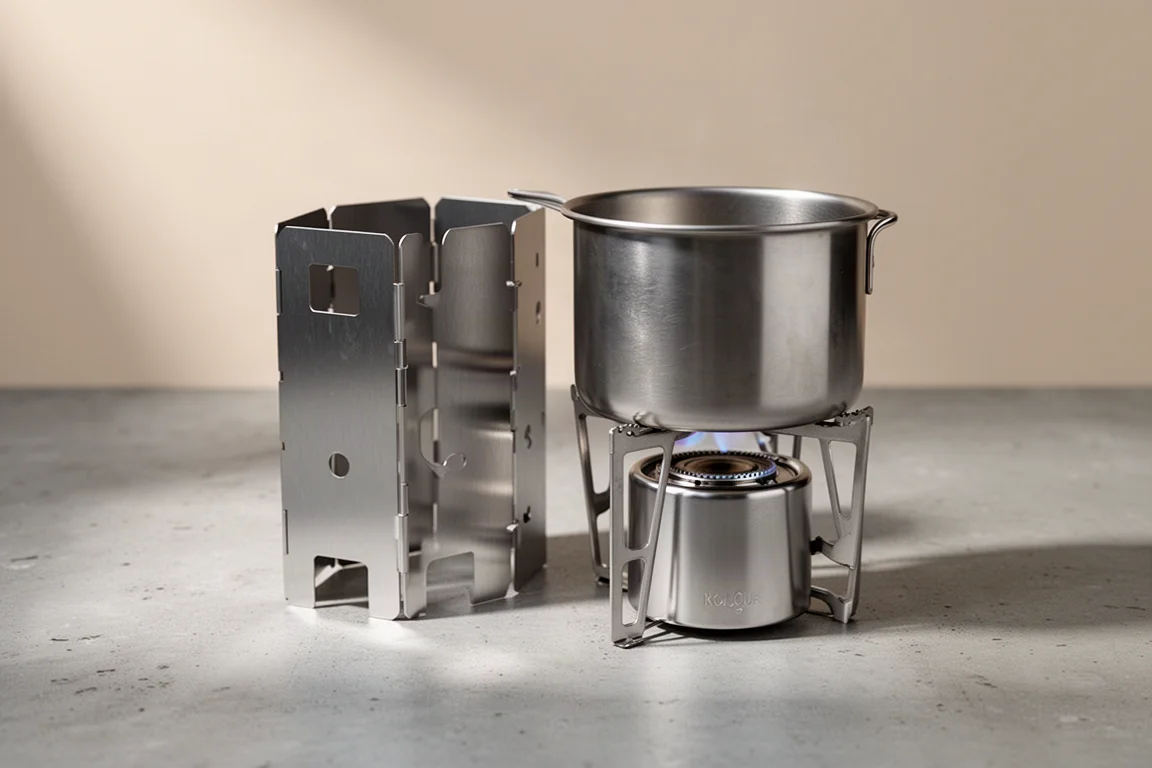
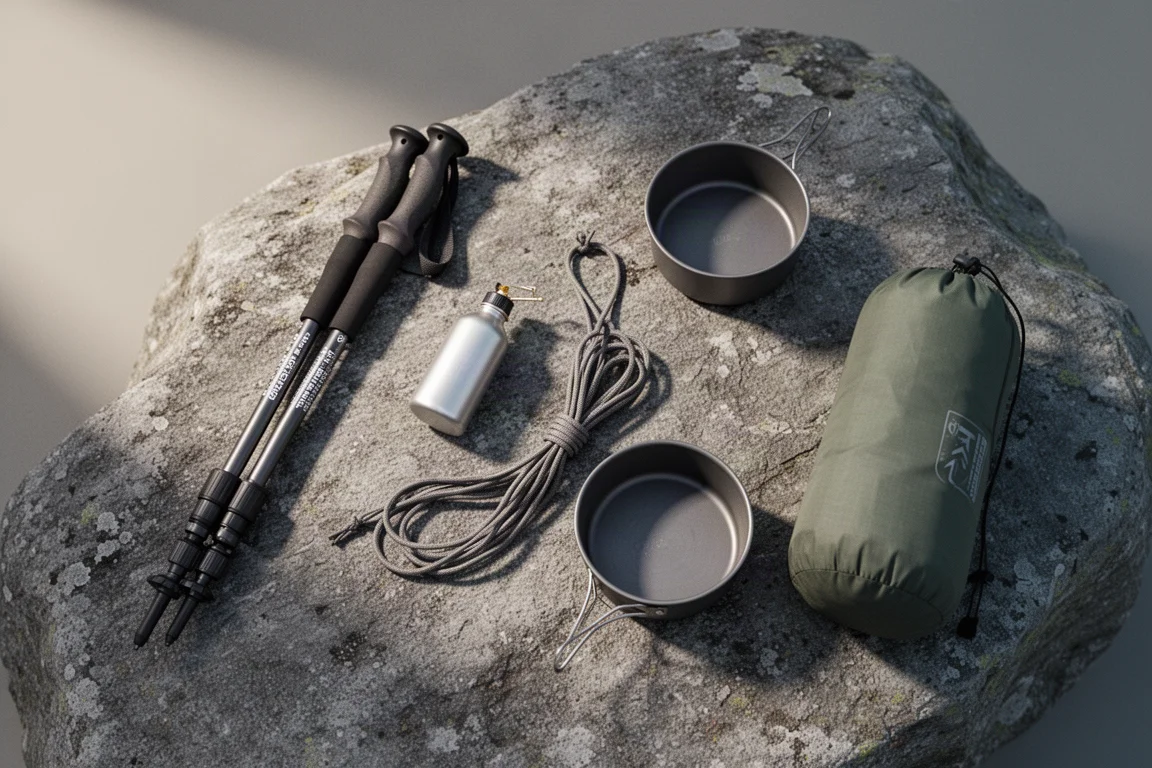
The cook kit was deliberately minimal: a Toaks Siphon alcohol stove, a windscreen and stand, and an 8 oz bottle of fuel. The windscreen did its job in exposed, windy campsites, and the stove was efficient enough to bring water to a boil on half an ounce of alcohol. On days when only coffee was needed, a quarter of an ounce was enough.
Across 8-day stretches without resupply, 8 ounces of fuel was more than sufficient at roughly an ounce per day.
Adotec Grizzly Bag: Food Storage That Worked
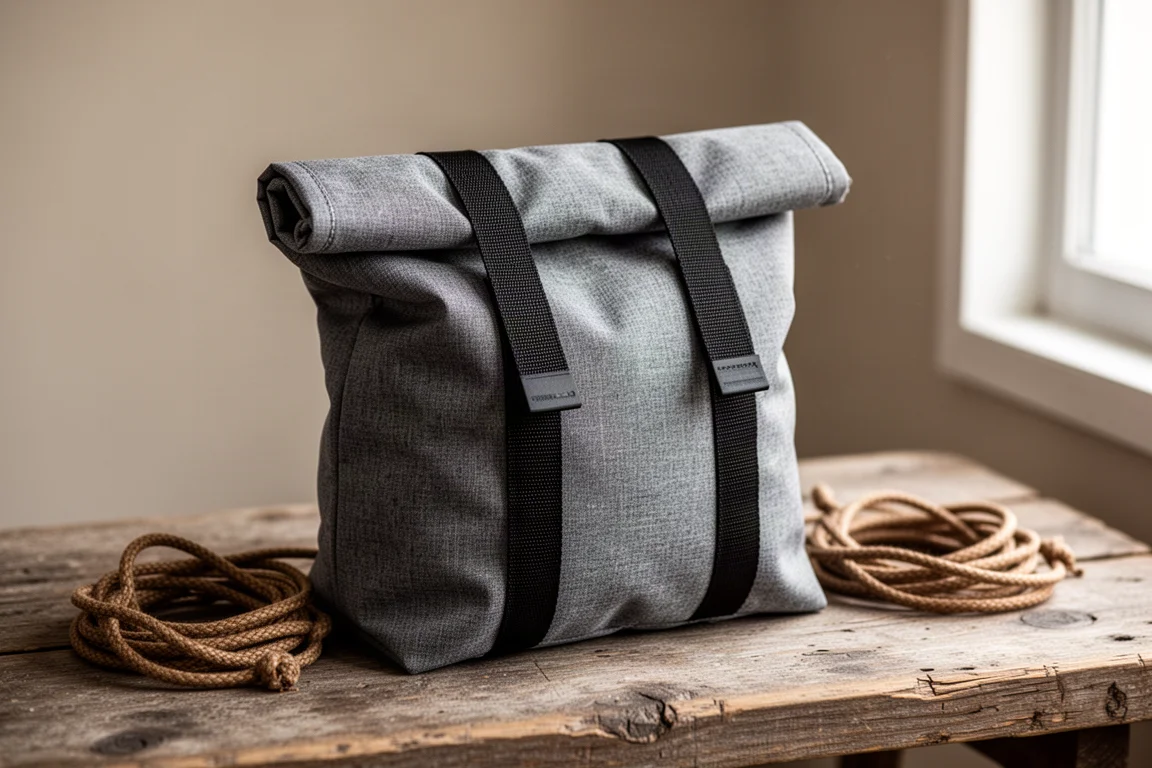
The Adotec Grizzly bag drew plenty of questions, largely because it depends on being tied off rather than sealed in a hard container. It held all of the food for the trip, and every night it was tied to a tree, a bush, or a root system. There were plenty of trees in the areas traveled, and no grizzly bears were seen across 17 days.
Everyone in the group carried one, and all came away impressed with how simple and effective the setup proved to be.
onX Backcountry: Mapping the Route and Navigating Offline
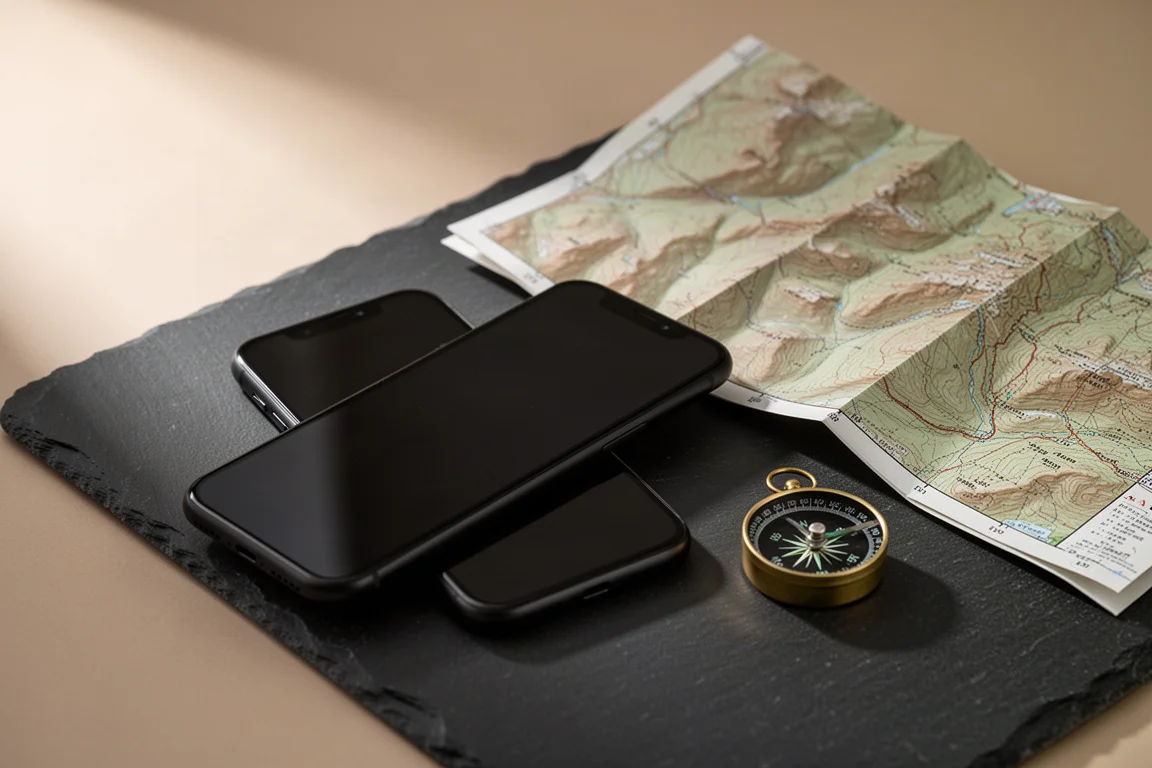
The desktop version of onX Backcountry was used to plan and route the entire traverse, and the mobile app with offline maps was used in the field for navigating through brush and along ridgelines, as well as on the river during packrafting sections. It became a core part of the navigation kit rather than an afterthought, and it earned its place on a route with no marked trails.
Buying Advice: What to Take Instead
A few patterns stand out after this trip, and they are worth applying to any long route.
Poles and shoes take the most abuse, and both failures here were structural: a locking mechanism and a heel cup. If a trip depends on either, break them in on shorter outings first and carry a proven backup or a proven primary.
Repellent format matters as much as the active ingredient. When clothing covers most of the body, a spray reaches the exposed skin far faster than a lotion.
Water capacity should match the terrain. A rigid-topped 1-liter bottle can scoop from shallow sources and refill a bottle in one trip, while a smaller soft pouch does neither as well, especially on high ridges.
Simple, proven systems held up. An alcohol stove with a windscreen, a trekking pole shelter that has been pitched dozens of times, and a hangable food bag all did exactly what they were supposed to do.
None of this is exotic advice, but it comes from 17 days of sustained use rather than a weekend of testing. The gear that survived was not the most technical or the most expensive. It was the gear that had already been used hard before it ever reached Alaska.
Conclusion
The most useful outcome of a long trip is a clear list of what to keep and what to replace. On this route, the trekking poles and the updated trail shoes were the two items that genuinely compromised the trip, and both have well-tested alternatives already available. The repellent format and the water bottle size were smaller mistakes with easy fixes.
The gear that exceeded expectations is worth noting too: a dual-threaded filter that never clogged, a trekking pole shelter that handled wind and rain, a minimal alcohol cook system, and a food bag that worked every night without drama. That is the shape of a reliable kit for a hard backcountry route: fewer moving parts, more field time behind each choice.
Further reading
Related Reviews

Backpacking Gear
Building a 10 lb Base Weight: An Ultralight Backpacking Gear List
A practical walkthrough of the ultralight pieces behind a 10 lb base weight, from a 765 g pack and a roomy one-person tent to a full camp chair and a dependable water filter.

Backpacking Gear
A 15-Pound Lightweight Backpacking Gear List for Solo Trips
A beginner-friendly 15-pound backpacking setup built from easy-to-find gear, with notes on what each piece does, how it packs, and where to spend your attention.

Backpacking Gear
8 Ultralight Backpacking Gear Upgrades Worth Carrying
Eight small, affordable backpacking upgrades that solve real trail annoyances, from a pillow that stays put to a fuel valve that rescues leftover canister gas.