Integrated Amplifiers
Advance Paris X-i75 Review: An Integrated Amplifier With Character and Connections
A detailed look at the Advance Paris X-i75, an integrated amplifier with a class A bias option, a broad set of inputs and outputs, and a look that stands apart.
Introduction
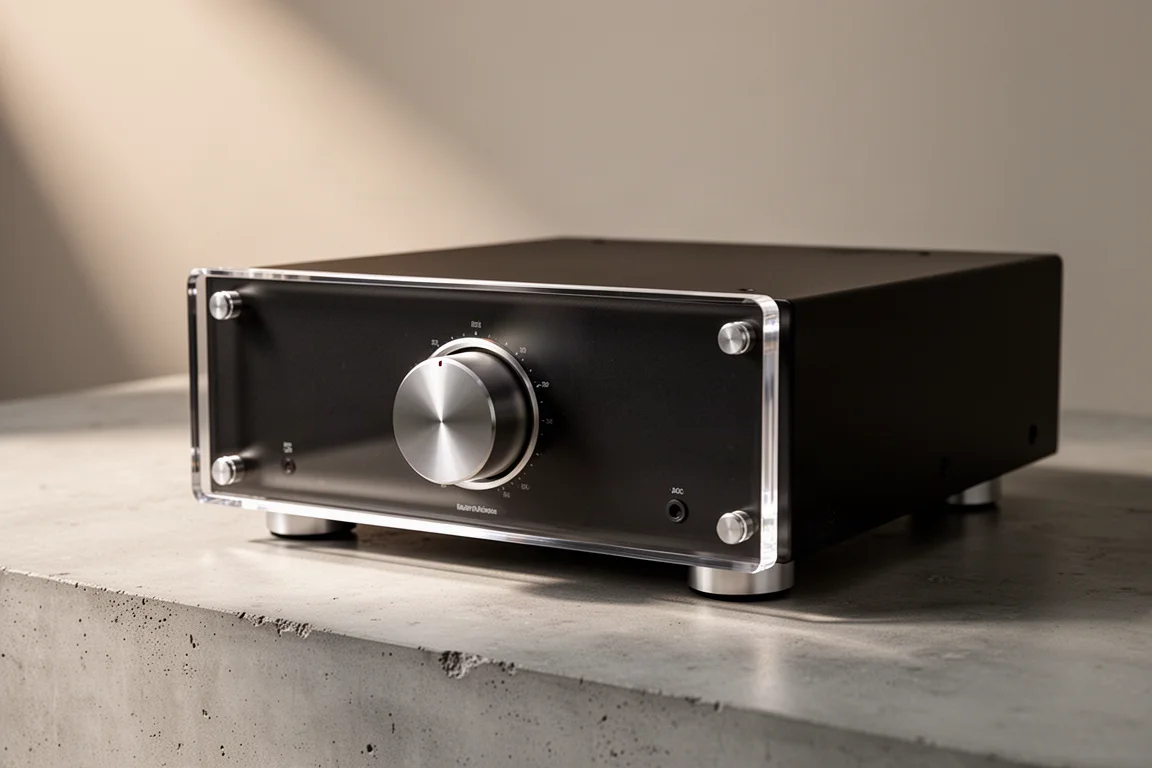
The Advance Paris X-i75 is an integrated amplifier for listeners who want a stereo system that looks and behaves differently from the usual black box. Its plexiglass front panel, bold control layout, and generous spread of connections give it a personality that is rare in its part of the market.
Mechanically, the design stays close to traditional hi-fi thinking. A linear power supply and a large toroidal transformer sit inside the chassis, and the amplifier is rated at 75 watts into 8 ohm loads and 110 watts into 4 ohm loads.
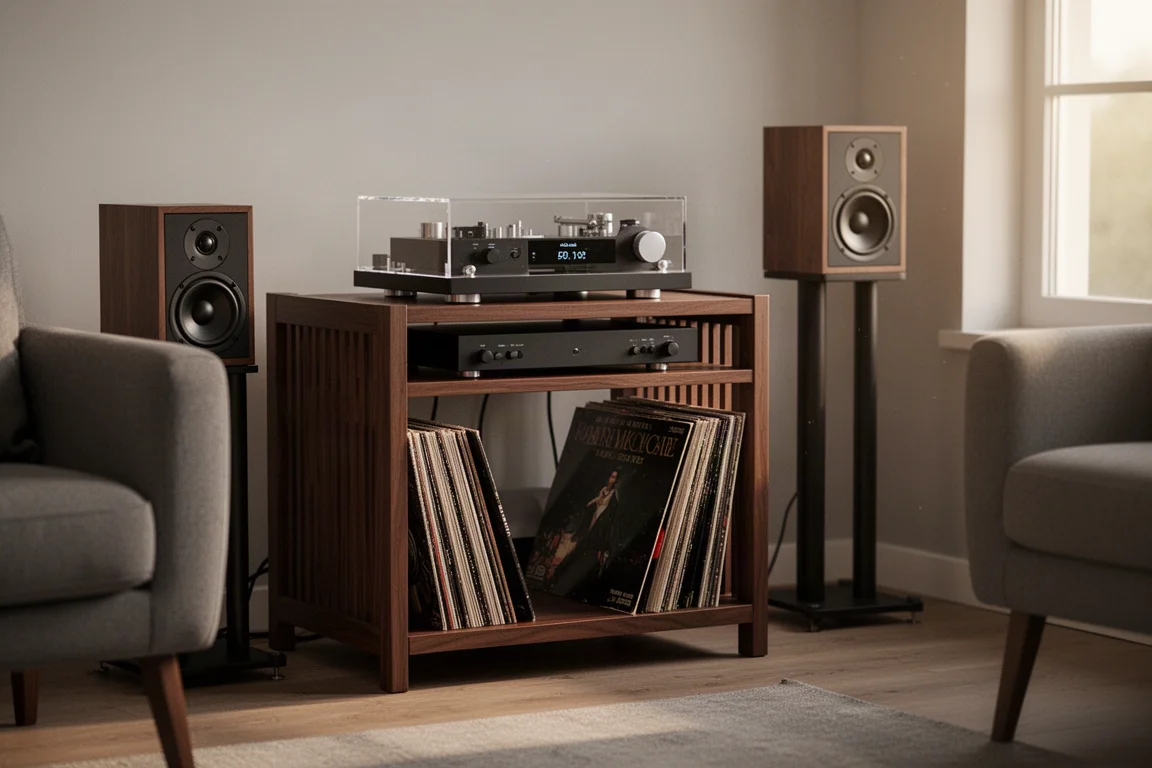
What makes the X-i75 interesting is not a single headline feature. It is the combination of that traditional internal layout with an unusually broad set of inputs, outputs, and tone-shaping options, all wrapped in a chassis that refuses to blend in.
Who This Amplifier Is For
The X-i75 makes most sense for listeners who run several sources at once. It carries a phono stage for a turntable, seven analog line inputs, one optical and two coaxial digital inputs, plus USB A and USB B connections. A record output is included as well, which is increasingly uncommon and genuinely useful if you record to tape.
It is also a good fit for anyone who likes to shape the sound. Tone controls, a loudness control, and a balance control are all on board, and a preamp out paired with a main in lets you insert an equaliser or an external power amplifier into the signal path.
Finally, it suits buyers who care about how a component looks in a rack. The design is distinctive on purpose, and that is a large part of the appeal.
Main Strengths
Sound Character
The X-i75 sounds detailed and dynamic, with a strong foundation in the bass and a clean midrange. Rather than a scooped, V-shaped presentation, it leans toward a vintage receiver character: weight and punch at the bottom, a little sparkle at the top.
A high bias switch on the rear panel changes that balance. Engaged, the first few watts run in class A, and vocals take on a slightly more laidback, warmer quality. Disengaged, the presentation becomes more exacting, with frequencies above roughly 4,000 Hz more pronounced and more revealing of the recording. Neither mode is better in isolation, and the right choice depends on the character of your speakers.
Connectivity and Inputs
Very few integrated amplifiers at this level offer as many ways in and out. The rear panel carries a phono stage, seven analog inputs, a USB A input, a USB B input, a 5V DC output, one optical input, two coaxial inputs, and a record out for tape. A single pair of speaker binding posts handles the speakers.
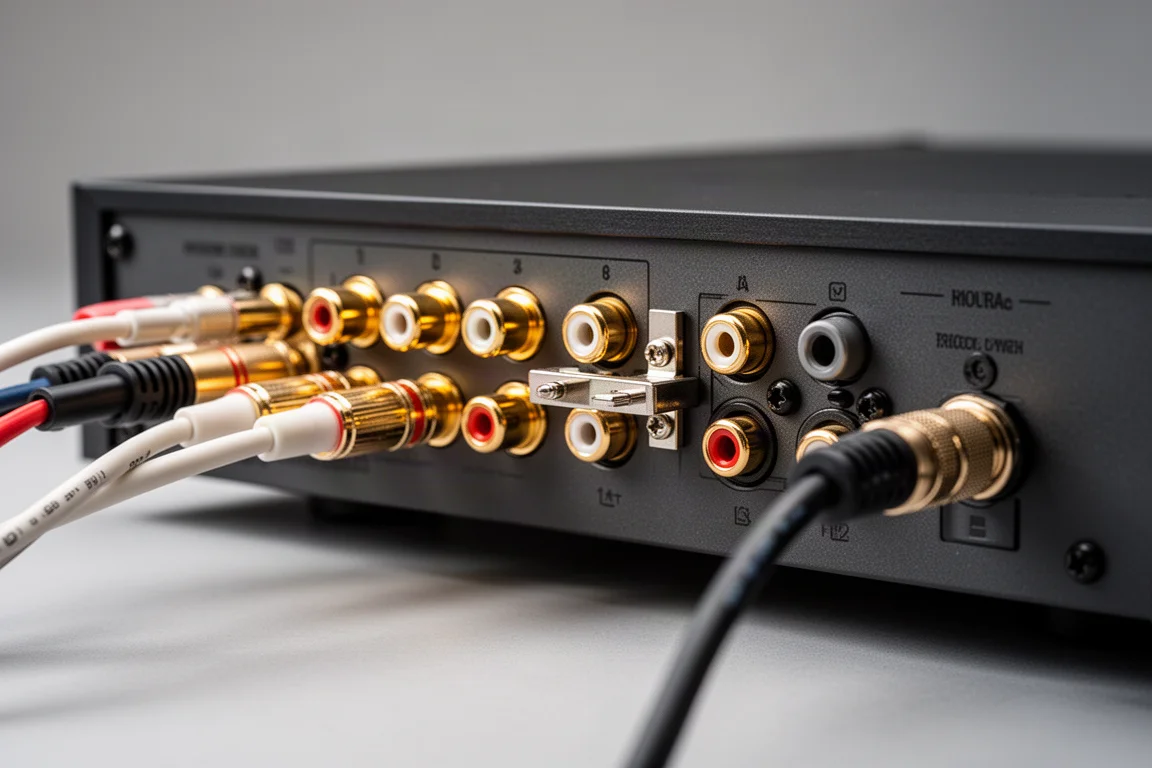
The preamp out and main in pair is a particular highlight. It arrives with the small metal bridge that used to be standard practice, which means you can pull the bridge and route the signal through an equaliser or an external power amplifier without any modification at all. The high bias switch lives on the back panel too.
Build, Cooling, and Power Supply
The internal layout is old school in the best sense. A large toroidal transformer is bolted into the chassis, and the amplifier runs a linear power supply. Cooling vents on both the top and the bottom of the case let air move straight through the amplifier, which helps it stay comfortable during long listening sessions.
Power output is rated at 75 watts into 8 ohms and 110 watts into 4 ohms, a sensible match for a wide range of bookshelf and floorstanding speakers.
Things to Consider Before Buying
The most important consideration is how loudly you listen. The X-i75 has plenty of output for normal levels, but with bass-heavy material and less efficient bookshelf speakers, it can begin to break up in the high 80s. That shows up as distortion in the bass rather than as a general collapse, and it only appears at genuinely loud volumes.
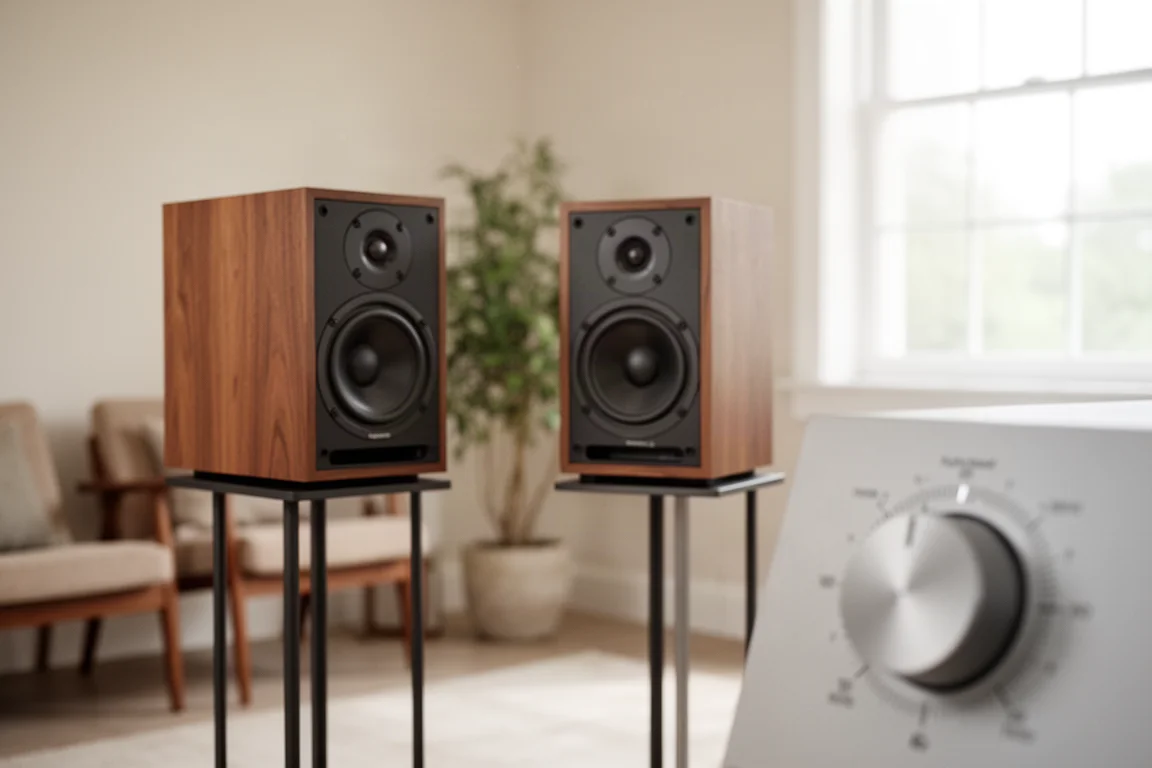
If you like to listen at those levels, and especially if your speakers are 4 ohm designs or low-sensitivity models, you may want more power. The preamp outputs give you an escape route: an external power amplifier can be added later without replacing the X-i75.
Two other points are worth knowing before you commit. First, operating the amplifier directly from its front panel involves a learning curve, because most functions run through a single menu button and the remote control. Second, the styling is genuinely divisive. The plexiglass front and the bold control layout will appeal strongly to some buyers and not at all to others.
Power Limits at High Volumes
The break-up described above is a volume ceiling rather than a flaw in normal use. With efficient speakers, or with listening levels below the mid 80s, the amplifier stays composed. Treat the power rating as honest rather than generous, and match it to your room and your speakers.
The built-in phono stage is good enough that a separate unit in the same price territory would struggle to improve on it. The onboard digital-to-analog converter is capable as well, though a dedicated outboard converter can take digital playback further.
Buying Advice
The X-i75 competes with established integrated amplifiers such as the Emotiva TA2, the Cambridge CXA81, and Yamaha’s AS701 and AS801. What separates it is the combination of connectivity, tone-shaping flexibility, and appearance. Very few rivals offer a record output, a preamp out and main in loop, and a class A bias option inside the same chassis.
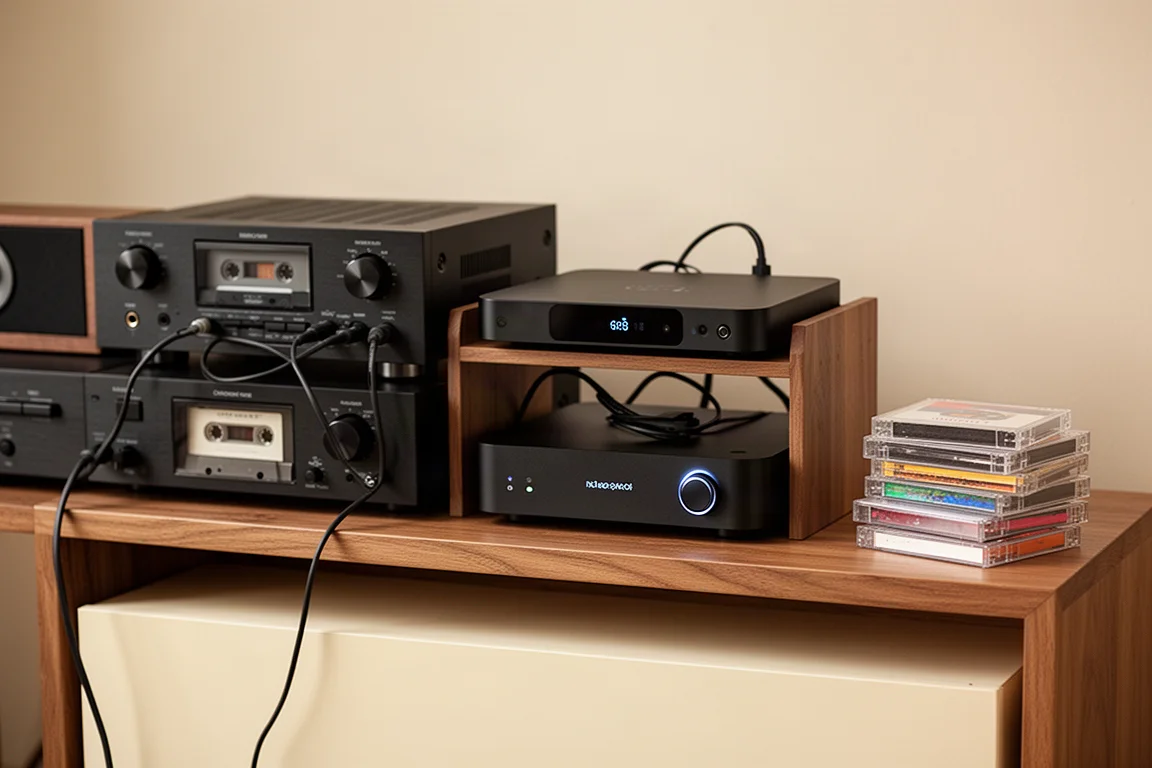
Match the amplifier to your speakers and your habits. If you listen at moderate levels with reasonably efficient speakers and you want one box that handles vinyl, digital sources, and tape, the X-i75 is a strong candidate. If you chase very high volumes with hard-to-drive speakers, plan for an external power amplifier, or look at a higher-powered design from the start.
Adding streaming is straightforward: a network streamer connected to one of the digital inputs turns the X-i75 into a complete system hub without changing its core character. Price positioning is one of the amplifier’s strongest arguments, which makes the trade-offs easier to accept.
Conclusion
The Advance Paris X-i75 is an integrated amplifier with a clear point of view. It pairs a traditional linear power supply and a large transformer with an unusually rich set of inputs and outputs, then wraps the whole thing in a chassis that looks like nothing else in its class. Its sound is detailed and dynamic, with weight in the bass and a touch of sparkle up top, and the high bias switch lets you nudge the presentation warmer or more revealing depending on the recording and the speakers in front of it. The main caveats are the power ceiling at very high volumes and the divisive styling, both of which are easy to assess against your own system and listening habits.
Product link
View more details for Advance Paris X-i75
This product is mentioned in the review. Check the specifications, options, and compatibility before buying.
View more details for Advance Paris X-i75Further reading
Related Reviews
Integrated Amplifiers
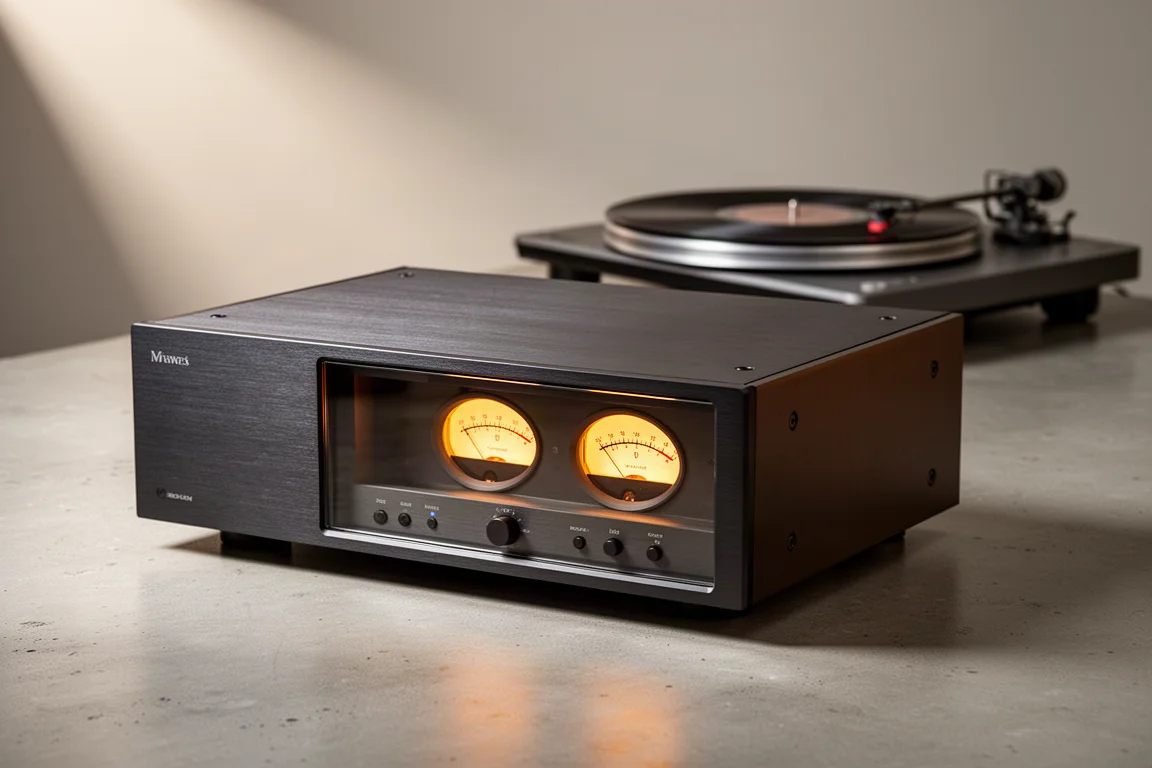
Advance Paris A10 Classic Review: Vintage Looks and a Lively, Punchy Sound
The Advance Paris A10 Classic pairs glowing blue VU meters and a tube stage with one of the widest input sets on any integrated amplifier. Here is what it does well and what to weigh before spending $2,500.
Integrated Amplifiers
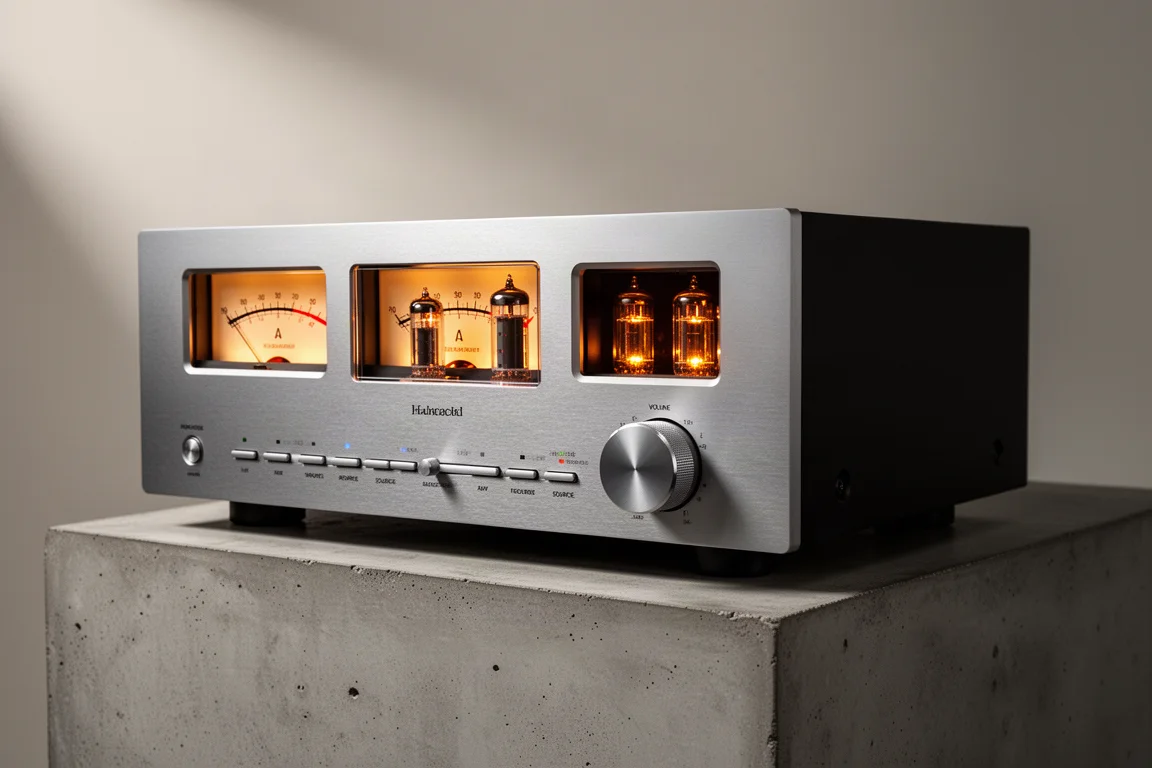
Advance Paris A12 Apex Review: A Modern Integrated Amplifier With Vintage Character
A dual mono integrated amplifier with 180 watts per channel, a tube front end, VU meters, and a connectivity list that covers turntables, televisions, computers, and headphones.
Integrated Amplifiers
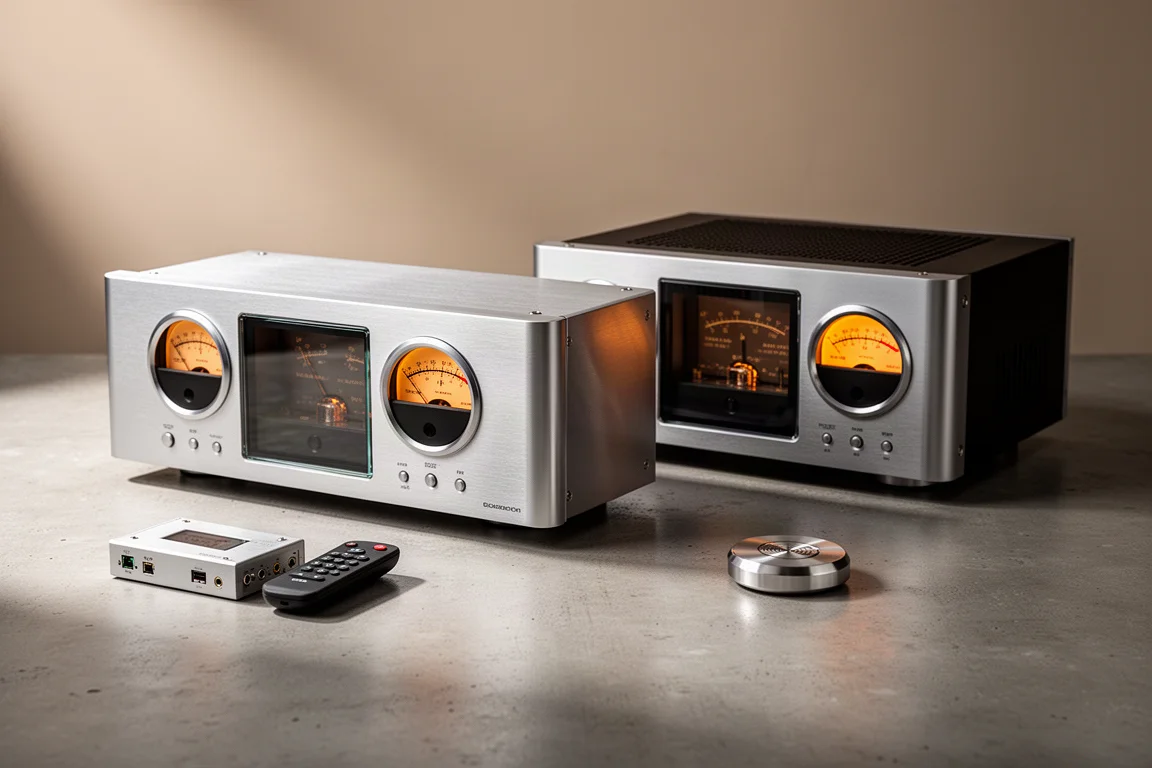
Advance Paris Nova Range Review: AI130, AI190 and Modular Upgrades
A practical look at the Advance Paris Nova range, including the AI130 and AI190 integrated amplifiers and the modular streaming, Bluetooth and remote accessories that expand them.