Hi-Fi Audio
Aiyima A80 Review: A Compact Class D Amplifier With a Screen That Earns Its Place
The Aiyima A80 pairs a 3255 amplifier chipset with a Sabre DAC, generous inputs, and a customizable display for around $230.
Introduction
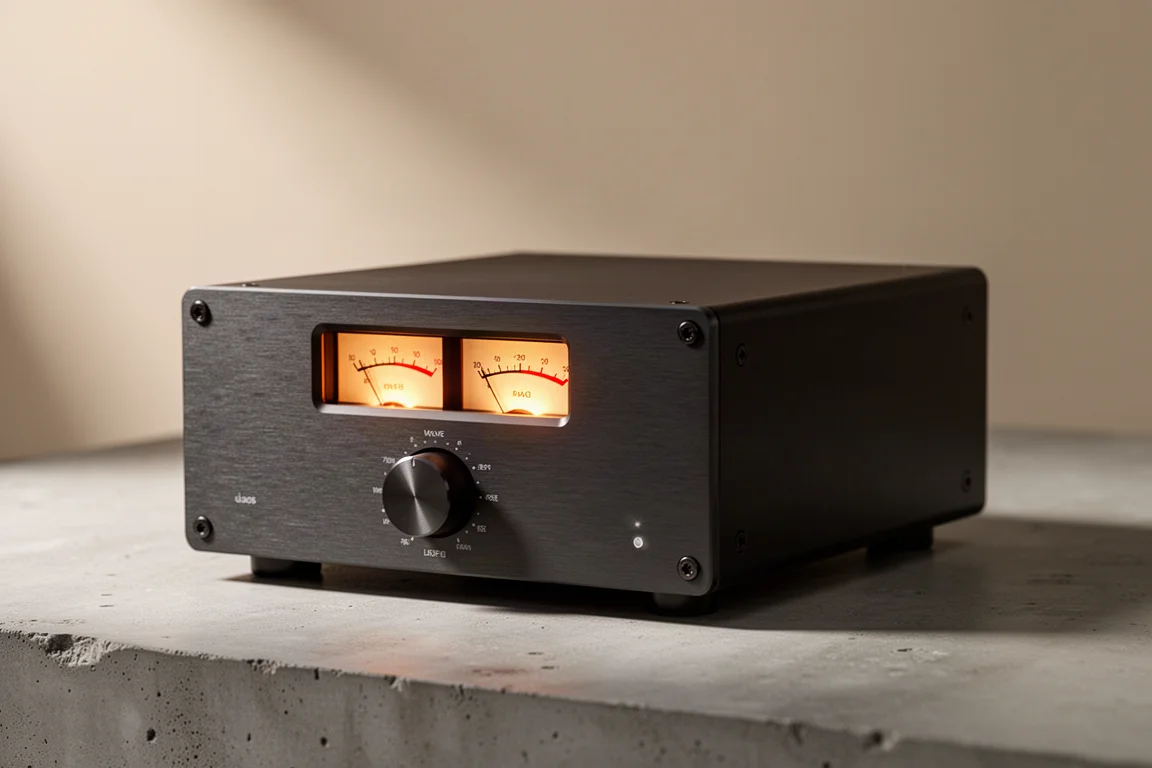
The Aiyima A80 is a compact class D integrated amplifier that arrives at roughly $230 before discounts, and it is one of the more distinctive affordable amplifiers available right now. Inside, it uses a Texas Instruments 3255 amplifier chipset, a widely adopted design that is respected both for how it sounds and for the amount of power it can deliver when it is paired with a capable power supply. The A80 ships with a 48 volt, 5 amp GaN power supply, which keeps the external brick noticeably smaller than a conventional supply of similar output.
What separates the A80 from other amplifiers in this price bracket is the front display. It is a small screen, but it changes how the amplifier feels in daily use, and it is the single feature that makes this model worth a closer look.
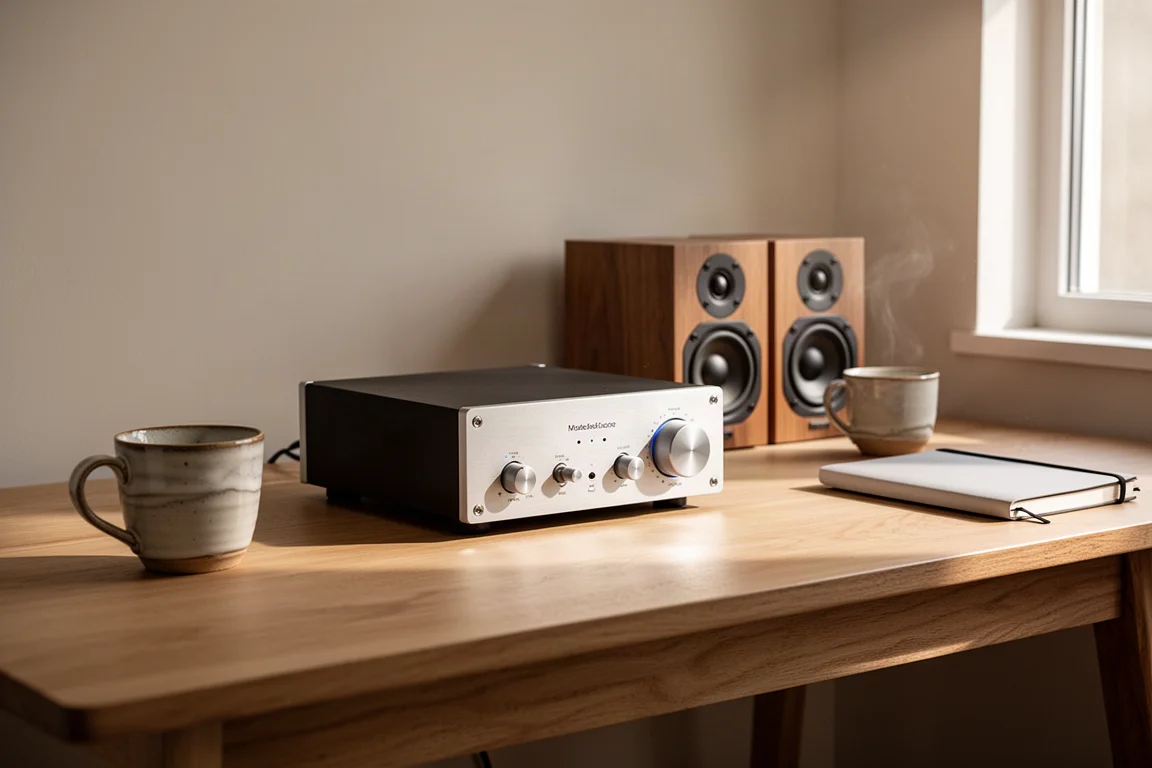
The rest of the package is just as practical. There is a built-in DAC, a generous set of inputs on the rear panel, and tone controls that are genuinely usable rather than heavy handed. For a desktop system or a small room setup, that combination covers most of what a listener needs without adding extra boxes.
Who This Product Is For
The A80 suits listeners who want one compact unit that handles both digital and analog sources. It works well on a desk driving small bookshelf speakers, and it also fits a rack or a shelf where a full size amplifier would be awkward.
It is a good fit if you value convenience, an all-in-one design, and a visual element that makes listening more engaging. It is a weaker fit if your priority is maximum power per dollar, or if you plan to build a system around a subwoofer, since the A80 has no subwoofer output and no bass management.
Main Strengths
Sound quality is the first thing to note. The 3255 chipset gives the A80 a clean, confident character, and the 48 volt GaN supply provides the headroom that this chipset responds well to.
The built-in DAC is a Sabre 9038 Q2M, a capable converter chip. In practice it handled streaming playback without fuss: when the resolution of a track changed, the DAC followed it correctly and reported the change on screen.
Tone controls are another strength. Bass and treble adjustments are implemented with restraint, which makes them useful for correcting a small speaker’s lighter low end rather than for drastic reshaping. With a compact pair of bookshelf speakers, a single step of bass lift was enough to bring the balance to a satisfying place.
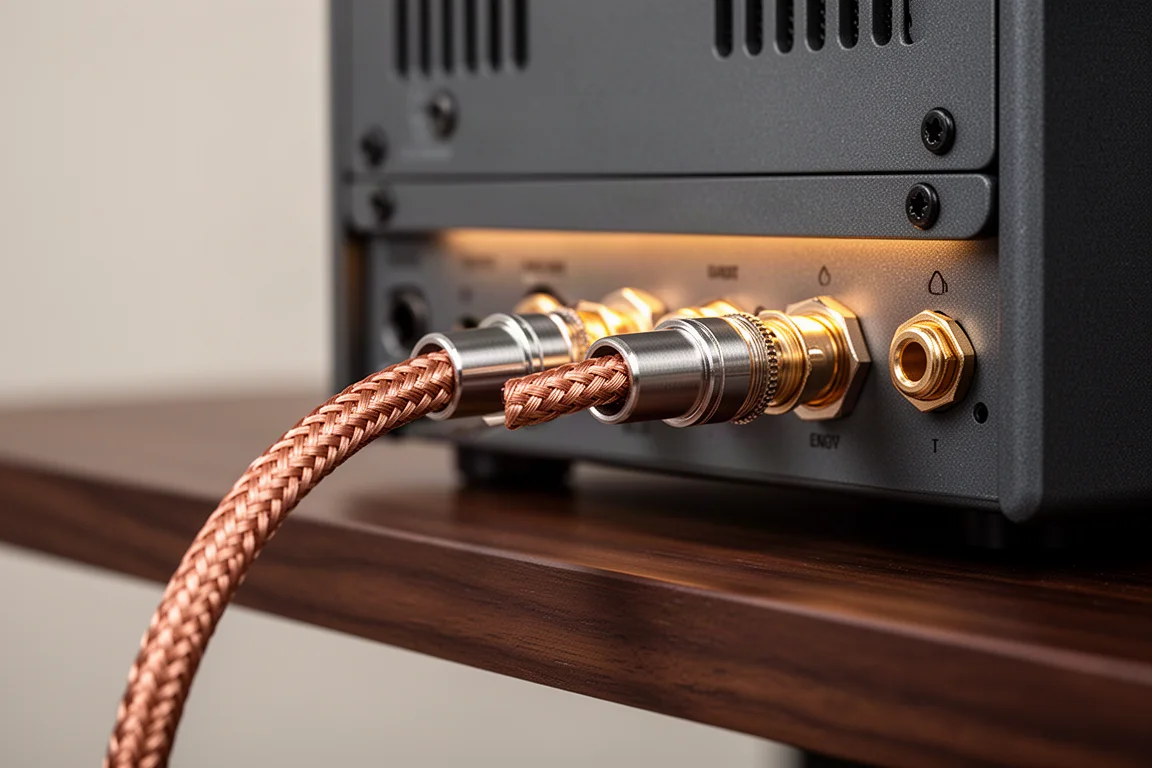
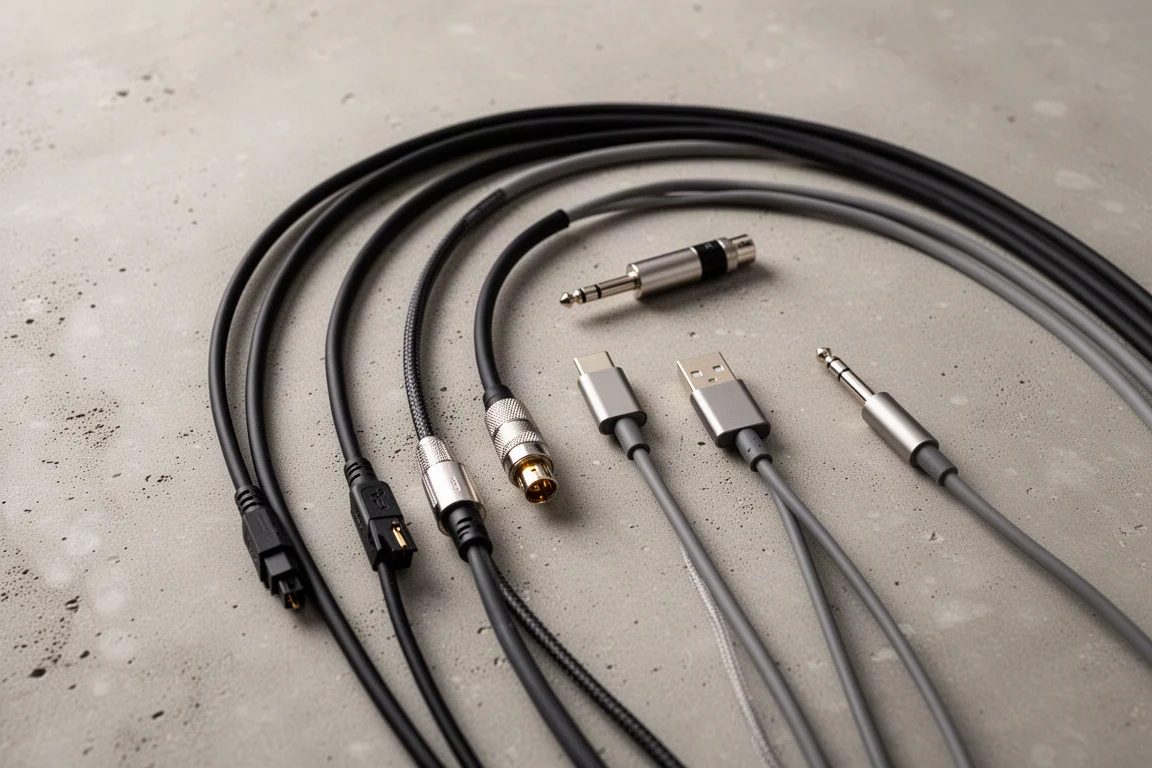
Input selection is unusually generous for the price. Balanced and single ended analog inputs, three digital inputs, and Bluetooth cover a wide range of sources, and switching between them is quick.
The Screen Experience
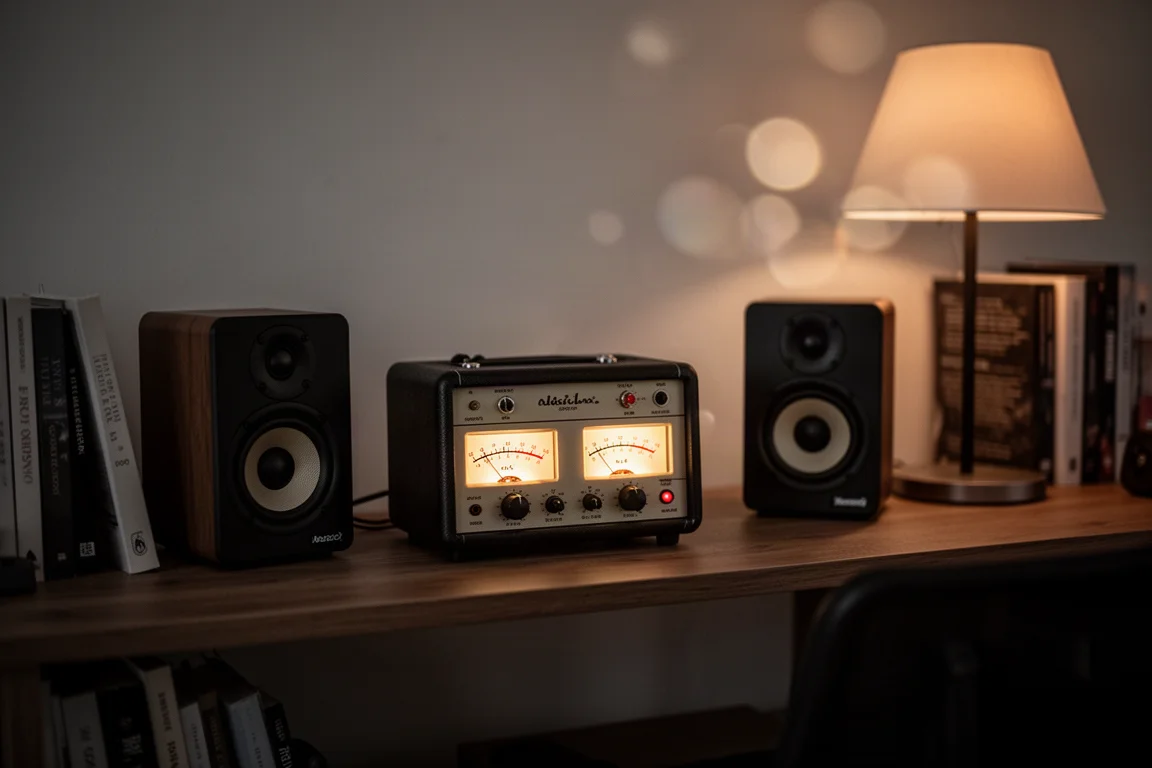
The display is the reason most buyers will consider this amplifier. A style menu offers three options: a single white VU meter, a pair of black VU meters, and a real time analyzer.
The analyzer is more than a decoration. Fed by a tone generator, it tracked frequency accurately across the audible range, moving to the right of the display at higher frequencies and staying responsive up to around 12,000 Hz. The exact frequency is not labelled on screen, but the response is consistent enough to be genuinely informative.
That visual feedback is what makes the A80 enjoyable. Watching meters move with the music adds a layer of engagement that is rare at this price, and it invites a direct comparison with far more expensive amplifiers that use the same idea.
Connectivity and Inputs
The rear panel is well organised. On the left there is a Bluetooth antenna, and beneath it a pair of balanced TRS inputs. A USB-C input sits above that, followed by optical S/PDIF and coaxial digital inputs, then a single ended RCA input. A trigger input allows the amplifier to be switched on remotely by another component, and an auxiliary output is provided as well.
Speaker connections use binding posts that sit in the middle of the market. They are not the most substantial posts available, but they are far from the cheapest, and they hold a secure connection as long as the amplifier is not moved around often.
On the front, a single multi-function control handles almost everything. A long press powers the unit on, a short press opens the menu, and the same control navigates and confirms selections. A remote control is included and covers menu access, volume, input selection, display brightness, mute, and power. It is a basic remote, but it is comfortable to use and does not feel fragile.
Things to Consider Before Buying
The most significant limitation is the absence of a subwoofer output and any form of bass management. That rules the A80 out as a soundbar replacement for anyone who wants to add a subwoofer later, and it limits how far the system can grow.
Op-amps are not swappable here, so the sound cannot be tuned the way it can on some earlier Aiyima designs that accept different op-amp modules.
Power is adequate rather than exceptional. Other compact class D amplifiers in the same price range can deliver more output, so buyers who need to drive larger or less efficient speakers should weigh that carefully.
Buying Advice
Buy the A80 for the display, the convenience, and the all-in-one approach. It is priced at $229 with a 10 percent discount that brings it under $220 at the time of writing, and at that price the combination of a 3255 amplifier, a Sabre DAC, and a customizable screen is hard to match.
Pairing it with a small network streamer makes the most of the screen, since album art and meters can share the display area. The tone controls also make it a practical match for compact bookshelf speakers that need a little help at the bottom end.
If those priorities line up with how you listen, the A80 is an easy recommendation. If your system plan includes a subwoofer or demanding speakers, look at the alternatives first and come back to this one for its display and its flexibility rather than its raw output.
Conclusion
The Aiyima A80 is an affordable class D amplifier that does the fundamentals well and adds something genuinely enjoyable on top. The 3255 chipset and the 48 volt GaN supply deliver solid sound, the Sabre 9038 Q2M DAC handles digital sources cleanly, and the input selection is broader than the price suggests. The missing subwoofer output is the main compromise to accept. For a desk or a small room, it is a compelling package.
Product link
View more details for Aiyima A80
This product is mentioned in the review. Check the specifications, options, and compatibility before buying.
View more details for Aiyima A80Further reading
Related Reviews
Hi-Fi Audio
Accuphase C-57 vs Allnic H-7000V: Two High-End Phono Stages Compared
A fully balanced solid-state phono stage with a pitch-black noise floor meets a tube design built for well-loved records. Here is how to choose between them.
Hi-Fi Audio
Active vs Passive Hi-Fi: Five Components for a Modern System
Five components that define modern active and passive hi-fi systems, with the strengths, trade-offs and setup details worth weighing before you buy.
Hi-Fi Audio
Advance Paris A10 Apex Review: A Hybrid Integrated Amplifier That Covers a Lot of Ground
A French hybrid integrated amplifier with a class A tube preamp stage, analogue power meters, and an internal DAC and phono stage good enough to make extra boxes unnecessary.