Hi-Fi Amplifiers
Aiyima A07 Review: A Budget Amplifier With a Discrete Op-Amp Upgrade Path
The Aiyima A07 is a compact class D amplifier that sounds balanced at around $80, and its socketed op-amps can be swapped for discrete parts that sharpen clarity and separation.
Introduction
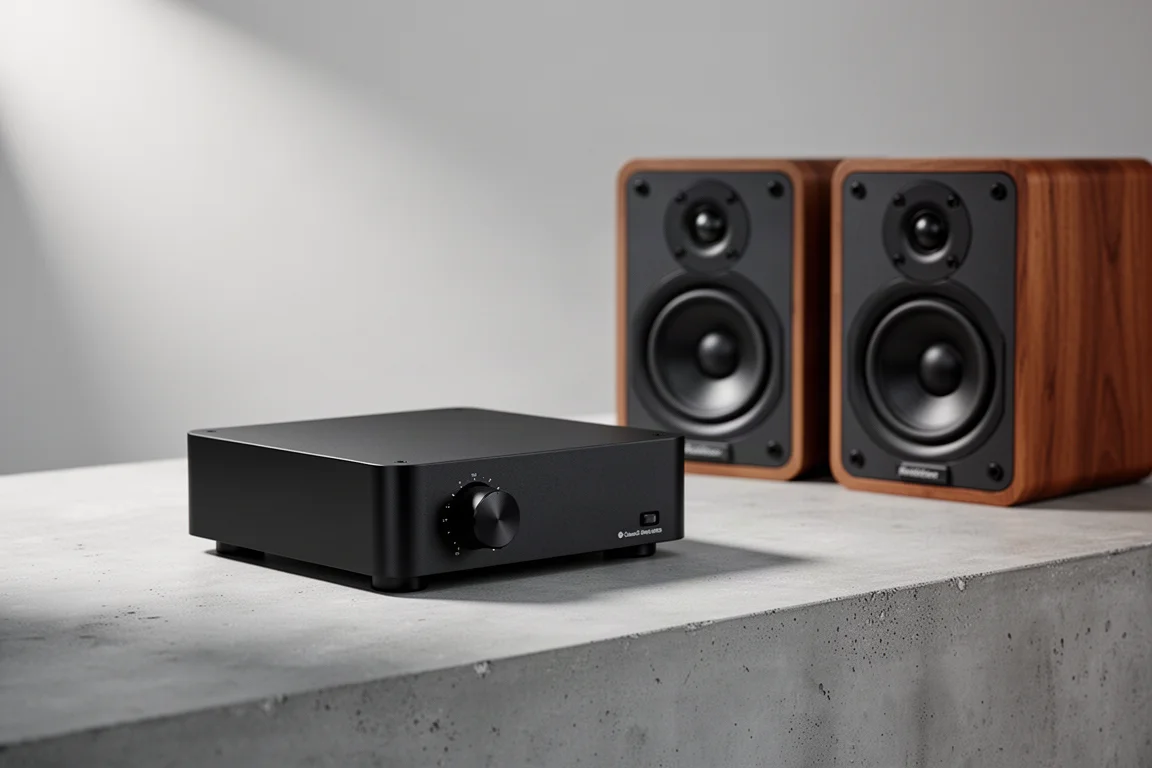
The Aiyima A07 is one of the most accessible ways into desktop hi-fi. It is a compact class D stereo amplifier that sells for around $80, drives a wide range of speakers, and sounds balanced rather than bright or thin. For listeners assembling a first serious system, that combination is difficult to argue with.
There is a second reason the A07 attracts attention. Its circuit uses socketed op-amps, the small chips that boost weak signals inside the amplifier. Because they sit in sockets rather than being soldered in place, they can be replaced with alternatives, including discrete op-amps such as the Sparkos Labs SS3602. The swap does not add power. It changes clarity, separation, and the sense of space around instruments, and it is the kind of difference many listeners notice straight away.
Who the Aiyima A07 Is For
This amplifier suits listeners who want a small, affordable stereo amplifier for a desk, a shelf, or a modest room. It is a natural starting point for anyone moving from computer speakers or a soundbar to a proper pair of bookshelf speakers, and it works well for students or for anyone building a system in stages.
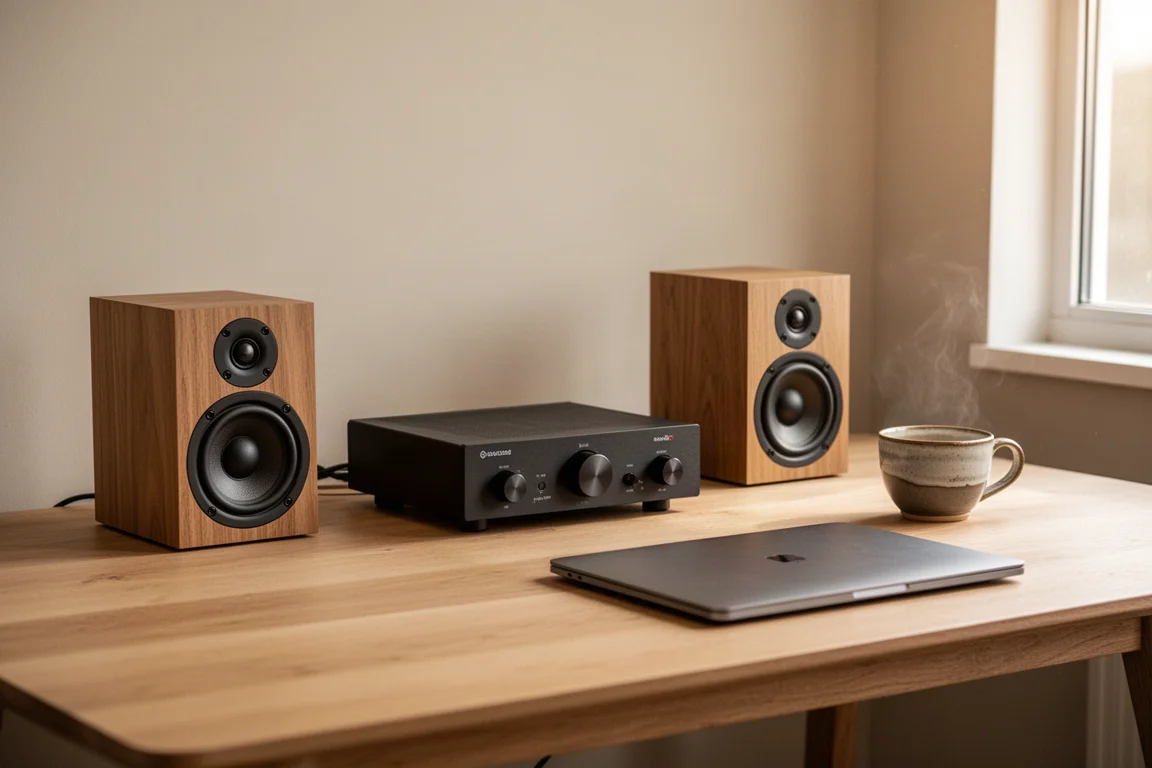
What makes the A07 an easy recommendation is that it already sounds good in stock form. The stock op-amps are not poor parts, and the amplifier’s overall balance is one of its main strengths. The upgrade path exists for people who are happy with the amplifier and want to see how much further it can go, not because the stock version is lacking.
It is also a sensible choice for anyone who likes the idea of tuning their own sound. Tube owners have long swapped valves to change character, and headphone listeners swap ear pads for the same reason. The A07 brings that kind of experimentation to a chip-level part without asking for a soldering iron.
What Makes the Aiyima A07 a Strong Foundation
Class D designs like this one rely on chip-based op-amps because they are inexpensive and take up very little space. That is what allows a small amplifier to handle the work of a much larger receiver without the size or the cost. Op-amps appear across a wide range of audio electronics, including amplifiers, DACs, and preamplifiers.
The A07’s layout keeps two op-amps accessible on the board, which is what makes the upgrade practical. Nothing needs to be rebuilt and nothing needs to be soldered. Two parts come out, and two replacements go in.
How the Discrete Op-Amp Swap Works
A discrete op-amp uses the same eight-pin footprint as a chip, but it is built from separate components rather than a single piece of silicon. The Sparkos Labs SS3602 is one of these, designed to fit a standard eight-pin socket. The idea is straightforward: keep the compact format, but change what is doing the amplification.
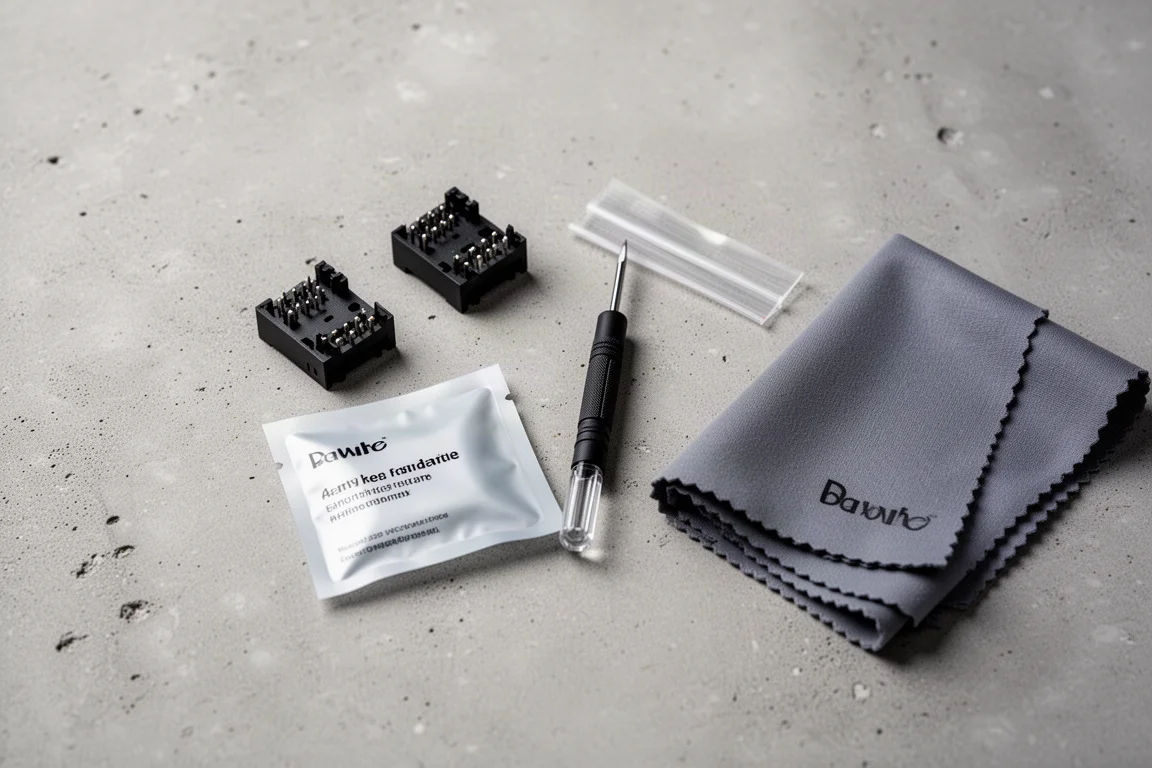
Two details matter when fitting one. The first is orientation. Each socket and each op-amp carries a small notch, and the notches have to line up. An op-amp inserted backwards will not work, and it can be damaged. The second is clearance. On the A07 there is not quite enough room above the sockets for a taller discrete part, so a riser socket is stacked underneath to lift it clear. Risers cost a couple of dollars each, so roughly $4 for both channels.
Removing the stock op-amps is a matter of fingers or careful use of needle-nose pliers. The legs on chip op-amps are thin and bend easily, and they can be gently straightened before being reseated. The discrete units have noticeably sturdier pins and press straight into place. It is worth storing the original op-amps somewhere safe, since they are small and easy to misplace.
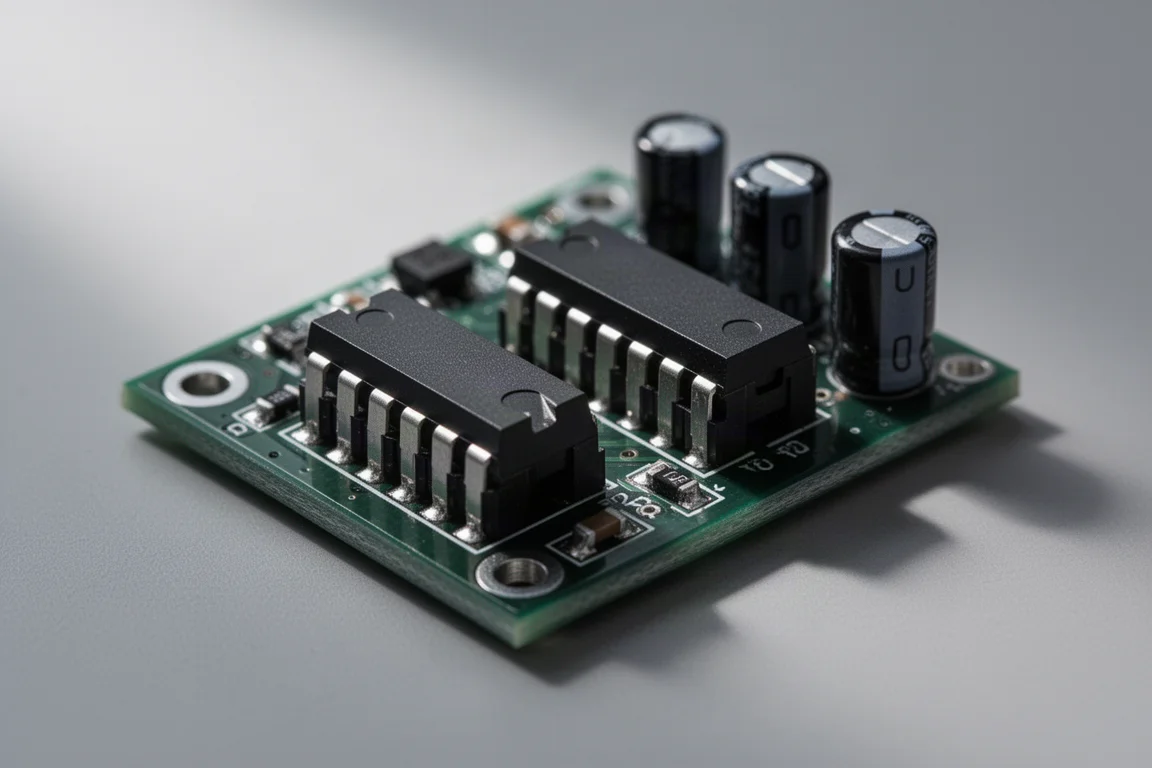
Once the new parts are seated and the amplifier is connected, the job is finished. There is no burn-in procedure, no software step, and nothing to configure. Reversing it is just as simple: pull the discrete op-amps, refit the originals, and the amplifier is back to stock.
What Changes in the Sound
The change shows up in clarity and control rather than volume. Instruments separate more clearly, the presentation sounds cleaner, and the sound stage opens up. The overall impression is of a more expensive amplifier, and the improvement is immediate rather than something that emerges over time.
It is worth keeping expectations realistic. Not every expensive amplifier sounds alike, and what you hear will depend on your speakers, your source, and the room. The fair comparison is against the same amplifier with its stock op-amps, and on that basis the difference is significant.
Things to Consider Before Buying
Cost is the first consideration. The SS3602 sells for $80 each, and the A07 needs two of them, so the upgrade adds $160 to an amplifier that costs around $80. Including risers, the total lands close to $240. That is a meaningful multiple of the amplifier’s own price, and it is worth deciding in advance whether you want to commit to the full step at once.
Practical requirements are modest but real. This is a part swap rather than a build, yet the components are small and the sockets are tight, so steady hands and a little patience help. Clearance deserves a check too: the riser adds height, and the amplifier’s case should still close cleanly afterwards.
Support is available if you are unsure which part suits your equipment. Sparkos Labs will look at what you are running and confirm the right version, which takes the guesswork out of matching an op-amp to a specific amplifier.
Power Supply and Further Upgrade Paths
The A07 can be taken further with a more powerful power supply. Aiyima offers a 48V 5.2A unit that delivers more power than the stock supply, and it is a logical next step for owners who have already changed the op-amps and want to keep developing the same amplifier.
The same discrete op-amps also suit the A08, which uses three of them rather than two. Owners of that model can apply the same approach, with the same attention to notch orientation and clearance.
Buying Advice
If you already own the A07 and enjoy it, the op-amp swap is a low-risk, reversible experiment. The original parts stay with you, nothing is permanent, and the amplifier can be returned to stock in minutes if the result is not to your taste.
If you are buying for the first time, the sensible order is to start with the amplifier at around $80, live with it for a while, and add the discrete op-amps later. That way you learn what the stock amplifier does and can judge the upgrade on its own terms. Ordering the parts directly from Sparkos Labs also means you can ask which version suits your setup before you buy.
For listeners who prefer to take the full step in one go, the total sits near $240 including risers, and every part involved is easy to reverse later. Nothing about the upgrade locks you into a decision.
Conclusion
The Aiyima A07 stands on its own as a compact, balanced, affordable amplifier, and that is the reason it remains a common first recommendation for desktop systems. The discrete op-amp swap simply extends what the amplifier can do, adding clarity, better instrument separation, and a wider stage without changing its size, its power, or its basic character.
If you have the dexterity and the patience, it is an easy upgrade to recommend, and it can be done in stages: amplifier first, op-amps when you are ready.
Product link
View more details for Aiyima A07
This product is mentioned in the review. Check the specifications, options, and compatibility before buying.
View more details for Aiyima A07Further reading
Related Reviews
Hi-Fi Amplifiers
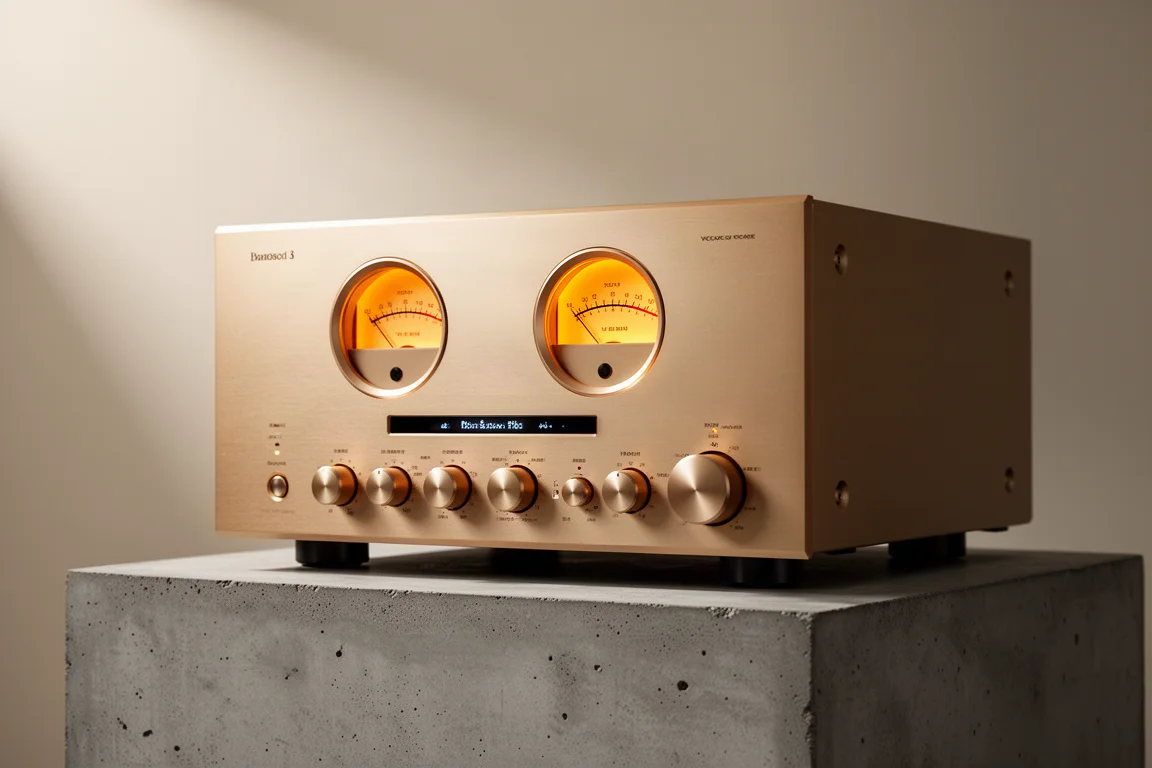
Accuphase E-280 Review: Entry-Level Accuphase With Flagship Attention to Detail
A close look at the Accuphase E-280 integrated amplifier, covering its champagne build, AAVA volume control, sound quality, and the speakers and sources that suit it best.
Hi-Fi Amplifiers
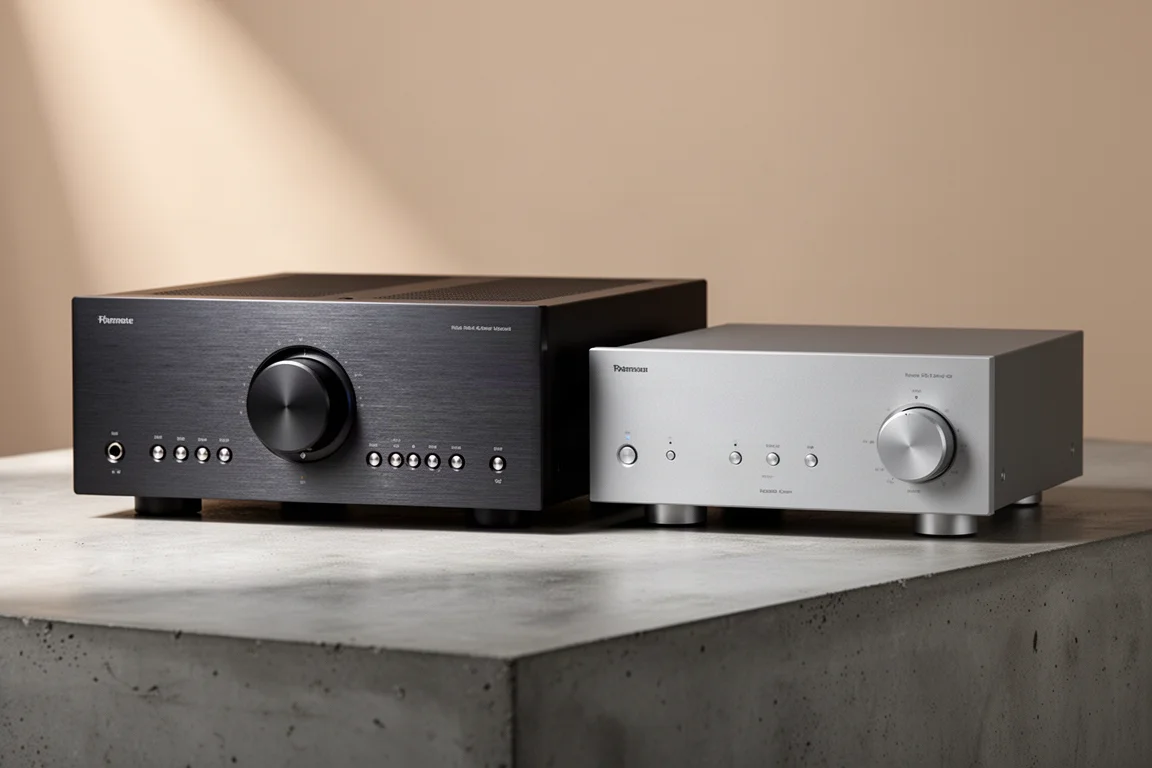
Advance Paris A10 Classic vs Yamaha A-S301: Two Integrated Amplifiers Compared
A practical comparison of a $350 integrated amplifier and a $2,500 reference model, covering the differences that matter and the ones that do not.
Hi-Fi Amplifiers
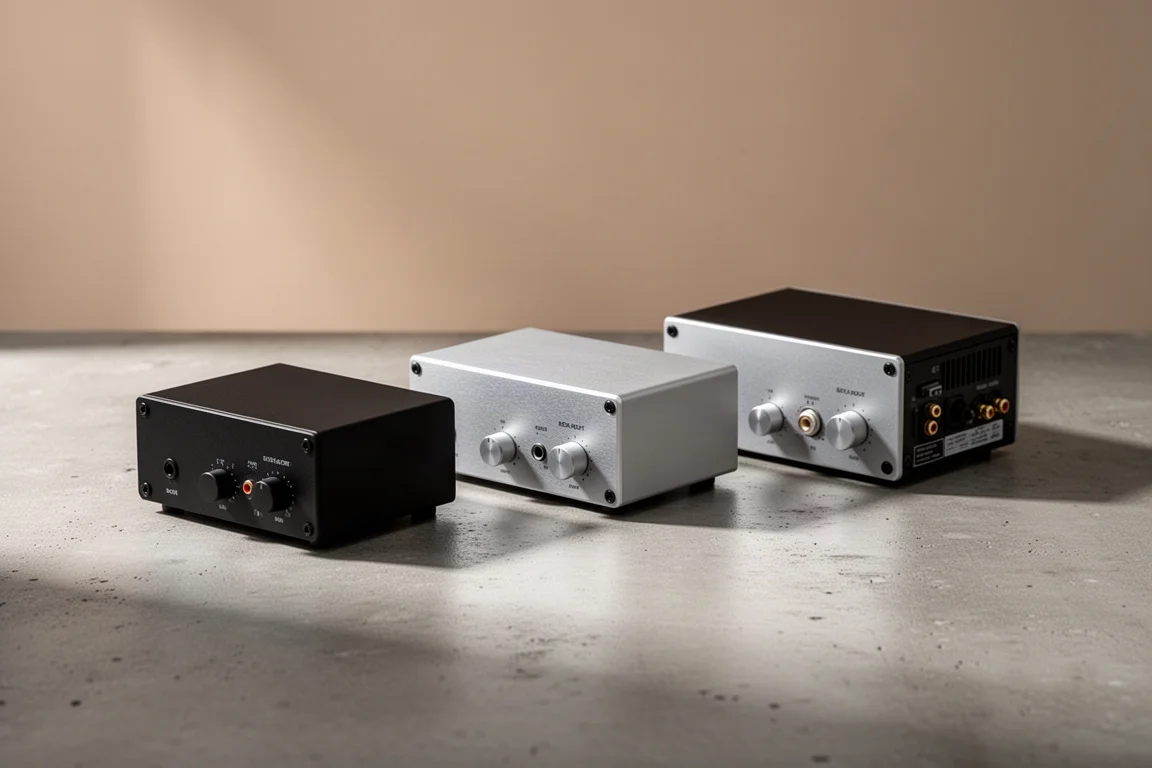
Affordable Chinese Amplifiers Worth Buying: Five Budget Hi-Fi Amps Compared
A practical look at five affordable amplifiers, what each one does well, and the trade-offs to weigh before you buy.