Hi-Fi Amplifiers
AIYIMA A07 Pro vs Fosi Audio BT20A Pro: Two Budget Class D Amps Compared
Same TPA3255 chipset, same price bracket, noticeably different sound. A practical look at the AIYIMA A07 Pro and the Fosi Audio BT20A Pro for anyone building a small hi-fi system.
Introduction
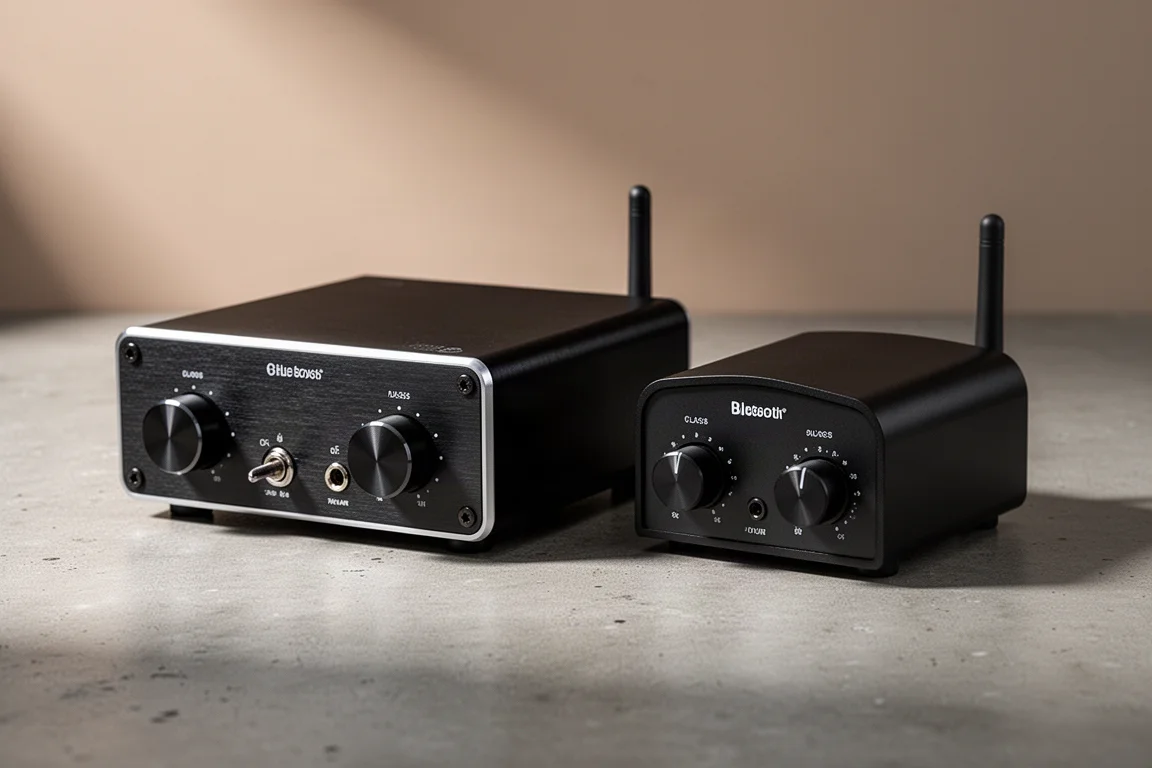
Two compact Class D amplifiers, the same TPA3255 chipset from Texas Instruments, and a very similar price. On paper, the AIYIMA A07 Pro and the Fosi Audio BT20A Pro should be near-identical. In practice, they are not. The A07 Pro leans toward a cleaner, more forward mid-range, while the Fosi Audio BT20A Pro arrives with noticeably more weight at the bottom. Both are remarkable little amplifiers for the money, and both typically sell at a street price that lands below their list price. The question is which one fits your speakers, your room, and the music you actually listen to.
Why the TPA3255 Chipset Matters Here
The TPA3255 is the reason amplifiers like these exist at this price. It is a Class D chipset that can be pushed hard with a larger power supply, up to a 48 volt, 10 amp unit, for genuinely serious output. Even with the stock supply, expect usable power in the region of 40 watts into 8 ohms and around 50 watts into 4 ohms, depending on which supply ships with the amplifier. For desktop or small-room listening with reasonably efficient speakers, that is plenty.
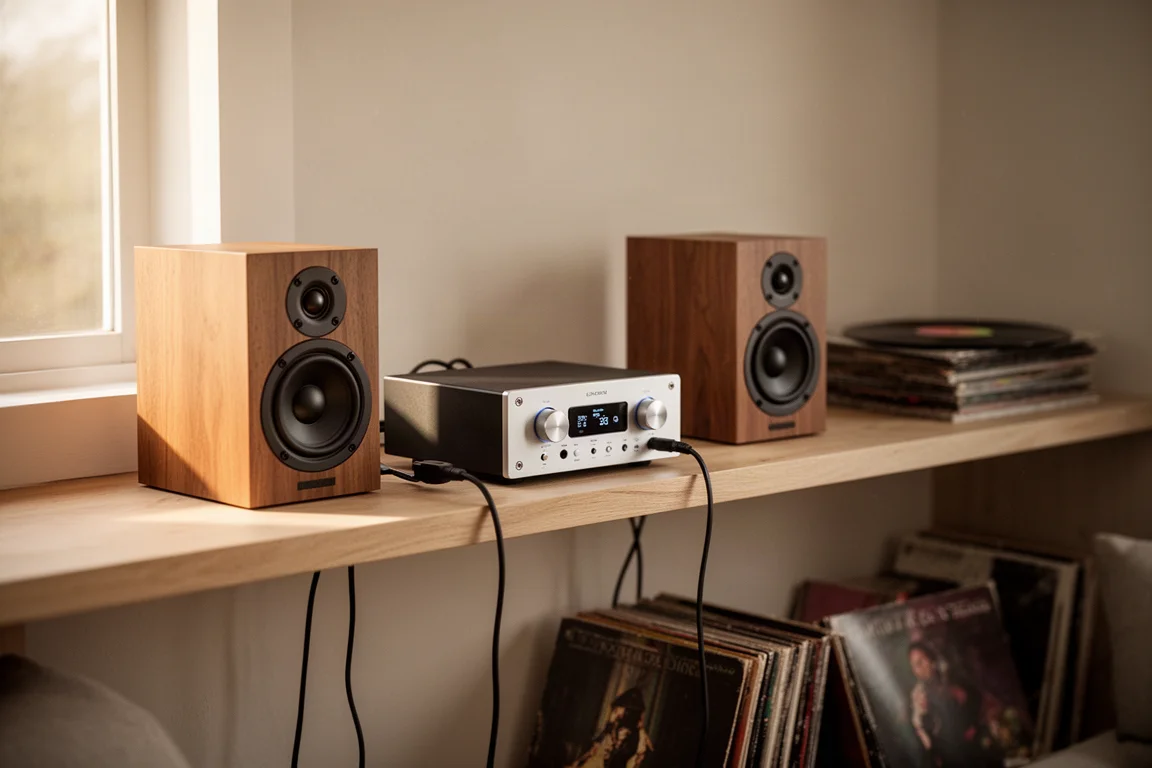
The chipset also has a track record behind it. The original AIYIMA A07 helped establish this category and built a large, well-rated user base, which says a great deal for a small Class D amplifier. The A07 Pro is the follow-up, and the Fosi Audio BT20A Pro is its most direct rival. Same silicon, different tuning.
AIYIMA A07 Pro: What You Get for the Money
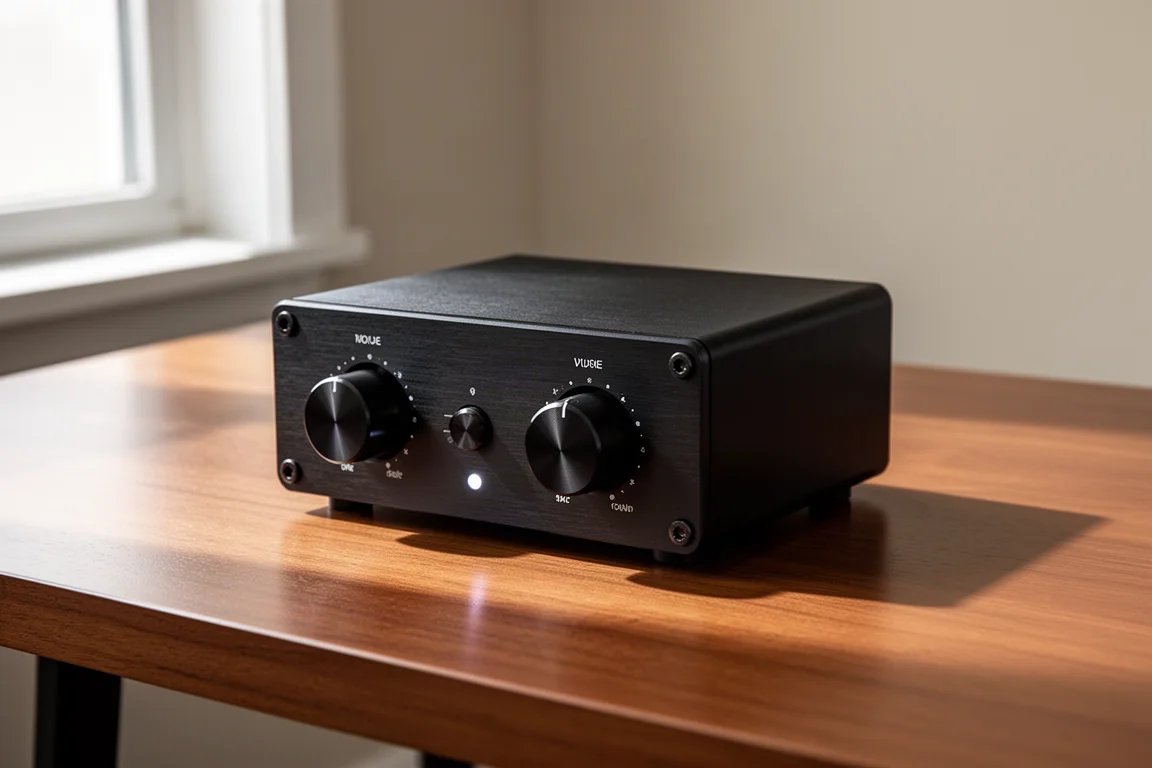
The A07 Pro keeps the familiar form factor and adds tone controls that the original A07 did not have. A small toggle switch selects between Bluetooth and RCA input, and the power switch sits alongside it. The supplied power supply is a 36 volt, 5 amp unit, a meaningful step up from the 24 volt, 4.5 amp supply that came with the original. That extra headroom is part of why the Pro feels more capable than its predecessor.
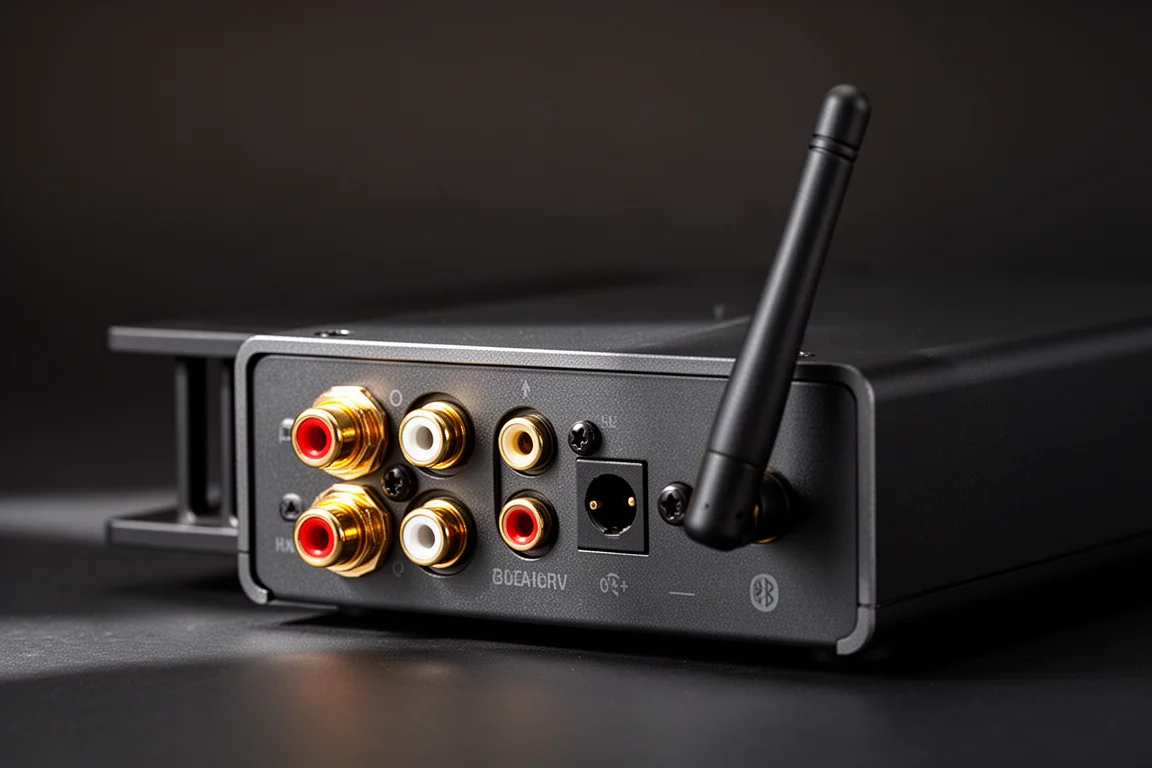
Around the back, the layout is straightforward: Bluetooth antenna, RCA input, speaker terminals, and the power connection. Nothing exotic, and nothing missing for a simple desktop system.
Fosi Audio BT20A Pro: What You Get for the Money
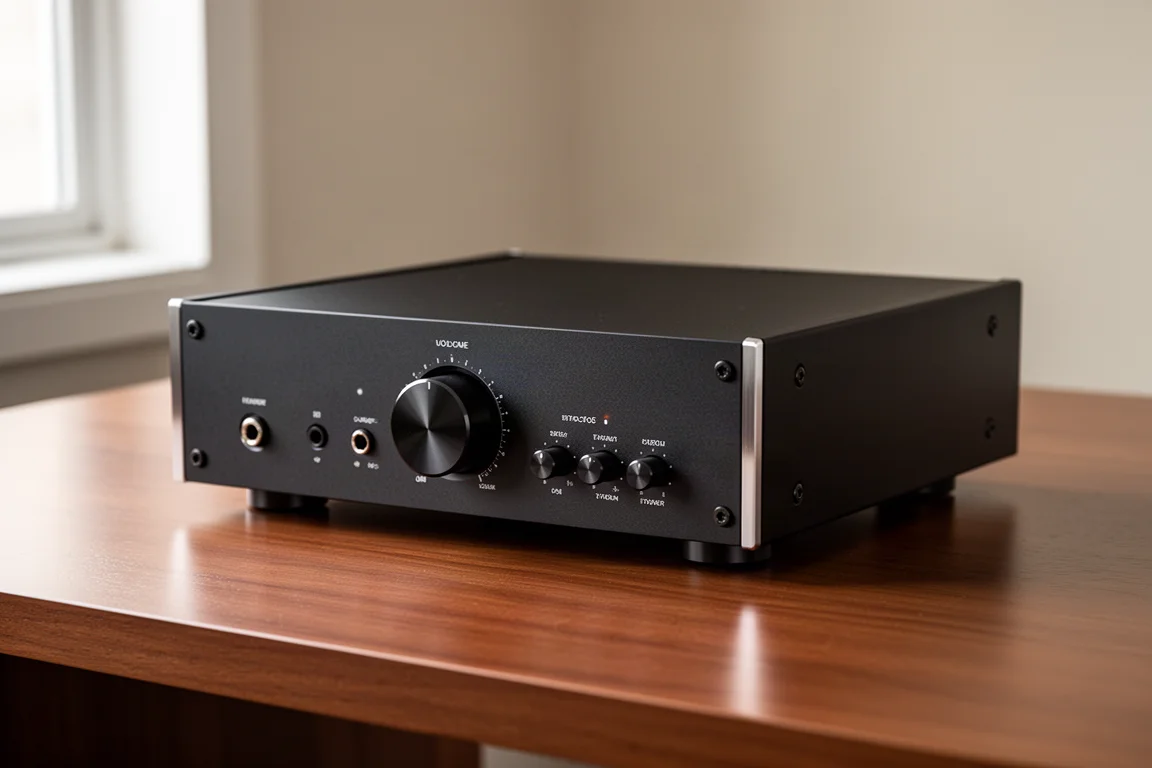
The Fosi Audio BT20A Pro is a little smaller than the AIYIMA, yet it feels heftier in the hand. Connectivity covers Bluetooth with an external antenna, an RCA input, a line output that can feed a subwoofer or serve as a preamp output, and standard speaker terminals. It ships with a less powerful power supply than the A07 Pro, which is worth knowing if you plan to drive demanding speakers.
One quirk to remember: the bass and treble knobs sit in the opposite positions to what most people expect. If you turn up what you assume is the treble and the sound gets worse, you are on the wrong knob.
Tone controls work well once the layout is learned, and the compact chassis makes the Fosi easy to tuck into a small desk setup or a shelf system.
Inside the Chassis: Op-Amp Sockets and Capacitors
Under the lid, the two amplifiers diverge. The Fosi Audio BT20A Pro carries two socketed op-amps, which means they can be swapped for alternatives if you want to tune the sound, and the surrounding capacitors are good quality parts.
The AIYIMA A07 Pro goes further: four socketed op-amps are present on the board, and a fifth op-amp is also visible. That gives tinkerers far more scope to experiment, whether with premium replacements or with different Texas Instruments parts. The AIYIMA’s internal components are also physically larger, including a substantial capacitor on top of the board. This is the clearest practical difference between the two designs: the A07 Pro is built with more room for op-amp rolling.
Sound Character: Mid-Range Focus vs Bottom-End Punch
This is where the choice really gets made. The A07 Pro has a pronounced mid-range presence. Vocals and acoustic instruments sit forward, and the overall presentation is clean and focused. The trade-off is that the bottom end feels leaner than the original A07, though a little tone control adjustment can add some fullness back.
The Fosi Audio BT20A Pro, in stock form, is the punchier of the two. It has more grunt down low, which makes it a natural fit for rock and metal. The AIYIMA, by contrast, tends to suit acoustic material, jazz, and anything where you want the last measure of detail from vocals, acoustic instruments, or orchestral passages.
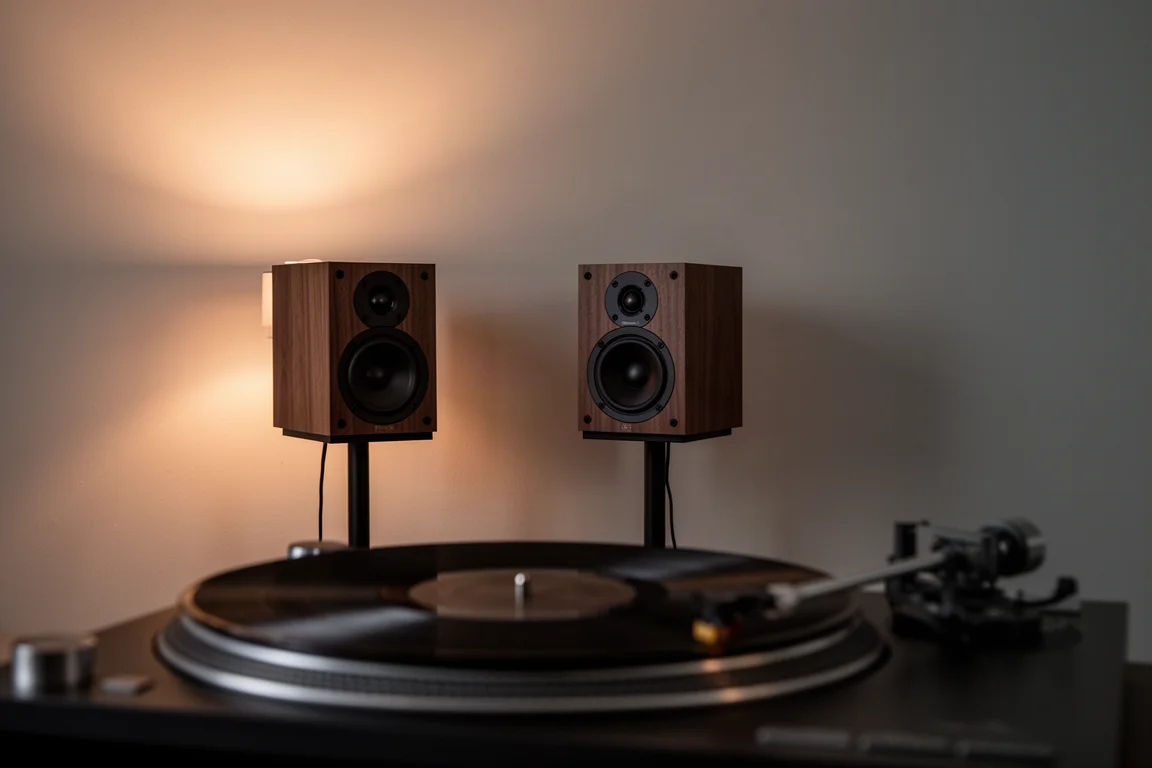
Despite sharing a chipset, the two amplifiers sound remarkably different. Both also represent a clear step up in cleanliness and clarity over a mainstream two-channel amplifier that sells for around the same money when discounted. If mid-range clarity is the priority, the AIYIMA has the edge. If weight and impact matter more, the Fosi is the more satisfying listen.
Power Supplies, Tone Controls, and Upgrade Potential
The AIYIMA A07 Pro ships with the more powerful power supply of the two, and the difference works out to roughly 10 watts of extra output. If you want that extra headroom out of the box, the A07 Pro is the one to choose. Both amplifiers can accept a larger supply later if you decide to upgrade.
Tone controls are present on both, and neither set can be bypassed, so they are always in the signal path. The AIYIMA’s controls do not have a center detent, which makes the neutral position harder to find. The Fosi’s controls are easier to read, provided you remember that its bass and treble knobs are swapped. In both cases, the sensible approach is to set them where the music sounds right to you.
Buying Advice: Which Amp Suits Which Listener
Choose the AIYIMA A07 Pro if you listen to acoustic music, jazz, or vocal-led recordings and want the mid-range to sit forward. Its cleaner, more focused presentation is the standout quality, and the four socketed op-amps plus a fifth op-amp on the board make it the better platform for anyone who enjoys swapping parts to chase a slightly different sound. The stronger stock power supply adds a little extra output on top.
Choose the Fosi Audio BT20A Pro if you want more weight at the bottom and a punchier overall balance. It is the better match for rock and metal, and its smaller chassis is easier to place on a crowded desk. The line output also gives you more flexibility if you want to add a subwoofer or use the amplifier as a preamp.
Both amplifiers land at roughly the same street price, and both are strong value at that figure. The decision comes down to sound preference rather than features.
Conclusion
The AIYIMA A07 Pro and the Fosi Audio BT20A Pro share a chipset, a price bracket, and a similar footprint, yet they pull in different directions. The AIYIMA is the cleaner, mid-range-focused option, with more op-amp flexibility and a more powerful stock supply. The Fosi is the punchier option, with more bottom-end weight and a more compact body. Neither is a clear winner, and neither is a poor purchase. Match the amplifier to the music you listen to most, and either one will serve a small system well.
Further reading
Related Reviews
Hi-Fi Amplifiers
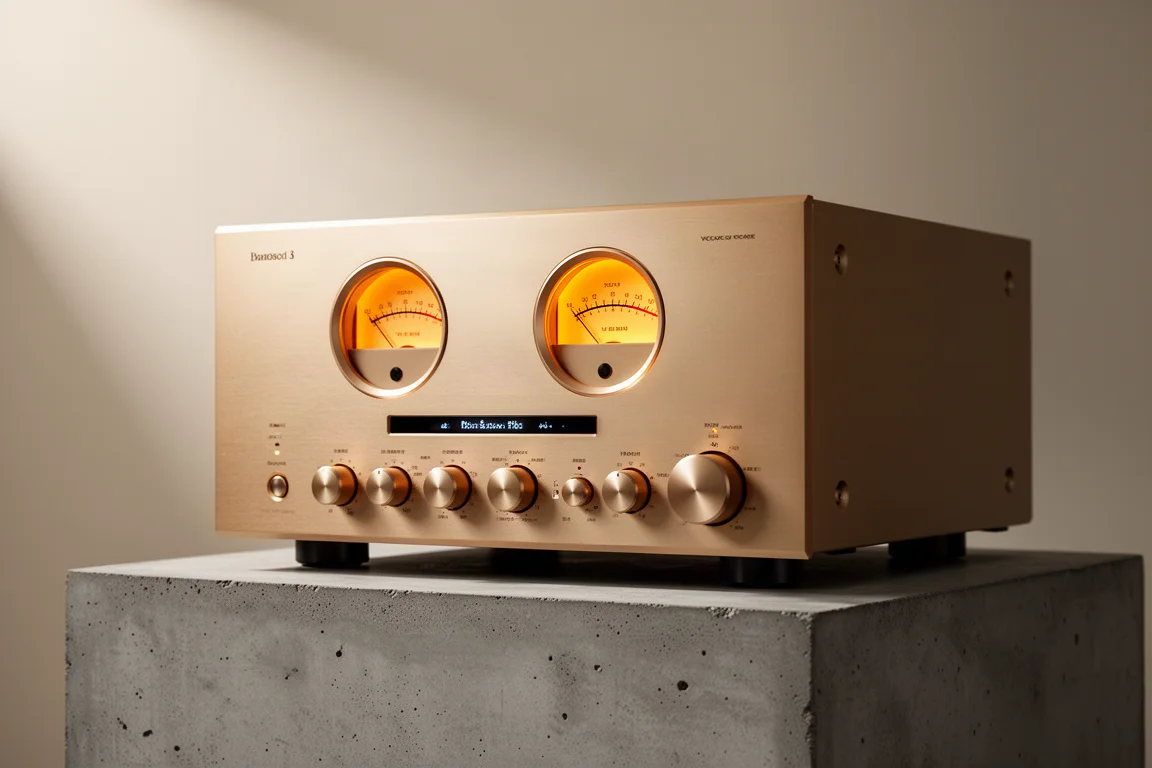
Accuphase E-280 Review: Entry-Level Accuphase With Flagship Attention to Detail
A close look at the Accuphase E-280 integrated amplifier, covering its champagne build, AAVA volume control, sound quality, and the speakers and sources that suit it best.
Hi-Fi Amplifiers
Advance Paris A10 Classic vs Yamaha A-S301: Two Integrated Amplifiers Compared
A practical comparison of a $350 integrated amplifier and a $2,500 reference model, covering the differences that matter and the ones that do not.
Hi-Fi Amplifiers
Affordable Chinese Amplifiers Worth Buying: Five Budget Hi-Fi Amps Compared
A practical look at five affordable amplifiers, what each one does well, and the trade-offs to weigh before you buy.