Hi-Fi Amplifiers
Aima T9 Review: A $130 Integrated Amp That Gets Closer Than Its Price Suggests
The Aima T9 packs a built-in DAC, Bluetooth, and two tubes into a $130 class D integrated amplifier. Here is where it holds up, and where a $900 amplifier still earns its cost.
Introduction
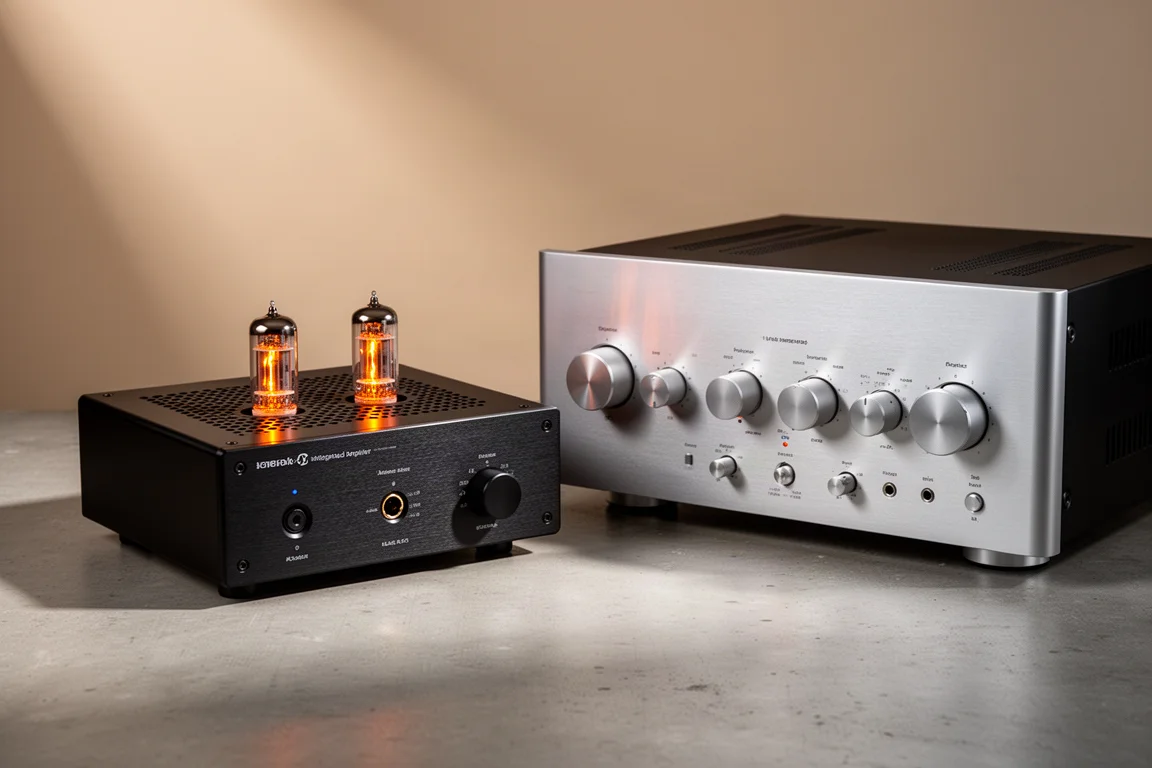
A $130 integrated amplifier and a $900 integrated amplifier should not sound alike. That is the expectation, at least, and it is the assumption the Aima T9 quietly challenges. The T9 is a compact class D integrated amplifier with a built-in DAC, Bluetooth streaming, a remote control, and a pair of vacuum tubes. It costs roughly $130. The amplifier it was set against costs around $900, comes from a long-established hi-fi brand, and carries a far fuller feature set: a phono stage, a complete DAC section with USB, optical, and coaxial inputs, subwoofer outputs, multiple single-ended inputs, and a much higher power rating.
On paper the gap looks enormous. In practice, once the two amplifiers were level matched and driving the same speakers from the same source, the gap turned out to be much narrower than the price difference suggests. This review looks at where the Aima T9 genuinely holds its own, and where the extra money still buys something real.
Who This Product Is For
The Aima T9 suits listeners who want a complete, low-cost front end rather than a purist analog amplifier. Because the DAC and Bluetooth are built in, a computer, a disc transport, or a phone can be the only source needed. That makes it a natural fit for desktop systems, small rooms, and secondary setups where a single box plus a pair of speakers is the entire system.
It also makes sense for anyone curious about tube character without committing to a full tube amplifier. The T9 uses tubes as part of its output character while keeping the efficiency and cool running of class D operation, and the tubes can be swapped later if you want to experiment.
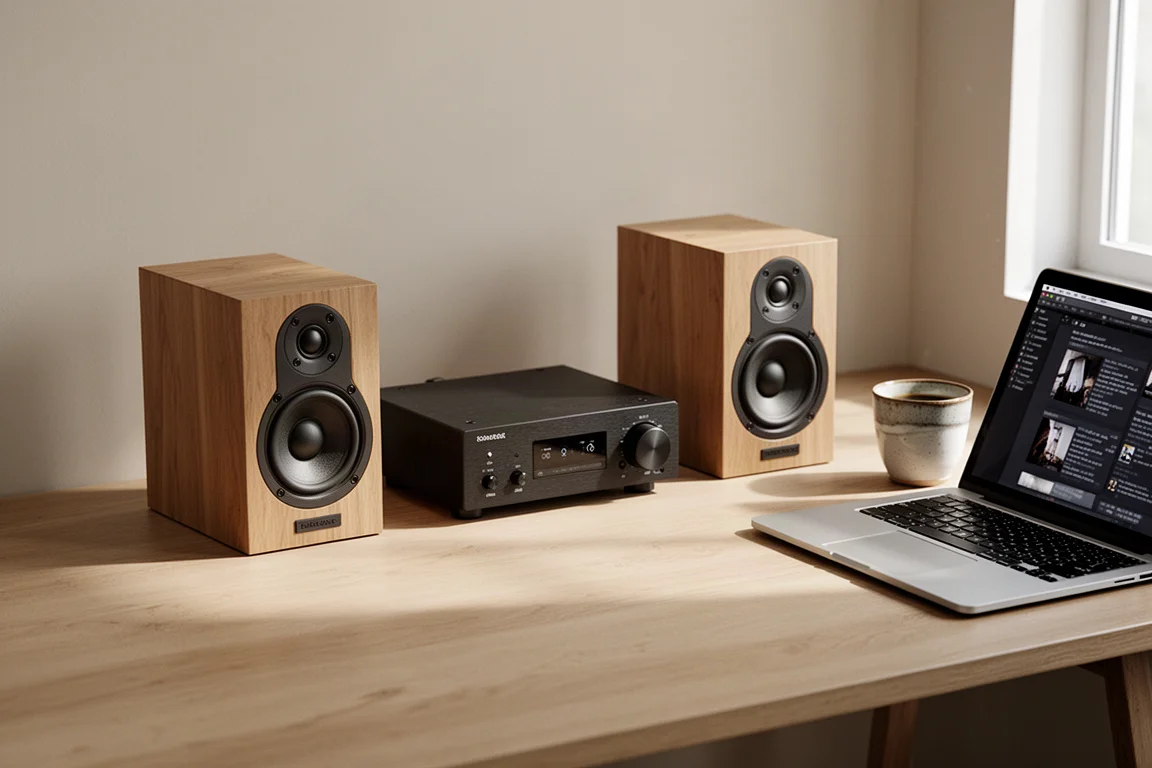
Budget is the other factor. If $900 is not available, or simply not justifiable for the room in question, the T9 covers the essentials competently rather than feeling like a compromise purchase.
Design and Build Quality
The T9 is a small, unassuming component. Its defining visual feature is the pair of tubes, which give it a warmer, more mechanical look than a typical black box. Inside, it is a class D design built around a Texas Instruments 5532 chip, a well-known component that appears in a great deal of affordable audio gear.
Controls are simple. There are tone adjustments for bass and treble, a volume control, and an input selector, and a remote control is included for volume and source switching. There is no attempt at the dense feature list found on premium integrated amplifiers, and that restraint is part of why the price lands where it does.
Sound Quality and Signature
Straight out of the box, the T9 has a distinctly warm character. Its emphasis sits in the lower mids and bass, which gives voices weight and makes bass lines feel fuller and more rounded. The $900 amplifier, by contrast, leans the other way: cleaner and more analytical, with a slight emphasis in the upper midrange and treble that makes fine detail easier to pick out.
That difference in signature is easy to mistake for a difference in quality. To test that properly, the more expensive amplifier was left completely flat while the T9’s tone controls were adjusted, with bass reduced a couple of steps and treble raised a couple of steps. Once the two were matched that way, they sounded remarkably close.
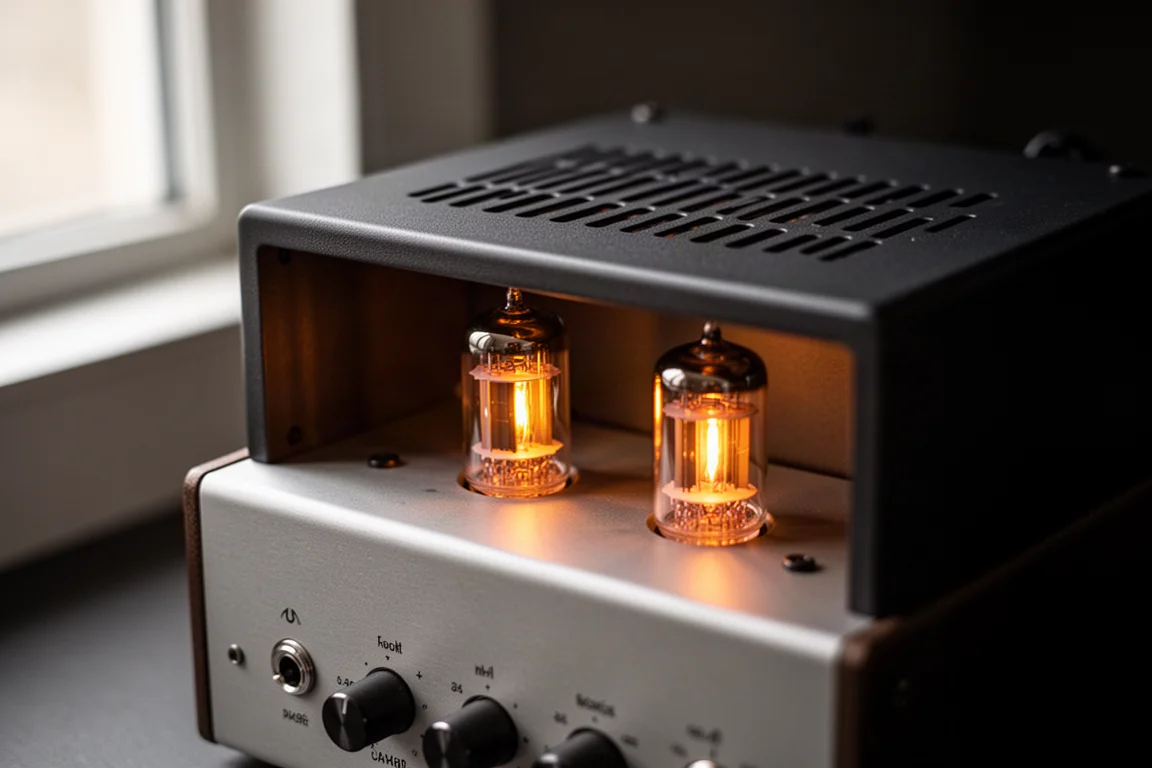
What remained were subtle differences rather than obvious ones. The pricier amplifier produced a larger, more three-dimensional soundstage with slightly better separation between instruments, and on certain bass passages it had a touch more weight. Those differences were consistent but small, and they were far less dramatic than the price gap would suggest.
Power, Volume, and Speaker Matching
The clearest dividing line between the two amplifiers is output. The T9 claims 100 watts into 4 ohms, but that figure is likely quoted at a high distortion threshold, and the real usable output is closer to half of that. The $900 amplifier is rated at 100 watts into 8 ohms and has considerably more headroom in practice.
That difference only becomes obvious at volume. Below roughly 80 dB, distinguishing the two was genuinely difficult. Between 80 dB and 85 dB, the more expensive amplifier stayed composed while the T9 began to show the edges of its limits, with distortion becoming audible and the noise floor rising. Above that point, the gap widens quickly.
For most listeners in most rooms, that ceiling is rarely reached. With efficient speakers, or in a nearfield desktop setup, the T9 delivers plenty of level before it runs out of composure. It is only when the volume stays high for long stretches that the extra power of a bigger amplifier earns its cost.
Inputs, DAC, and Everyday Convenience
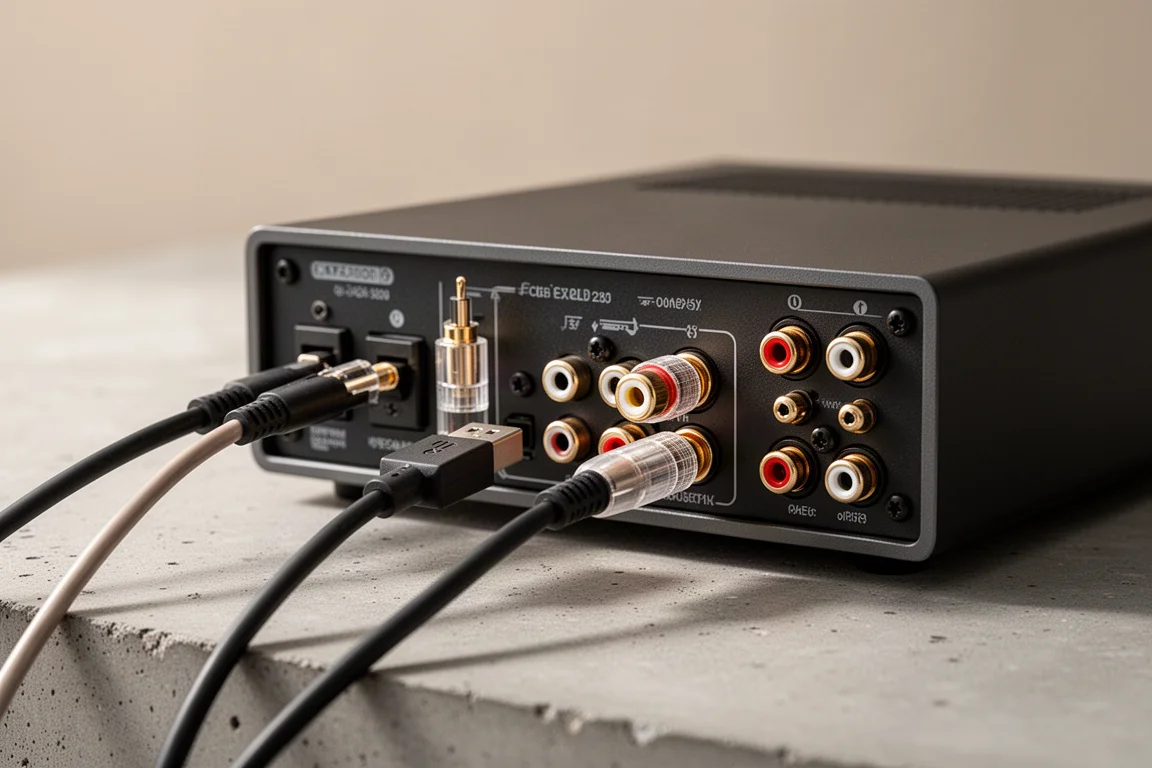
The T9’s built-in DAC accepts USB, optical, and coaxial sources, which covers a computer, a streamer, or a disc player without any extra hardware. Bluetooth is included as well, so casual listening from a phone does not require a cable. One RCA line input handles an additional analog source.
A remote control is included, which matters more than it sounds in a desktop or shelf system where reaching for the front panel is awkward. The tubes can also be replaced, so the amplifier can be tuned slightly over time if you enjoy that side of the hobby.
Where the T9 is lean is analog flexibility. A single RCA input is enough for one source, not several, and vinyl playback will need an external phono stage. The $900 amplifier offers multiple inputs and a phono stage built in, which is a real advantage for anyone running a turntable alongside other components.
Things to Consider Before Buying
Three limits are worth understanding before ordering. First, the power rating deserves a cautious reading, since the 100-watts-into-4-ohms claim likely comes with a distortion caveat, and the amplifier’s practical headroom is modest.
Second, the input count is minimal. If you plan to connect a turntable, a CD player, and a streamer at the same time, the T9 will need help in the form of an external switch or an external phono stage.
Third, loud listening is the scenario where the price difference becomes audible. If your sessions regularly run loud in a large room with demanding speakers, a more powerful amplifier is the better investment. If they do not, the T9’s limitations are unlikely to surface.
Buying Advice
The Aima T9 makes the most sense when it is matched to the right job. Pair it with reasonably efficient speakers, keep it in a small to medium room, and use its built-in DAC and Bluetooth for everyday listening, and it performs well beyond its price.
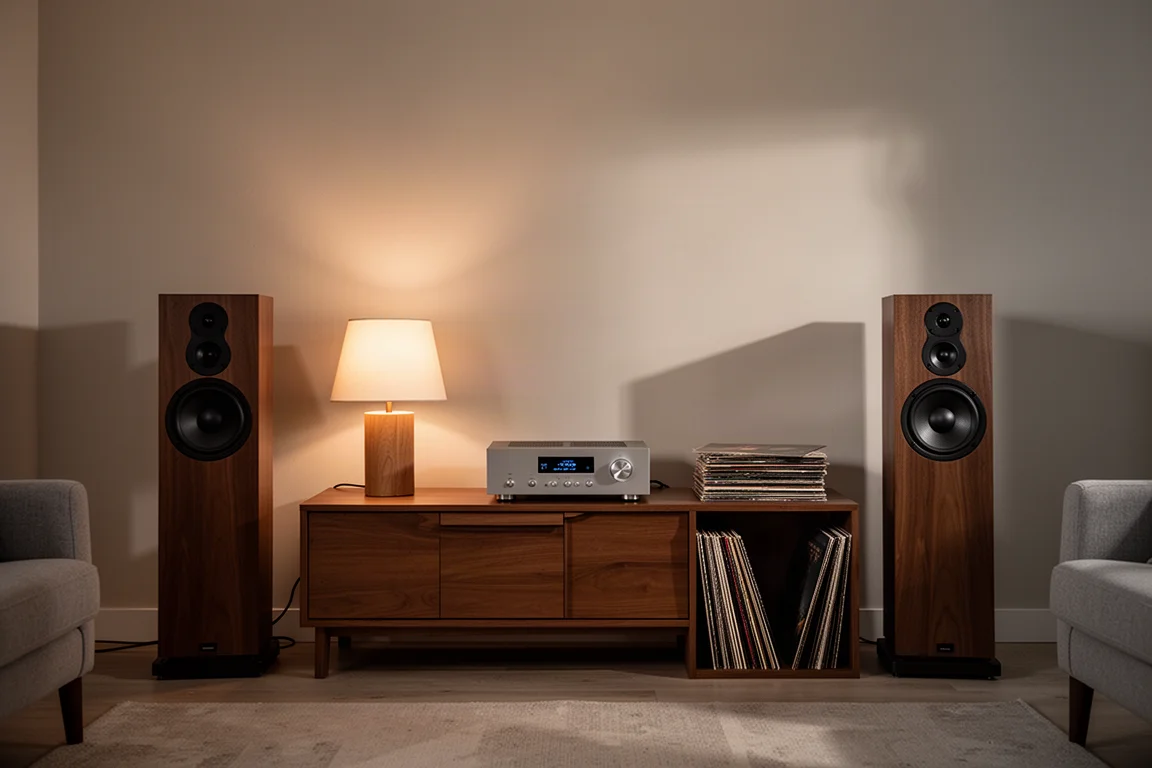
It is worth being honest about the trade-offs. The more expensive amplifier is the better amplifier, with more power, a bigger soundstage, and a far more complete set of connections. But at moderate volumes and with sympathetic speakers, the two are close enough that most listeners would struggle to identify which is playing in a level-matched comparison. Buyers who cannot stretch to the higher price should not feel they are settling for a fraction of the performance.
Conclusion
The Aima T9 is a reminder that the relationship between price and sound quality is not linear. For roughly $130, it offers a warm, full-bodied presentation, a capable built-in DAC, Bluetooth, and tube flexibility in a compact chassis. It will not play as loud as a premium integrated amplifier, and it cannot match one for connectivity or soundstage scale. Within its limits, though, it delivers a great deal more than its price implies, and it remains a genuinely sensible choice for budget-conscious systems.
Product link
View more details for Aima T9
This product is mentioned in the review. Check the specifications, options, and compatibility before buying.
View more details for Aima T9Further reading
Related Reviews
Hi-Fi Amplifiers
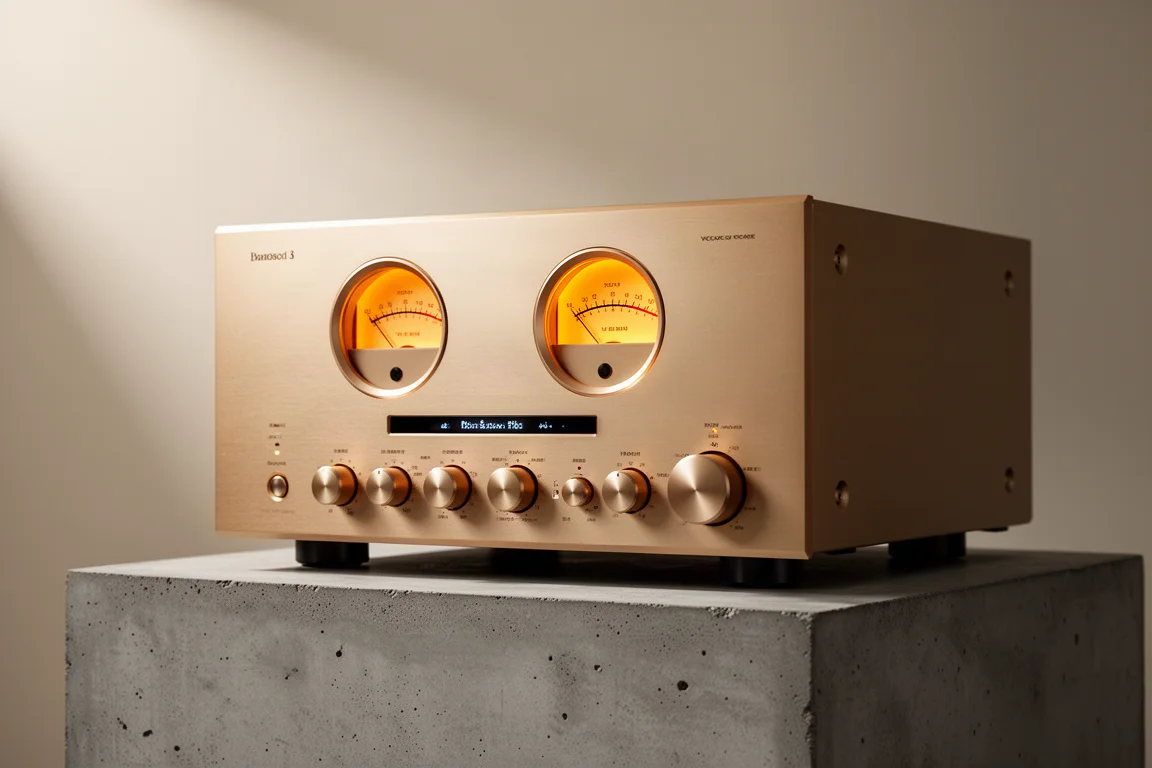
Accuphase E-280 Review: Entry-Level Accuphase With Flagship Attention to Detail
A close look at the Accuphase E-280 integrated amplifier, covering its champagne build, AAVA volume control, sound quality, and the speakers and sources that suit it best.
Hi-Fi Amplifiers
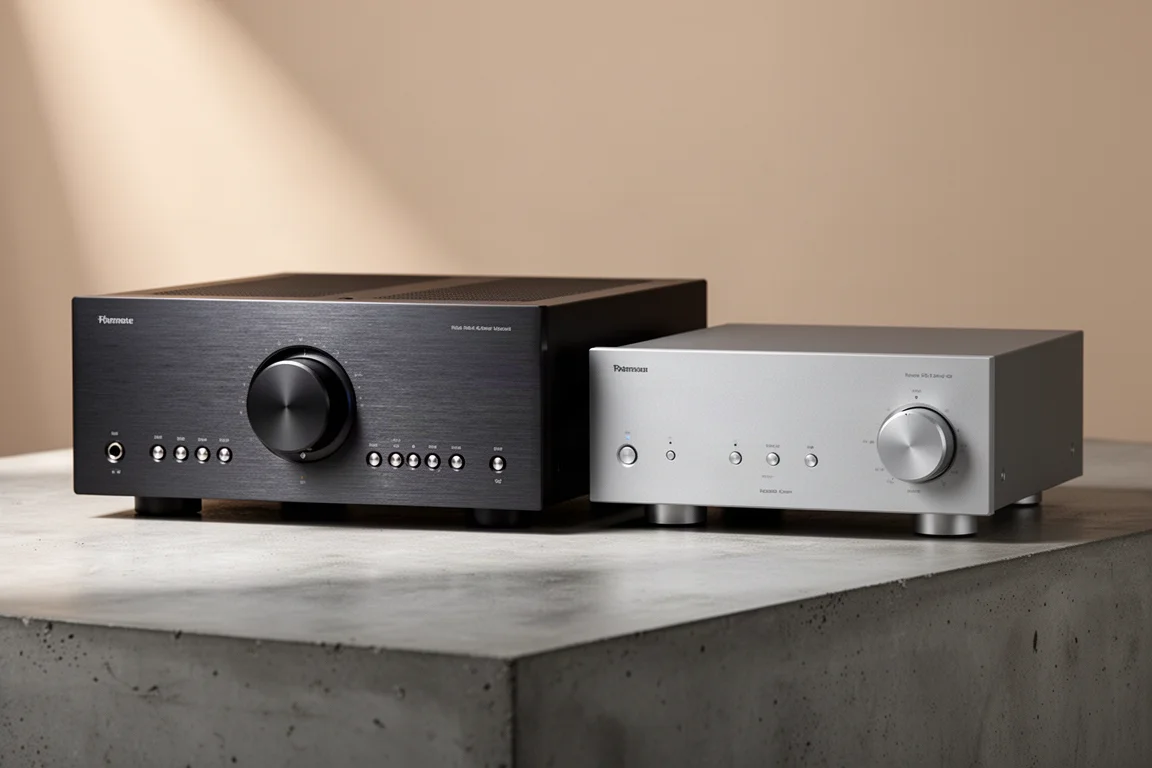
Advance Paris A10 Classic vs Yamaha A-S301: Two Integrated Amplifiers Compared
A practical comparison of a $350 integrated amplifier and a $2,500 reference model, covering the differences that matter and the ones that do not.
Hi-Fi Amplifiers
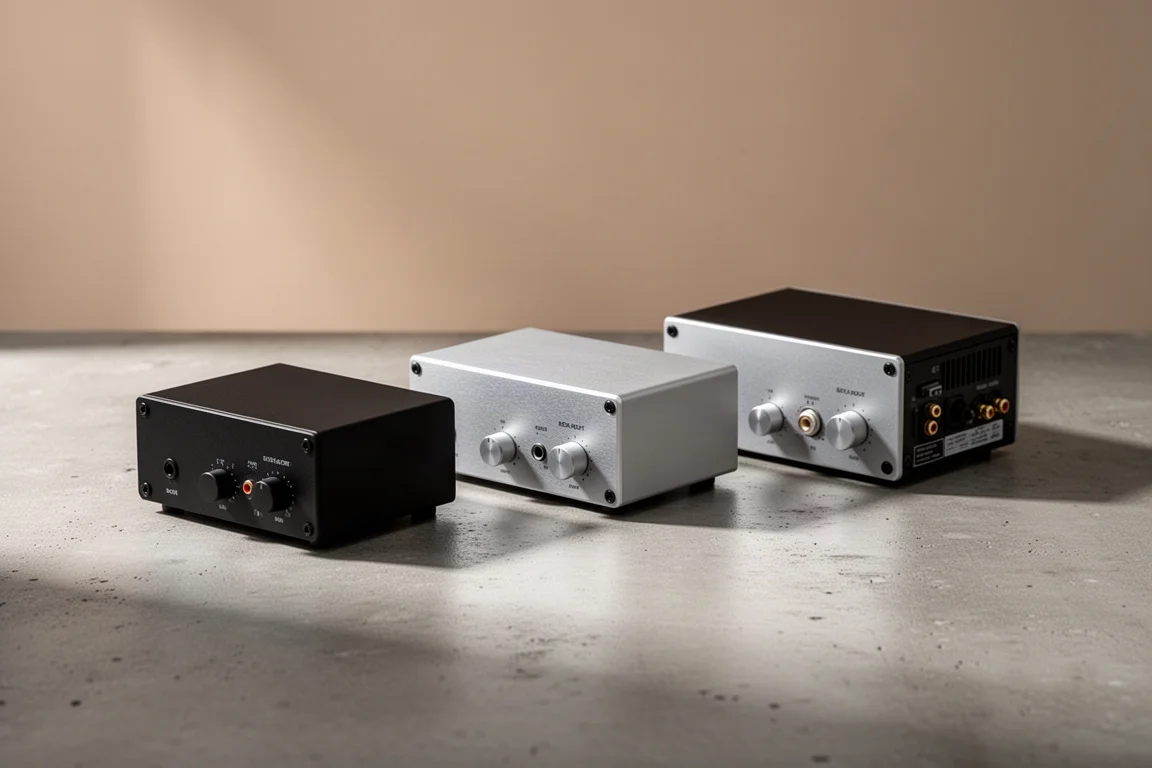
Affordable Chinese Amplifiers Worth Buying: Five Budget Hi-Fi Amps Compared
A practical look at five affordable amplifiers, what each one does well, and the trade-offs to weigh before you buy.