Hi-Fi Amplifiers
AGD Gran Vivace Review: The Flagship Monoblock Question
The AGD Gran Vivace flagship monoblocks bring full-bodied bass, a saturated midrange and a smooth top end. Here is what the extra power buys over the Audion, and where the design asks for compromises.
Introduction
The AGD Gran Vivace is the flagship of AGD’s monoblock range, and it arrives with a flagship number attached: $119,000 for the pair, more than double the price of the smaller AGD Audion. That gap is the whole story here, because the Audion already set a high bar with full-bodied, textured bass, a saturated midrange and a top end that stays refined rather than bright.
The useful question is therefore not whether the Gran Vivace sounds good. It is whether it sounds enough better than the model below it to justify the difference. In direct, side-by-side listening the answer is nuanced: the flagship does not change the character of the sound, but it adds headroom, a little more control and a slightly wider sense of space. For listeners with demanding speakers, those additions matter more than they look on paper.
Who the AGD Gran Vivace Is For
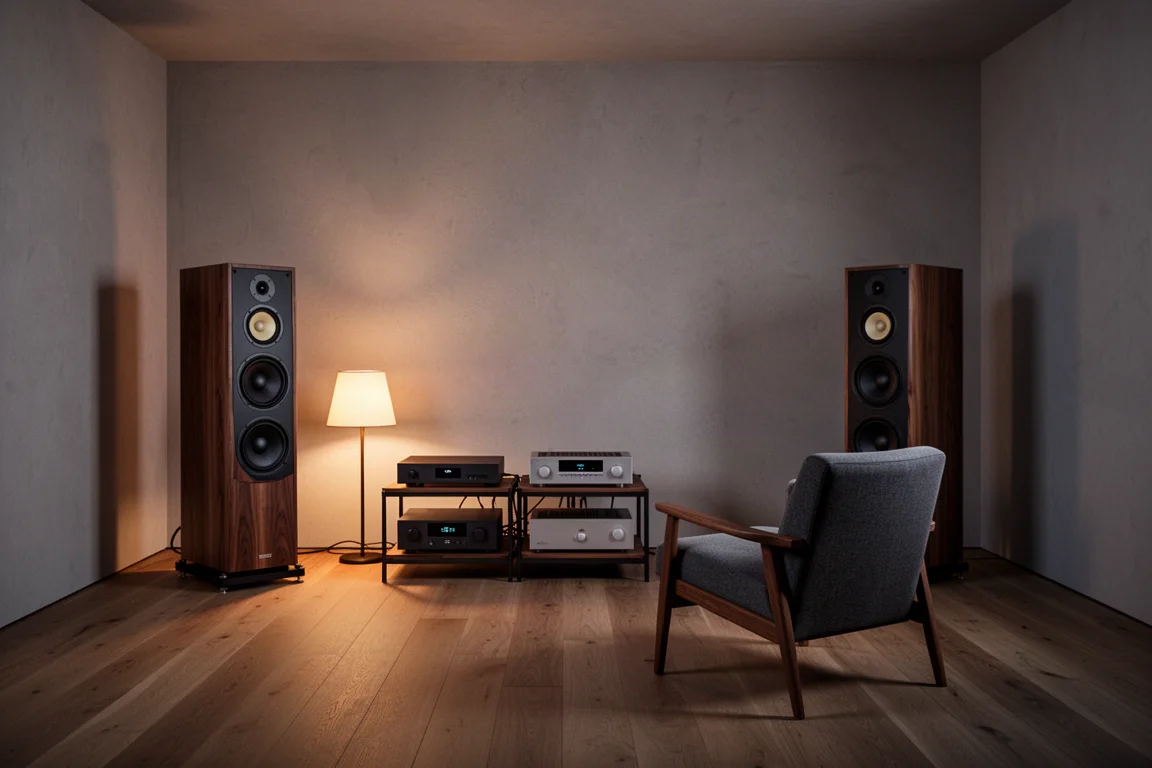
This is an amplifier for listeners who want solid-state power and convenience with a midrange that behaves like a good tube design. It suits owners of large, power-hungry floorstanding speakers, including low-impedance designs that expose amplifiers with limited current delivery. It also suits anyone who rotates speakers and preamplifiers regularly, because matching flexibility is one of its strongest practical arguments.
It is a less obvious choice for listeners who put a holographic, larger-than-life soundstage above everything else. A dedicated high-end tube amplifier still goes further in that specific direction, at the cost of being fussier about what it is paired with.
Design and Build Quality
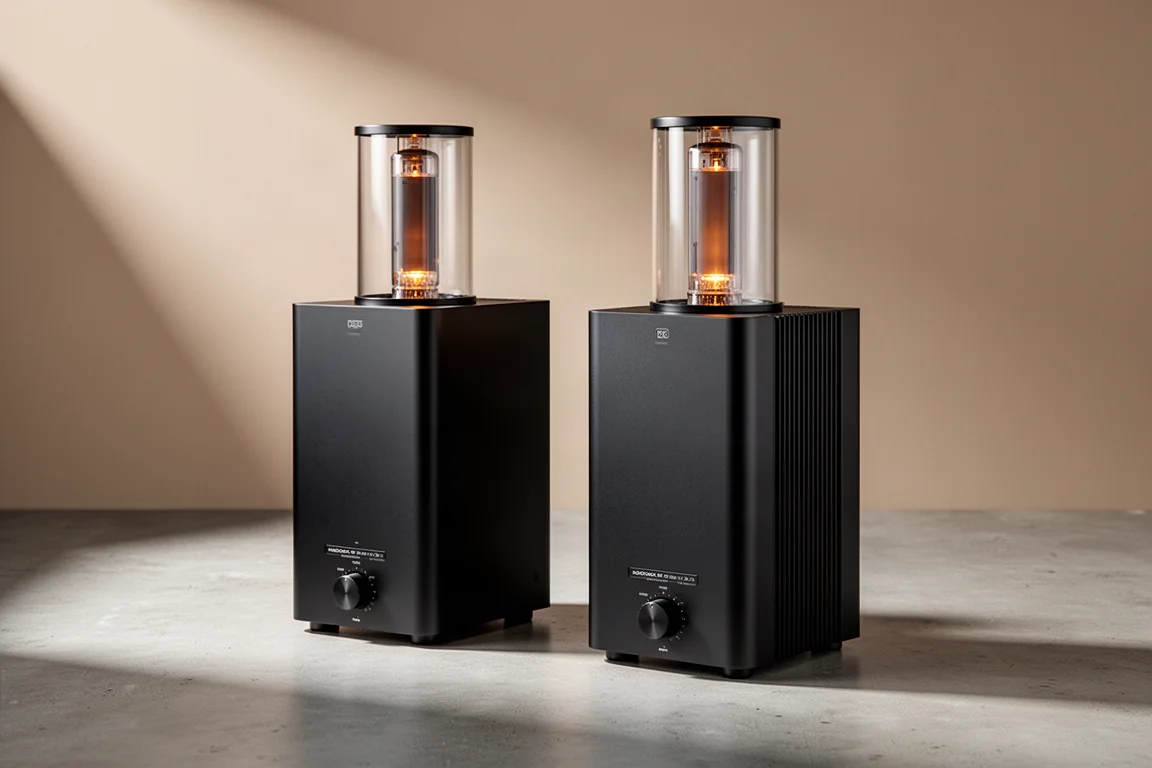
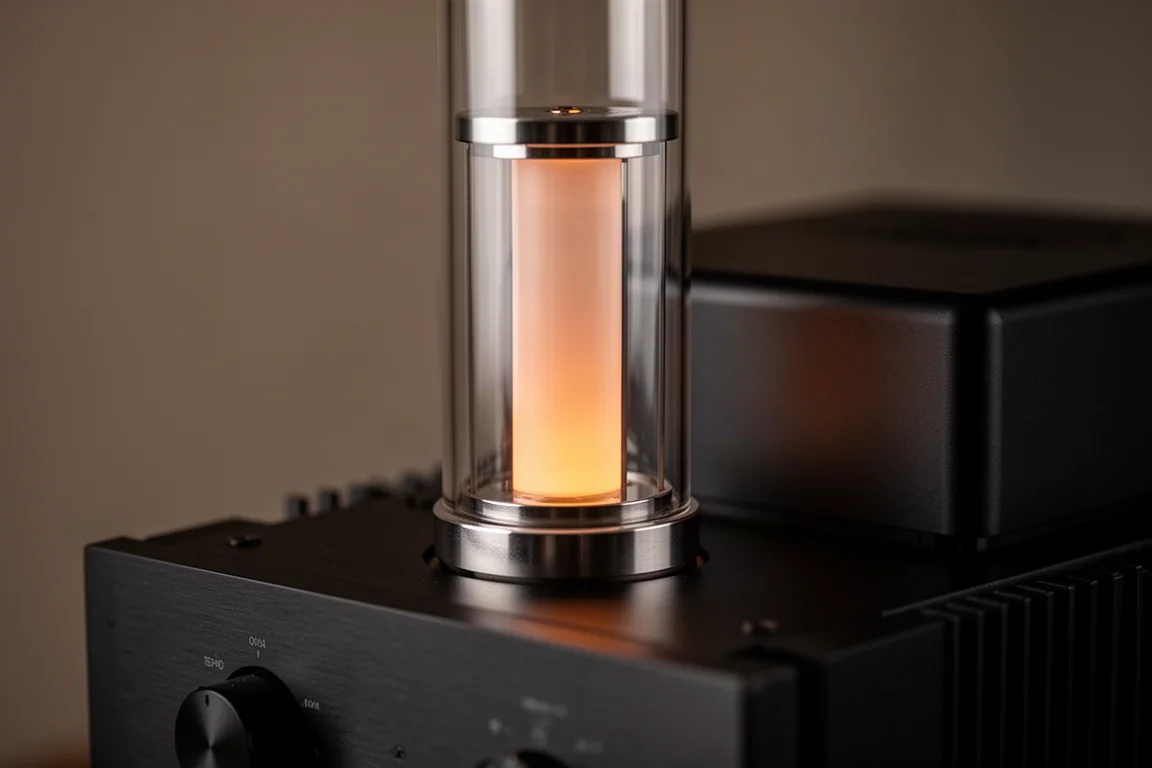
Each Gran Vivace is a monoblock, so the price buys a pair. The chassis is slightly larger than the Audion’s, and the most visible difference sits on top: the flagship uses a KT120-sized tube enclosure instead of the KT88-sized housing on the Audion. Inside that enclosure is a gallium nitride power stage built from high-grade audio components.
It is worth being clear about what this is not. The Gran Vivace is a class D amplifier, and the tube-shaped housing exists for aesthetics and modularity rather than for thermionic gain. Those modules can be swapped for updated versions in the future if AGD develops improvements, which gives the design a longer service life than a fixed architecture. AGD describes its GaN Tube Technology as the most advanced design currently available on the market, a claim worth treating as marketing language until you hear the result for yourself.
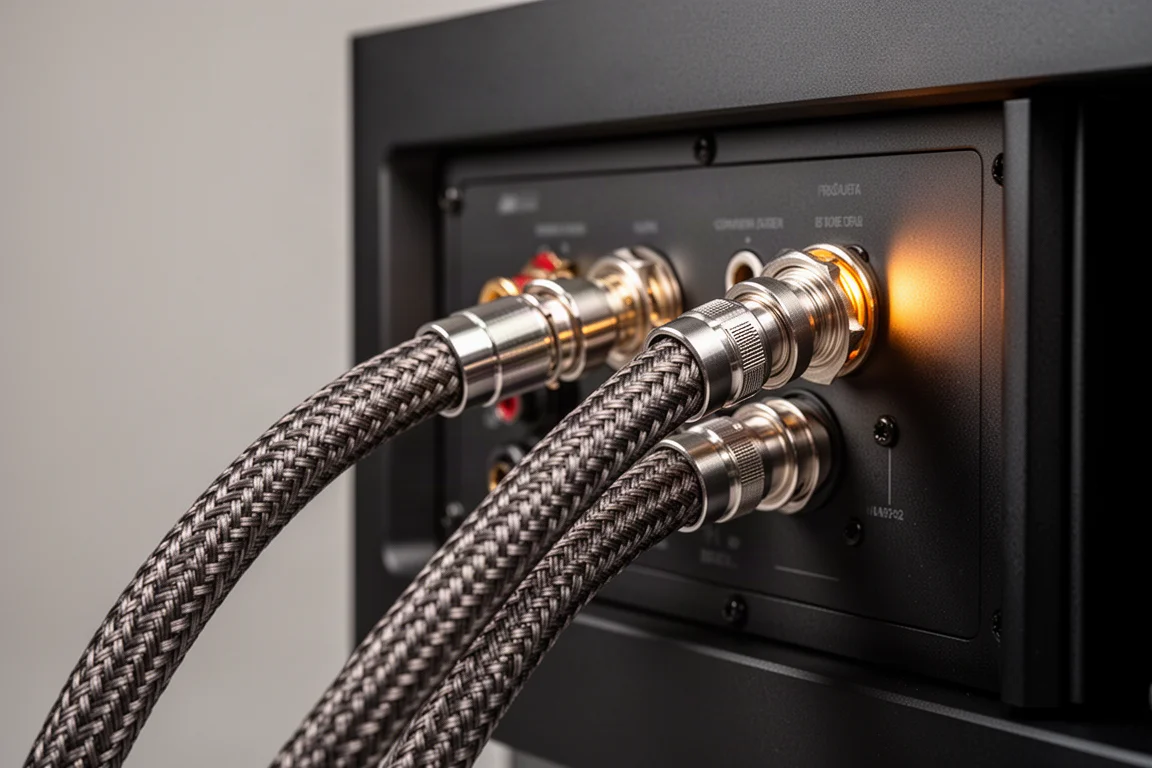
Around the back, the connections are serious: balanced XLR and RCA inputs, plus premium WBT speaker binding posts. The main power switch sits at the bottom rear and is designed to stay on, with day-to-day standby handled by a touch control on the chassis. That touch control takes some getting used to, and a physical button is simply easier to live with day to day. AGD says a physical button can be requested and swapped in fairly easily.
Sound: Bass, Midrange, and Treble
Bass is where the Gran Vivace makes its case. It is full-bodied, deep, accurate and textured, and it never inflates the low end to impress. In back-and-forth comparisons with the Audion, the two were very close to identical, with the flagship showing slightly better control on some demanding tracks, most likely a result of its additional power.
The midrange rivals the best tube amplifiers in character: saturated and full-bodied, with a hint of warmth, and without giving up clarity or nuance. The treble is extended but extremely refined. Nothing is rolled off, detail and sparkle are present, yet the presentation stays smooth rather than aggressive. Listeners who want extra bite or excitement at the top end should look elsewhere; listeners who want to hear everything without fatigue will find a lot to like.
Soundstaging is open in both width and depth, and slightly wider on the flagship than on the Audion. It does not reach the holographic presentation of a dedicated high-end tube design, but it is wider and deeper than any class D amplifier and most solid-state Class A and Class AB designs. Within that stage, imaging is pinpoint: voices and instruments are placed precisely enough to be picked out individually.
Power and Speaker Matching
The output figures are generous: 400 W into 4 ohms and 200 W into 8 ohms, with the ability to drive low-impedance speakers. This is a high-current design with 50 A peak output capability and 70,000 microfarads of audio-grade capacitor reservoir per side. In practice, the flagship has more headroom and breathing room than the Audion, and it feels more effortless when the volume climbs.
Matching is one of the strongest arguments for the AGD approach. The amplifiers drive a wide range of speakers without strain, and they are unusually tolerant of preamplifier choice. AGD’s own flagship preamplifier is an obvious partner, but a comparatively affordable preamplifier proved an especially good match, adding texture and a greater sense of space without softening the pinpoint imaging.
Things to Consider Before Buying
The price is the first consideration: $119,000 for the pair, more than double the Audion. The second is ergonomics. Standby is handled by a touch control rather than a physical button, and while it becomes second nature with use, it is not the most satisfying way to switch on an amplifier.
The tube-shaped enclosure also divides opinion. Some listeners read it as a gimmick aimed at tube fans, even though AGD is explicit that this is a class D design and makes no claim to be a tube amplifier. If the look does not appeal, the modularity argument may not be enough to win you over.
Finally, the sonic signature is deliberately smooth. If your priority is a holographic, larger-than-life stage, or a brighter, more excitable top end, this amplifier’s strengths may not line up with your taste.
How It Compares With Other Amplifiers
Against the NAT Transmitter monoblocks, which sit around $30,000 and remain a tube reference, the AGD pair gives up some holographic depth and some of the unmatched musicality a great tube amplifier can produce with exactly the right speaker. It counters with tighter bass control, cleaner highs and far greater flexibility across speakers and preamplifiers. Against the Luxman M-900u, the AGD pair has the smoother, more refined top end while the Luxman brings more sparkle, and the Luxman’s leaner midrange contrasts with the AGD’s fuller, warmer balance. Both image with exceptional precision and both stage well, with the Luxman a touch deeper and the AGD a touch wider.
The Hegel H600 integrated shares the AGD’s bass control and its never-bright treble, but the AGD pair adds a little more texture and nuance in the low end, along with better separation and contrast up top and a more precise sense of placement through the midrange. The McIntosh MC462 takes a completely different route: warm, smooth and easygoing, with detail retrieval that is better than vintage McIntosh gear but still not the priority. The AGD pair is just as easy to listen to while offering more nuance, more texture, pinpoint imagery and a blacker background. Where the McIntosh is hard to argue with is raw power and aesthetics: 450 W into any impedance load, and those blue meters.
Buying Advice
The Gran Vivace makes the most sense in a system that already has a capable preamplifier and speakers that reward current and headroom. It is also the more sensible of the two AGD models for owners of difficult loads, since the extra power translates into a more relaxed presentation when the music gets demanding.
If budget is the deciding factor, the Audion remains a strong option. It shares the same essential voice, the same bass character and the same refined treble, and it gives up relatively little in normal listening. The flagship premium buys headroom, a little more control and a slightly wider stage, so the choice comes down to how demanding your speakers are and how much you value that last measure of effortlessness. It is also worth planning the preamplifier pairing deliberately, because this is an amplifier that responds clearly to what sits in front of it.
Conclusion
The AGD Gran Vivace does not reinvent the sound of the Audion, and that is arguably its greatest strength. It keeps the full-bodied bass, the saturated midrange and the smooth, refined treble, then adds the power and composure that make difficult speakers sound easy. At $119,000 per pair it is a serious commitment, and the case for it rests on headroom, control and matching flexibility rather than a dramatically different character. For listeners chasing solid-state drive with tube-like midrange warmth in one package, it is one of the closest things to that combination currently available.
Product link
View more details for AGD Gran Vivace
This product is mentioned in the review. Check the specifications, options, and compatibility before buying.
View more details for AGD Gran VivaceFurther reading
Related Reviews
Hi-Fi Amplifiers
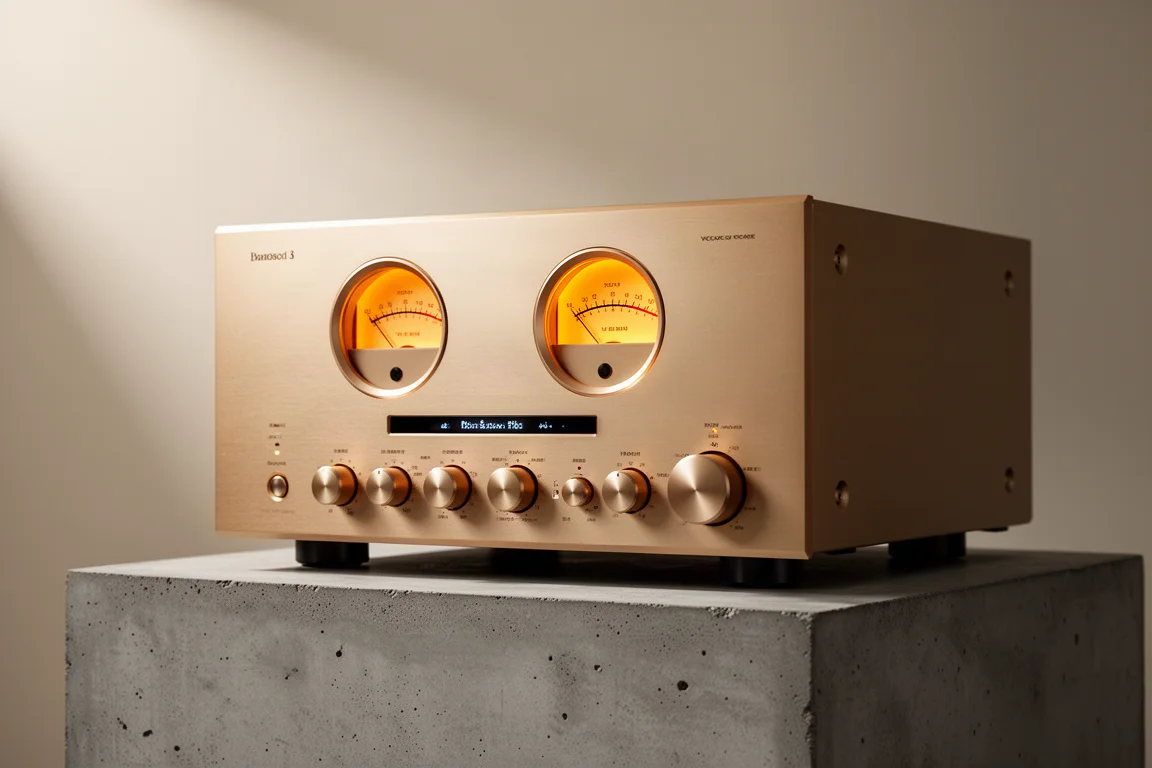
Accuphase E-280 Review: Entry-Level Accuphase With Flagship Attention to Detail
A close look at the Accuphase E-280 integrated amplifier, covering its champagne build, AAVA volume control, sound quality, and the speakers and sources that suit it best.
Hi-Fi Amplifiers
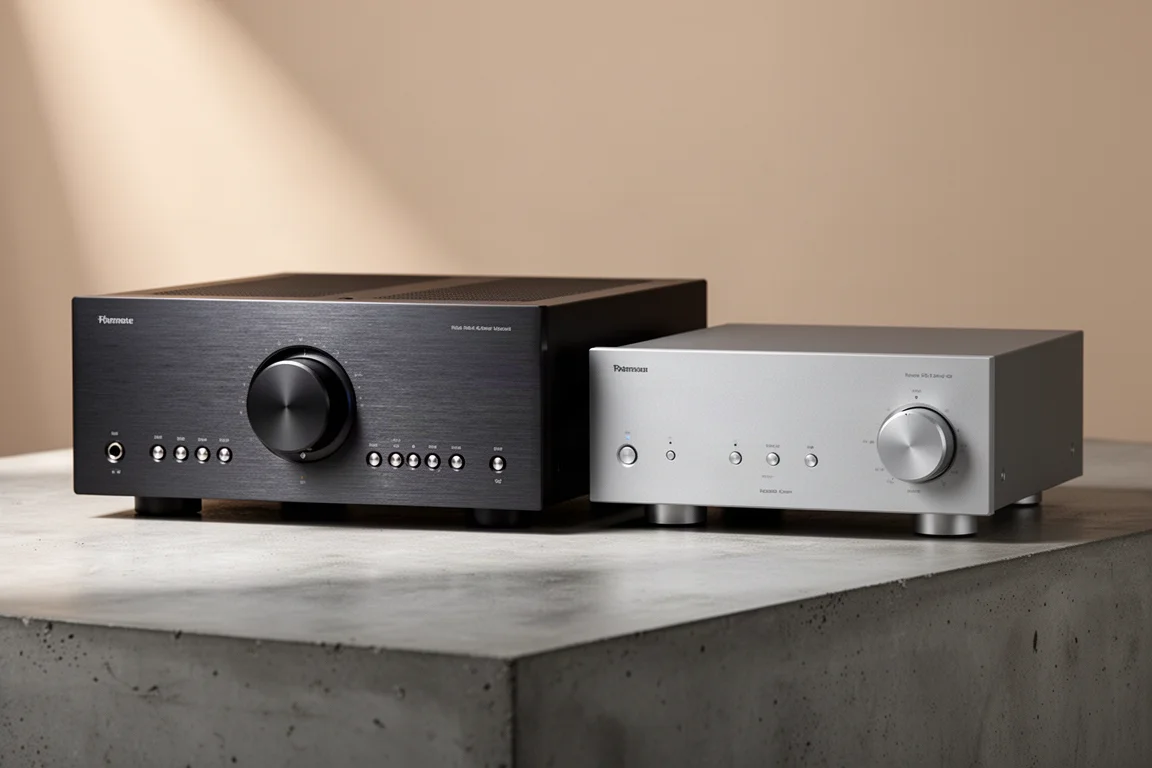
Advance Paris A10 Classic vs Yamaha A-S301: Two Integrated Amplifiers Compared
A practical comparison of a $350 integrated amplifier and a $2,500 reference model, covering the differences that matter and the ones that do not.
Hi-Fi Amplifiers
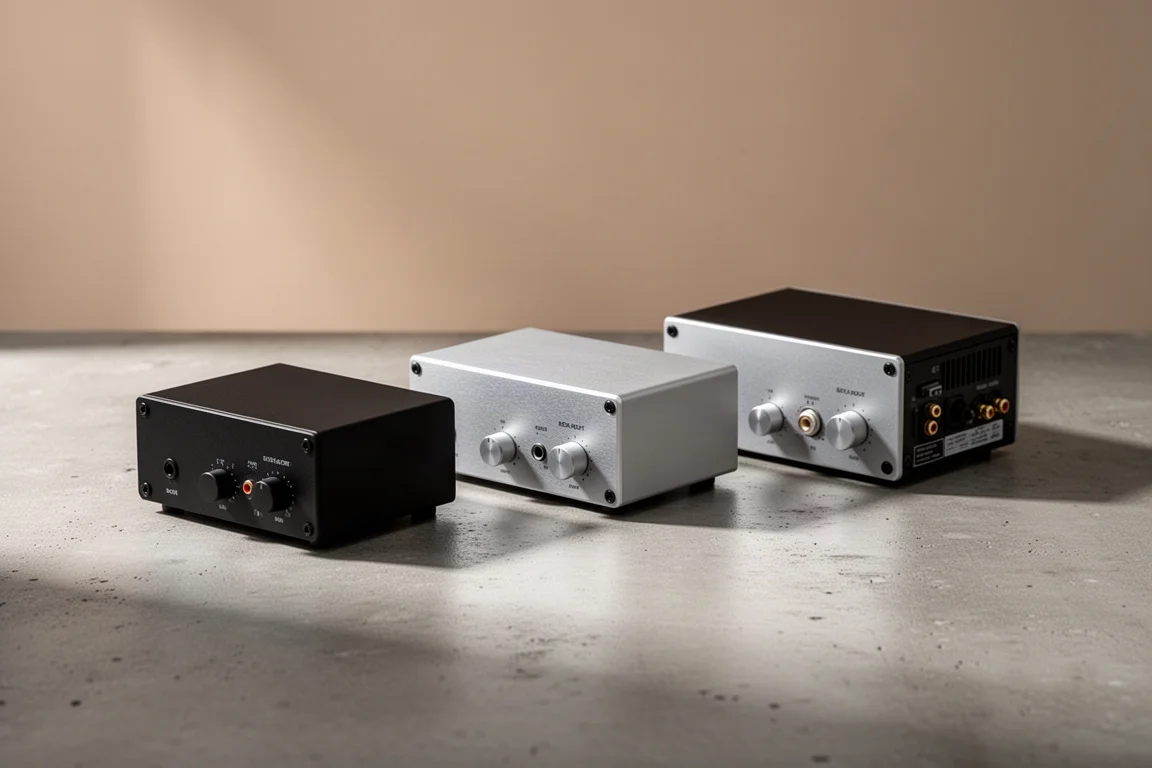
Affordable Chinese Amplifiers Worth Buying: Five Budget Hi-Fi Amps Compared
A practical look at five affordable amplifiers, what each one does well, and the trade-offs to weigh before you buy.