Backpacking Gear
Affordable Comfort Backpacking Gear: 13 Picks for Trail, Camp, and Sleep
A practical roundup of affordable backpacking gear that keeps you comfortable on the move and at camp, from packs and footwear to sleep systems and small camp extras.
Introduction
Most backpacking trips are not ruined by a lack of gear. They are ruined by discomfort: a pack that digs into your shoulders, feet that blister by mile eight, a night spent rolling off a pad and waking up stiff. Chasing comfort with premium equipment can run into thousands of dollars, but it does not have to.
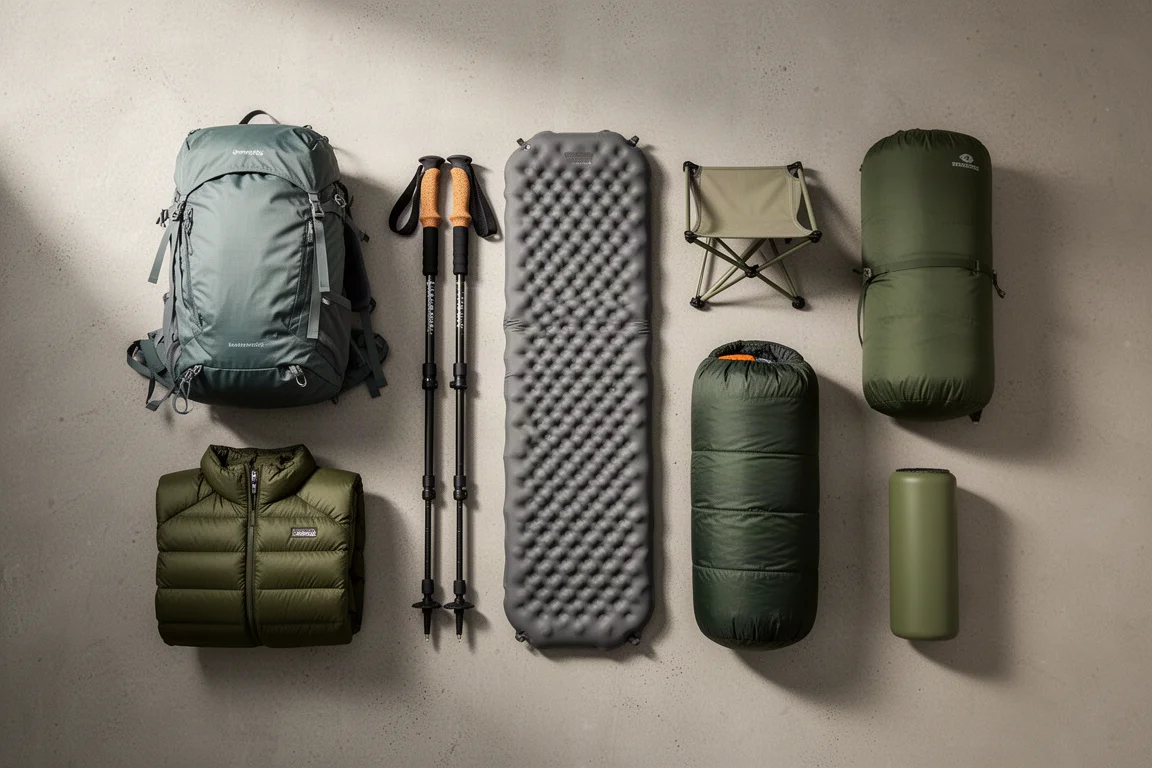
The items below are the affordable half of a comfortable kit. Some keep you comfortable while you are moving, and the rest keep you comfortable once you stop. Each one has a clear job, and each one has a trade-off worth knowing before you buy.
How Comfort Backpacking Gear Is Judged
Comfort on the trail comes down to two things: how well your gear fits your body, and how effectively it carries weight. Fit is not about your height. Torso length determines the right pack size, and two people of the same height can need different sizes. That is why an adjustable torso is worth prioritizing.
Load transfer matters just as much. A frame moves weight from your shoulders to your hips, and hips handle a heavy load far better than shoulders do. The same logic applies to footwear, where a shoe that matches your foot and your terrain prevents most of the blisters people blame on distance.
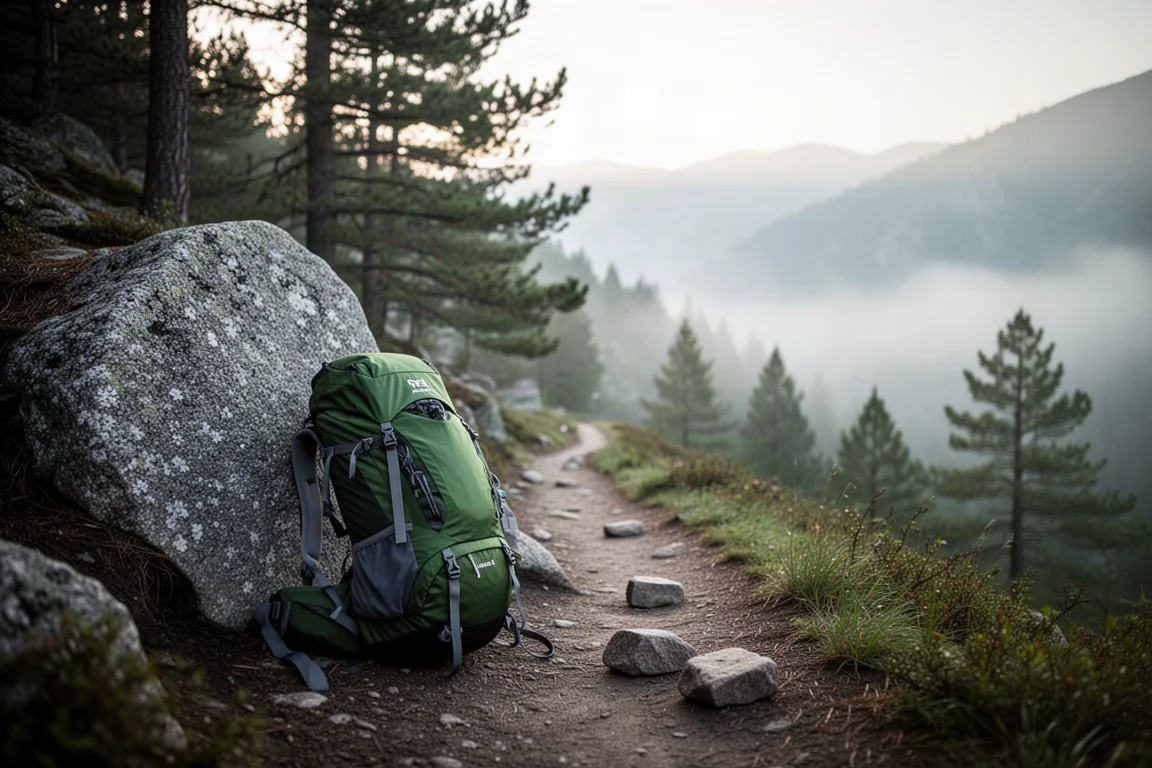
At camp, comfort is about rest and warmth: a tent you can pitch quickly in bad weather, a place to sit, a sleep system that keeps you off the cold ground, and a layer to pull on when the temperature drops. The picks below cover both halves of the day.
REI Flash 55 Backpack
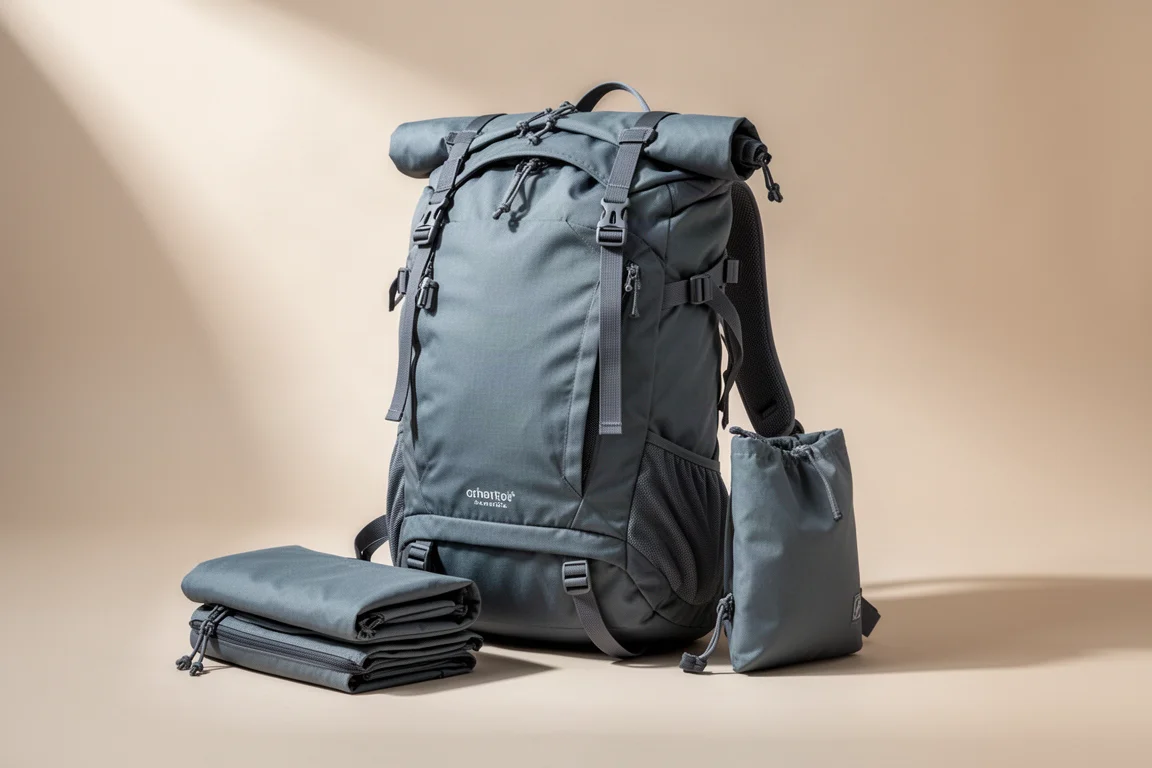
The Flash 55 is built around fit. It comes in several sizes, and within each size the torso is adjustable, so you can dial the pack in rather than settling for close enough. It also carries weight well: a frame transfers the load to your hips, and the hip belt uses stiff foam that holds its shape instead of folding under a heavy pack.
REI lists a capacity of around 35 lbs, and the pack has handled well over 40 lbs without complaint. Two water bottle pockets sit in front of the side pockets, which means you can reach a bottle, drink, and keep walking. The regular price is $200, and REI runs sales roughly every three months, usually 30 percent off and at least 20 percent off, which brings it down to about $140.
Cascade Mountain Tech Carbon Fiber Cork Handle Trekking Poles
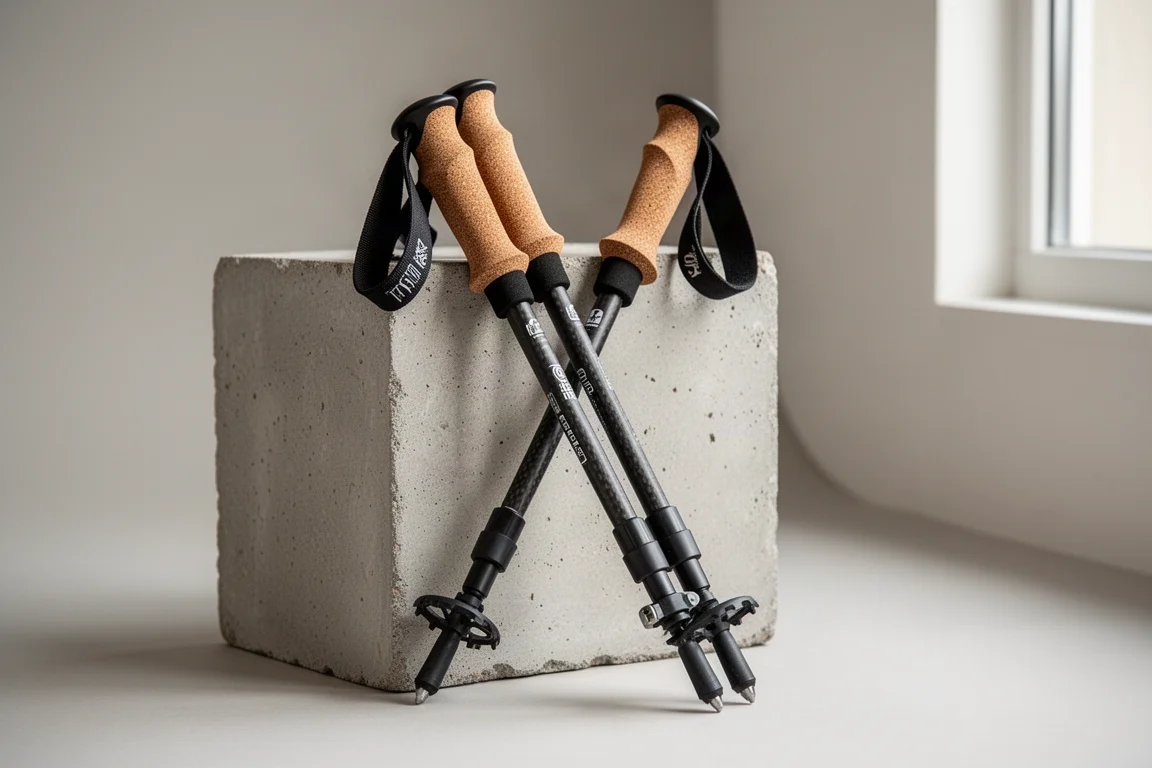
Trekking poles are the cheapest comfort upgrade on this list. They take load off your legs, particularly on descents, and they let you pull with your upper body on climbs instead of pushing everything through your knees.
The Cascade Mountain Tech carbon fiber poles with cork handles are the value pick, available for around $40 at Costco or on Amazon. They are light, the cork grips stay comfortable over long days, and they collapse small enough to strap onto a pack when the terrain flattens out.
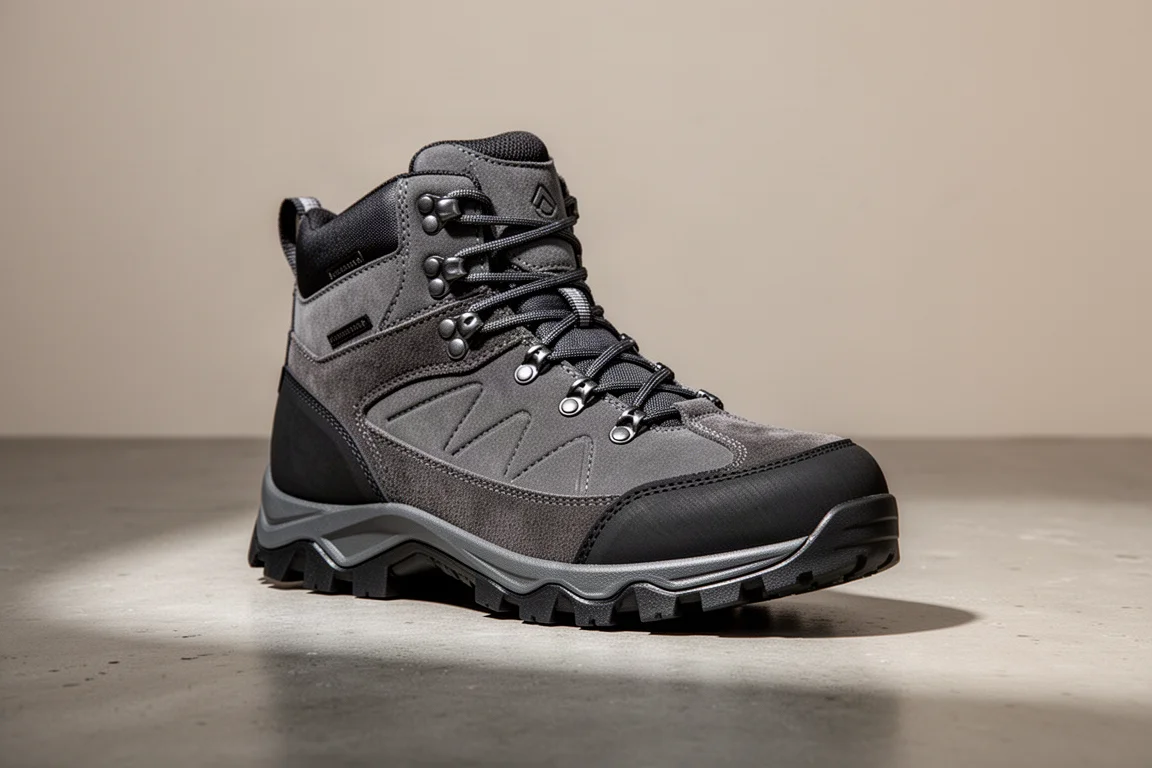
Salomon Quest Boot
Some hikers want the support of a boot, and the Salomon Quest is a lighter option than the big, heavy boots that dominate the category. Heavy boots often need a break-in period, and even after that they may not accommodate the shape of your foot, which is where blisters begin.
If you prefer ankle coverage and a stiffer platform underfoot, the Quest is a reasonable middle ground between a traditional mountaineering boot and a trail runner.
Hoka Speedgoat Trail Runners
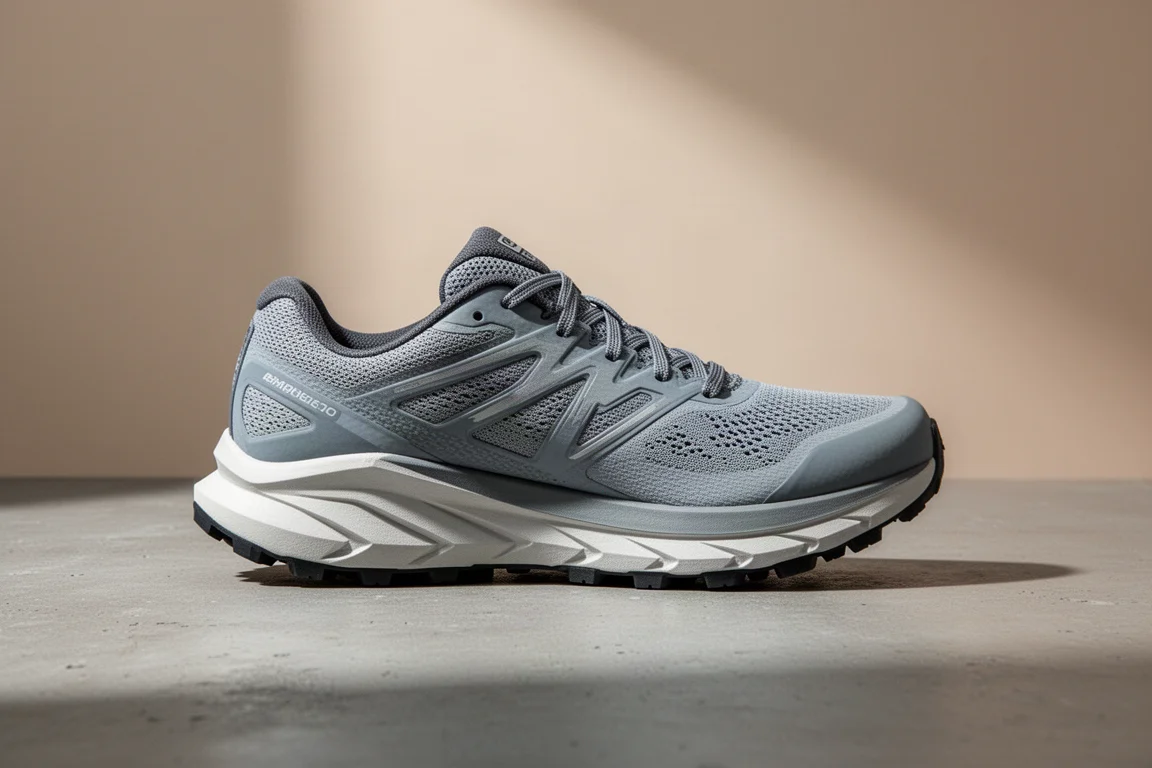
Trail runners let your foot move more naturally than a boot and keep weight off your feet, and weight on your feet costs more energy than weight in your pack. For most three-season trips on established trails, a running shoe is the more comfortable choice.
The Hoka Speedgoat Trail Runners are a strong example: light, cushioned, and built for mixed terrain. Hikers who have struggled with stiff boots often find that the switch alone solves most of their foot problems.
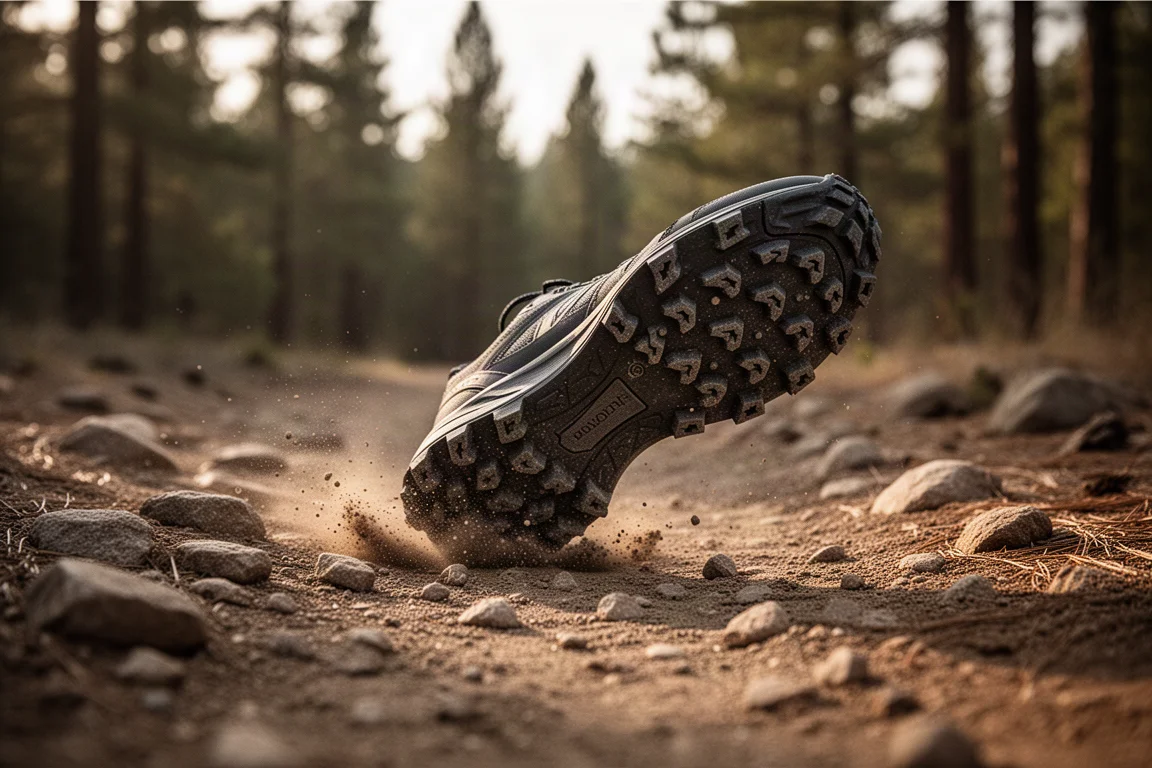
Footwear is also the one category where fit beats reputation. A shoe that matches your foot properly will outperform a more expensive shoe that does not.
Durston X-Mid 2 Tent
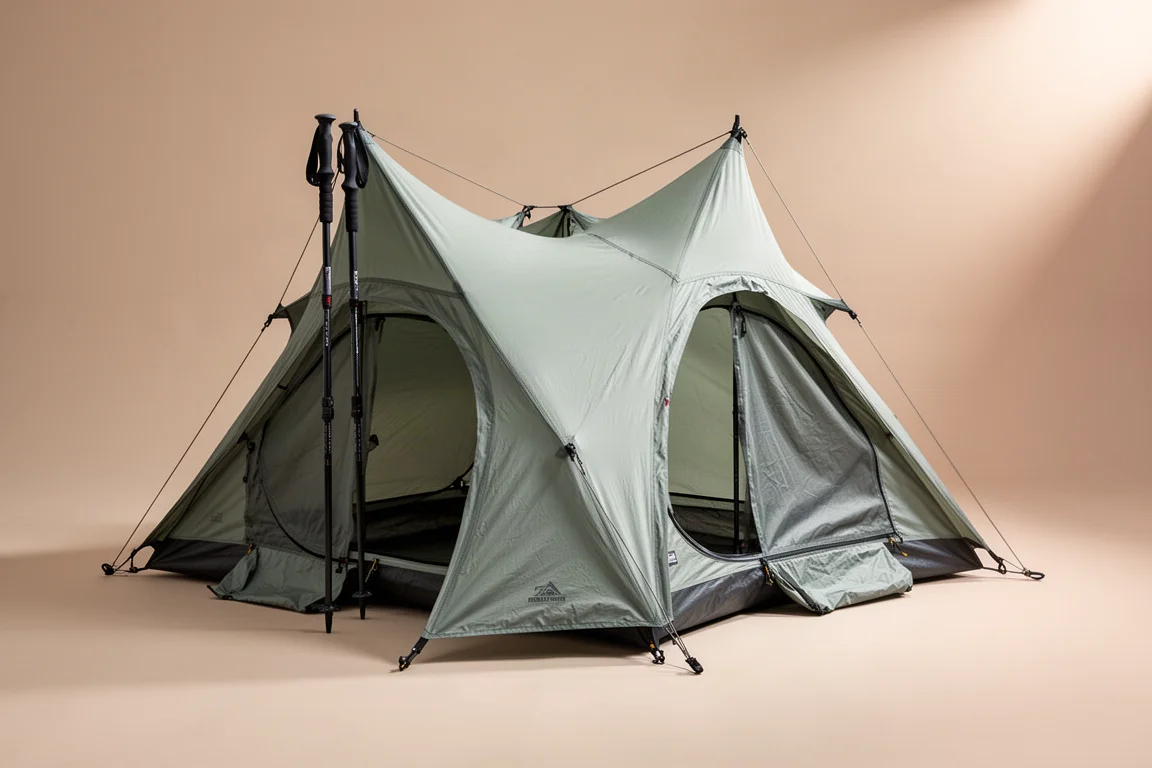
A comfortable tent needs three things: enough room, an easy pitch, and reliable weather protection. The X-Mid 2 covers all three. It is roomy enough for two 25-inch wide sleeping pads, and it pitches with just four stakes and two trekking poles set at the peaks.
Trekking pole tents can look intimidating, but this one is arguably easier than a traditional design. It goes up as a single unit, so the inner stays protected while you pitch it, rather than getting soaked in the rain the way an inner-first tent does. The double wall construction keeps condensation on the fly instead of on you, and the fly fabric does not hold much moisture or stretch and sag when it gets wet.
REI Flexlite Air Chair
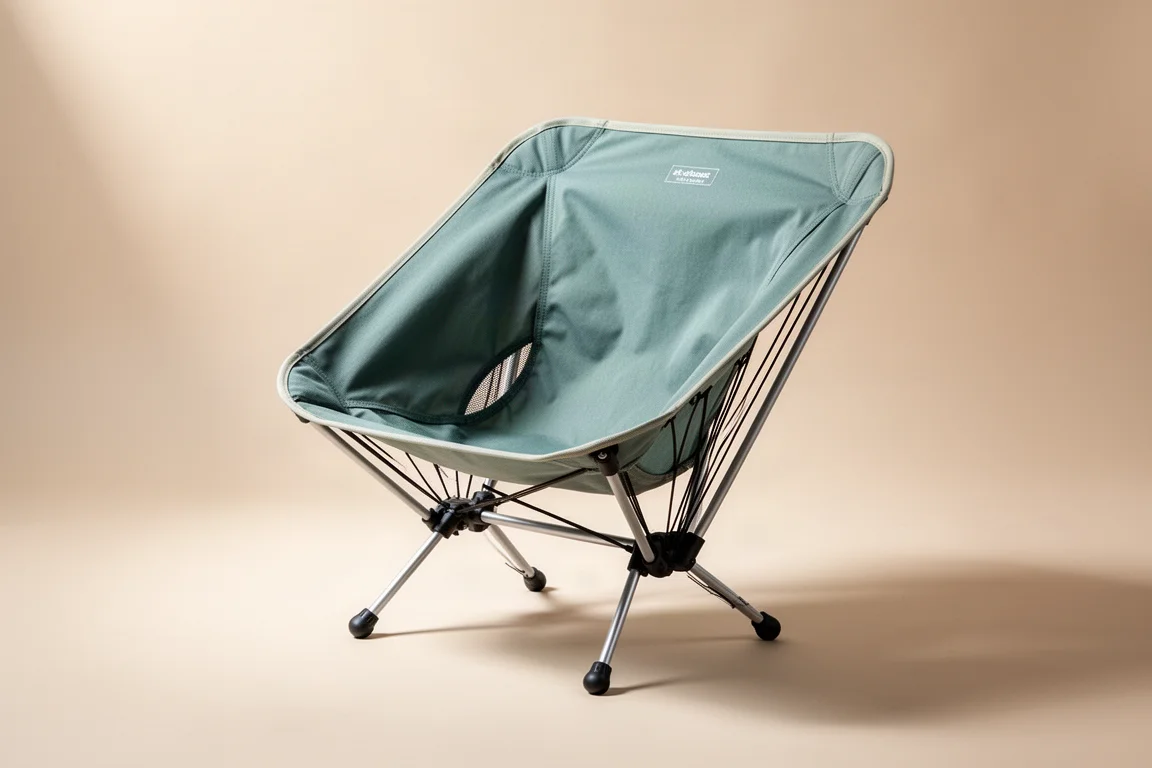
A chair is the difference between a restful evening and an hour of shifting around on a rock. It supports your back, gives you somewhere to sit around a fire, and makes camp feel like a place to be rather than a place to endure.
The REI Flexlite Air Chair weighs about a pound, which is light enough to justify on most trips. The regular price is $100 and it is frequently discounted to around $70, which is strong value for an ultralight chair.
Z Seat Sit Pad
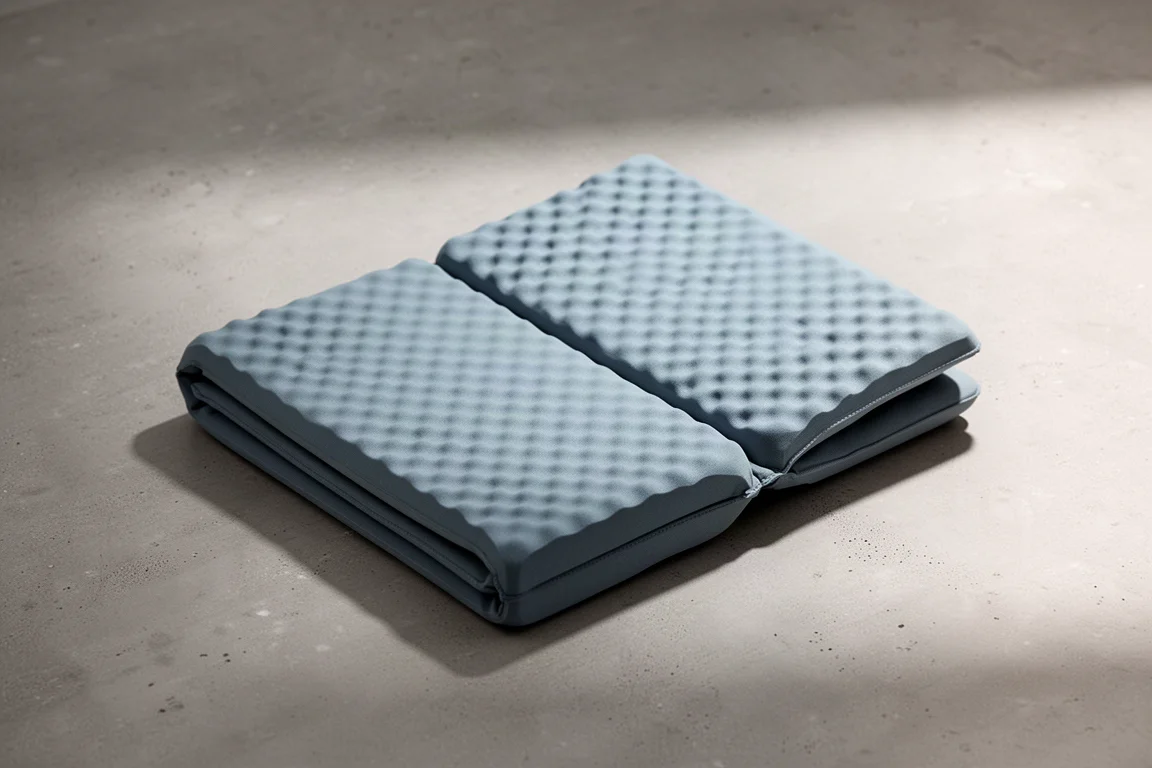
A simple foam sit pad earns its place in a comfort kit for two reasons. Folded in half and slid under a pillow, it adds height, which matters most for side sleepers with broader shoulders. Placed under you in a chair, it keeps the cold from seeping up while you sit around camp.
The Z Seat is the well known version, and it sits at the pricier end for a piece of foam. A plain foam pad does the same job if you would rather save the money.
Athletic Brewing Run Wild IPA
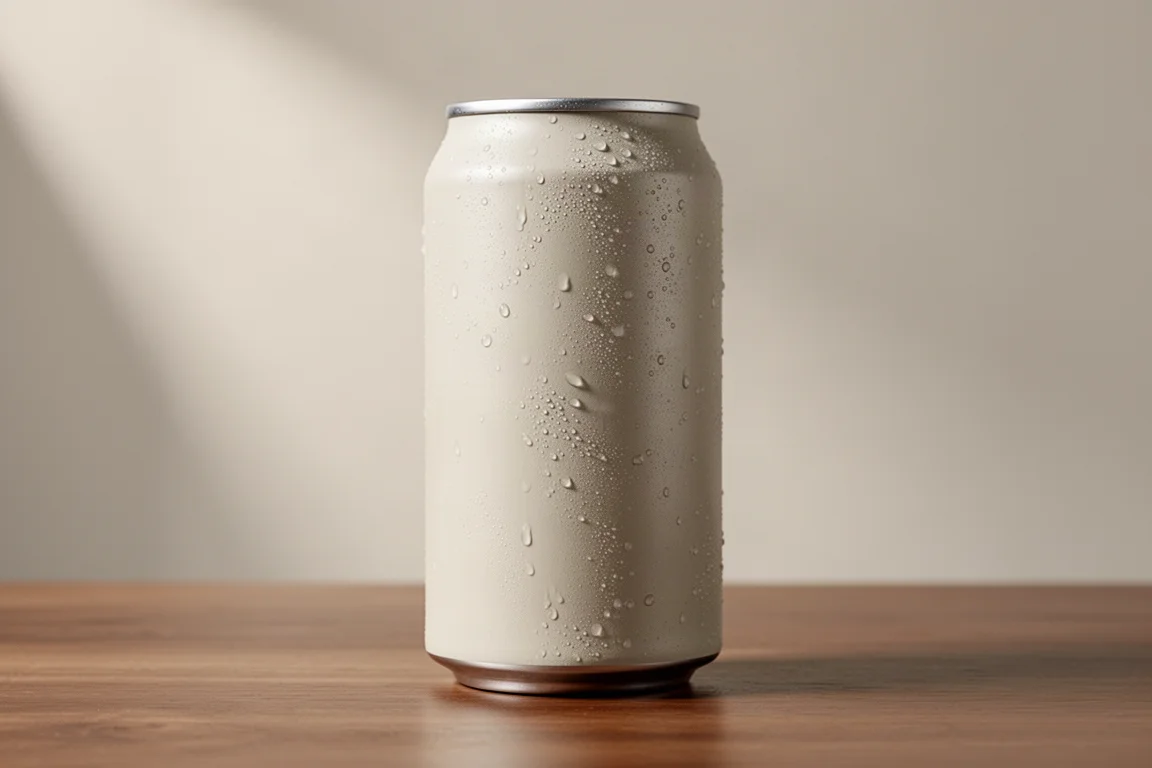
Alcohol and backpacking are a poor combination for sleep quality, which is why non-alcoholic beer has become a camp staple. It gives you the ritual of a cold drink at the end of the day without the poor night of sleep that follows, and better sleep means better hiking the next morning.
Athletic Brewing Run Wild IPA is a full flavored option that holds up as a genuine treat rather than a compromise.
Pringles: A Crush-Resistant Trail Snack
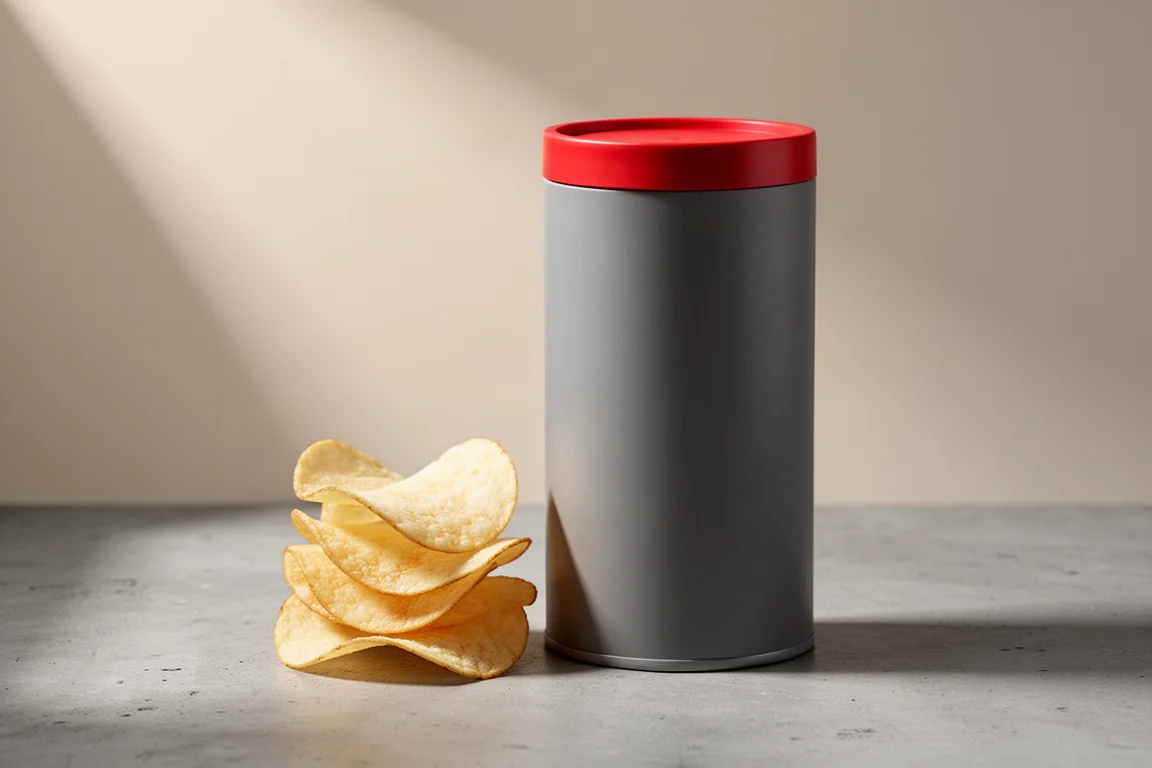
Snacks matter more on comfort trips, when you are spending real time at camp instead of pushing miles until dark. Pringles work unusually well for backpacking because of the container: the tube fits into a side pocket, packs neatly, and stays rigid enough that the chips arrive intact.
REI Helix Sleeping Pad
Sleep is the foundation of comfort, and the Helix is the most affordable pad in this roundup that still delivers. It uses reflective insulation inside, which is enough for three-season trips as long as you are not camping on snow. The surface alternates raised and lowered sections, which relieves pressure at the hips and shoulders, so your arm is less likely to go numb overnight.
It is not the thickest pad available, so sleepers over roughly 200 lbs may want more cushioning. The regular price is $160, and like most REI gear it is often discounted closer to $100.
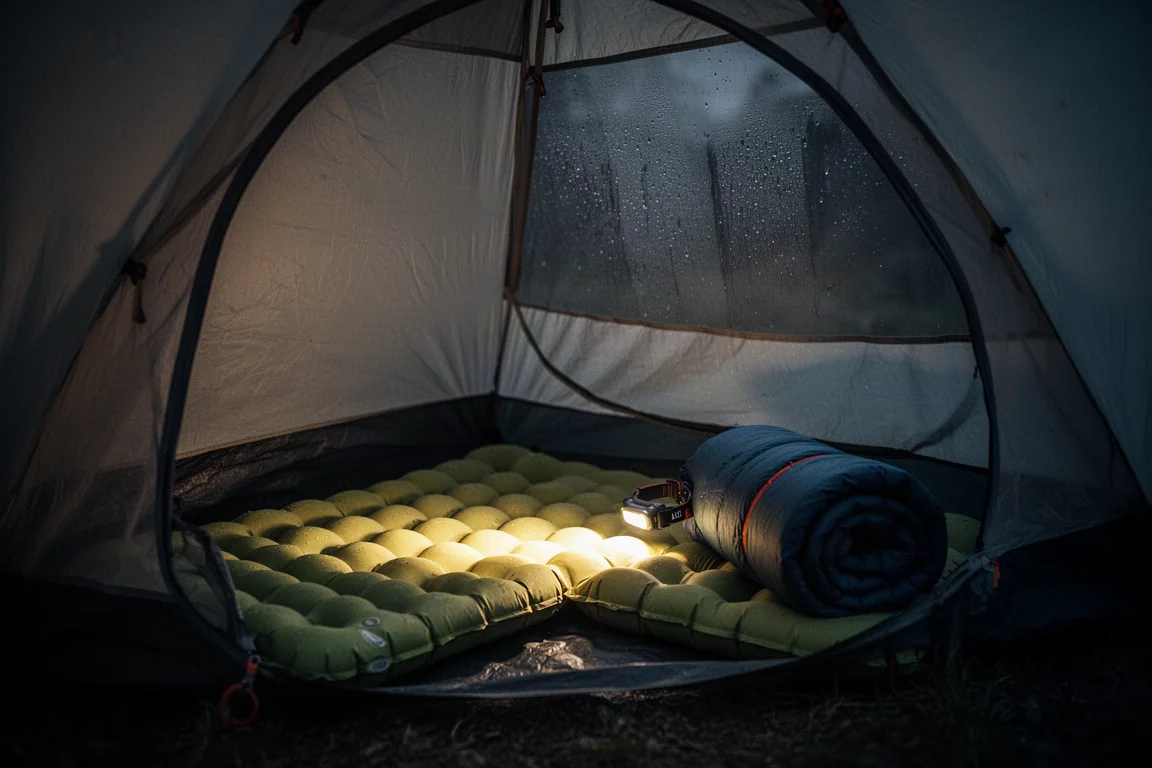
Pressure relief is what separates a pad that works for side sleepers from one that only suits back sleepers, and this baffle pattern is the reason the Helix is worth a look.
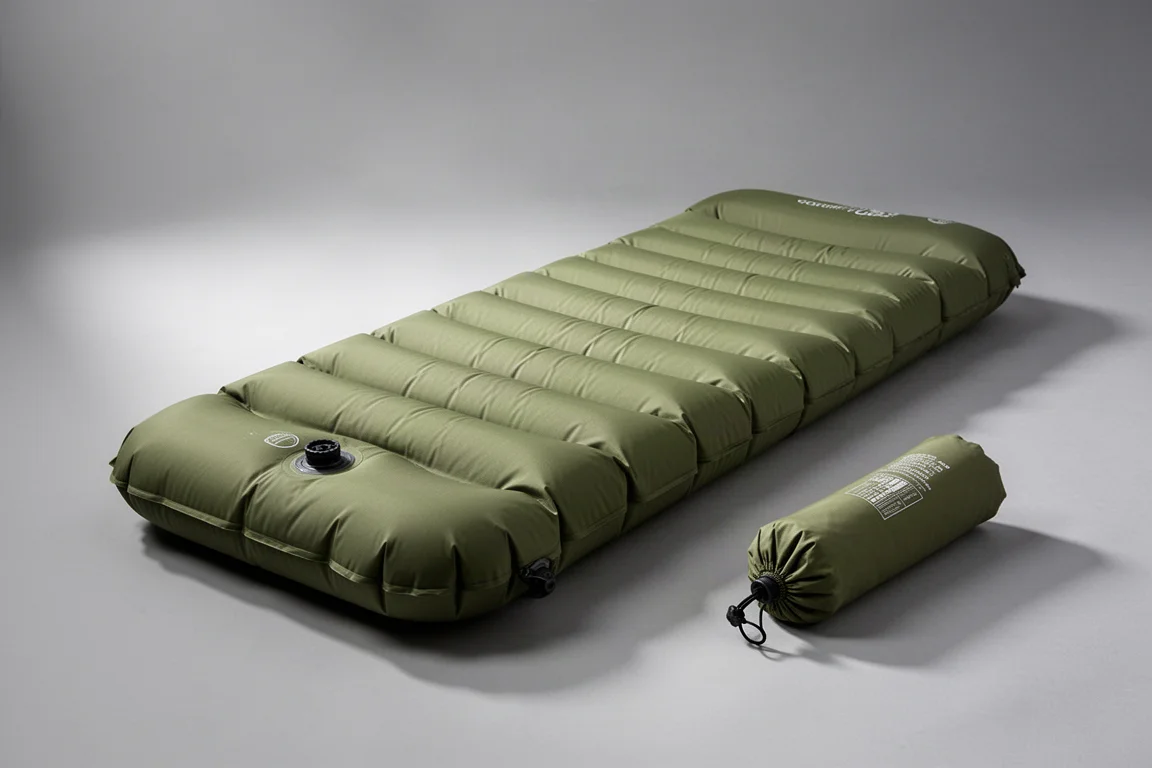
Decathlon MT900 Sleeping Bag
A warm bag matters more than a light one when the temperature drops. The MT900 costs $170, weighs just over a kilogram, and is rated to freezing. That rating is accurate for most sleepers, and it can handle a little below that if you sleep warm.
For a bag at this price and weight, it covers the three-season range without asking you to spend quilt money.
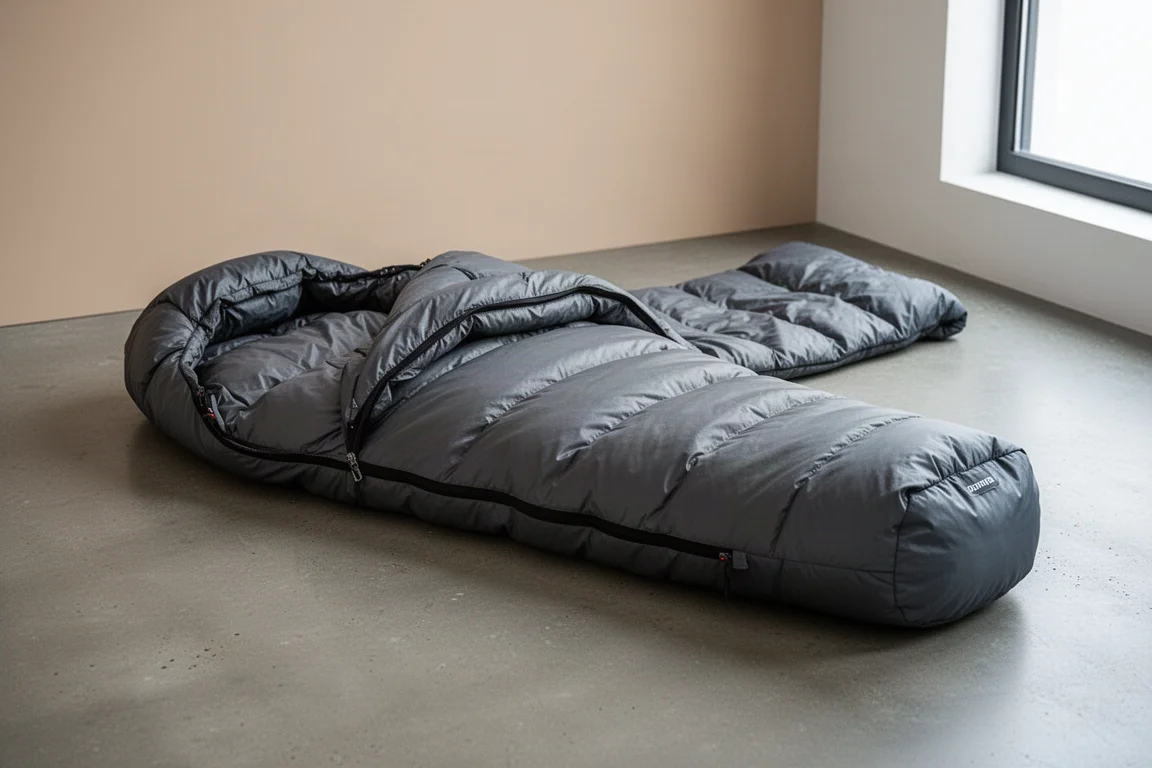
Hammock Gear Econ Burrow Quilt
Quilts are more comfortable than sleeping bags for a lot of people, because you can toss and turn without getting tangled in fabric. The Econ Burrow was the affordable quilt recommendation at around $200, and genuinely affordable quilt options have become harder to find since then.
If a quilt suits the way you sleep, it is worth keeping an eye out for one, but a sleeping bag remains the simpler and more available choice at this price point.
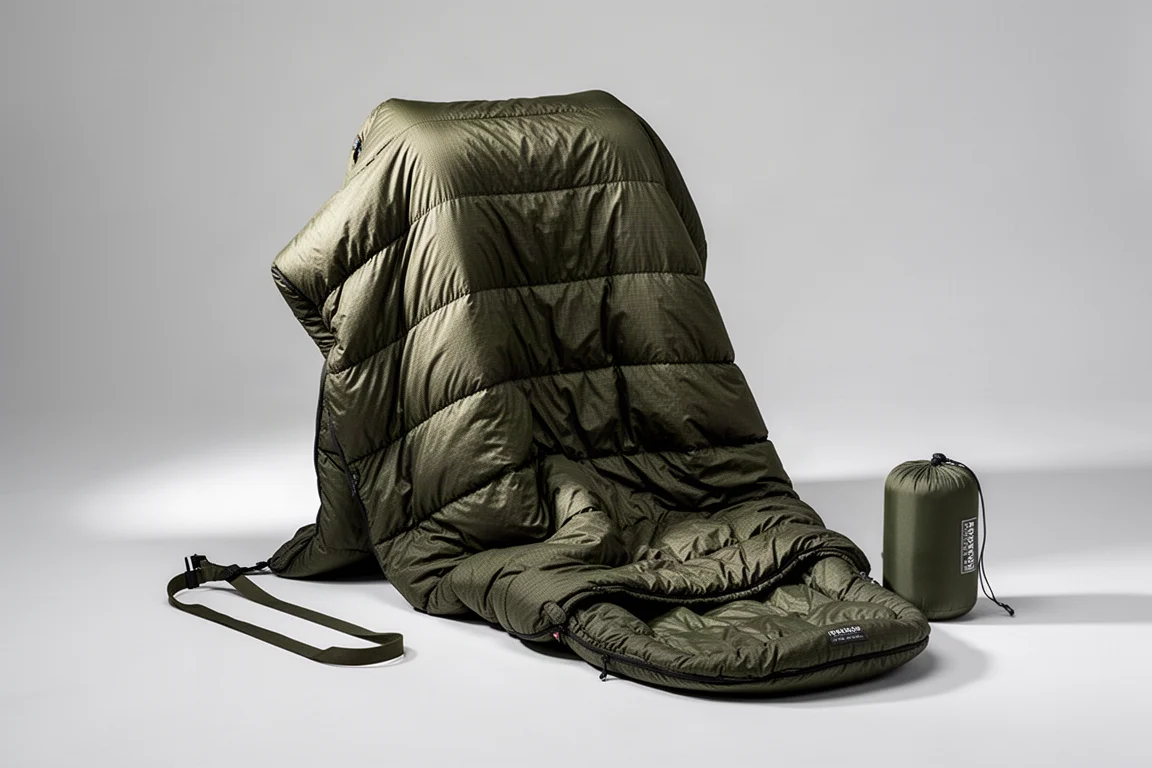
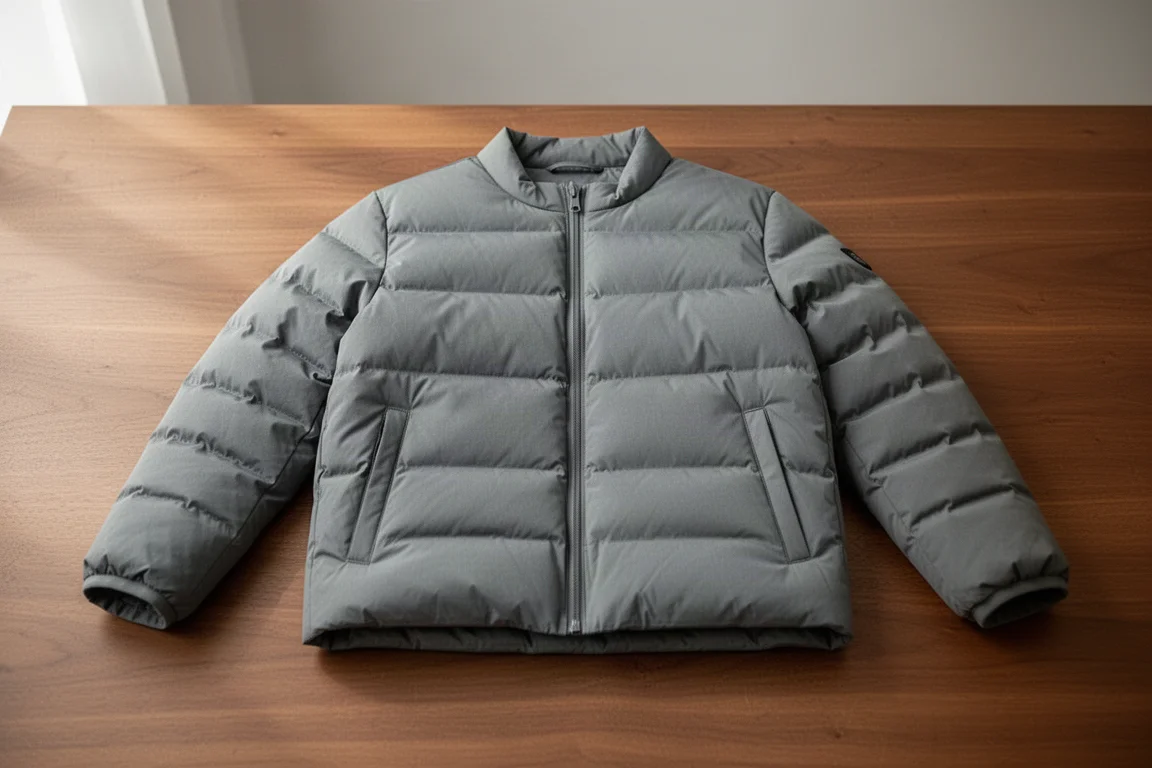
Decathlon Trek 100 Down Jacket
Cold is the fastest way to ruin an evening at camp, and a down jacket is the layer that fixes it. Something light enough to live in your pack all day and warm enough to pull on the moment you stop is worth carrying on almost every trip.
The Decathlon Trek 100 has crept up to around $100, and it is still a strong buy at that price, particularly since it regularly appears on sale. It packs down small, layers easily under a shell, and handles the shoulder seasons well.
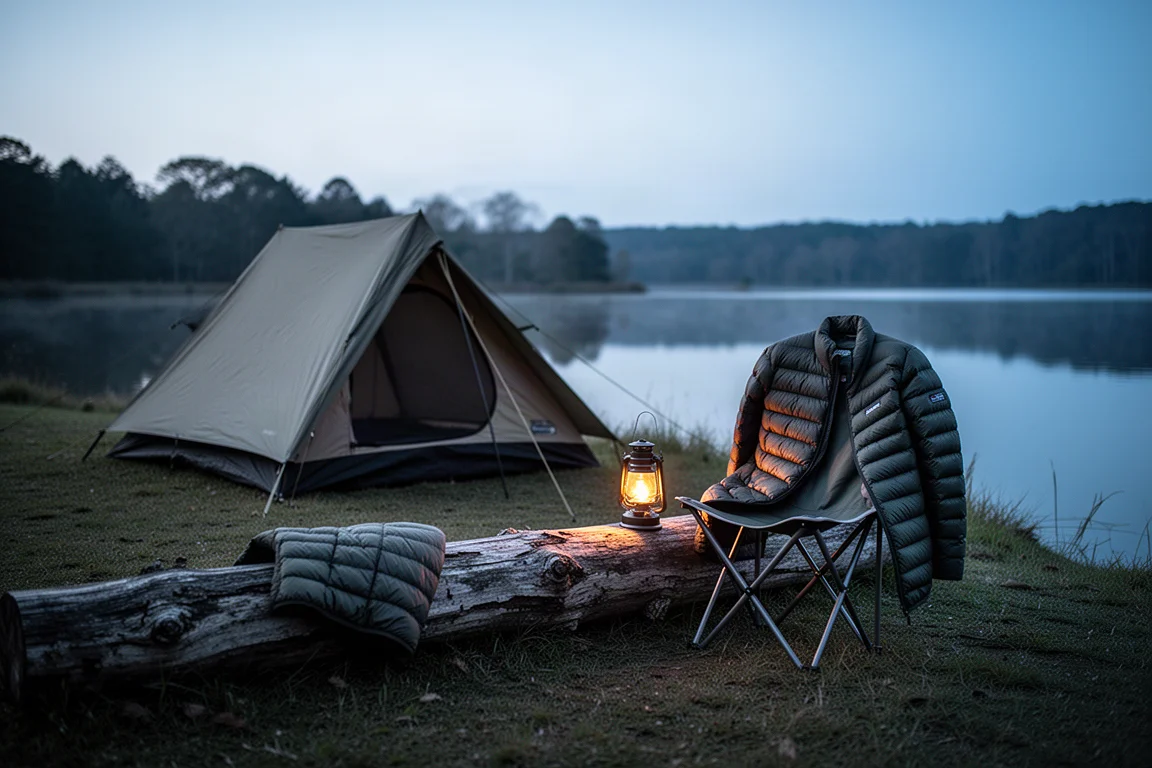
For most three-season trips, a single mid-weight down jacket covers the gap between hiking warm and sitting still, which is exactly when comfort matters most.
Buying Advice: Where to Spend and Where to Save
If you are building a comfortable kit from scratch, spend first on the things that touch your body: footwear, then your pack, then your sleep system. These are the items that decide whether you finish the day sore and whether you sleep through the night, and they are also the items where fit cannot be faked.
Save on everything else. Trekking poles, a sit pad, a camp chair, and treats are inexpensive relative to the comfort they add, and none of them need to be perfect to do their job.
Timing matters too. REI sales arrive roughly every three months, and gear like the Flash 55 and the Helix pad frequently drop by 20 to 30 percent. If a full price tag feels steep, waiting a few weeks often closes most of the gap.
Conclusion
Comfort on the trail is not a budget problem. It is a fit and priority problem. Get the footwear, the pack, and the sleep system right, add the small items that make camp pleasant, and the difference shows up on the very first trip.
None of the gear here is the most expensive option in its category, and that is the point. Each piece earns its place by solving a specific discomfort, which is a more useful standard than a spec sheet.
Further reading
Related Reviews

Backpacking Gear
Building a 10 lb Base Weight: An Ultralight Backpacking Gear List
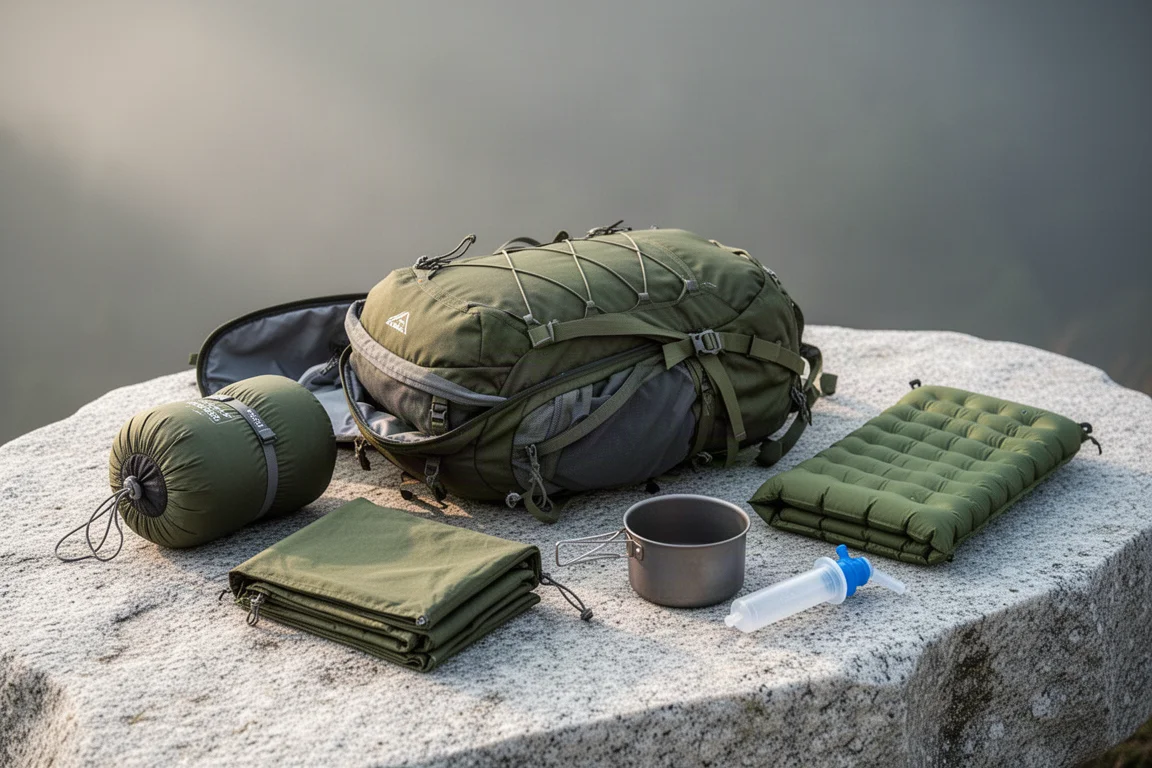
A practical walkthrough of the ultralight pieces behind a 10 lb base weight, from a 765 g pack and a roomy one-person tent to a full camp chair and a dependable water filter.
Backpacking Gear
A 15-Pound Lightweight Backpacking Gear List for Solo Trips
A beginner-friendly 15-pound backpacking setup built from easy-to-find gear, with notes on what each piece does, how it packs, and where to spend your attention.
Backpacking Gear
8 Ultralight Backpacking Gear Upgrades Worth Carrying
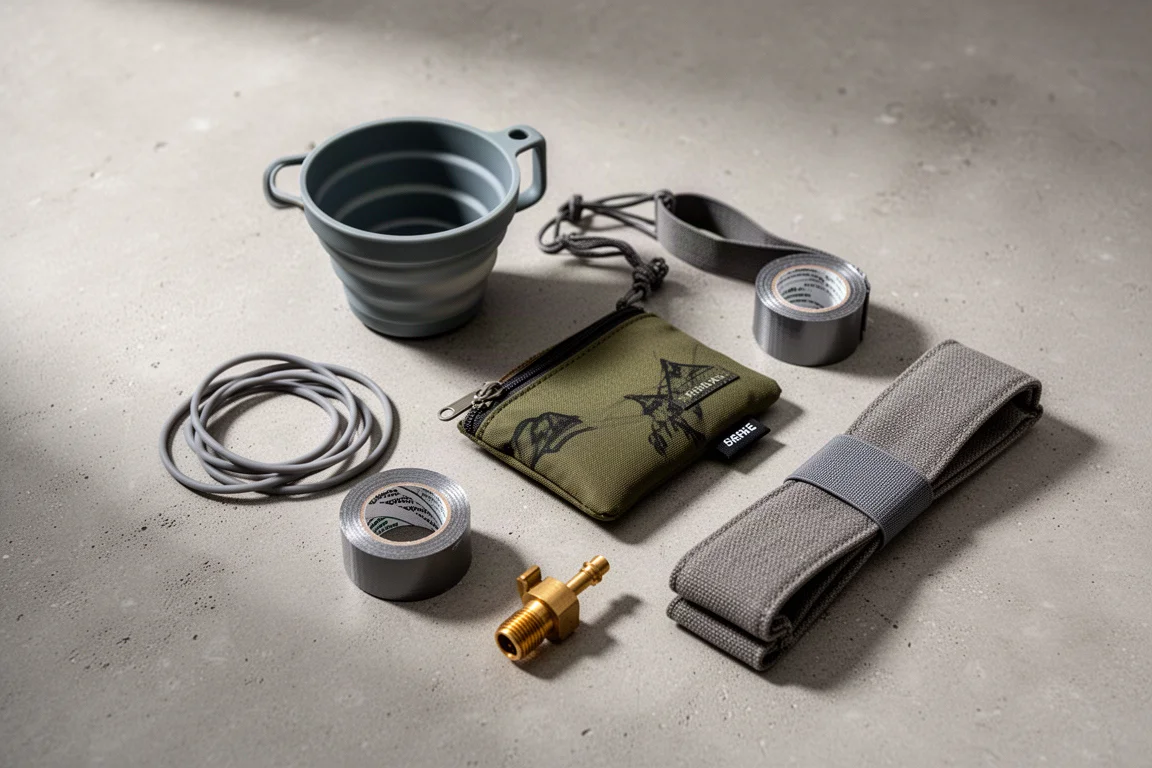
Eight small, affordable backpacking upgrades that solve real trail annoyances, from a pillow that stays put to a fuel valve that rescues leftover canister gas.