Backpacking Gear
Backpacking Gear Under $200: 9 Name-Brand Essentials Worth Buying
A practical roundup of nine name-brand backpacking essentials that stay at or under $200, from sleeping pads and bags to stoves, packs, and shelters.
Introduction
Going backpacking does not have to mean spending like a sponsored expedition. Every item in this roundup comes from an established, well-known outdoor brand, and every piece of gear sits at or under the $200 mark.
That ceiling is easier to hit with a stove or a cook set than with a tent or a backpack, and the compromises are real. Still, a complete, trustworthy setup is achievable if you know which categories reward spending and which ones let you save.
How These Picks Were Chosen
Two rules shaped this list. First, every item had to come from a major, recognizable outdoor brand rather than a marketplace-only label. Second, no single piece of gear could exceed $200.
Within those limits, the picks lean toward warmth, comfort, and reliability, because those are the qualities that decide whether a trip feels good or merely survivable. Where a category made the price ceiling difficult, the trade-offs are called out plainly instead of glossed over.
Weight and floor width are the two most common compromises at this price point, and both are worth understanding before you commit to a purchase. The sections below explain exactly where each product gives something up and what you get in return.
Nemo Tensor Insulated: Best Overall Sleeping Pad
The Nemo Tensor Insulated is the standout of this list. At $190 it is not a budget pad, but it is one of the best sleeping pads available: comfortable, warm, and reasonably light. It measures 3 in thick and 25 in wide, which makes a genuine difference for side sleepers and anyone who shifts position at night, and it weighs in at a modest 22 oz.
Its three-season rating comes from a 4.2 R-value, so it performs well in all but the coldest conditions. Finding a pad that is this comfortable and this warm without adding a lot of weight is genuinely difficult, which is why the price is justified.
Klymit Static V: Best Budget Summer Sleeping Pad
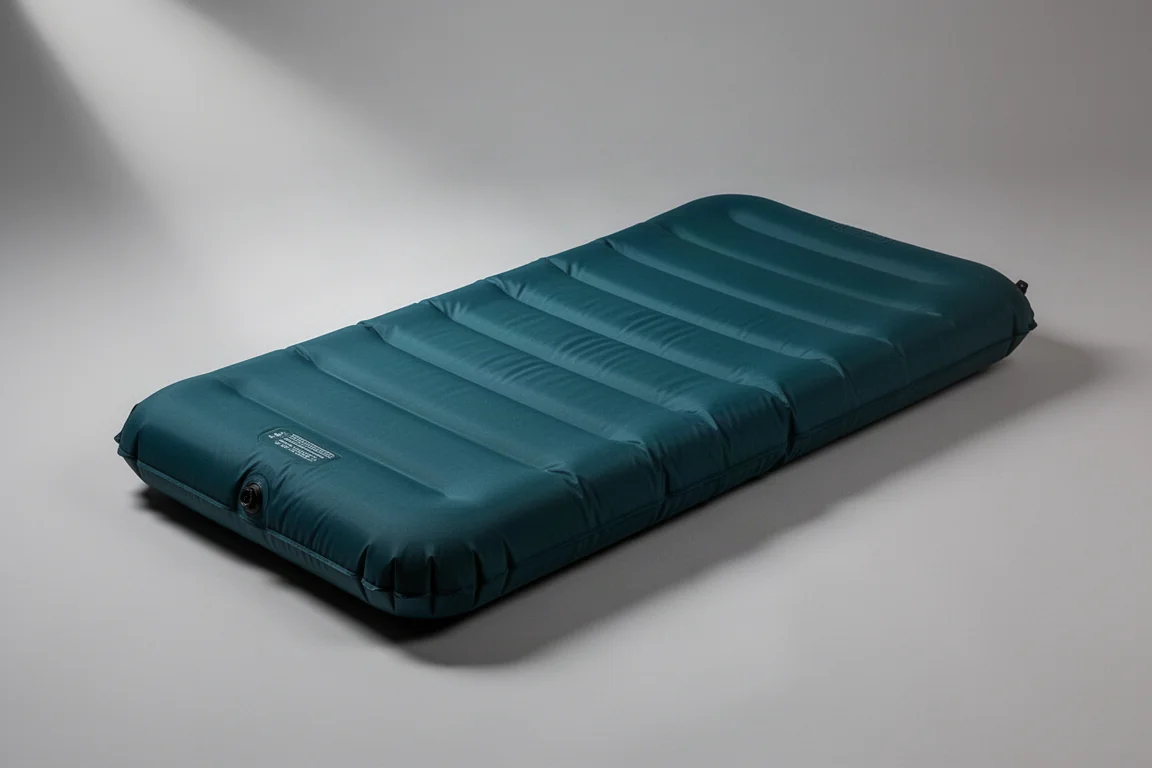
If the Tensor’s warmth is more than your trips require, the Klymit Static V costs $65 and is still a comfortable, light pad. Its ASTM R-value is 1.3, well below the Tensor’s 4.2, so it is a summer backpacking pad rather than a three-season one.
For warm-weather trips it is an easy way to save money, and the weight stays low. Outside of summer conditions, the Tensor remains the safer choice.
Kelty Cosmic 20: Best Budget Down Sleeping Bag
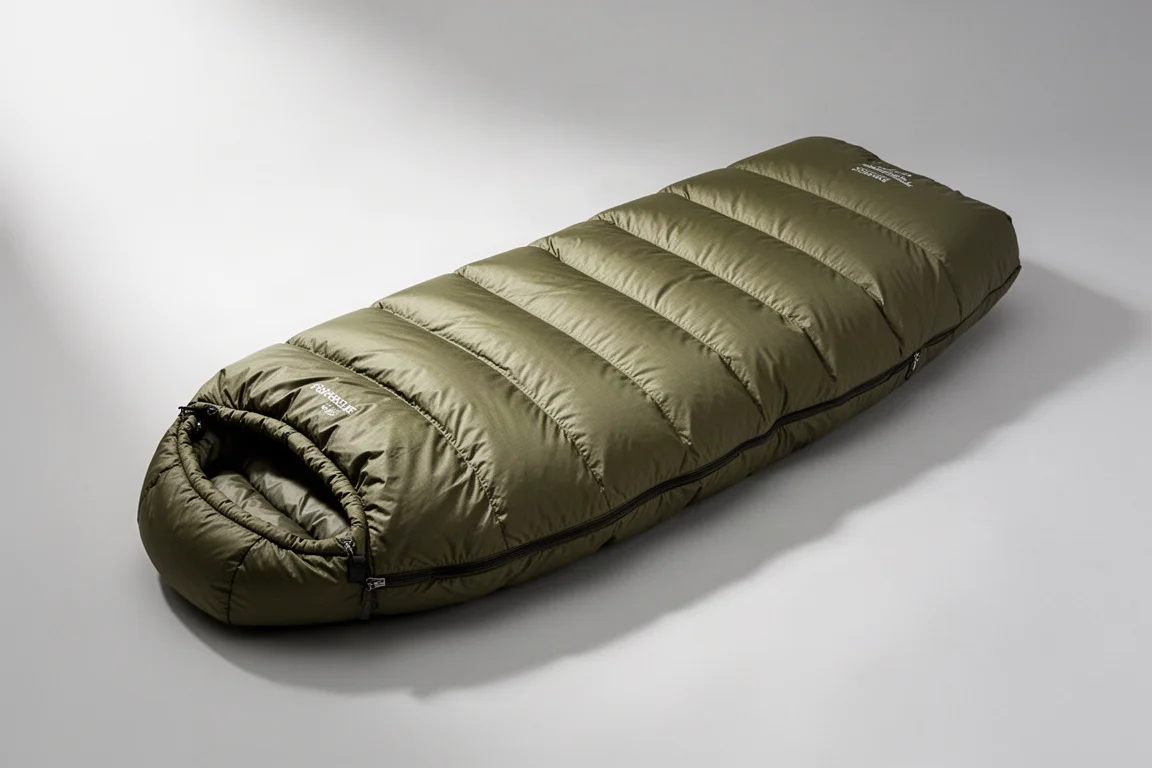
The Kelty Cosmic 20 has been a benchmark budget down bag for years: well made, warm, and priced at $170. Down still offers the best warmth-to-weight ratio of any insulation, and companies have spent years trying to duplicate those properties without success, which is why down bags usually cost considerably more.
At this price the fill is 550 fill power down, which is slightly heavier than premium down but still effective. The bag weighs 2 lb 10 oz and packs down very small. Anything lighter means spending a whole lot more.
MSR WindBurner: Best Integrated Stove System
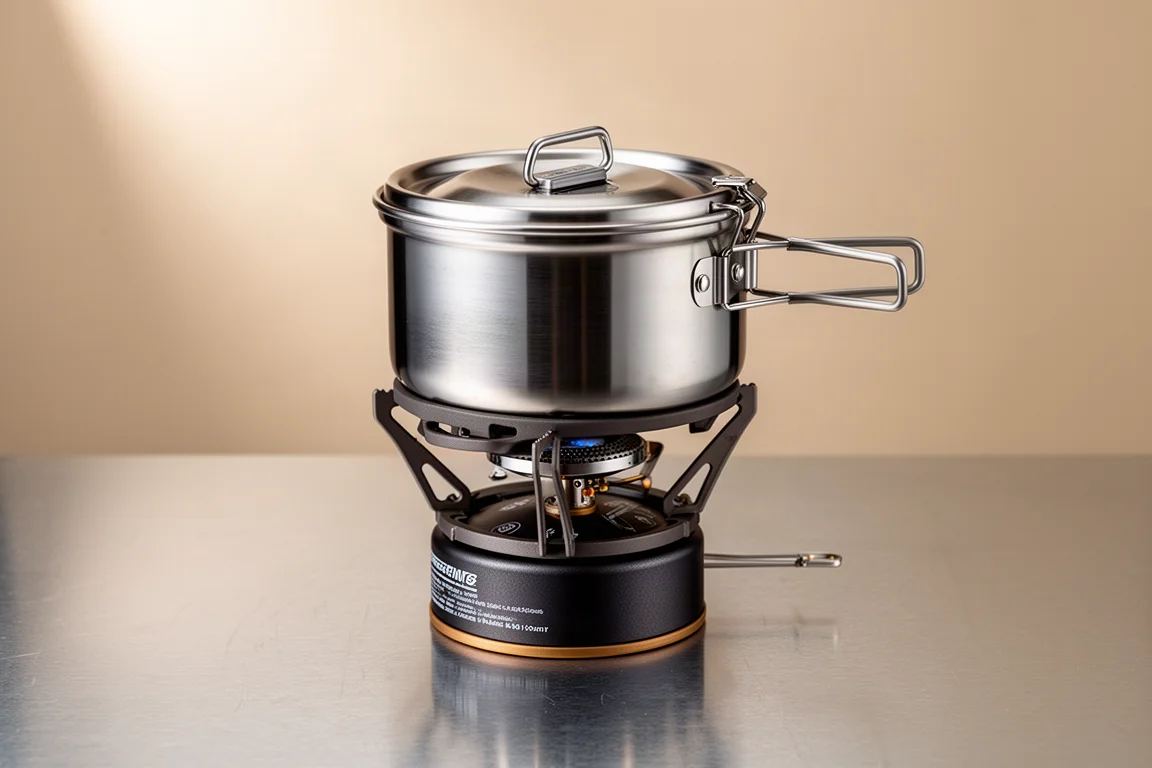
The MSR WindBurner is a completely self-contained cooking system: stove, pot, measuring cup, and windscreen in one package. It boils water quickly, packs down into itself, and costs $170.
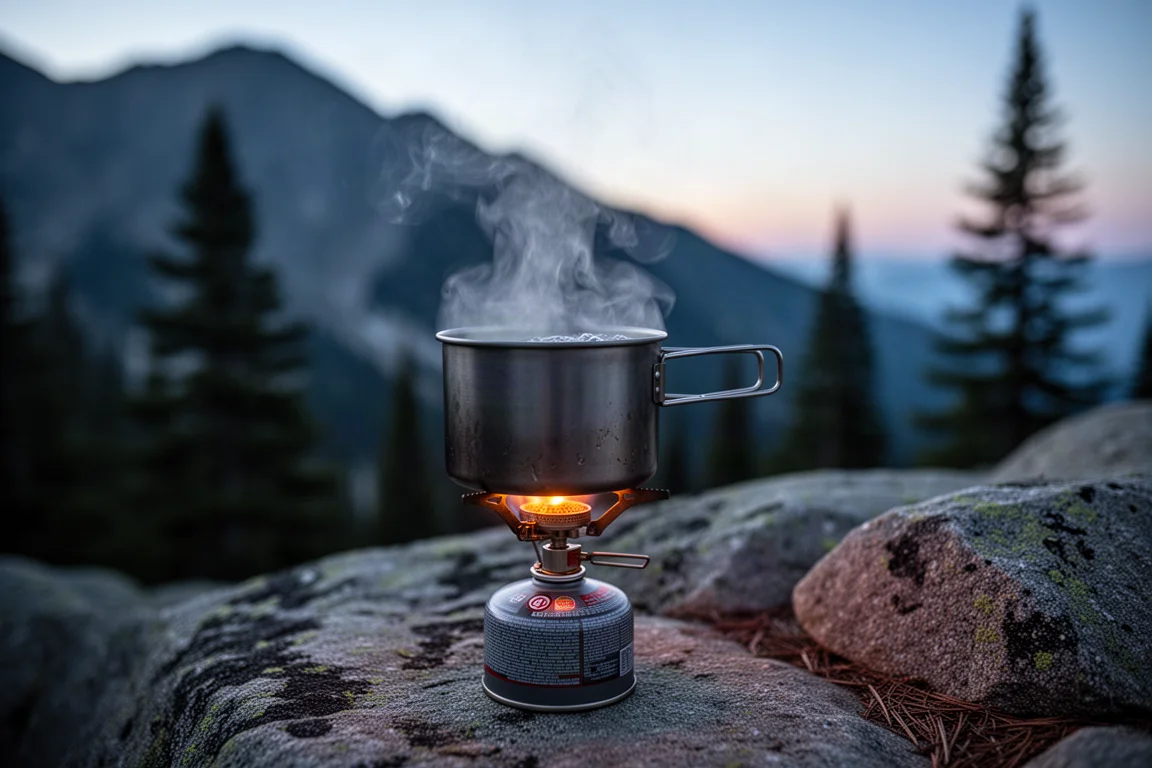
That is a lot of money to pay for a stove, but the integrated design removes guesswork, works well in wind, and keeps every part in one place. For backpackers who prefer a single reliable object over a collection of components, it is a strong option.
MSR PocketRocket Deluxe: Best Lightweight Canister Stove
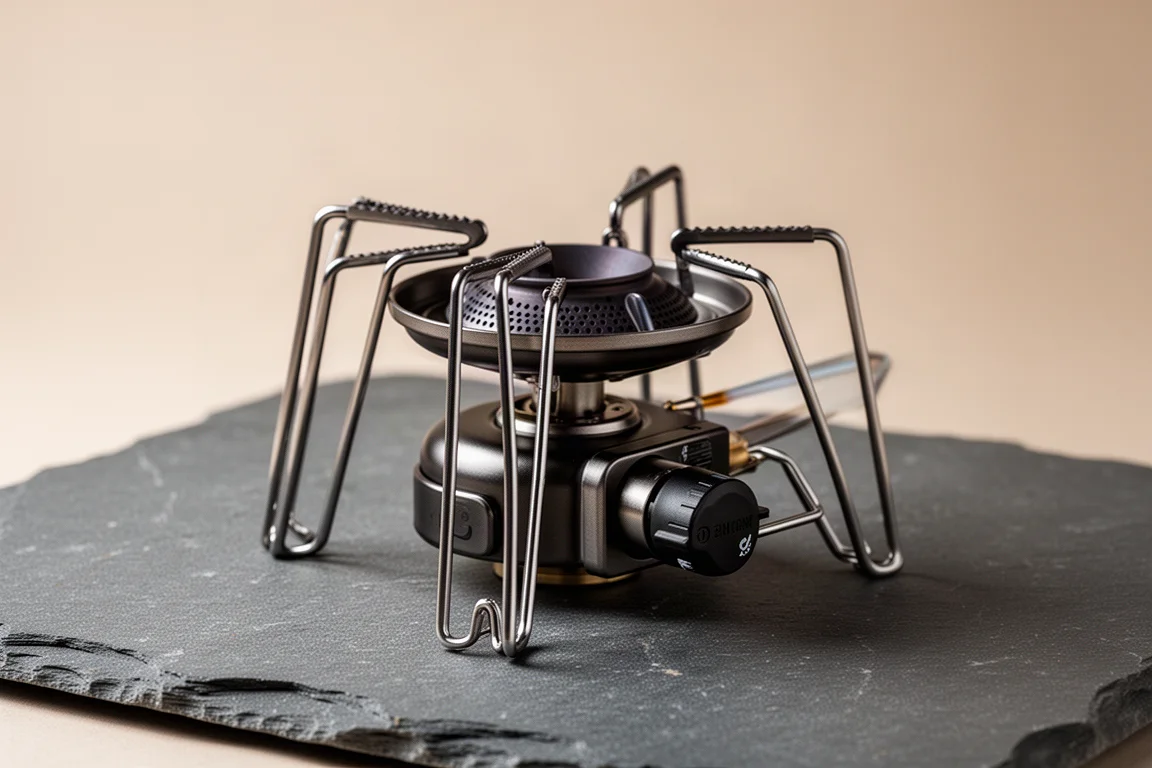
The MSR PocketRocket Deluxe is the lighter, cheaper route at $50. It weighs less than 3 oz, includes a built-in igniter so a lost lighter is not a trip-ending problem, and has a built-in regulator that genuinely helps as temperatures start to drop.
Paired with a lightweight titanium pot that costs around $36, the whole cook setup comes in under $100. That is the combination many backpackers use for years, and it leaves budget for the categories where money matters more.
Zoleo: Best Emergency Satellite Communicator
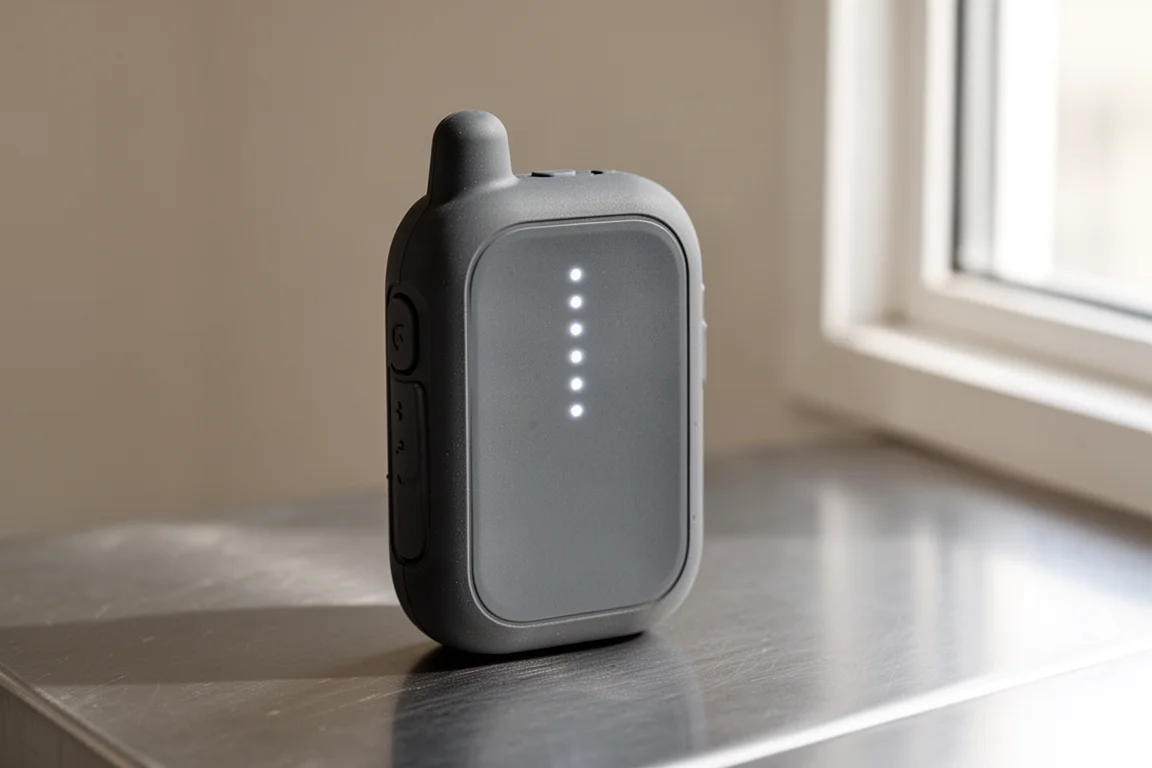
Zoleo is an emergency satellite communicator that costs less than $200, before the required service plan. It lets you text family and friends whether or not you have cell phone service, send your location, check the weather far from any network, and press the SOS button to call for help.
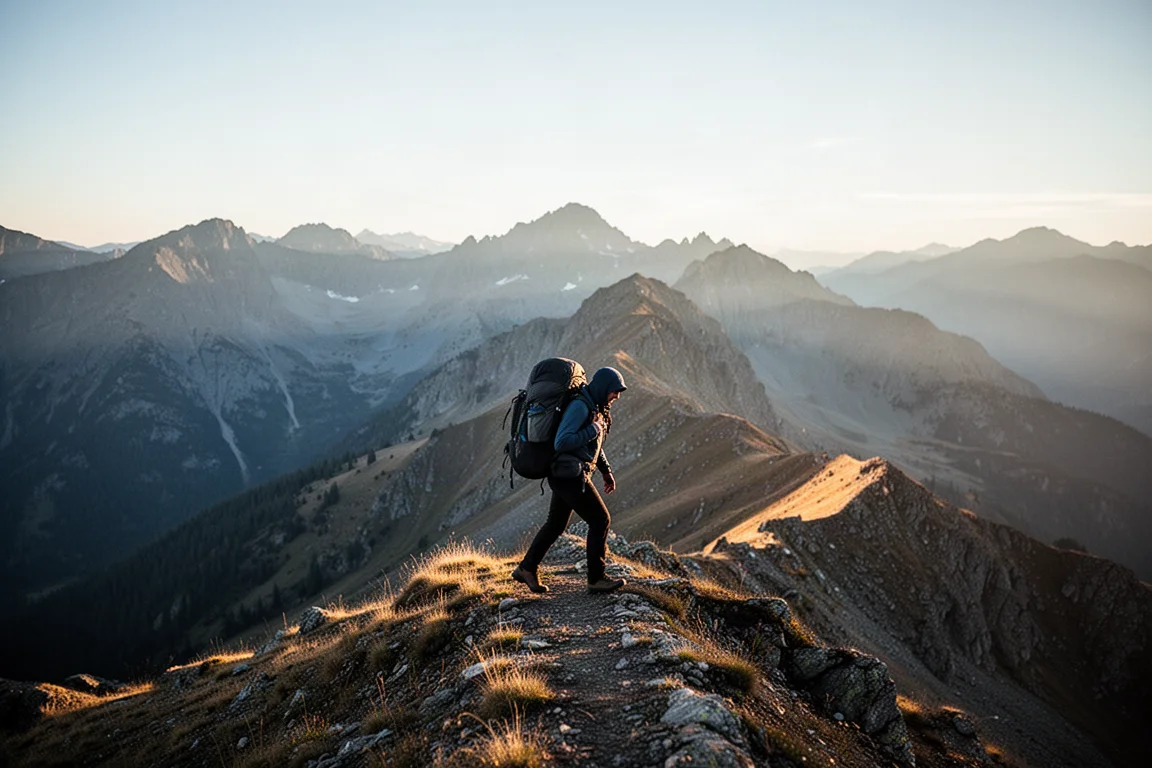
For remote trips, that mix of everyday messaging and emergency response is among the best $200 a backpacker can spend. The hardware price is only part of the cost, so factor the service plan into your budget before you buy.
Helinox Chair Zero: Best Ultralight Camp Chair
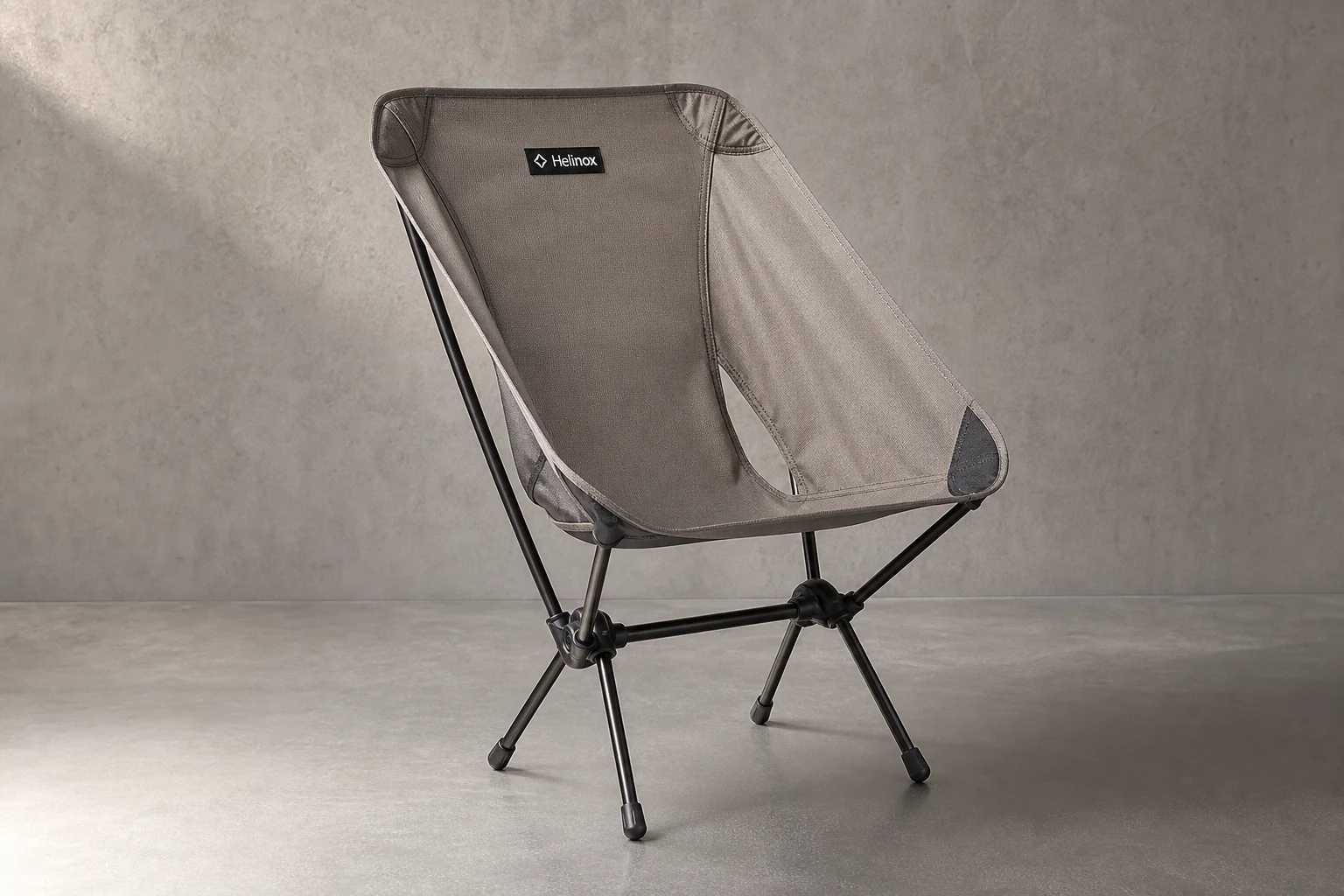
The Helinox Chair Zero is the comfort item on this list. It is not technically needed to go backpacking, but it is the piece of gear most backpackers quietly want, and the moment a chair is open at camp, almost nobody chooses to sit on the ground.
It is a luxury in the literal sense and a real quality-of-life upgrade at the end of a long day. If your base weight is already under control, this is the indulgence that pays off on every single trip.
Kelty Asher 55: Best Budget Backpack
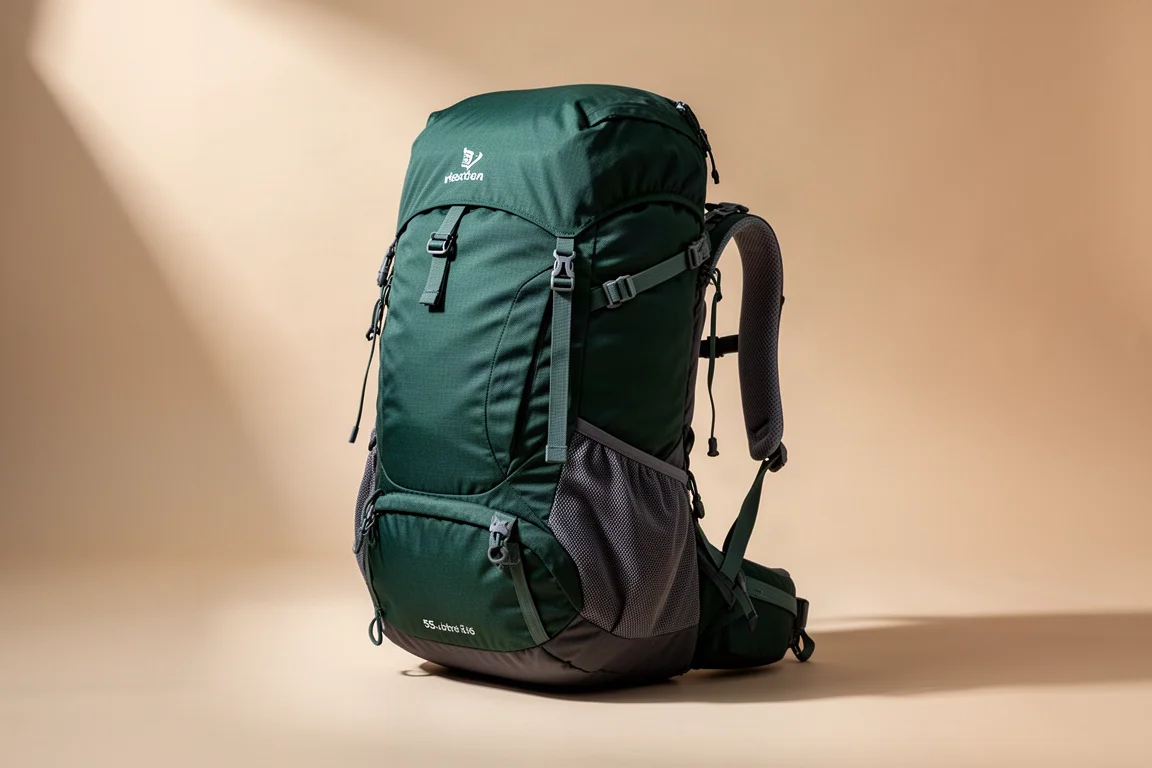
Finding a quality backpack under $200 is hard, and the Kelty Asher 55 does it at $140. It is a traditional-style pack, well made, and weighs just over 3 lb. Kelty has been making packs for years, and this budget model works well as a starter pack that gets you or someone else onto the trail while saving a lot of money.
Big Agnes C Bar 2: Best Budget Two-Person Tent
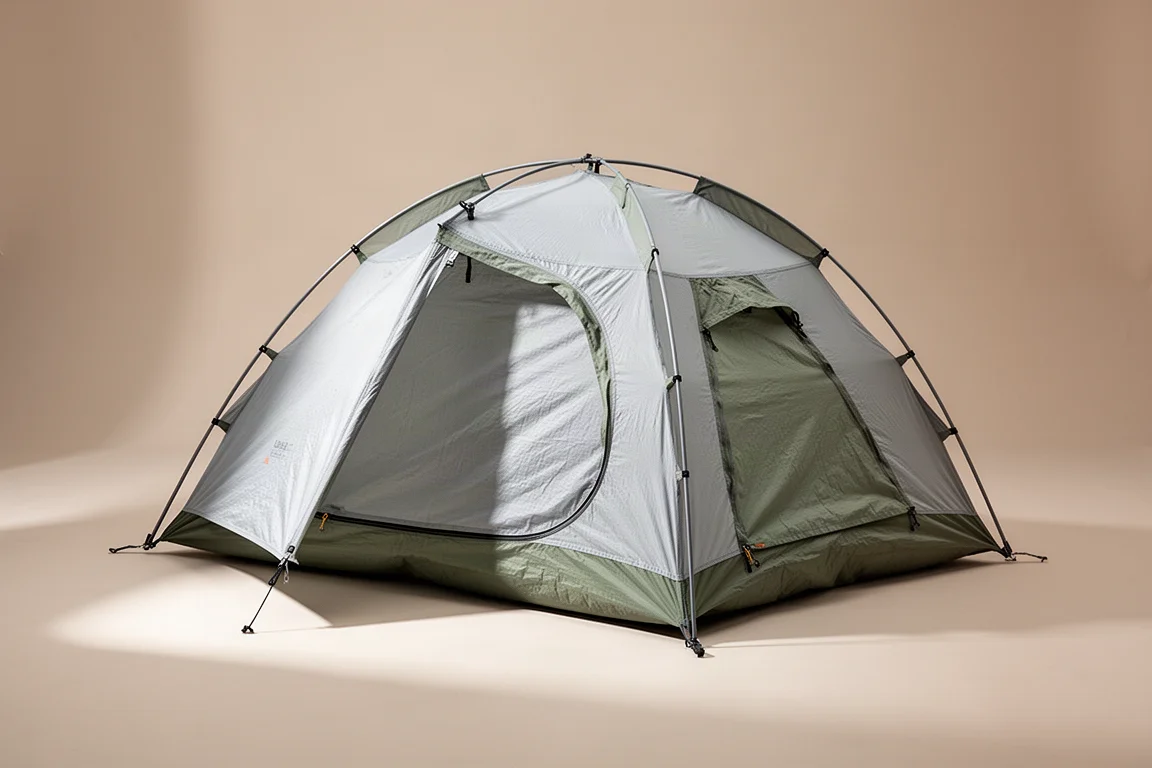
Tents were the hardest category to keep under $200. The Big Agnes C Bar 2 prioritizes weight as much as the price allows, and it has plenty of room for one person even with a 25 in wide pad, with space left over for gear. Two people can fit, but only with mummy pads or 20 in wide pads.
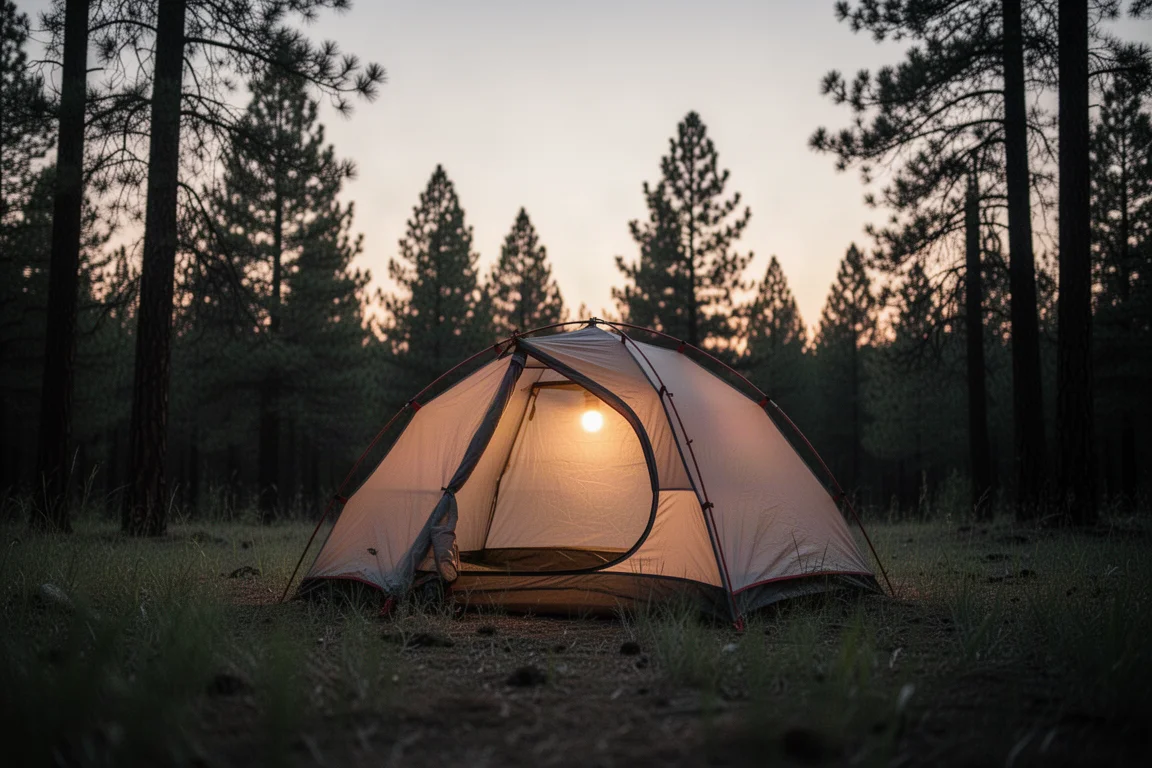
At this price point, getting under 4 lb is genuinely difficult, and this tent weighs 4 lb even. That is workable when two people split the load between them. The honest reality is that a lighter name-brand tent means spending more money.
Buying Advice: How to Prioritize Your Budget
If you are building a kit from scratch, spend first on the gear that affects sleep and safety: the sleeping pad, the sleeping bag, and an emergency communicator. Those are the purchases where a modest upgrade produces the largest difference in how a trip actually feels.
Where you can save is in the cook system and, to a degree, the pack and the shelter. A simple canister stove and a titanium pot cost far less than an integrated system, and a slightly heavier pack or tent is a reasonable trade if it keeps the total under budget. Weight is the main currency you spend when you save money, so decide early how much of it you are willing to carry.
Conclusion
Every item here comes from a brand you can trust and stays at or under $200, which makes a full backpacking setup genuinely attainable. Start with the gear that determines whether you sleep well and stay safe, add the comfort items when the budget allows, and accept that a little extra weight is the honest cost of a lower price.
Further reading
Related Reviews

Backpacking Gear
Building a 10 lb Base Weight: An Ultralight Backpacking Gear List
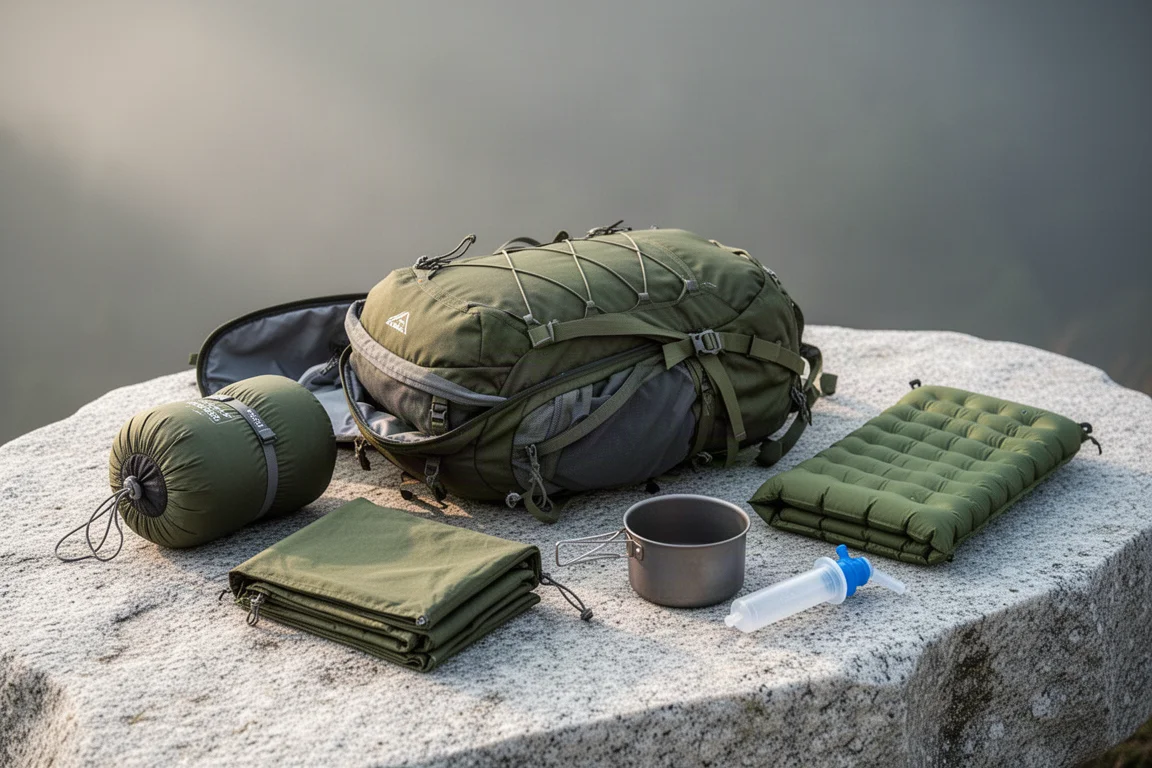
A practical walkthrough of the ultralight pieces behind a 10 lb base weight, from a 765 g pack and a roomy one-person tent to a full camp chair and a dependable water filter.
Backpacking Gear
A 15-Pound Lightweight Backpacking Gear List for Solo Trips
A beginner-friendly 15-pound backpacking setup built from easy-to-find gear, with notes on what each piece does, how it packs, and where to spend your attention.
Backpacking Gear
8 Ultralight Backpacking Gear Upgrades Worth Carrying
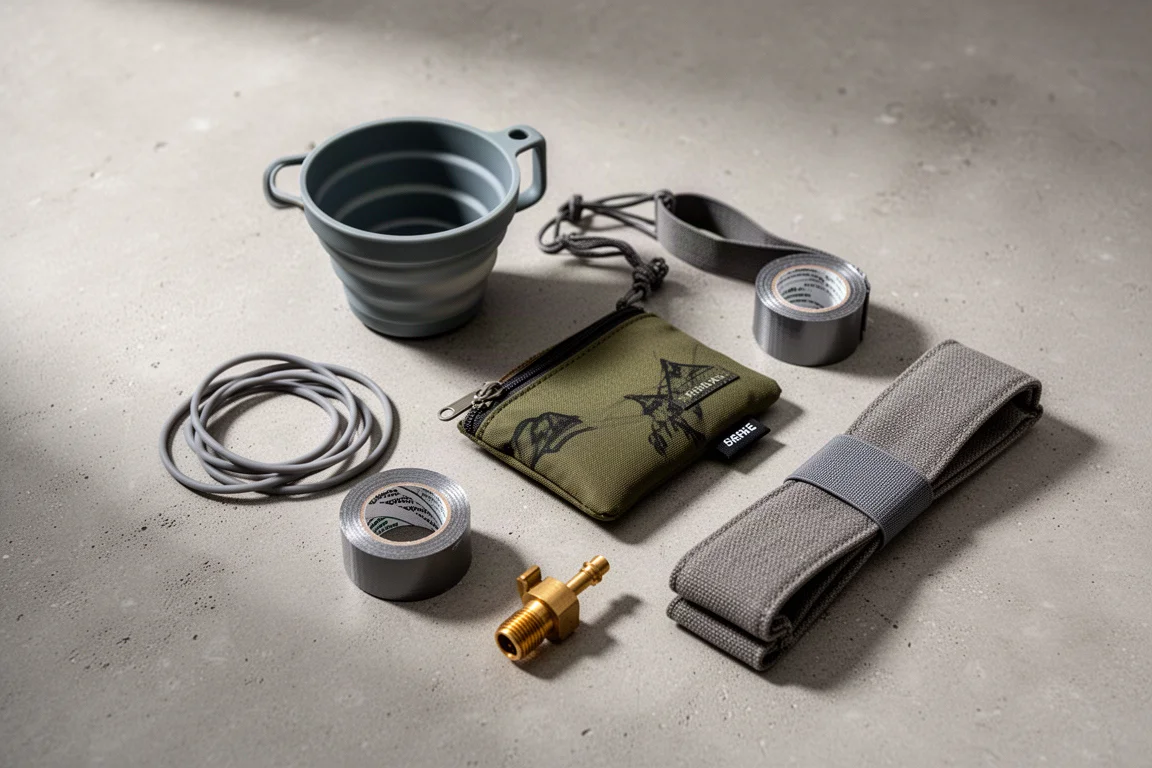
Eight small, affordable backpacking upgrades that solve real trail annoyances, from a pillow that stays put to a fuel valve that rescues leftover canister gas.