Backpacking Gear
Affordable Backpacking Gear: Small Items That Make a Big Difference
A practical roundup of inexpensive backpacking accessories, from flat-packing bowls and water filters to camp coffee, trowels, and compact towels, plus what each one is actually good for.
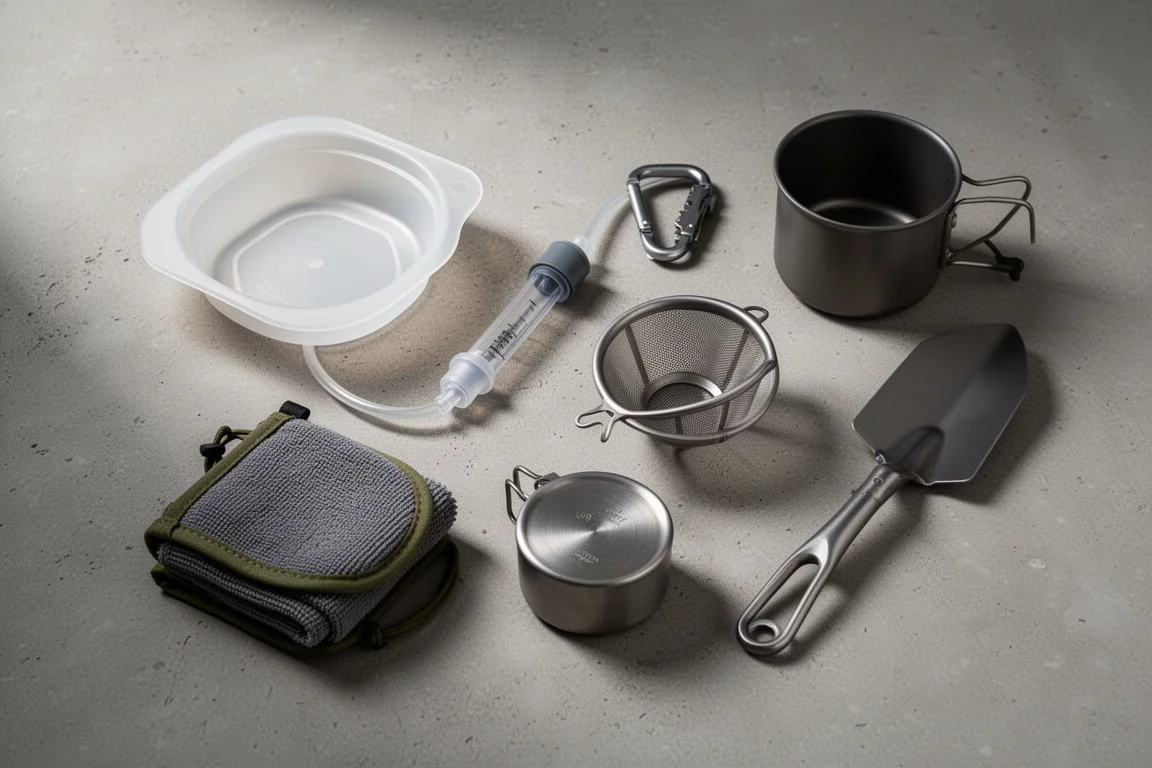
Introduction
Backpacking gear conversations tend to focus on the big purchases: sleeping bags, packs, shelters. Those items matter, and they are also where most of the budget goes. The small pieces of kit get far less attention, even though they cost very little and often change how a trip actually feels.
This roundup covers small backpacking items that solve recurring, practical problems: sharing a meal, filtering water, lighting a stove, making decent coffee, staying dry, and handling the less glamorous realities of being outside. Each one sits at the affordable end of its category, and several are priced well under $30.
What Makes These Small Items Worth Packing
Four things separate a genuinely useful small item from clutter. Weight and packed size come first: if something takes up space in a pack without earning it, it stays home. Cost matters too, and the items here sit at the inexpensive end of the market. Then there is the problem it solves, which should be something you run into regularly rather than once a season. Finally, comfort and durability in use decide whether you keep carrying it.
The list below is organised around those criteria rather than around categories, because a bowl, a filter, and a trowel all earn their place in the same way: they remove a small friction point from a trip.
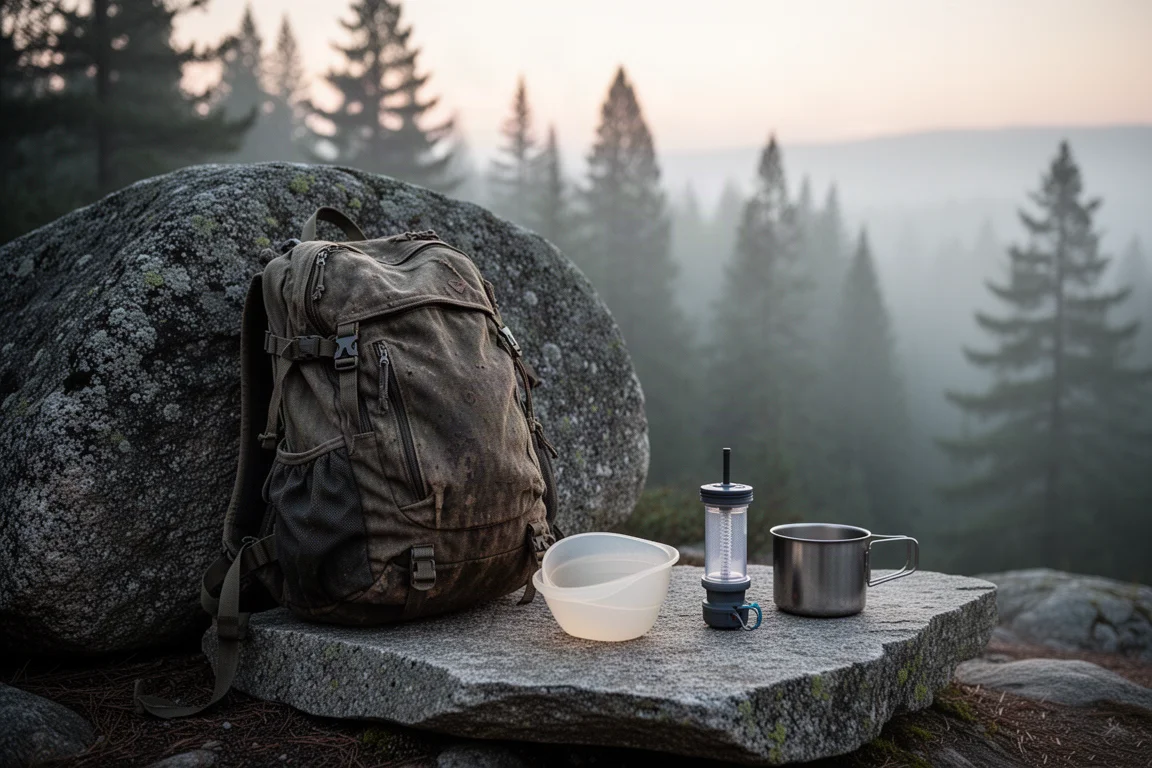
A useful test before buying any of them is to think back to the last trip where you wished you had something and had to improvise. That is usually the item worth adding first.
Fozzils Snap Bowls
Freeze-dried meals are usually eaten straight from the bag, which works perfectly well until you share one with someone. Passing a single pouch back and forth is awkward, and a bowl solves it.
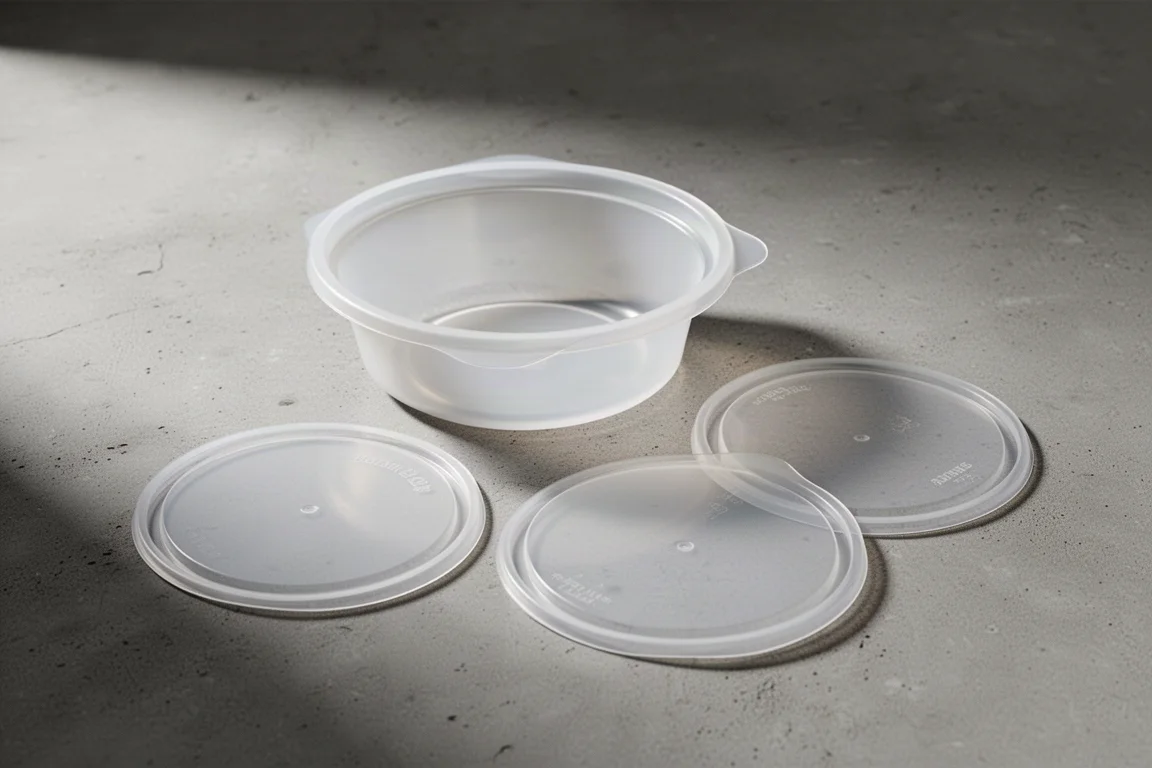
The Fozzils Snap Bowls break down flat. The panels fold and snap back into shape, and when they are not in use they sit flat against the inside of a pack, taking up almost no room. They weigh very little and work as either a bowl or a plate, which covers most camp meals.
Platypus QuickDraw
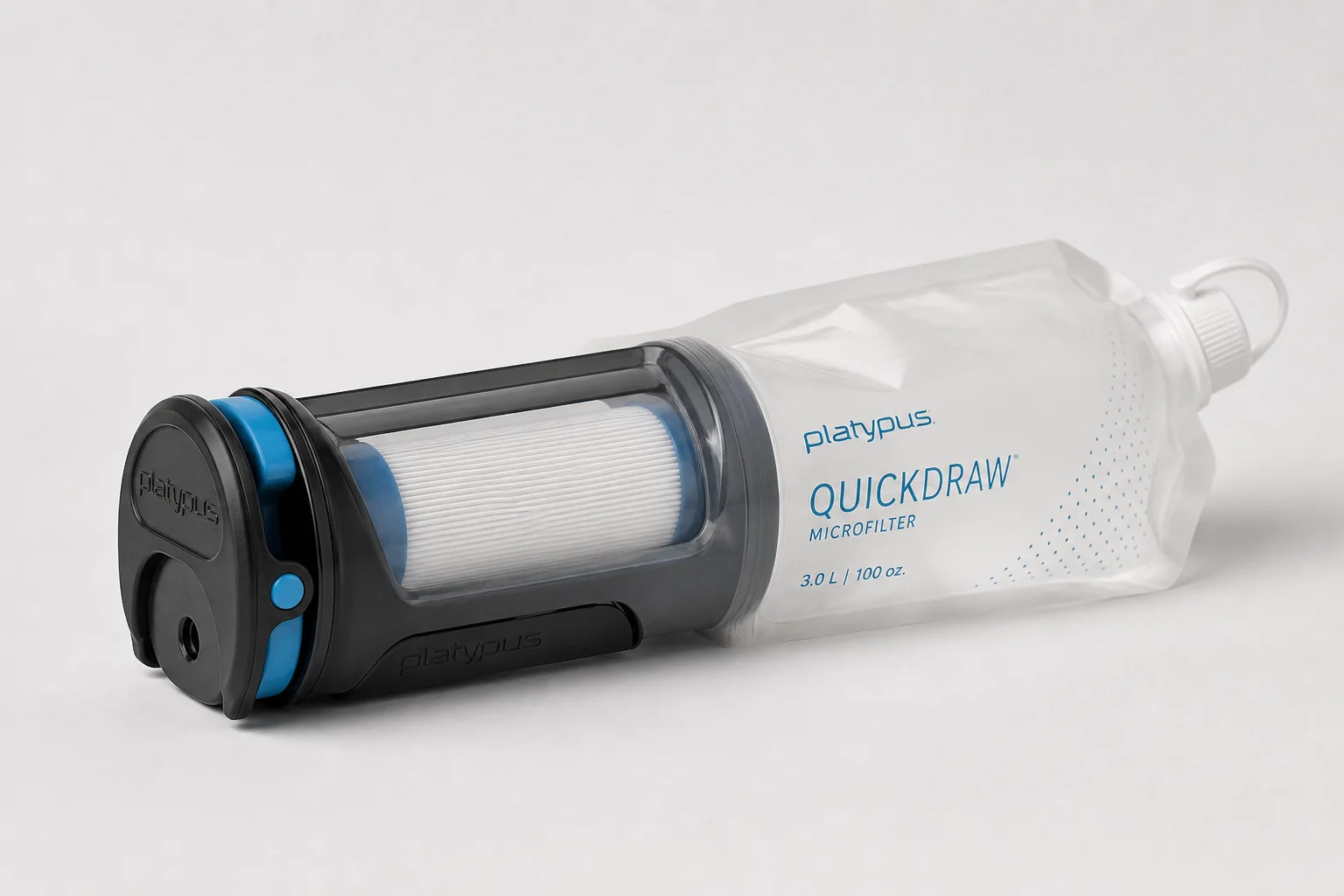
The Platypus QuickDraw is a water filter that sits at the lighter and cheaper end of the market compared with the bulky pump filters that bladder-based setups once required. It is also priced under $30.
Filling is where it stands out. A standard water bottle is easier to fill and handle on the trail than a reservoir, and the QuickDraw works neatly with a bottle-based setup. For hikers who want filtration without extra weight or cost, it is a straightforward choice.
Outdoor Element Firebiner
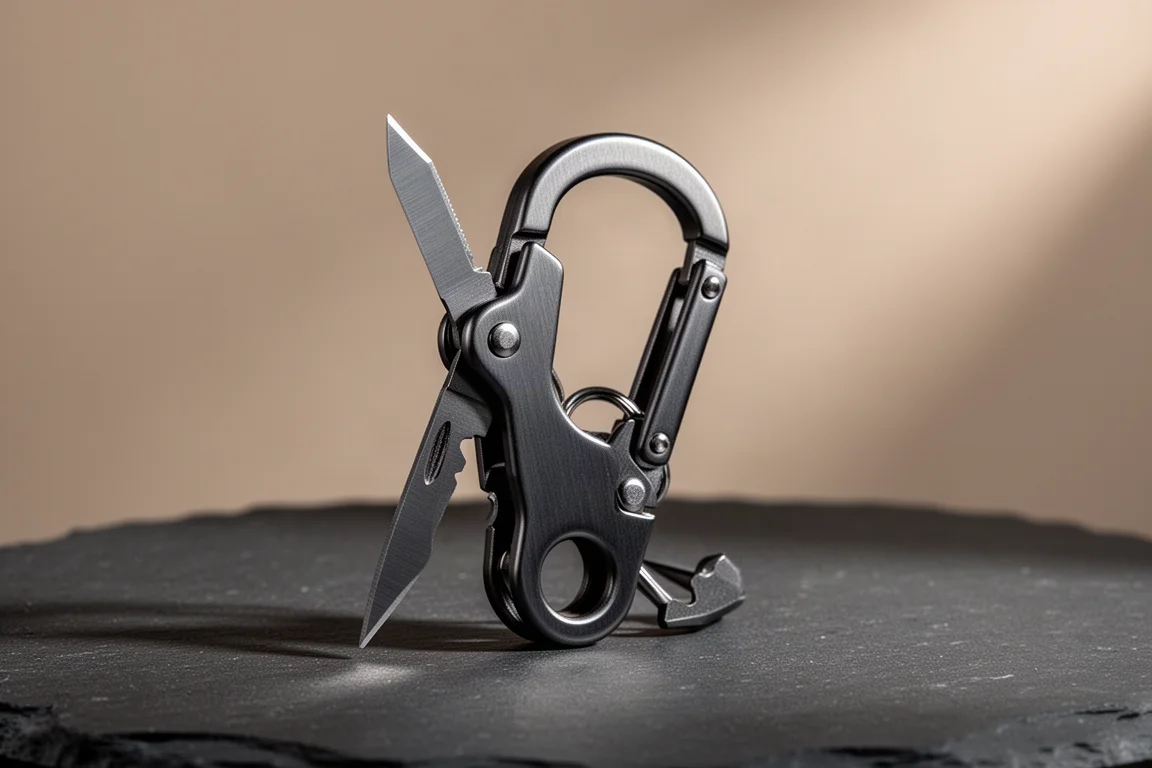
Carabiners earn their place on a pack, whether for hanging items within reach or for rigging a bear bag. The Outdoor Element Firebiner adds a built-in flint, which turns the same piece of hardware into a way to light a gas stove without carrying a separate lighter.
It also includes a bottle opener, a flathead screwdriver, and a small utility blade that is not much use for cutting cord. At around $15, most people will use it mainly as a carabiner and a lighter, and treat the rest as a bonus.
GSI Outdoors Java Drip
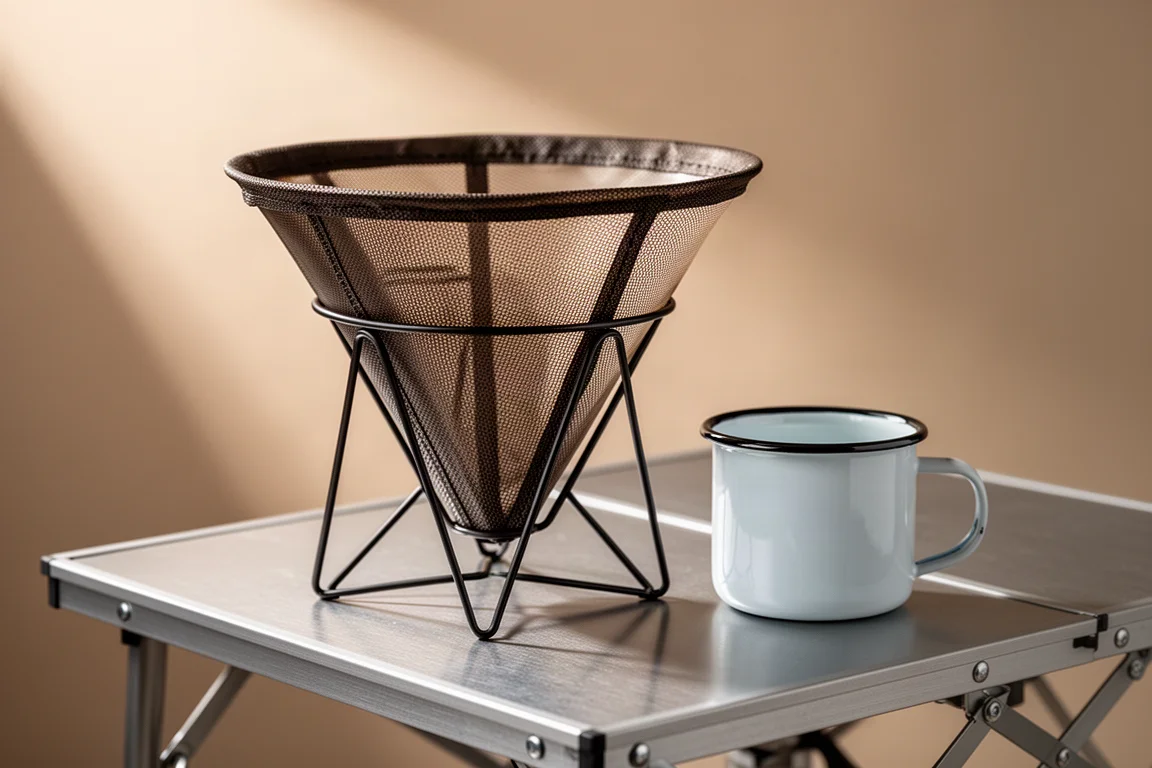
Instant coffee is a common compromise at camp, and the GSI Outdoors Java Drip is a simple way to avoid it. It is a pour-over filter with a mesh fine enough that coffee grounds can go straight in without a paper liner.
Boil water, pour it over the grounds, and you have proper coffee. The trade-off is cleanup: loose grounds are fiddlier to rinse than a paper filter setup, so packing a few small cone filters makes the routine quicker.
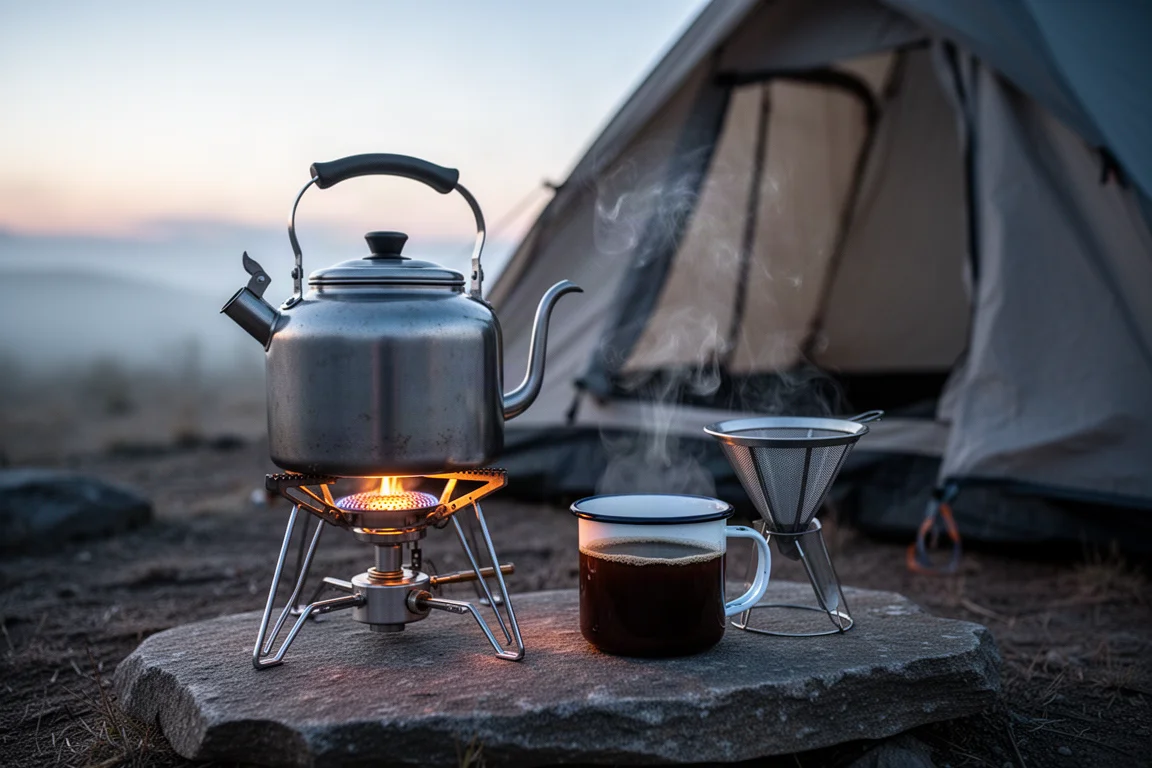
That pairing keeps the process short. The mesh does the filtering, and the paper cone keeps the washing up to a minimum.
Toaks Titanium Pot
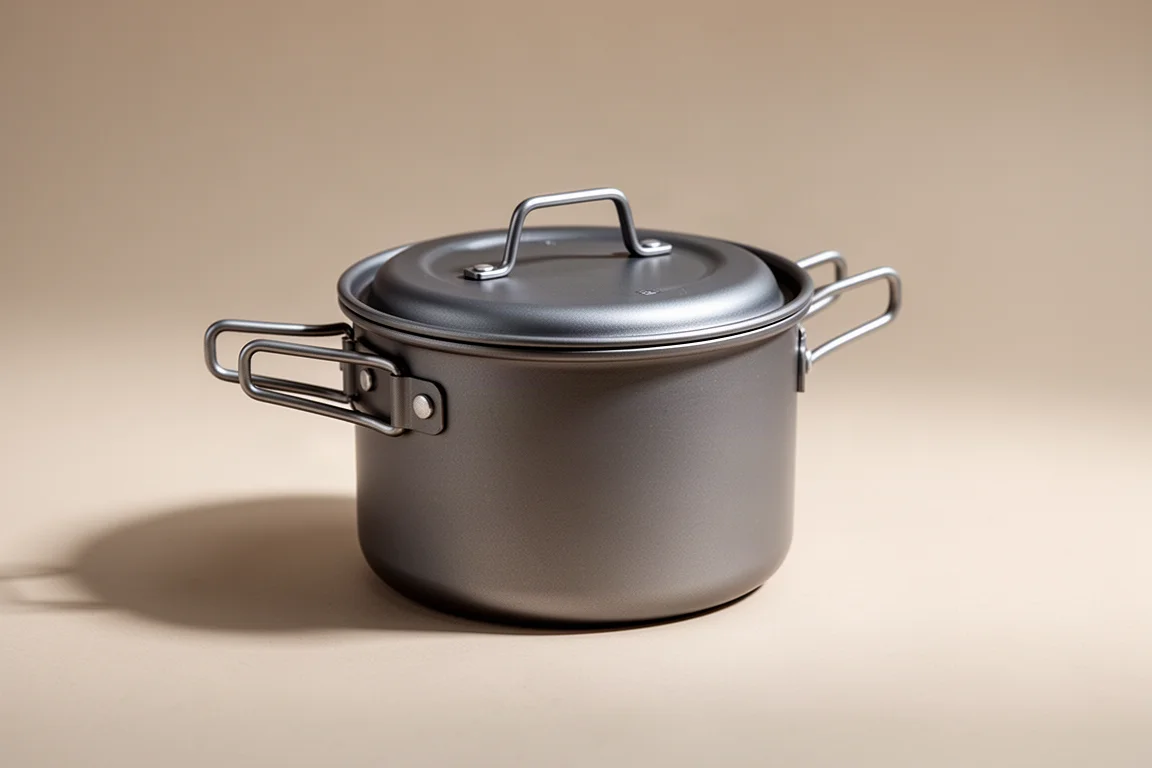
Titanium is popular for cookware because it keeps weight down, and the Toaks Titanium Pot brings that material into an affordable bracket at under $30.
It works as a small pot for boiling water and doubles as a mug, which is how it often gets used on trips where meals are simple and coffee matters more than cooking. The size suits drinks and hot water rather than large meals.
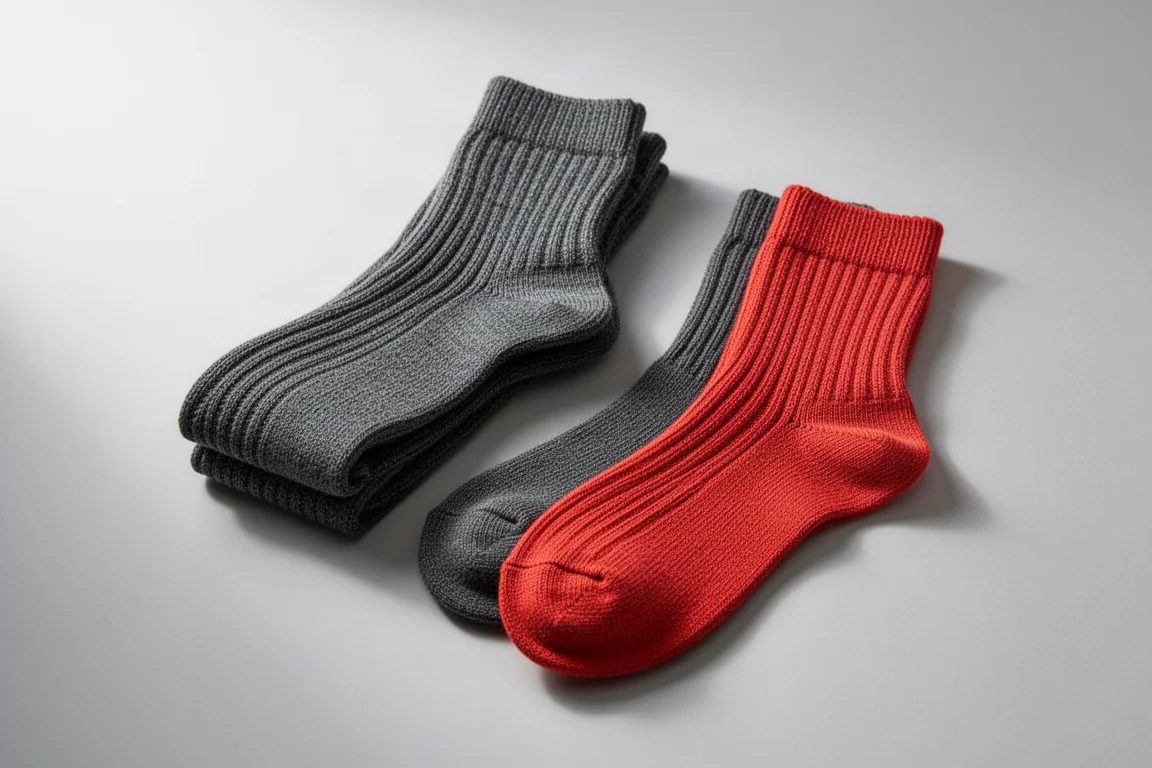
Bombas Socks
Socks are an everyday essential that rarely appears on a gear list, even though a bad pair can ruin a long day. Bombas makes them in both synthetic and merino wool versions, in plain colorways and in brighter patterns.
The brand also runs a one-for-one program: for every pair of socks purchased, a pair is donated to someone in need, and the program supports people experiencing homelessness. Donated pairs have also been reported at veterans’ support offices. A first-purchase discount has been offered for new customers.
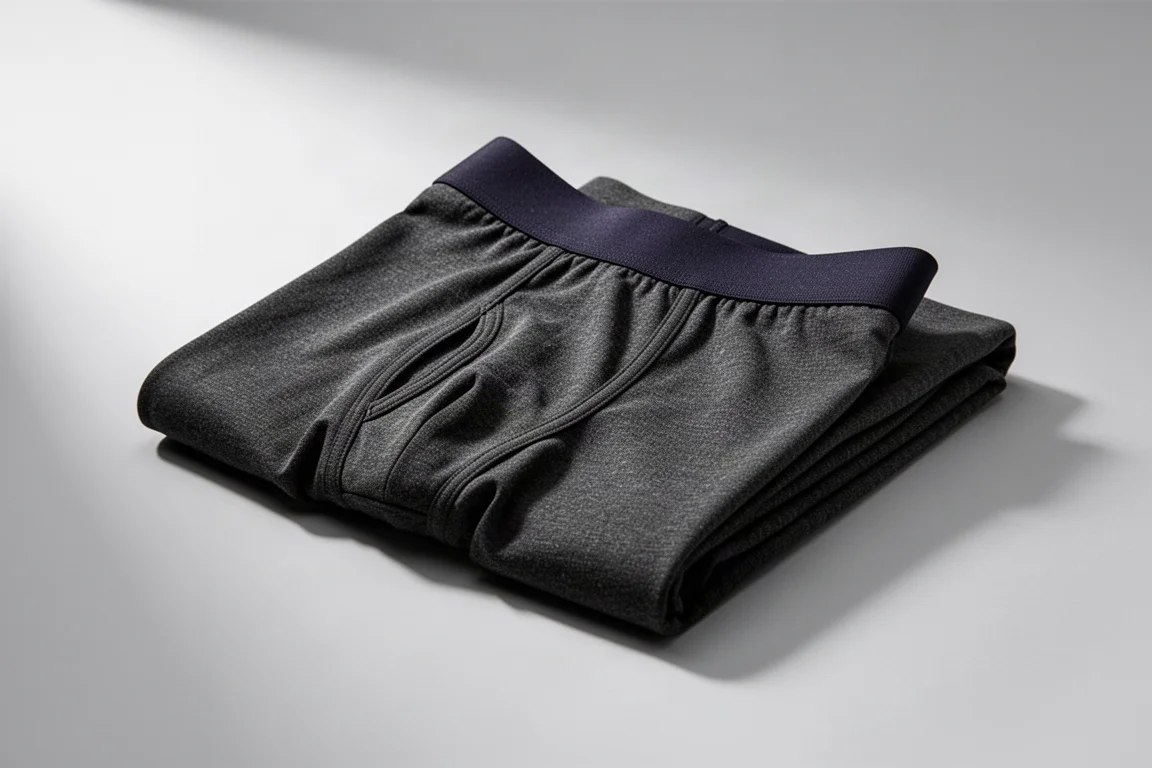
Bombas Boxer Briefs
The same brand covers the other half of the everyday clothing category with boxer briefs. Underwear is easy to overlook when packing and unpleasant to get wrong on a multi-day trip, which is exactly why it is worth choosing deliberately rather than grabbing whatever is in the drawer.
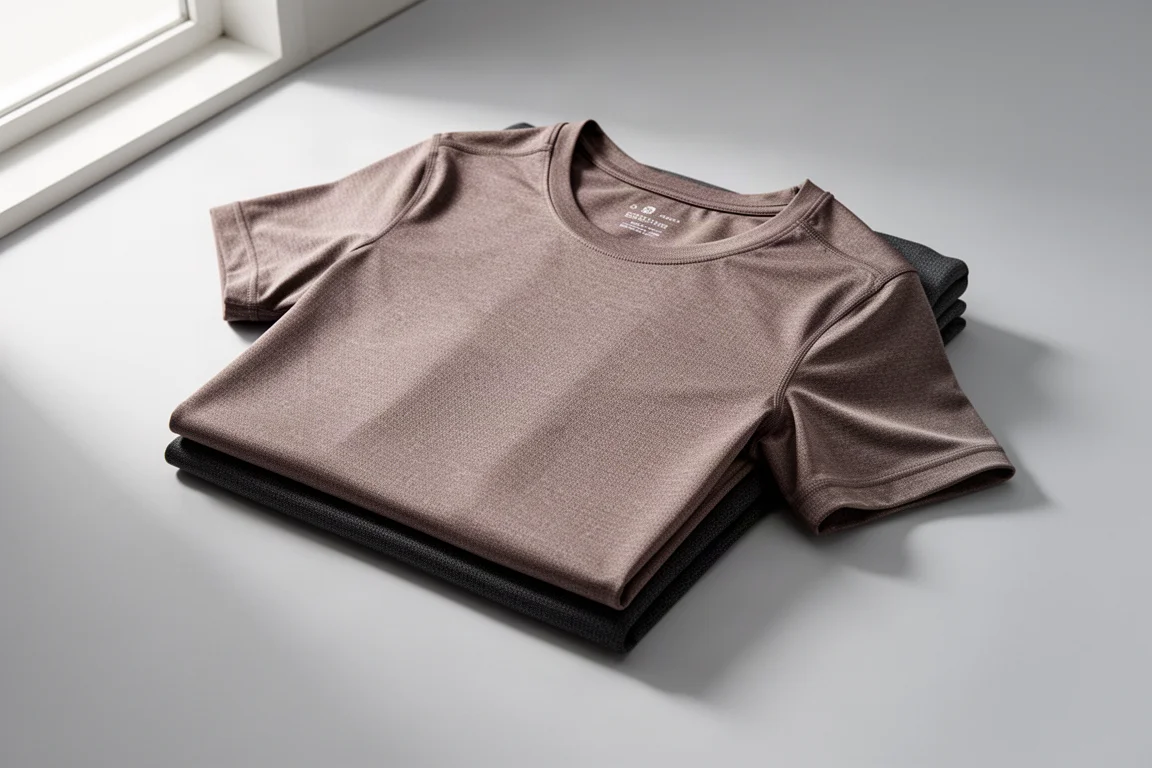
Bombas Performance T-Shirts
Bombas performance t-shirts are deliberately understated. They look much like an ordinary t-shirt, which makes them easy to wear both on the trail and around town without looking like technical kit.
For hikers who prefer plain clothing over branded outdoor styling, that restraint is the appeal.
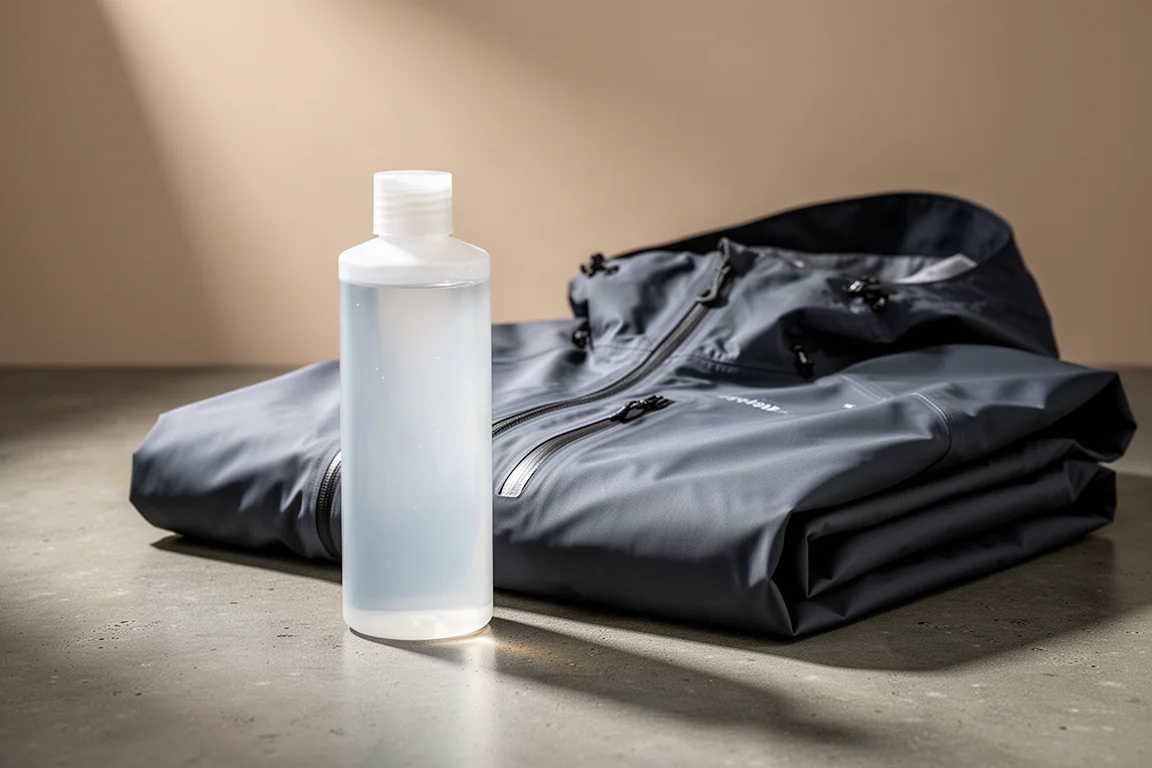
Nikwax
Durable water repellent finishes wear off over time. Once they do, water-resistant and waterproof gear starts to soak through, and rain jackets, shells, and tents stop performing the way they should. Reapplying a DWR treatment is part of normal gear maintenance rather than a repair.
Nikwax products are made for that job, and the process is simple enough to carry out at home with a washing machine. At around $12 for a bottle, it is a cheap way to bring worn gear back into service instead of replacing it.
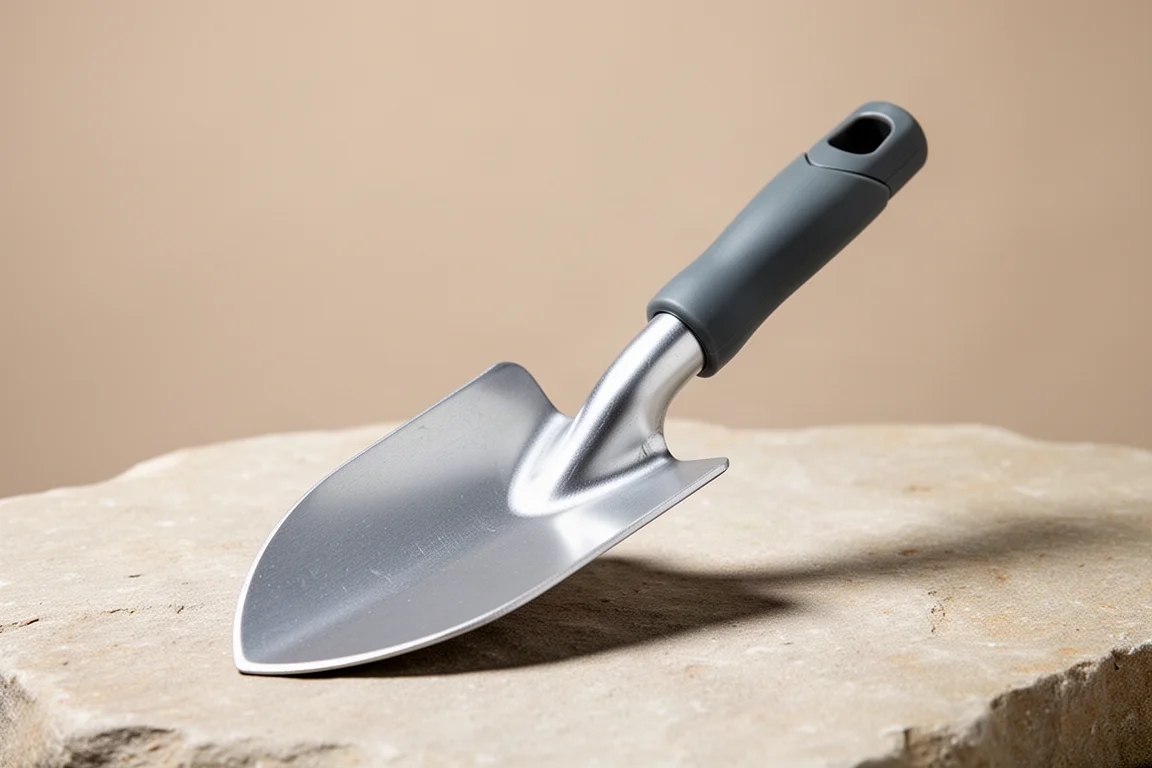
Bogler Trowel
Anyone who spends enough time outdoors eventually needs a trowel. The Bogler Trowel is notable for one specific design detail: a small plastic piece at the top of the handle that stops the tool digging into your palm while you dig.
It weighs around 13 grams and costs under $20, so it is easy to justify carrying. The light build suits the job it is designed for, and the plastic top is the feature that separates it from more basic trowels.
Vargo Dig Trowel
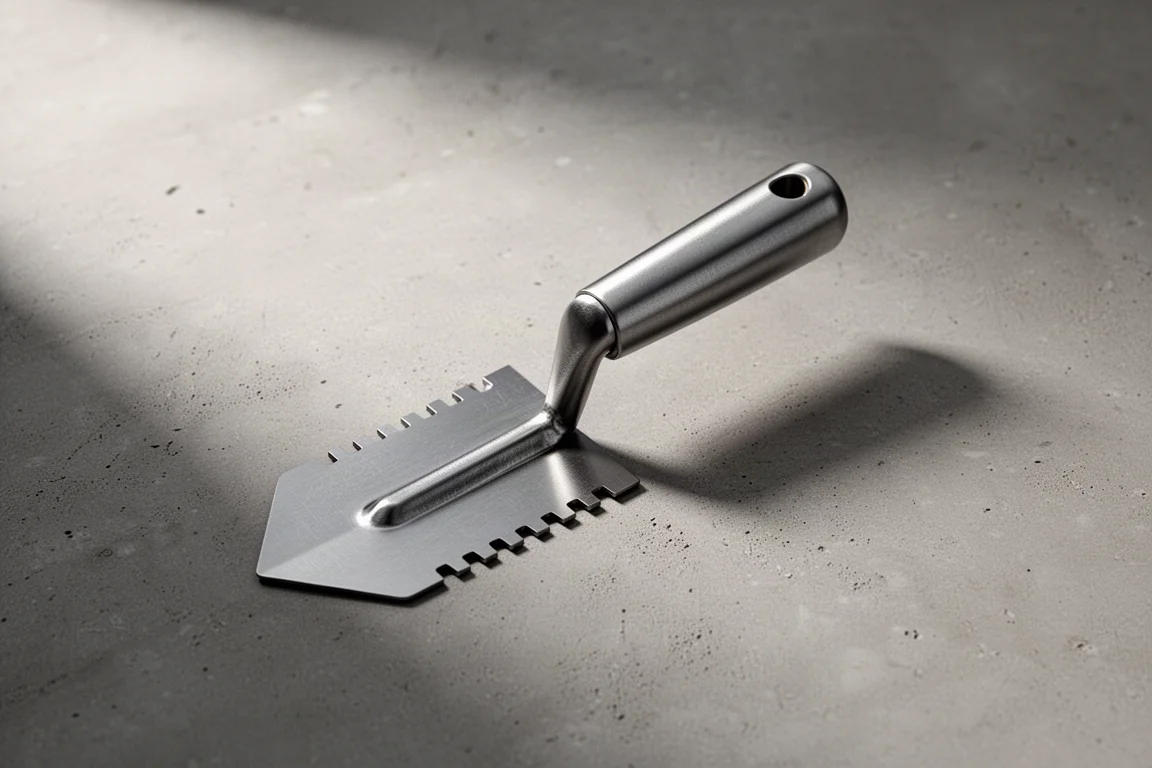
The Vargo Dig Trowel takes a different approach to hand comfort, with a rounded-off corner at the top of the handle instead of a square edge. In use, the notches on the sides of the handle can still press into your hand.
It remains a workable option, particularly if you already own one, but the plastic-topped design of the Bogler is the more comfortable of the two.
Trek Towel
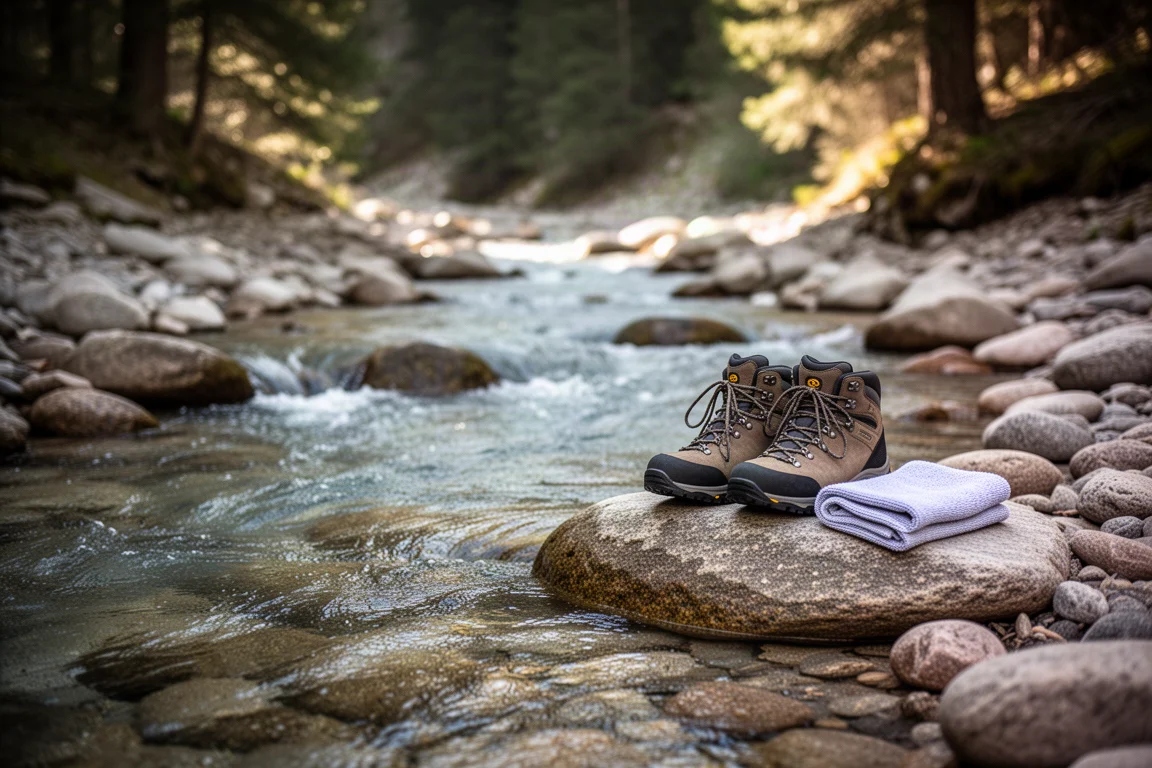
Sooner or later, a hike involves a stream crossing where you take your boots off and get your feet wet. A small towel turns that moment from an annoyance into a quick stop.
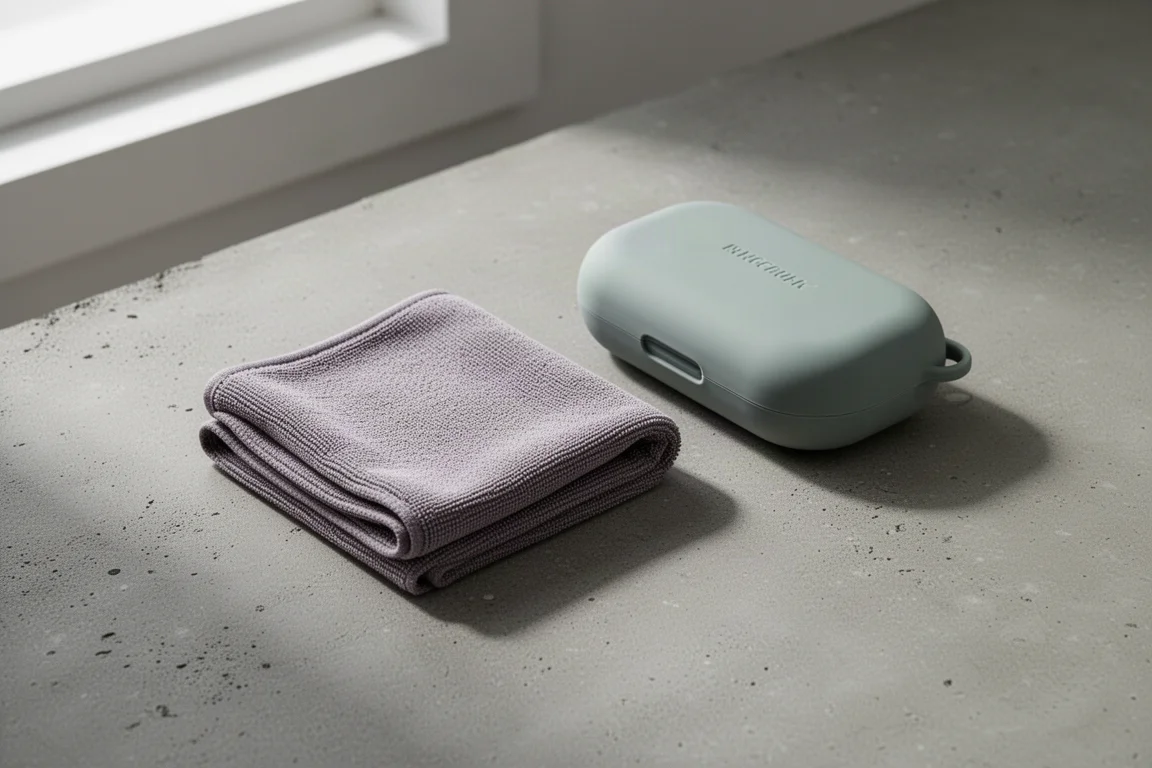
The Trek Towel packs down very small and comes with a silicone carry case that makes it easy to hang off the back of a pack. It is made from nanofiber, which is described as lighter than microfiber. Beyond drying feet, it is useful for wiping condensation from the inside of a single-wall tent.
A small packed size combined with a case that clips to the outside of a pack makes this one of the easier items on the list to carry without noticing.
Buying Advice
None of these items is essential on its own, and that is the point. The best approach is to match a purchase to a problem you actually run into. If you share meals, a bowl earns its place. If you filter water often, a lighter filter is worth the change. If your jacket has stopped beading water, a DWR treatment costs far less than a replacement.
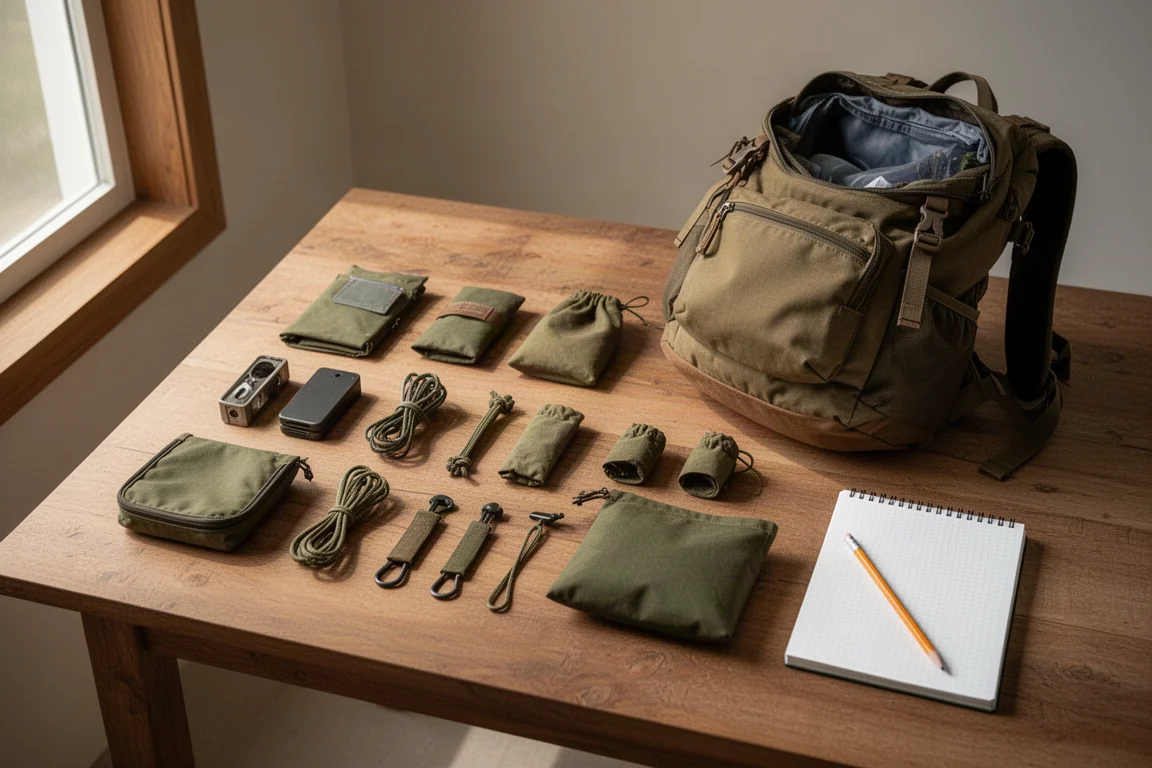
Prices in this category are modest, so the risk of trying something new is low. The bigger risk is carrying items you never use, which is why packed size and weight matter as much as the price tag.
Start with the one item that matches your own trips, use it for a season, and add the next only when you notice the gap it fills.
Conclusion
The gear that changes a trip is not always the gear that costs the most. A flat-packing bowl, a lighter water filter, a flint-equipped carabiner, a pour-over cone, a titanium pot, everyday socks and base layers, a bottle of DWR treatment, a comfortable trowel, and a compact towel all address small, repeatable problems.
Pick the one that matches how you actually hike, and let the rest earn their place in your pack over time.
Further reading
Related Reviews

Backpacking Gear
Building a 10 lb Base Weight: An Ultralight Backpacking Gear List
A practical walkthrough of the ultralight pieces behind a 10 lb base weight, from a 765 g pack and a roomy one-person tent to a full camp chair and a dependable water filter.

Backpacking Gear
A 15-Pound Lightweight Backpacking Gear List for Solo Trips
A beginner-friendly 15-pound backpacking setup built from easy-to-find gear, with notes on what each piece does, how it packs, and where to spend your attention.

Backpacking Gear
8 Ultralight Backpacking Gear Upgrades Worth Carrying
Eight small, affordable backpacking upgrades that solve real trail annoyances, from a pillow that stays put to a fuel valve that rescues leftover canister gas.