Backpacking Gear
10 Backpacking Gear Essentials Worth Packing on a Budget
Ten practical backpacking items, from a roomy solo shelter to a zero-waste coffee straw, with notes on cost, weight, and where each one fits.
Introduction
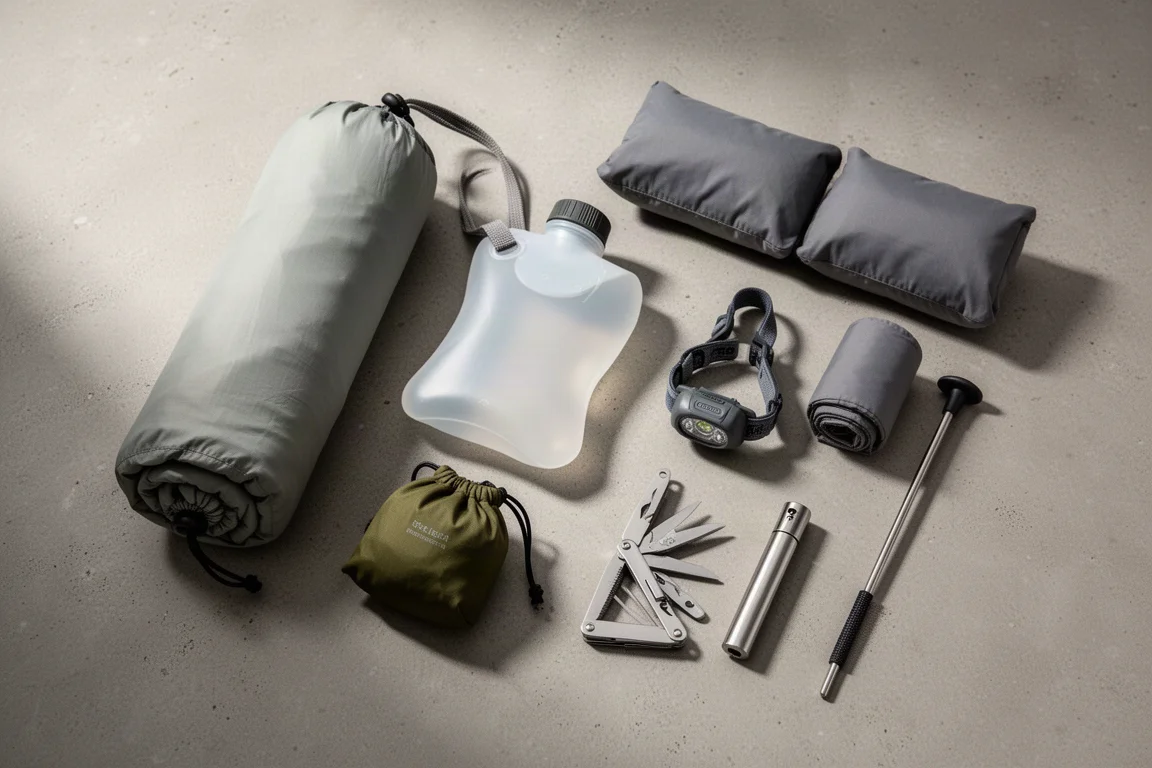
Backpacking gear adds up fast, and the items that matter most are rarely the expensive ones. Shelter, water, light, sleep, food storage, and a way to make coffee in the morning cover most of what a night out actually requires, and several of the picks below come in under $40.
This roundup covers ten pieces of camp gear that each solve a specific problem: a solo shelter with an unusual amount of space, a soft water container for dry camps, two versions of a long-running headlamp, and a handful of small conveniences that make camp feel less like an endurance test. Every entry notes what the item does well and where it asks you to compromise.
X-Mid One-Person Tent: A Roomy Shelter That Lives Up to the Hype
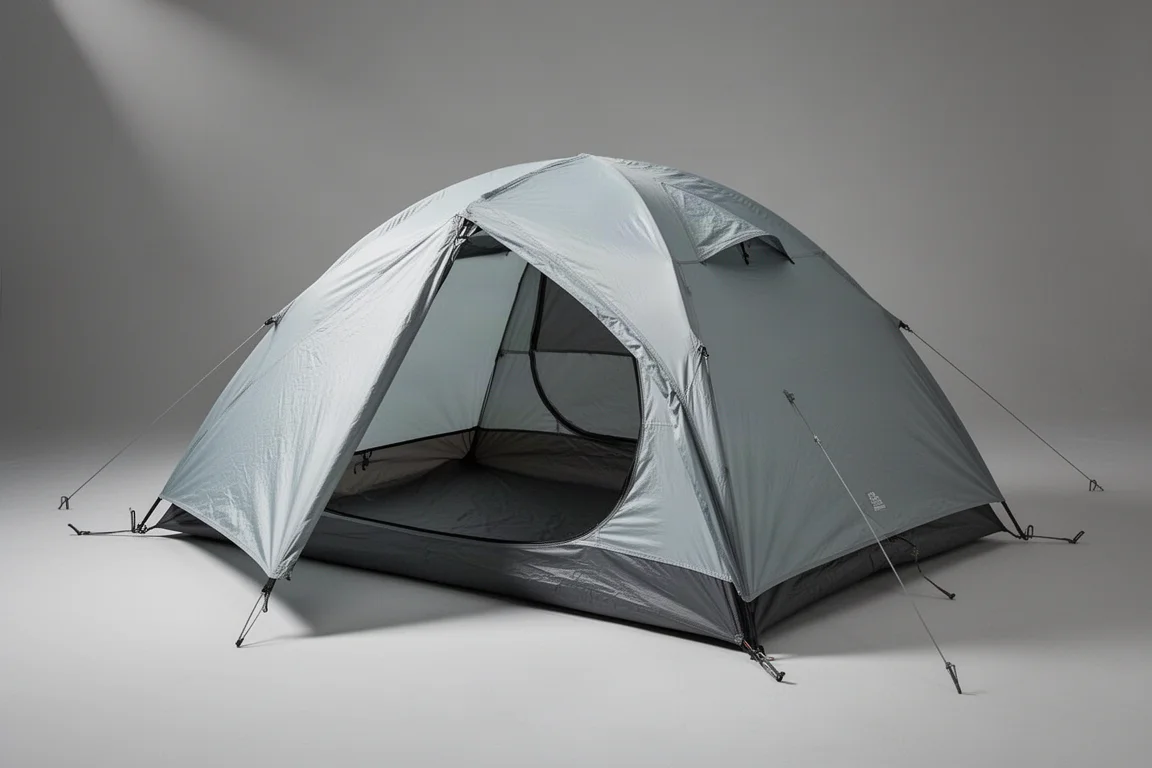
The X-Mid one-person tent is one of the most frequently recommended solo shelters in its class, and it is easy to see why the design keeps coming up in conversations about lightweight camping. This is a one-person model with a notably large footprint.
That footprint is the key trade-off. It gives a solo camper more floor area to spread out a pack, a sleeping pad, and a few loose items, which makes a small shelter feel considerably less cramped. In exchange, it needs a larger and flatter pitch site, and on a windy evening it takes a little more care to set up cleanly.
One small habit is worth adopting. When rolling back the rainfly door, roll the fabric toward the toggle that holds it open, so the rolled edge lines up with the fastening point. Clip the toggle and the door stays put, leaving an open view without flapping in the wind.
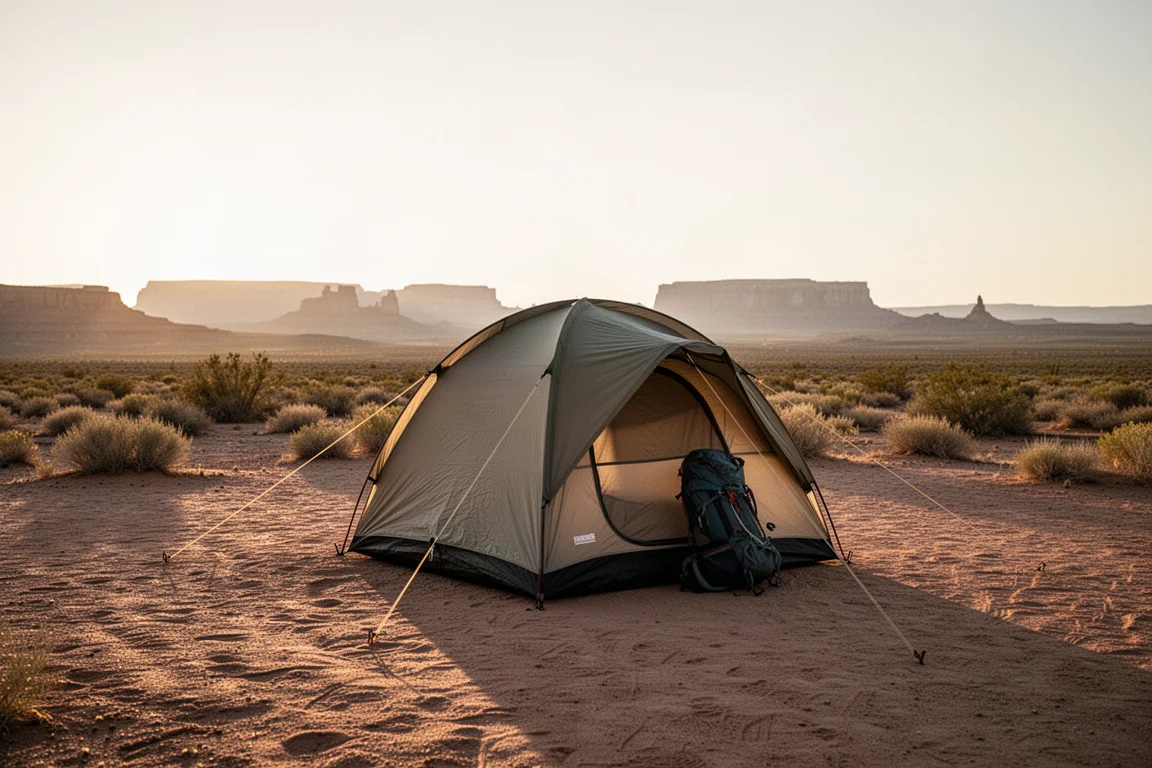
For solo campers who value living space over the smallest possible packed size, this is one of the more compelling shelters to consider.
Sea to Summit WaterCell ST: Carry More Water Without the Weight
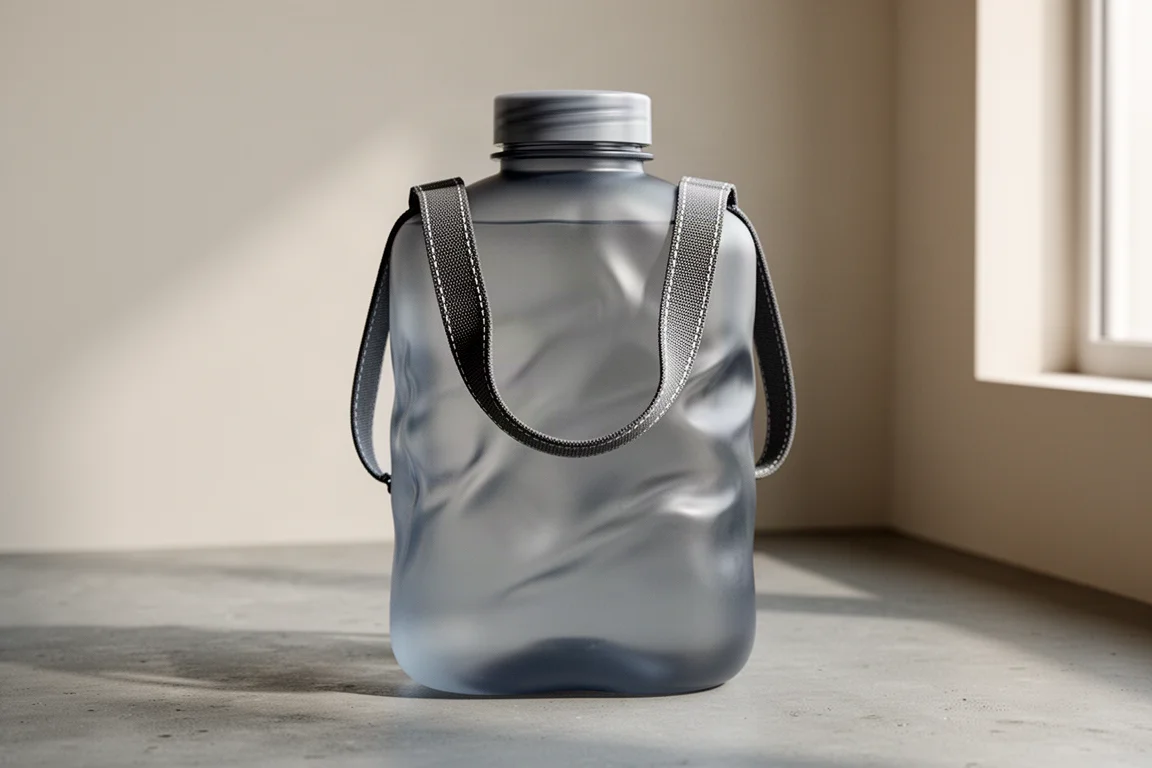
When there is no water at camp, capacity matters more than anything else, and that is exactly the problem the WaterCell ST is built for. It is a soft water container from Sea to Summit that comes in several sizes, up to roughly 10 liters.
The 4-liter version is a practical middle ground. It fits neatly into the side bottle pockets of a 50-liter pack, which keeps the load close to your back instead of swinging from a shoulder strap. Two handles make it easy to carry when full and to pour when you need to fill a mug or a pot, and the wide cap keeps the flow controllable.
It is a strong fit for dry camps, desert routes, and car camping where the nearest tap is a long walk away.
Black Diamond Spot R: The Rechargeable Option
The Spot R is the rechargeable version of a headlamp that has been a backpacking staple for years. It costs noticeably more, around $65, which puts it at the top of the price range in this roundup.
What that money buys is convenience rather than more light. There are no disposable batteries to pack, no spares to remember, and no last-minute shop stop before a trip. If you already carry a power bank for a phone or a camera, the Spot R slots naturally into the same charging routine.
It is the version to choose if you dislike buying batteries and would rather manage one more cable than a handful of spares.
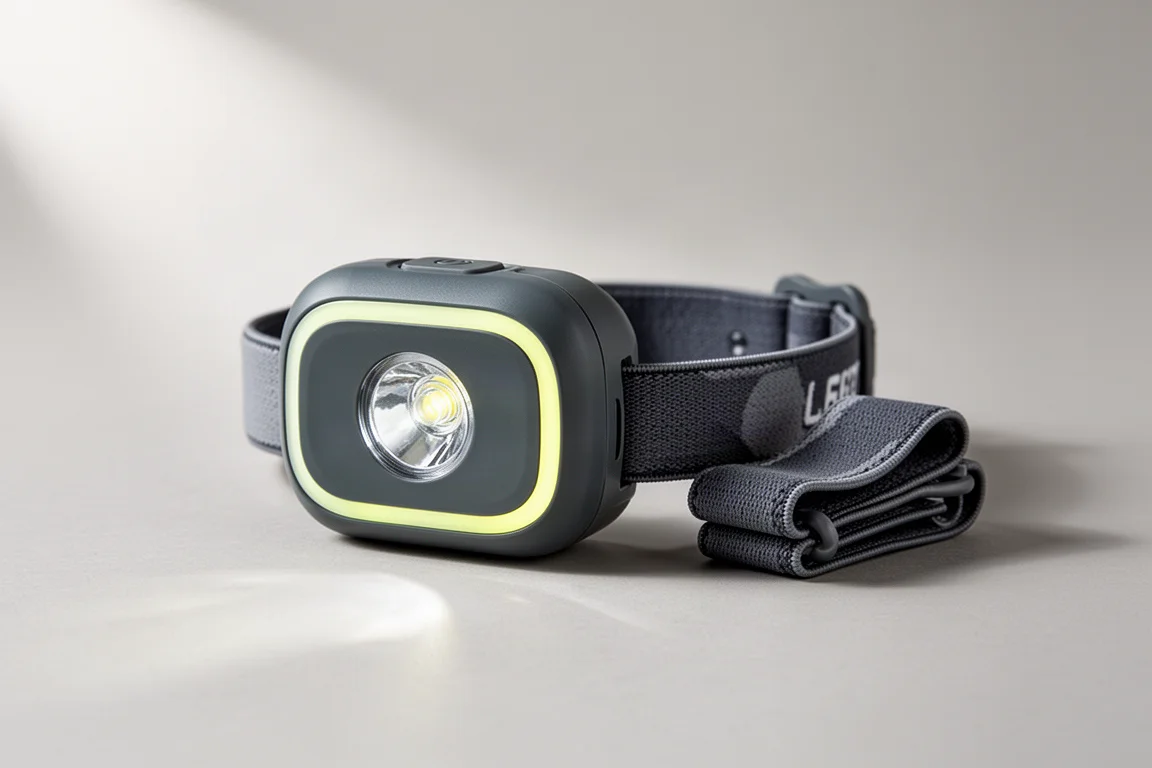
Black Diamond Spot: The Battery-Powered Workhorse
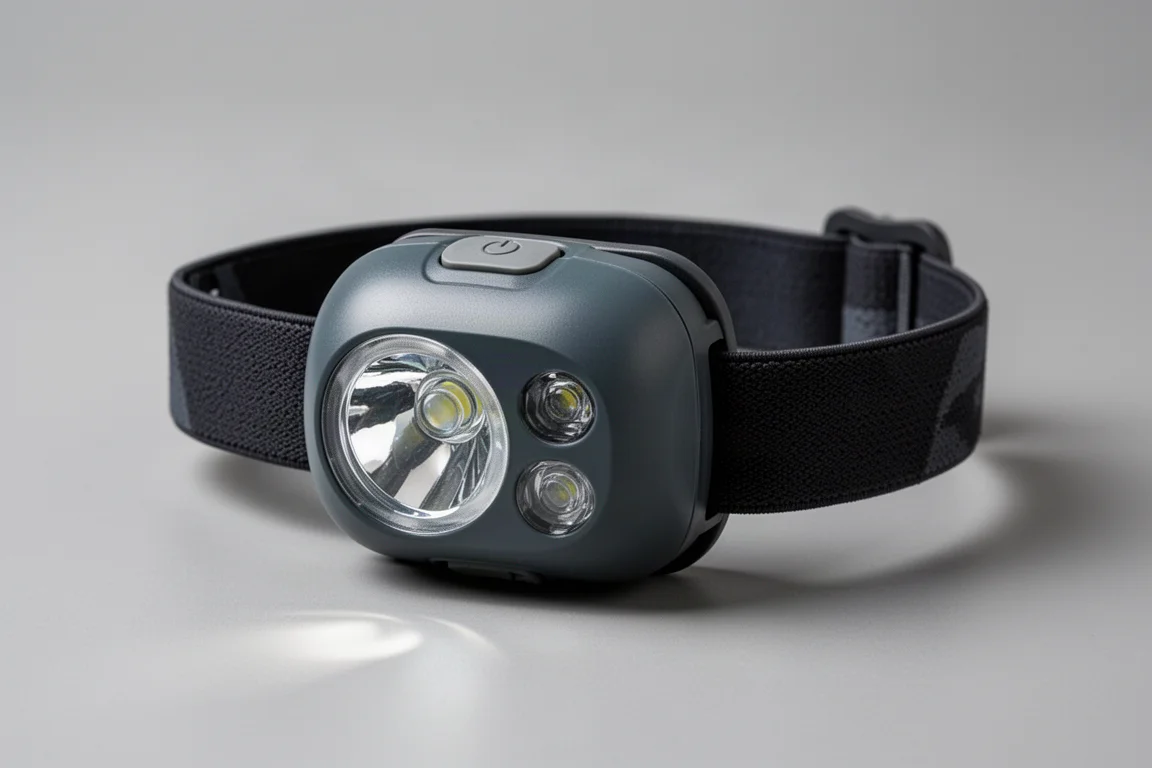
The standard Spot runs on three AAA batteries and sits in the $30 to $40 range, which makes it one of the easiest recommendations here. A single set lasts several days on a backpacking trip, and rechargeable AAA cells work just as well if you would rather not buy disposables.
The design is simple, proven, and comfortable to wear for long stretches. For most trips it covers everything a headlamp needs to do: light a cooking area, illuminate the inside of a tent, and keep working in cold, dusty conditions.
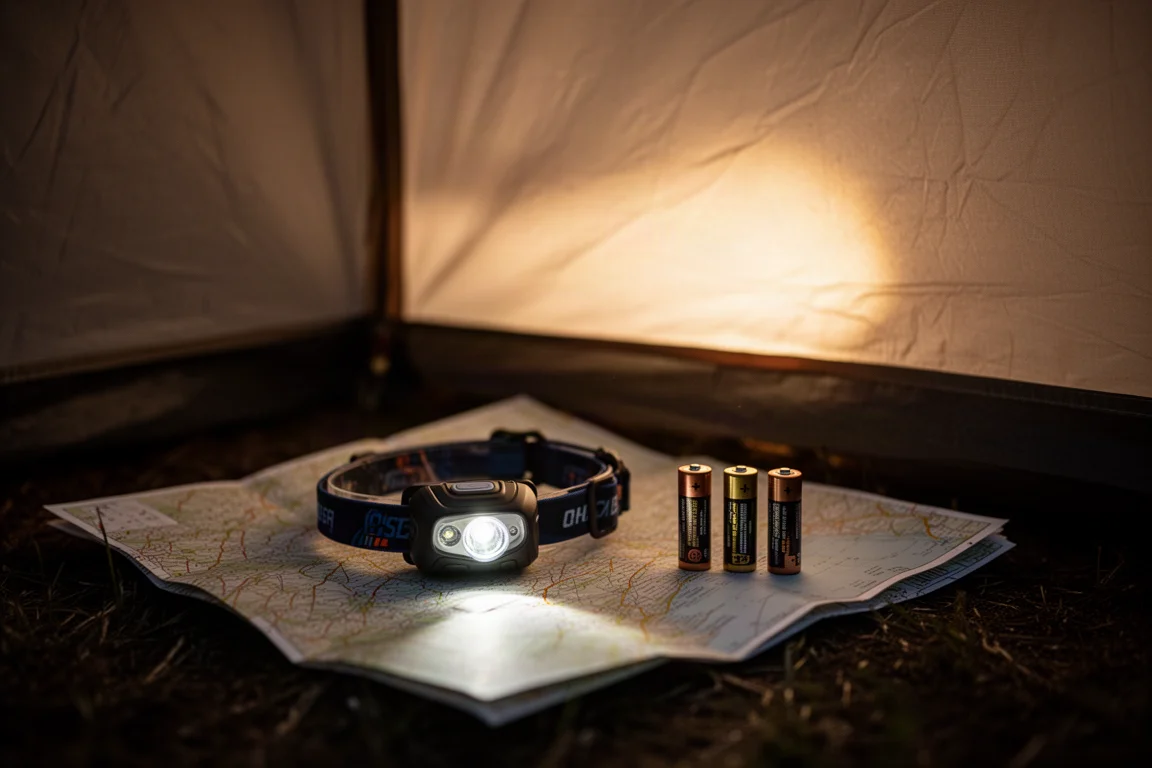
The main consideration is battery management. On longer trips you will want a spare set in your pack, which is a small weight penalty that the rechargeable version avoids entirely.
Hilltop Packs Food Bag: Customizable Food Storage
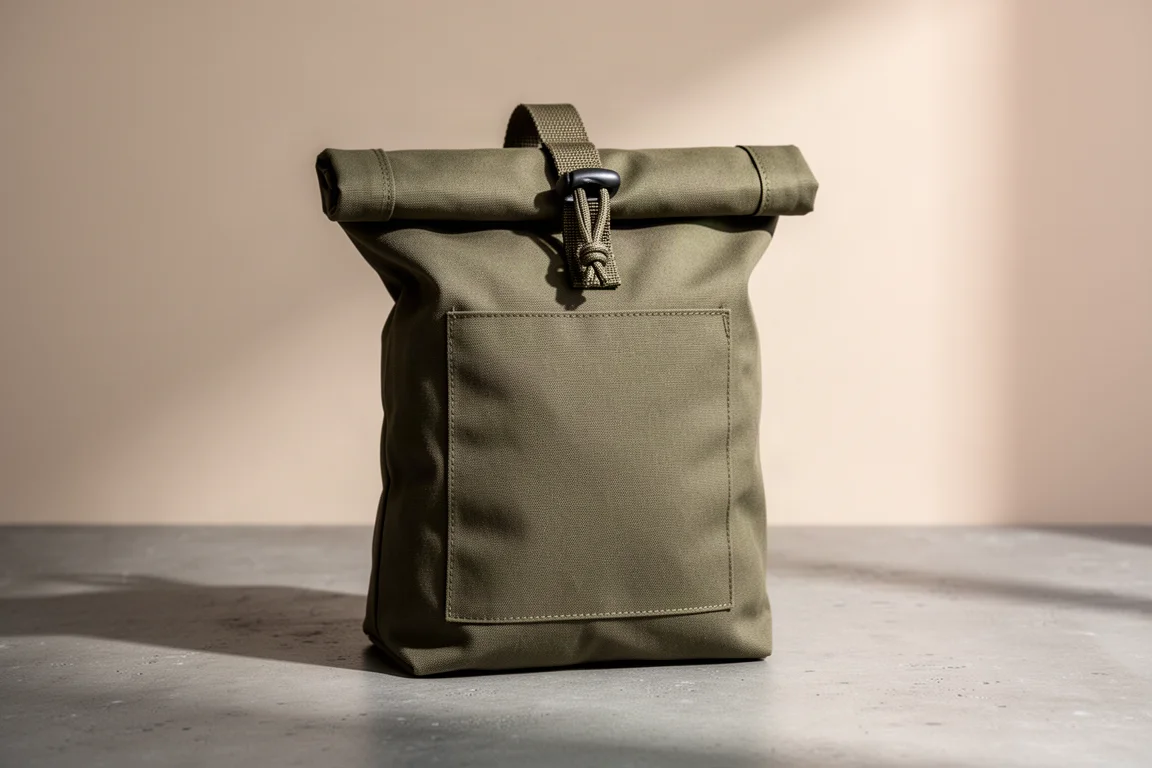
A food bag earns its keep by holding every meal, snack, and wrapper in one predictable place, and the Hilltop Packs bag does that at a price under $40. It swallows a full trip’s food supply and keeps things organized enough that you are not digging through loose packaging at the end of a long day.
The interesting part is the customization. Hilltop Packs will print a photo you send them directly onto the bag. That costs a little more, but it turns a plain stuff sack into something you can identify instantly, whether it is a picture of a pet or a favorite trail. The bag stops looking like everyone else’s.
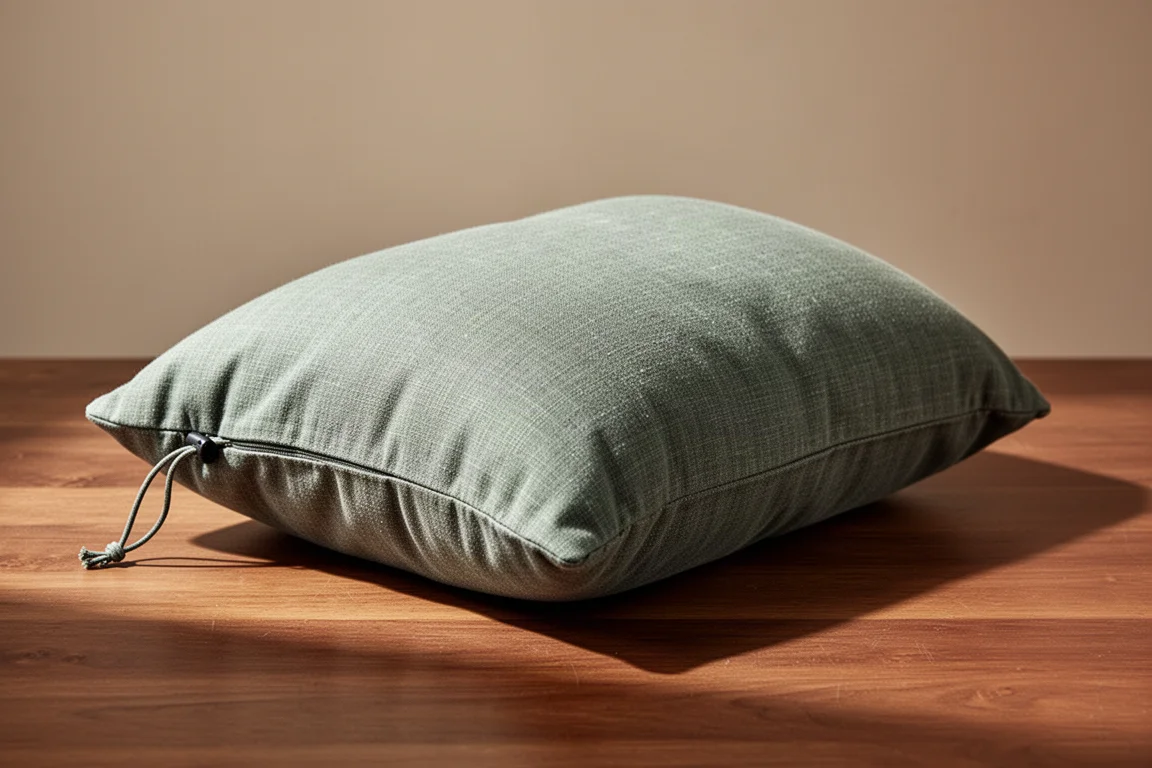
Therm-a-Rest Compressible Pillow: Small Comfort for Camp
The Therm-a-Rest Compressible Pillow is the kind of item that quietly improves a night outdoors. The small version is the one to look at: it costs around $25 and weighs roughly 6.5 to 7 ounces, so a single pillow is a modest addition to a pack.
Carrying two, as many campers do, adds close to a pound. That is a real weight penalty for something that is not strictly necessary, and it is also one of the easiest comfort upgrades to justify on a trip where sleep quality decides how the next day feels.
For anyone who has spent a night trying to sleep on a rolled-up jacket, the trade is usually worth making.
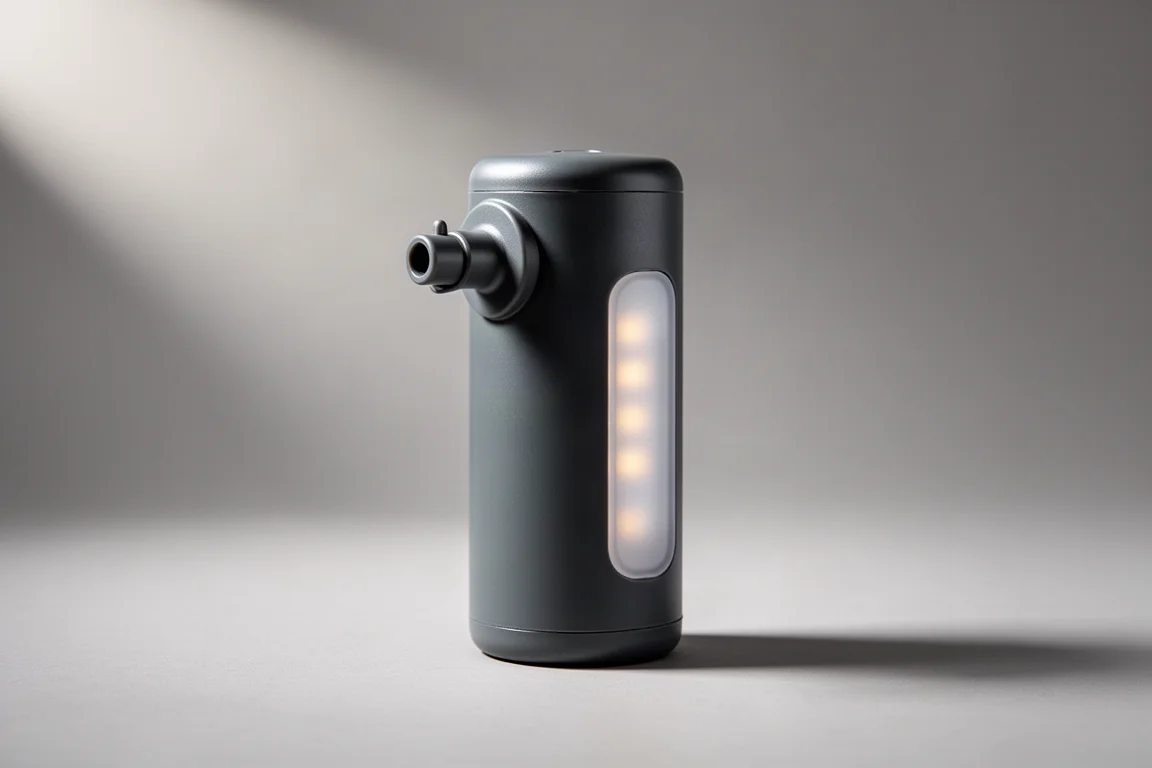
FLEXTAILGEAR Tiny Pump X: A Pump and Light in One Small Package
The Tiny Pump X is a compact air pump that doubles as a light, and it comes in under $30. It handles the inflating work at the end of a day so you are not spending your last energy on your own breath, and it adds a second light source inside the tent once it is dark.
The appeal is mostly about size and price. It takes up very little room in a pack and covers two jobs at once, which keeps the total number of items in your kit down.
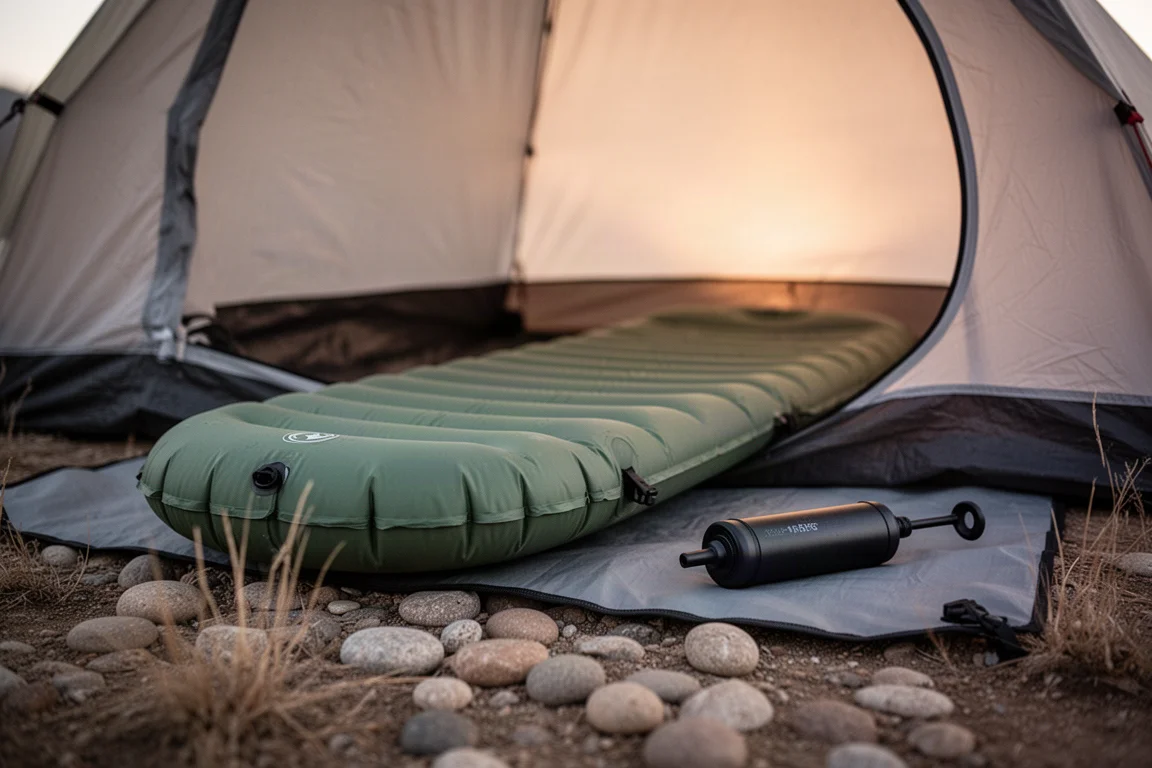
It is best treated as a convenience rather than an essential. Nothing about it is complicated, and that is the point: it handles a mundane camp chore quickly and then disappears back into your pack.
onX Backcountry App: Navigation Confidence on Unfamiliar Ground
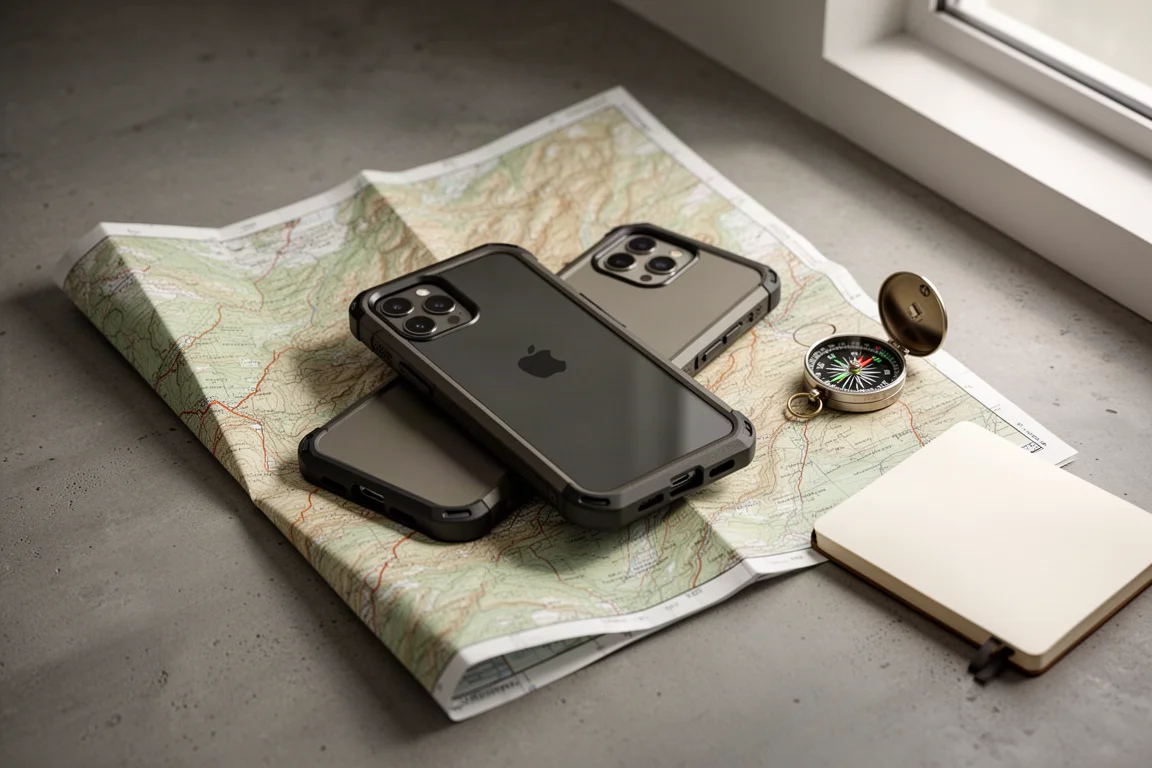
The onX Backcountry app turns a phone into a navigation tool that is hard to get lost with. Its directional feature shows where the phone is pointing and which way you are heading, so there is little doubt about the route ahead. The color-coded elevation view makes climbs obvious at a glance, with higher ground picked out in red.
A premium membership runs about $29.95, and promotional discounts of roughly 20 percent have been offered, which brings the cost of a year of navigation down to the price of a couple of coffees. For hikers who do not carry a dedicated GPS unit, it is an inexpensive way to add a second layer of confidence.
The one thing to plan for is your phone’s battery. Navigation is only useful if the device still has power at the end of the day, so a power bank belongs in the same kit.
Leatherman Squirt PS4: A Tiny Multi-Tool for Field Repairs
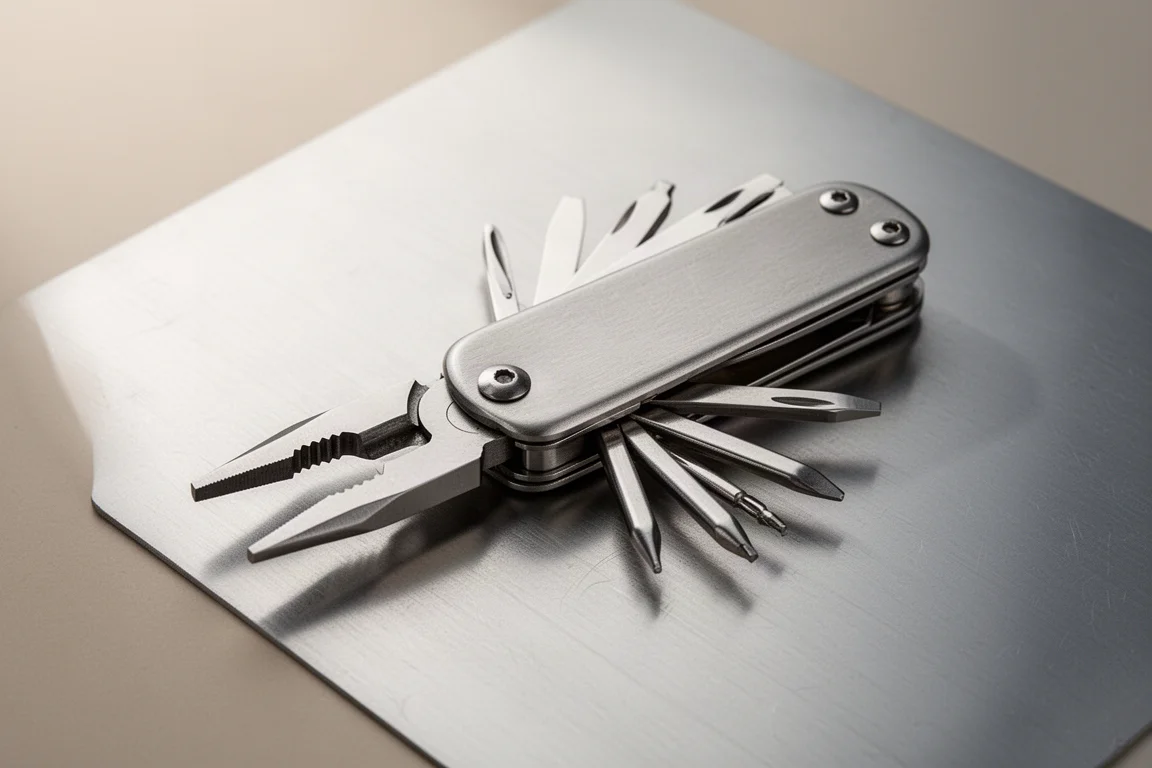
The Squirt PS4 is a keychain-sized multi-tool that packs pliers, a knife, scissors, and a screwdriver into a body small enough to forget you are carrying it. It comes in under $40 and is also available in red.
Its value shows up when something small goes wrong. A loose tripod plate, a stubborn screw, or packaging that needs cutting are all quick fixes with the right tool and genuine frustrations without one. On a trip that depends on camera gear or any kind of hardware, a multi-tool can be the difference between a five-minute repair and calling the day early.
JoGo: Coffee Without the Waste
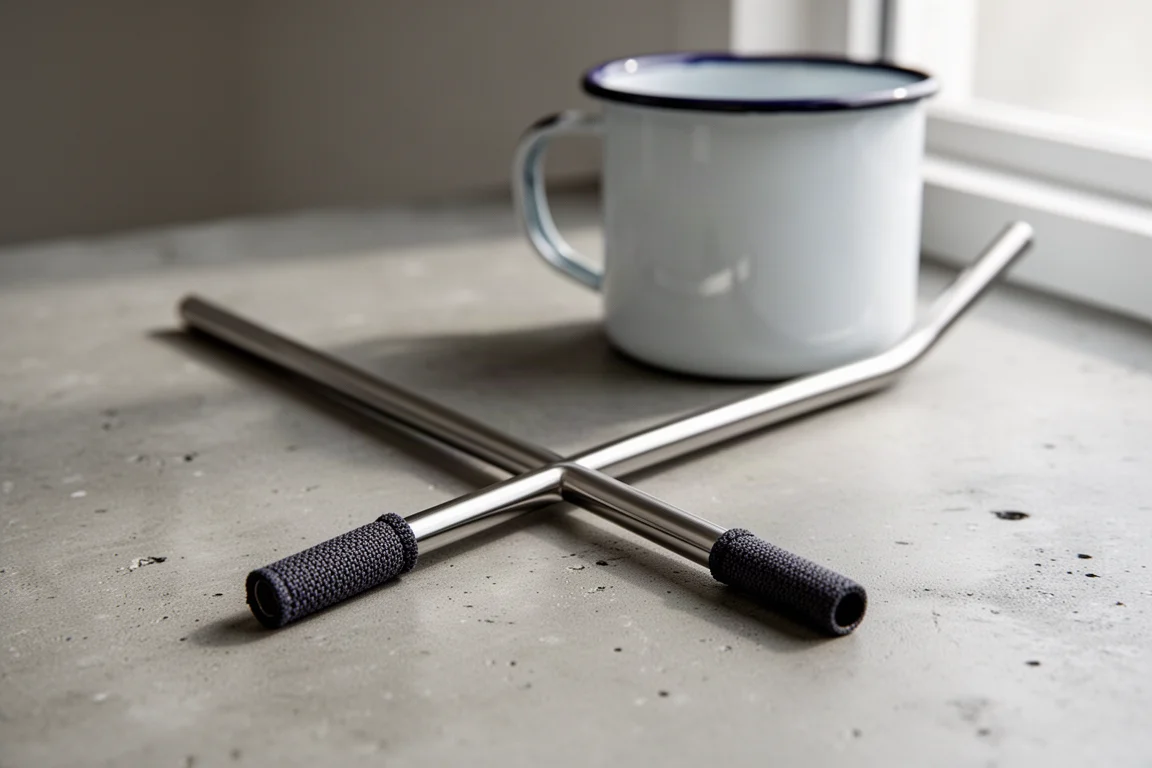
The JoGo is a coffee brewer built around a microfiber filter fitted to the end of a metal straw. Add grounds to hot water, let the mixture steep for four to five minutes, and drink straight through the straw. The flavor lands closer to French press than to instant, and there is nothing left to pack out afterwards: no paper filters, no pods, and no soggy grounds to carry home.
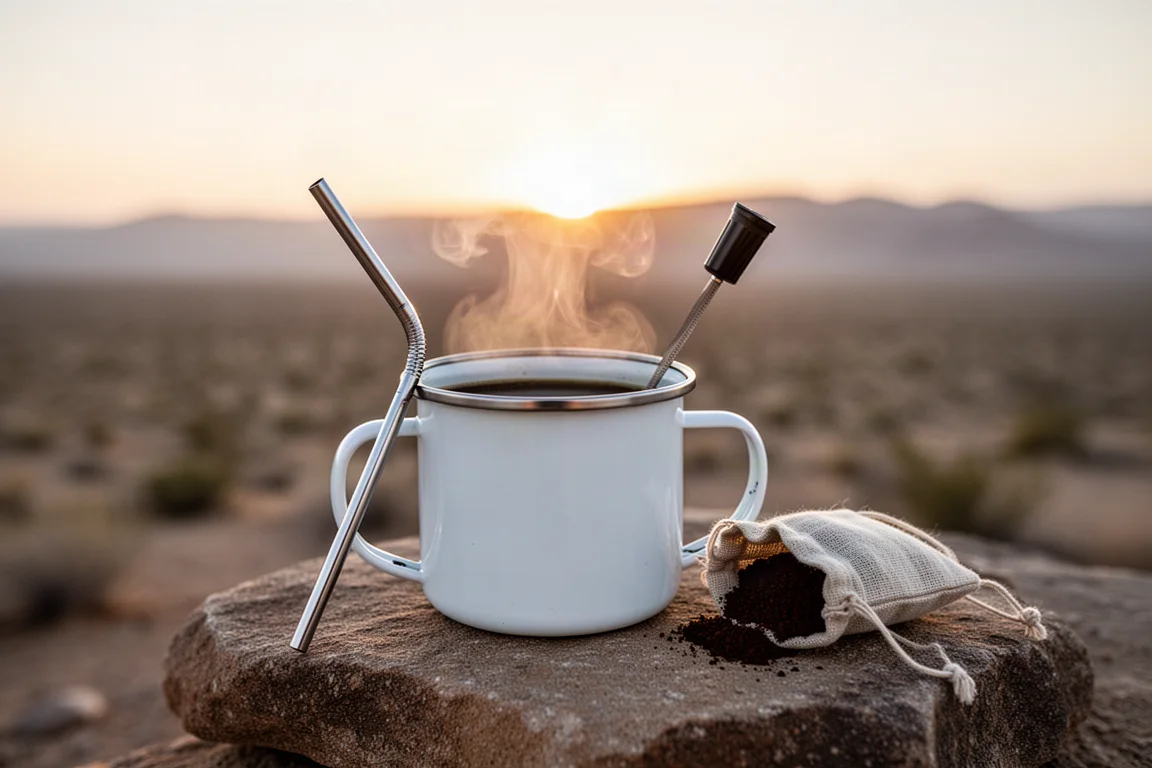
It does not weigh much and it packs down small, which makes it easy to justify even when you are counting grams. For anyone who treats morning coffee as part of the trip rather than an afterthought, it is a clever, low-waste solution.
Overall Buying Advice
The strongest pattern across these ten items is that none of them try to do everything. The Spot and the Spot R split the headlamp decision into battery or rechargeable, the WaterCell ST solves one problem well, and the JoGo replaces a whole category of coffee gear with a single straw.
When deciding what to buy, start with the trips you actually take. A dry camp makes water capacity a priority. A long, cold day makes a reliable headlamp non-negotiable. Sleep comfort, food organization, and small repairs are worth spending on only if they have bothered you before.
Budget-wise, most of this list sits under $40. The exception is the Spot R at around $65, which is worth the premium only if you would rather charge than carry batteries. Everything else is inexpensive enough that you can add one or two items per season without rethinking your whole kit.
Conclusion
Good camp gear is rarely dramatic. It is a shelter that pitches without a fight, water that is where you need it, a headlamp that works when your hands are cold, and coffee in the morning that tastes like coffee. The ten items here each handle one of those jobs, and most of them cost less than a dinner out.
Pick the two or three that match the trips on your calendar, test them close to home first, and the rest of the list will still be there when you are ready for it.
Further reading
Related Reviews

Backpacking Gear
Building a 10 lb Base Weight: An Ultralight Backpacking Gear List
A practical walkthrough of the ultralight pieces behind a 10 lb base weight, from a 765 g pack and a roomy one-person tent to a full camp chair and a dependable water filter.
Backpacking Gear
A 15-Pound Lightweight Backpacking Gear List for Solo Trips
A beginner-friendly 15-pound backpacking setup built from easy-to-find gear, with notes on what each piece does, how it packs, and where to spend your attention.
Backpacking Gear
8 Ultralight Backpacking Gear Upgrades Worth Carrying
Eight small, affordable backpacking upgrades that solve real trail annoyances, from a pillow that stays put to a fuel valve that rescues leftover canister gas.