Backpacking Gear
Affordable Backpacking Gear: Budget Alternatives to Premium Picks
Five budget backpacking picks compared with the premium gear they replace, covering the real differences in weight, shell fabric, insulation, and price.
Introduction
Backpacking gear gets expensive quickly, and the most technically advanced items are rarely the ones most people actually need. This comparison puts five budget picks next to the premium gear they stand in for, using the details that matter: weight, shell fabric, insulation type, and price.
The pattern repeats across every category. Premium gear buys lighter materials, better moisture handling, and more built-in features. Budget gear buys durability, a lower entry price, and performance that is good enough for most trips. Working out which of those trade-offs matters for your own trips is the whole decision.
What Separates Budget Gear From Premium Gear
Most of the price gaps in backpacking gear come down to three things: the weight of the materials, how those materials behave when wet, and how many features are built in.
Weight is the most visible difference. Across the products compared here, the premium versions are usually lighter, sometimes by several hundred grams, and that gap shows up most on long days and long climbs. Material choice drives it, from lighter shell fabrics to higher fill power down and reflective film insulation.
Moisture behavior is the second factor. Some premium fabrics absorb almost no water and hold their shape when wet, while others take on moisture and sag. The third is features, which is clearest in smartwatches, where on-device mapping and music playback are what push the price up.
Price is not the same thing as value. A $90 jacket and a $225 jacket can both keep you warm, and they differ mainly in weight, shell durability, and how they handle humidity.
Smartwatches: Rugged Endurance vs Full Mapping
Both watches here track workouts, runs, sleep, and calories, and both are built for daily wear. The difference is how much navigation and media capability you want on your wrist.
Garmin Instinct Solar
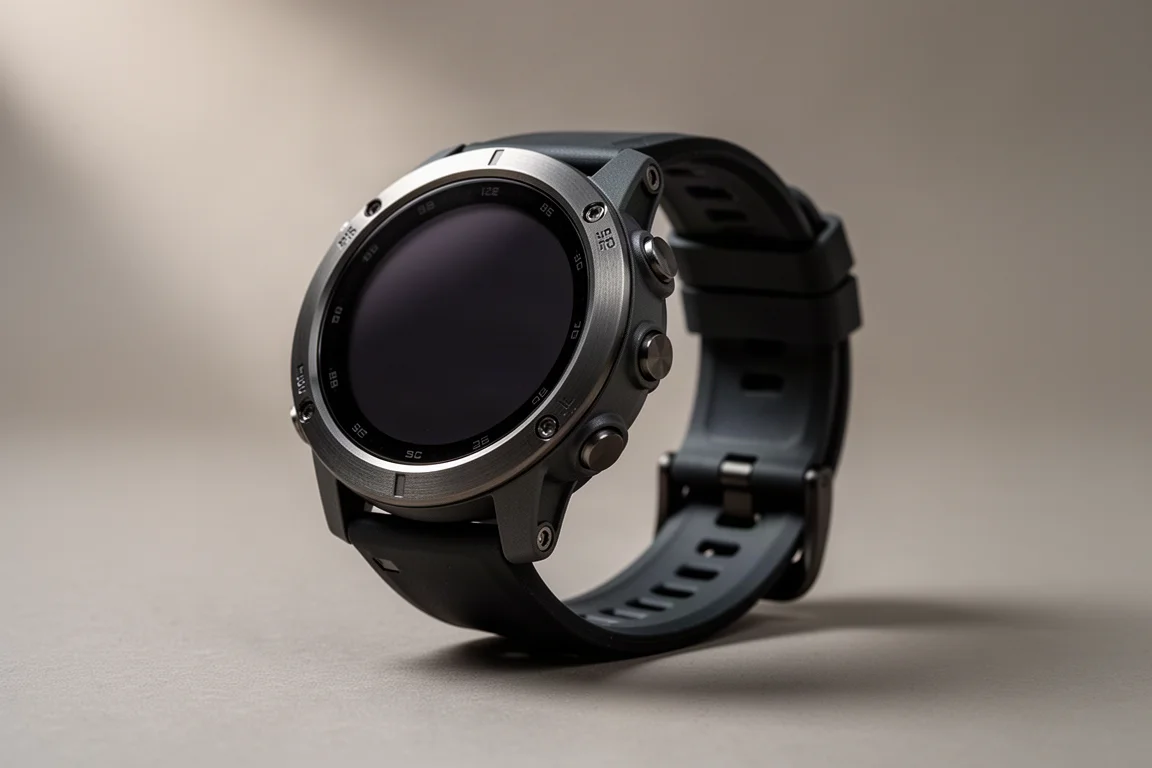
The Instinct Solar is the more rugged of the two and delivers longer battery life. It covers the core tracking most people use a smartwatch for: workouts, runs, sleep, and calories.
What it gives up is feature depth. There are no on-device topographic maps, no Bluetooth audio pairing for earbuds, and fewer fitness and tracking features overall than the premium model.
At roughly $400 against $800, the Instinct covers the essentials for most people.
Garmin Fenix 6 Pro Solar
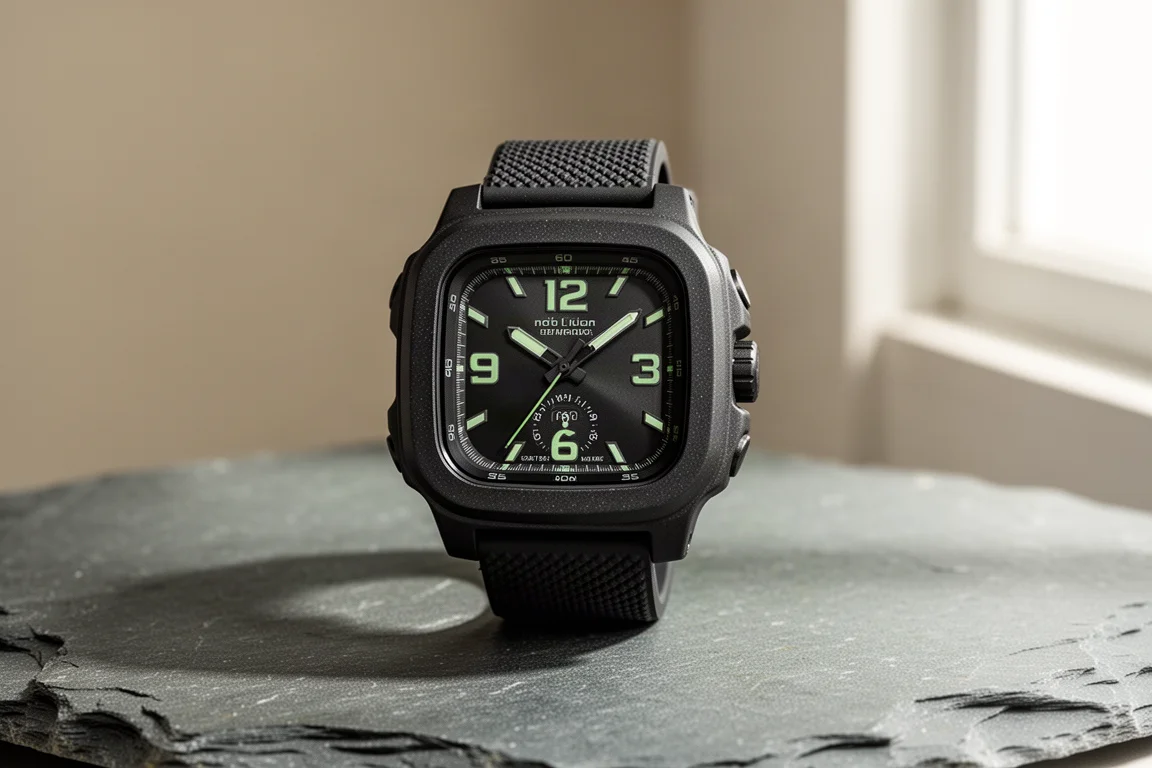
The Fenix 6 Pro Solar adds on-device topographic maps, which makes navigation straightforward without reaching for a phone. It also supports Bluetooth connectivity for earbuds, so music can be played directly from the watch, and it carries a broader set of fitness and tracking features.
The design leans more professional, and at around $800 it is the more expensive of the two.
Insulated Jackets: Down Value vs Synthetic Performance
Both jackets here weigh about the same and both are built to keep you warm on a backpacking trip. The differences are in insulation type, shell fabric, and price.
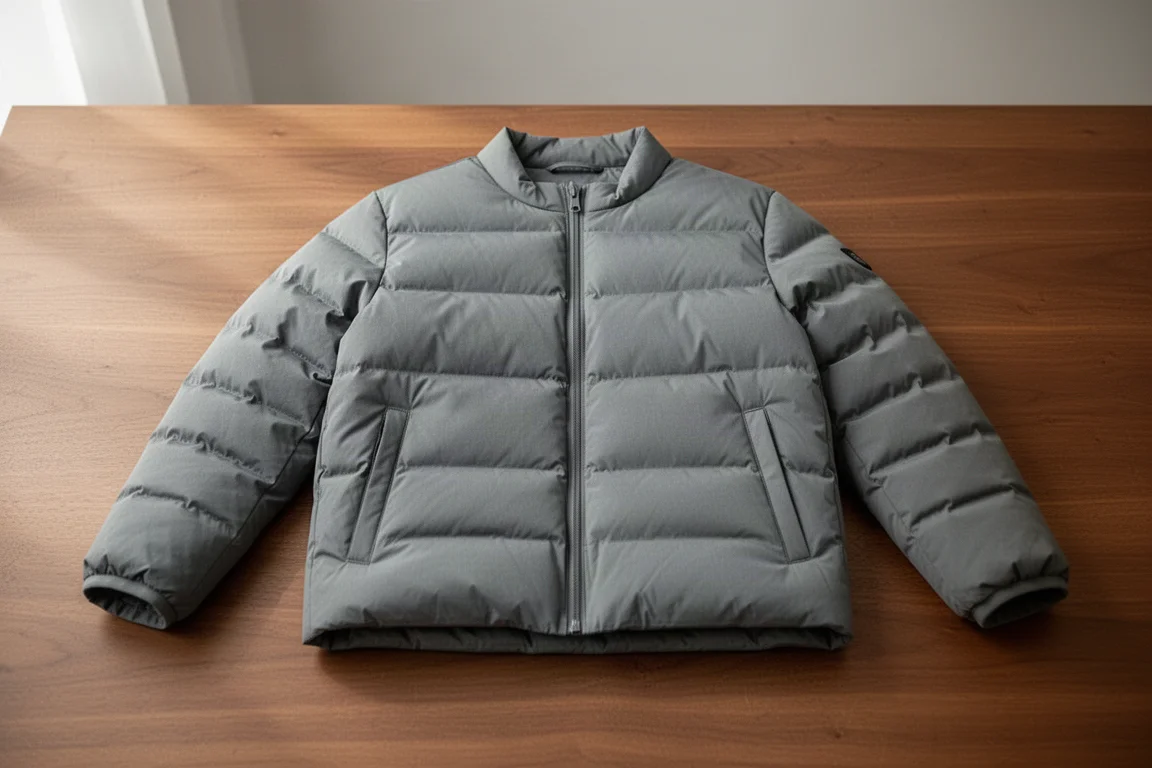
Decathlon Trek 100 Down Jacket
The Trek 100 uses down insulation, which is the lighter option for the warmth it provides. It weighs about 280 grams and uses a 15 denier nylon shell.
At roughly $90 it is the least expensive item in this comparison, and it stays an all-around warm jacket for general backpacking use.
Enlightened Equipment Torrid Apex
The Torrid Apex uses synthetic insulation, which holds its loft and keeps insulating better in moist and humid conditions where down loses performance. It weighs about 220 grams, slightly less than the down jacket here.
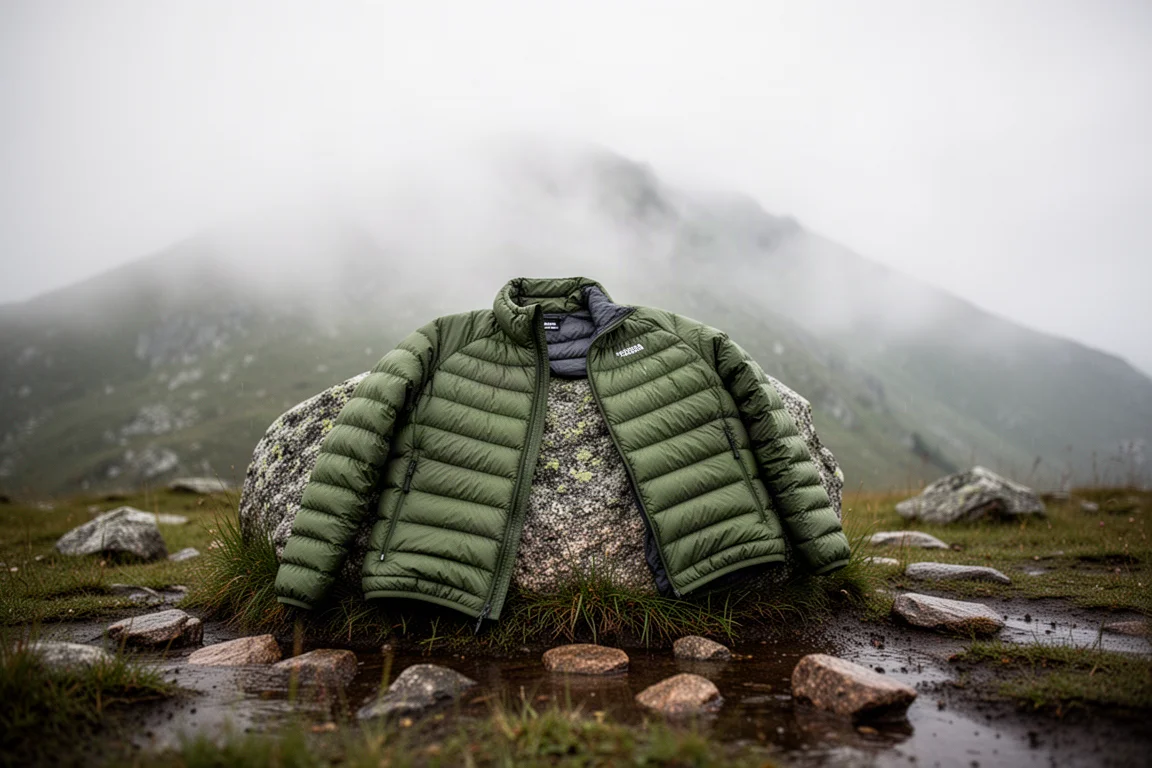
The shell is a 7 denier ripstop nylon, an unusually light fabric for an insulated jacket. That combination of synthetic fill and a very light shell is what the roughly $225 price buys.
Backpacking Quilts: Budget Down vs Ultralight Down
Both quilts here are down filled and both are built for backpacking. The price gap comes almost entirely from the materials.
Hammock Gear Econ Burrow Quilt
The Econ Burrow uses a 20 denier shell fabric and 800 fill power down. It weighs about 740 grams and costs roughly $228.
The heavier shell makes it the more durable of the two quilts, which matters if the quilt sees a lot of trips or rough handling.
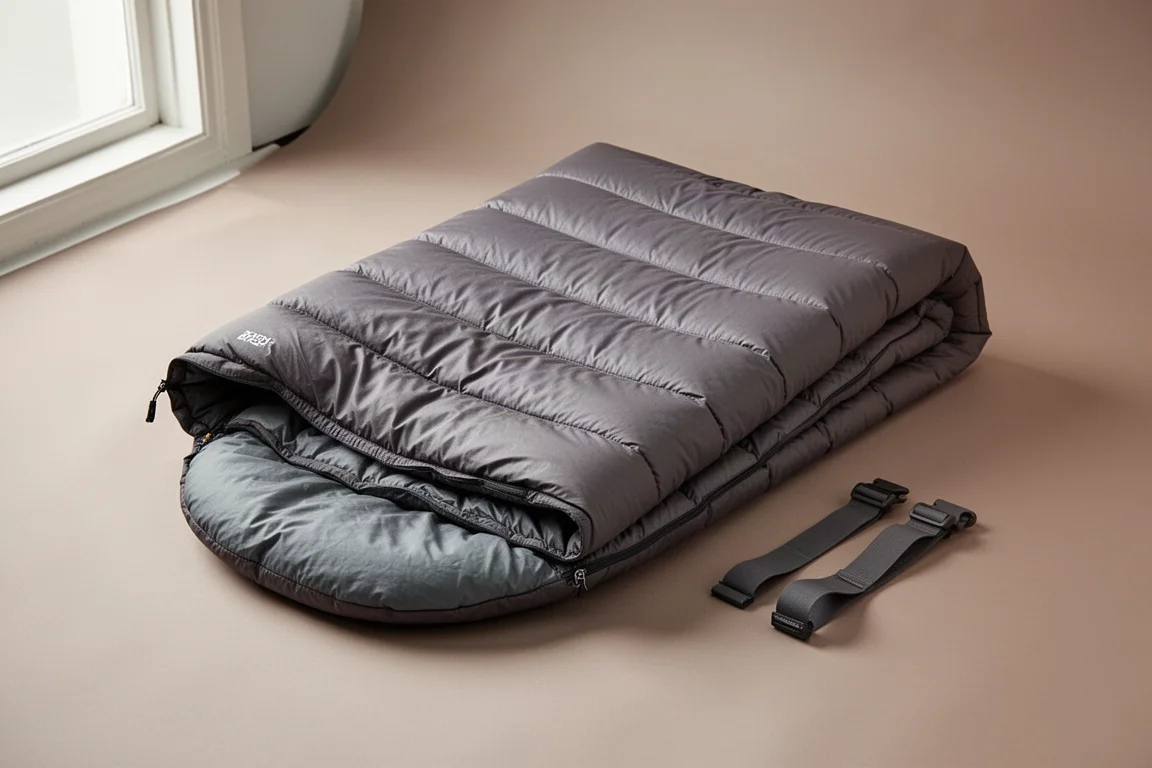
Enlightened Equipment Enigma Quilt
The Enigma uses 950 fill power down and a 7 denier shell fabric. That combination brings the weight down to about 520 grams, more than 200 grams lighter than the Econ Burrow, and makes it noticeably more compressible in a pack.
The trade-off is price and durability: the Enigma costs around $530, and its lighter shell is the less durable of the two.
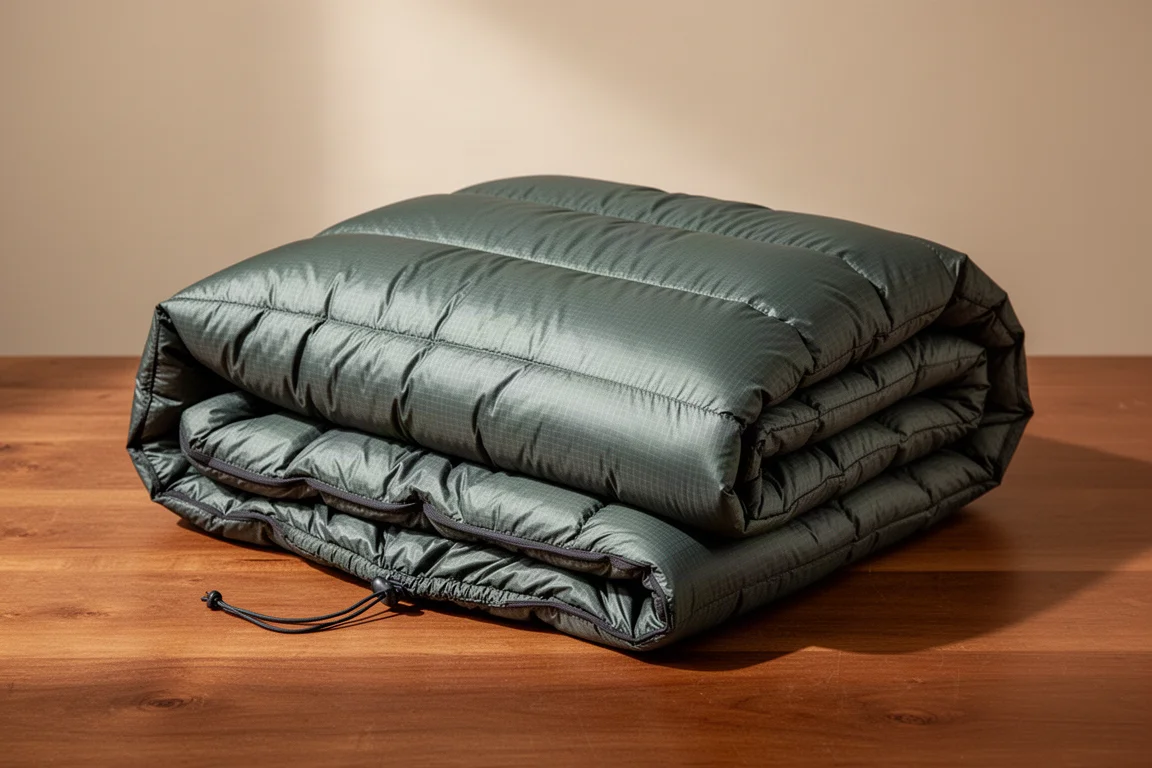
Sleeping Pads: Budget Comfort vs Cold-Weather Efficiency
A good budget sleeping pad is genuinely hard to find, because the more effective insulation technologies are technically difficult to manufacture and heavily patented. That is why the price gap in this category is so wide.
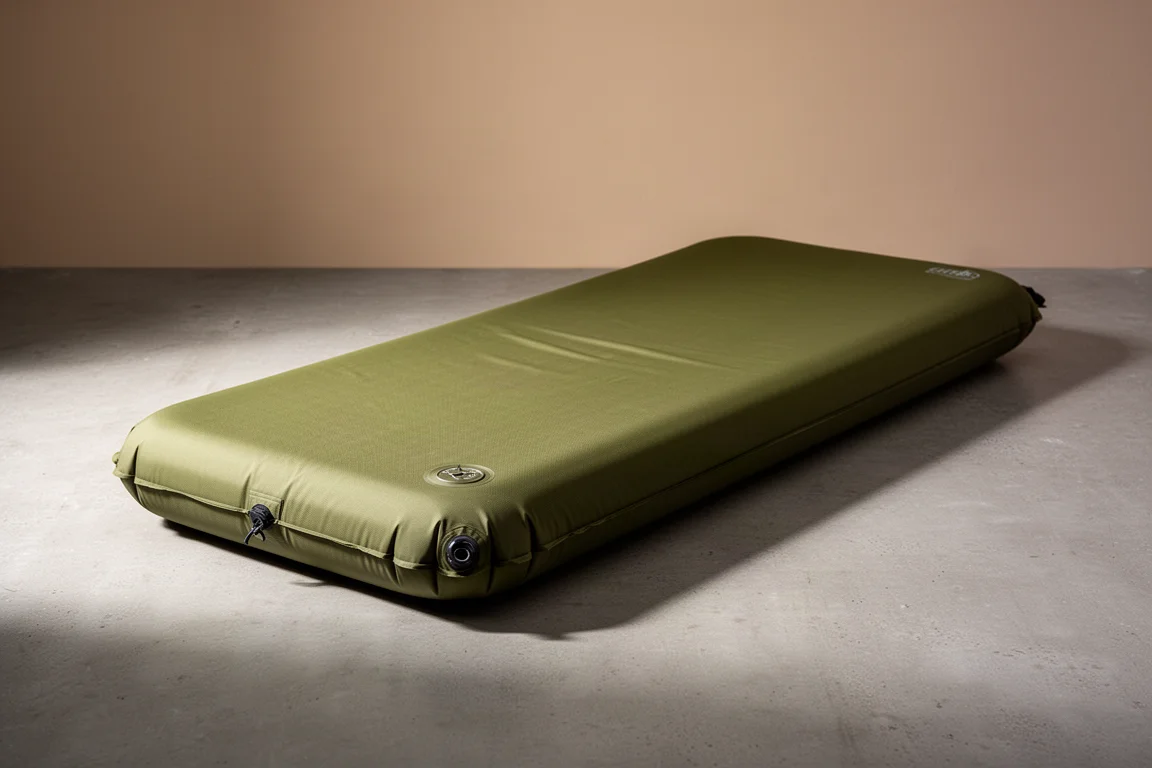
Paria Recharge XL
The Recharge XL uses synthetic fiber insulation and a 40 denier nylon shell, making it the more durable of the two pads. It weighs about 737 grams and costs roughly $90.
Its advertised R-value is high, though it does not appear to be tested to the ASTM standard. In practice it has been comfortable down to about freezing.
Therm-a-Rest NeoAir XLite
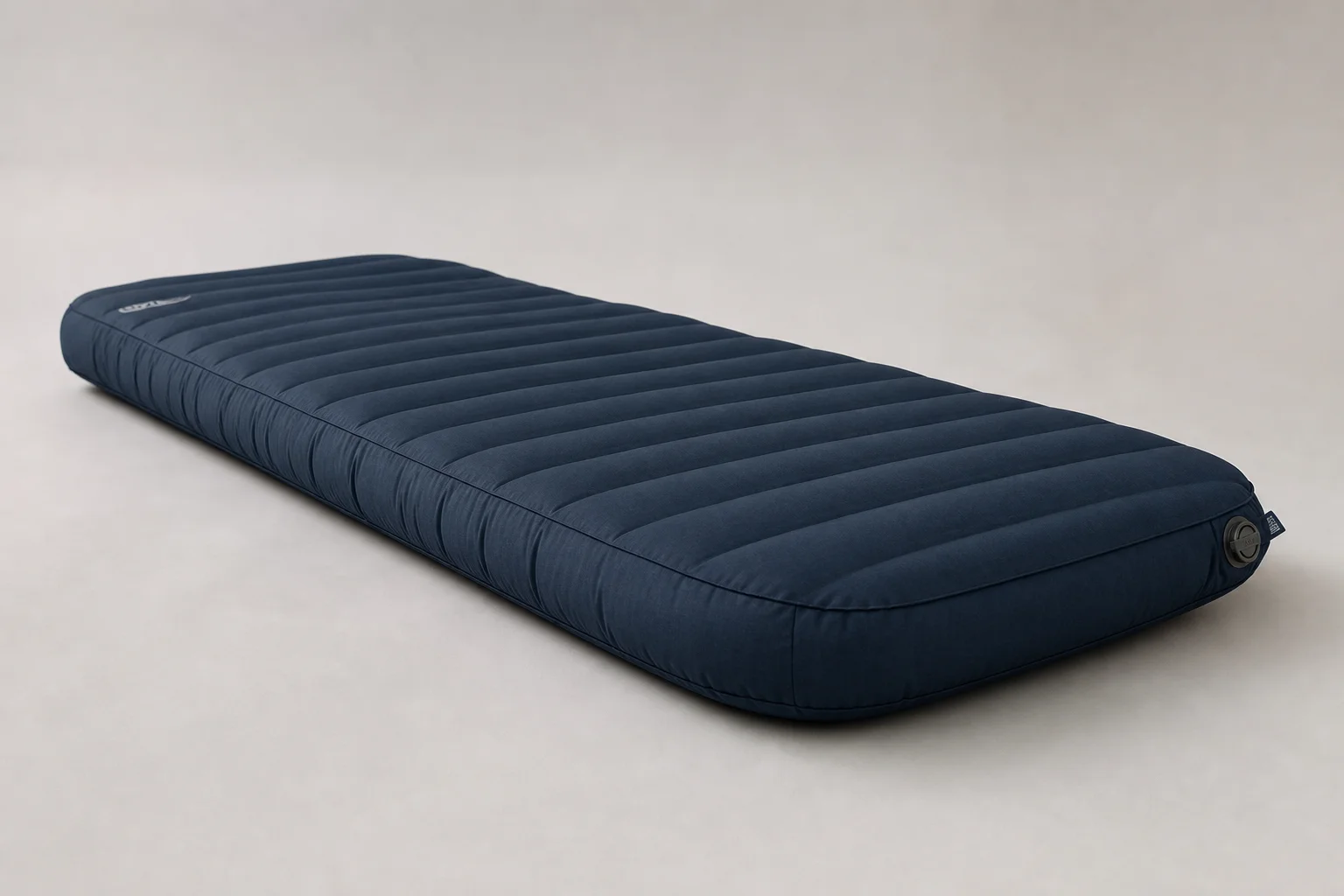
The XLite combines a Triangular Core Matrix construction with a reflective ThermaCapture mylar film that runs through the pad. Reflective film insulation is far more effective per gram than the synthetic insulation used in the Recharge XL.
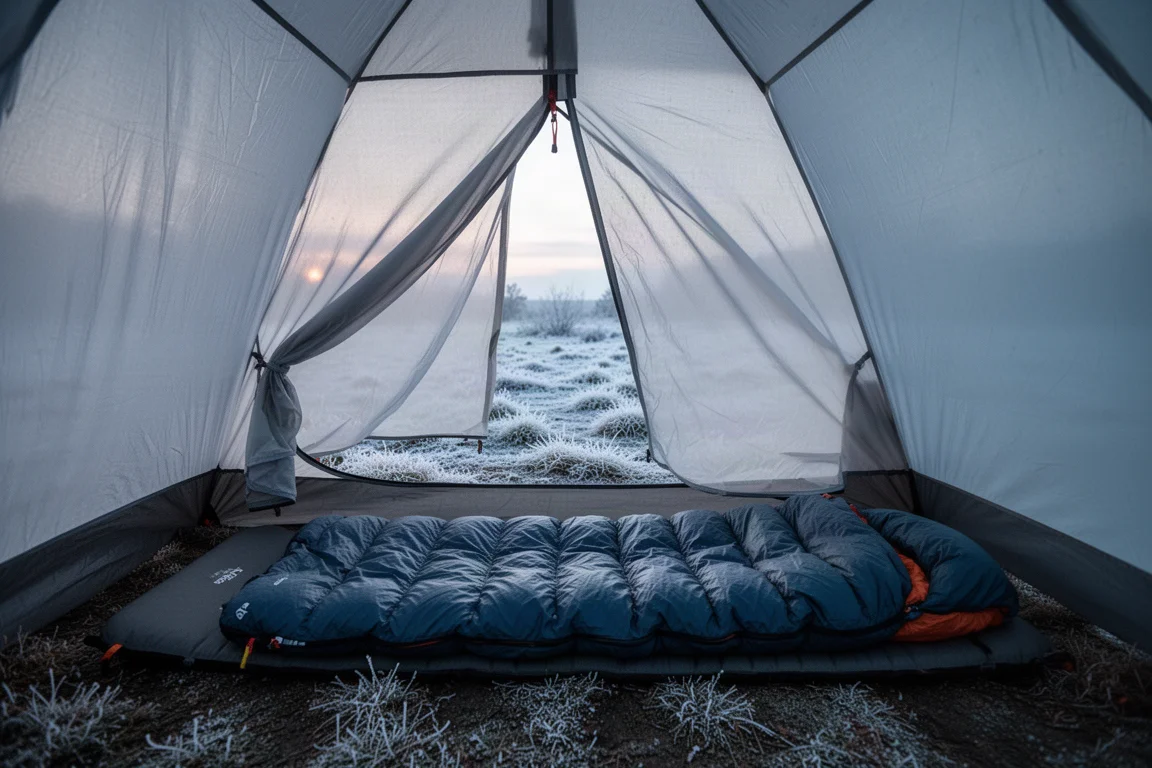
That efficiency is why the pad weighs only about 430 grams while staying comfortable at much lower temperatures, down to around 20 degrees Fahrenheit, or minus 6 degrees Celsius. It uses a 30 denier ripstop nylon shell and costs about $210, roughly double the Recharge XL.
Trekking Pole Shelters: Silnylon Value vs Dyneema Performance
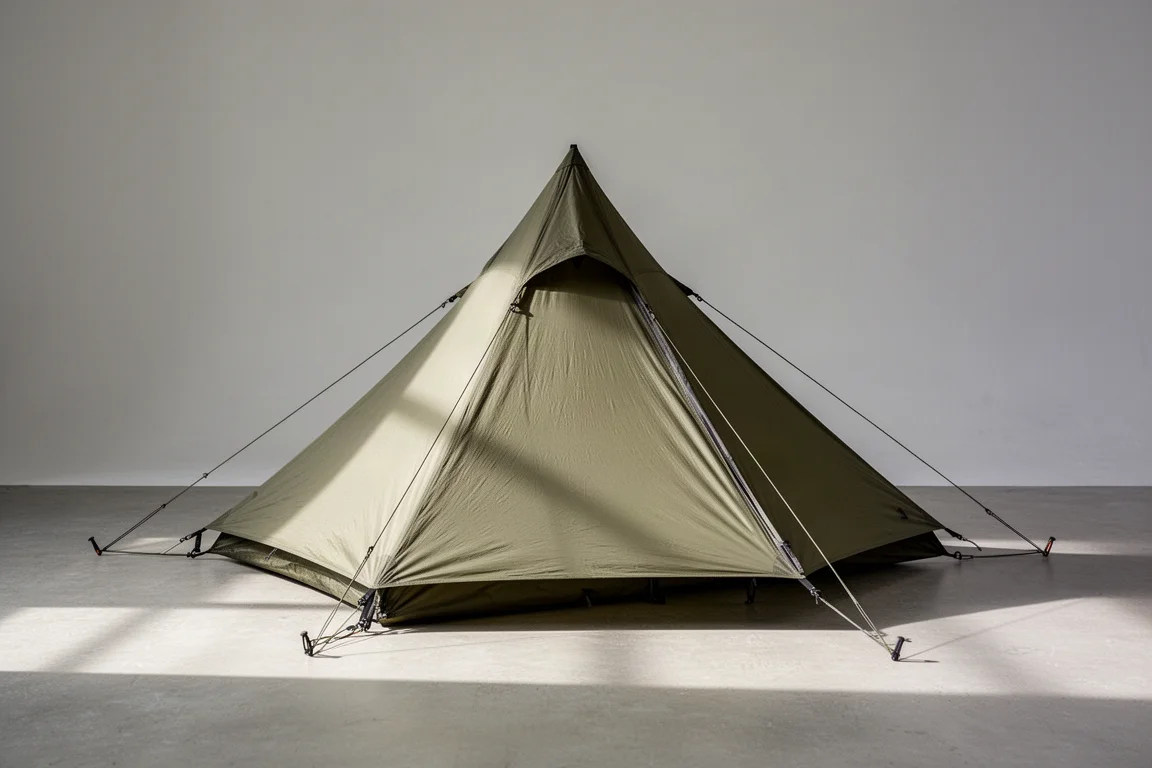
These two shelters are close to identical in shape and setup. Both are 230 centimeters long, both use a single trekking pole for structural support, both have one door and a single wall with no mesh liner, and both are pitched with the same number of stakes. The real difference is the fabric.
3F UL Gear Lanshan 1 Pro
The Lanshan 1 Pro is built from 20 denier silnylon and weighs about 690 grams. It costs around $150, roughly a quarter of the price of the Dyneema alternative.
Silnylon absorbs moisture, so the shelter packs heavier after rain or a night of high condensation, and it can sag when wet. It remains a capable single-pole shelter at a fraction of the cost.
Zpacks Altaplex
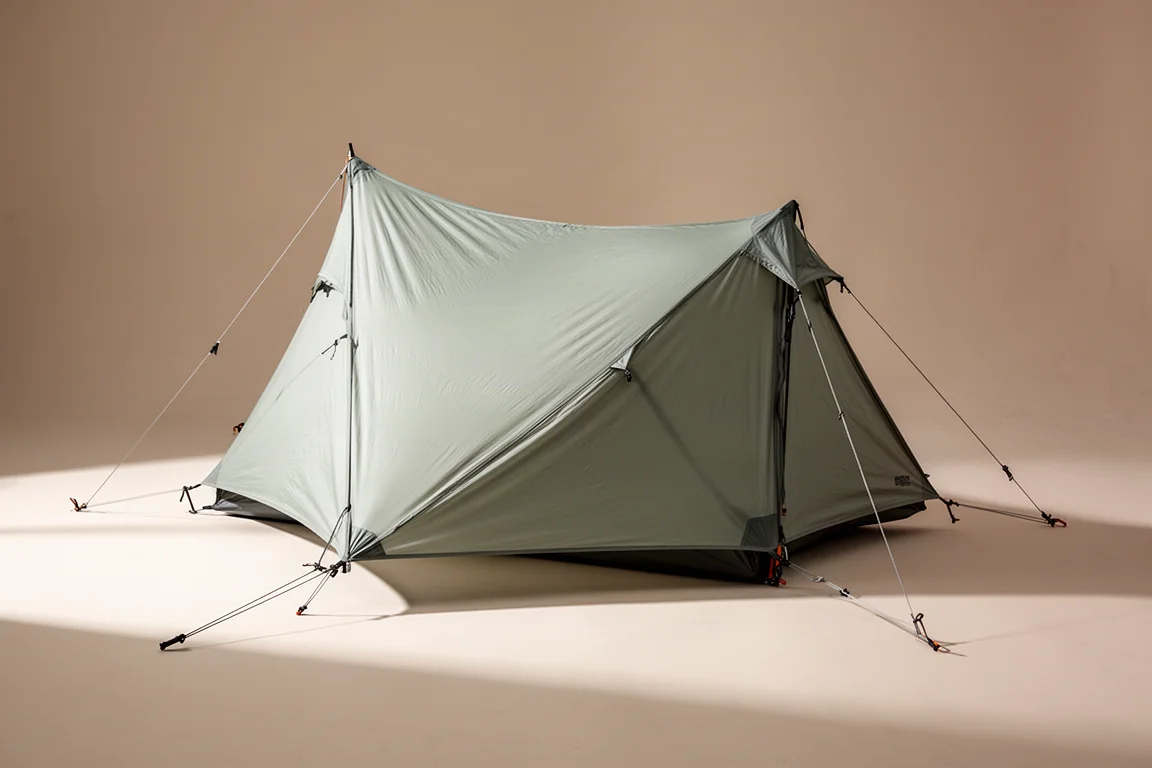
The Altaplex uses Dyneema fabric, which absorbs no moisture and does not sag when wet, so a damp pack-up does not add weight. The fabric is also more UV resistant and much easier to repair, since a patch simply sticks on, where patching silnylon is a more fiddly job.
The main reason most people choose Dyneema is weight. The Altaplex weighs about 457 grams, well under the Lanshan 1 Pro, and it costs around $625.
Buying Advice: Where to Spend and Where to Save
Spend on the items you use on every trip and that carry the biggest penalty when they are wrong. Save on the items where the budget version already does the job.
A sleeping pad is the clearest case for spending more. Reflective insulation is dramatically more efficient per gram, and the difference between comfortable at freezing and comfortable well below it changes how you sleep.
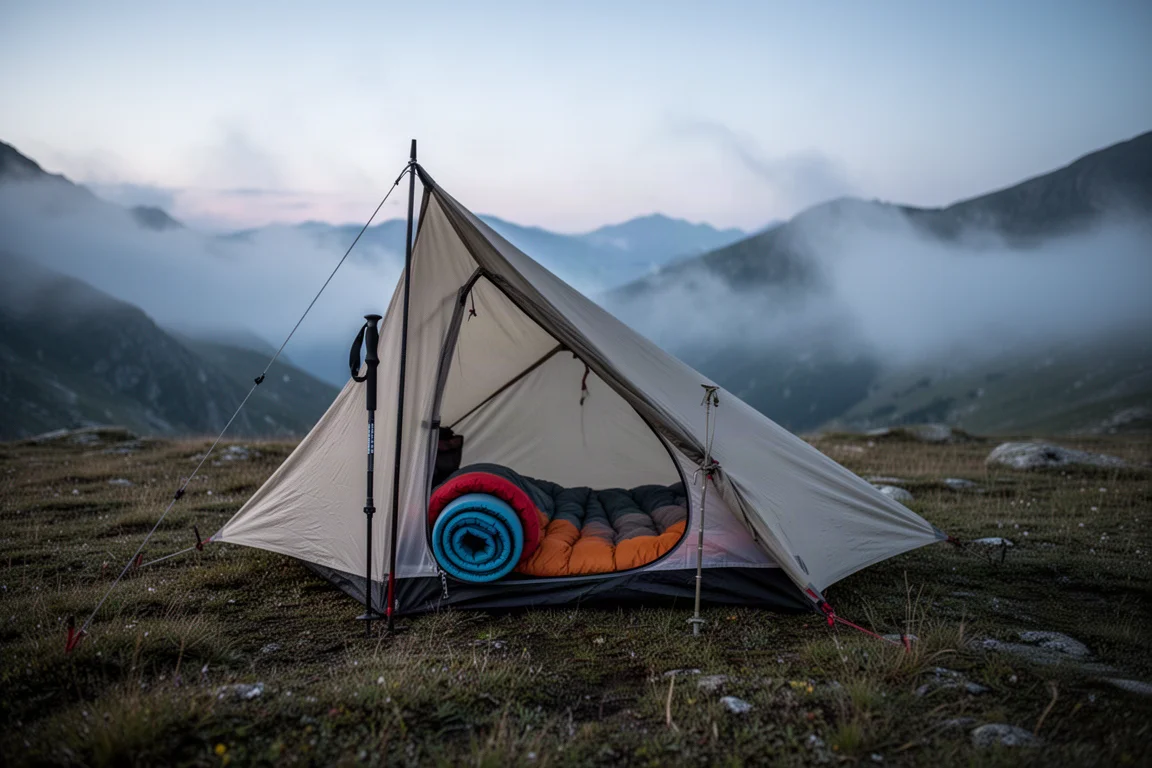
Shelters work differently. Dyneema brings real advantages in moisture management, UV resistance, and repairability, plus a substantial weight saving, but the price is more than four times higher. For most people the silnylon shelter is the better value.
Jackets and quilts sit in the middle. If you hike in humid or consistently wet conditions, synthetic insulation and a more durable shell are worth paying for. If your trips are drier and budget is the priority, the down options here keep you warm for far less.
Smartwatches are the simplest call of all. If you need on-device mapping and music from your wrist, the premium model earns its price. If you mainly want workout, run, sleep, and calorie tracking, the more rugged watch with longer battery life covers it for about half the cost.
Conclusion
The premium gear in this comparison is genuinely better: lighter, more weather resistant, and more feature rich. What it is not is necessary for most backpacking trips.
The budget picks here cover the same core jobs. The Trek 100 keeps you warm for around $90, the Recharge XL sleeps comfortably down to freezing, the Lanshan 1 Pro is a functional single-pole shelter at roughly a quarter of the Dyneema price, the Econ Burrow is the more durable quilt, and the Instinct Solar handles everyday tracking with longer battery life. Choose based on the conditions you actually hike in, and put the savings into the trips themselves.
Further reading
Related Reviews

Backpacking Gear
Building a 10 lb Base Weight: An Ultralight Backpacking Gear List
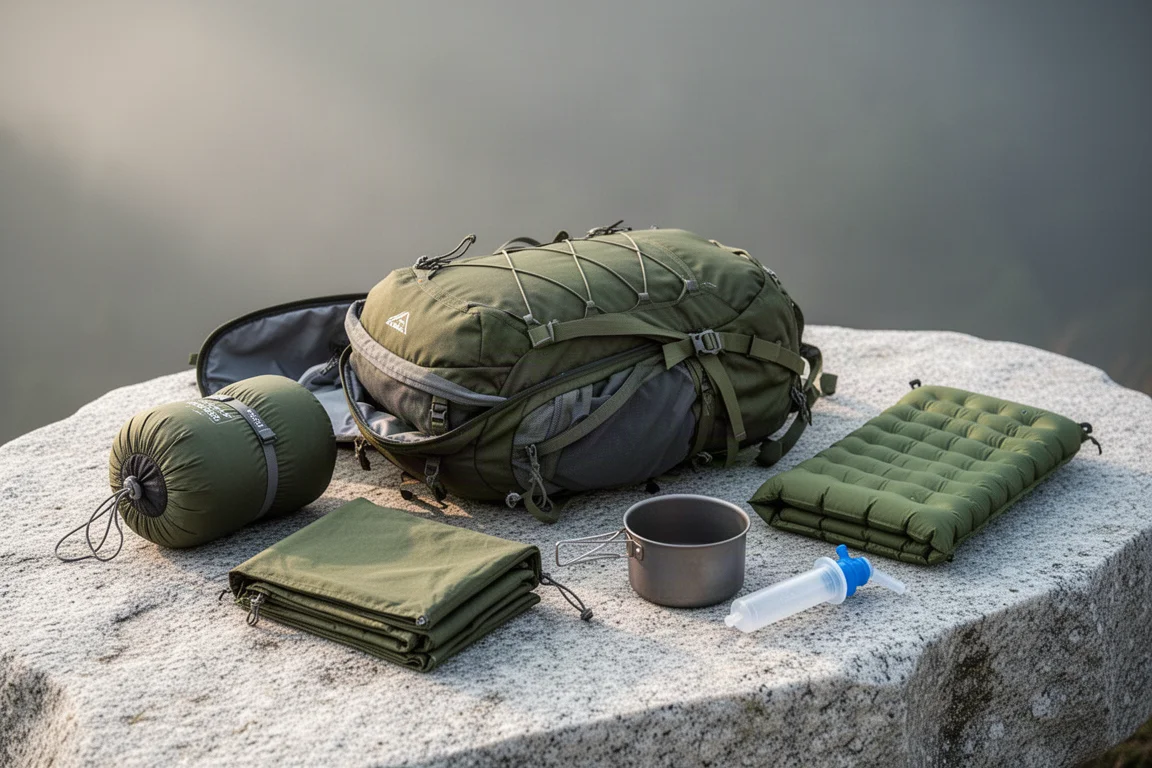
A practical walkthrough of the ultralight pieces behind a 10 lb base weight, from a 765 g pack and a roomy one-person tent to a full camp chair and a dependable water filter.
Backpacking Gear
A 15-Pound Lightweight Backpacking Gear List for Solo Trips
A beginner-friendly 15-pound backpacking setup built from easy-to-find gear, with notes on what each piece does, how it packs, and where to spend your attention.
Backpacking Gear
8 Ultralight Backpacking Gear Upgrades Worth Carrying
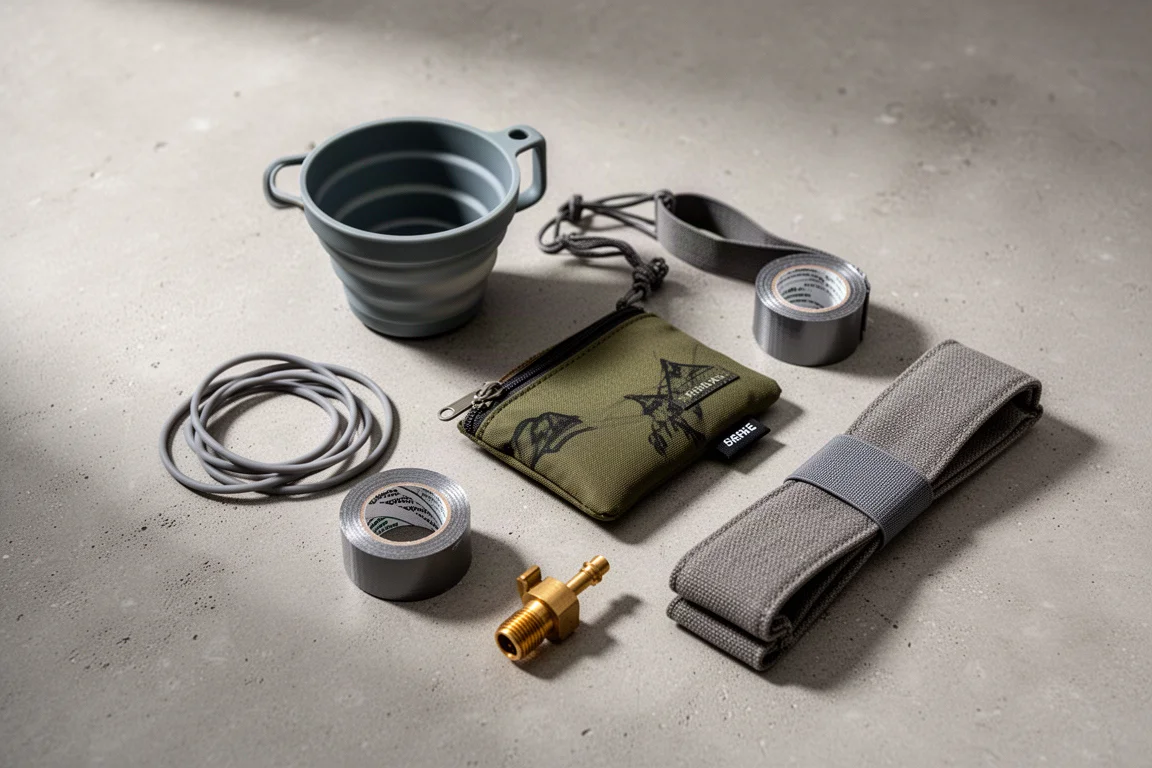
Eight small, affordable backpacking upgrades that solve real trail annoyances, from a pillow that stays put to a fuel valve that rescues leftover canister gas.