Emergency Shelters
Adventure Supply Company Mylar Tent and Bivvy Combo Kit Review: A $23 Emergency Shelter With Real Limits
A field-tested look at the Adventure Supply Company mylar tent and bivvy combo kit: what it does well, where it falls short, and who should carry one.
Introduction
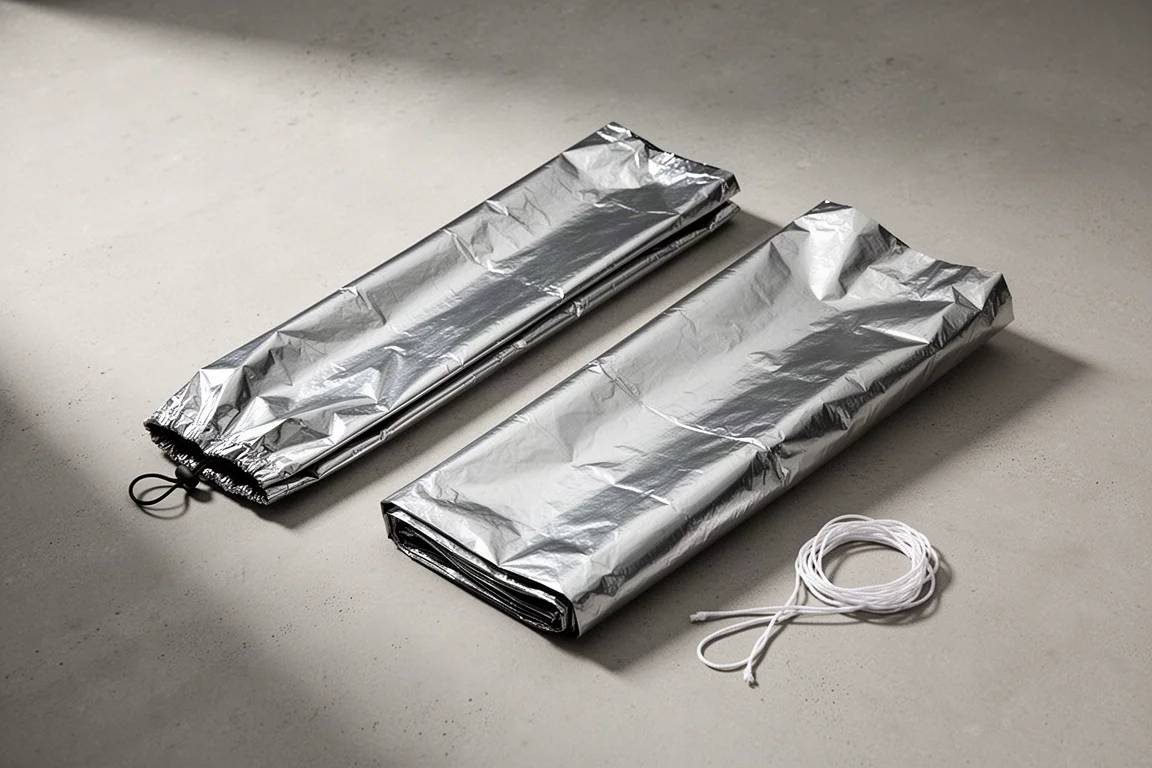
Emergency shelters are a category where the marketing tends to run well ahead of what the product can actually do, and the Adventure Supply Company Mylar Tent and Bivvy Combo Kit is a clear example. The kit costs about $23 and arrives as two folded pieces of reflective mylar: a shelter that the packaging calls a tent, and a sleeping-bag style bivvy.
The pitch is simple. A day hiker carries a small, light, inexpensive item that can provide wind and rain protection if plans go wrong and the walk out turns into an unplanned night in the forest. That is a reasonable thing to want, and it is why mylar products sell in enormous numbers every year.
The real question is how much shelter $23 of mylar actually buys. This review covers what the kit does well, where it falls short in the field, and how to decide whether one belongs in your pack.

The short version: the kit is genuinely waterproof and windproof, it packs down small before its first use, and it costs very little. It is also awkward to pitch, prone to heavy condensation, and only reliably warm down to roughly 50°F.
Who This Kit Is For
The strongest case for this kit is the one it is sold on. A day hiker, a trail runner, or anyone on a short outing who wants a compact emergency layer at minimal cost and weight can carry it without noticing it. In mild, dry, breezy conditions it does the two things mylar is good at: it blocks wind and it reflects heat back toward the body.
It also suits someone who already understands the limits of the material. If you treat the kit as a reflective shell that buys time and blocks weather rather than as a complete shelter, the value proposition holds up better.
It is a weaker fit for cold-weather trips, wet climates, or anyone who expects a shelter they can pitch and sleep in comfortably. The bivvy is long but not especially wide, so larger users may find it tight. And because the material offers no insulation, warmth depends heavily on what you put between yourself and the ground.
Main Strengths
The kit’s core strengths come from the material itself. Mylar is waterproof and windproof, so it stops rain and cuts the wind that would otherwise strip heat from your body. It is also reflective, which means it can send a share of your body heat back toward you when the sheet sits close to your skin.
Cost and packability are the other two wins. At around $23 the kit is an inexpensive way to add a weatherproof layer to a day pack, and before its first use it folds into a small, light bundle that is easy to forget about.
There is also an unexpected bright spot in how the pieces can be used. In field use, the tent body performed noticeably better when it was simply draped over the user like a blanket than when it was pitched as designed. The bivvy is generously long as well, which helps taller users get their legs inside.
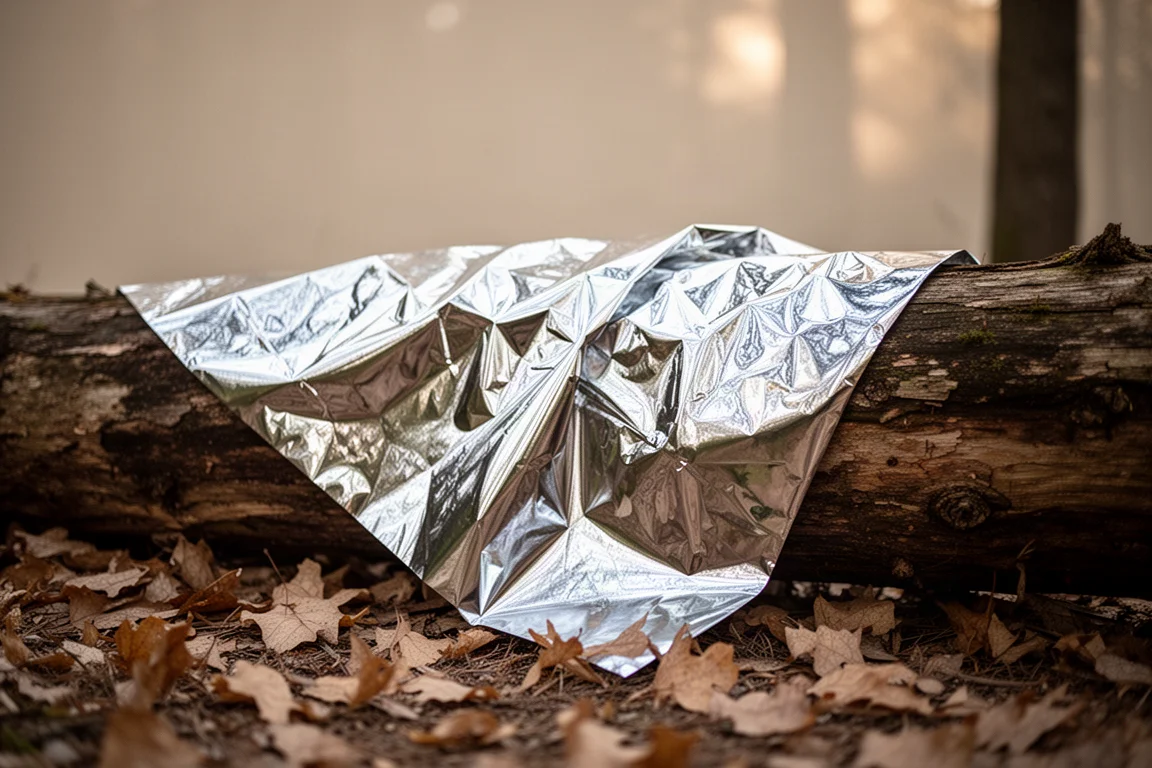
Flexibility matters here. A shelter that can serve as a draped reflective layer, a windbreak, or simple overhead cover is more useful than one that only works in a single configuration.
Things to Consider Before Buying
The biggest issue is that the tent is not really a tent. Both ends are open, which makes it closer to an open-ended bag than an enclosed shelter. It ships with cordage but has no tie-off points and no stakeout points, so setup options are limited and improvised.
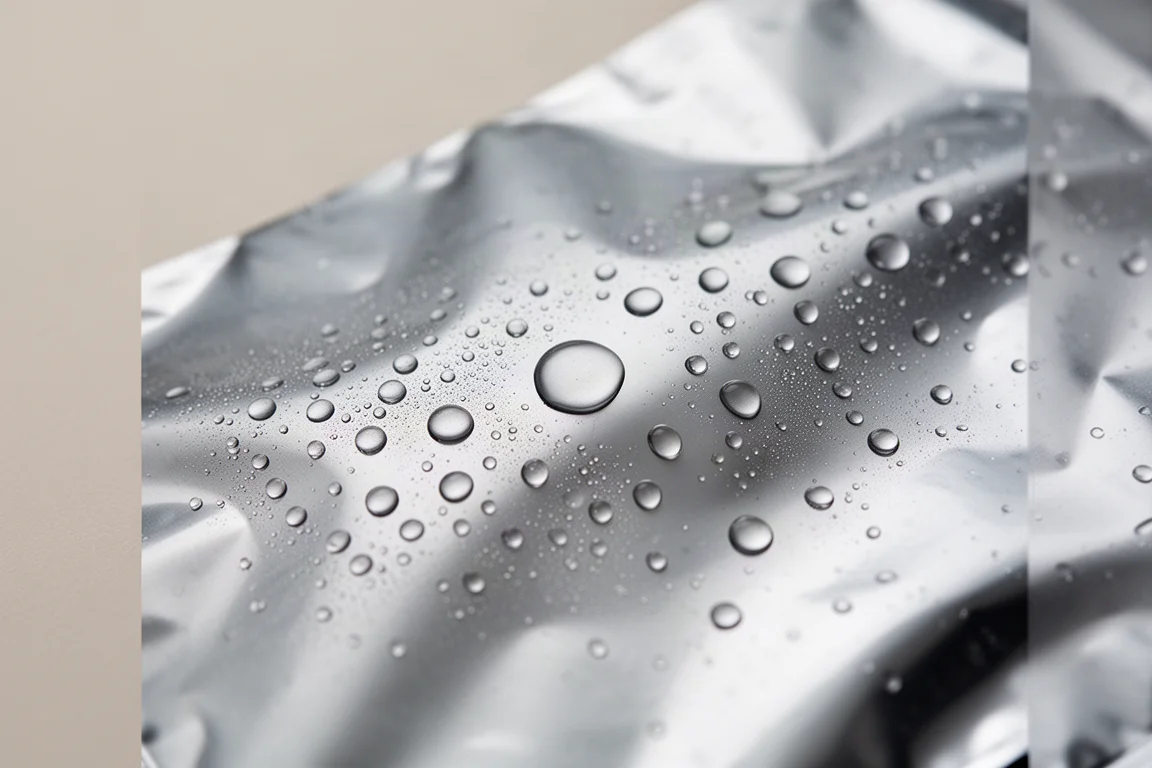
Condensation is the second problem, and it is a direct consequence of the material. Mylar is not breathable, so the only airflow comes from whatever opening you leave. Inside the bivvy, moisture builds quickly; in testing it took only about 40 minutes for legs to feel damp, which is the point at which the product starts working against you. Being cold is uncomfortable. Being cold and wet is dangerous, and that trade-off is the reason the bivvy had to come off.
Durability is another concern. The material is fragile and developed sizable holes after a single night of use. It offers no bug protection at all, so insects can enter freely. It also has a strong chemical smell when first unpacked, and once the kit is opened it will never return to its original compact size.
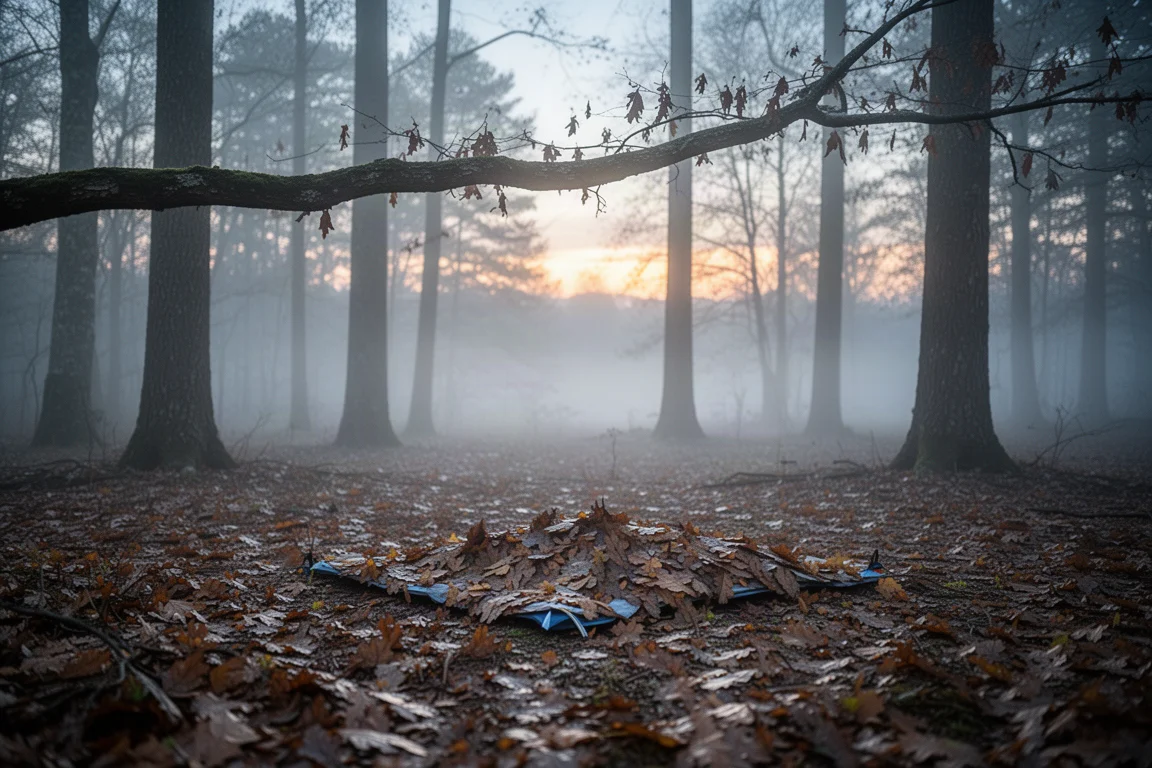
Finally, consider what the kit does not include. There is no insulation and no ground barrier, so cold seeps up through the material from below. Natural insulation such as dry leaves helps, but on snow or frozen ground you would need to build something yourself.
How Mylar Shelters Actually Perform
Mylar has a long history, and it helps to separate the material from the marketing around it. It is essentially a thin plastic film with an aluminium layer on one side, developed in the 1950s by DuPont and later used on the space shuttle and on Skylab, where it reflected heat to keep the station from overheating.
That history is real. What it does not mean is that mylar is a magic survival material. It reflects heat rather than insulating, and reflection only works in specific conditions.
Manufacturers often claim that these shelters reflect 80 to 90 percent of radiant heat. The human body only loses about half of its heat through radiation, so the practical benefit is closer to 40 percent of total heat loss. That figure shrinks further when you are already cold, because a cold body is not radiating much heat to reflect in the first place.
There is also a practical distance problem. Mylar reflects best when it sits close to the skin. A large open space between your body and the material reduces the effect, which is one reason a draped sheet can outperform a loosely pitched shelter.
Setup Notes and Real-World Use
Setting the kit up takes patience. With no attachment points, one end was sealed with rocks and the material tied off with a piece of wood, and the open end was angled away from the breeze so wind would not push air inside. It works, but it is improvised rather than designed.
Once inside, managing moisture becomes the main job. Keeping your head toward the opening helps, and shifting position periodically prevents condensation from building on one side. The tent handled this better than the bivvy, which needed to be removed before it soaked through.
Warmth management matters just as much. Eating a little food slowly through the night gives the body something to digest and generate heat from. If you cannot find insulation for the ground, sitting up rather than lying down keeps you off the cold surface. Light movement, such as a set of push-ups, can restore warmth when you start to cool. And the mental side is not a small detail: focusing on getting through the night, using the gear you have, and avoiding wasted energy is what carries most people to morning.
Buying Advice
Buy this kit for what it is, not for what the packaging claims. It is a low-cost, lightweight, waterproof and windproof reflective layer that can serve as a windbreak, a draped heat reflector, or basic overhead cover in mild conditions. Used that way, it is a sensible piece of insurance to keep in a day pack.
Do not treat it as a complete shelter system. Pair it with an insulation layer, a ground barrier, and bug protection if you expect to spend a night out. Plan for temperatures around 50°F and above, since performance drops noticeably below that. And be aware of the condensation cycle: use the bivvy for short periods, keep the opening clear, and get out before you get damp.
One more point worth remembering: mylar reflects heat, so it works best when your body is still producing heat. In a genuine hypothermia situation, when the body is no longer generating much warmth, a reflective sheet has very little to reflect. That is not a reason to avoid mylar; it is a reason to understand where its limits sit.
If your priority is a shelter you can pitch reliably and sleep in comfortably, look at other options, including other mylar designs. If your priority is a $23 emergency layer that weighs almost nothing, this kit can earn its place in the bottom of a pack.
Conclusion
The Adventure Supply Company Mylar Tent and Bivvy Combo Kit gets the material right and the design wrong. It is waterproof, windproof, reflective, inexpensive, and easy to carry, and those are real advantages for a day hiker who wants a backup layer.
Against that, the tent is open on both ends, there are no tie-off or stakeout points, the material tears easily, condensation builds fast, insects get in, and useful warmth stops around 50°F. It is best understood as a reflective weather shell rather than a tent, and it rewards a buyer who plans around its limits instead of trusting the label.
Product link
View more details for Adventure Supply Company Mylar Tent and Bivvy Combo Kit
This product is mentioned in the review. Check the specifications, options, and compatibility before buying.
View more details for Adventure Supply Company Mylar Tent and Bivvy Combo KitFurther reading
Related Reviews
Emergency Shelters
Aqua Quest Survivor Emergency Tarp Review: A High-Visibility Shelter Built for Hard Weather
A 10 x 10 ripstop nylon emergency tarp with taped seams, a 5,000 mm hydrostatic head rating, 19 tie-out points, and reflective trim, tested through winter storms and driving rain.
Emergency Shelters
F Raven Wind Sack 3 Review: A $150 Emergency Shelter That Struggles in Real Weather
A field-focused look at the F Raven Wind Sack 3, covering wind and rain performance, condensation, setup limits, and whether it earns its price.
Emergency Shelters
Terra Nova Bothy Bag and Fjallraven Windsack 3: Two Emergency Shelters Tested in Wind and Rain
A wet, windy field test of the Terra Nova Bothy Bag alongside notes on the Fjallraven Windsack 3, covering condensation, ventilation, comfort, and when an emergency shelter is worth carrying.