Astrophotography
Advanced Astrophotography Upgrades: Taking Your Imaging Rig to the Next Level
From auto focusers to fast f2 optics and high-speed filters, these upgrades turn a basic imaging setup into a serious advanced astrophotography rig.
Introduction
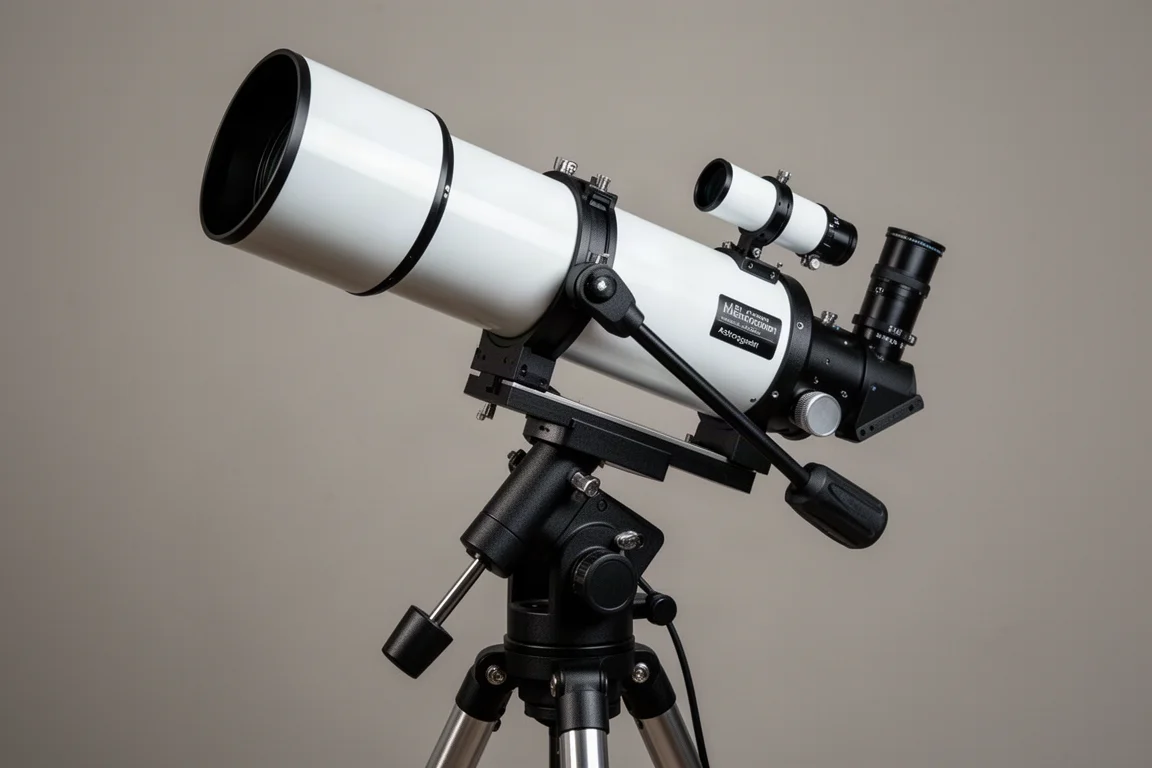
Moving from a beginner or intermediate setup into what experienced imagers call an advanced imaging rig is less about buying one magic component and more about building a system. Each upgrade below solves a specific problem: sharper stars, steadier tracking, cleaner signal, or faster acquisition of the data you need. Here is how the upgrades stack up, from solid automation improvements to the fast optics and filters that define expert-level deep sky work.
Start With Automation: Electronic Auto Focusers and Guiding
An electronic auto focuser earns its place on any advanced shortlist. Being able to remotely control and schedule your autofocus routine is a huge advantage over manually checking a Bahtinov mask, and it produces surprisingly sharper stars than a mask ever will. As far as automation is concerned, it is a complete game changer.
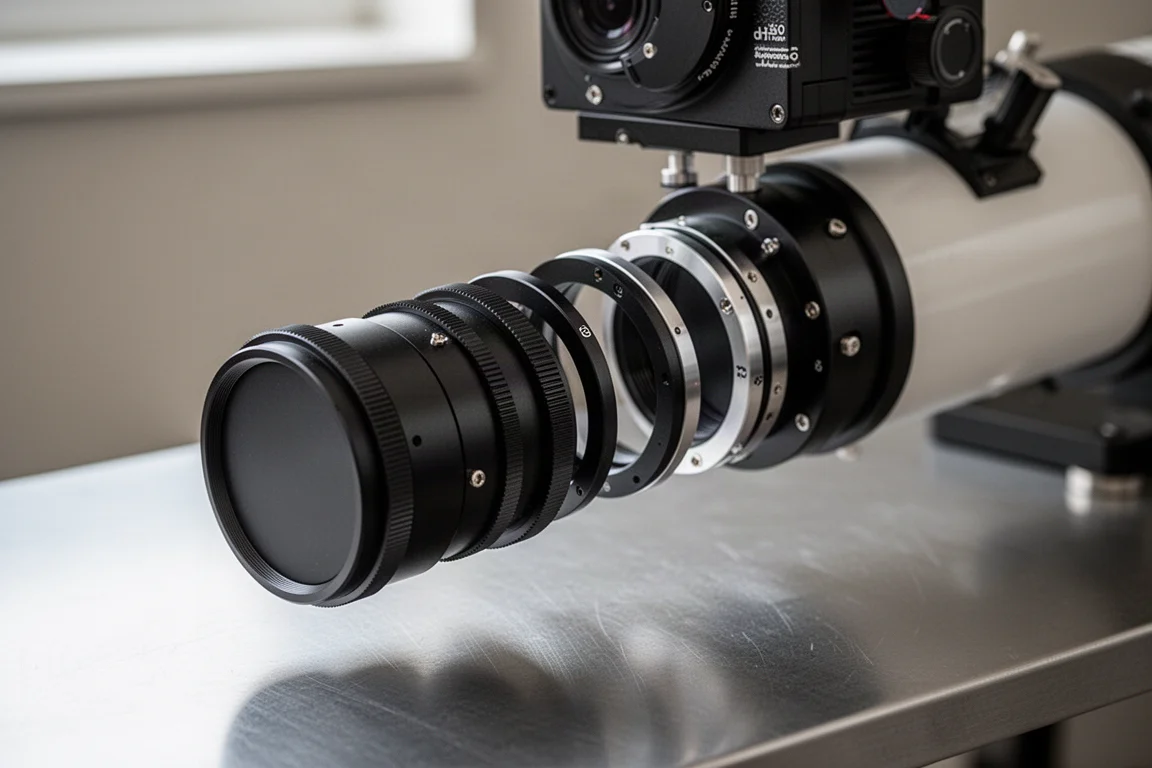
Next comes the off-axis guider, or OAG. This becomes absolutely necessary once you start imaging with longer focal length telescopes, because it eliminates a problem known as differential flexure. The issue comes down to the ratio between the focal lengths of your guide scope and your imaging scope, which can cause guiding problems as focal length grows. A useful bonus: if your imaging train is spaced properly, an OAG can move directly from one scope to another. Back focus requirements must be equal between the two telescopes, and the standard is about 55 millimeters. OAGs are not only for long focal length instruments either; they also work really well with refractors and short focal length Newtonians.
A Bigger, More Capable Equatorial Mount
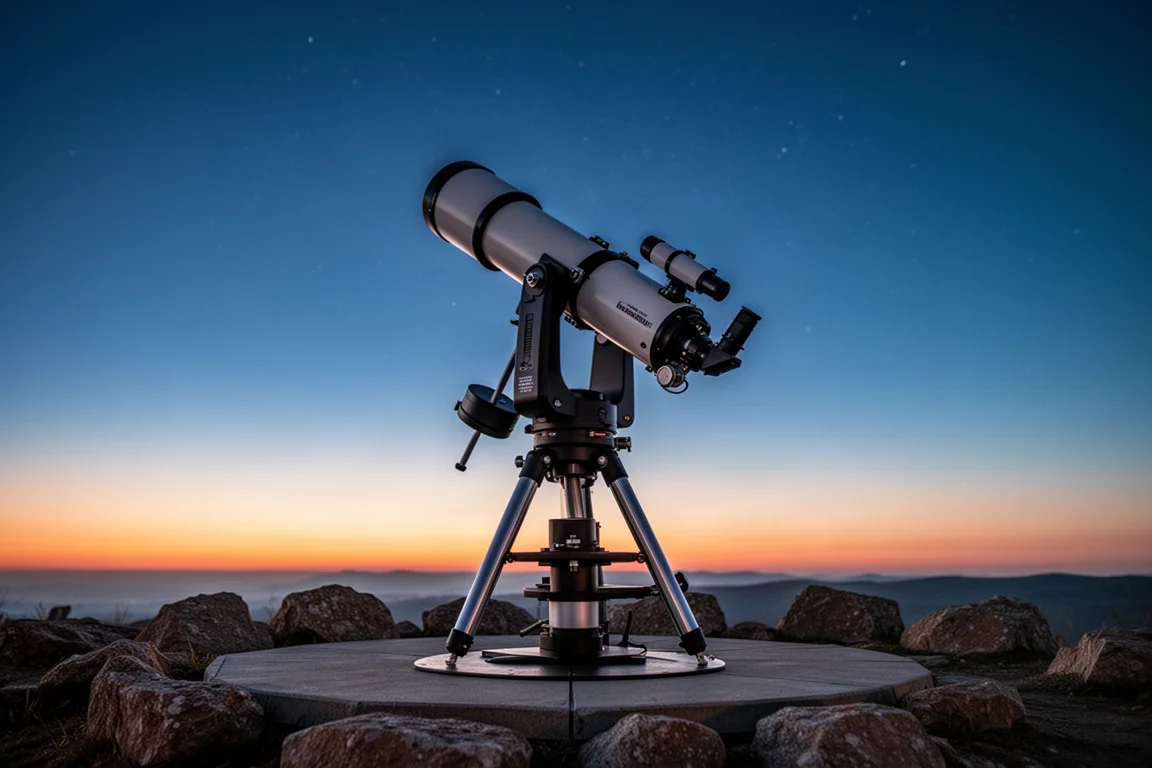
As you progress into advanced astrophotography, you will inevitably own more than one scope, and larger telescopes demand better tracking accuracy. Imaging with a 10-inch Newtonian or a 10-inch RC definitely requires an equatorial mount with a weight capacity of 45 pounds or more. Without that extra payload capacity, consistent guiding results simply are not going to happen. Treat the mount as the foundation of the entire rig.
More Aperture, Longer Focal Length
Once the mount is sorted, a larger aperture telescope with a longer focal length is the natural next step. A larger lens or mirror delivers higher resolution and more light-gathering power. Increasing aperture increases your signal-to-noise ratio, and the difference between a single sub exposure through a 10-inch Newtonian and a three-and-a-half-inch refractor is absolutely staggering. If you want to get up close and personal with nebular detail and galaxies, more aperture is key, provided your mount can carry it.
The Biggest Single Upgrade: A Dedicated Monochrome Camera
The top recommended upgrade into the advanced category is a dedicated monochrome camera. Because monochrome sensors do not have an integrated Bayer matrix, they capture more light and resolve more detail than a one-shot color camera, where each individual pixel is layered with a red, green, or blue filter. That is the number one reason to choose monochrome for advanced work. Monochrome cameras are also highly versatile when it comes to narrowband imaging and post-processing.
Going Further: Upgrades for Expert Imagers
If the list above feels like old news, three expert-level upgrades take things further. First, a pier or an observatory. Imagine walking outside, pulling the cover off your pier, hitting run sequence, and being up and imaging for the night. No more setting up and tearing down every imaging session. It saves an enormous amount of time.
Second, 3 nanometer filters. A tighter bandpass allows better transmission in the wavelengths that matter, namely hydrogen alpha, oxygen 3, and sulfur 2. The result is increased contrast, reduced light pollution gradients, and smaller stars, all while maximizing detail. Pricey? Yes. But if you are in this for the long haul, absolutely worth it.
Third, larger and faster optics. A fast telescope, meaning a focal ratio of f2, f3, or f4, increases light gathering capabilities over a telescope of the same size at f8 or f10. If you choose a fast focal ratio instrument such as a Celestron RASA, a HyperStar attachment for your SCT, or an f4 Newtonian, you will want to think carefully about high-speed filters, particularly narrowband ones.
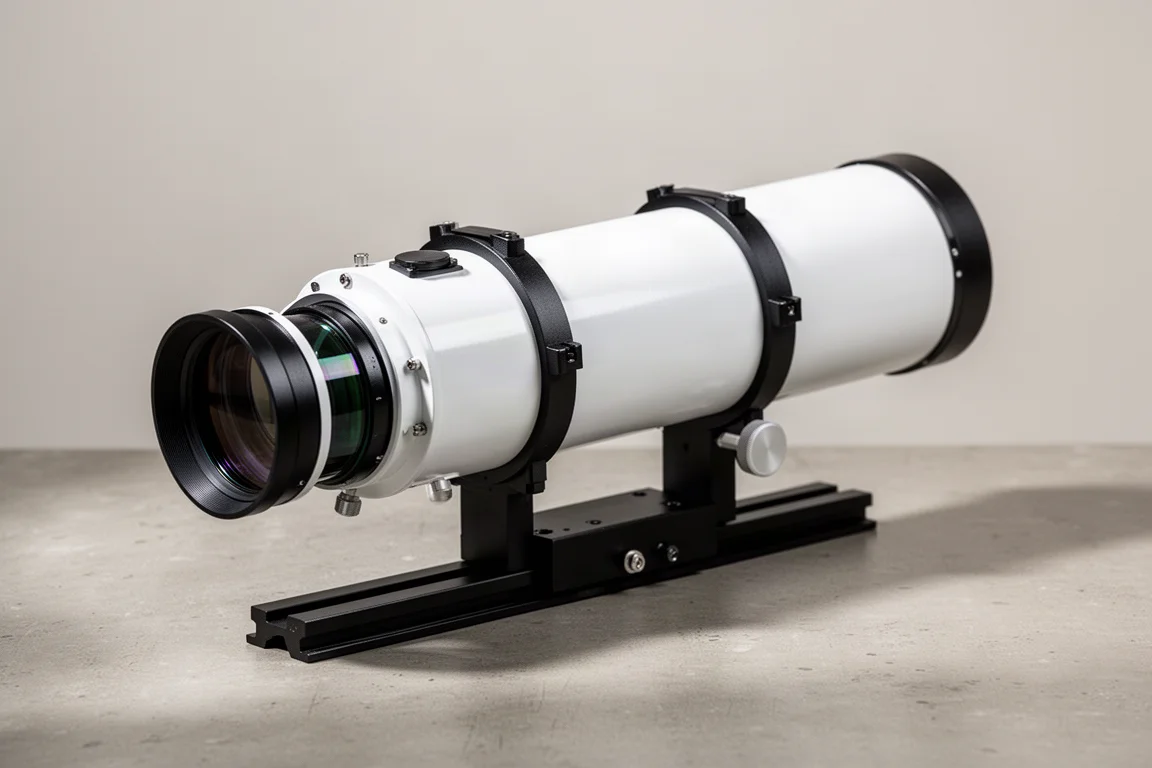
Celestron RASA
The Celestron RASA is the flagship example of fast astrograph design, purpose-built for wide-field imaging at extremely fast focal ratios. Its optical system is exactly the kind of platform where filter choice starts to matter, because ordinary narrowband filters are not designed for such steep light cones.
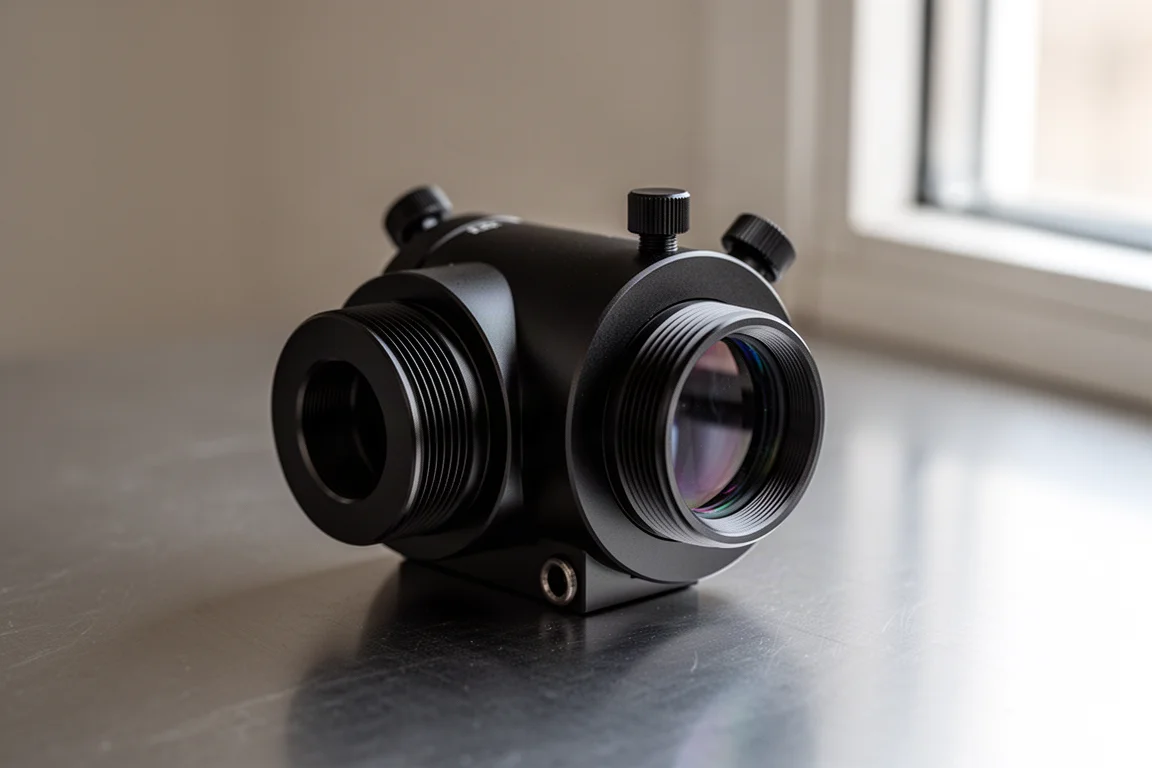
HyperStar
The HyperStar attachment converts a compatible SCT into a fast imaging system, trading the long native focal ratio for a dramatically faster one. It is an appealing route for imagers who already own an SCT and want much shorter exposure times without buying a dedicated fast astrograph.
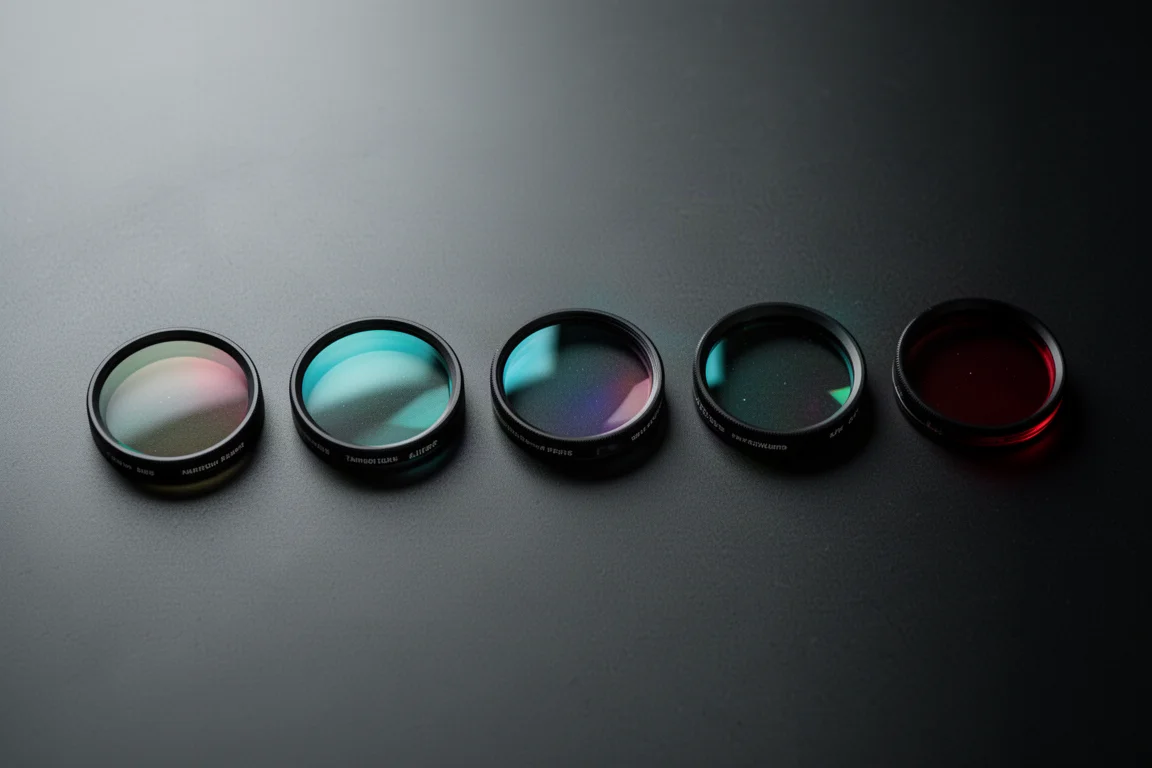
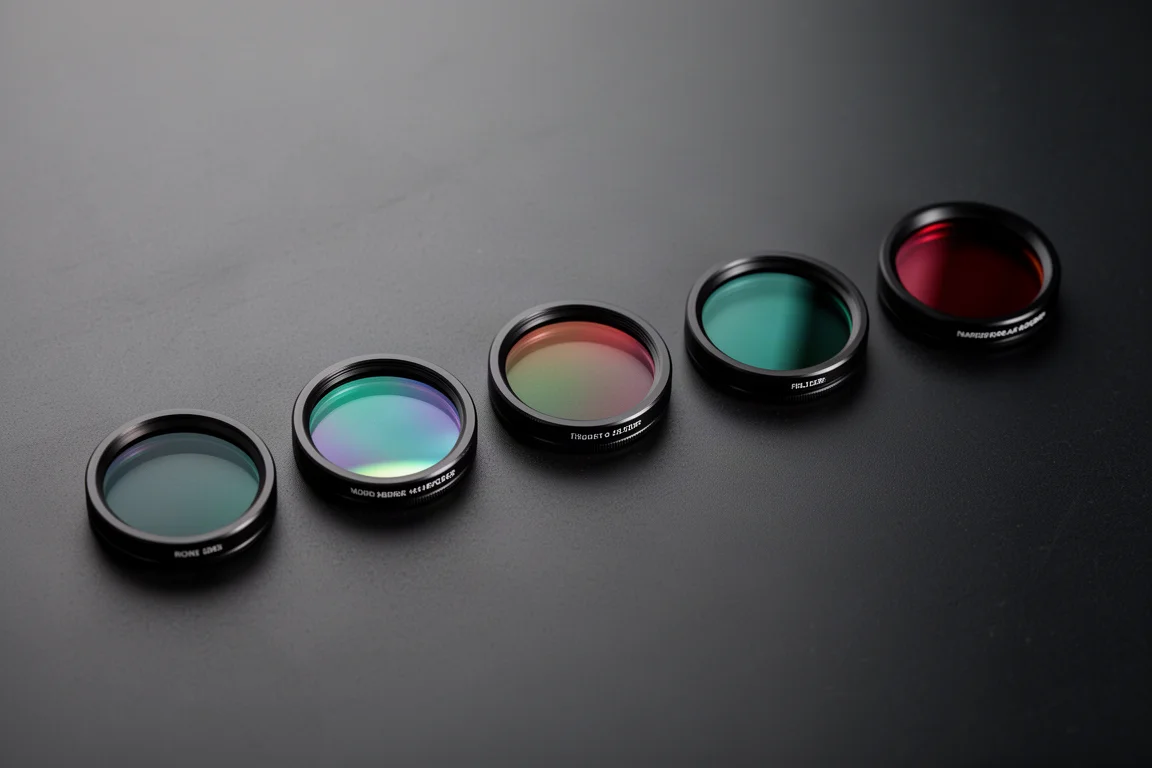
Baader F2 High-Speed Filter Sets
Telescopes at f4 are fine with 3 and 5 nanometer filters, but if you really want to run faster optics at f2 or f3, you need dedicated high-speed filters. The Baader F2 high-speed filter sets are fantastic for Celestron RASAs and HyperStar attachments, matching the filters to the fast optical geometry so narrowband data stays clean at extreme speeds.
Buying Advice
Work through these upgrades in order of impact on your actual images. Automation tools like an auto focuser and an OAG improve every session immediately. The mount and aperture determine what you can reliably image at all. A monochrome camera unlocks the most image quality per exposure. And once you commit to fast optics, pair the platform with filters designed for that speed rather than forcing standard narrowband filters into a role they were never built for.
Conclusion
An advanced imaging rig is built one deliberate upgrade at a time: automate focus, guide through the imaging train, invest in the mount, gather more light with aperture, and switch to monochrome. For those already there, a pier, 3nm filters, and fast optics like the Celestron RASA or HyperStar with properly matched Baader F2 filters push the ceiling even higher. Clear skies.
Further reading
Related Reviews
Astrophotography
ASKAR FRA400C Review: A Versatile 400mm Refractor for Astrophotography and More
The ASKAR FRA400C is a compact 72mm refractor that balances reach, versatility, and portability for astrophotographers and visual observers.
Astrophotography
Askar SQA106 Review: A Premium 106mm Astrograph With Exceptional Optics
The Askar SQA106 is a premium 106mm quintuplet astrograph with impressive sharpness across full-frame sensors, though its price and weight demand careful consideration.
Astrophotography
Astro Imaging Gear 2026: Eight New Products Worth Watching
A look at the most interesting new astrophotography and astronomy products announced this year, from fast telescopes to smart cameras and wireless accessories.