Backpacking Gear
Absurd Ultralight Backpacking Gear: Three Curiosities Worth a Closer Look
Three pieces of ultralight backpacking gear that push weight saving somewhere strange, with the real numbers, prices, and trade-offs behind each one.
Introduction
Ultralight backpacking rewards every gram you leave behind, and that pressure produces two kinds of gear: genuinely clever multi-purpose items, and curiosities that push weight saving somewhere strange. The three pieces below sit firmly in the second category. They are real products you can buy, they are built from real materials, and each one raises a fair question about whether the weight it saves is worth the money and the compromises.
This is not a list of gear to rush out and order. It is a closer look at three items that keep coming up in ultralight conversations, with the numbers that actually matter: grams, dollars, and what each item asks you to give up.
What Makes Ultralight Gear Cross the Line
Three things separate a sensible ultralight upgrade from an absurd one. The first is the size of the weight saving. A few grams rarely changes how a pack carries, while a hundred grams or more usually does.
The second is price per gram saved. A titanium item can be genuinely lighter and genuinely more expensive, and the value depends entirely on how much the saving matters to you.
The third is what the item replaces. Multi-purpose gear tends to earn its place because it removes something else from your pack. Single-purpose gear that only duplicates what you already carry is much harder to justify.
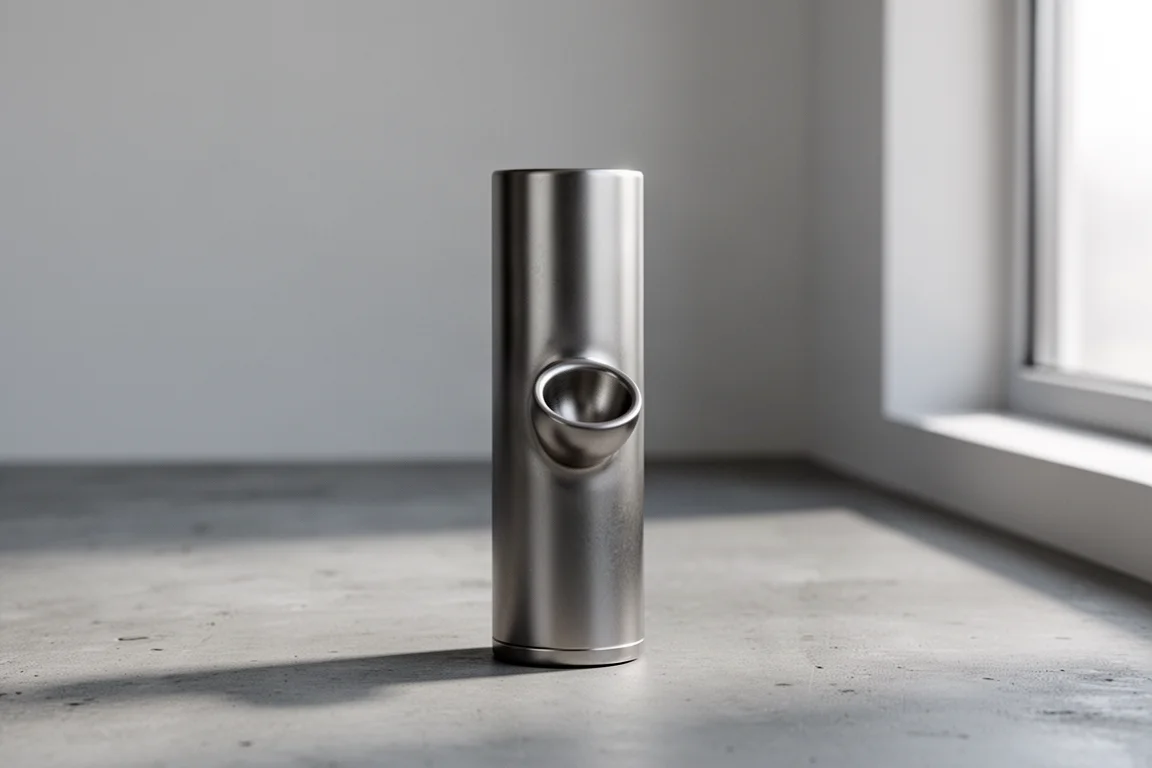
Titanium Wizard Pipe, 18 Grams of Titanium
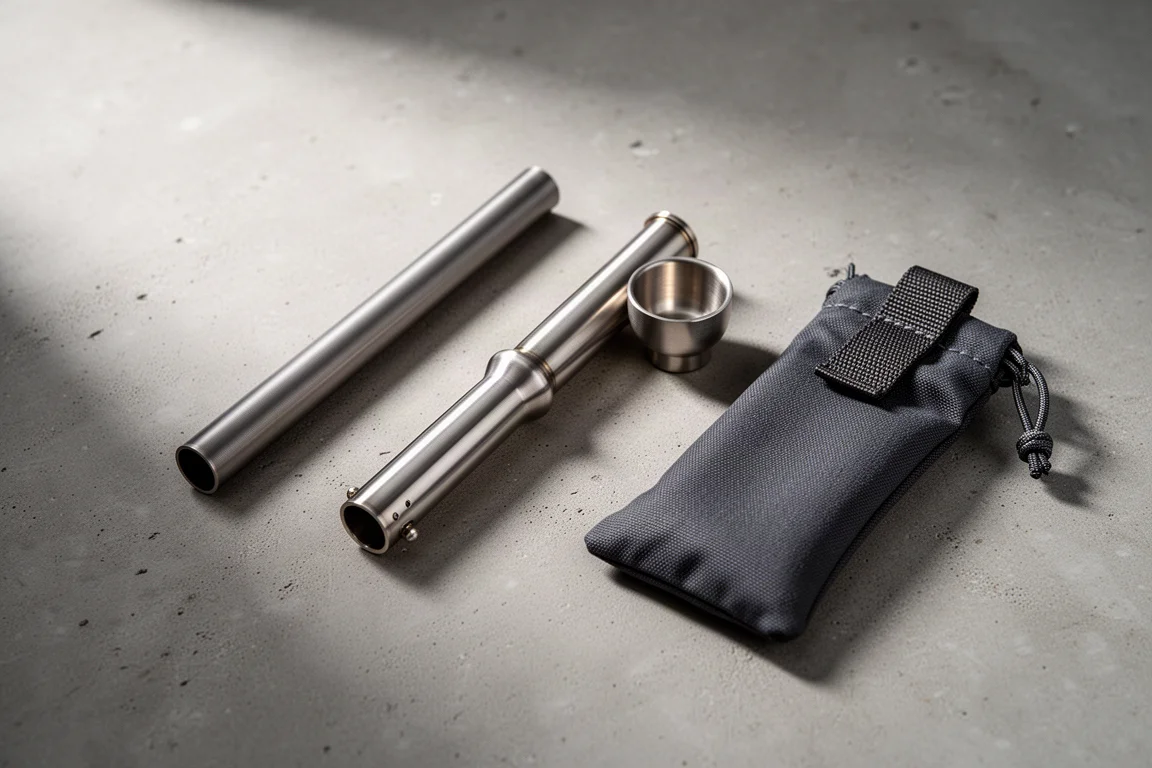
The Titanium Wizard Pipe weighs 18 grams and is priced at $69.42. That is the entire proposition: a titanium pipe that adds almost nothing to your base weight.
The awkward part is the comparison. A pipe rolled from paper weighs effectively nothing and costs almost nothing, and paper is available almost anywhere. Paying $69.42 for an 18-gram titanium version only makes sense if you specifically want a durable metal piece rather than something disposable.
At 18 grams, though, it disappears into a hip belt pocket or a ditty bag, and that is the one clear practical argument in its favour. If you want the material and the small size, the weight is not the obstacle. The price is.
Dangle Bong Titanium Water Pipe, Claimed as the First of Its Kind
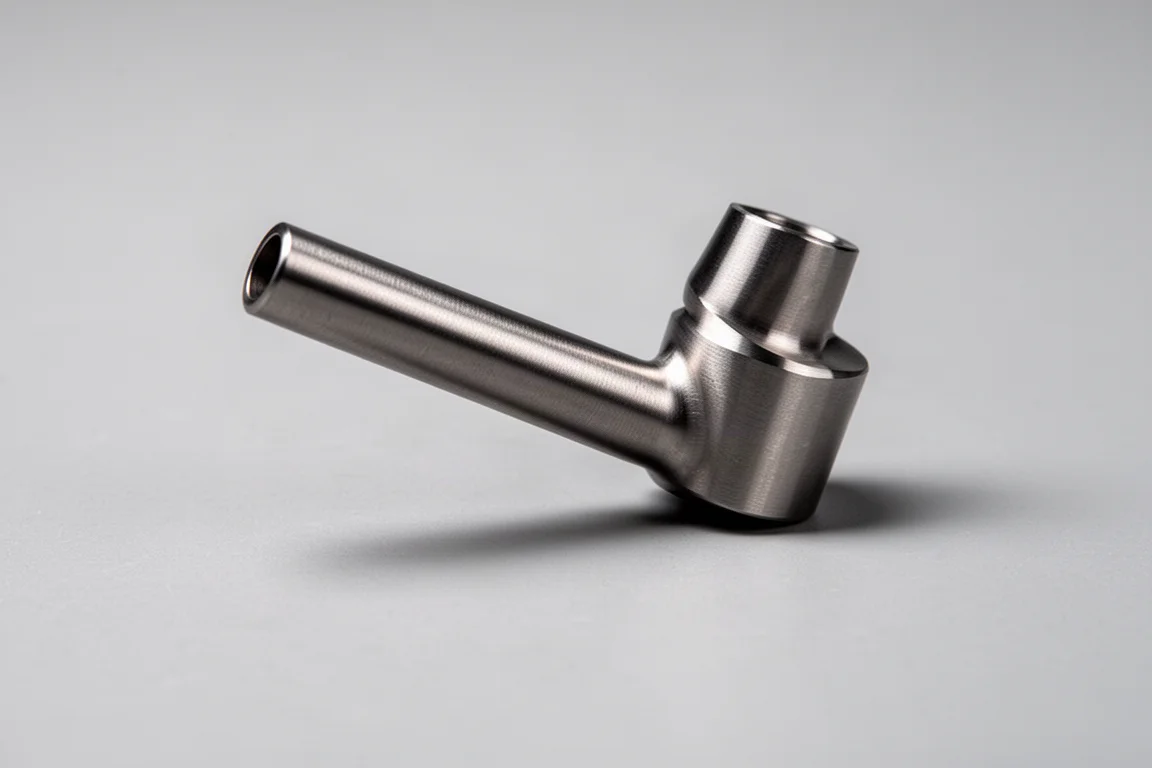
The Dangle Bong Titanium Water Pipe is described by its maker as the world’s first and only titanium water pipe. It weighs 133 grams, just under five ounces, and it is priced at $152.69.
That weight is the headline. Among items chosen for saving grams, this is by far the heaviest, and it is also the most expensive of the three. The price puts it well beyond an impulse buy.
It is worth being clear about who this suits. The Dangle Bong is not marketed specifically at ultralight hikers. Buyers who want a titanium water pipe will find very little else on the market in that material, which is the whole point of the product. For everyone else, the case rests on whether the material itself matters more than the weight and the price.
Gossamer Gear Crotch Pot, Body Heat Instead of a Stove
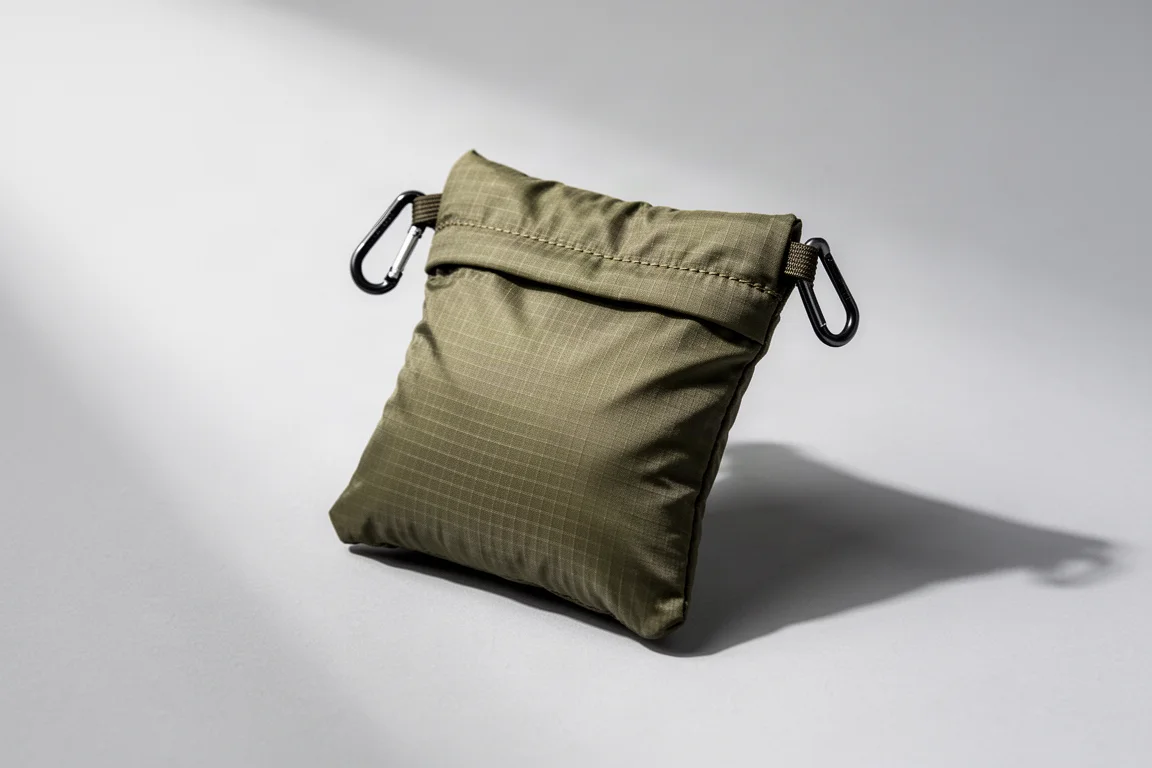
The Gossamer Gear Crotch Pot is the strangest item here, and it is also the one with the clearest weight logic. A stove, fuel, and a pot add up quickly, and the Crotch Pot removes all of them from your pack.
The idea is simple. You add water to dry food in a bag, seal it, and clip the pouch to the front of your pants, close to your body. Your own body heat warms the food while you walk, so a warm meal is waiting when you stop. It is sold by Gossamer Gear as a real product, and the company has illustrated it with cartoon drawings rather than photographs.
That is where the practical questions start. You have to hike with a bag of food clipped at the front of your pants, which makes any mid-hike stop more complicated. The pouch also has to stay sealed and intact for the whole walk, since a leak would be memorable for all the wrong reasons.
Who These Three Items Actually Suit
None of these three is a sensible first upgrade for a new backpacker. They are best understood as answers to very specific preferences.
The Titanium Wizard Pipe suits someone who wants a durable metal piece and does not mind paying $69.42 for an 18-gram object. The Dangle Bong suits a buyer who specifically wants a titanium water pipe and accepts 133 grams and $152.69. The Crotch Pot suits a hiker who wants warm food without carrying a stove at all, and who is willing to hike with food clipped to their pants to get it.

If you already carry a stove and enjoy cooking, none of these will improve your pack. If you are counting grams closely and looking for something to cut, the Crotch Pot is the only one of the three that removes an entire system from your load.
Weight and Price, Reading the Numbers
Put the two titanium items side by side and a pattern appears. The lightest of them, the Titanium Wizard Pipe at 18 grams, is not the cheapest. The heaviest, the Dangle Bong at 133 grams, is also the most expensive at $152.69. Weight and price do not move together here, because you are paying for material and novelty rather than for grams saved.
The Crotch Pot works on a different logic. Its value is not in the weight of the item itself but in the stove, fuel, and pot you no longer carry. That is a much larger saving than either titanium piece offers, and it is the reason the Crotch Pot keeps coming up in ultralight discussions despite how it looks.
Practical Buying Advice Before You Order
Start with the question of replacement. If an item does not let you leave something else at home, the weight saving is smaller than it first appears. The Crotch Pot passes this test most clearly because it stands in for a whole cooking setup.
Then look at price per gram. Paying $69.42 to save the weight of a paper pipe, or $152.69 for a titanium water pipe, is a decision about materials and preference rather than about performance on the trail.
Finally, be honest about the compromises. Hiking with food clipped to your pants is not for everyone, and neither is a titanium pipe that costs far more than the disposable alternative. If those trade-offs sound reasonable to you, all three are real products you can actually buy. If they do not, your existing kit is almost certainly fine.
Conclusion
These three items sit at the far edge of ultralight, where weight saving stops being about efficiency and starts being about preference. The Crotch Pot has the strongest practical argument because it replaces a whole cooking system. The two titanium pieces are for buyers who want the material and are happy to pay for it. None of them will make a pack lighter in a way that most hikers will notice, and that is exactly what makes them interesting.
Further reading
Related Reviews

Backpacking Gear
Building a 10 lb Base Weight: An Ultralight Backpacking Gear List
A practical walkthrough of the ultralight pieces behind a 10 lb base weight, from a 765 g pack and a roomy one-person tent to a full camp chair and a dependable water filter.
Backpacking Gear
A 15-Pound Lightweight Backpacking Gear List for Solo Trips
A beginner-friendly 15-pound backpacking setup built from easy-to-find gear, with notes on what each piece does, how it packs, and where to spend your attention.
Backpacking Gear
8 Ultralight Backpacking Gear Upgrades Worth Carrying
Eight small, affordable backpacking upgrades that solve real trail annoyances, from a pillow that stays put to a fuel valve that rescues leftover canister gas.