Backpacking Gear
6 Ultralight Backpacking Accessories Under $25 From Small Cottage Makers
Six lightweight backpacking accessories under $25, each from a small maker, and the specific trail problem each one actually solves.
Introduction
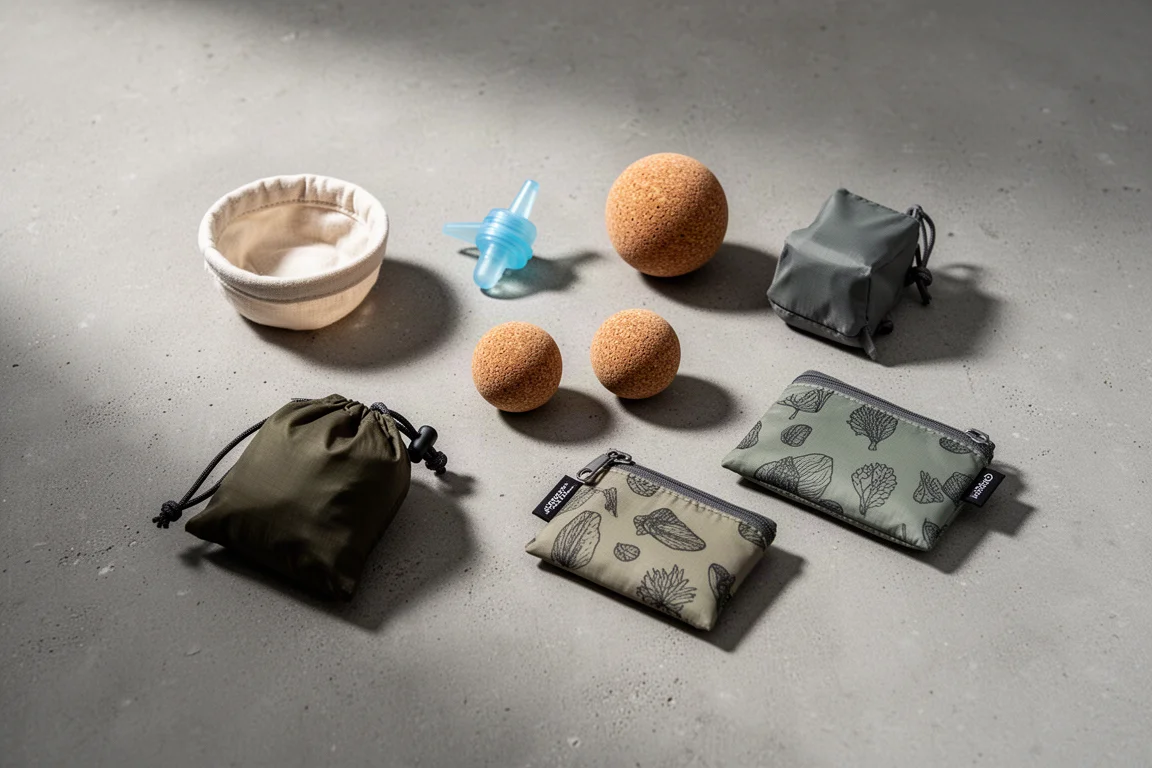
The best ultralight accessories are rarely the headline items in a pack. They are the small, inexpensive pieces that quietly remove a recurring annoyance from a trip, whether that is a tangle of stakes at the bottom of a stuff sack or a hygiene routine that leaves more to pack out than it should.
The six items below share a few traits. Each costs under $25, each comes from a small cottage manufacturer, and each is light enough that the usual argument for leaving it at home mostly disappears. None of them is glamorous. All of them earn their place.
What These Six Accessories Have in Common
Four themes run through this list.
Weight comes first. The lightest item here is measured in single-digit grams, and even the heaviest stays well within the range where you stop noticing it. Accessories are where an ultralight pack quietly gains or loses a few hundred grams.
Second, each item is built around a specific trail problem rather than a general one: a bowl that becomes a wash basin, a nozzle that turns a water bottle into a bidet, a stake bag with a mouth wide enough to actually reach into.
Third, several of them support Leave No Trace habits. The two hygiene items in particular are designed to keep soap, food residue, and toilet paper out of fragile water sources and out of your pack.
Finally, all six come from small makers, which usually means simple designs, honest materials, and colors that are genuinely enjoyable to carry.
Bean Camping Dyneema Dog Bowl
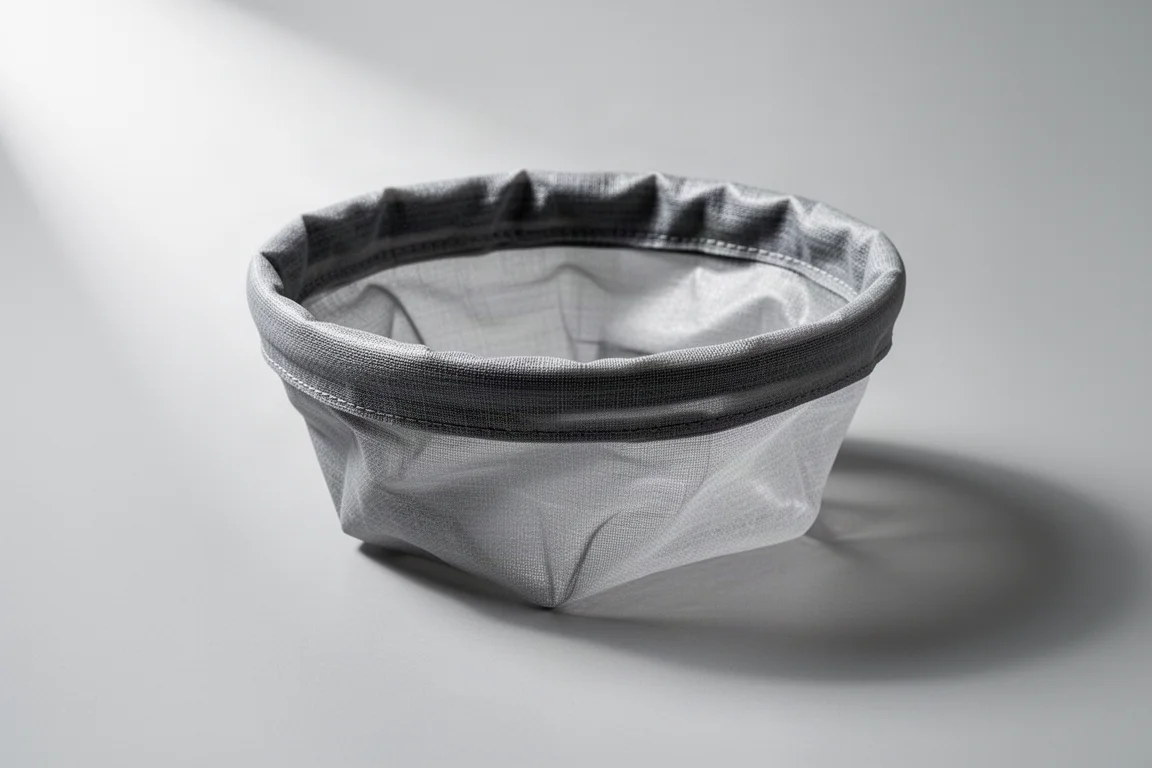
The Dyneema bowl from Bean Camping is sold as a dog bowl, and it works as one. Plenty of backpackers use it for something else entirely: a camp wash basin.
The routine is simple. Fill the bowl at the water source, then walk well away from the shoreline before doing dishes or washing up. Soap and leftover food, even biodegradable soap, do real damage to rivers and alpine lakes, and the whole point of carrying water away from the bank is to keep those things out of the water entirely. Alpine environments are especially sensitive to that kind of impact.
At under 10 grams, the bowl adds almost nothing to a pack, which is why it ends up on every trip rather than staying home with the rest of the optional gear. It also comes in a wide range of colors if matching your kit matters to you.
Kulo Clean
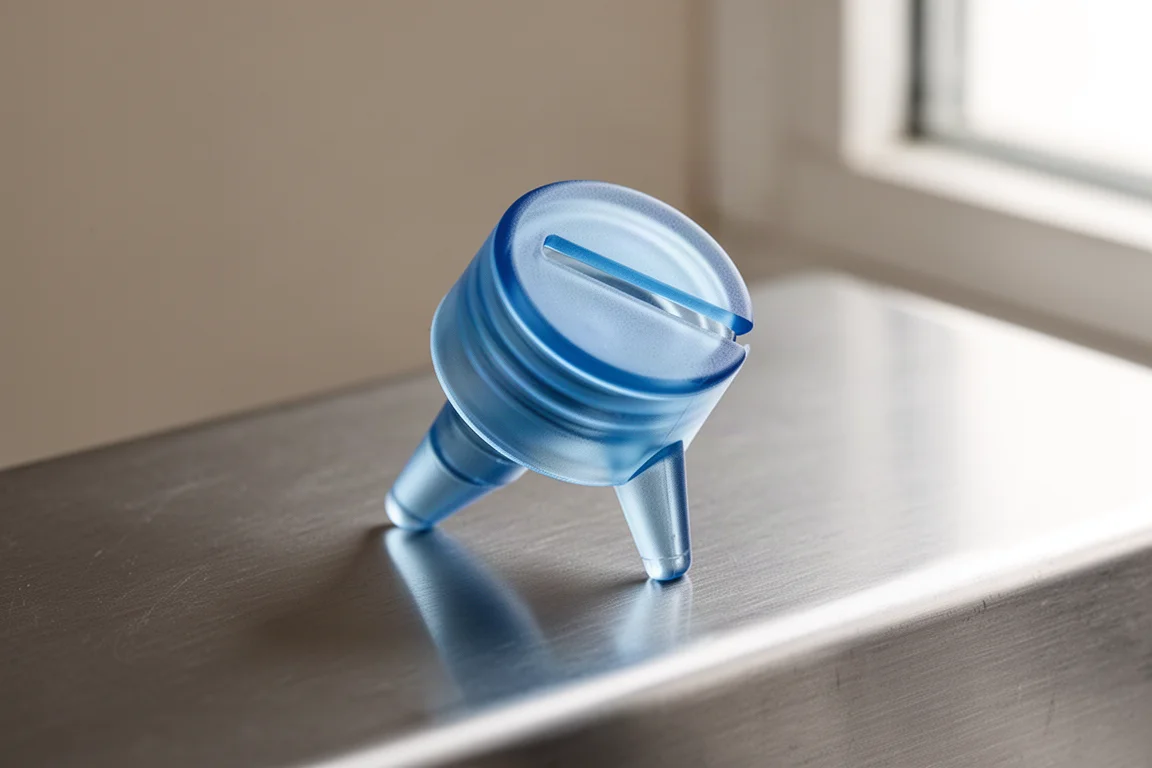
The Kulo Clean brings a bidet into a backcountry hygiene system. The idea is straightforward: use water as part of post-poop cleanup instead of relying entirely on toilet paper.
One end pushes onto any standard water bottle, and a slot in the rim lets you direct the flow where it needs to go. There is a learning curve here, and the technique takes a few trips to dial in properly.
The payoff is twofold. You use less toilet paper, or none at all, which means less to bury and less to pack out. And the result is cleaner. For anyone already thinking about how much paper their routine generates, this is a small and inexpensive change with an outsized effect.

It is worth treating the first few outings as practice rather than expecting the motion to feel natural immediately. Once the bottle angle and the rim slot become familiar, the routine gets faster and the paper savings become obvious over a longer trip.
Rology Cork Balls
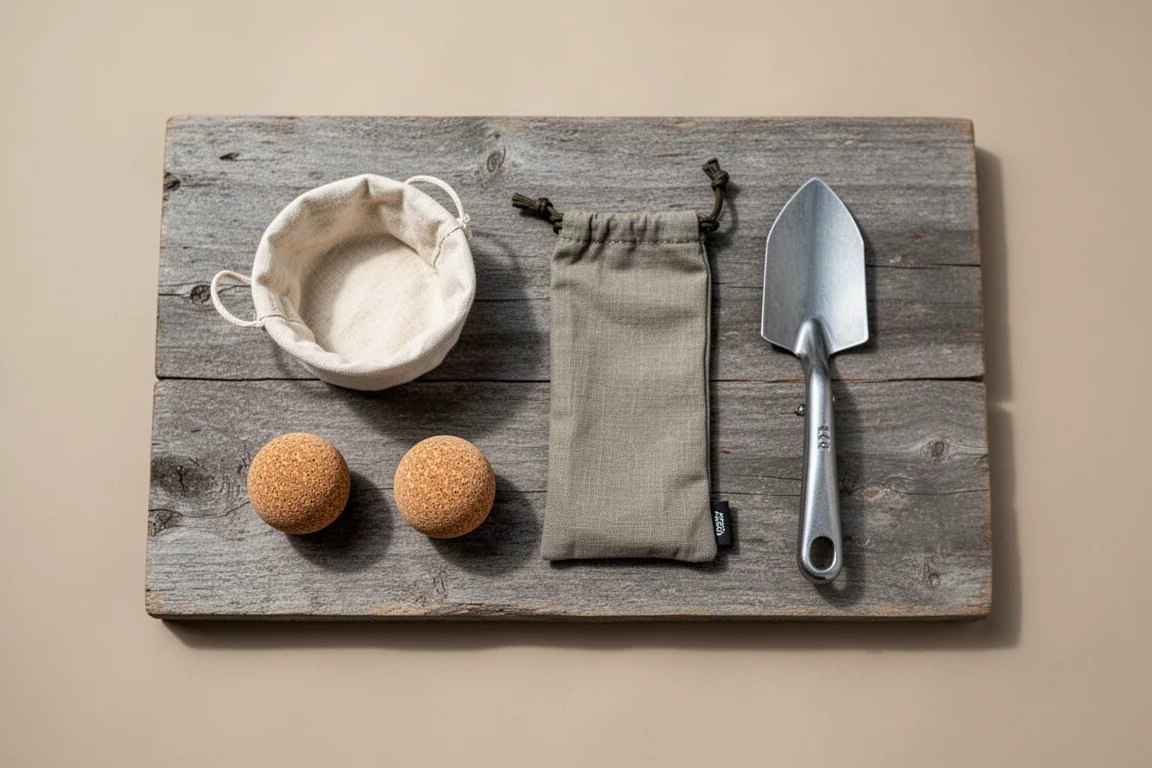
Cork massage balls have become a common part of post-hike recovery routines, and the appeal is easy to understand. Rolling out a tight muscle after a long day helps ease soreness and can reduce the chance of an injury building up over a multi-day trip.
The real challenge is habit. It is easy to finish dinner, crawl into a quilt, and skip the recovery work entirely. A heavier rubber ball tends to stay at home when the pack is trimmed down for an ultralight trip, which means the habit never forms in the first place.
Cork balls are light enough that there is no reason to leave them behind, and that changes the math. They come on every trip, they get used more often, and the effect adds up. They are worth considering if your legs and shoulders feel beaten up by the end of a hiking day.

Allmansright Tent Stake Bag
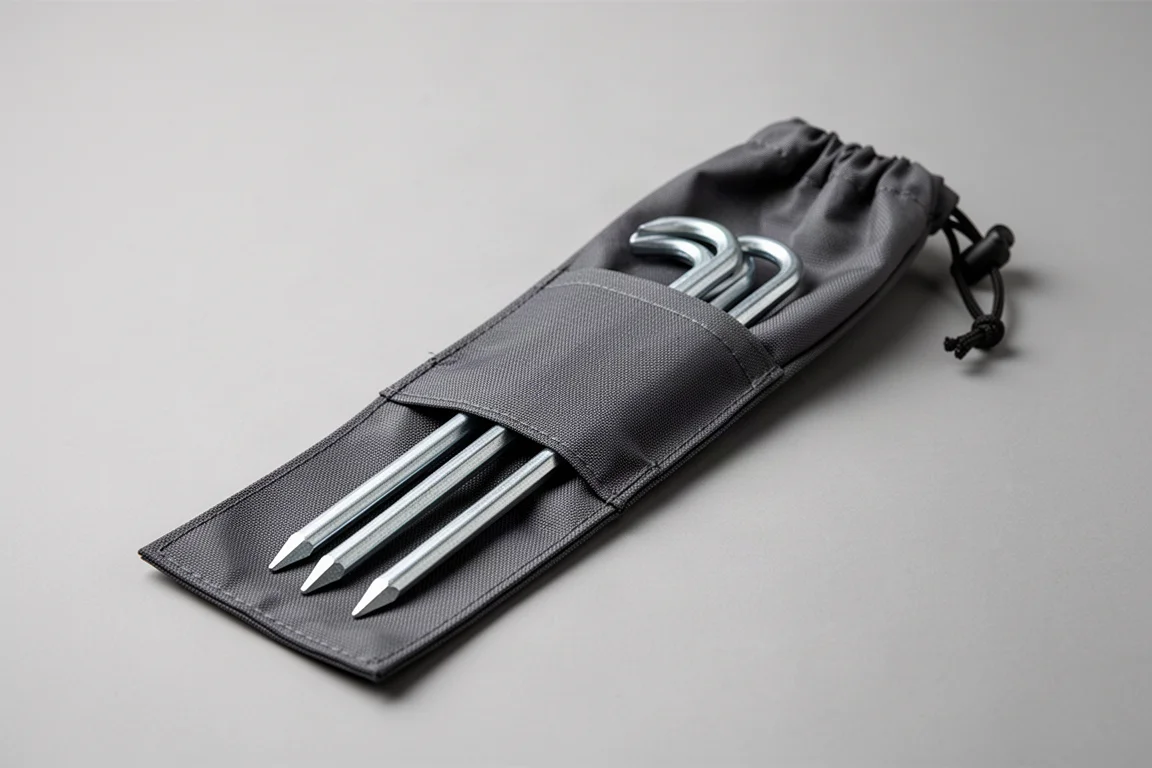
A tent stake bag sounds like the least interesting piece of gear in a pack, and for years it was. Allmansright changed one thing: the opening is wider.
That single change makes a real difference. Stakes come out of the bag easily, including the small ones that usually end up buried at the bottom. The wider mouth also leaves room for stakes that carry a wrap of cordage at the top, or stakes with wider heads such as shepherd hooks.
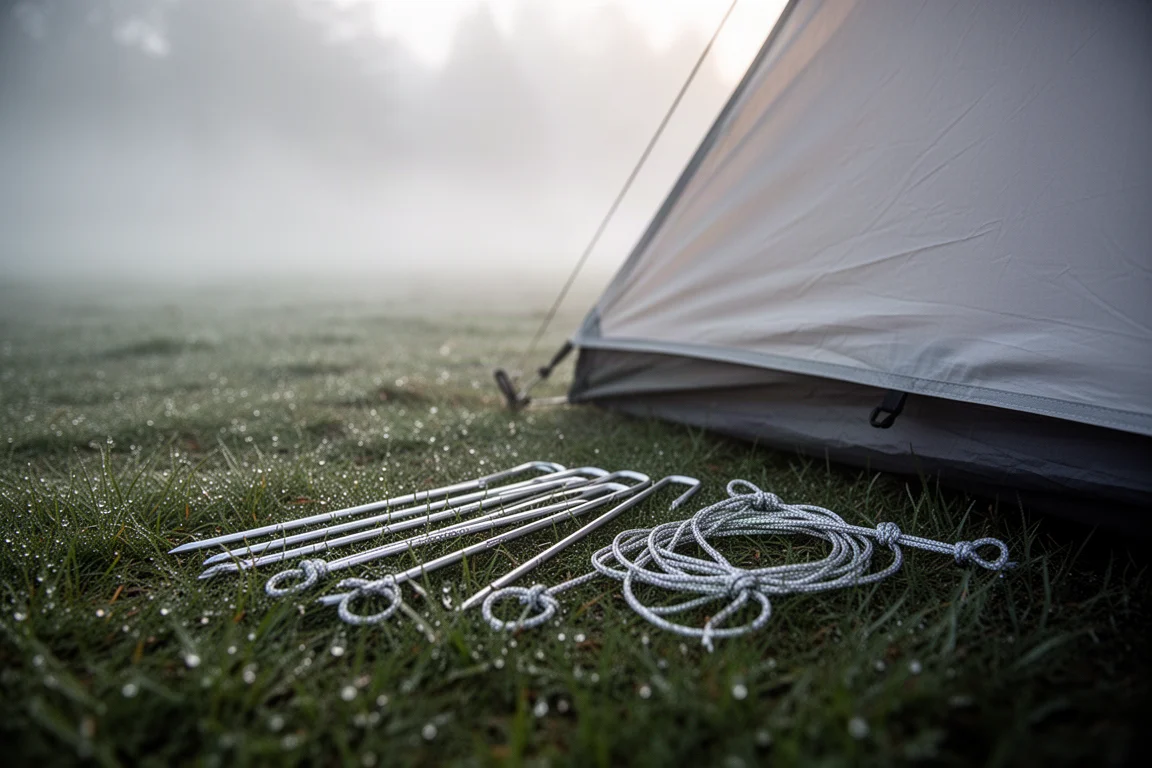
The difference is most obvious in comparison. A narrow-mouthed bag that seemed perfectly fine suddenly feels like a small fight every time camp goes up, which is exactly how a good accessory should prove itself.
Space Bear Bags Poop Kit Bag
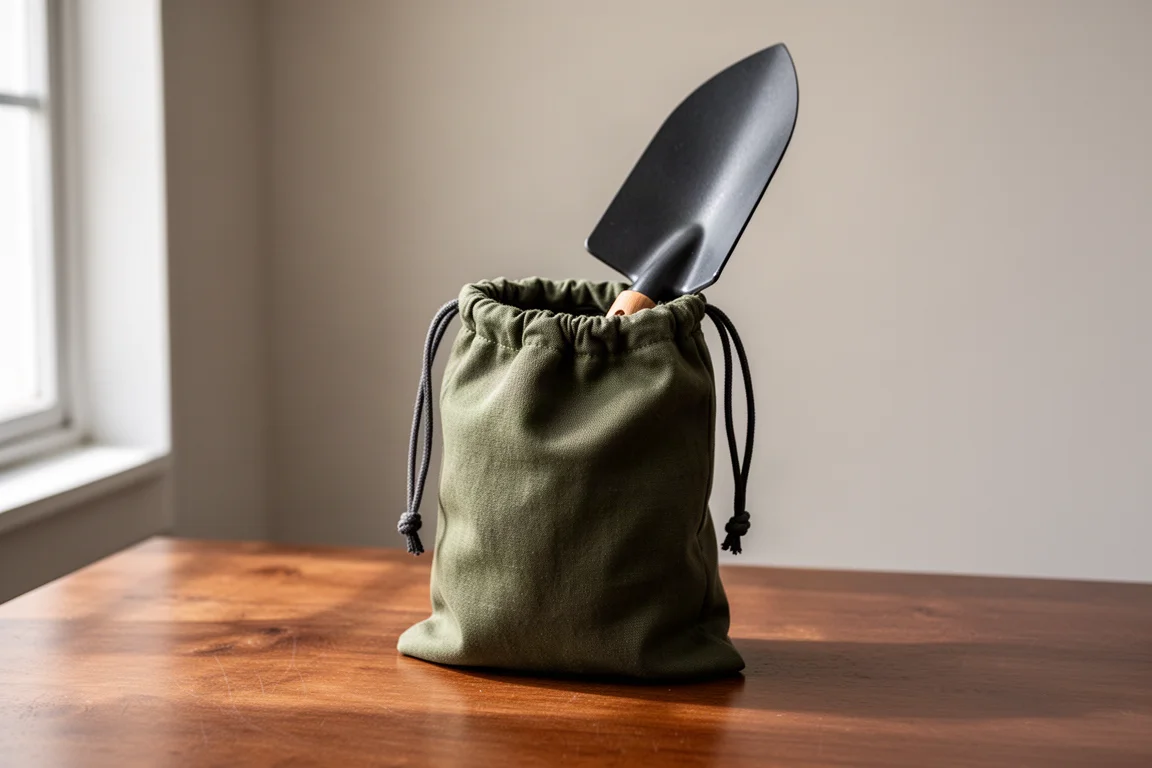
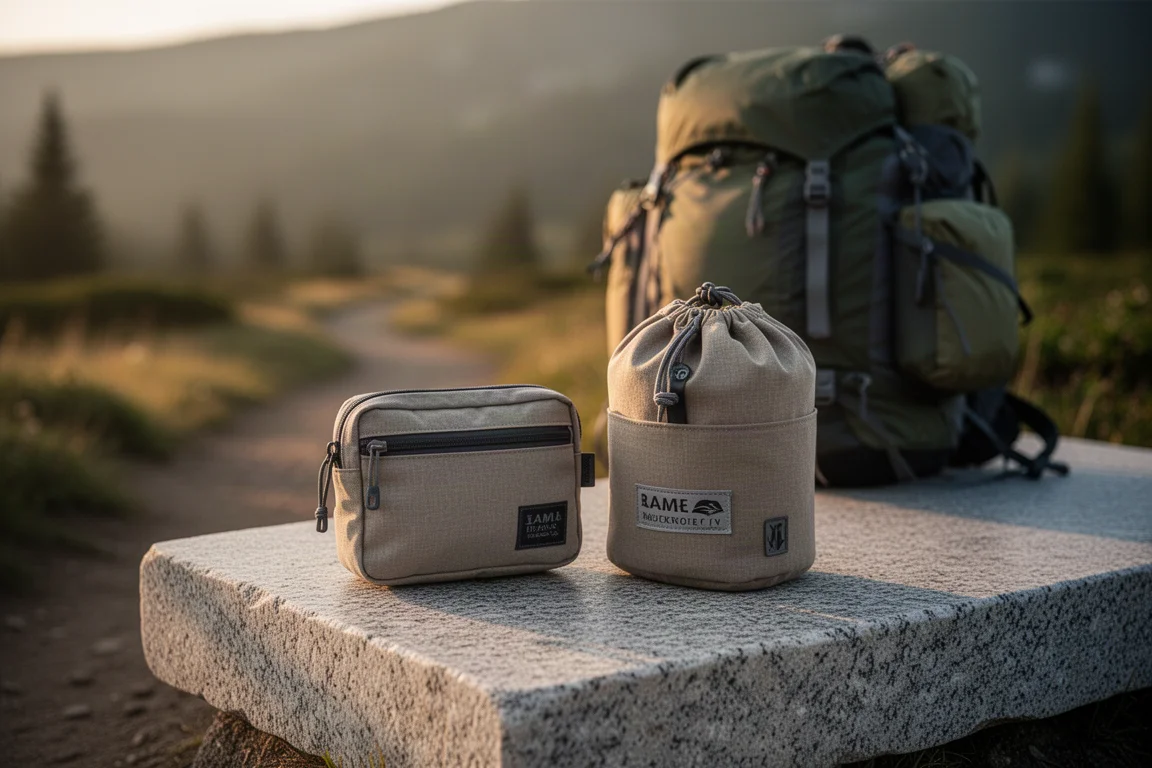
Space Bear Bags makes ultralight pouches with a sense of humor, and the poop emoji poop kit bag is the clearest example. The design is playful, but the pouch itself is genuinely practical.
The wide version is the one to look at if you carry a long trowel. A Vargo Dig Dig fits inside with room to spare, which is not something every poop kit bag can claim. Long-handled tools have a habit of poking out of, or refusing to fit into, pouches built around shorter handles.
Fun design, functional sizing, and a price under $25 make this an easy addition to a kit, and an easy gift for a hiking friend.
Space Bear Bags First Aid Kit Bag
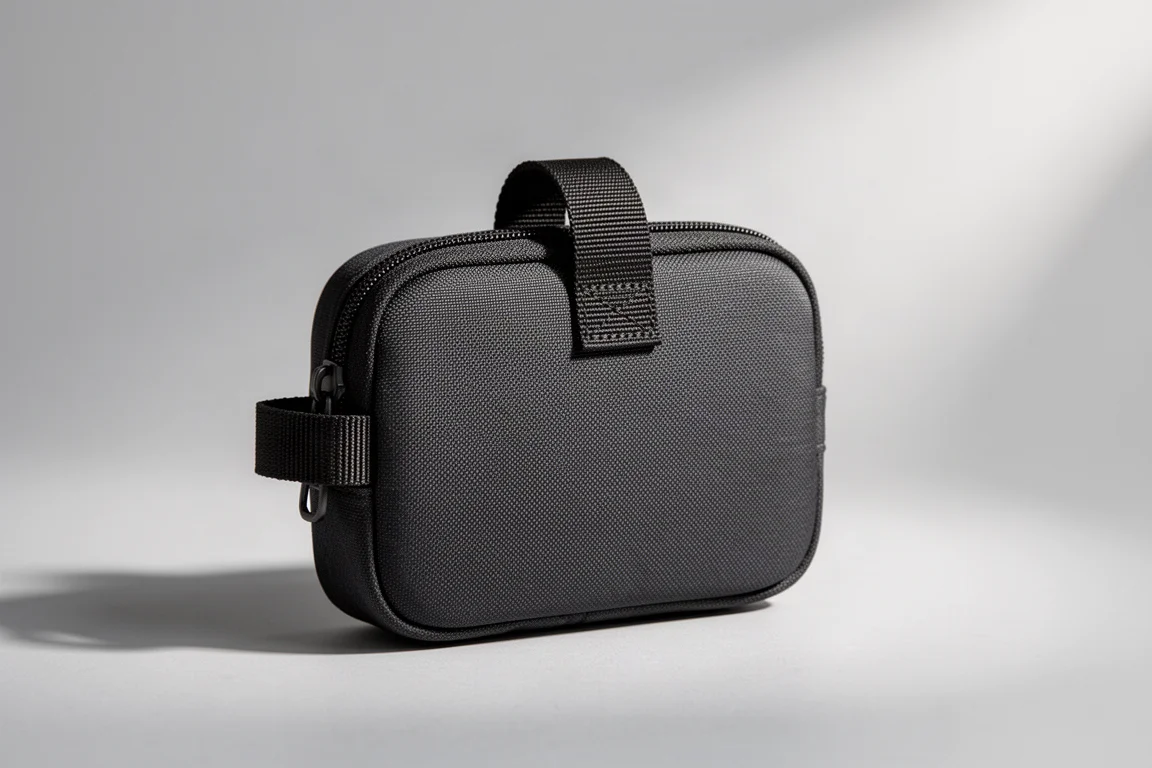
The matching first aid kit bag is a small pouch that holds a do-it-yourself kit exactly. Everything needed for common trail injuries and issues fits inside without the pouch bulging or the contents shifting around.
Keeping a first aid kit in one dedicated bag matters more than it sounds. When every item has a place, you can find what you need without unpacking the whole thing on the side of a trail.
If you are building a kit from scratch, plan for a curated set of supplies rather than a large one, so the contents stay compact and the pouch stays easy to pack.
Buying Advice
Every item on this list costs under $25, so the decision is less about budget and more about which problem you actually have.
Start with the routines that repeat on every trip. Washing up away from water, managing hygiene, recovering at the end of the day, and pitching camp are the moments where a small accessory either helps you or annoys you. If a narrow stake bag or a trowel that will not fit in its pouch is already frustrating you, that is the item to replace first.
Weight is the second filter. All six items are light enough to carry without thinking about them, which is the entire point. Accessories that get left at home because they are heavy do not help anyone.
Finally, pay attention to the small design details when you choose between similar products. A wider opening, a slot that aims water properly, or a pouch cut to fit a specific tool are the things that separate a useful accessory from a forgotten one, and they rarely show up in a spec sheet.
Conclusion
None of these six accessories will change how far you can walk in a day. What they do is remove small, recurring friction: the stakes that will not come out of the bag, the toilet paper that has to be packed out, the sore calf that never gets rolled, the dishes washed too close to a lake.
At under $25 each and light enough to disappear into a pack, they are the kind of purchases that pay off quietly over a full season of trips. Pick the one that matches the annoyance you already have, and it will earn its place.
Further reading
Related Reviews

Backpacking Gear
Building a 10 lb Base Weight: An Ultralight Backpacking Gear List
A practical walkthrough of the ultralight pieces behind a 10 lb base weight, from a 765 g pack and a roomy one-person tent to a full camp chair and a dependable water filter.

Backpacking Gear
A 15-Pound Lightweight Backpacking Gear List for Solo Trips
A beginner-friendly 15-pound backpacking setup built from easy-to-find gear, with notes on what each piece does, how it packs, and where to spend your attention.
Backpacking Gear
8 Ultralight Backpacking Gear Upgrades Worth Carrying
Eight small, affordable backpacking upgrades that solve real trail annoyances, from a pillow that stays put to a fuel valve that rescues leftover canister gas.