Road Cycling Tires
Are 35 mm Road Tires the New Sweet Spot? Pirelli P Zero and Cinturato Compared
Wider road tires are becoming the norm. Here is how 35 mm rubber compares with 28, 30, 32 and 40 mm widths, and where the Pirelli P Zero and Cinturato fit in.
Introduction
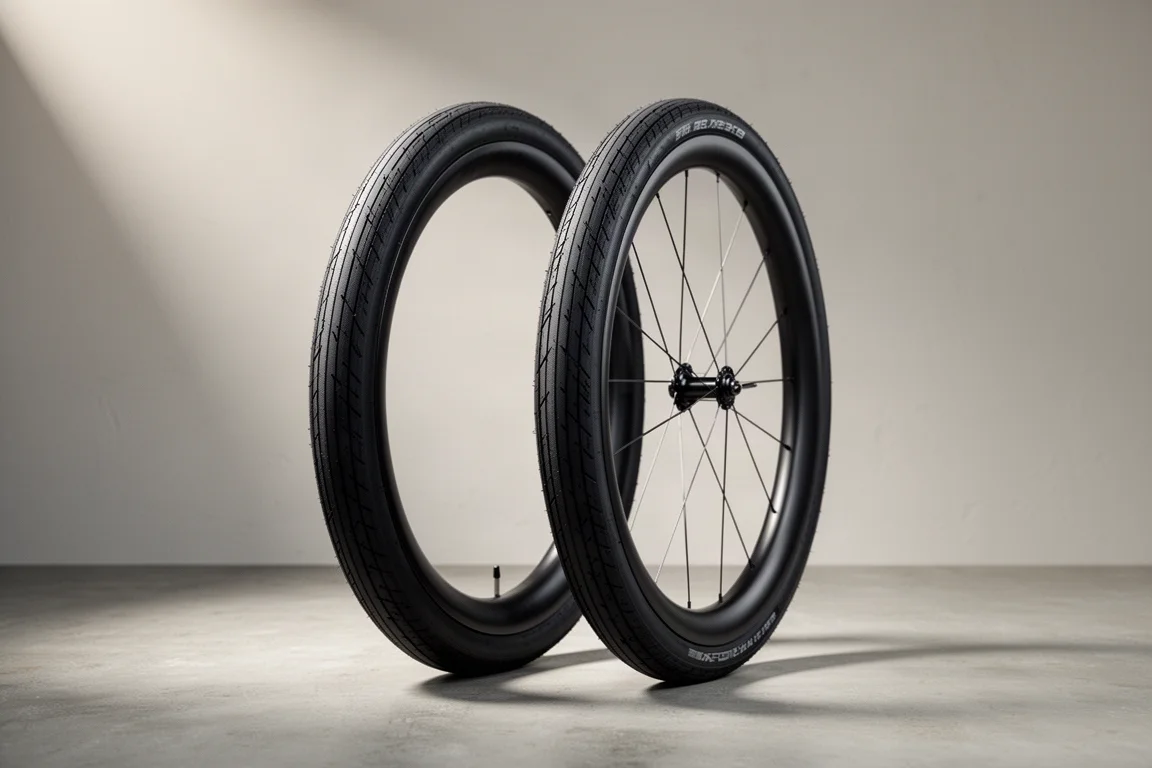
For a long time, 23 mm was the standard race tire width. Then 28 mm took over as the popular choice, and now 30 mm, and in many cases 32 mm, is gaining traction. That raises an obvious question: at what point does going wider stop making you faster?
Testing across widths from 28 mm to 40 mm over several months points to a practical answer for general road riding: 35 mm. It no longer feels excessive. It feels sensible, and it is surprisingly quick.
This guide looks at where 35 mm sits relative to narrower and wider options, what it changes in terms of comfort and speed, and how the two Pirelli road tires that anchor the wide end of that range compare.
Why Tire Width Keeps Creeping Up
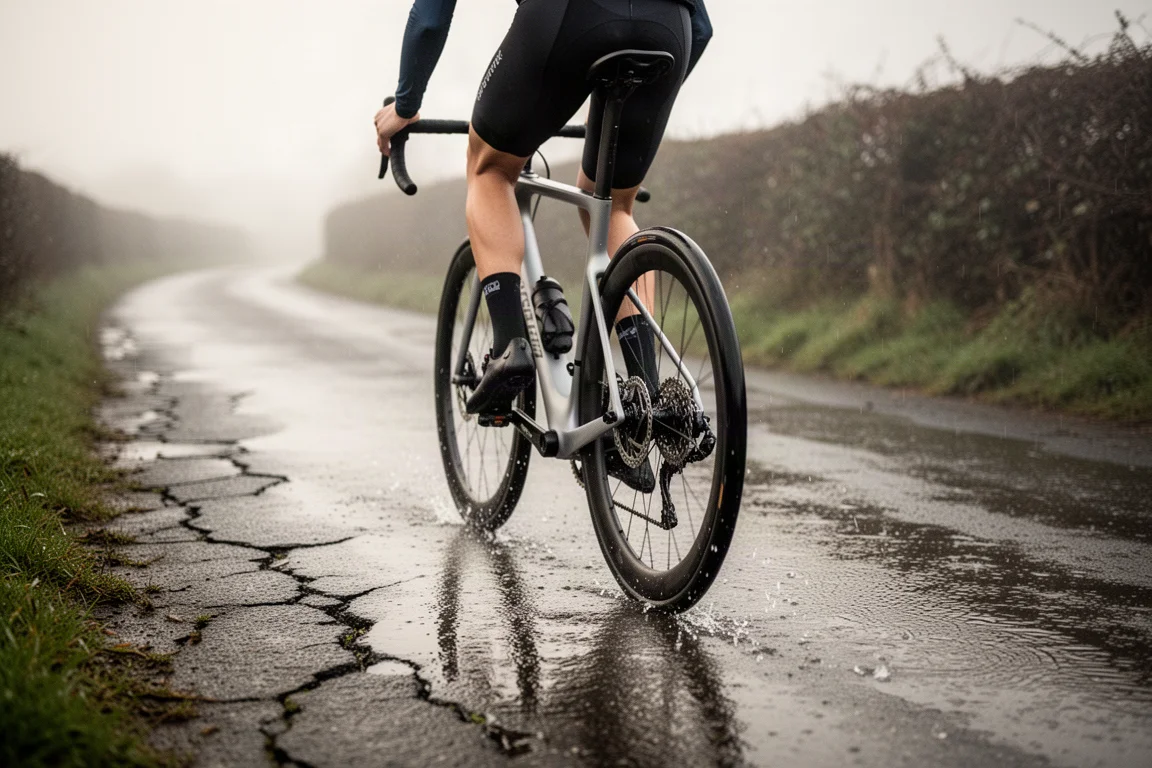
The shift is easy to explain: most roads are not smooth. Gravel, potholes and wet, broken surfaces are normal on many routes, and a narrow tire at high pressure constantly moves the bike around beneath the rider.
Modern disc brakes, wider rims and better tire construction have changed what is possible. Wider tires at lower pressure deliver more comfort, less bouncing, more traction and more control, and the latest research supports what riders are feeling: these tires are not slow.
Perception is the tricky part. A narrow tire at high pressure transmits far more road feel, which reads as speed, yet that vibration energy is costing forward motion and hurting rolling resistance. Wide tires mute that vibration, offer less feedback and can feel sluggish, while actually being faster.
The other thing worth knowing is patience. A wide tire rarely convinces on a single ride. Ride the same local routes across different conditions and different times of year, and the case for lower pressure and a wider casing tends to build on its own.
Pirelli P Zero
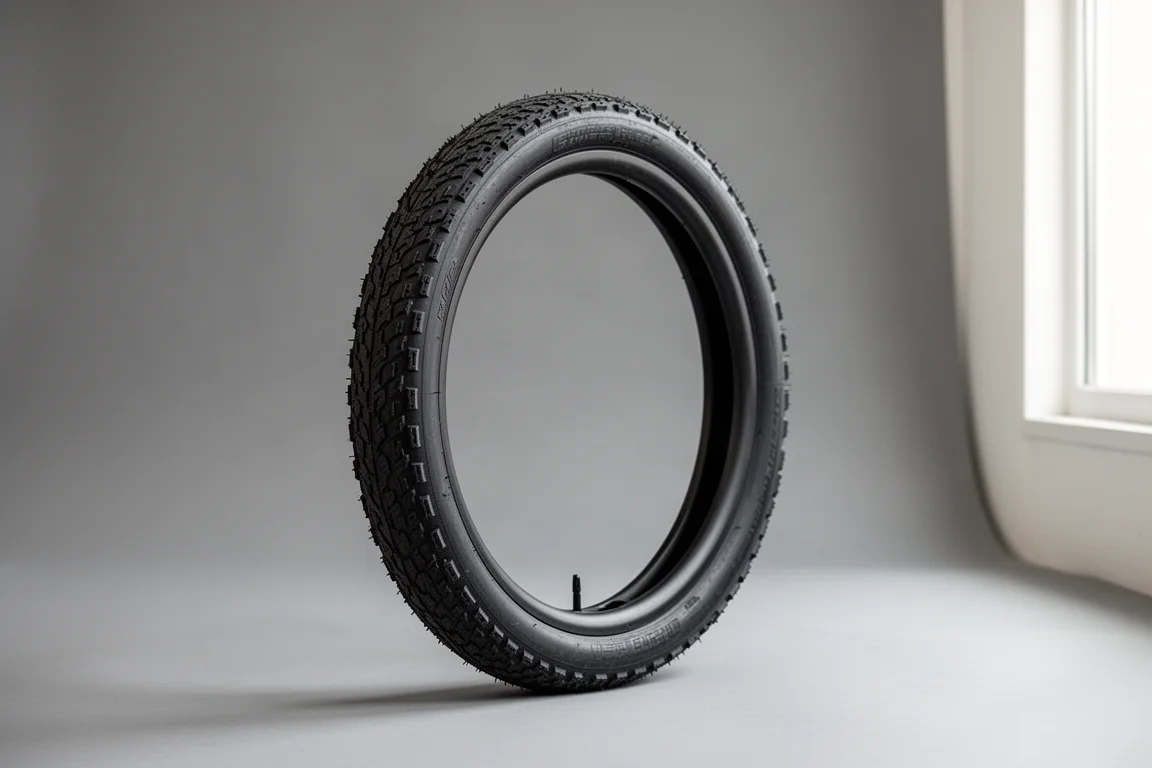
Pirelli has been progressive in offering a broad range of widths in its road tires, extending up to 40 mm, and the P Zero is the race-oriented model in that line. At 35 mm, the tire sits much closer to a 30 or 32 mm in feel and rolling resistance than to the 40 mm version.
At 40 mm, the story is different. It is fine at very slow speeds, but once pace rises above roughly 20 mph the extra resistance, drag, weight and aerodynamic penalty become clear, and the low-pressure casing can feel soft and squishy when climbing or sprinting.
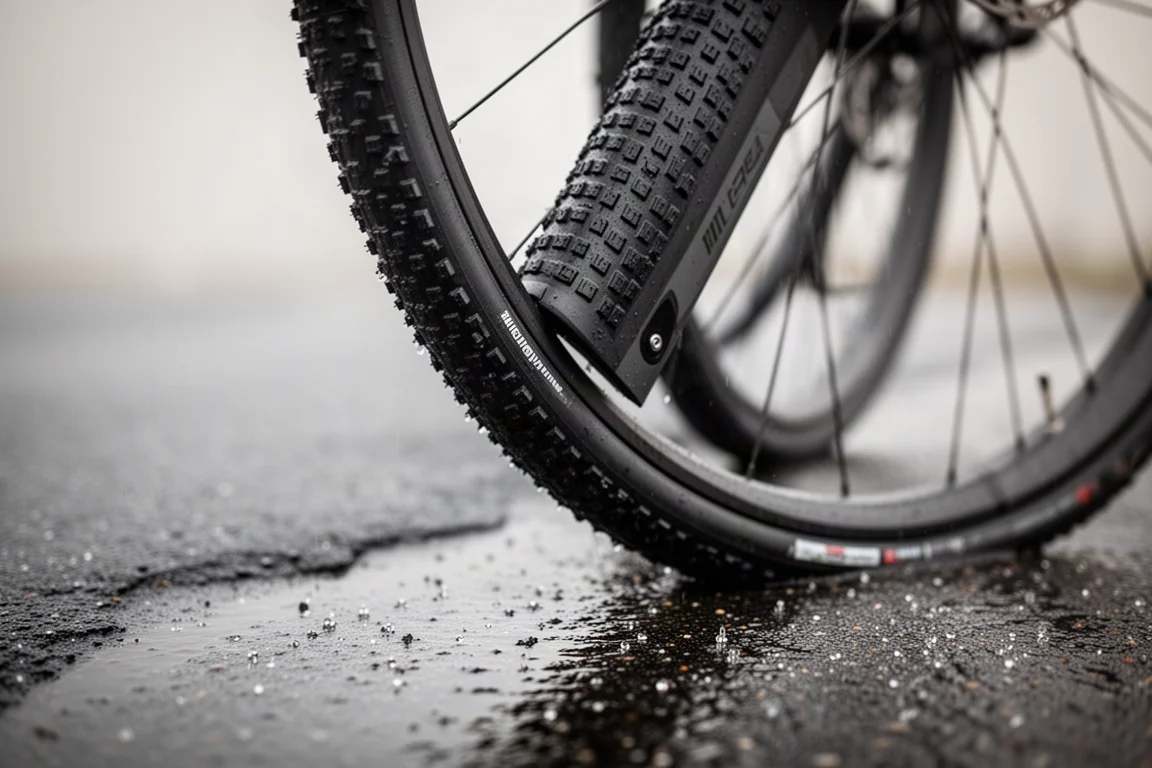
In 35 mm, the same construction keeps a useful amount of comfort and traction while staying far closer to narrower race widths in outright speed. It is a middle ground rather than a compromise in the negative sense.
Pirelli Cinturato
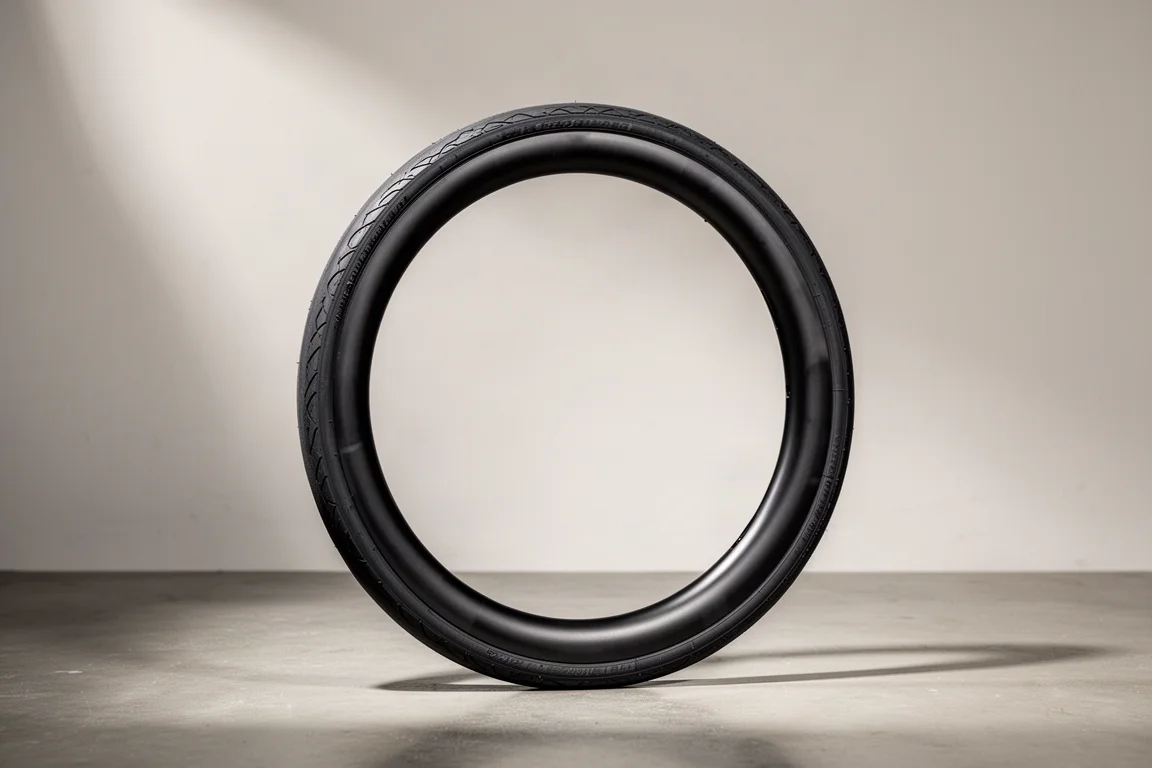
The Cinturato was tested more recently in the same 40 mm size, and it produced the same broad picture: a comfortable, heavy-feeling tire that loses its edge as speed climbs. Above around 20 mph, the extra resistance, drag and aerodynamic penalty are noticeable, and low pressure at the casing makes hard efforts feel vague.
That does not make it a bad tire. It simply makes clear that width alone is not a free upgrade, and that a 40 mm road tire asks the rider to trade speed for comfort. For riders who want maximum smoothness on rough surfaces and are happy to cruise, the appeal is obvious.
Rolling Resistance, Aero, and Real-World Speed
Where 35 mm earns its place is in the middle of the range. It is a little slower than a 30 or 32, noticeably faster at high speed than a 40, and independent rolling-resistance testing supports that position, with 35 mm tires holding up well against narrower widths.
Aerodynamics is the honest downside. If you race, or ride at 35 to 40 km/h for long stretches, a 28 or 30 mm tire will be more aerodynamic. At more modest cruising speeds, where aerodynamic drag matters less, the penalty is small enough that most riders will not notice it.
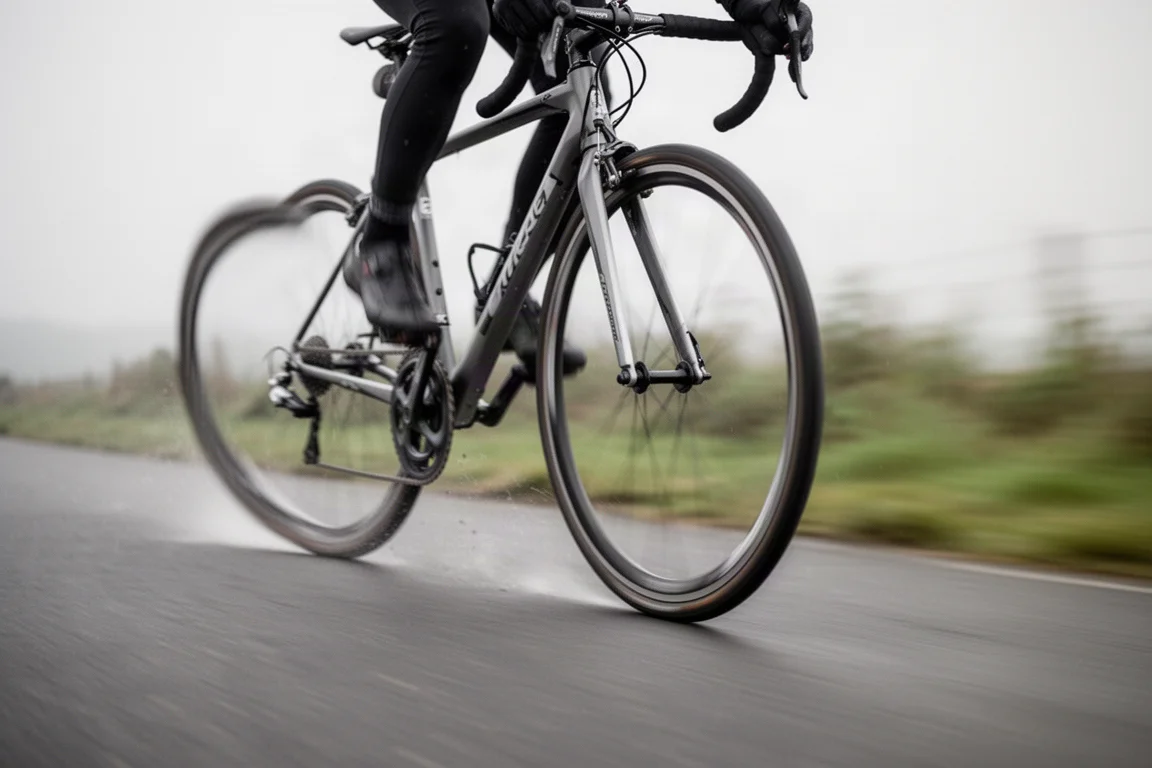
That is the trade-off in plain terms: you give up a small amount of rolling resistance and top-end speed in exchange for comfort, traction and control. Whether that is too much to accept depends entirely on how and where you ride.
Comfort and Long-Distance Fatigue
Comfort is where wide tires are most convincing. Road buzz, small chatter and rough tarmac vibration all but disappear, which is easier on the hands and the body, and the bike feels smoother on the first mile as well as 100 miles into a ride.
That difference becomes most obvious on long days. On a 300 km audax used as training for a multi-day off-road event, the reduced fatigue was not obvious at first, but after seven, eight or nine hours in the saddle it made a clear difference compared with the vibration energy a narrow tire sends through the bike.
It is also worth being clear that a 28 mm tire on a race bike remains an excellent setup and still works well on ordinary roads. The argument for 32 and 35 mm is about adding smoothness, comfort, control and confidence, not about replacing narrow tires everywhere.
Buying Advice: Is 35 mm the Sweet Spot for You?
The decision comes down to priorities rather than absolutes.
If you race, chase average speed or ride in fast groups at 35 to 40 km/h, a 28 or 30 mm tire remains the faster choice, and a 30 or 32 mm is the sweet spot for riding quickly without giving up too much comfort.
If you prioritize comfort, ride long distances on rough, wet or broken roads, and are not chasing segment times, 35 mm is the best compromise available right now. It keeps most of the comfort and traction of a wide tire while staying close enough to narrower widths that it never feels like fighting the bike. A 40 mm tire, by contrast, feels noticeably heavier and slower once pace rises.
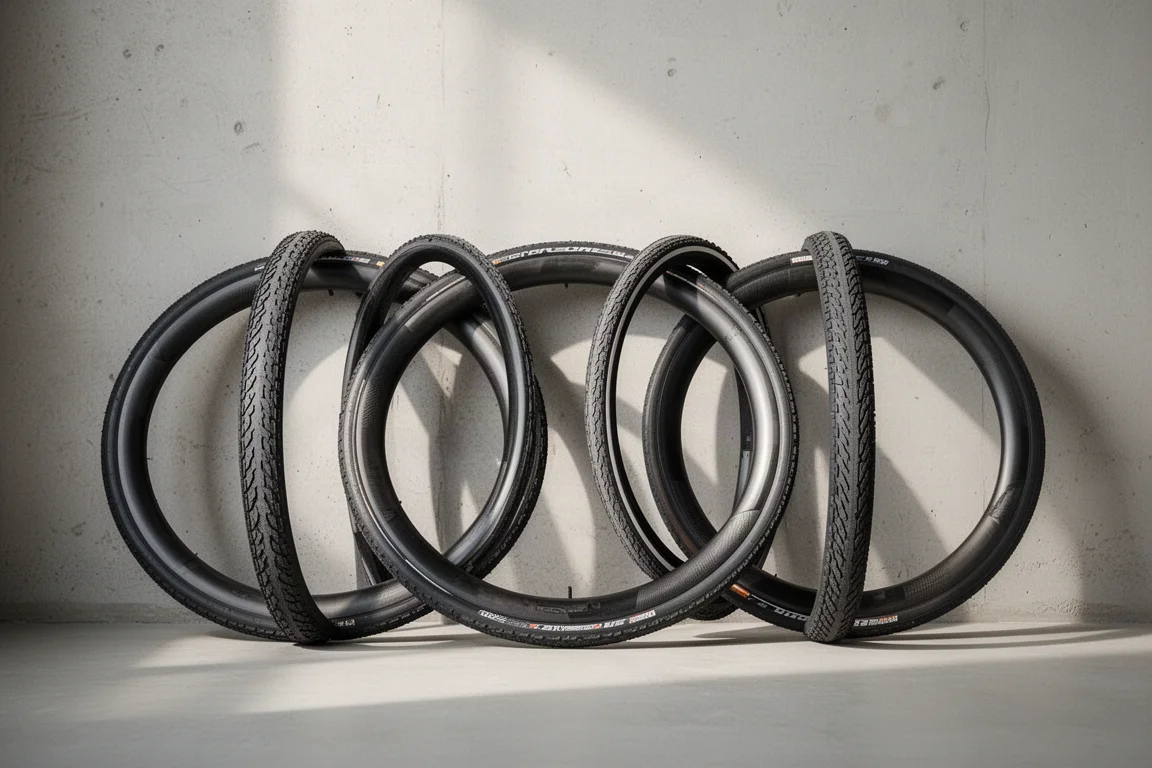
Modern frames and wide rims with generous internal width make the wider setup look and behave properly, and a growing number of road and endurance bikes are built around clearance for wide tires. Tire development is also moving quickly, with more brands entering the 35 mm segment, which should narrow the performance gap between 30 or 32 mm and 35 mm over time.
Conclusion
35 mm is not the answer for every rider, but for general road riding on imperfect surfaces it is a genuinely strong option: comfortable, confidence-inspiring and quick enough that the speed cost stays small. Once riders adapt to it, going back to a narrow tire can be difficult.
For riding as fast as possible, 30 or 32 mm is still where the advantage lies. For everything else, 35 mm deserves serious consideration, and the category is only going to get more interesting as more tire makers commit to wider road rubber.
Further reading
Related Reviews

Backpacking Gear
Building a 10 lb Base Weight: An Ultralight Backpacking Gear List
A practical walkthrough of the ultralight pieces behind a 10 lb base weight, from a 765 g pack and a roomy one-person tent to a full camp chair and a dependable water filter.

Road Bikes
10 New Road Bikes Worth Watching: Aero, Titanium, Steel and Endurance Standouts
A practical roundup of 10 new road bikes, from aero flagships chasing single-watt gains to titanium, steel and endurance platforms built for real roads.
Bikepacking Gear
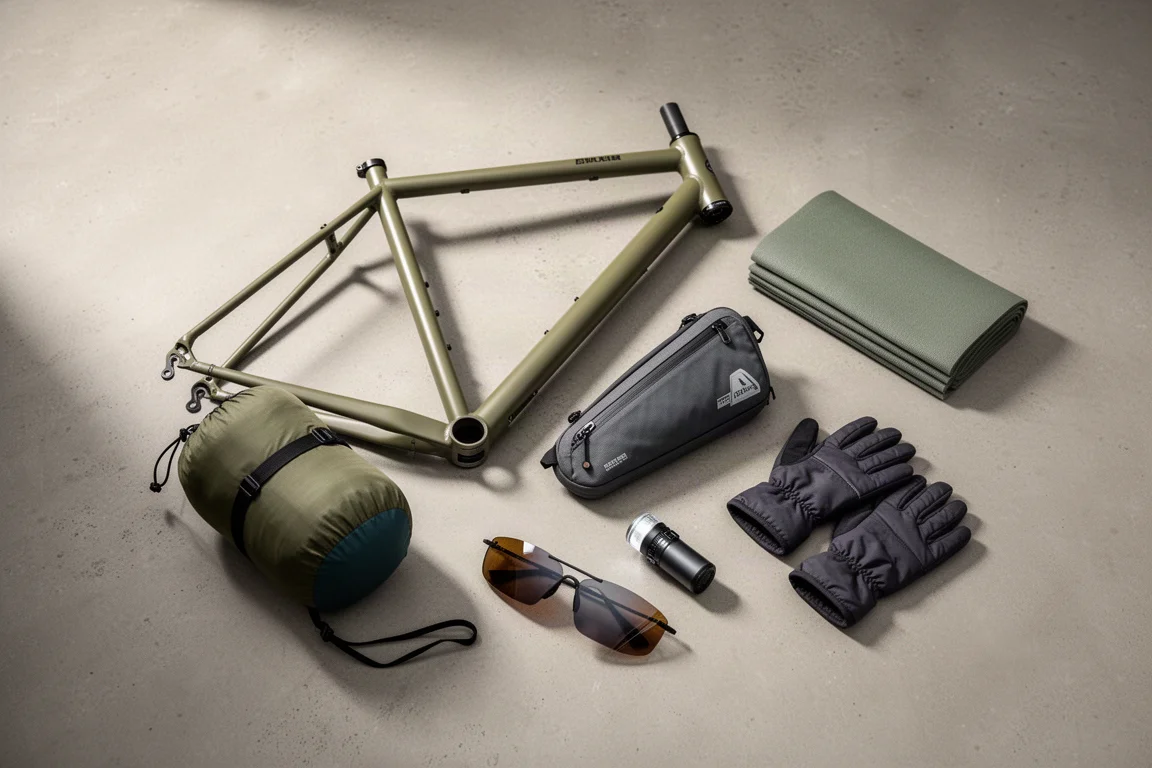
11 Bikepacking Essentials for Long-Distance Cycling
Eleven bikepacking essentials for long-distance cycling, from a steel gravel frame and a two-person tent to helmet lights, packable gloves, and a frame bag that puts weight in the right place.