Backpacking Gear
A 30 lb Spring Backpacking Load-Out: 15 Pieces of Gear That Earned Their Place
A three-day desert backpacking kit at roughly 30 lb total pack weight, from a semi-freestanding tent and a 20°F quilt to trail footwear, water treatment and camp comfort.
Introduction
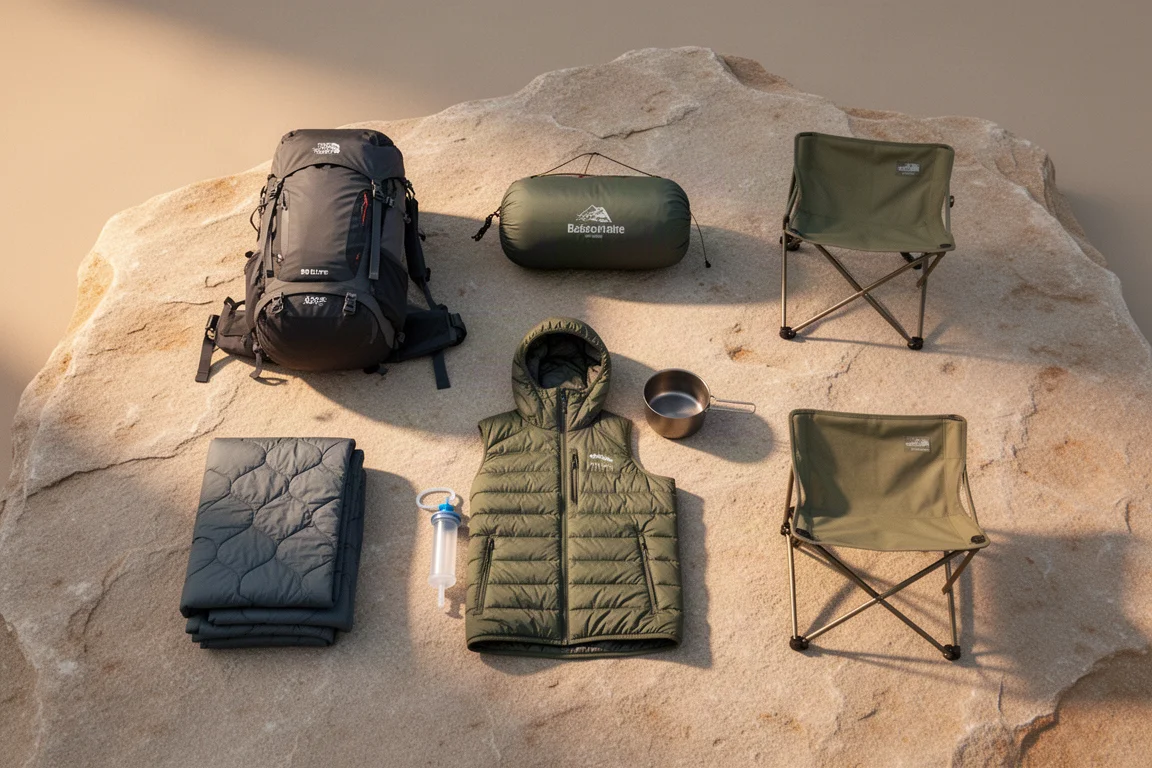
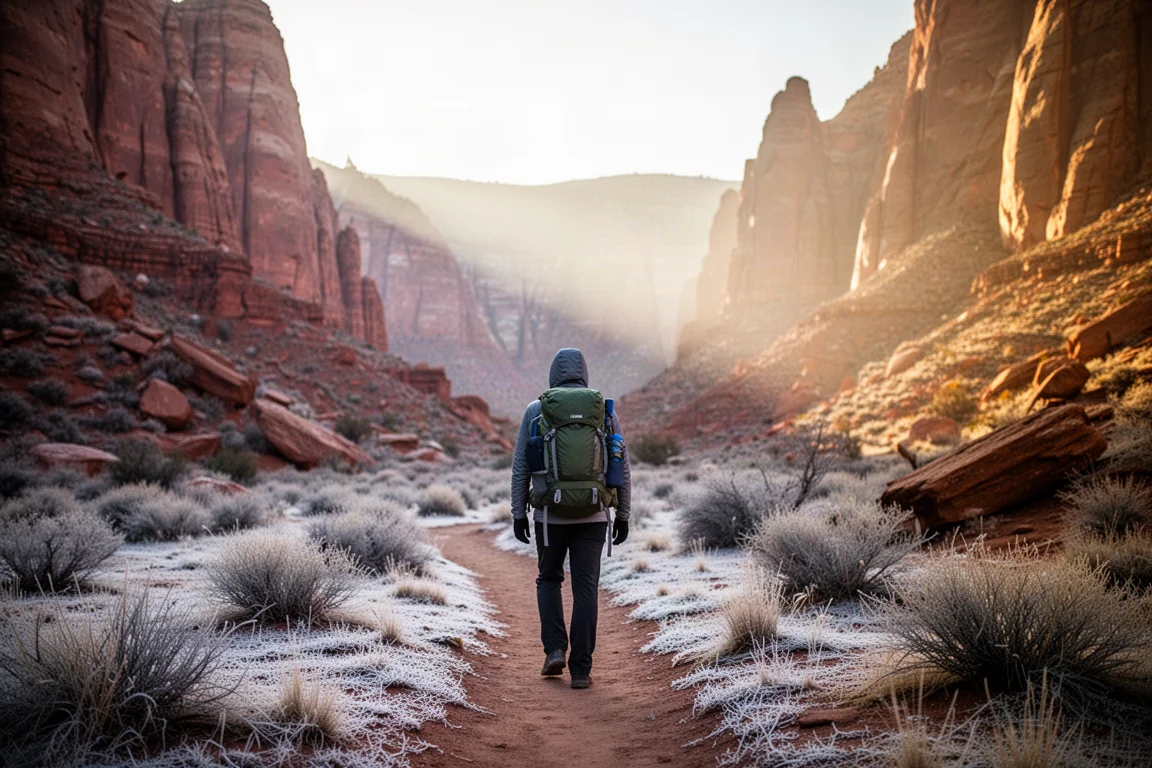
Three days of early spring backpacking in the Escalante backcountry produced a kit that landed at roughly 30 lb total pack weight, camera equipment included. The conditions were mixed: overnight temperatures that dropped to freezing, cold and silty water sources, and long stretches of bushwhacking through tight vegetation. That combination is a useful stress test for any gear list, because it rewards items that pack small, warm up quickly and survive contact with rough ground.
This roundup covers the pieces that held up under those conditions, along with the trade-offs worth knowing before you buy them.
What This Load-Out Has in Common
The items below share a few practical traits. Packed lengths are short enough to sit inside a pack rather than strapped to the outside. Insulation is rated with a real margin below the expected overnight low. And most of the comfort items stay close to a pound, which keeps a heavier camera load viable.
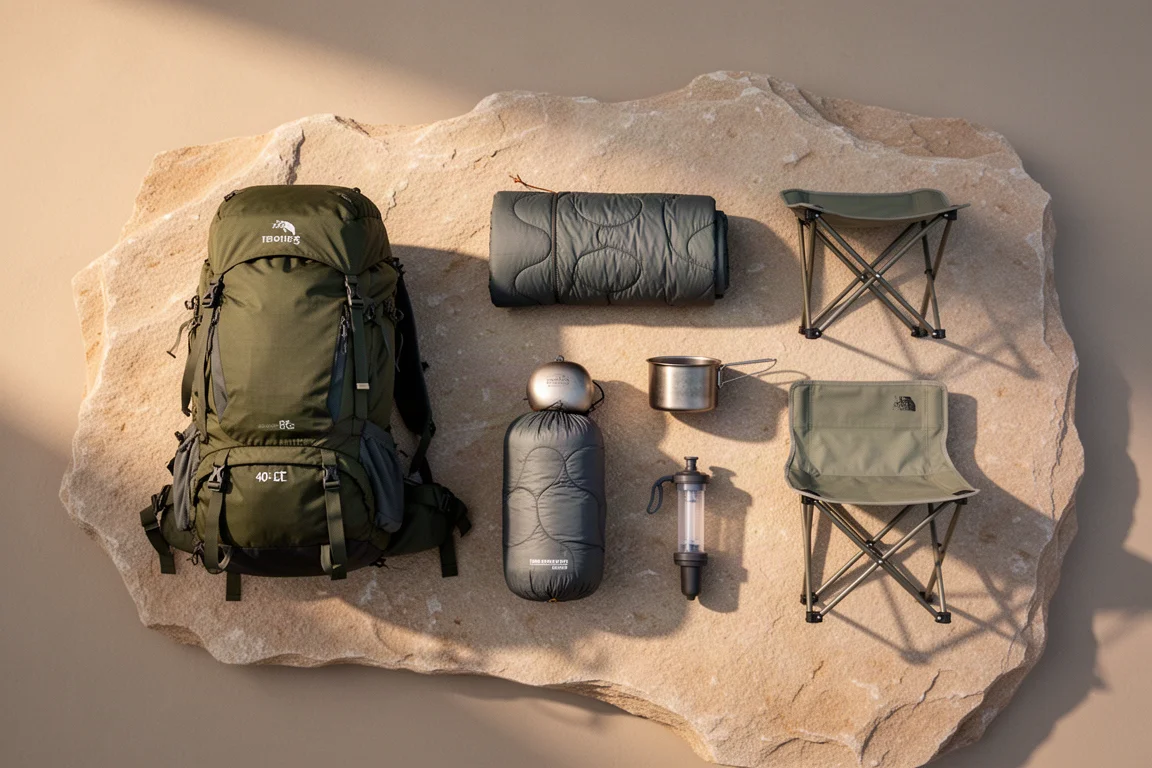
It is worth being clear about what this is not. At around 30 lb total pack weight, this is a comfortable three-season load rather than a stripped-down ultralight one. The extra weight buys a semi-freestanding tent, a chair, a full sleep system and camera gear, and for many trips that trade is worth making.
The Pack: Outdoor Vitals CS 40
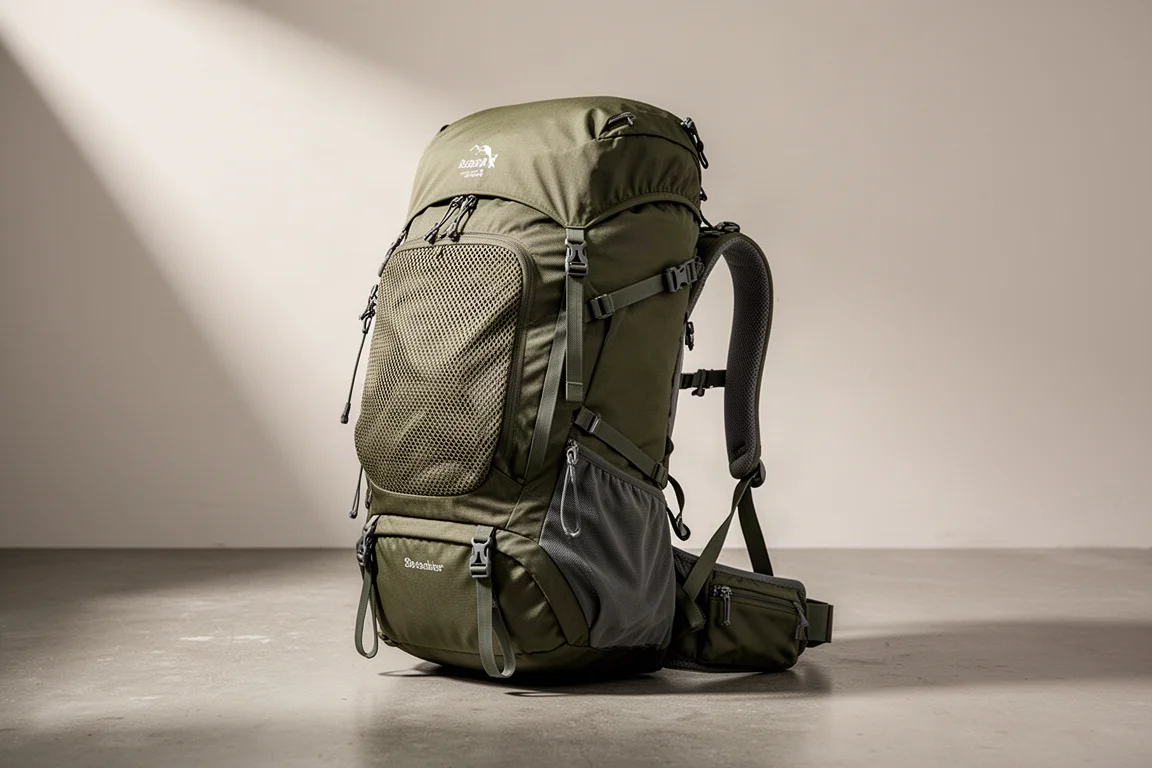
Everything starts with the pack, and the CS 40 handled a roughly 30 lb load without drama. It carries in the 30 to 35 lb range reasonably well and stays comfortable across long days, which is the main thing a pack at this level needs to do. Hip bruising showed up on longer days, though that is a common outcome for most packs once the load passes 25 lb.
Durability is the open question. A large hole opened up in the mesh during this trip, and there are a few design details that would benefit from changes.
Shelter and Sleep Systems
Sleep accounted for the largest share of both pack weight and comfort. The combination here was a semi-freestanding tent, a 20°F top quilt, a 4.8 R-value pad and an inflatable pillow, and each piece was chosen for a specific reason.
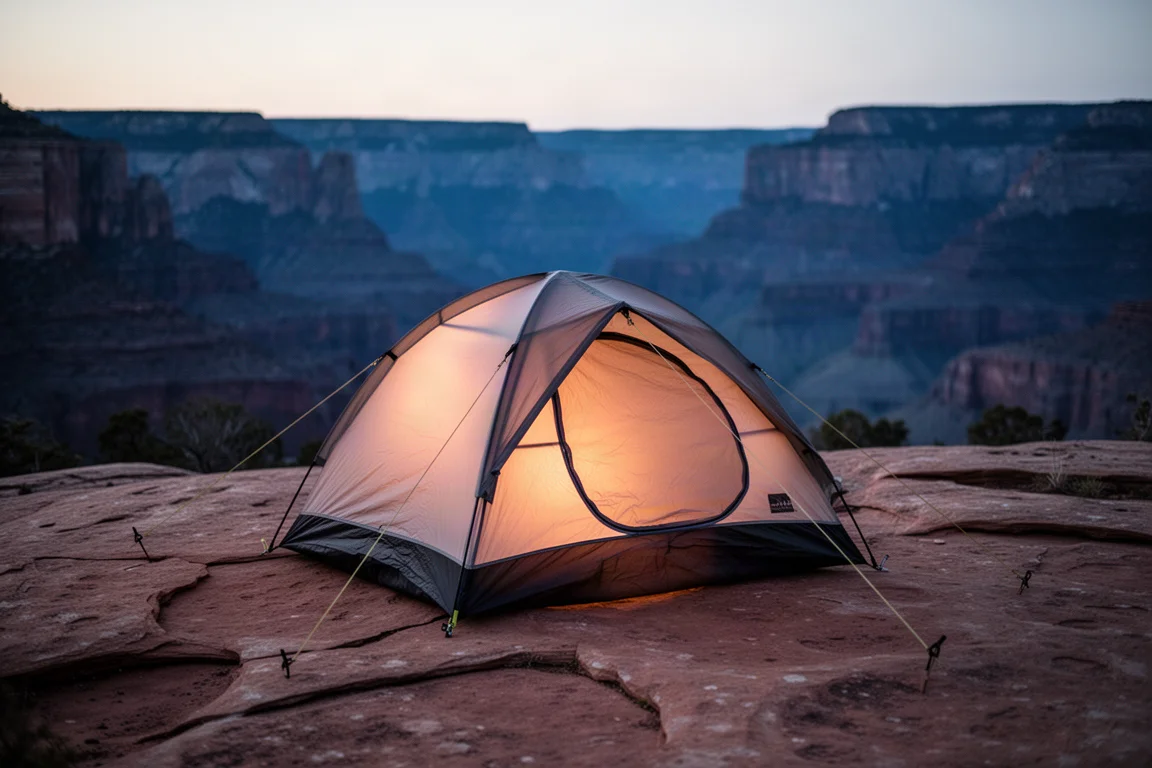
Two details tie this group together. First, the warmth margin: a 20°F quilt and a 4.8 R-value pad leave room to spare on a freezing night. Second, packed length: short tent poles and a compressible quilt keep the whole system inside the pack rather than lashed to the outside.
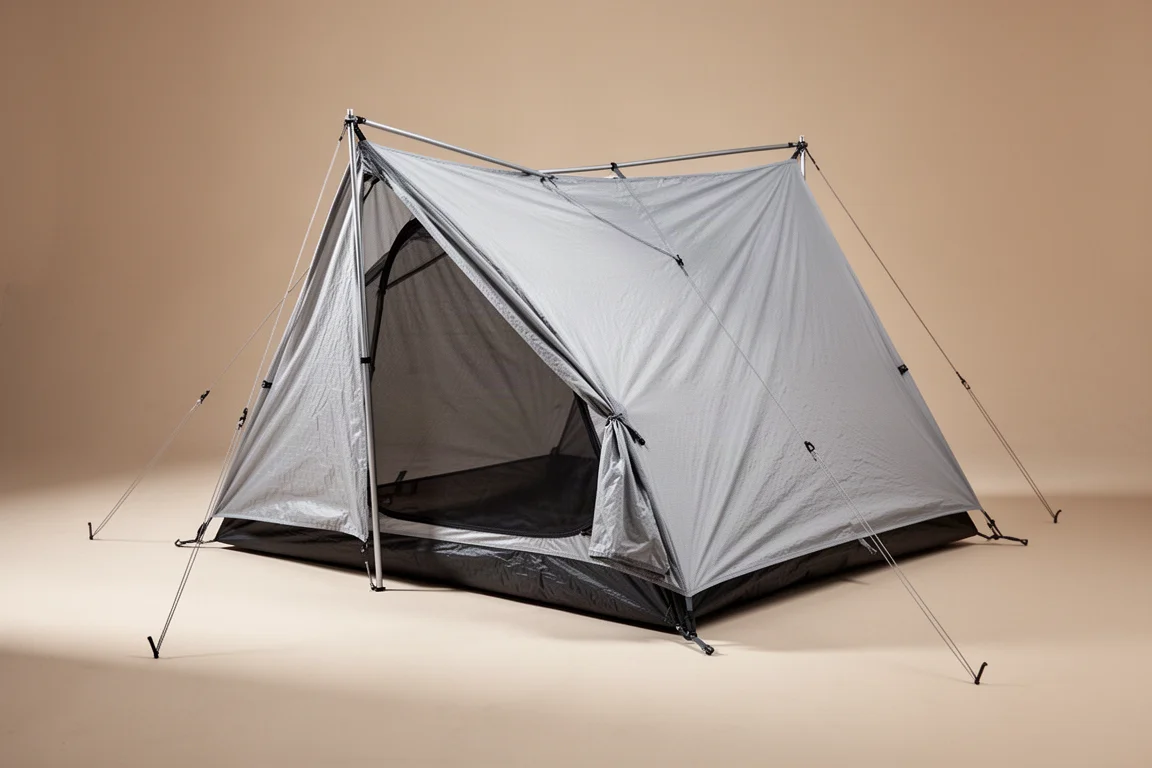
SlingFin 2Lite Tent
The 2Lite is a semi-freestanding design, which matters on slickrock where a fully freestanding pitch is not always possible. It set up cleanly on hard rock, and the interior had enough room for a full pack and gear alongside a sleeping setup.
The poles break down short enough to carry horizontally inside the pack. That sounds like a minor detail until you spend a day pushing through brush with poles strapped to the outside, where snagging and abrasion become a real risk.
UGQ Bandit Top Quilt
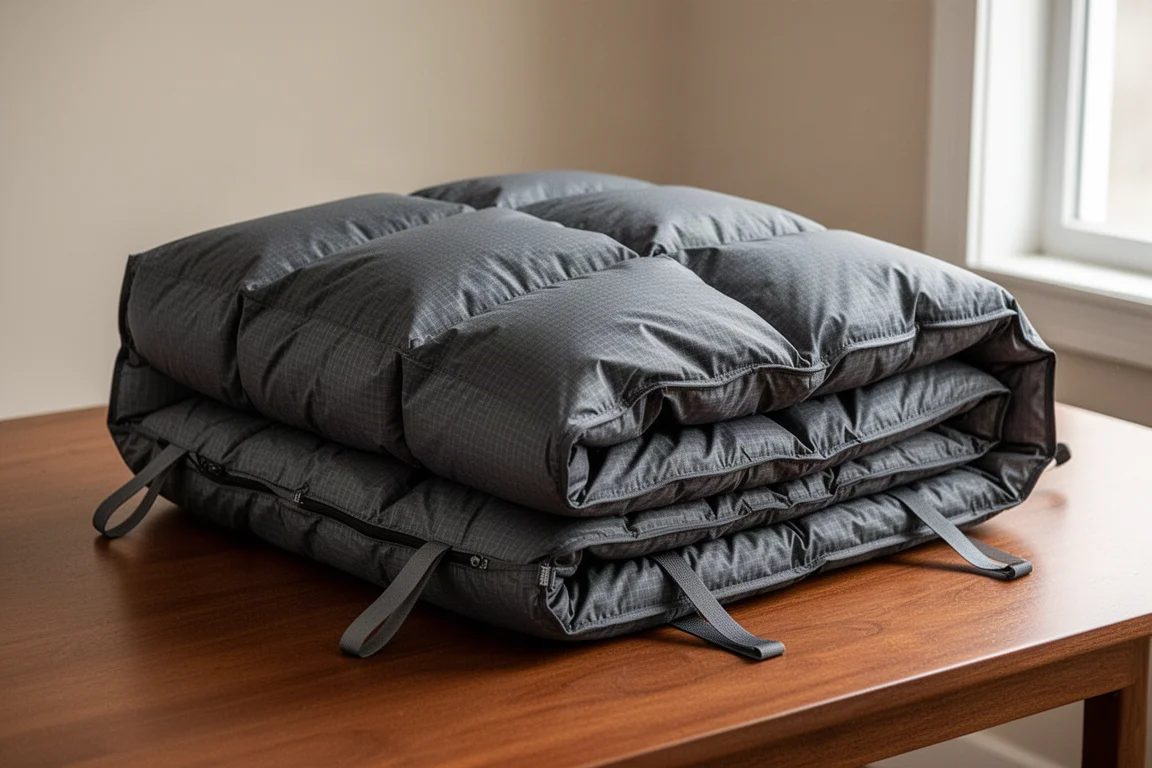
This is a 20°F rated quilt in a long and wide size, and the sizing was deliberate rather than incidental. A quilt only sleeps as well as its coverage and its attachment to the pad, so extra length and width reduce drafts at the shoulders and feet.
The result was a noticeably better night of sleep than a comparable bag would have delivered, and the quilt packs down small enough to disappear into the pack.
Zenbivy Flex UL Sleeping Pad
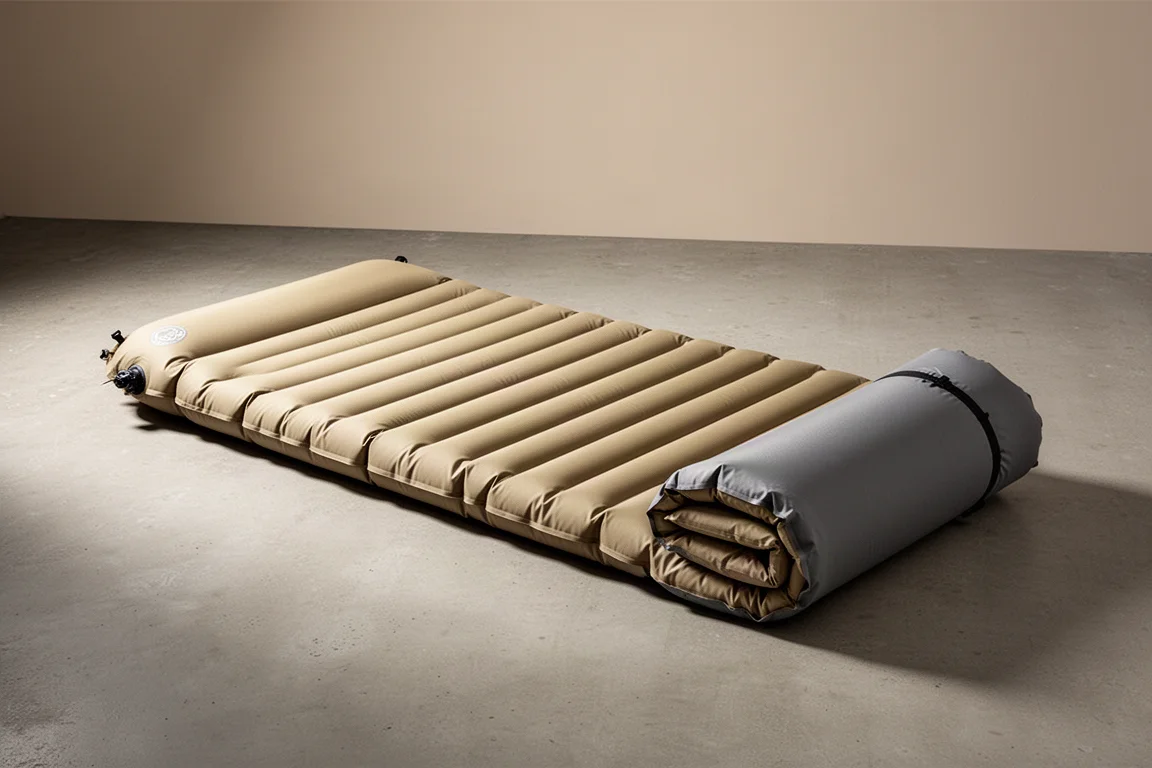
The Flex UL carries a 4.8 R-value, which is the number that decides whether a cold night is comfortable or miserable. On freezing ground it stayed warm and comfortable, and it paired well with the quilt above it.
Zenbivy Pillow
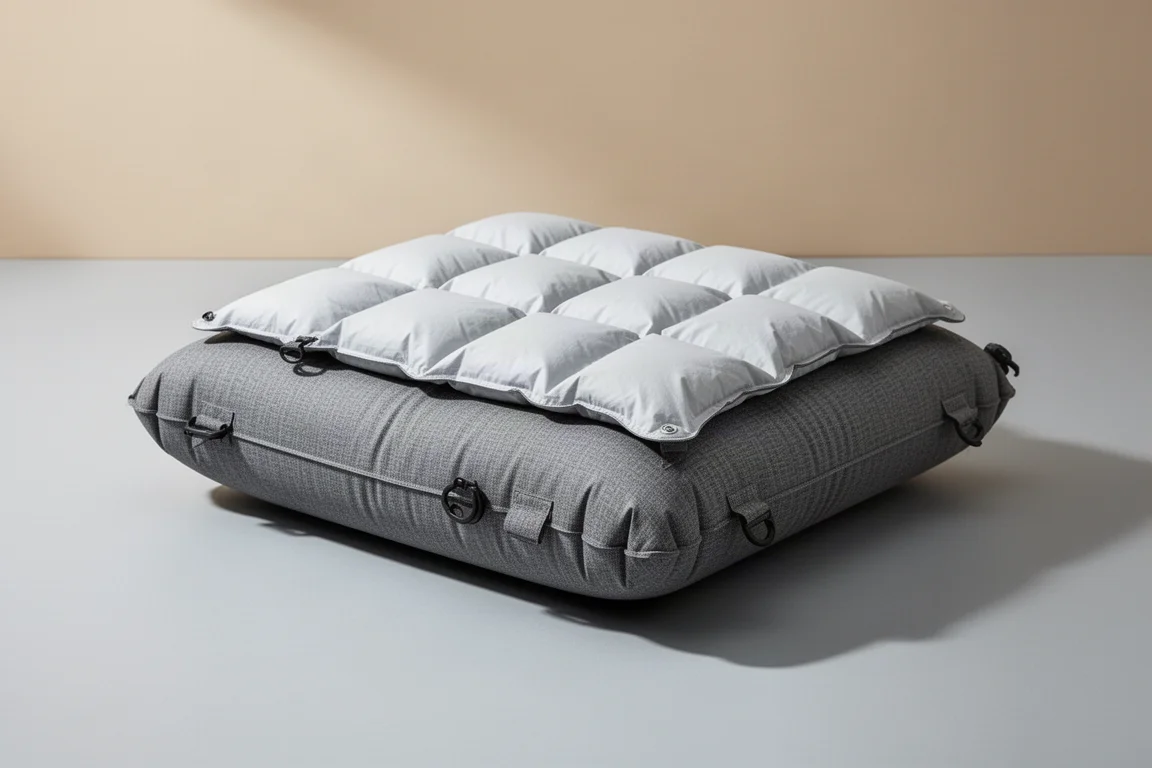
The pillow combines a down topper with an air bladder inside, which lets you tune the height rather than accepting whatever loft the fill happens to provide. For side sleepers, that adjustability is the difference between waking up rested and waking up stiff.
Clothing Worn on Trail
The hiking clothing was a simple layering stack: a hooded base layer, technical trail trousers and low-cut trail shoes, with three pairs of socks in rotation because of repeated cold water crossings.
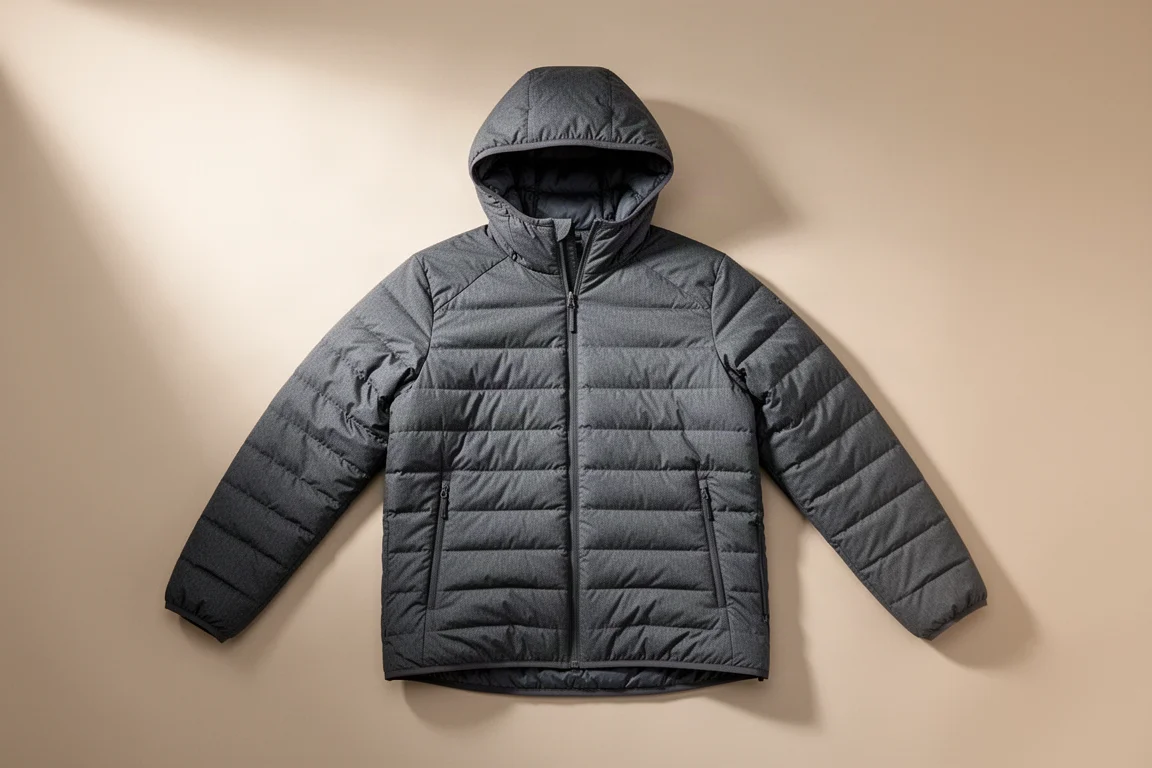
Outdoor Vitals Altitude Hoodie
The Altitude Hoodie served as the base layer for hiking days. A hooded base layer adds coverage around the neck and ears without a separate item, and it works as a first layer under a mid layer once temperatures drop.
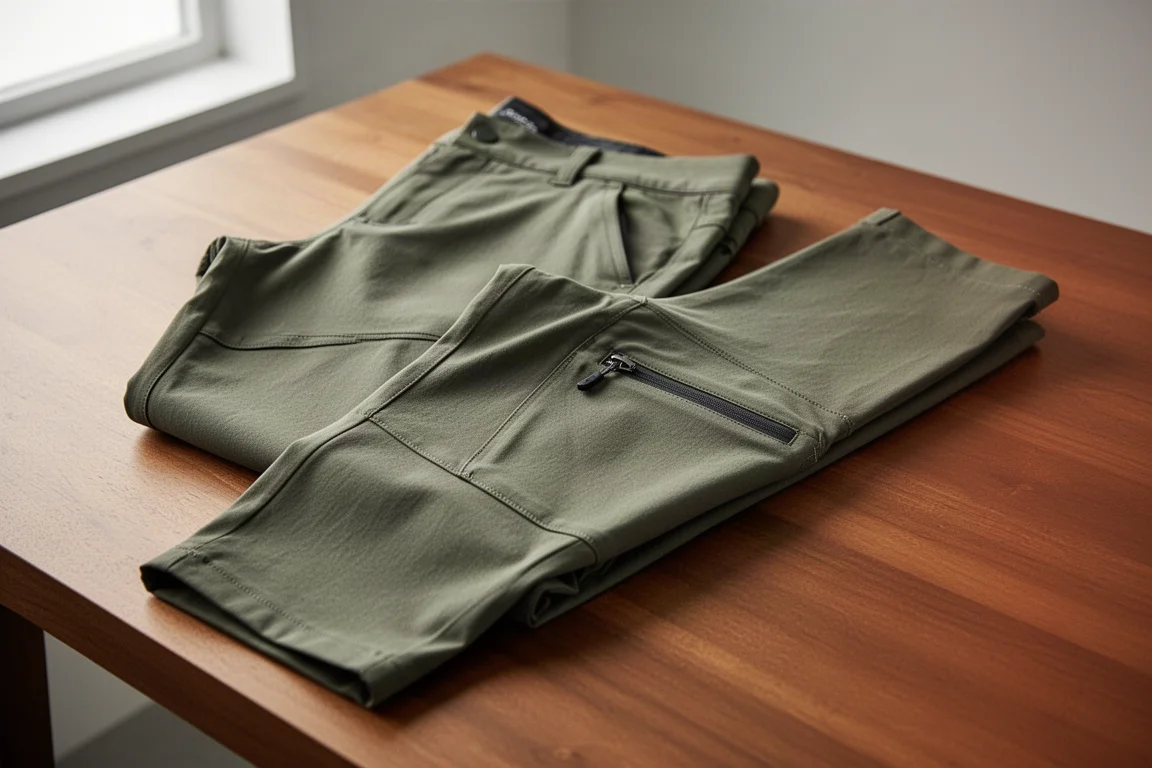
Livsn Ecotrek Trail Pants
The Ecotrek Trail Pants were the legwear used on trail for the full three days, including the brushy sections. A single pair that handles both open desert sun and rough vegetation keeps the clothing list short.
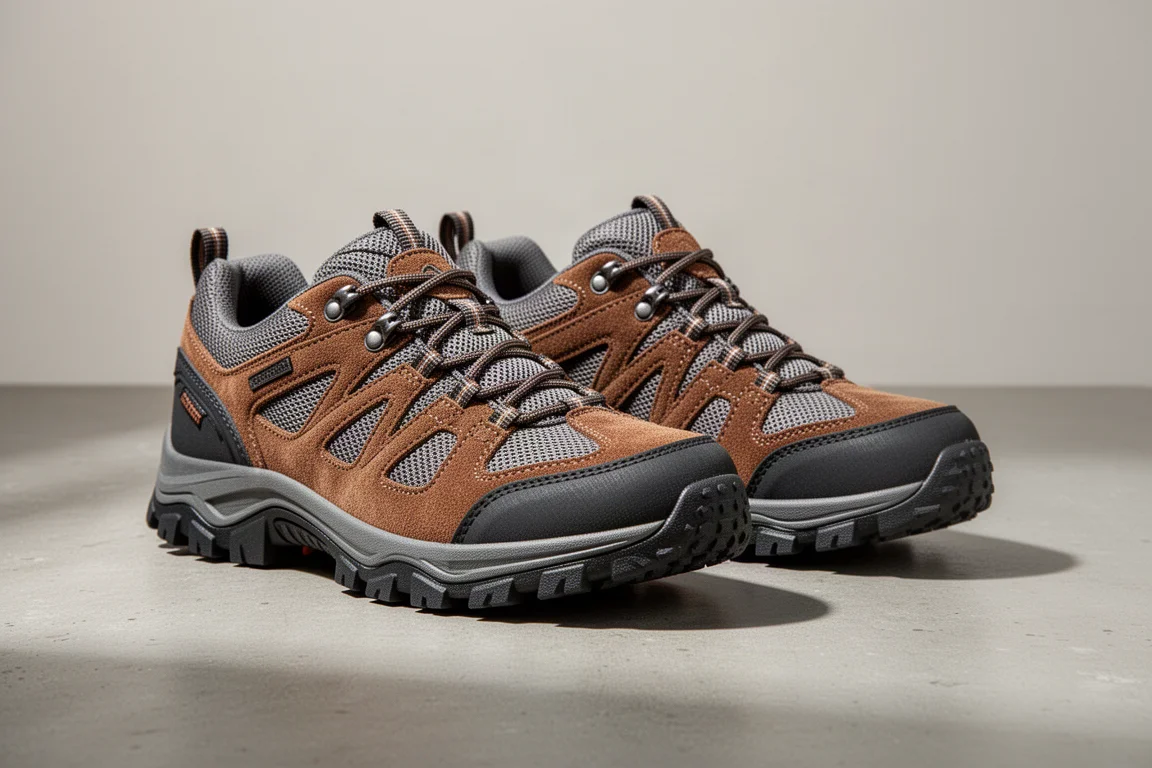
Danner Trail 2650
The Trail 2650 is a low-cut trail shoe, worn here with a merino sock. Low-cut shoes trade ankle support for lighter weight and faster drying, which suits desert terrain where water crossings are frequent but short.
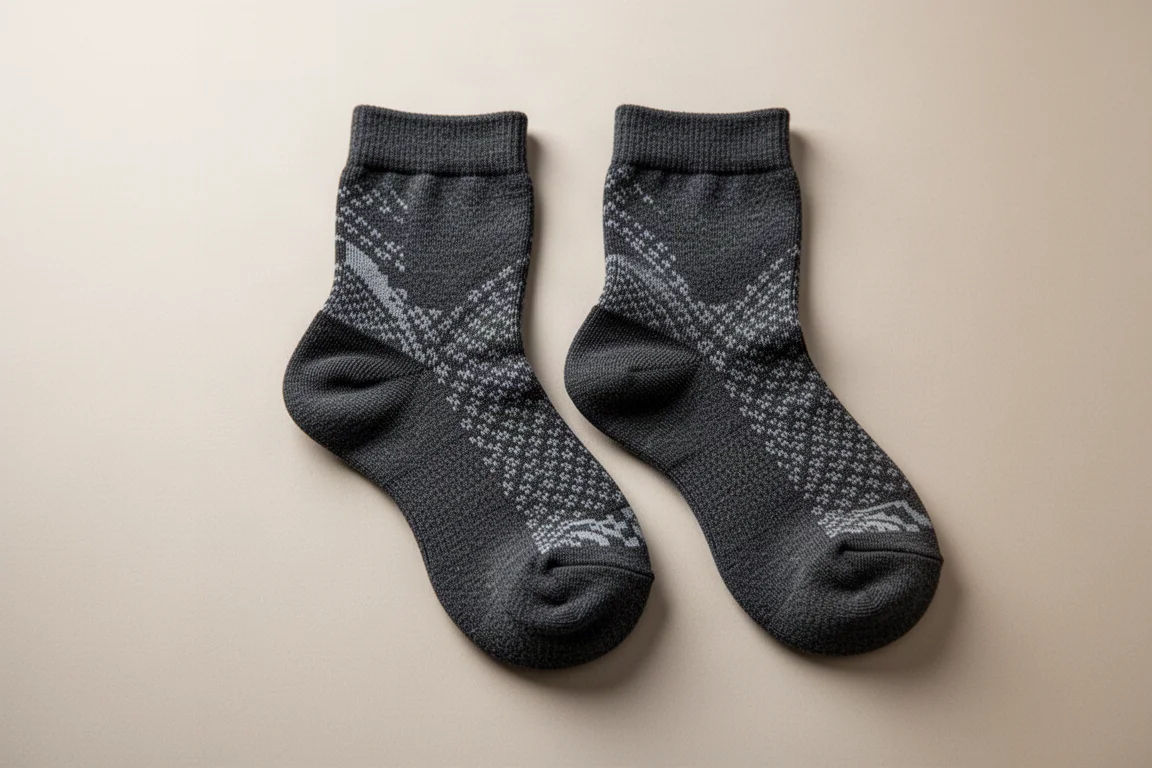
Swiftwick Flight XT Trail Socks
Three pairs of socks came along specifically because of cold water. Being able to rotate into a dry pair after a crossing is one of the simplest comfort upgrades on a spring trip, and it also protects the feet over long days.
The Swiftwick Flight XT Trail socks were the main pairs used on trail, with a separate pair reserved for sleeping.
Layers and Insulation
Static camp time is where a summer kit falls apart in spring. Alongside the mid layers below, the load included a performance tee used as a sleeping shirt, a pair of thermal leggings as a base bottom, and a lightweight pair of liner gloves.
The logic is straightforward: two mid layers of different weights let you match the temperature instead of choosing between overheating and shivering, and liner gloves add a thin extra layer without bulk.
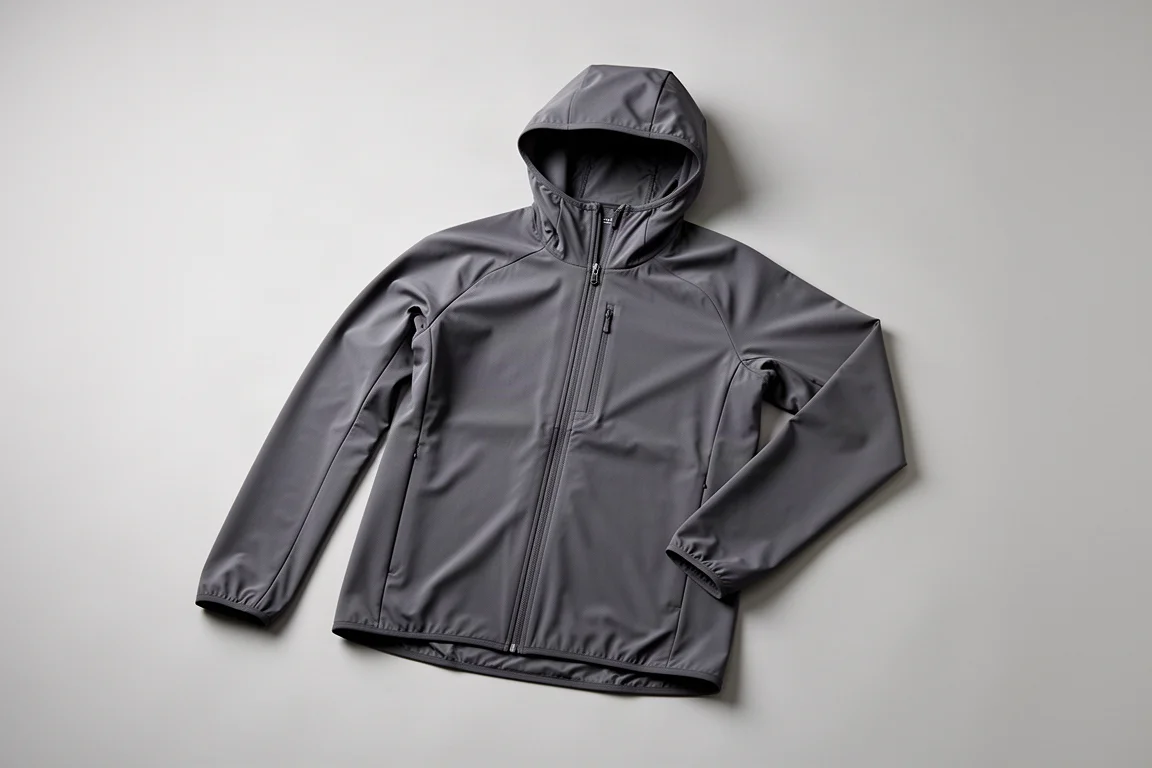
Outdoor Vitals Ventus Hoodie
The Ventus Hoodie was the lightweight mid layer, and it did its best work in exactly the conditions this trip delivered, with overnight temperatures dropping to freezing. It layers easily under a shell or an insulated jacket and adds very little weight to the pack.
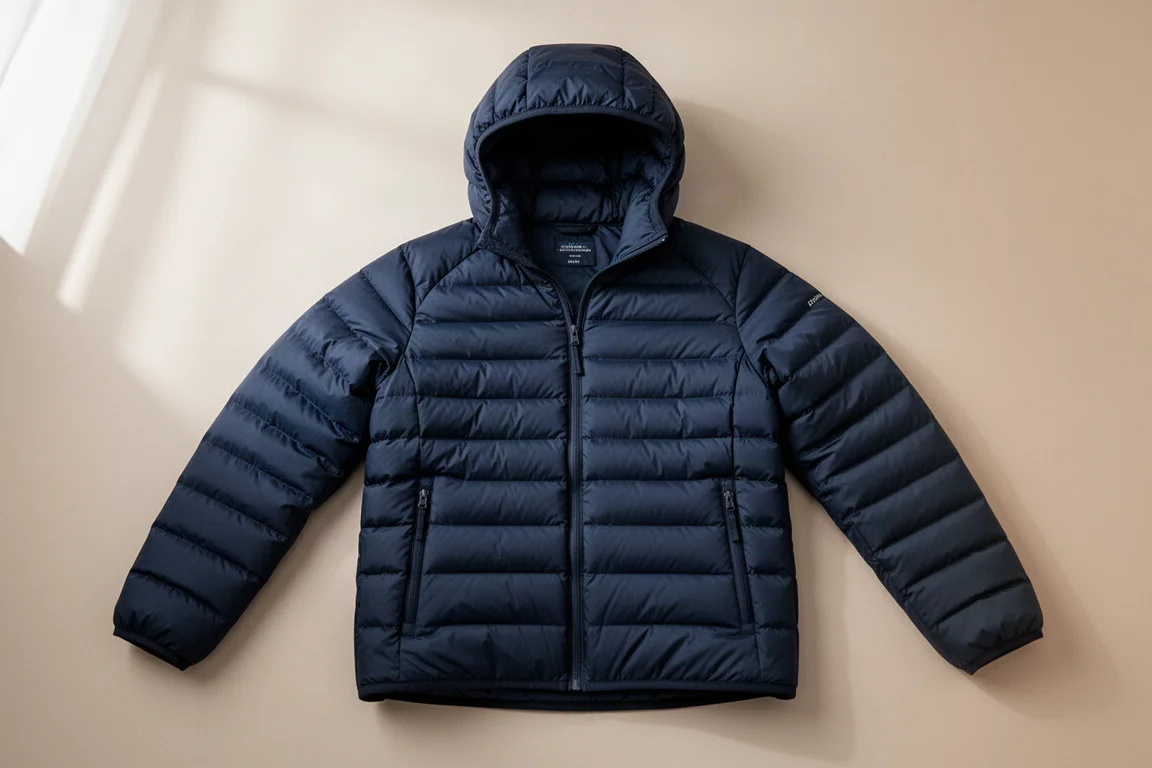
Arc’teryx Nuclei
The Nuclei is a synthetic insulated jacket, which makes it a sensible choice for cold, damp conditions where down is a liability. It worked well as the warmer of the two mid layers and was the piece reached for during long evening sits at camp.
Cooking and Water
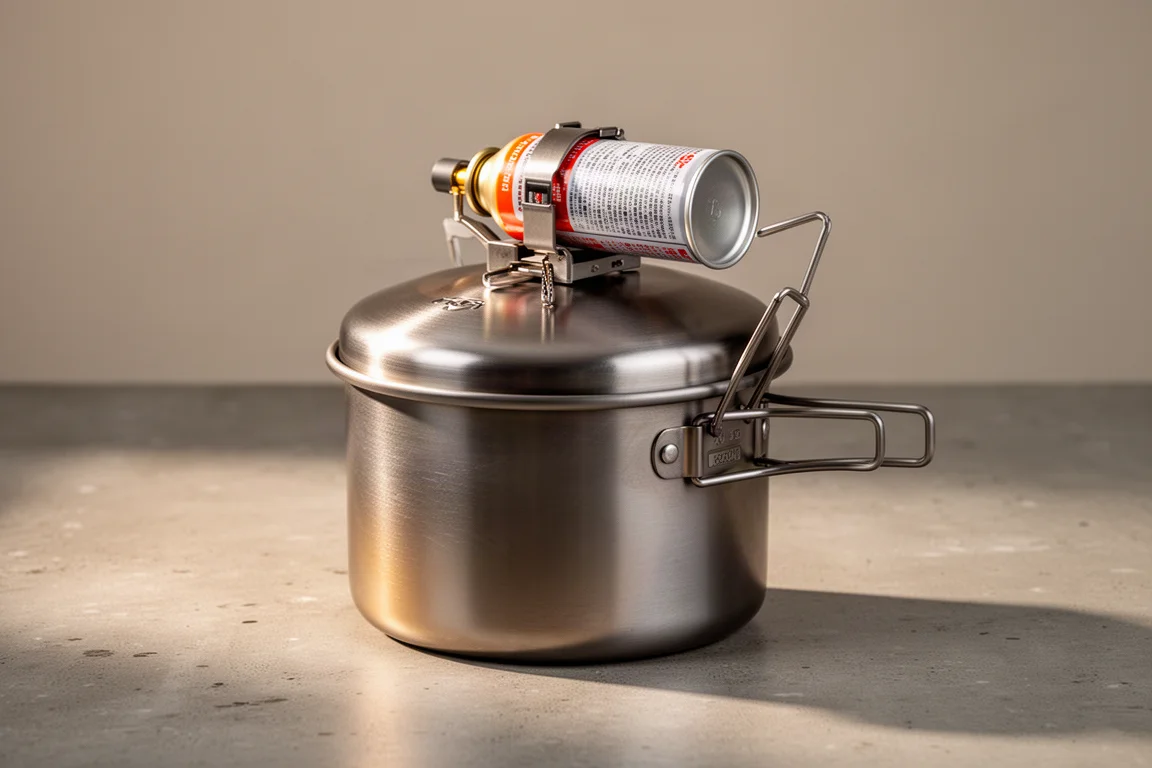
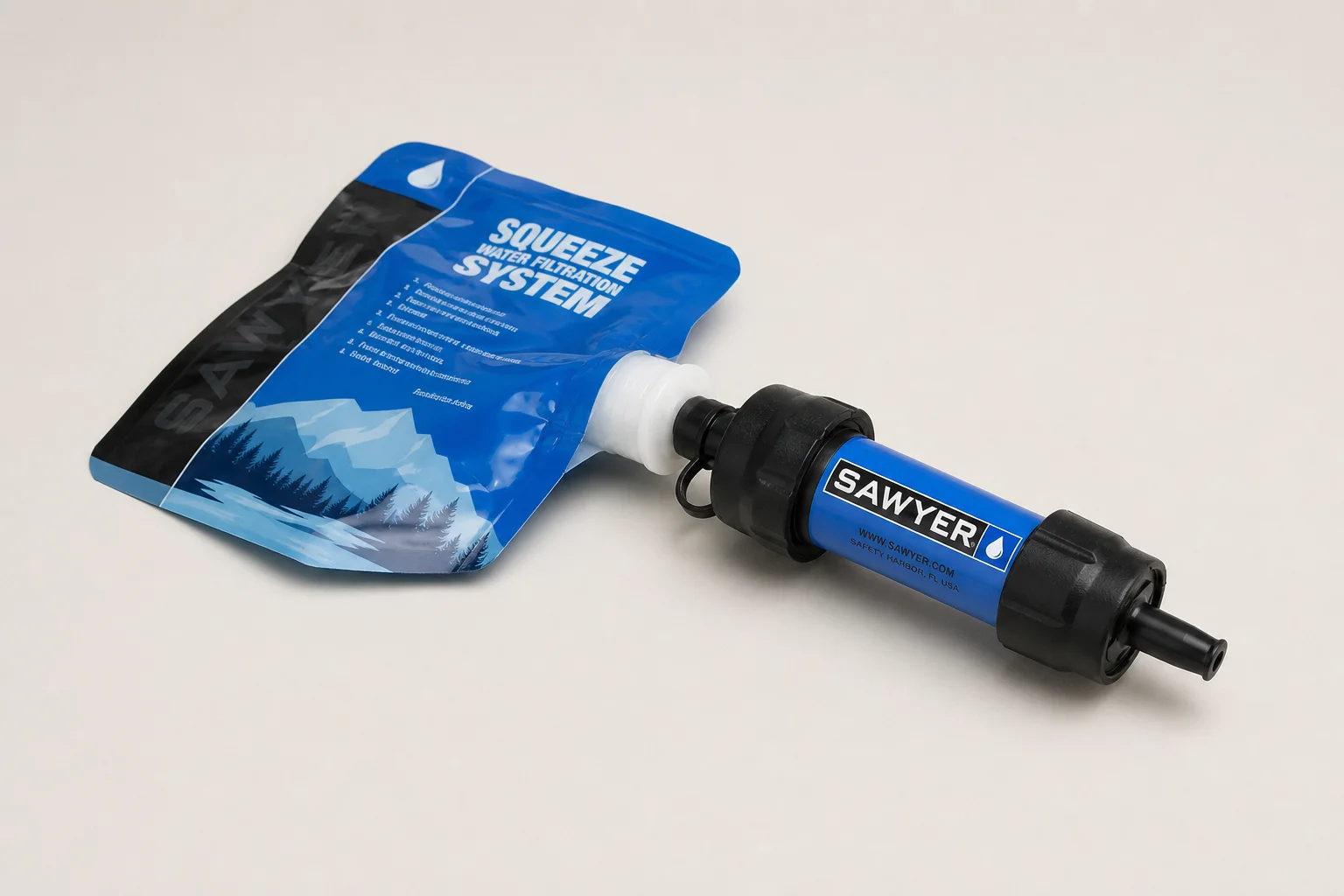
The cook kit has stayed essentially unchanged for a couple of years: a titanium pot, a very small canister stove, a mini lighter, fuel, a lightweight pot sack and a cup. Water treatment is a squeeze filter paired with a two-litre bag, plus a syringe for backflushing.
Toaks 550ml Pot
A 550 ml titanium pot is the right size for one person boiling water, and it nests neatly inside a lightweight stuff sack with the rest of the cook kit. Titanium keeps the weight down without changing how the pot performs.
Sawyer Squeeze
The Sawyer Squeeze handled filtration throughout the trip, paired with a two-litre Cnoc Vecto X bag. Silty desert water is hard on hollow-fibre filters, so the syringe came along for backflushing, and that is worth planning for in Escalante-style terrain where the water carries a lot of sediment.
Navigation and Safety
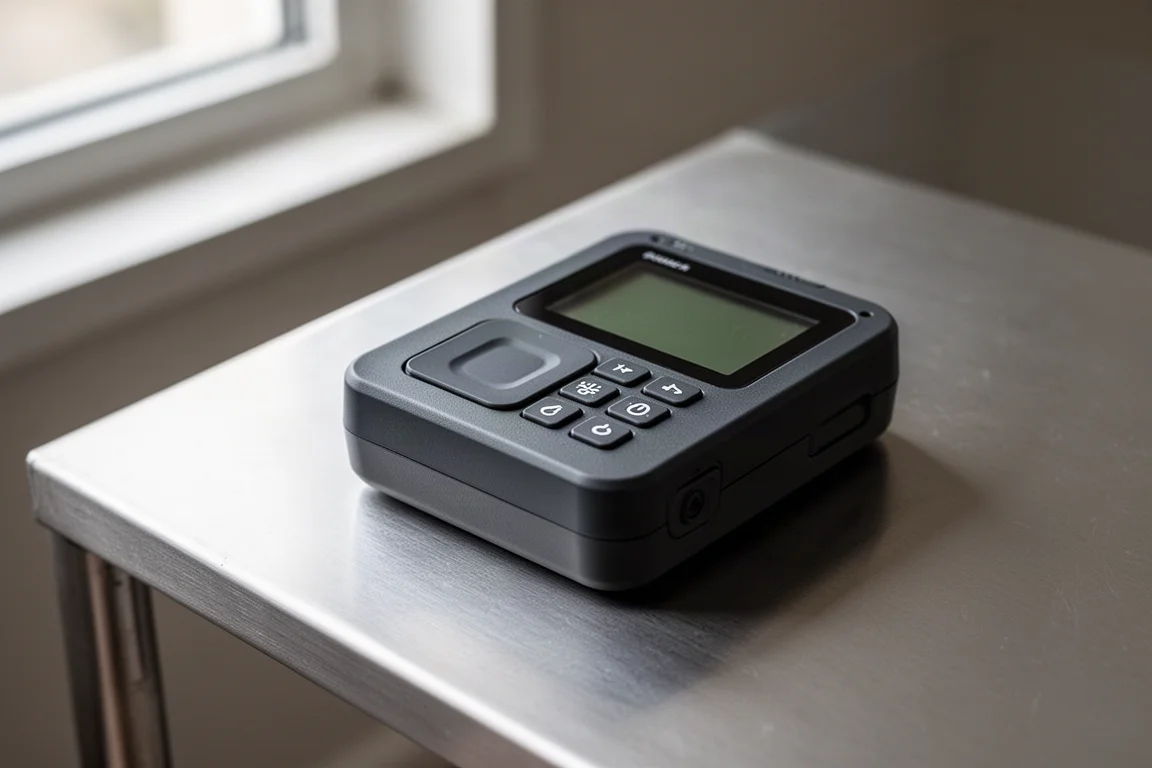
Zoleo Satellite Communicator
The Zoleo satellite communicator provided two-way messaging from terrain well outside cell coverage, which made it easy to check in with family at home across a three-day trip. For anyone travelling solo or in remote canyons, that contact is the difference between a trip that feels adventurous and one that feels uncertain.
Camp Comfort
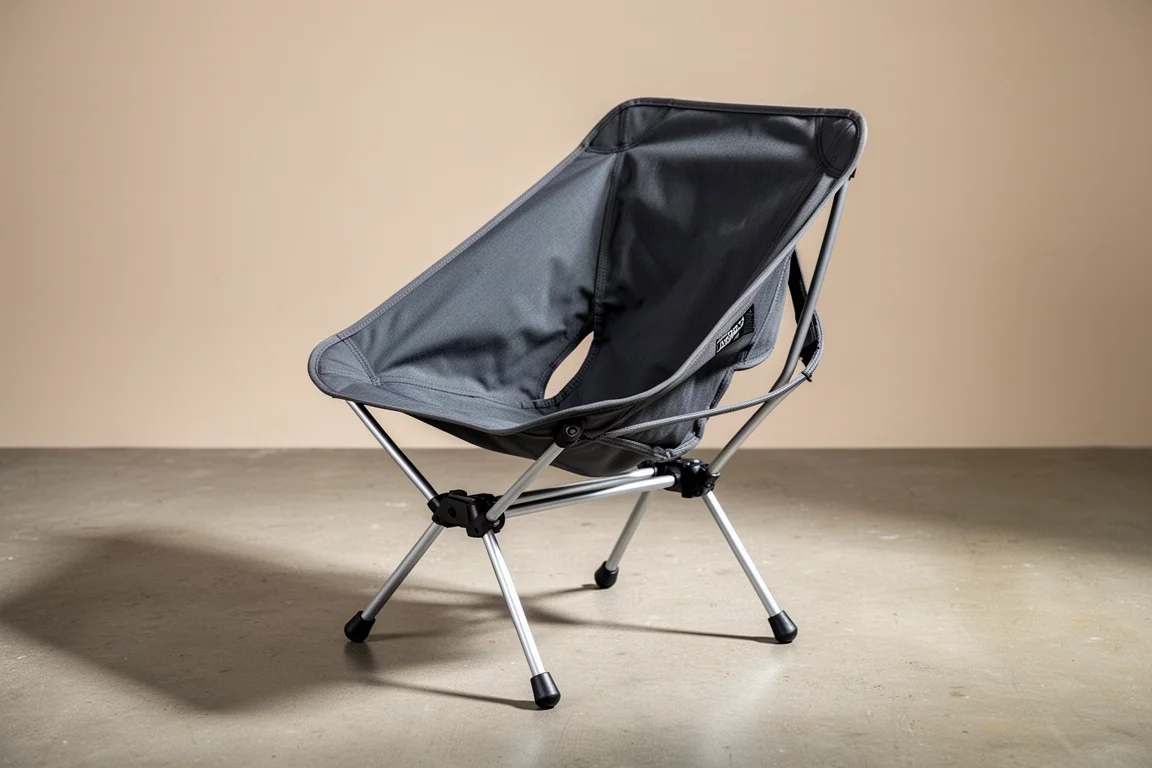
Nemo Moonlight Elite Chair
The Moonlight Elite weighs just over a pound and proved comfortable enough to justify the weight after long hiking days. The roll-up package doubles as a ground sheet under the feet, which stops the legs from sinking into sand, a small detail that makes a real difference in desert camps.
The Rest of the Kit
Smaller items rounded out the load: an Altitude Performance Tee as a sleeping shirt, Highline Leggings as a thermal bottom layer, a lightweight pair of Black Diamond liner gloves, a Cnoc Vecto X water bag, a lightweight and very breathable camp shoe for recovery at the end of the day, a ground sheet that provides a dry place to sit and change out of wet socks, a full first aid kit with a spare lighter, a repair and electronics pouch, a headlamp, and a lighter alternative to the camp chair in the Big Agnes Skyline UL.
Buying Advice
If you are building a spring kit from scratch, prioritise sleep insulation and the pack. The pad R-value and the quilt rating determine whether a freezing night is comfortable or miserable, and the pack determines whether you can carry everything else without paying for it in sore hips. Those are the two places where spending more translates directly into a better trip.
There is just as much value in saving elsewhere. A titanium pot and a squeeze filter are inexpensive and effective, and a two-litre water bag costs very little while making filtration faster. Socks are worth buying in multiples for cold water trips. If you do not carry camera gear or a chair, dropping below 30 lb total pack weight is straightforward with the same shelter and sleep system.
Fit matters more than any specification sheet. A quilt only performs if the size matches your body, and a pack only carries well if the hip belt sits correctly with the actual load you plan to take.
Conclusion
The 30 lb figure is a useful reference point. With a semi-freestanding tent, a 20°F quilt, a 4.8 R-value pad, genuine layering and a chair, a three-day early spring trip becomes comfortable rather than marginal. Every item above earned its place on that basis, and the few weak points, notably the pack mesh, are worth knowing before you commit.
Further reading
Related Reviews

Backpacking Gear
Building a 10 lb Base Weight: An Ultralight Backpacking Gear List
A practical walkthrough of the ultralight pieces behind a 10 lb base weight, from a 765 g pack and a roomy one-person tent to a full camp chair and a dependable water filter.
Backpacking Gear
A 15-Pound Lightweight Backpacking Gear List for Solo Trips
A beginner-friendly 15-pound backpacking setup built from easy-to-find gear, with notes on what each piece does, how it packs, and where to spend your attention.
Backpacking Gear
8 Ultralight Backpacking Gear Upgrades Worth Carrying
Eight small, affordable backpacking upgrades that solve real trail annoyances, from a pillow that stays put to a fuel valve that rescues leftover canister gas.