Backpacking Gear
10 Cottage Gear Makers Worth Knowing: Ultralight Backpacking Brands to Watch
Ten small backpacking gear makers producing quilts, packs, Alpha layers, and ultralight accessories, with what each one does best.
Introduction
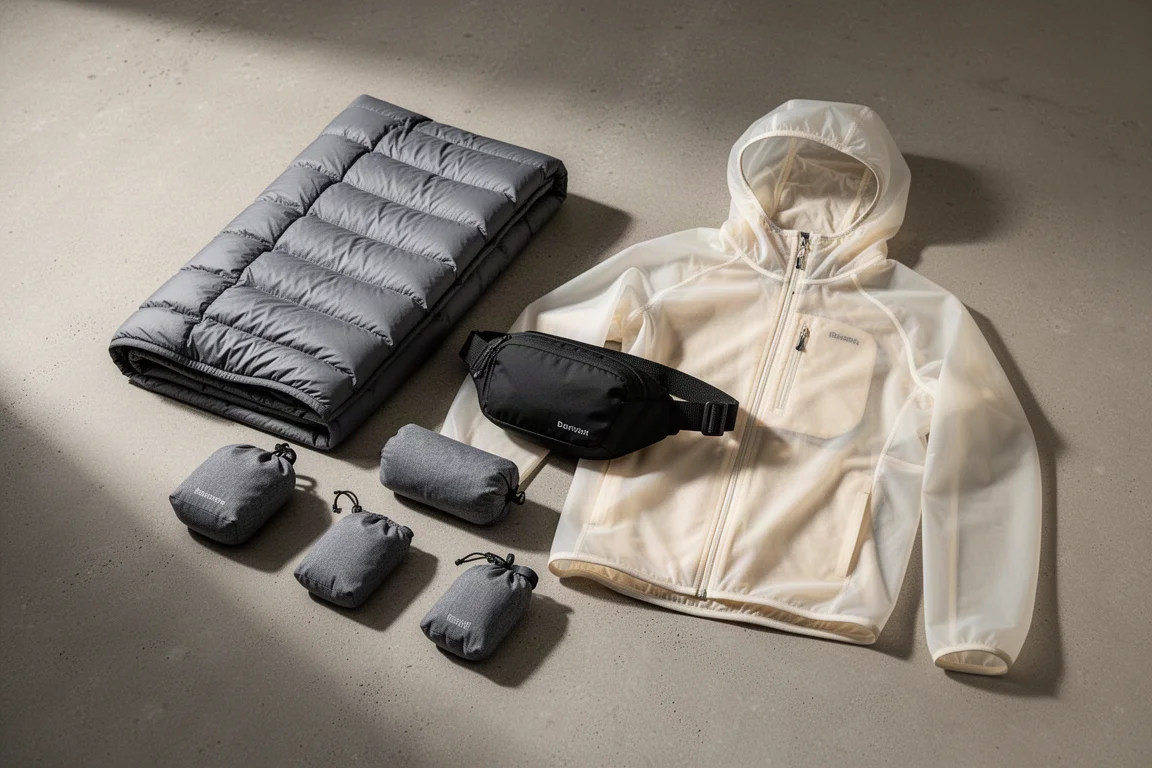
Cottage gear makers are the small workshops behind some of the most interesting ultralight equipment available today. Instead of mass production, these makers design, sew, and ship products themselves, often from a basement, a spare bedroom, or a converted garage. That structure produces short runs, unusual fabric choices, and a direct line to the person who actually made your gear.
The ten makers below cover a wide spread of the category, from quilts and packs to very small composite-fabric accessories, plus one mapping tool that helps solve the hardest part of camping on public land: figuring out where you are actually allowed to stay.
What Makes a Cottage Gear Brand Different
A cottage maker is typically the person designing the gear, making the gear, handling customer service, and doing the marketing, sometimes with a family member or one or two helpers. Many of these businesses began as part-time projects, often after a long hike sparked an idea. The scale has real trade-offs. A small maker can buy a short run of a new fabric and have a finished product within weeks, while larger brands need much longer to experiment with materials. The flip side is limited capacity, small batches, and product lines that shift as fabrics come and go.
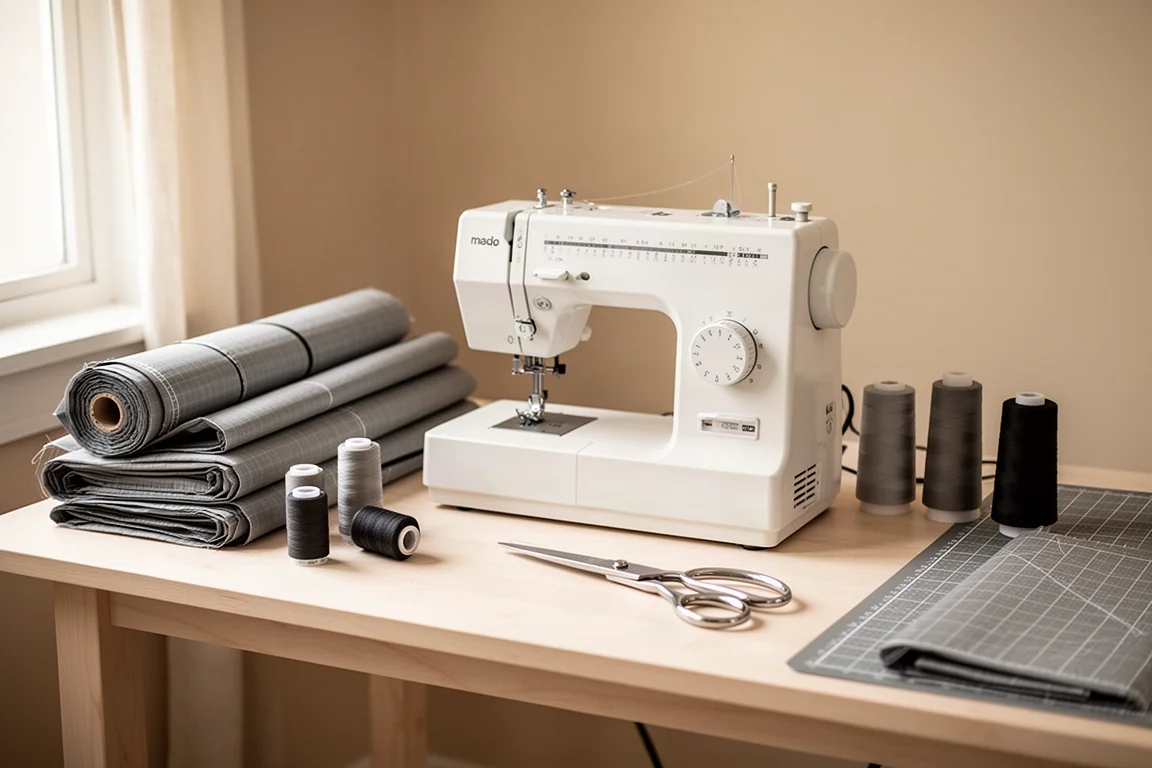
That is also why accessories dominate the cottage world. Pouches, stake bags, ditty bags, and small covers cost far less to produce than packs or shelters, so they are usually how a new maker builds a brand and gets products out into the world before moving on to bigger items.
El Coyote Quilts: Lightweight Quilts from Arizona
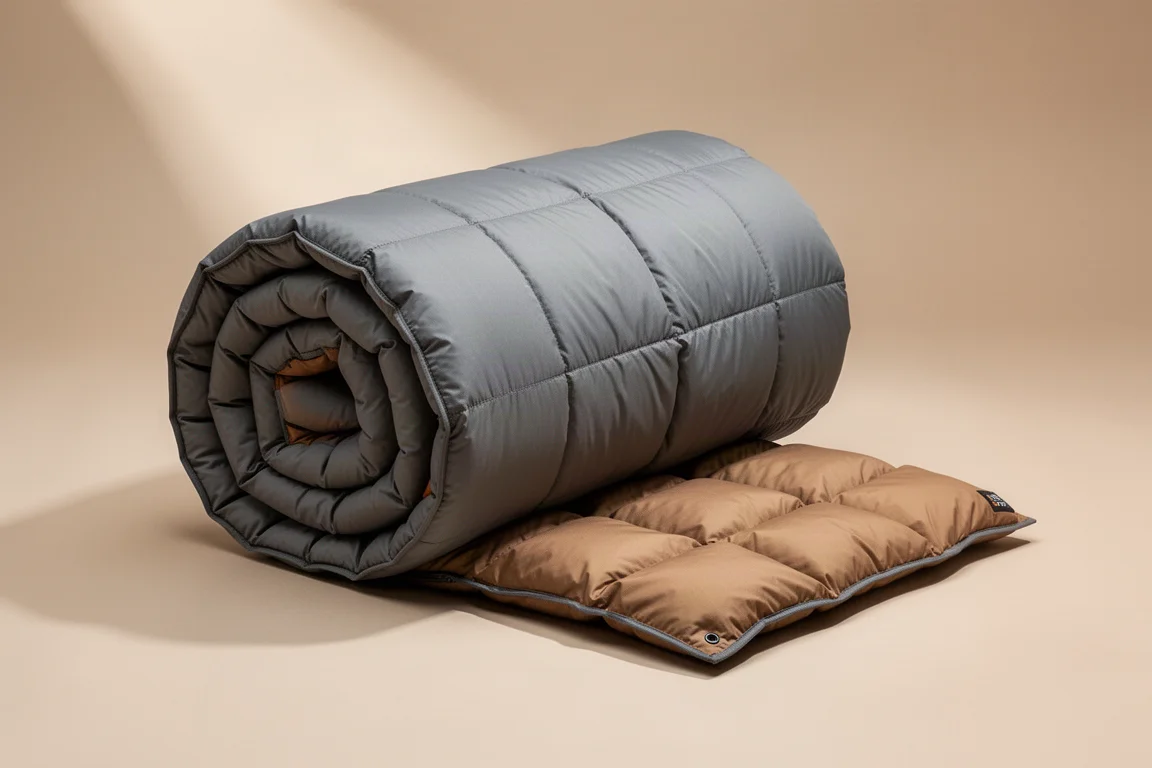
El Coyote Quilts is run by Brian Nokes, a former helicopter pilot who started out designing his own gear. The company is based in Arizona and focuses almost entirely on quilts, offered in stock configurations and custom builds with a range of colors, fabrics, and fill options. Everything is made in the United States, with Brian and his wife handling the business between them.
The design here has a zippered footbox, so the quilt can lie completely open like a blanket in warm conditions or be cinched closed when the temperature drops. It carries a 20-degree rating. El Coyote is not chasing the absolute lightest quilt on the market. The goal is a lightweight quilt that holds up over seasons of use, and the stitching is dense and even in a way that suggests it will.
ThruPack Summit Bum: The Fanny Pack That Started a Trend
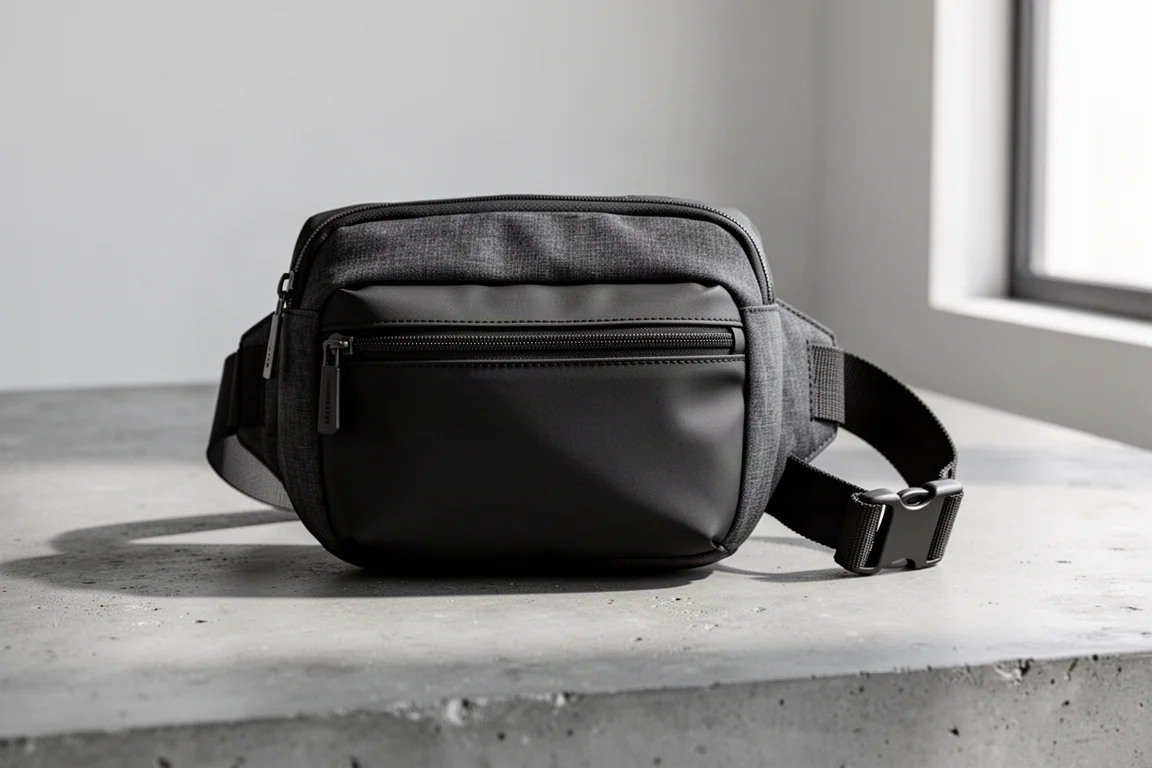
ThruPack is run by Paul Thomas, known on trail as SkunkApe. He was an early force in bringing fanny packs into thru-hiking at a time when almost nobody was making them for that audience. Paul has been sewing his packs himself for years and offers a wide range of customizable options.
The Summit Bum has slightly more capacity than the tiny hip packs that now fill the market. It uses a firm back panel that holds its shape, which makes it easier to carry snacks or a phone without the pack collapsing, and a set of comfortable straps is available as an optional add-on for anyone who wears a hip pack all day.
Art Wolf: Small Dyneema Accessories
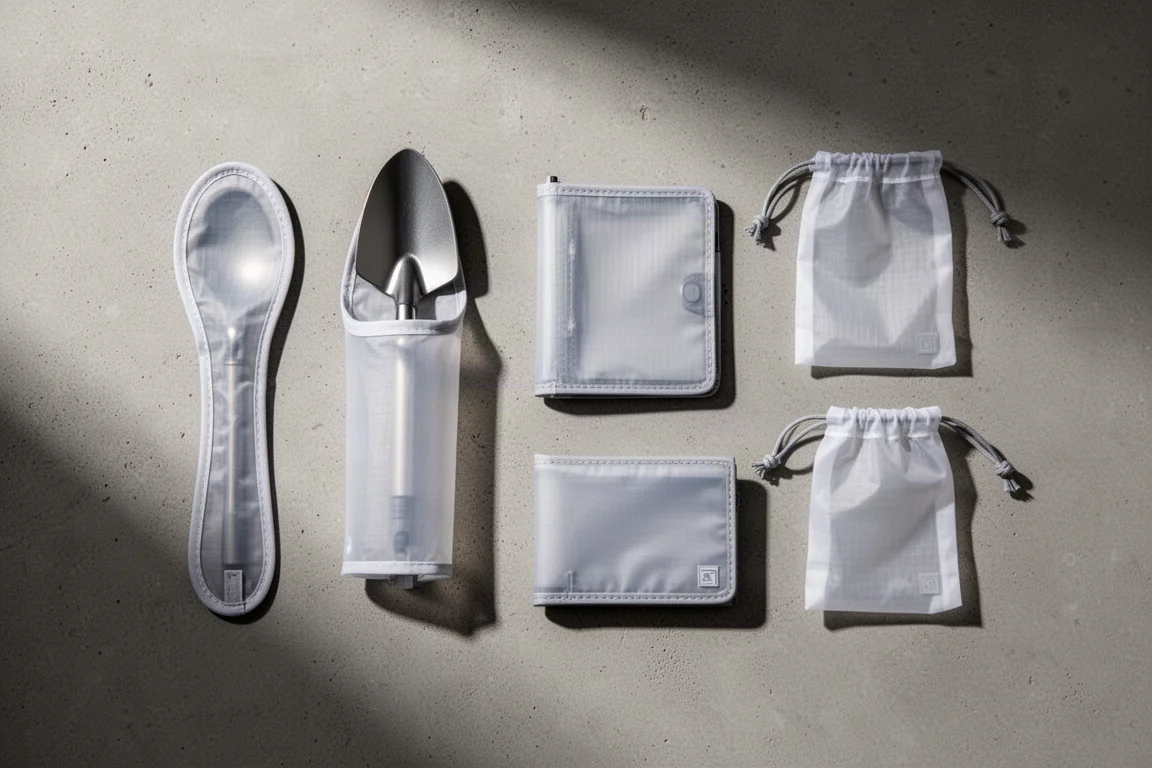
Art Wolf is a very small operation run by Nate Cats, who started making gear within the past year after hiking the Northern New Mexico Loop. The catalog is built around small accessories cut from Dyneema, including spoon covers, trowel holders sized for specific trowels, ditty bags, toothbrush covers, and ultralight wallets.
The spoon covers have been the breakout item, and the toothbrush covers solve a real problem, since a toothbrush that has been rattling loose in a pack is not something you want back in your mouth. It is a good example of a maker finding a narrow gap that larger brands have no reason to fill.
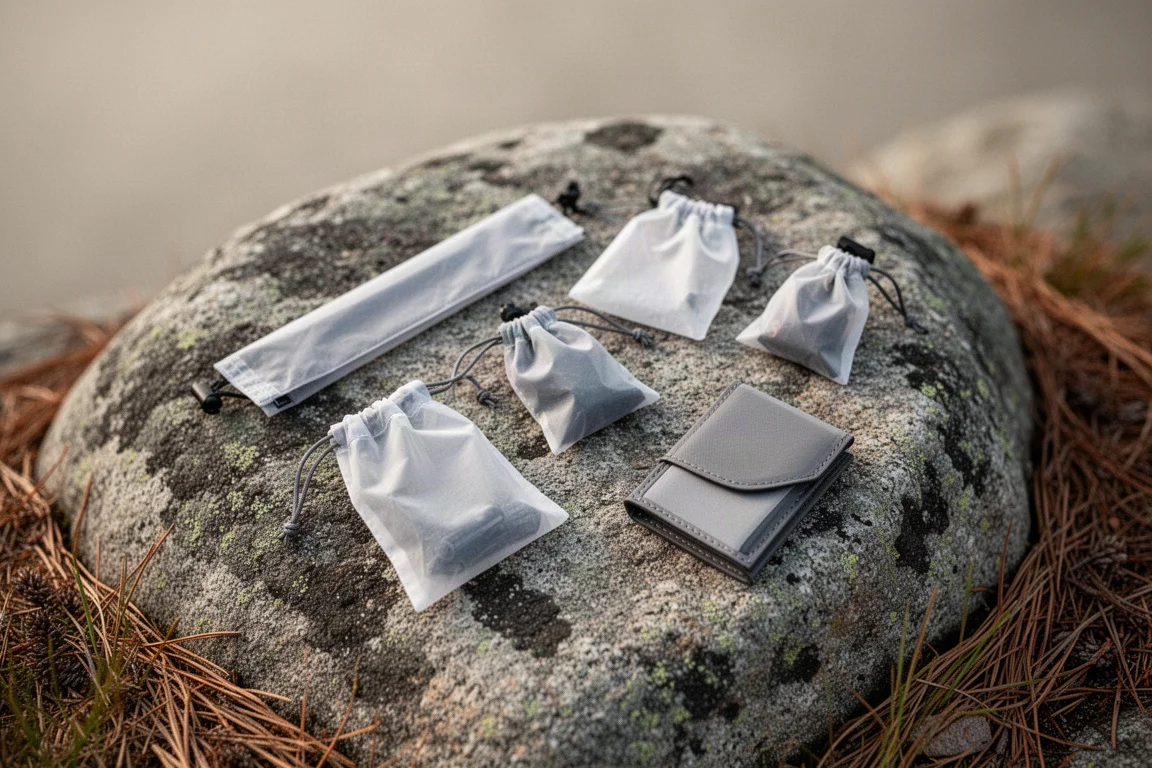
Most of these pieces cost very little, and they are the kind of small refinements that make a pack easier to live with on a long trip.
LEAVE: Alpha Hoodies Sewn by Grandma
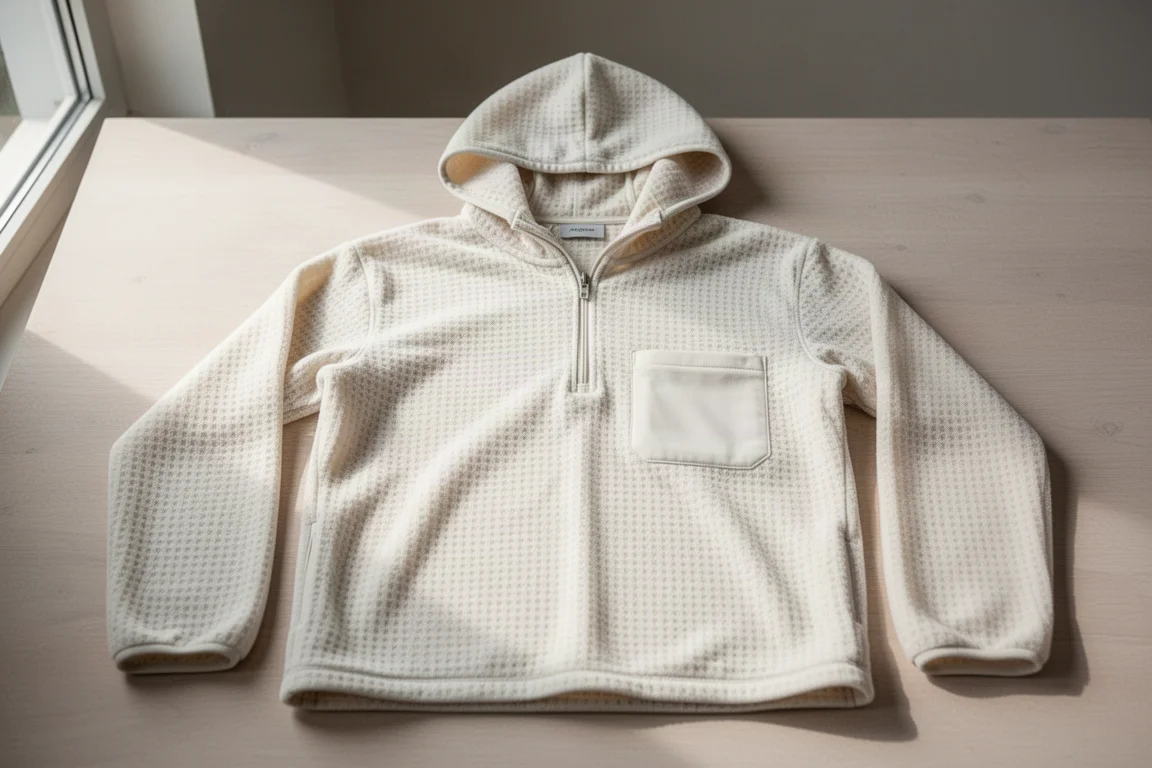
LEAVE is run by Cam, who started the company a year or two ago. He had planned to thru-hike the Pacific Crest Trail with his wife, got fully prepared, and then learned they were expecting a child. The hike did not happen. The company did.
What makes LEAVE unusual is the production chain. Cam buys the fabric and ships it to his grandmother, Denise, who sews every hoodie and ships them back to him for distribution. Denise had been laid off and wanted to spend her time gardening and sewing, and her house has effectively become a small factory. LEAVE also produces ultralight rain jackets alongside the Alpha hoodies.
Yargo Gear: Simple, Thoughtful Packs
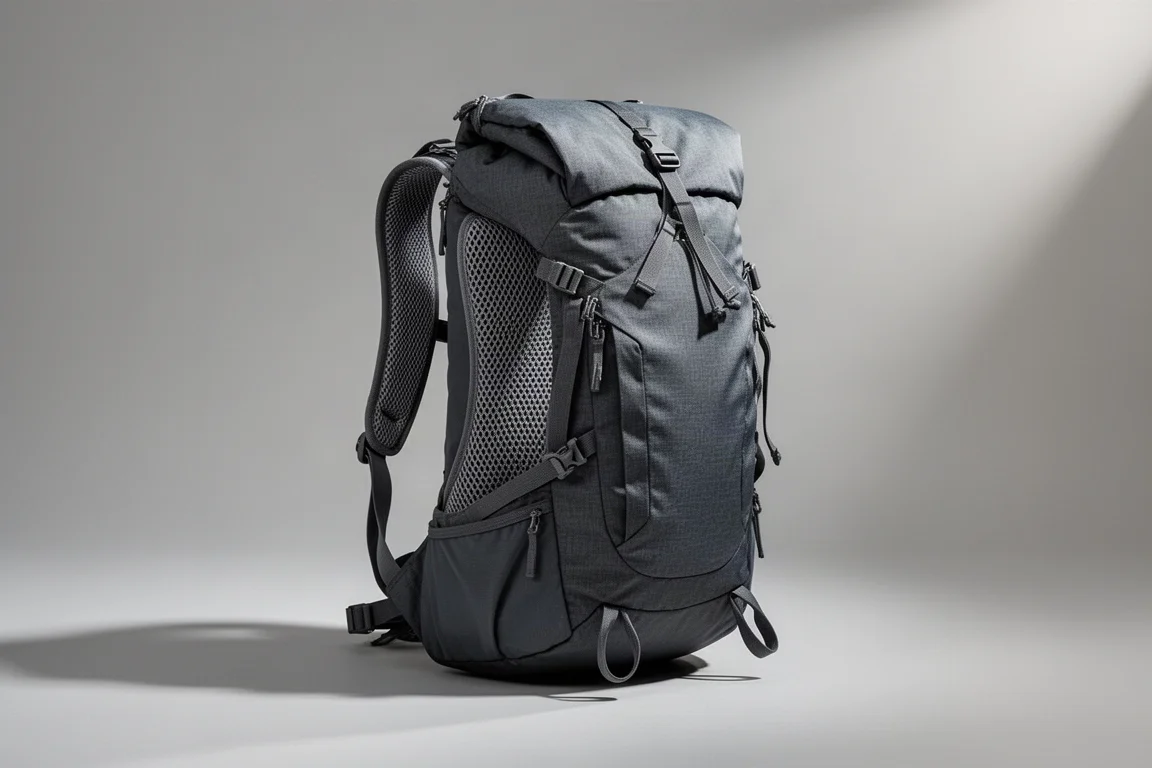
Yargo Gear was founded by Adam Bruce, who hiked the Appalachian Trail before starting to tinker with pack designs. After a long series of iterations he settled on a small lineup of packs, alongside custom work and one-off scrap packs. He is based in Kingston Springs, Tennessee.
The packs tend to be lower capacity, and several use a vest-style harness that hugs the back rather than sitting away from it. The mesh used on the back panel is durable and resists snagging on brush the way lighter mesh can. The name comes from a child at his kid’s preschool who thought he looked like a pirate and greeted him accordingly.
Hartford Gear Co.: Accessories with a Designer’s Eye
Hartford Gear Co. is based in Hartford, Connecticut, and Georgia makes every product herself. She is one of relatively few women running a maker business in the ultralight space, and her work stands out for color combinations and finishes as much as for function.
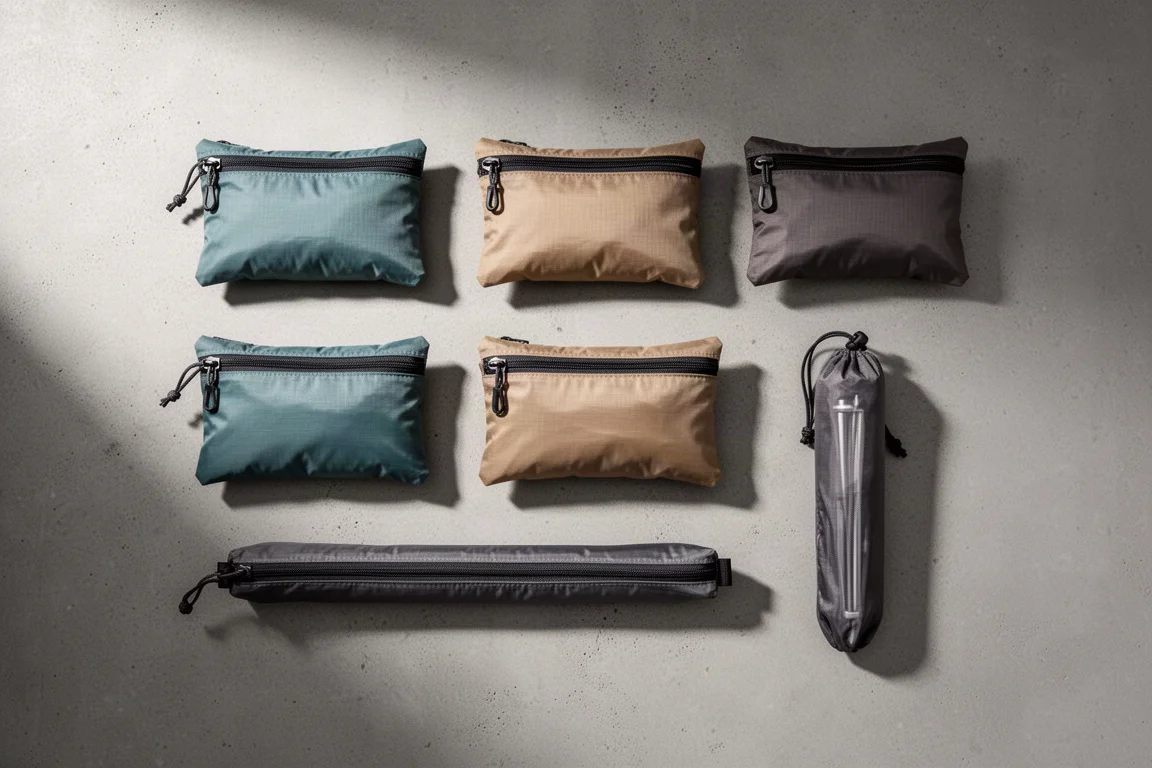
The range covers pouches, stake bags, and totes. The long pencil-style pouches work well as first aid kits or toothbrush kits, and the tent stake bags are cut to fit six-inch stakes with almost no wasted space. Accessories are the natural entry point for a small maker, since packs, shelters, and sleeping bags are far more expensive and difficult to produce, and this is a good example of that category done carefully.
Red Paw Packs: Fanny Packs and Dog Packs
Red Paw Packs is run by Matt Evans, who is widely respected in the ultralight community and has done a great deal to support the make-your-own-gear scene. The company is named after his dog, Lucy.
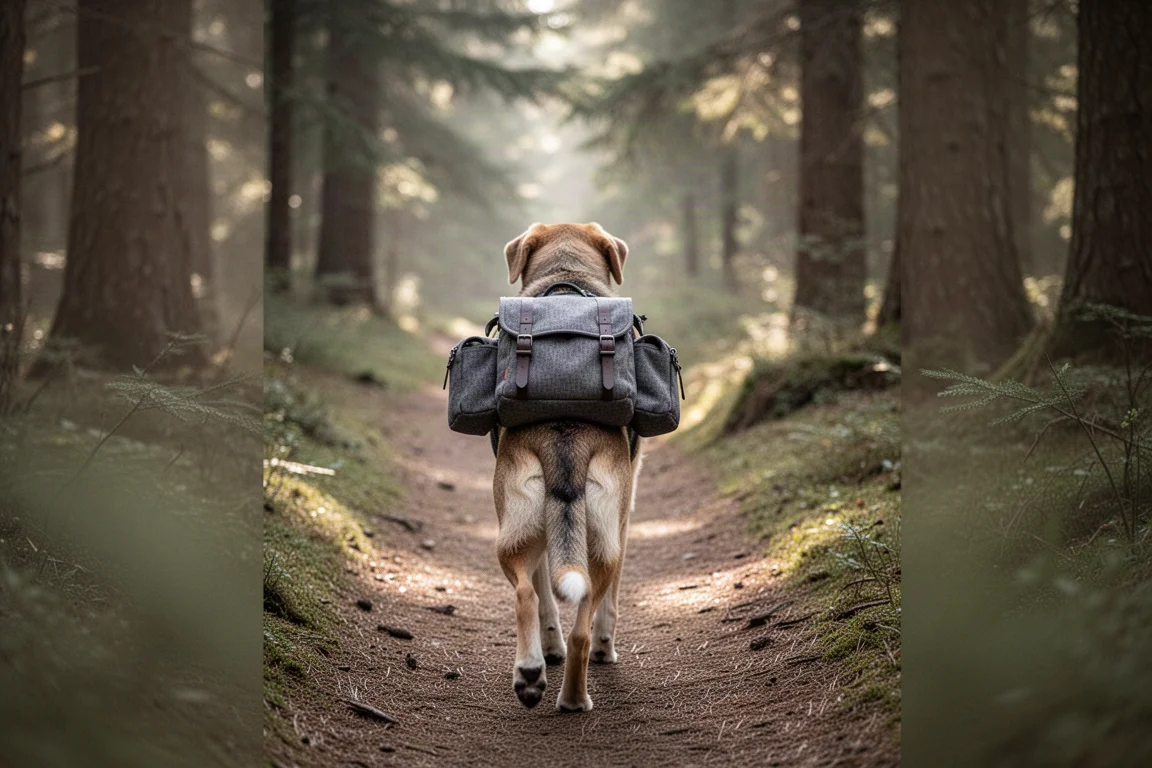
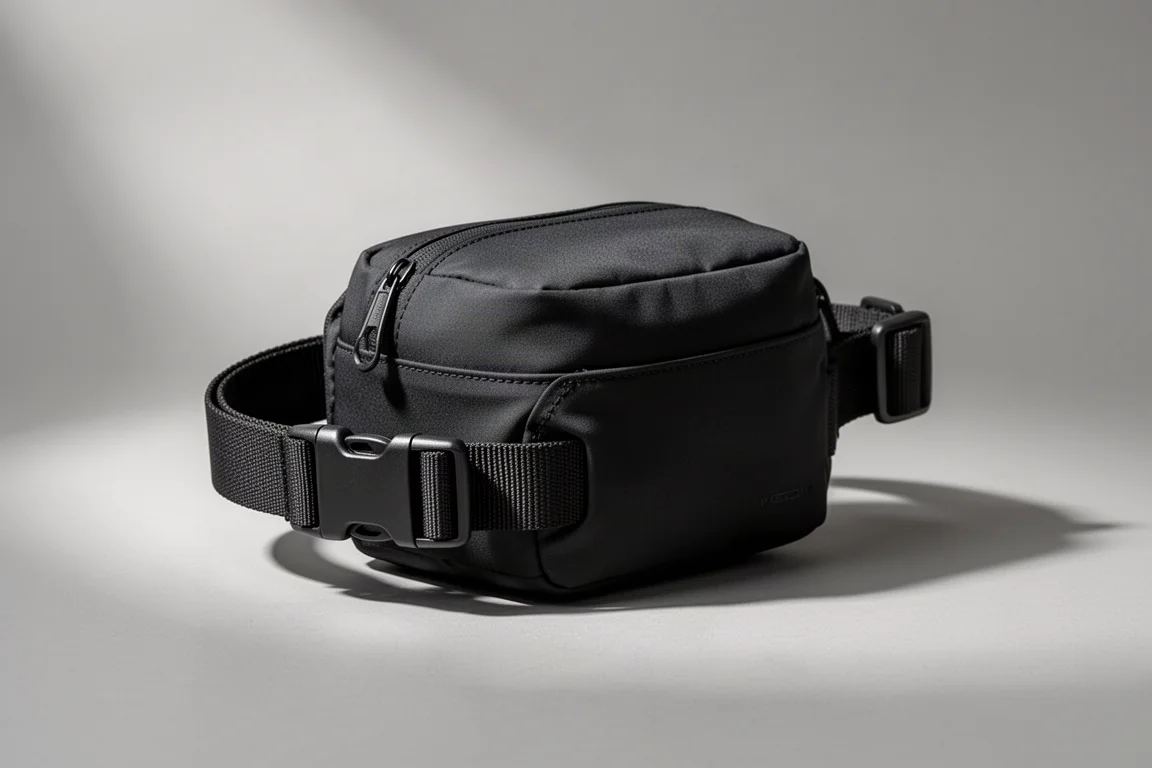
The catalog includes packs, an intentionally designed fanny pack, and handmade dog packs built to a specific dog’s measurements, something only a couple of brands in the space offer. The fanny pack includes a small pouch on the top face for a flask or a pair of sunglasses. Evans is also known as a generous collaborator who shows up for other people in the gear world.
Tumble On Outfitters: Alpha Liners from the Continental Divide
Tumble On Outfitters is based in Chama, New Mexico, right along the Continental Divide Trail. Founder Mitch Collins hiked the CDT and wanted to build a shop that could supply gear to people walking that route, since the trail does not have many supply points along the way. He started with a shop built out of a storage container that ran freezing in cold weather and punishingly hot in summer.
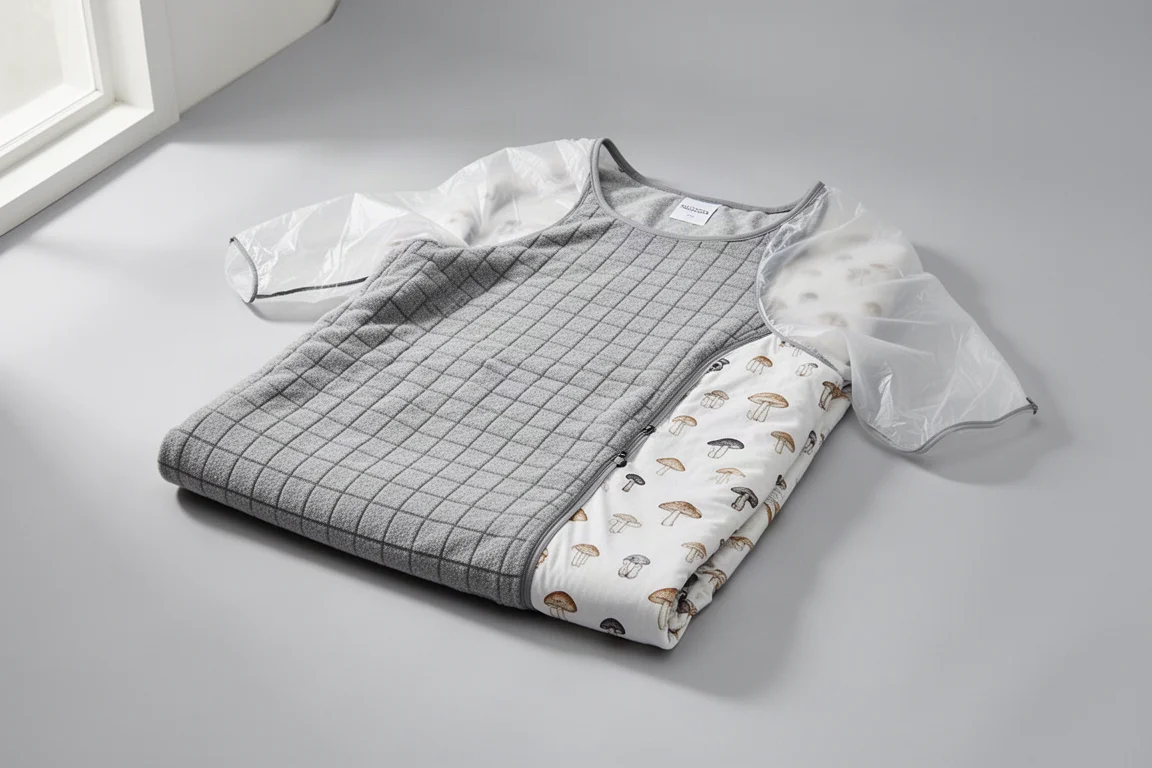
The company’s own products include an Alpha sleeping bag liner that pairs grid fleece with Alpha fabric, placing fleece across the core for warmth and Alpha at the arms and neck for breathability. Small mushroom motifs add a bit of character that plain Alpha pieces usually skip.
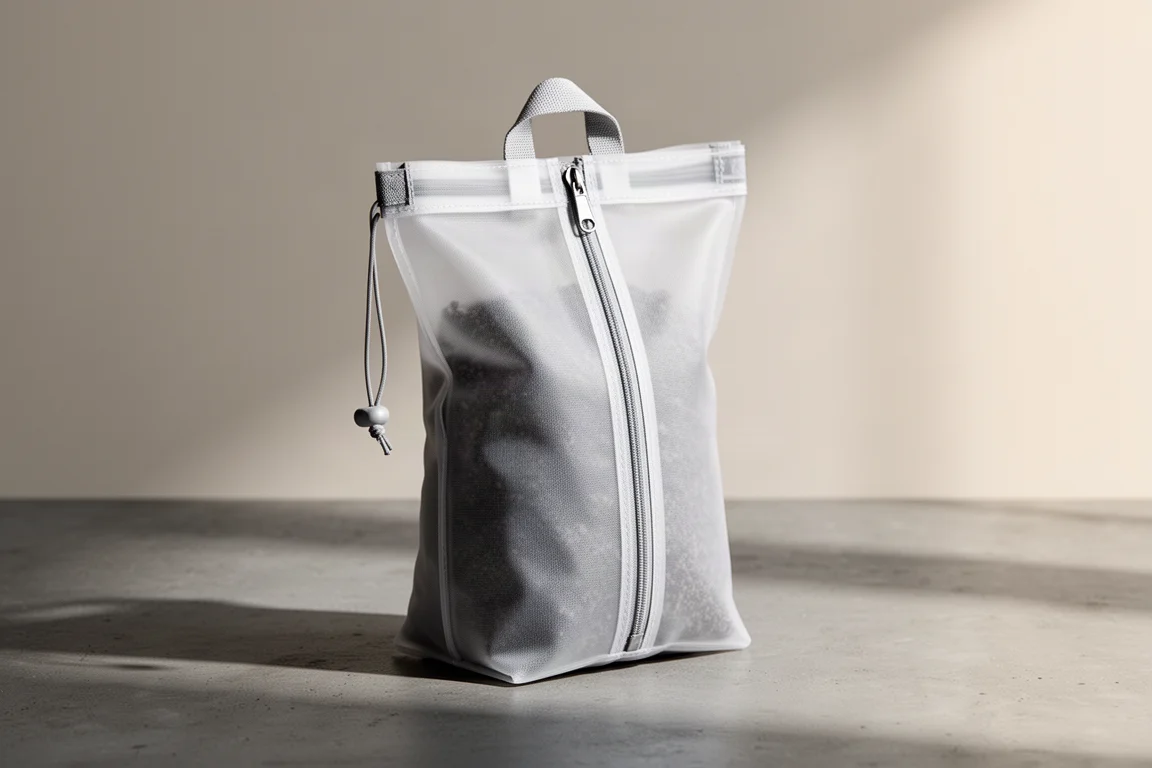
Ultralight Sacks: Zippered Bear Bags and Pouches
Ultralight Sacks began on Etsy and still sells some products there, making it one of the earliest accessory-focused makers in the category. The lineup covers small pouches, boxy bags, bear bags, and a handful of packs.
The zippered bear bag is the best known product, and zippered bear bags remain uncommon on the market. What has set the brand apart over time is fabric experimentation: the product range stays fairly consistent, but new materials get adopted as soon as they become available. That kind of agility is much harder for a large manufacturer to match.
OnX: Mapping Tools for Dispersed Camping
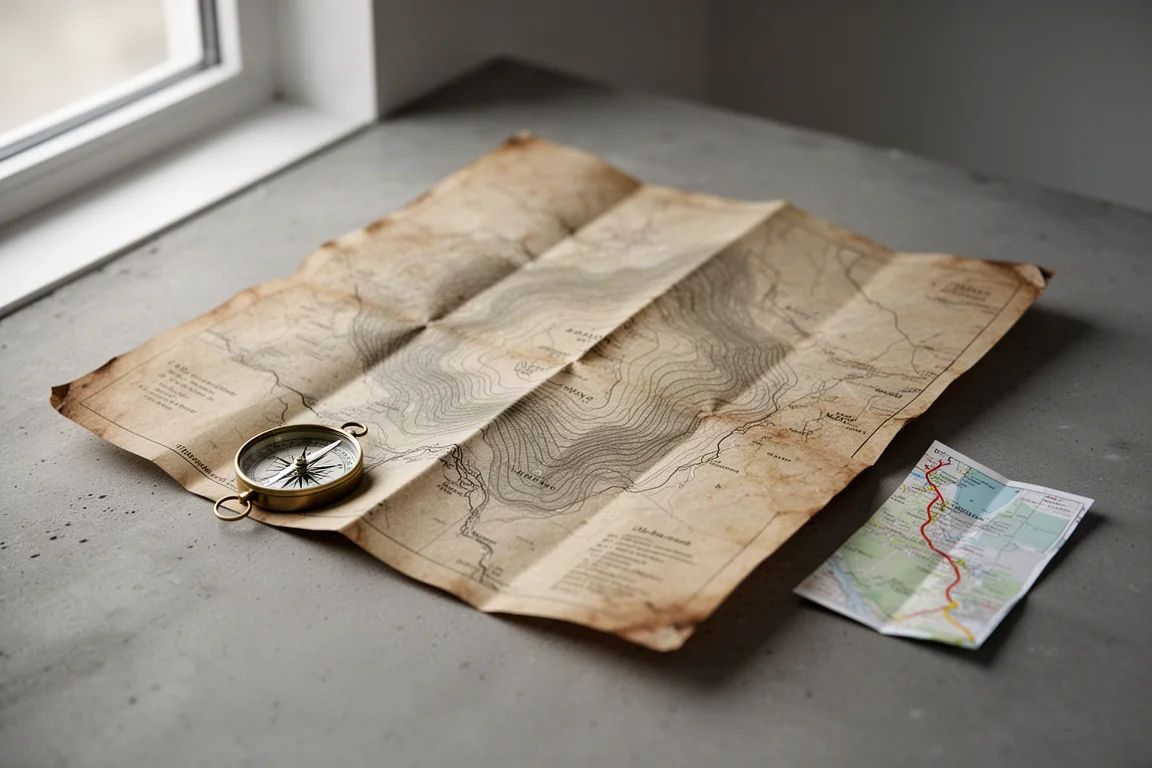
OnX is a mapping tool rather than a piece of gear, and it is most useful for anyone who wants to camp outside designated campgrounds. It shows trails, land boundaries, and downloadable maps for use without cell service, plus a layer indicating where cell coverage is likely to exist. A dispersed camping layer shows which road segments are designated for that use, and it also flags routes you should not drive.
Dispersed camping is not a campground. There are no bathrooms, no water, and no trash service, so you have to be fully self-contained and leave the site as you found it. Used well, a mapping tool takes most of the guesswork out of whether a spot is actually allowed.
How to Choose Between These Makers
Start with the job you need done rather than the brand name. If you sleep cold and want one piece that covers three seasons, a quilt with an adjustable footbox is the most flexible option. If your problem is small items rolling loose in a pack, an accessory maker will solve it for very little money. If you hike with a dog, handmade packs sized to the individual animal are rare enough that they are worth seeking out.
Second, think about how much you value a short supply chain. Several of these makers sew domestically, often personally, and that tends to show up in stitch density and finish quality. It also means small production runs, limited colorways, and occasional waits when a fabric sells out. Ordering directly from the maker is usually the best way to see the full range, since no single retailer carries everything a small brand produces.
Conclusion
These ten makers show how varied the cottage side of backpacking has become. Some build complete systems, others fill narrow gaps with small accessories nobody else bothers with, and a few give back by helping hikers understand their gear.
If you are buying, match the product to a specific need and check the maker’s own site for current fabric options and lead times before you commit.
Further reading
Related Reviews

Backpacking Gear
Building a 10 lb Base Weight: An Ultralight Backpacking Gear List
A practical walkthrough of the ultralight pieces behind a 10 lb base weight, from a 765 g pack and a roomy one-person tent to a full camp chair and a dependable water filter.
Backpacking Gear
A 15-Pound Lightweight Backpacking Gear List for Solo Trips
A beginner-friendly 15-pound backpacking setup built from easy-to-find gear, with notes on what each piece does, how it packs, and where to spend your attention.
Backpacking Gear
8 Ultralight Backpacking Gear Upgrades Worth Carrying
Eight small, affordable backpacking upgrades that solve real trail annoyances, from a pillow that stays put to a fuel valve that rescues leftover canister gas.