简体中文 · Kitchen
2026 Kitchen Favorites: The Cookware, Tools, and Cookbooks We Keep Reaching For
Our current picks for the best saucepans, sauté pans, frying pans, Dutch ovens, stock pots, woks, kitchen knives, and more, plus the cookbooks we never stop using.
Introduction
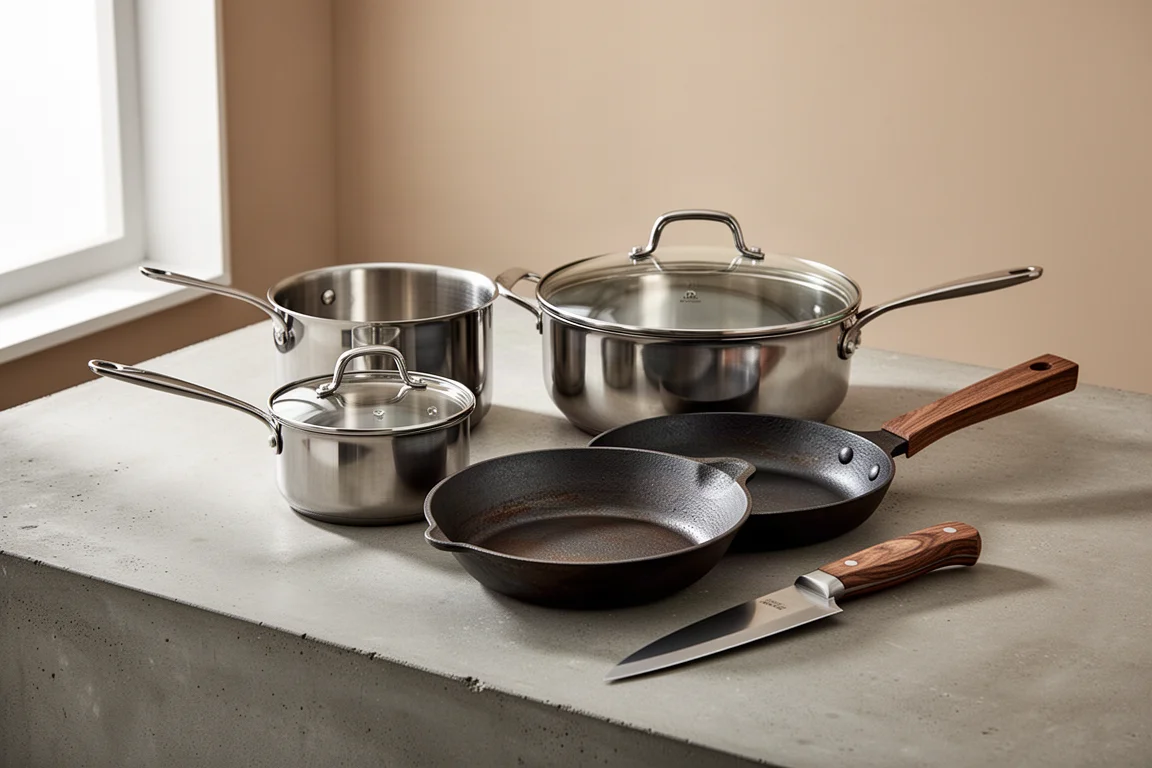
This is not a gift guide, even though its publication date happens to be close to when the gift guides come out. These are just our current favorites, the items we keep using in our own kitchen long after testing wraps up. We’ve split everything into two tiers: our absolute favorites regardless of price, and the more affordable picks we’d happily recommend to most home cooks. The two sometimes overlap, but usually they don’t.
Every item here is something we’ve used ourselves. Nothing on this list is paid placement, and some haven’t had a full category-wide review yet, but we never recommend anything without personal experience.
Saucepans: Small, Pours Easily, Done
We don’t like oversized saucepans. Anything over 3 quarts turns a deep pot with a long handle into a awkward exercise, and adding a helper handle defeats the purpose. The best saucepans live in the 2 to 2.5 quart range, big enough to melt a liter of frozen stock or stir a roux, yet small enough to pour with one hand while you stir something in another pot.
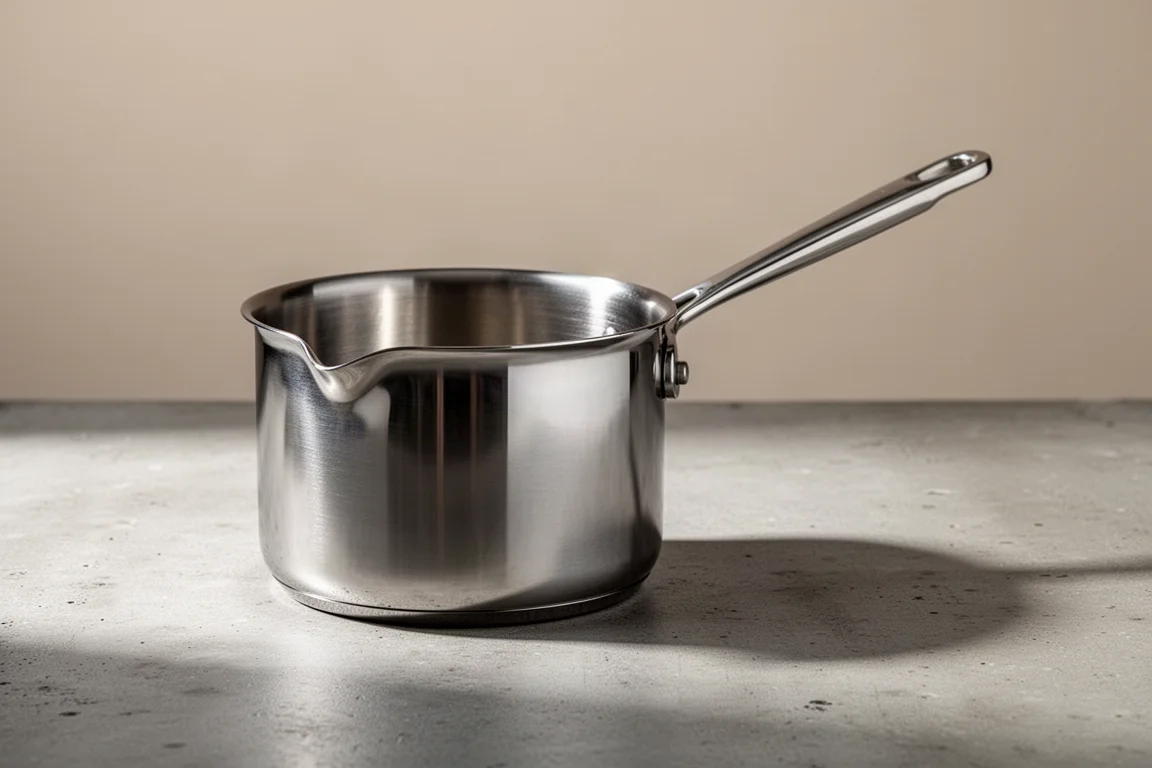
Our Favorite: Made In 2-Quart Saucepan
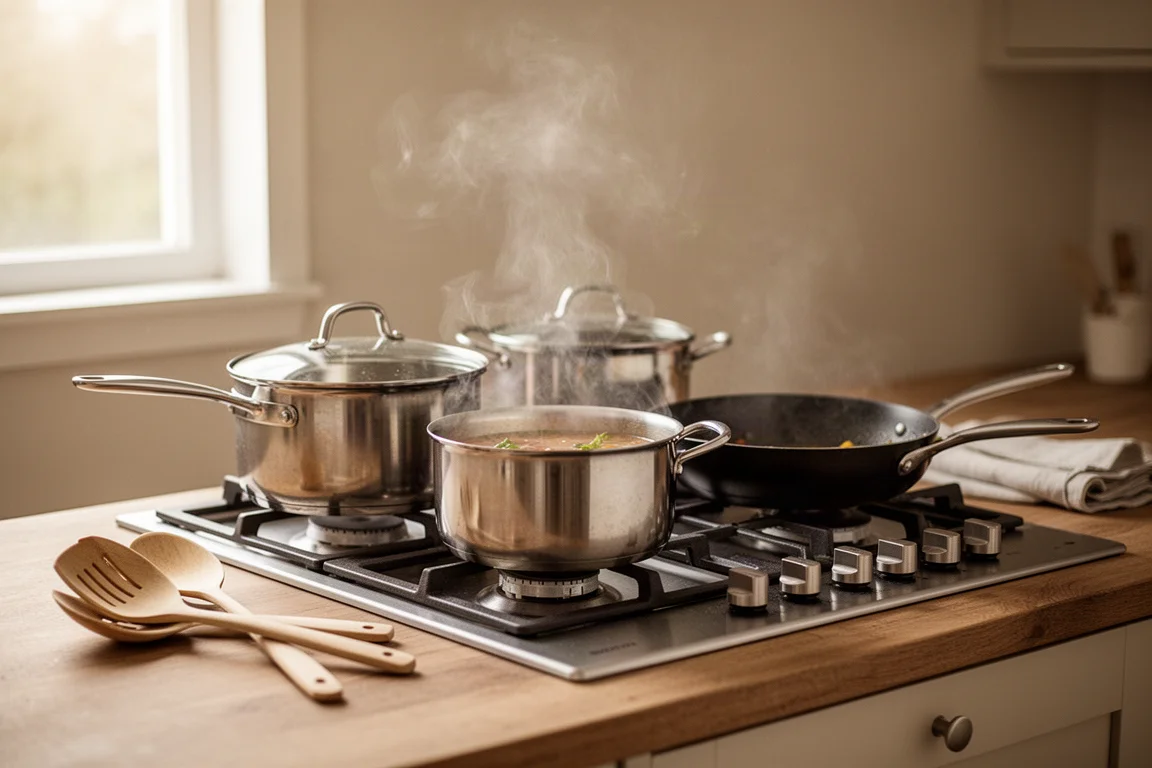
In our view, the Made In 2-Quart Saucepan is just the right size, and its handle balances perfectly with the pot, making one-handed pouring genuinely comfortable even while you’re busy with another pot. Its narrow footprint also tucks neatly onto smaller burners. At $140 it’s not cheap, but it scratches an itch nothing else can.
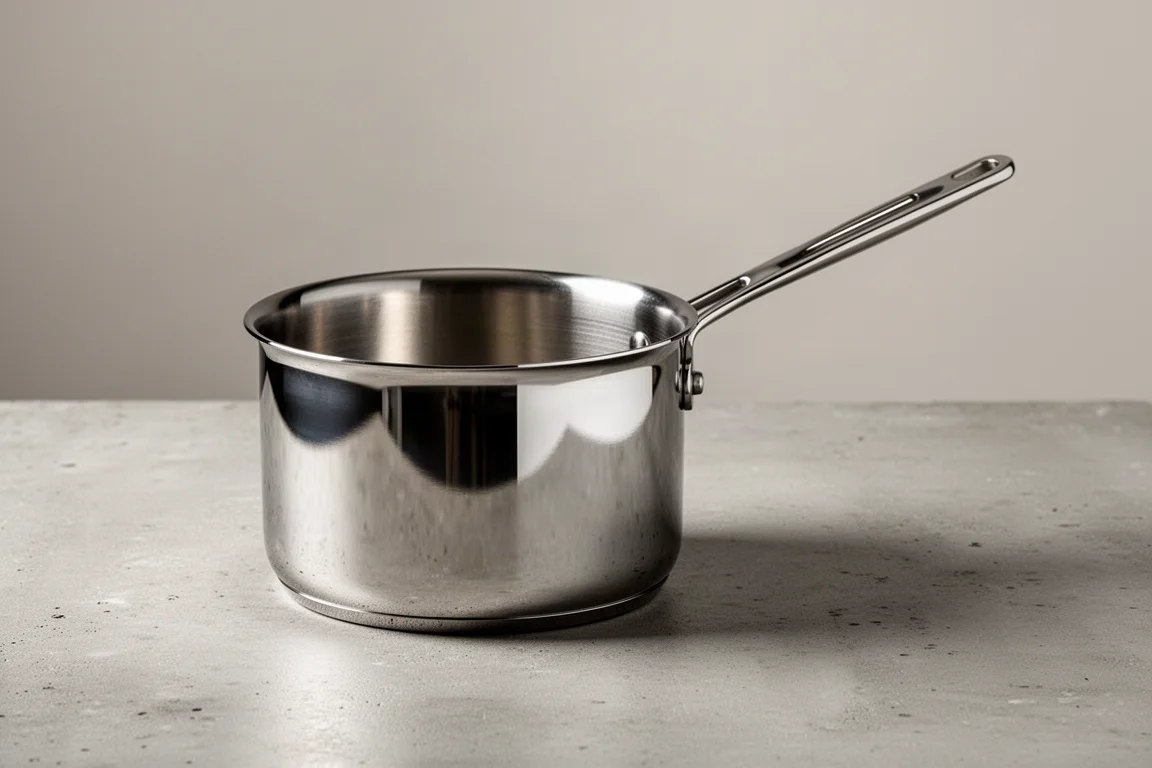
Best for Most People: Goldilocks 3-Quart Saucepan
The Goldilocks 3-Quart Saucepan isn’t quite as comfortable to pour from, but it’s sturdy, versatile, and a steal at $50. If you want a larger saucepan at a friendly price, this is it.
Sauté Pans: The Most Versatile Pan in the Kitchen
A sauté pan is essentially a cross between a saucepan and a frying pan, and it’s the most-used pan in our kitchen. The ergonomic sweet spot is 3 to 4 quarts, and a pan of that size really needs a helper handle when full.
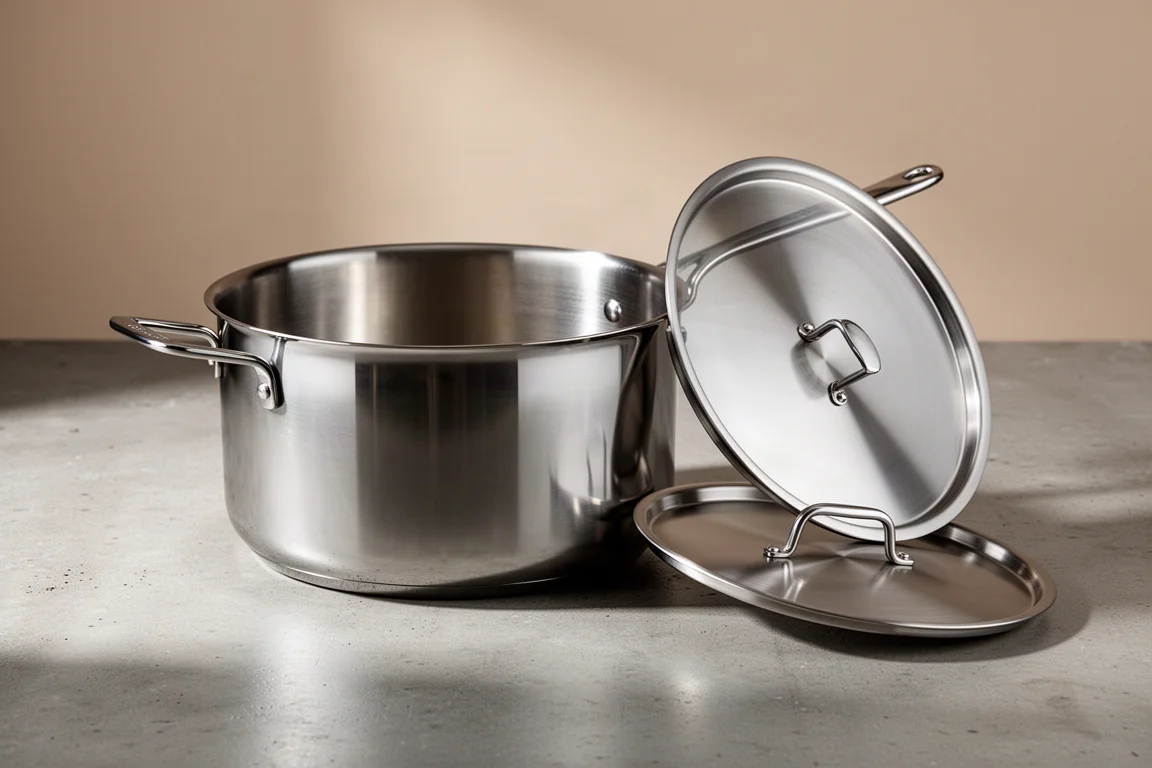
Our Favorite: Demeyere Industry 5-Quart Sauté Pan
At $270, the Demeyere Industry 5-Quart Sauté Pan is way too expensive for a sauté pan, but we bought two anyway. The heavy lid and welded handles mean no rivets to clean around, though a note: some prefer riveted designs for their stability. Regardless, we keep reaching for it.
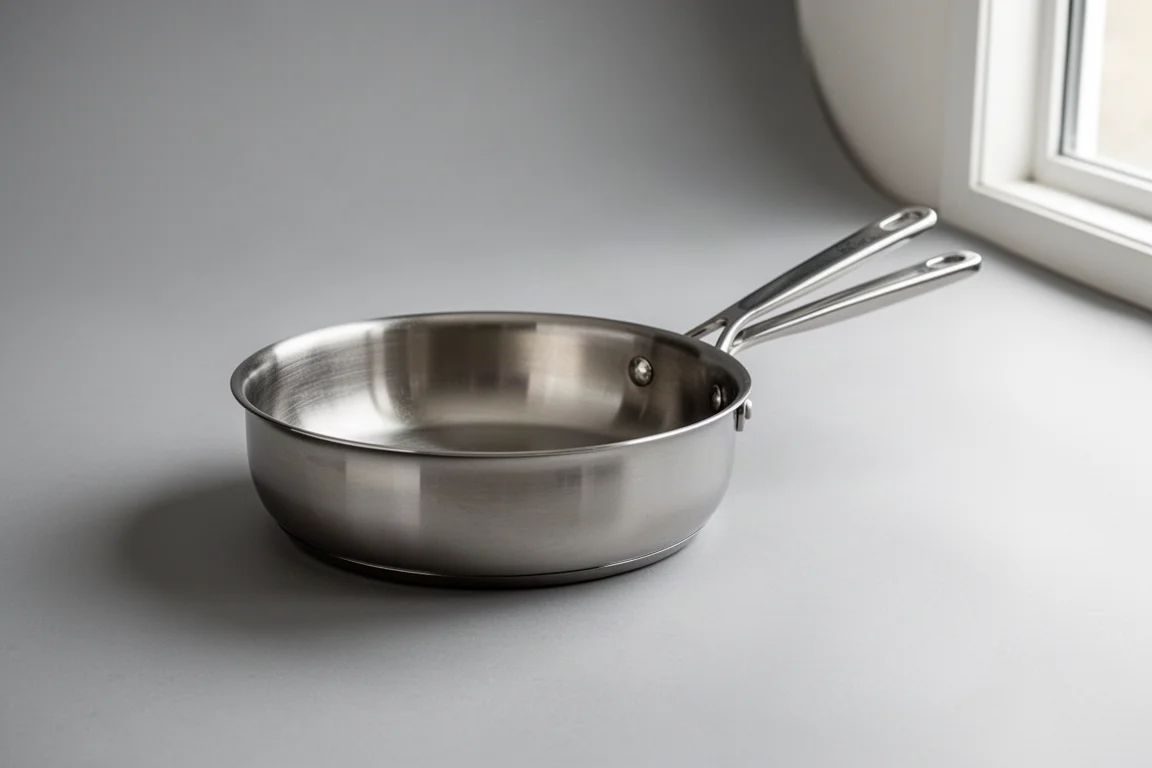
Best for Most People: Goldilocks 3.5-Quart Sauté Pan
The Goldilocks 3.5-Quart Sauté Pan is simple, practical, and shockingly good at $75. It does exactly what a sauté pan should, with zero drama.
Fry Pans and Skillets
This is the biggest category, because the frying pan is the only shape where different materials truly matter. We like skillets no smaller than 10 inches, and probably no bigger than 12 inches, because beyond that they become unwieldy.
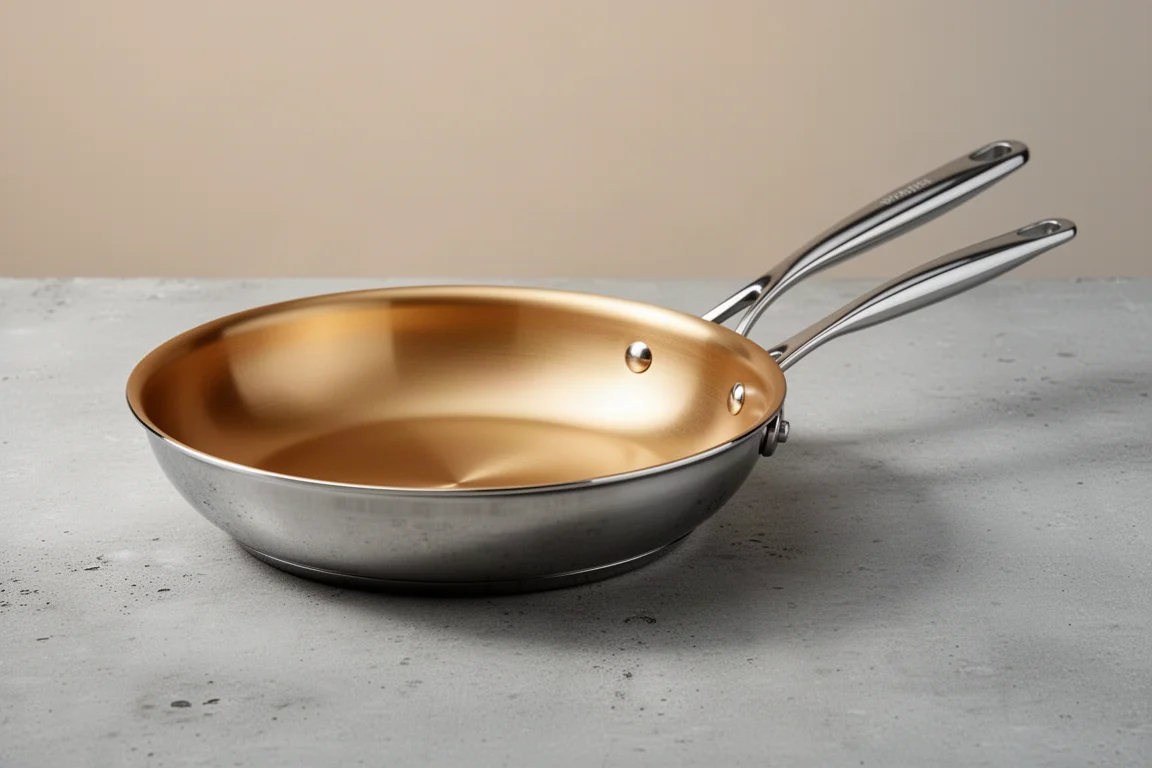
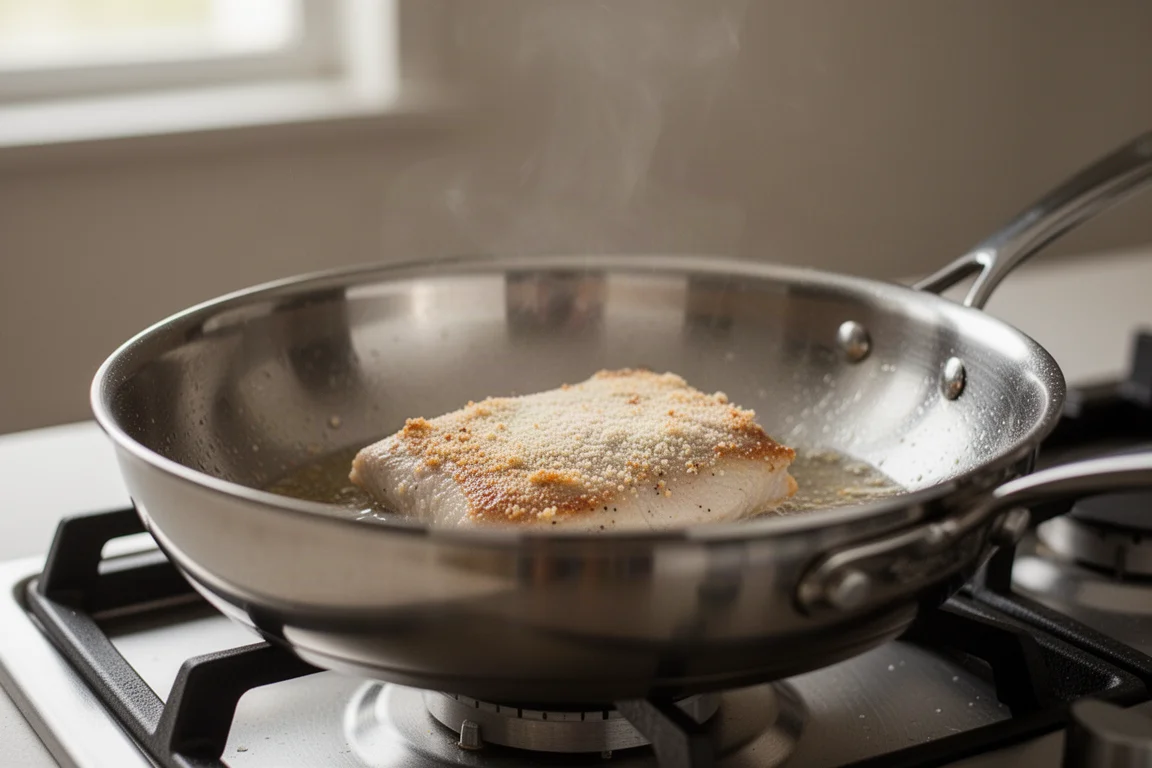
Our Favorite Stainless: Hestan NanoBond 11-Inch Fry Pan
The Hestan NanoBond 11-Inch Fry Pan is the first and only product of any kind we’ve ever given a perfect score, and more than a year later it’s still our favorite. A titanium nitride coating over fully clad stainless steel smooths out nearly every rough edge home cooks complain about with stainless steel. The downsides are the $320 price tag, and an aesthetic we’re lukewarm on, but nothing else keeps up.
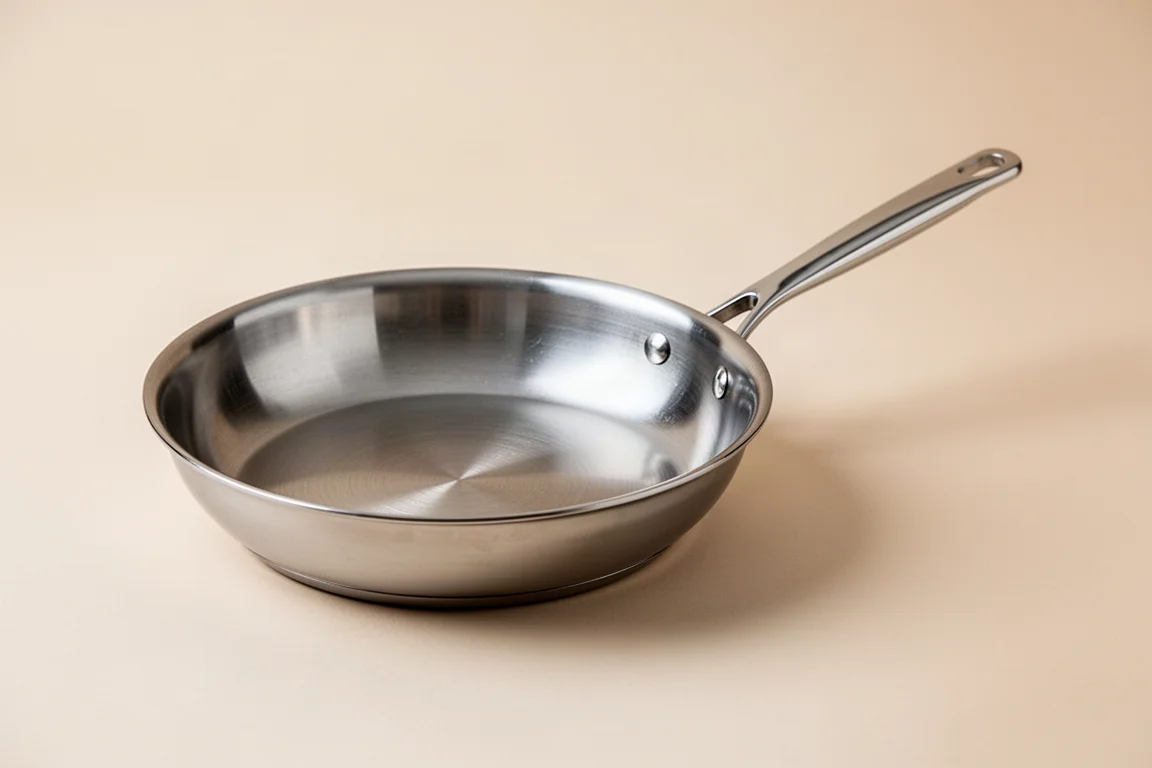
Best for Most People: Goldilocks 10-Inch Fry Pan
The Goldilocks 10-Inch Fry Pan at $45 is an insanely good value for a solid pan. Some testers elsewhere have reported this model warping, but when we replicated the exact same test conditions three times in a row, we couldn’t get it to warp at all.
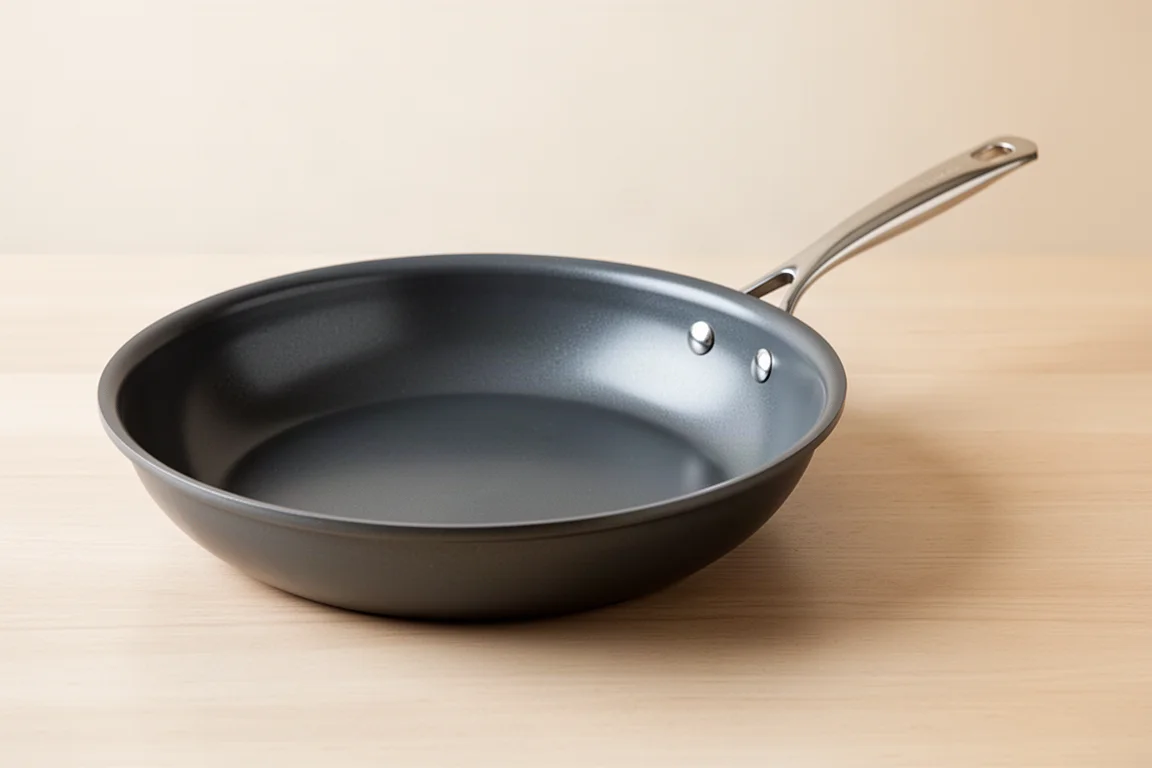
Best Traditional Nonstick: Ninja NeverStick Premium 10.5-Inch Pan
PTFE is still the only worthwhile nonstick coating, outperforming and outlasting ceramic. That said, the landscape is shifting as manufacturers move away from PTFE, and newer coatings like titanium oxide have been mediocre at best and prone to brittleness. Within traditional nonstick, the Ninja NeverStick Premium 10.5-Inch Pan is quite excellent for only $50, though the category as a whole feels a bit stuck right now.
Our Favorite Carbon Steel: Made In Blue Carbon Steel 12-Inch Pan
Carbon steel is cast iron’s friendlier cousin, great for high-heat searing of fish, steaks, chicken, or a whole head of cabbage. The Made In Blue Carbon Steel 12-Inch Pan comes preseasoned for $130, and its higher-than-average walls make it practical for oven roasting, building sauces, or making gravy for biscuits.
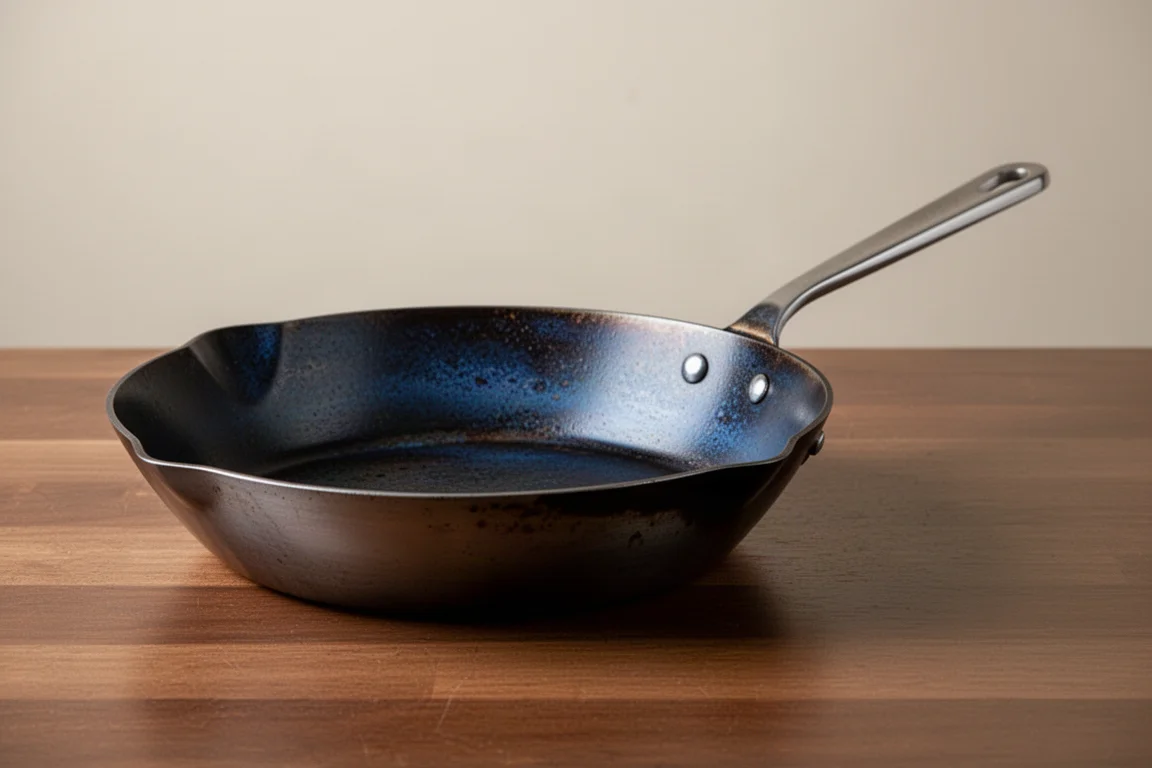
Best for Most People: Misen 10-Inch Carbon Steel Fry Pan
We’re glad Misen is back, because the Misen 10-Inch Carbon Steel Fry Pan at $84 was our old favorite. It’s a classic standard skillet shape with no coating, and a great first carbon steel pan for anyone seeking a nonstick alternative. Just know: its “coating” is the seasoning layer, which you build yourself.
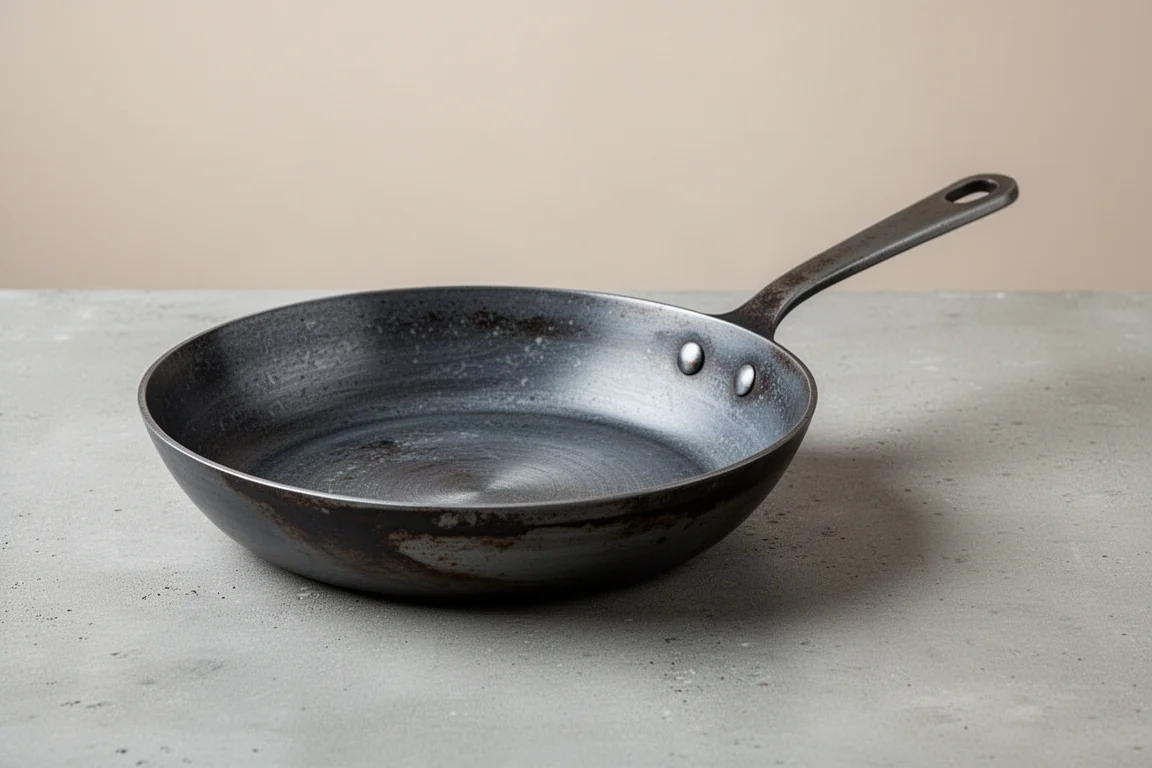
Cast Iron: Stargazer 10.5-Inch Skillet
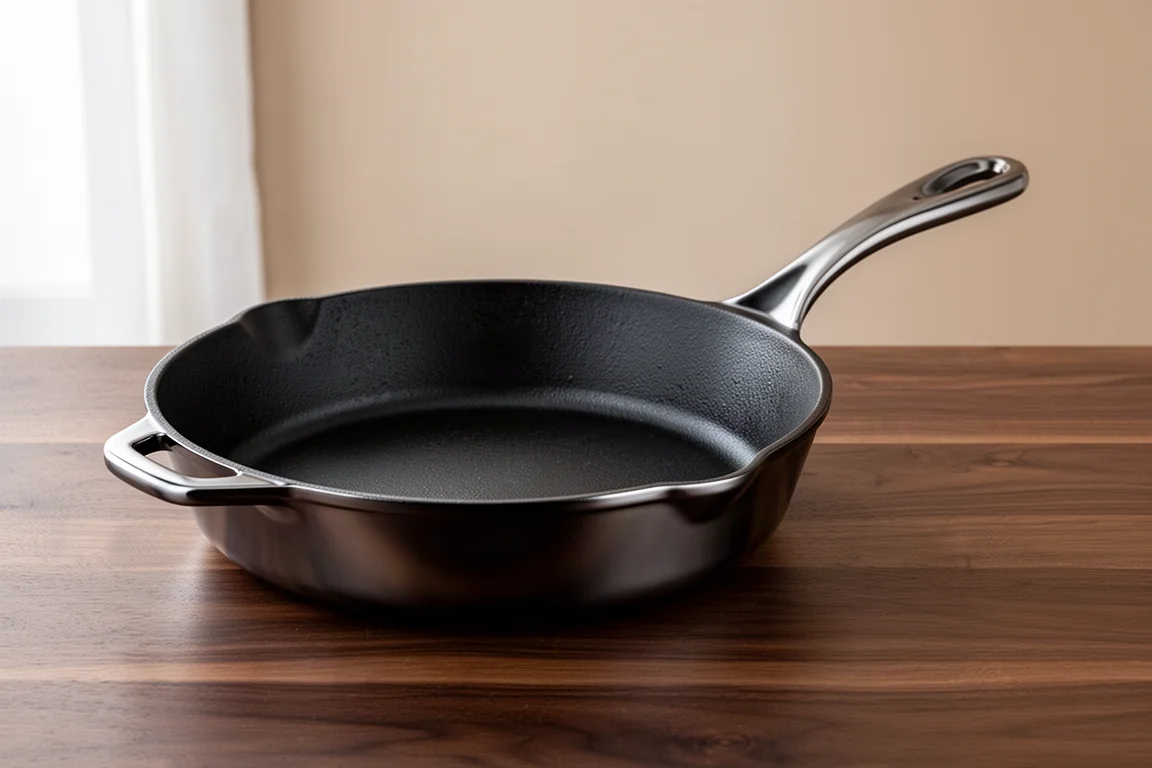
To be honest: we don’t think cast iron is very practical for most modern cooking. It’s bulky, and holds heat more aggressively than we’d like. But if you love it, or think you might, the Stargazer 10.5-Inch Skillet at $135 is our favorite design. We’ve tried products from Field, Smithy, Finex, and Lodge, and Stargazer’s ergonomics-first approach and good looks win.
Dutch Ovens
We like a Dutch oven between 4 and 6 quarts, and enameled cast iron is just about the only game in town. One caution: these pots aren’t indestructible. Use them for gentle, moist cooking methods to help prevent thermal shock damage.
Our Favorite: Staub 4-Quart Dutch Oven with Glass Lid
The Staub 4-Quart Dutch Oven with Glass Lid sells for $150, and we’ve always preferred glass lids so you can actually see what’s going on inside. The extra-thick tempered glass is only oven-safe to 450 degrees, though it is dishwasher-safe. The black textured interior helps prevent crazing and reduces visible staining.
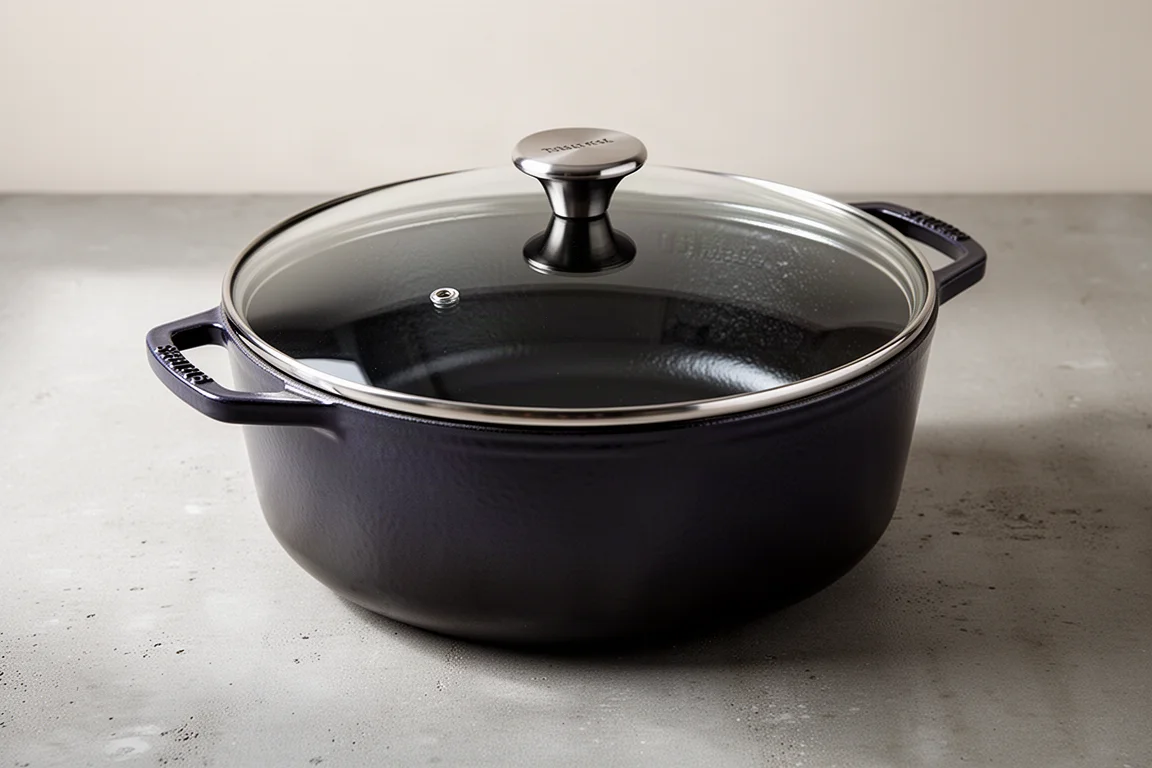
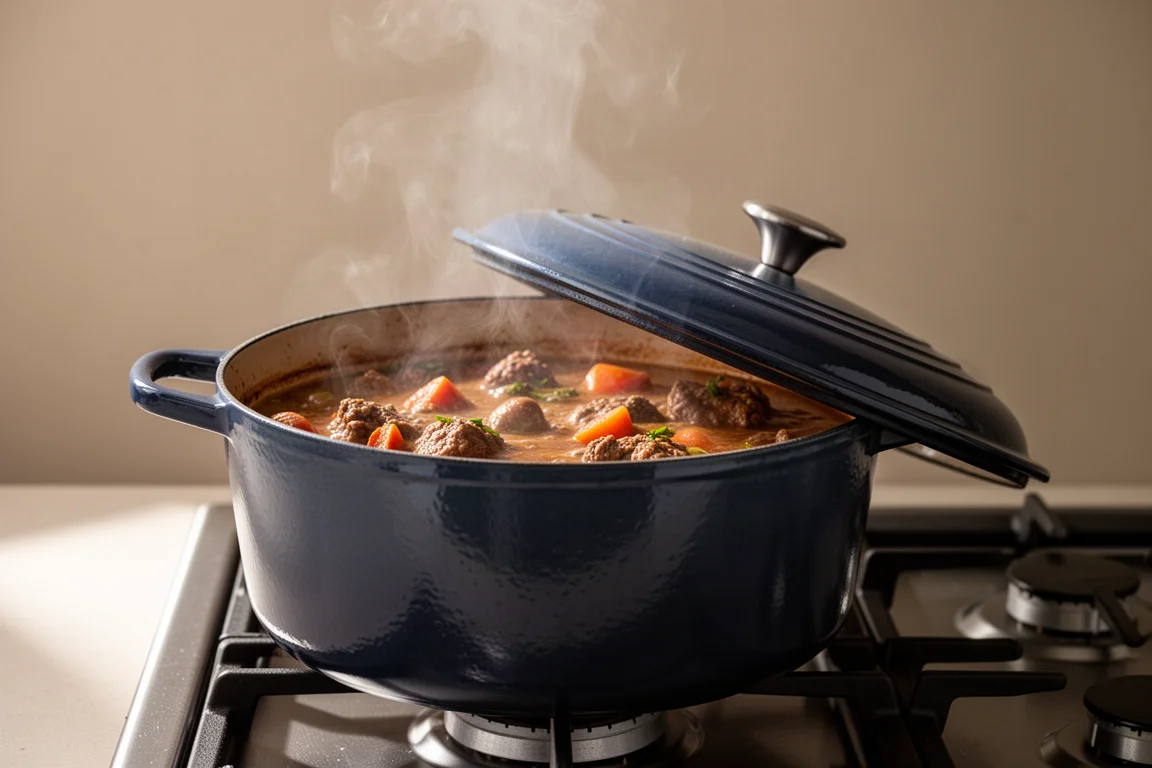
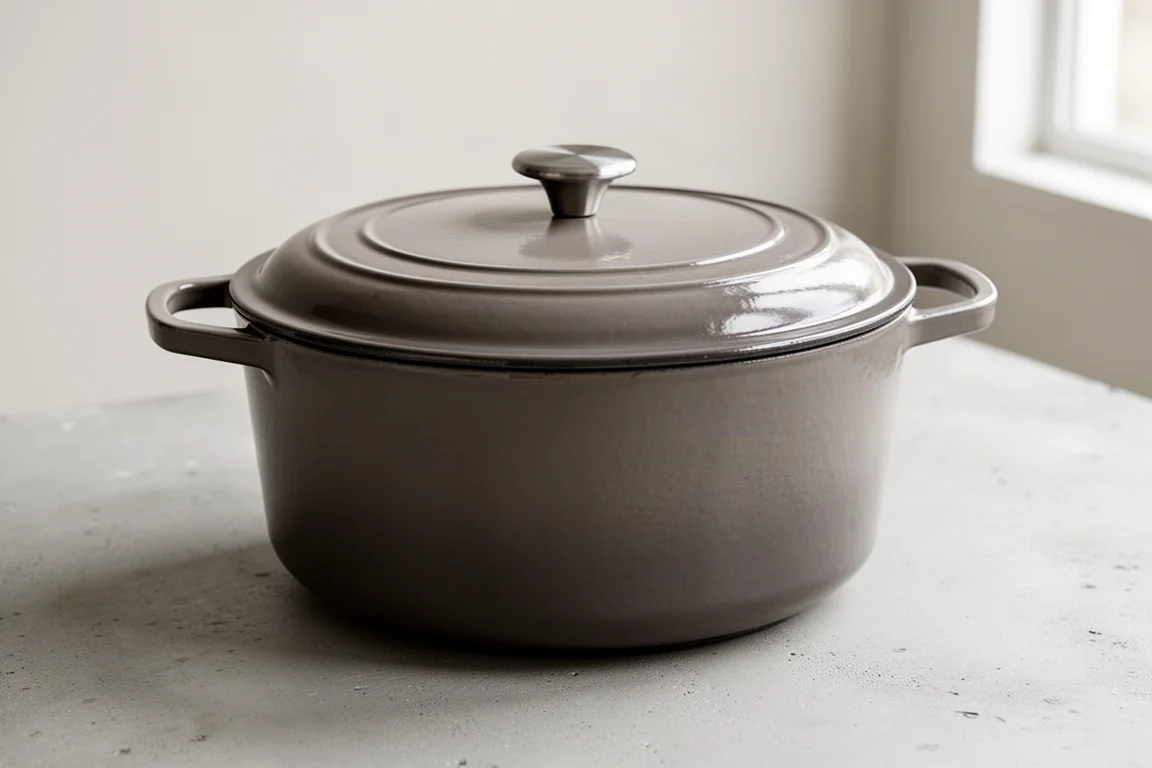
Best for Most People: Goldilocks 6-Quart Dutch Oven
The Goldilocks 6-Quart Dutch Oven at $85 gets the job done. We’ve been testing it on and off for about a year and a half and have seen no chipping or crazing.
Stock Pots: Go Big
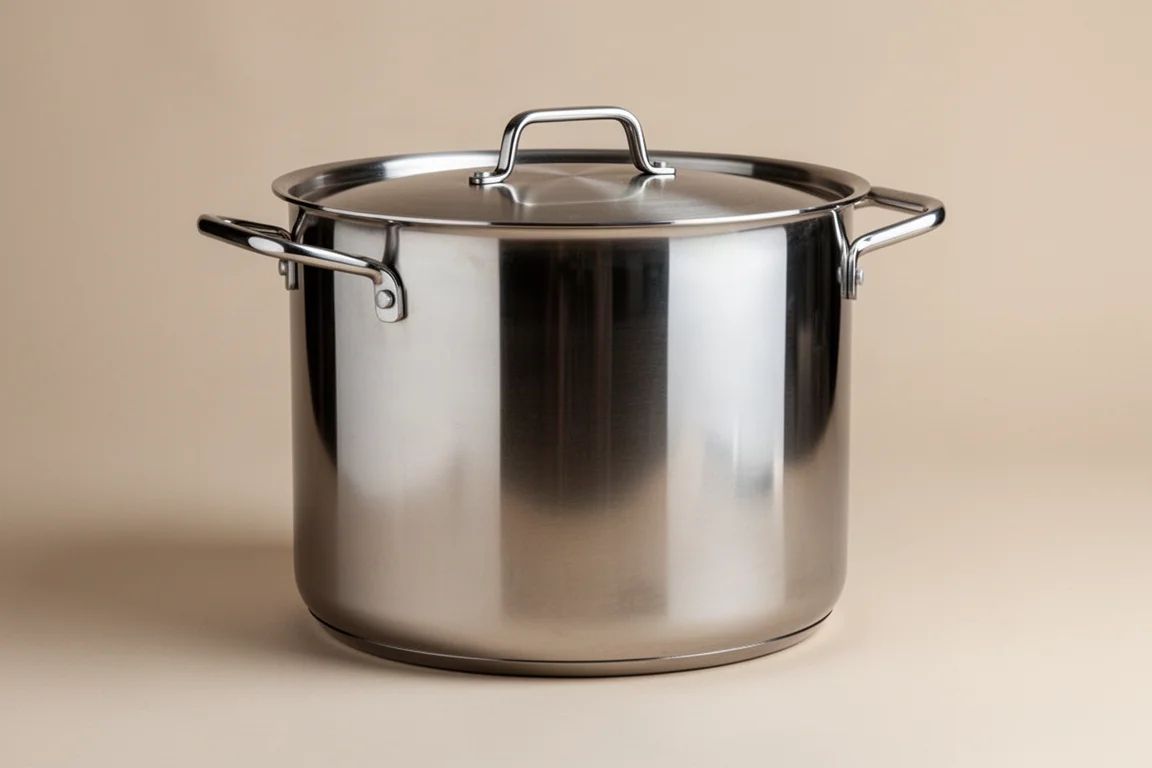
We always want a stock pot as large as possible, with room for at least two chicken carcasses and a gallon of water, which means 8 quarts minimum.
Our Favorite: Hestan NanoBond Stock Pot
The Hestan NanoBond Stock Pot sells for an outrageous $550, the most expensive pot we’ve ever tested. What might justify the price: cold salty liquids can react with stainless steel’s chromium oxide layer causing pitting, which is usually what retires a stainless steel stock pot on a 10 to 15 year timeline. In our early testing, the NanoBond coating greatly reduced pitting, and the fit, finish, and heat responsiveness are a cut above rivals costing roughly half as much. We’re optimistic it will prove its worth over time.
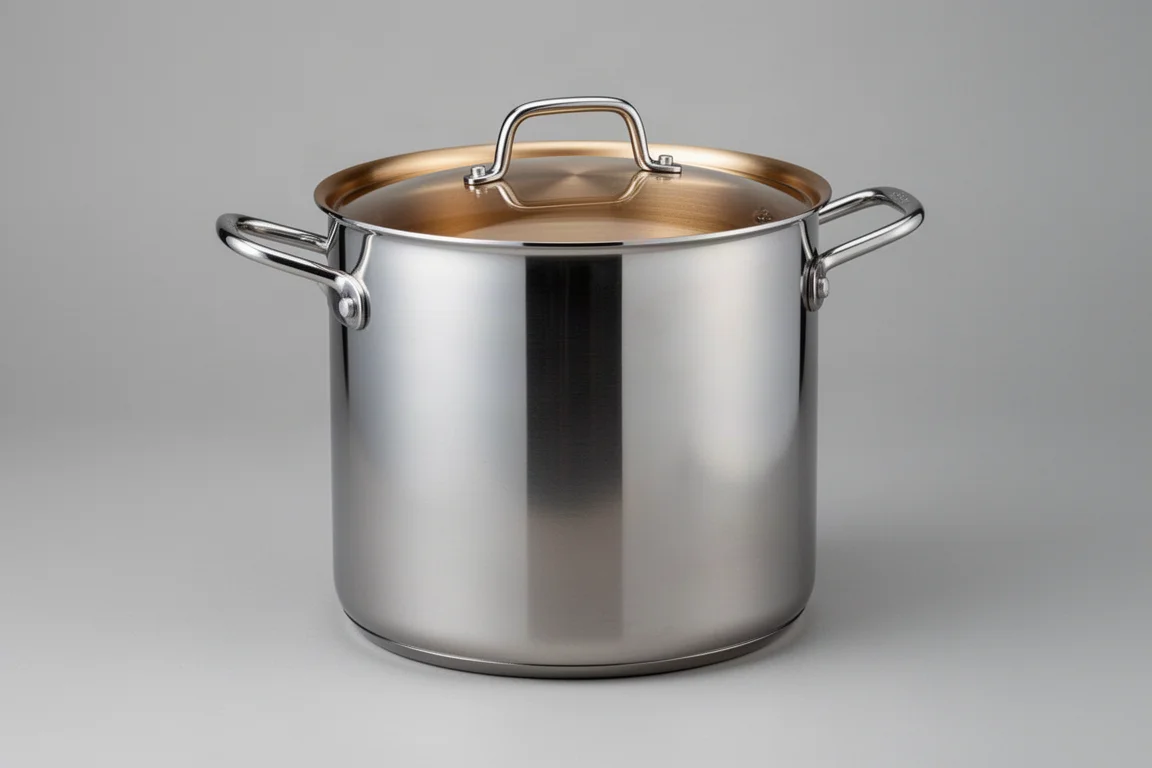
Best for Most People: Goldilocks 8-Quart Stock Pot
The Goldilocks 8-Quart Stock Pot at $75 offers the same basic shape, capacity, and performance as pots four times its price. If you have no strong opinions about stock pots, this is the one. If you mainly want a pasta pot, consider a Dutch oven instead to sidestep the pitting issue entirely.
Woks
Woks are cool, but the learning curve is real, and standard American stoves often can’t deliver the heat output to justify the effort. Still, after months of reviewing woks of every material, carbon steel is the only sensible choice, and 30 to 34 cm (roughly 12 to 14 inches) is the ideal size.
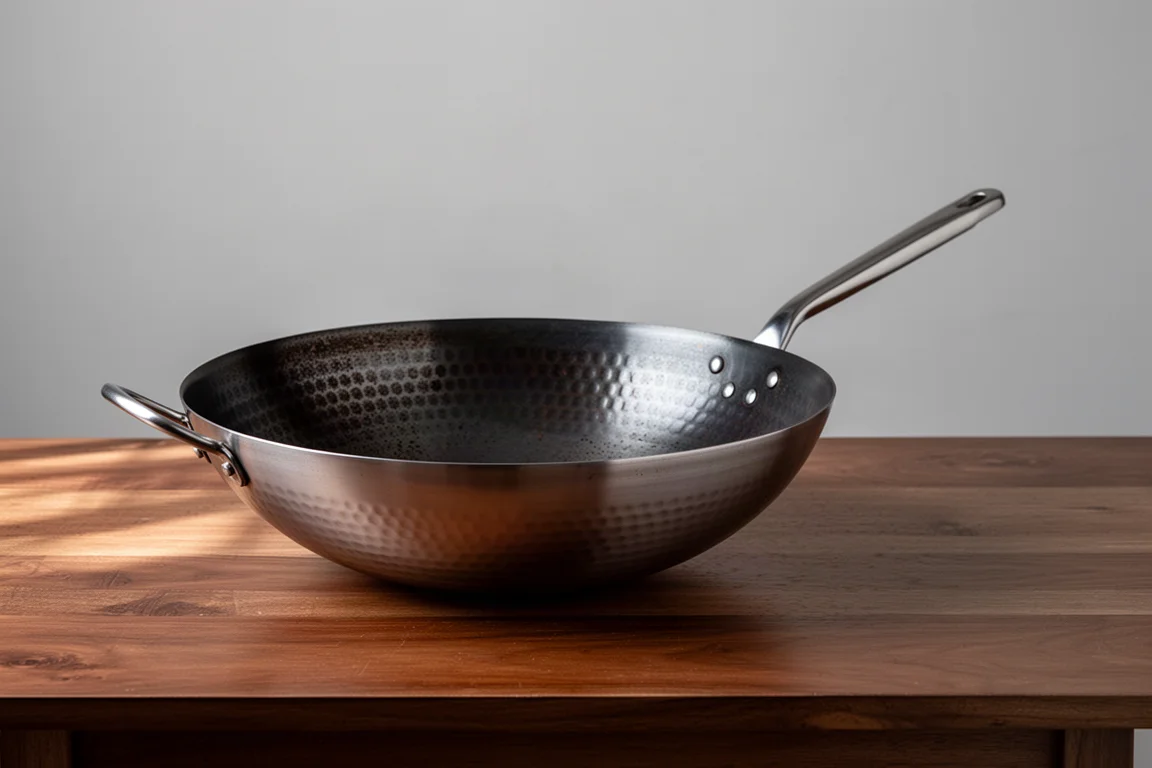
Our Favorite: Oxen Forge 32cm Round Bottom Wok
We cook with a wok two to three times a week, and the Oxen Forge 32cm Round Bottom Wok at $190 is the one we reach for most, simply because it feels so good in the hand. The round bottom distributes heat beautifully, though it requires a wok ring or an induction wok burner.
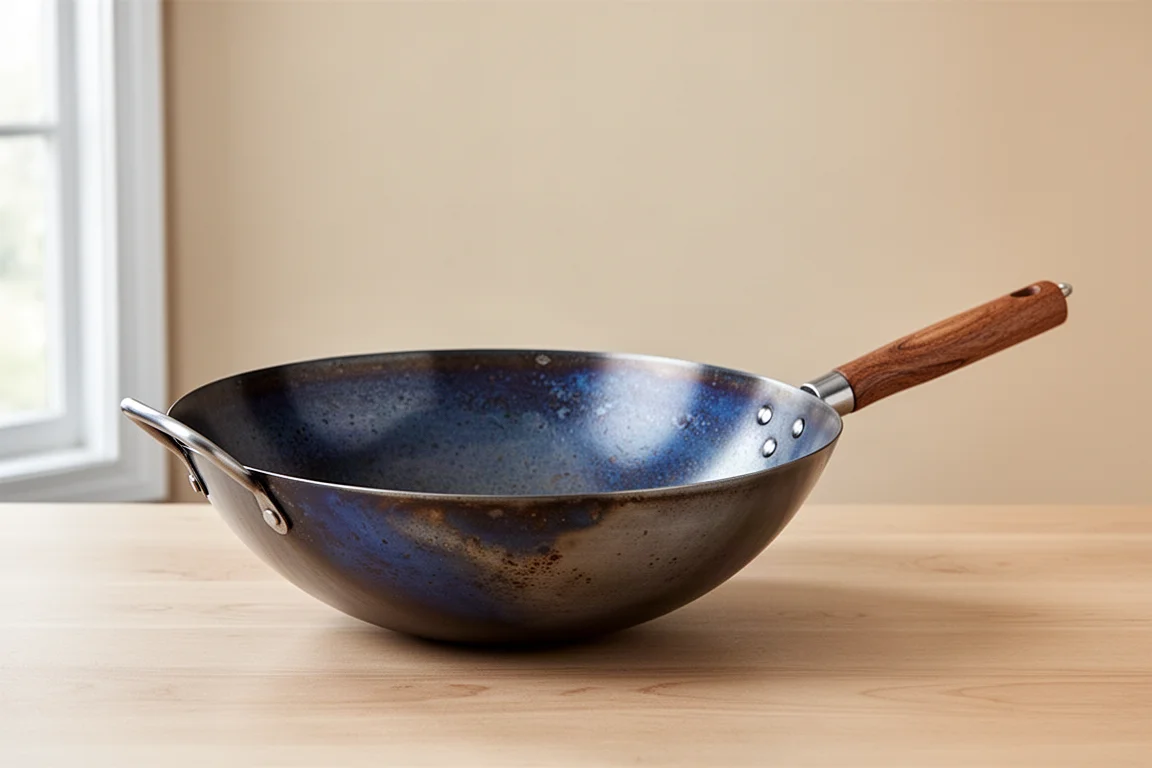
Best for Most People: Yosukata 13.5-Inch Flat Bottom Wok
The Yosukata 13.5-Inch Flat Bottom Wok at $85 is what we recommend to friends just getting into wok cooking who want to commit. It’s well made, reasonably lightweight, compatible with most stoves, and the blue finish is a crowd-pleaser. Flat bottoms trade some performance for approachability.
Sheet Pans
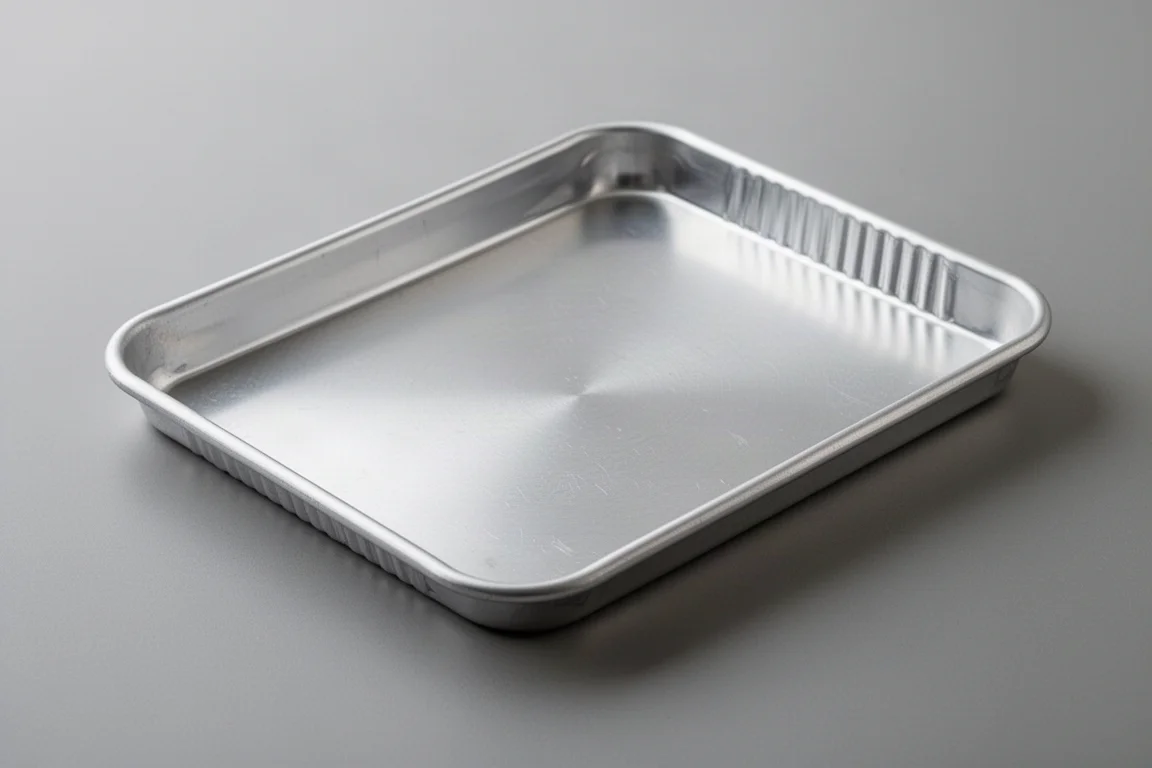
Stick to standard sizes and skip the odd one-offs. Half sheets are the standard, and quarter sheets are so useful we keep a drawer full, for baking and for organizing ingredients on the counter and in the fridge. Two rules: aluminum only, never coated or decorated pans; always with rims, never rimless. And hand wash them. At $18 for the Nordic Ware Naturals Half Sheet and $16 for the quarter sheet, the trays are so standardized that any brand works, but Nordic Ware has served us well.
Thermometers
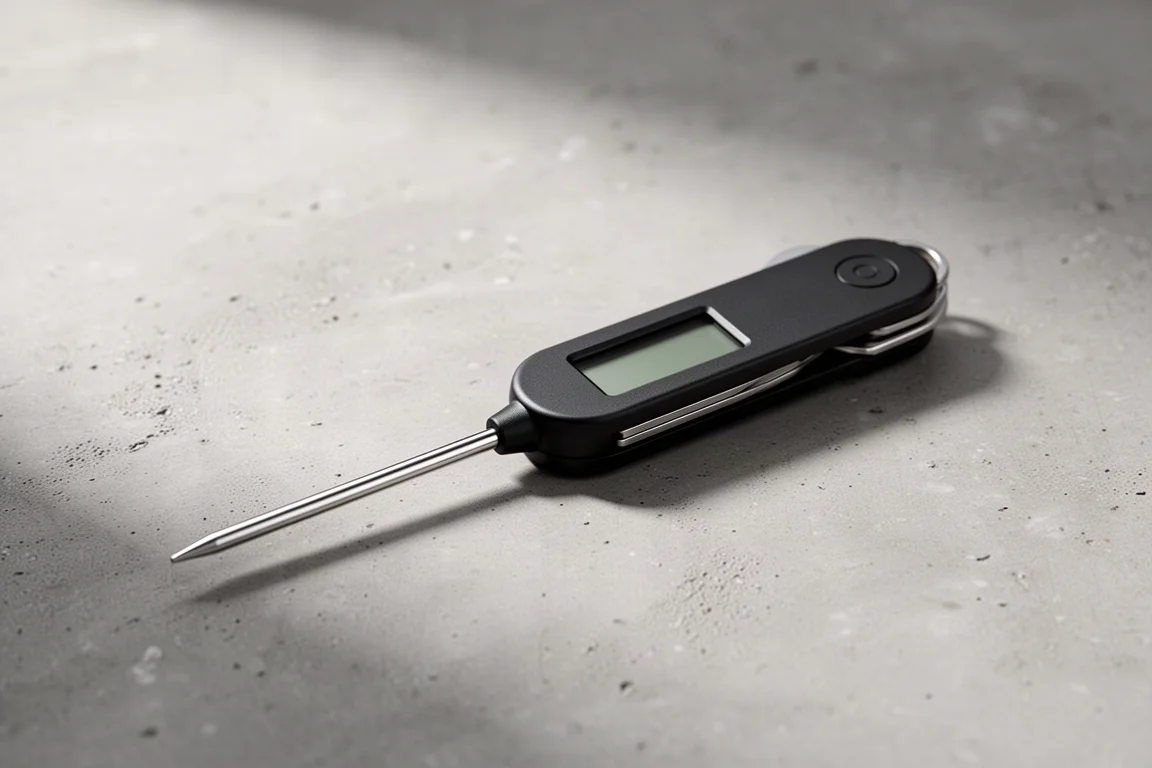
You probably already know why you need a thermometer, so we’ll keep it short. The ThermoMaven F1 Pro at $65 is both our favorite and our recommendation. It has the speed and refined experience of thermometers twice its price, and it’s been our first choice since testing ended, holding the top spot.
Kitchen Scales
Kitchen scales are simply better than measuring cups. One thing worth knowing: strain gauge design means a scale can generally offer high capacity or high accuracy, and our picks balance the two well.
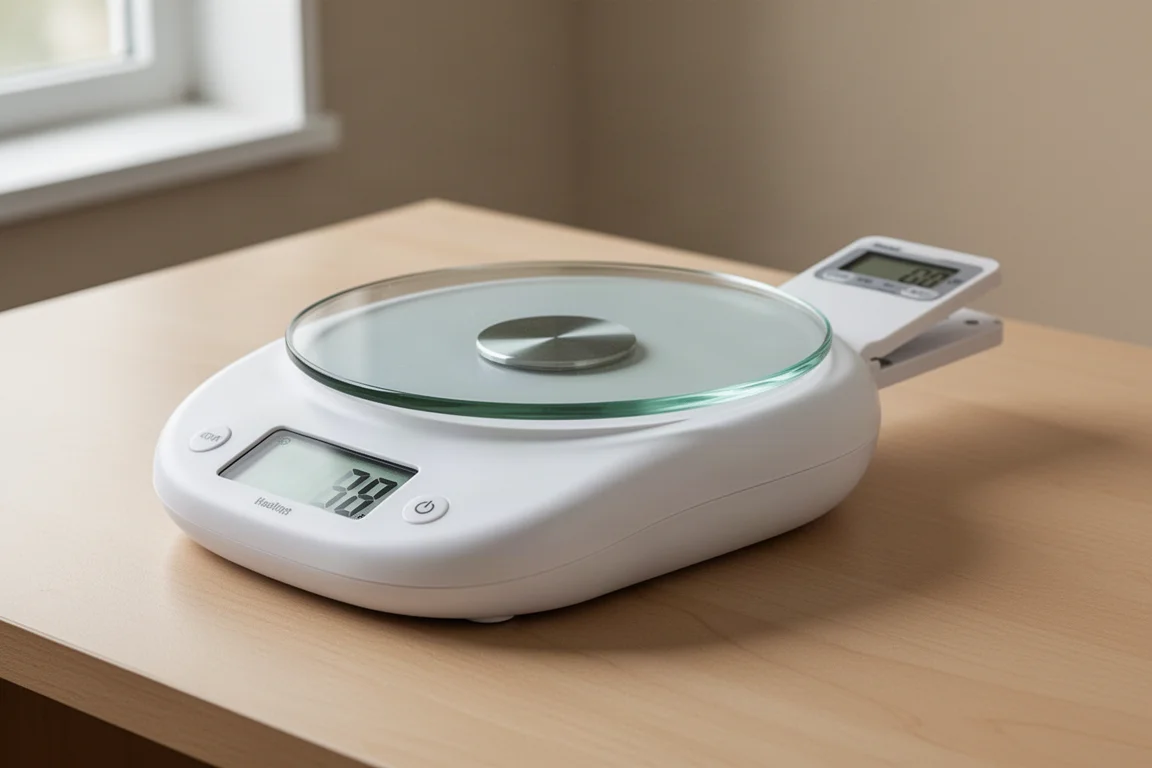
Our Favorite: OXO 11-LB Digital Scale
The OXO 11-LB Digital Scale at $55 is fast and accurate with reasonable max capacity, and the pull-out display is a small masterstroke when weighing larger objects.
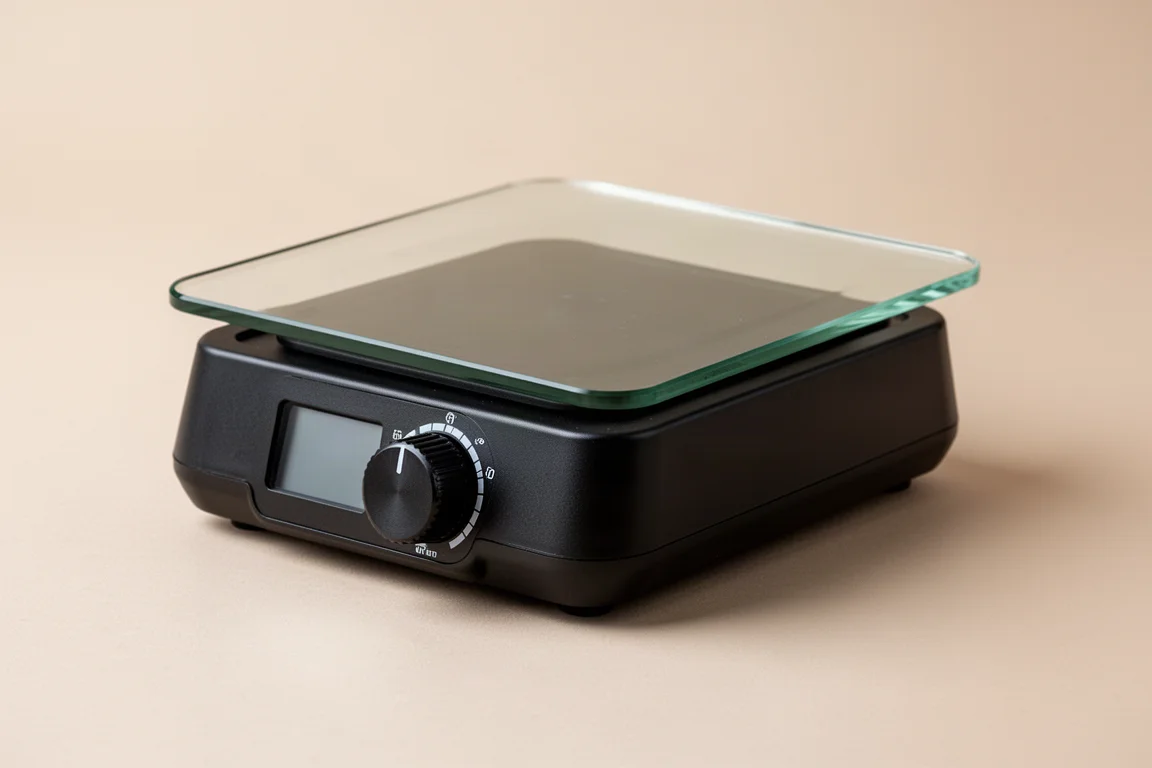
Best for Most People: KitchenAid KQ909 Scale
The KitchenAid KQ909 Scale is only $16, and its knob is the most user-friendly interface on the market. No hammering the same button to switch from grams to ounces; one twist and you’re there.
Kitchen Knives and Cutting Boards
An 8-inch chef’s knife is the only knife every home cook truly needs.
Our Favorite: Steelport 8-Inch Chef Knife
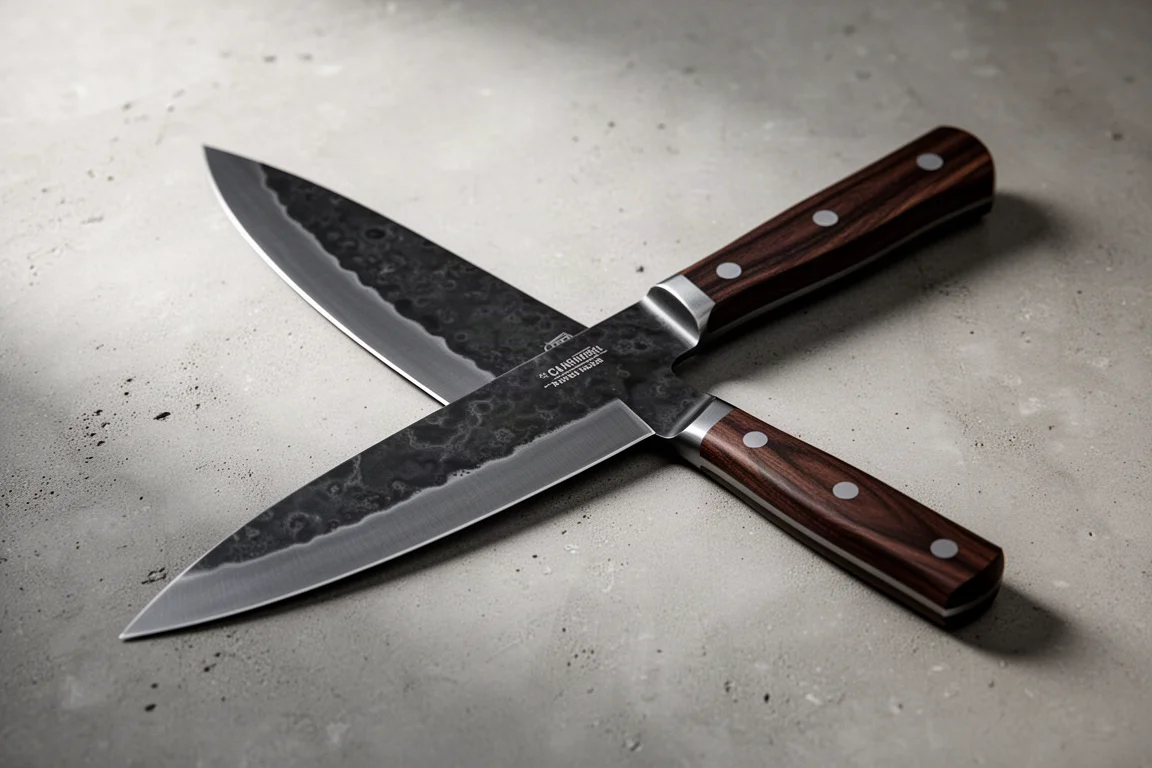
The Steelport 8-Inch Chef Knife at $400 has been our daily driver. It uses 52100 carbon steel, which hardens to a high degree for great edge retention yet is easy to sharpen, and the form factor looks and feels outstanding. Our initial review flagged some wedging issues from the factory blade geometry, but after visiting the factory we confirmed the geometry has been reworked, and the handle is more comfortable too. Now we can confidently recommend it.
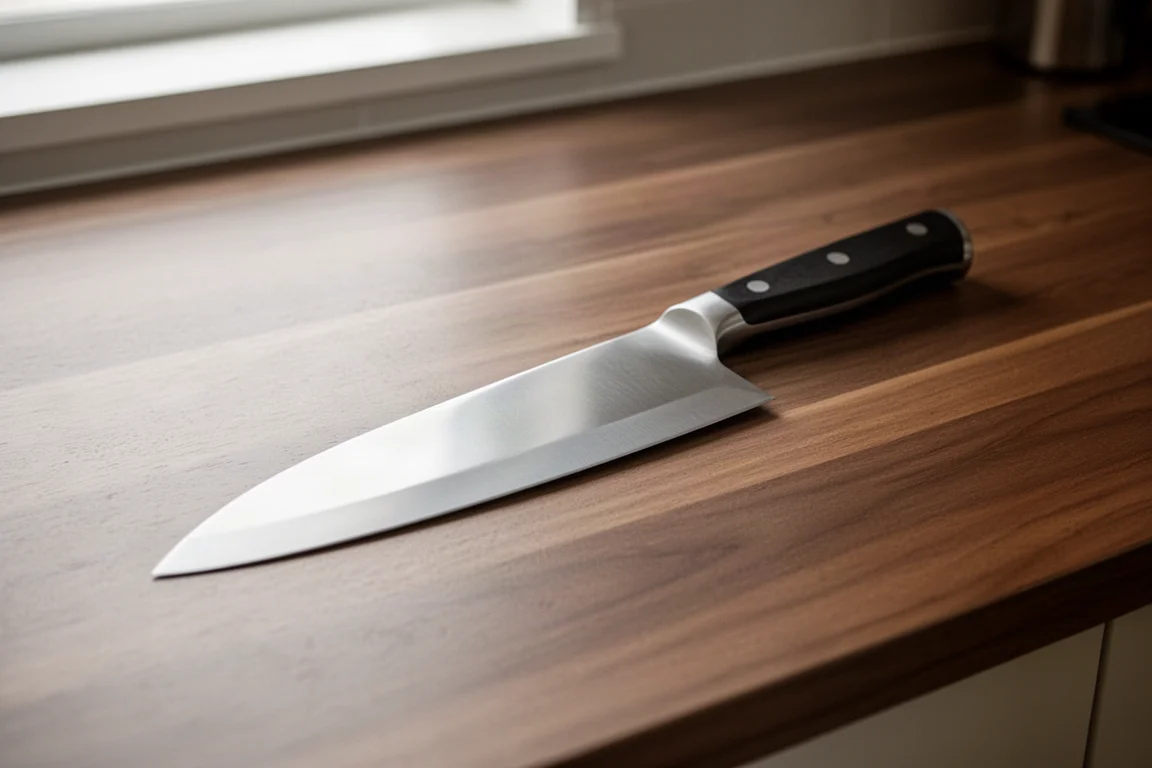
Best for Most People: Hedley & Bennett Chef’s Knife
The Hedley & Bennett Chef’s Knife at $115 is a pleasant surprise from a company better known for aprons. It pairs a hard semi-stainless core with a softer, more corrosion-resistant outer steel, in a profile somewhere between a Japanese gyuto and a Western chef’s knife. Early minor QA issues appear to have been resolved in later units.
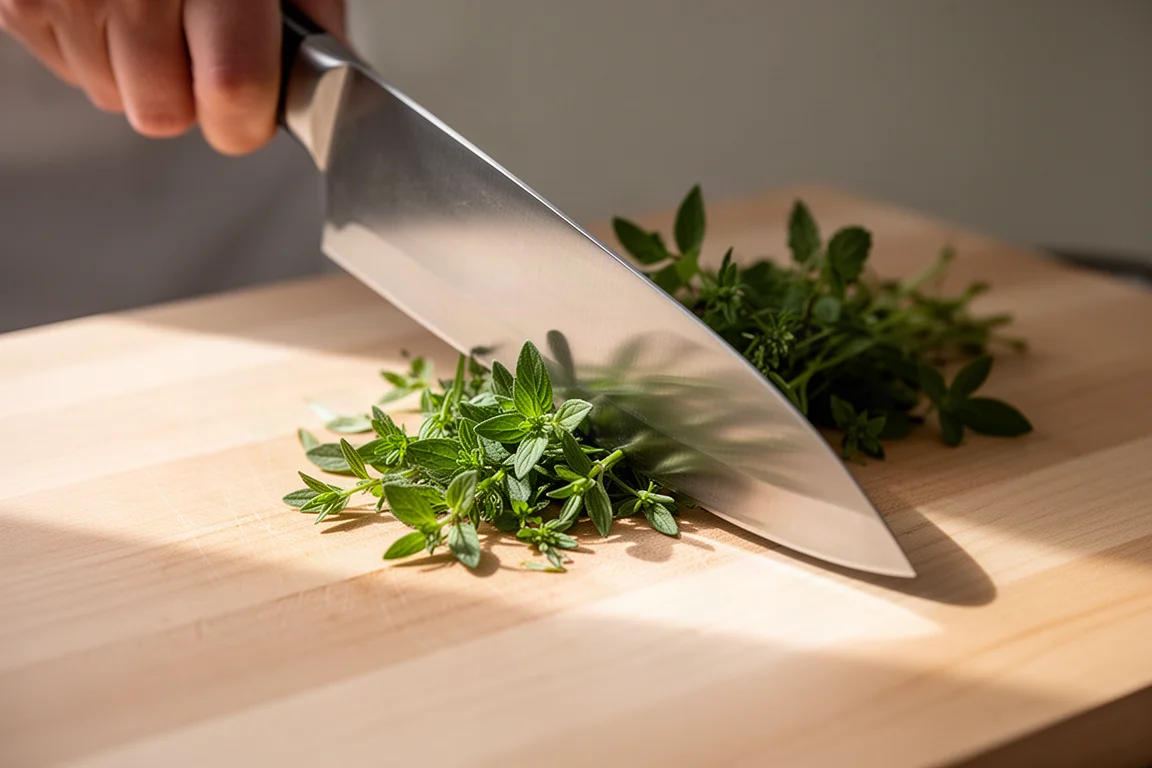
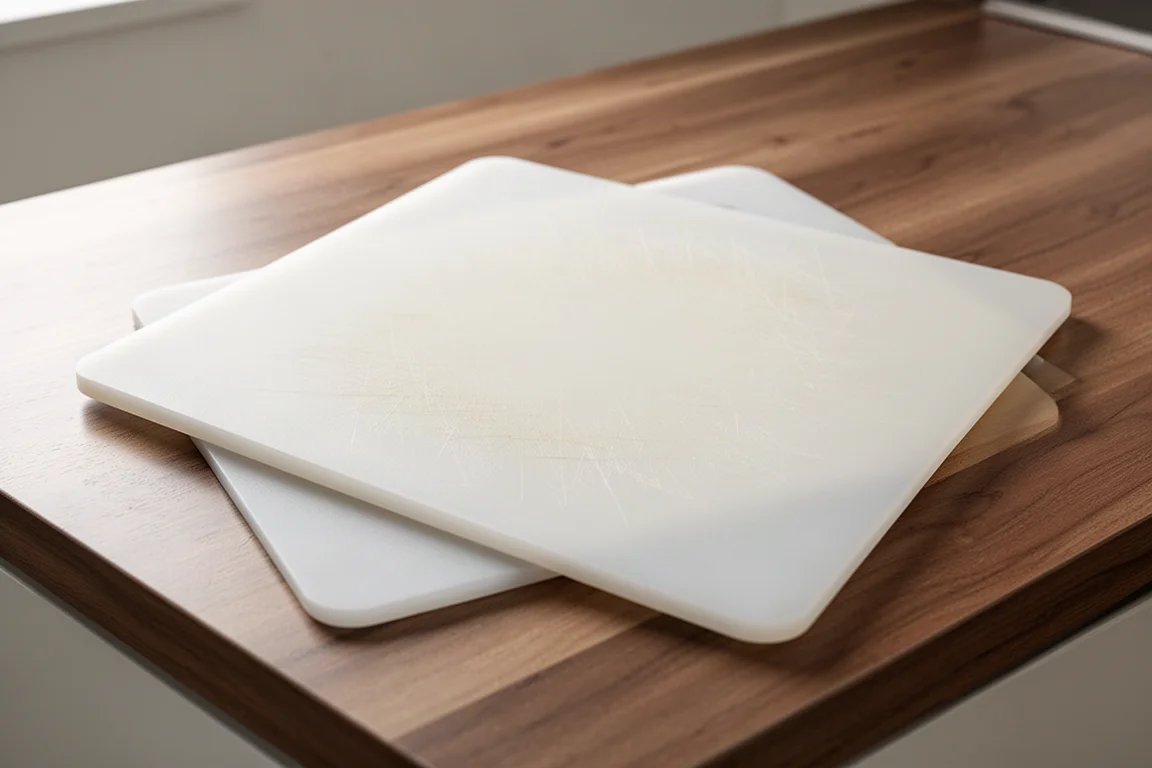
If you want to protect those edges, the Yoshihiro Hi-Soft Cutting Board in medium size at $120 is the gentlest on knife edges we’ve ever tested. If you prefer wood, its self-sanitizing properties are real, and we particularly like the Boos Maple Edge Grain cutting board at around $95.
Immersion Blender
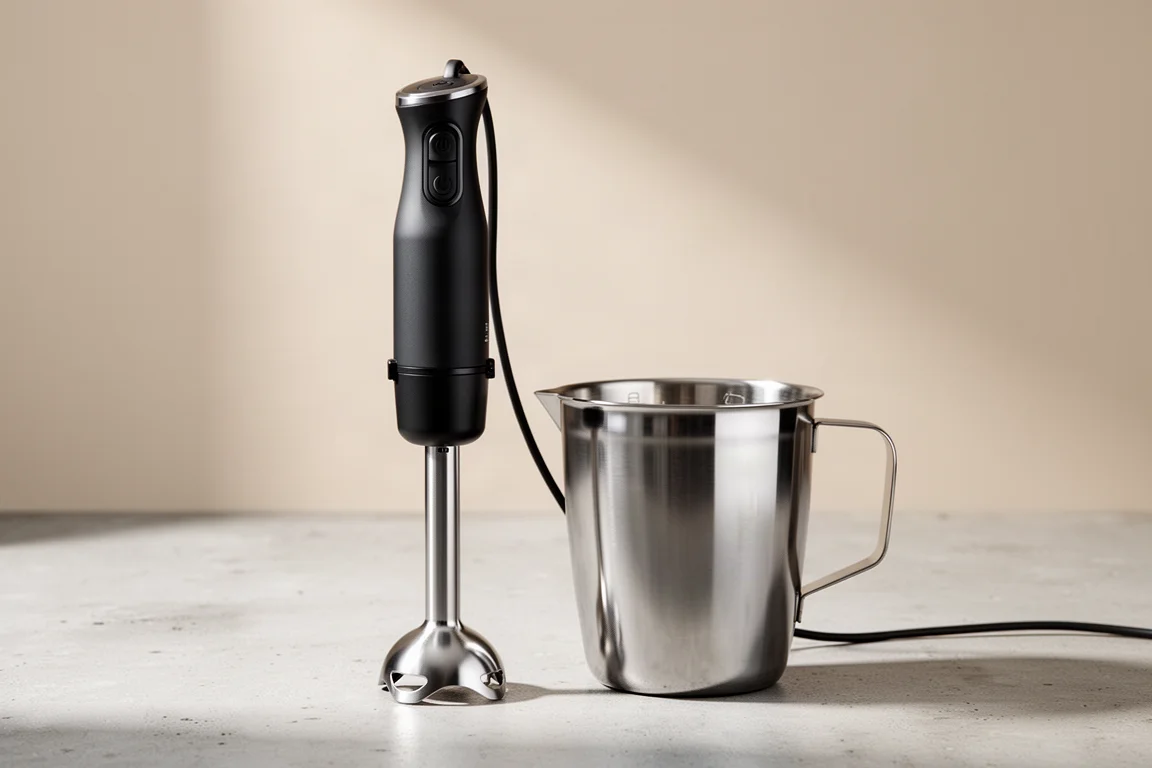
Every hand blender we’ve tested has issues somewhere, from poor usability to underwhelming power to build quality that falls apart, including units from other big brands whose blending wands literally broke or stopped charging. Our only recommendation is the Vitamix 5-Speed Immersion Blender at $170. It has the power Vitamix is known for and is genuinely well built; we’ve used ours nearly every day for three years without a hiccup.
Spatula
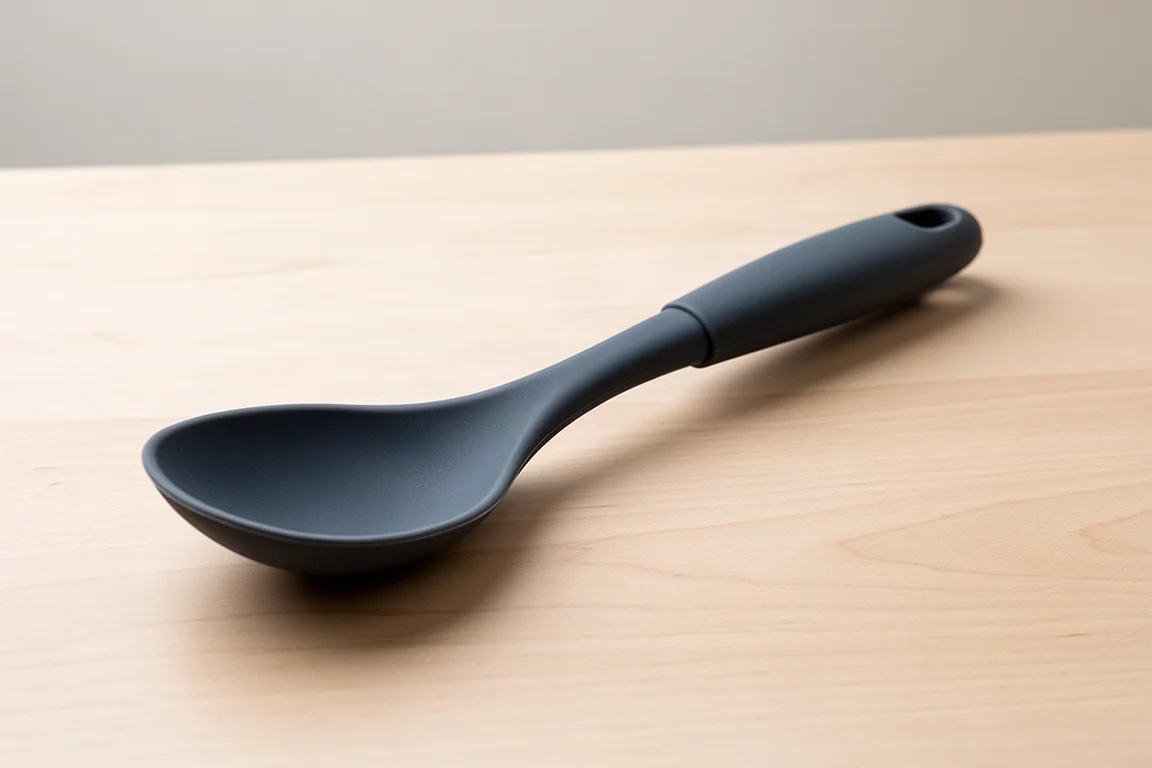
After testing more silicone spatulas than anyone else, we learned the best models have seamless designs and are thoughtful about which parts are rigid and which are flexible. The Tovolo Flex-Core Spoon is our recommendation, and we liked it so much we bought four.
The Cookbooks We Keep Coming Back To
Beyond gear, these are the cookbooks we keep returning to long after review week ends, sorted by the level of cooking experience they assume.
Beginner-Friendly
Start Here by Sohla El-Waylly rewards anyone willing to focus while cooking. The desserts are standouts: the Mahalabia is an instant favorite, the taffy omelette and toffee popcorn are crowd-pleasers, and the PBGA is worth perfecting. The Woks of Life by Bill, Judy, Sarah, and Caitlin Leung shows the polish of seasoned recipe writers; try the three cup chicken, eggplant with garlic sauce, and the Chinese donuts that vanish instantly at parties. Persiana by Sabrina Ghayour brings a no-fuss approach to Persian cuisine, with fresh herbs and excellent texture; the Turkish Adana kebabs and the cumin-coriander sauce are staples of our weeknight rotation.
Intermediate
Foodism by Eric Wareheim is goofy, classic, well written, and the flavors are, as he puts it, bonkers. The personal pan pepperoni pizza is a grown-up version of the childhood classic. Fried Chicken and Champagne was an instant favorite for entertaining. Diasporican by Illyanna Maiset scored 9.8 out of 10 in our review, and it works whether you cook from it or just read it; make the hippie sandwich immediately, and the coquito is now our go-to holiday drink. Africana by Lopa Odukoya produced the single best meal we had in 2023: the mother-in-law cocktail, vanilla mashed potatoes, and spicy collard greens. Coconut and Sambal by Lara Lee was our introduction to Indonesian cuisine; the sambal should become your default condiment. A Taiwanese American Cookbook by Joshua Copeland and Kathy Erway earns its price on the strength of one recipe, fan tuan, which we feed to every overnight guest.
Advanced
The Family Meal by Ferran Adrià collects the staff meals from the legendary elBulli, arranged into menus scaled for 2 to 75 people. It leans heavily fish-focused, and the seafood menu is one we dream about. Make it Fancy by Gavin Senn (with brand direction attributed to Brandon in some listings) takes extra time but delivers; the lamb with pistachio dukkah and the pistachio menu pairing of roasted baby carrots and pistachio oil cake worked brilliantly. Mission Vegan by Danny Bowien is the opposite of beige vegan cooking: the buckwheat noodles with dragon fruit are an outright favorite dish, the watermelon kimchi is an elite pickle, and the smashed cucumber salad with fruity crunchy granola changes the salad game everywhere. Finally, A Super Upsetting Cookbook About Sandwiches by Tyler Kord is a rare page-turner of a cookbook, and the Suzanne Sugarbaker sandwich, fried mushroom with Korean-inspired quick peach pickle, is our favorite sandwich ever. Remember to toast the bread.
Buying Advice
If you’re upgrading one thing at a time, start with the pans you use daily: a sauté pan and a frying pan see more action than anything else. Goldilocks covers nearly every category with reliable, affordable options, while the Hestan NanoBond line and Demeyere justify their premium prices for cooks who want the best. For anyone moving away from coated nonstick, carbon steel is the most practical path, and a thermometer plus a kitchen scale will improve your cooking more than most gadgets ever will.
Conclusion
None of these picks require you to rebuild your kitchen. A sturdy mid-priced pan, a fast thermometer, a good knife, and one cookbook you actually use will do more than a cart full of impulse buys. Find the gaps in your setup, and buy the thing you’ll still be reaching for a year from now.
延伸阅读