繁體中文 Archive · Hi-Fi Audio
Denafrips Iris 評測:為認真看待訊源的 DAC 帶來更潔淨的時序與更低噪聲
實際審視 Denafrips Iris——一款數碼對數碼轉換器,旨在訊號抵達 DAC 之前降低電氣噪聲與 jitter。
引言
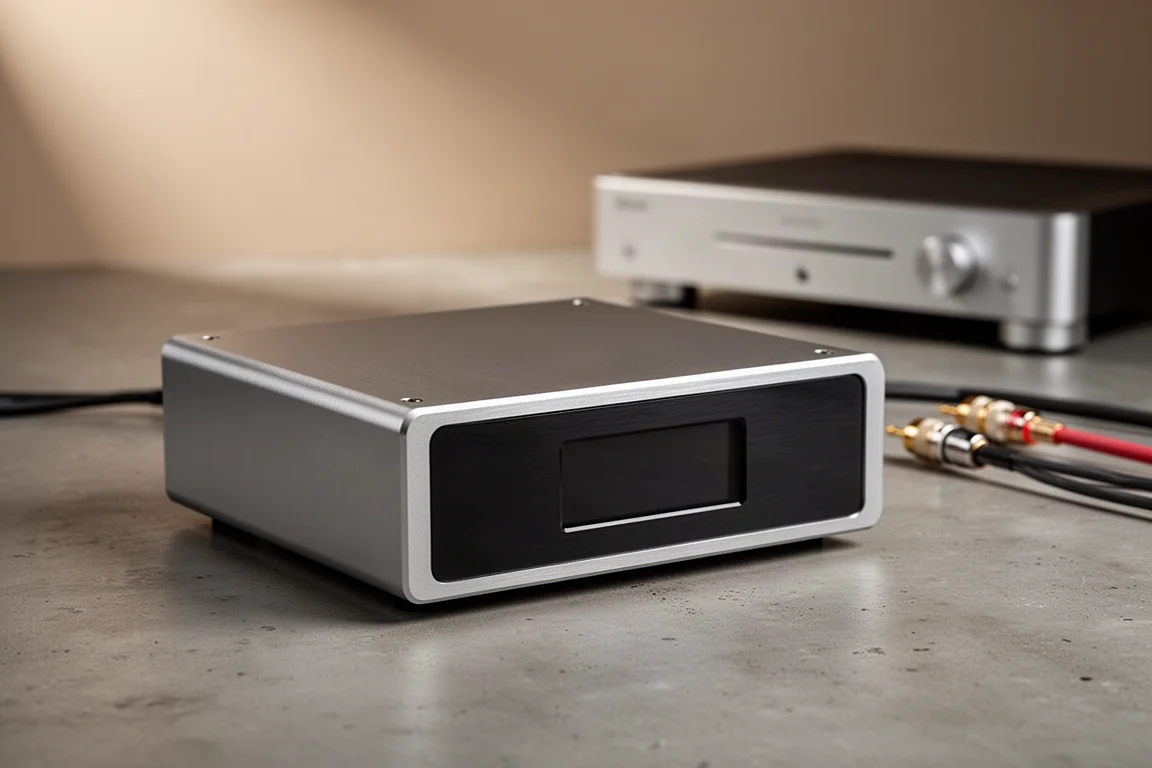
要將數碼音訊從 transport 傳送到 DAC,很少像插上一條線那麼簡單。有三件事至關重要:無損、bit-perfect 的數據傳輸;盡可能低的電氣噪聲水平;以及低 jitter,意即資訊本身的時序要乾淨地抵達。當你使用 USB,而音樂以 WAV、FLAC 或 Apple ALAC 編碼時,bit-perfect 傳輸基本上已經解決。噪聲與 jitter 才是功夫所在,而這正是 Denafrips Iris 要處理的兩個問題。
Iris 是一款數碼對數碼轉換器。它接收數碼訊號,將其拆解,與電氣噪聲隔離,然後傳送到配備 I²S 輸入的 DAC,例如 Denafrips Pontus 2。簡單來說,它位於你的 transport 與 DAC 之間,為轉換器送上比原本更潔淨的訊號。
為何這重要?因為噪聲與 jitter 皆可量度,而 jitter 已被證明會以客觀、可量化的方式影響 DAC 的運作。數碼器材內的電源組件往往在電氣上充滿噪聲,RF 或 EMI 亦可能從外部滲入。若這些噪聲未經處理便抵達 DAC 的敏感電路,便會削弱表現。
這款產品適合誰
The Iris is aimed at listeners running a fairly resolving system who want to reduce the noise and jitter arriving at their DAC. It is most compelling for anyone whose DAC has an I²S input, since that is the format the Iris is designed to feed.
It also makes particular sense alongside a DAC that already offers galvanic isolation on its inputs, such as the Pontus 2. In that pairing you double up on isolation: the signal is isolated optically as it leaves the Iris and again galvanically as it enters the DAC. No isolation technique is perfect in implementation, so stacking two different approaches lowers the noise floor further rather than being pointless overkill.
If your system is modest, or your DAC has no I²S input, the benefit is harder to justify. The Iris is a component for people who have already invested in the rest of the chain and want to address a specific, measurable weak point.
主要優點
The Iris targets two separate problems, electrical noise and jitter, with a distinct approach for each. Both are worth understanding before deciding whether the device belongs in your system.
每個數碼輸出均設光學隔離
Isolation is the first half of the job. The most common approach is a transformer, known as galvanic isolation, which relies on electromagnetic induction. The windings on the primary coil are not electrically connected to the windings on the secondary coil, so the signal crosses magnetically while the electrical noise travelling along the wire does not. This is a feature you will not find on cost-effective DACs, though some high-end models build it in.
The Iris takes a different route: optical isolation. Converting the signal to light and back breaks the electrical connection between the two devices. Every digital output on the Iris is optically isolated, so noise picked up or generated upstream does not ride along into the DAC.
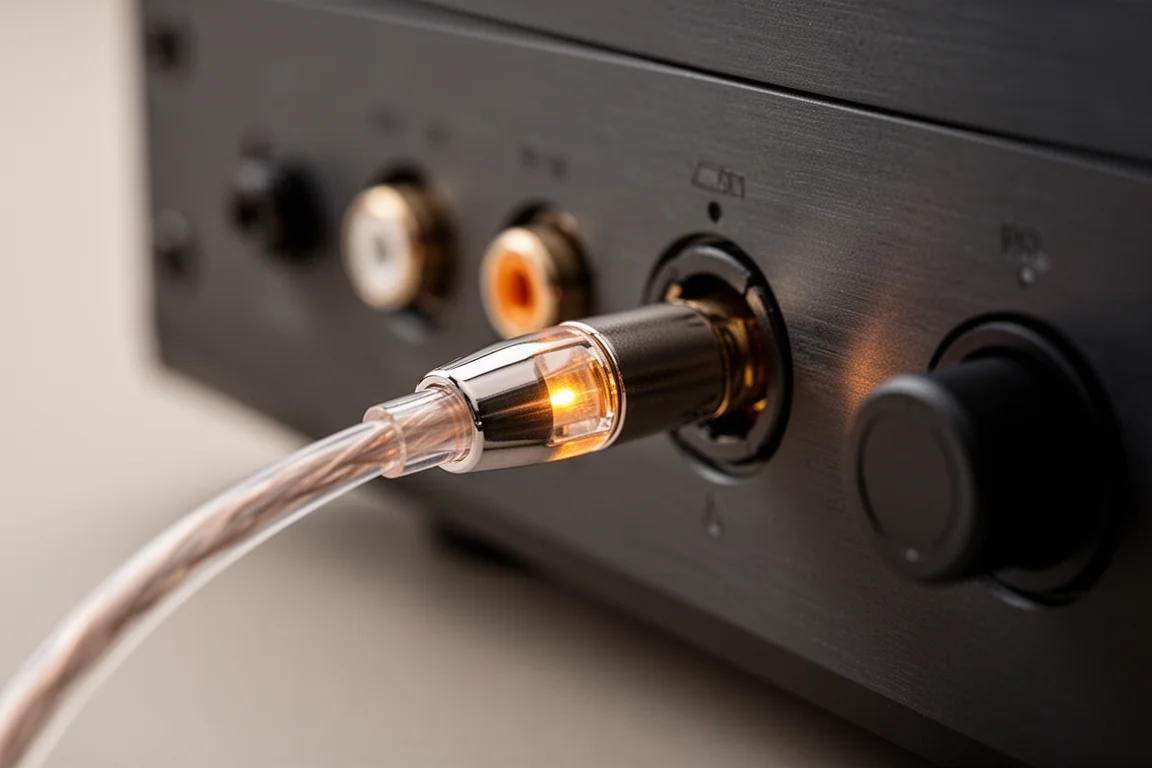
The practical result is a lower noise floor reaching the converter, which is the point at which sensitive DAC circuitry is most vulnerable.
借用更高階型號的時鐘
Jitter is the second half, and it is more involved. Inside a digital device, data is handled in an I²S format: separate lines carry the data itself, a master clock for overall timing, and a word clock that identifies the packets of information. Eight bits make a byte, and bytes are packaged together into packets for transfer.
Legacy connections such as S/PDIF multiplex all of that into a single signal that has to be unpicked by the DAC at the far end. Worse, with S/PDIF the timing is governed by the transport rather than the DAC, and most transports carry a clock far inferior to the one in a decent DAC. Jitter levels rise accordingly. USB audio improved matters by making the DAC responsible for timing, an arrangement still called asynchronous, and by holding data in a FIFO buffer that checks the incoming stream is a bit-perfect copy of what it is holding. Even then, the harder that buffer works, the more jitter and electrical noise creep up inside the DAC.
I²S sidesteps the multiplexing problem, but it is not asynchronous. The transport still controls timing, which means a genuinely good clock has to exist somewhere in the chain. This is where the Iris earns its place. The clock inside it is better than the one fitted to the Pontus 2, and it is the same quality of clock used in the more expensive Venus 2.
That clock is a temperature compensated crystal oscillator, with a thermistor circuit that accounts for variations in temperature in an attempt to stabilise the output. The Aries 2 and Pontus 2 use NDK femtosecond voltage controlled crystal oscillators, which are excellent but vary in stability, and therefore output, as temperature changes. Denafrips reserves oven controlled crystal oscillators for its Terminator and Terminator Plus DACs: larger, more expensive, more power hungry, and housed in their own thermally insulated enclosure with heating elements holding the oscillator at its optimum temperature.
購買前需考慮的事項
The Iris is a focused component rather than a universal upgrade. It is built to feed a DAC over I²S, and most transports do not offer an I²S output. If your source cannot provide one, the device’s core advantage is difficult to realise, even though the hope is that more transports will adopt I²S over time.
It is also worth being clear about what the Iris does not do. It does not turn an I²S connection into an asynchronous one, and it does not remove the transport’s role in timing. What it does is place a better clock at the point where the signal is handed on, and isolate that signal from noise along the way.
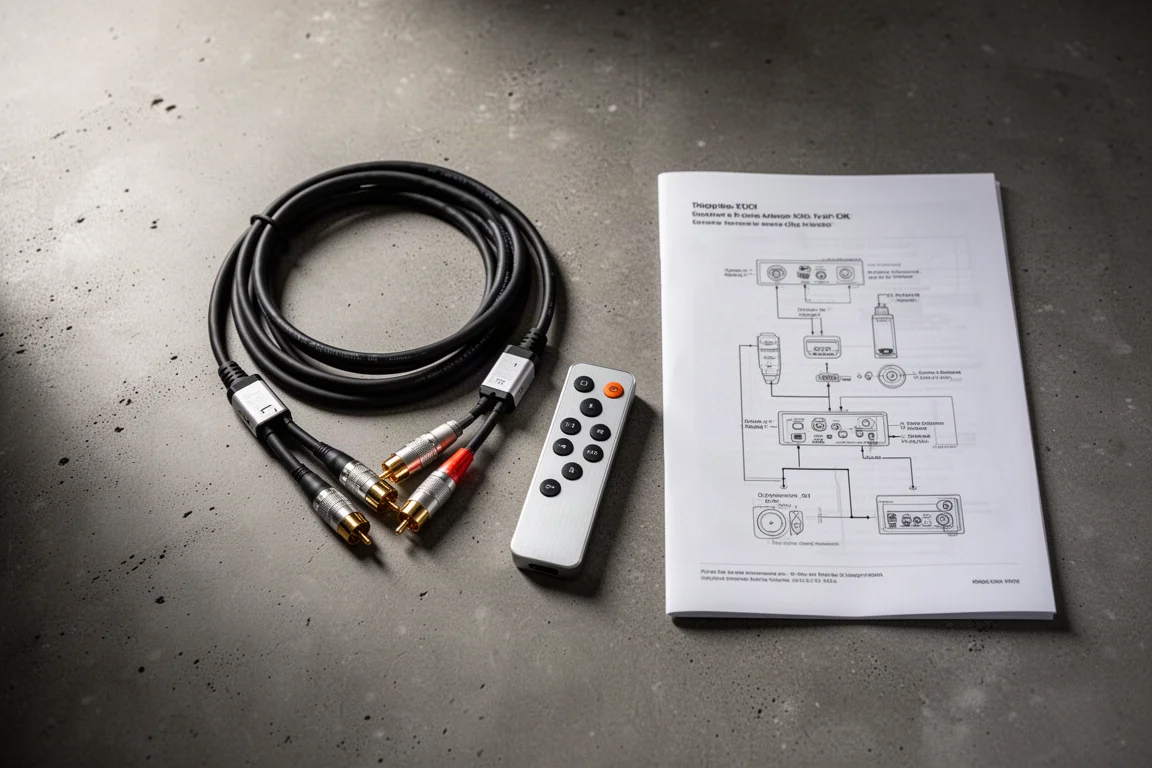
Finally, expect the usual practicalities of an extra box: another component to house, another set of connections, and a signal path with one more stage in it. For a system that already resolves fine detail, that trade is usually worth considering. For a simple setup, it is likely unnecessary.
你是否已有 I²S 路徑?
Before buying, check the input list on your DAC. If it has an I²S input, the Iris has a clear role to play. If it does not, there is no route for the Iris’s output to reach the converter in the format it was designed to deliver.
購買建議
The strongest case for the Iris is a system built around a DAC with an I²S input and a source that can feed it, particularly where the DAC also applies galvanic isolation on its inputs. In that arrangement the Iris does exactly what it was designed to do: unpick the digital signal, isolate it optically, and pass it on with a clock that outclasses the one in the DAC it is feeding.

If you are working with S/PDIF or USB alone, the honest answer is that the Iris is a specialist tool for a problem your chain may not currently have. Buy it because you have an I²S path you want to improve, not because a converter seems like a good idea in the abstract.
結論
The Denafrips Iris addresses two real and measurable issues in digital audio: electrical noise and jitter. Optical isolation on every digital output keeps noise from travelling downstream, and a temperature compensated clock of the same quality used in a more expensive DAC gives the signal a cleaner timing reference than most transports can provide.
It is not a universal upgrade, and it asks for a DAC with an I²S input to be worthwhile. But for listeners who already have that path in place, and especially for those pairing it with a DAC that adds its own galvanic isolation, the Iris is a sensible and well-targeted way to lower the noise floor and steady the timing arriving at the converter.