Português · Emergency Shelter
Survive Tent Review: A Mylar Emergency Shelter With Doors
A 12-hour overnight look at the Survive Tent, a $25 Mylar shelter with doors that blocks wind and rain well but struggles with condensation, setup, and durability.
Introduction
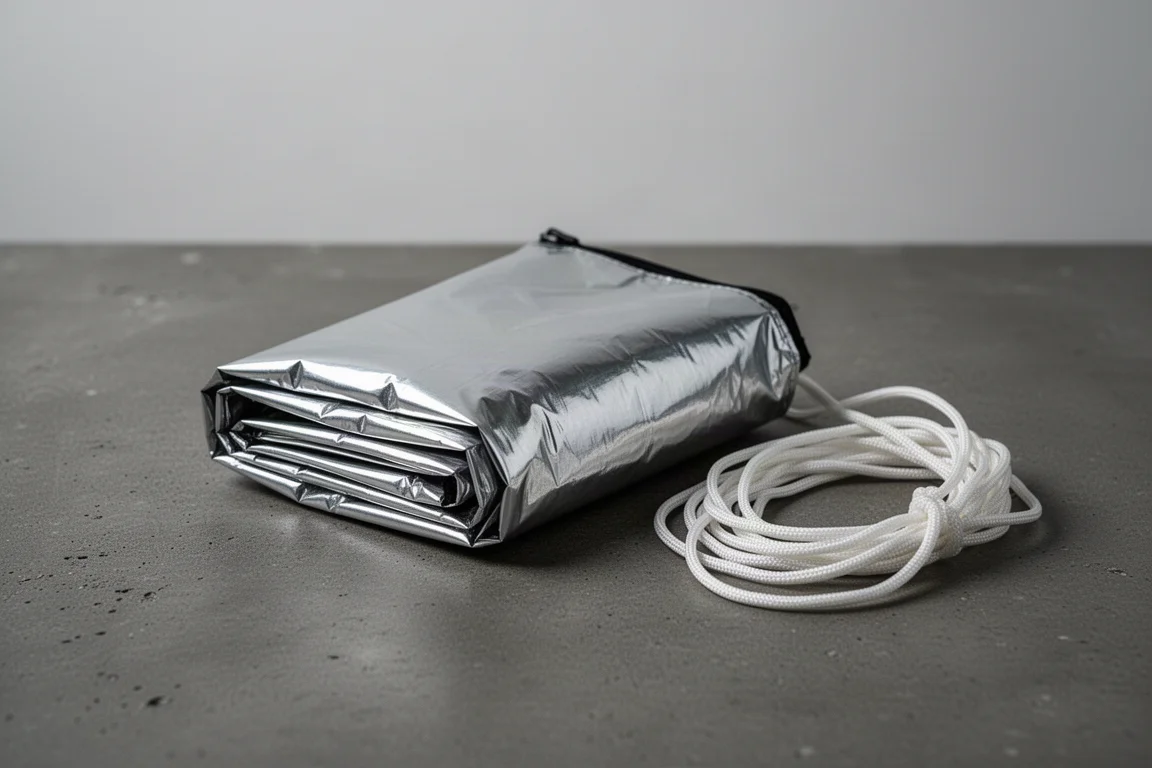
Mylar emergency shelters are cheap, tiny, and easy to forget at the bottom of a pack, which is exactly why they turn up in so many survival kits. The Survive Tent takes that familiar reflective sheet and adds one feature most of these products skip: doors. That single change reshapes how the shelter behaves overnight, for better and for worse.
The Survive Tent is a Mylar shelter that can be used three ways: as a bivy, as a blanket, or pitched as a small tent. It measures 92 inches long, 40 inches wide, and stands around 34 inches at the peak. It packs down to roughly the size of a soda can and weighs about 11 ounces, so it adds almost nothing to a pack. At $25, it is priced like the disposable emergency item it is.
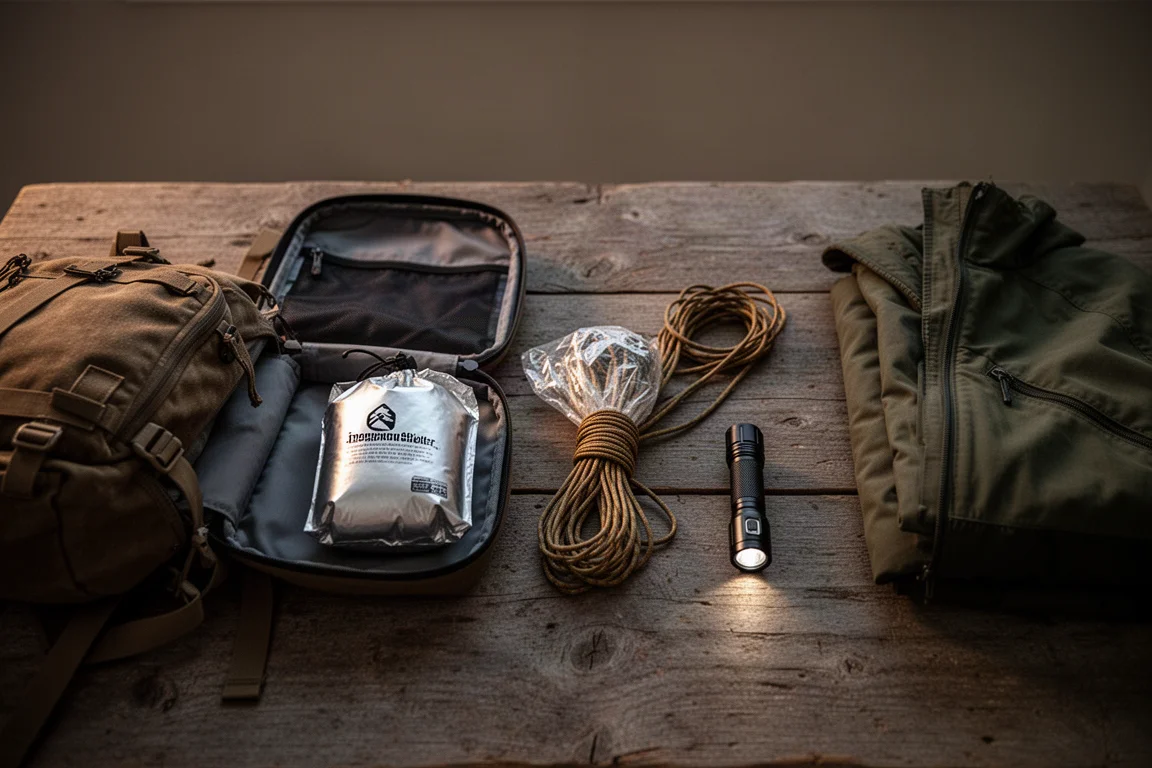
A 12-hour overnight field test, running from 8 p.m. to 8 a.m. with no food, water, or other supplies, showed both sides of the design. The shelter blocked wind, kept the occupant dry, and held a measurable amount of warmth. It also produced heavy condensation, stretched out of shape, and tore in several places. Both halves of that story matter when you decide whether to carry one.
Who This Product Is For
This is a product for the scenario nobody plans for. Day hikers, hunters, and anyone who could end up benighted with only the clothes on their back are the people it is built for. It is not a camping tent and it is not meant to replace one. If a trip is planned, bring a real shelter.
As a bivy or a blanket, the Survive Tent is genuinely simple to use. Unfold it, wrap up, and you have a windproof, waterproof layer. Pitched as a tent, it asks for real effort and at least moderate bushcraft skills, which is where the product’s limits start to show.
Main Strengths
Wind and Rain Protection
The material is fully waterproof and windproof, and wind blocking is where it earns its place in a pack. Sitting inside a sealed Mylar shelter on a cold, breezy night is meaningfully better than sitting outside one. In the overnight test, outside temperatures dropped from roughly 47 degrees at the start to around 30 degrees by morning, and the shelter interior measured about 6 degrees warmer than the air outside. That is a real difference, even if it is not a comfortable one.
Heat reflection is more modest than the marketing suggests. Mylar does bounce a small amount of body heat back, but the practical effect is roughly 1 to 2 degrees between having the material close to your body and not having it at all. Claims that a Mylar sheet reflects 90 percent of your body heat are technically worded but misleading: the figure describes how little heat passes through the material, not how warm you will feel. Mylar reflects heat, it does not generate it, and it is not insulation. In an emergency it can slow heat loss, but it will not stop it.
Doors and Heat Reflection
The doors are the headline feature, and they matter. Comparable emergency shelters usually leave one end open, which makes sealing out wind and weather impossible. Here, the flaps can be closed and pinned with a rock, which is what allowed the interior to hold that 6 degree advantage overnight.
The closure is basic. There is no hook-and-loop strip or any other positive fastener, so the doors rely on weight and friction. In strong wind, the material can stretch or blow loose, and getting a tight seal is difficult. Still, having doors at all is a clear step up from the doorless versions of this product, and it is the reason the shelter performed as well as it did.
Things to Consider Before Buying
Condensation Inside a Sealed Mylar Shelter
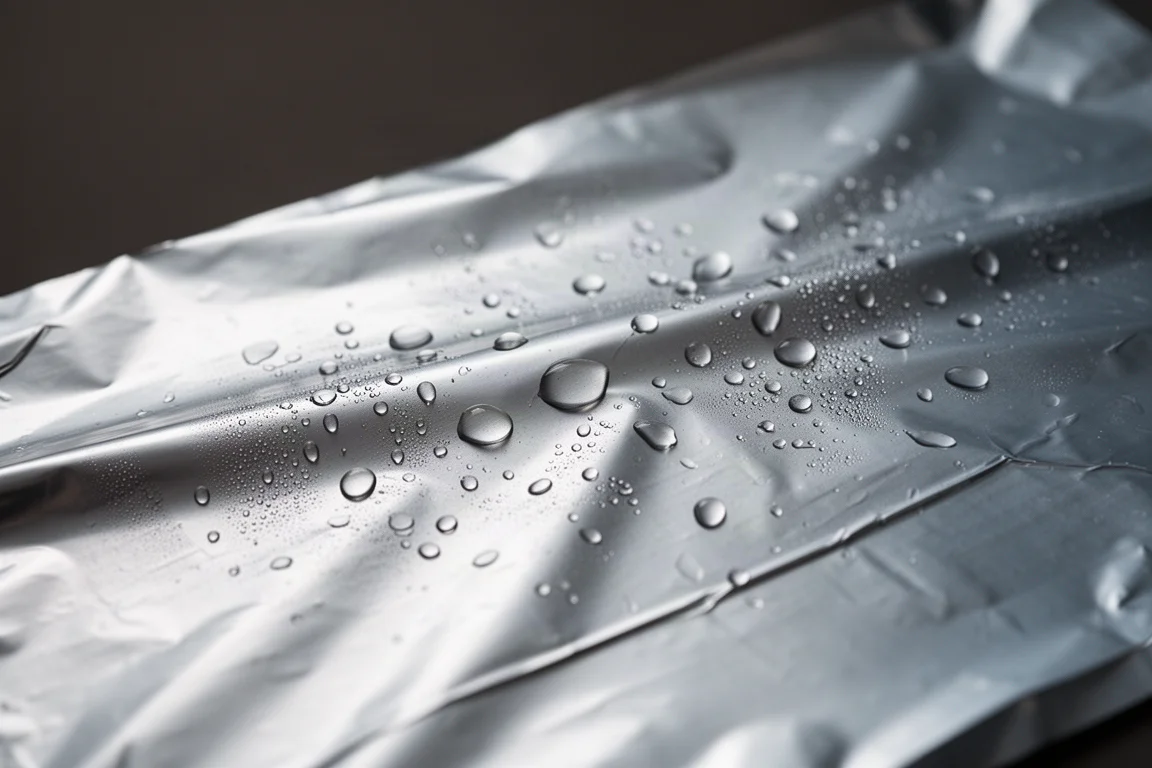
The material does not breathe at all, and once the doors are closed, condensation becomes the dominant problem. Within a couple of hours, water was forming on the walls, ceiling, and floor. Because Mylar only works when it sits close to your body, that moisture ends up against your clothing. By morning, a jacket and trousers were soaked through and water was running off the walls.
That matters more than it sounds. Getting damp in cold conditions accelerates heat loss and lowers the odds of making it comfortably through the night. A shelter that keeps rain out but soaks you from the inside is solving one problem while creating another.
Setup, Durability, and Nighttime Adjustments
Setup is more involved than it looks. The shelter ships with roughly 22 feet of 550 cord, which is used to hold the peak and shape the structure. Rocks spread the sides out, and the ridge line lifts the center. Pulling the material tight enough to keep it off your body takes practice, and the result is a shelter that is very small inside. Anyone tall will find sitting up difficult.
The cord stretched overnight during testing, which let the shelter sag down onto the occupant. Adjusting one part throws off another, and making those corrections in the dark without a light is close to impossible. Durability is the other reality check. After a single night, the Mylar was visibly thinned, with holes worn through from contact with the ground and light passing through stretched areas. This is not a reusable product. Two or three nights is a realistic ceiling, and only with very gentle handling.
Buying Advice
Think of the Survive Tent as cheap insurance rather than a shelter you will rely on repeatedly. For $25 and about 11 ounces, it is a reasonable item to leave in a day pack, a hunting pack, or a vehicle kit, where it costs you almost nothing until the night it matters. If you are already carrying a lightweight tarp, that will handle wind and rain in a similar way and will survive far more use. A tarp does not reflect heat, but heat reflection here is only worth a degree or two, so the difference is smaller than it first appears.
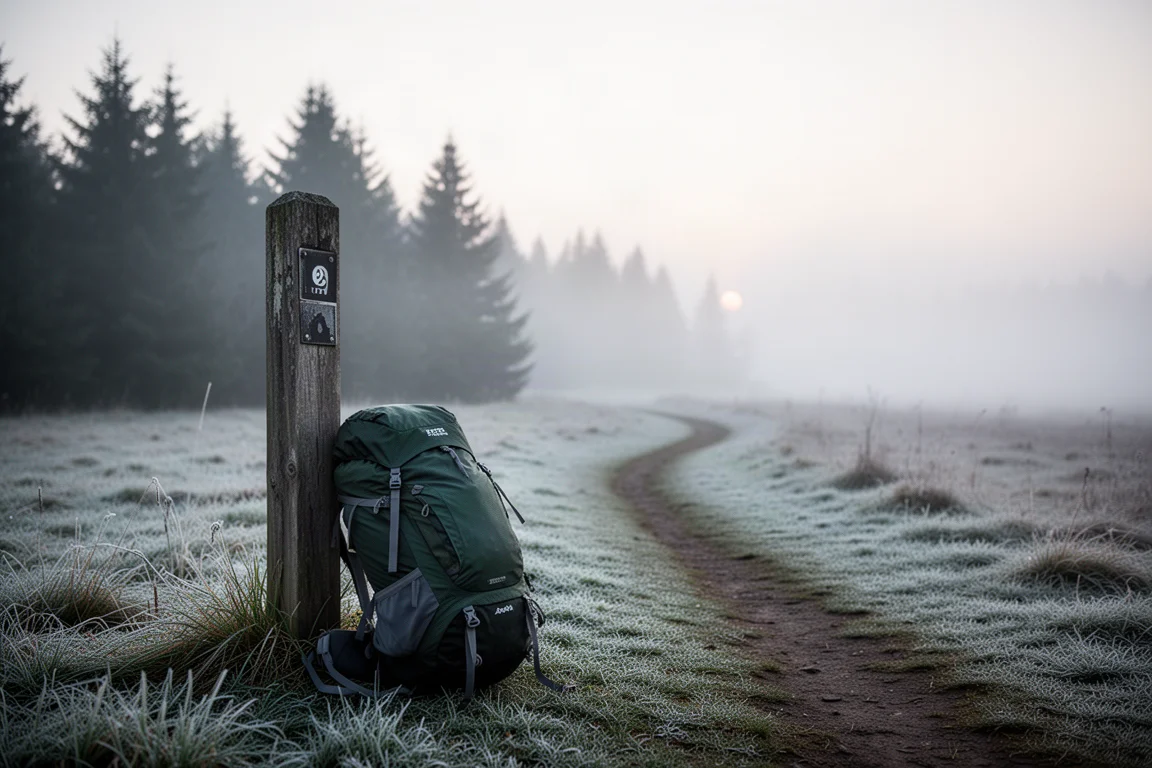
If you buy one, buy it with a plan. Practise pitching it once in daylight so the cord, the rock anchors, and the door flaps are familiar before you need them. Carry a light source, since adjusting the shelter in darkness is otherwise a losing battle. Treat the doors as a wind break rather than an airtight seal, and expect to ventilate periodically to manage moisture. Pairing it with dry layers and a way to stay off the cold ground will do more for your night than the Mylar itself.
Conclusion
The Survive Tent is better than nothing, and that is the fairest summary. It blocks wind, keeps rain off, and holds a small amount of warmth, and the doors make it clearly more useful than the doorless Mylar shelters it improves on. It is also fragile, fiddly to pitch, and prone to soaking its occupant with condensation. Buy it as a last-resort layer for an emergency kit, and keep your expectations of comfort firmly in check.
Link do produto
Ver mais detalhes de Survive Tent
Este produto é mencionado nesta avaliação. Antes de comprar, confirme as especificações, opções e compatibilidade.
Ver mais detalhes de Survive Tent