Polski · Emergency Shelters
Fjallraven Windsack 3 Review: A Windproof Shelter That Is Not Waterproof
The Fjallraven Windsack 3 blocks wind and snow and pitches in minutes, but a cold-weather overnight test exposed heavy condensation and weak value.
Introduction
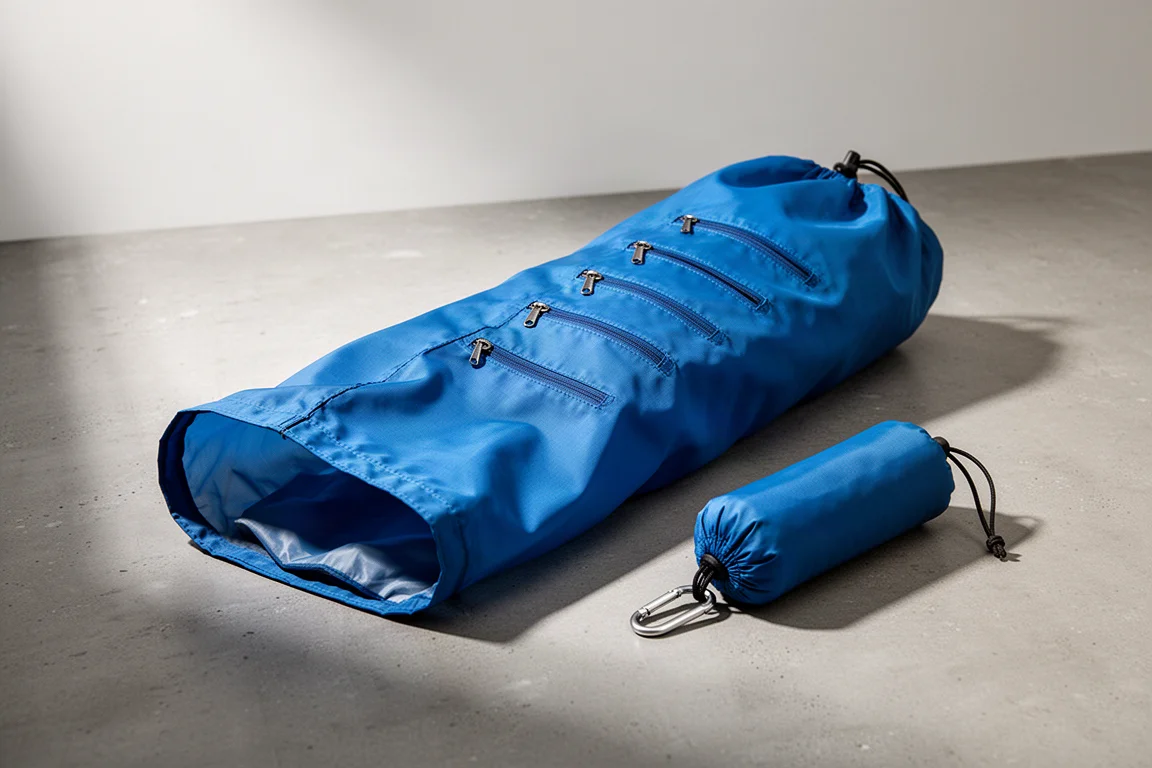
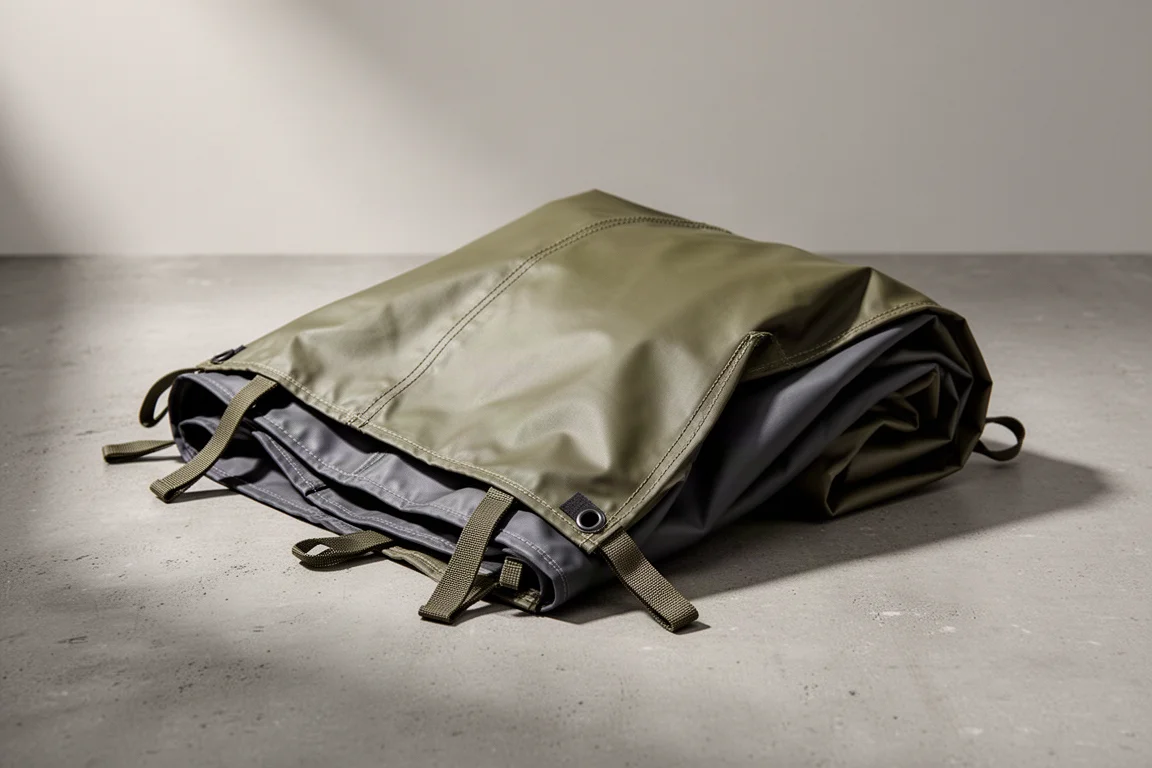
The Fjallraven Windsack 3 is a packable emergency shelter that can be pitched as a simple shelter, strung up as a tarp, or pulled over the body like a sack. Fjallraven describes it as protection from wind, snow, and rain, and it is the sort of item that is meant to live at the bottom of a daypack for the trip that does not go to plan.
To see how it performs when it actually matters, the Windsack 3 was taken out for a winter overnight in the mountains. The conditions were deliberately unforgiving: snow and ice underfoot, temperatures falling from around 30 degrees Fahrenheit toward roughly 19 degrees, humidity climbing, and wind gusts forecast close to 50 miles per hour. No sleeping bag or blanket was carried, which reflects what a typical day hiker would realistically have on hand.

The outcome is a product with a genuinely useful core and one serious flaw. It blocks wind and snow well, it pitches quickly, and the fabric is tough. It is also not waterproof, it collects a large amount of internal moisture, and at around $150 it is difficult to justify when a plain tarp can do the same job with fewer drawbacks.
Who This Product Is For
The Windsack 3 makes sense for hikers, hunters, and anyone who spends time in exposed terrain and wants a compact barrier against wind and snow that can be deployed in minutes. In an emergency, getting out of the wind is often the difference between a miserable night and a dangerous one, and this product does deliver that.
It is not for anyone expecting a dry shelter in sustained rain, and it is not a replacement for a sleeping bag, blanket, or insulated sleeping pad. It is best understood as one layer in a system: something that cuts wind, sheds snow, and holds a little warmth while you wait out the night or until help arrives.
Main Strengths
Used within its limits, the Windsack 3 has several things going for it that became clear over the course of a long, cold night.
Wind and Snow Blocking Performance
Pitched low among trees with a rise in the terrain behind it, the shelter took roughly 10 minutes to set up, which is realistic for an emergency. Once closed up, it did what it claims on the wind and snow front: the fabric cut the gusts and kept falling snow off the occupant.
Temperature readings told a similar story. With the outside thermometer at 19.2 degrees Fahrenheit, the interior settled around 31 degrees after half an hour, a difference of more than 10 degrees. That is not comfort, but in a survival context it is meaningful, and it is the main reason the product has any value at all.
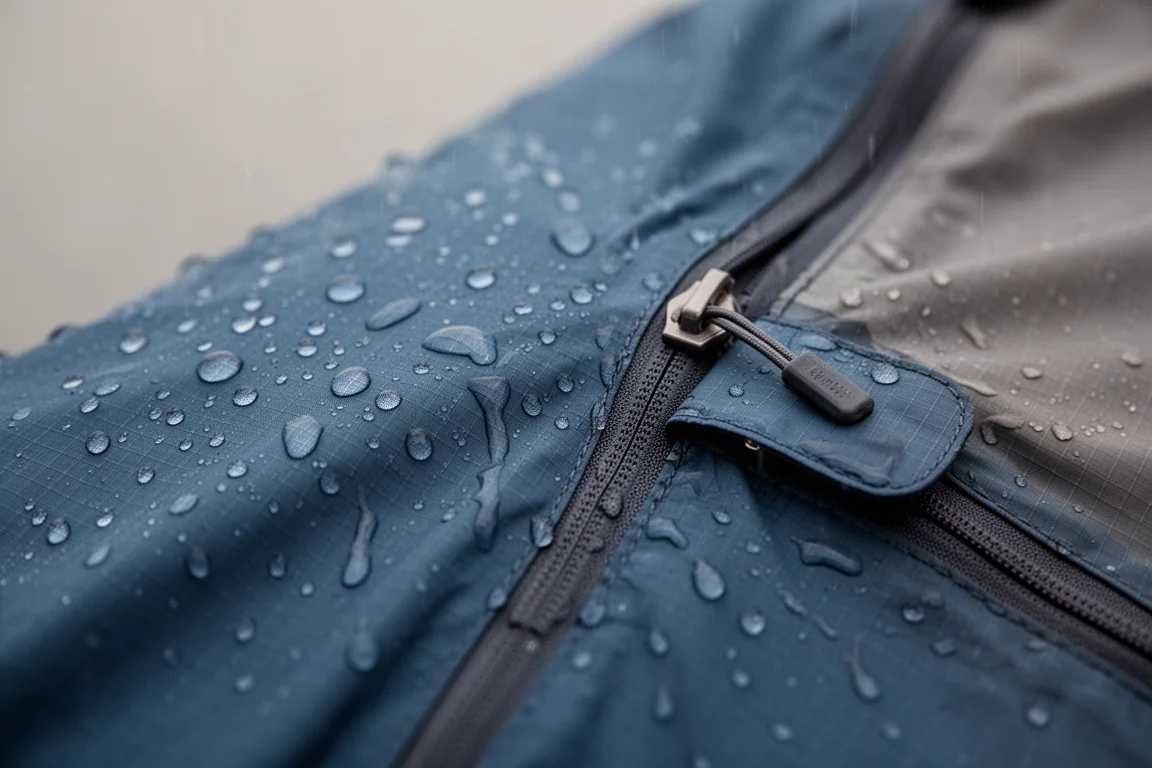
Getting in and out costs warmth, because the opening releases the air that has built up inside, so the shelter rewards staying put once you are settled.
Build Durability and Versatility
Wind gusts near 50 miles per hour beat against the shelter through the night, and there was no concern about the material tearing or failing. The fabric is light but it holds its shape under load, which matters when a shelter is the only thing standing between you and the weather.
The multi-configuration design is the other strength. The same piece of gear can be pitched as a shelter, used as a tarp, or worn over the body as a sack, which makes it flexible across different situations and different amounts of available cover. One practical note: the shelter does not include a centre tie-off point, so a length of cordage had to be added inside to create one for a proper pitch.
Things to Consider Before Buying
Two issues shaped the final verdict, and both are worth understanding before spending money.
Water Resistance Limits
Fjallraven claims the Windsack 3 protects against wind, snow, and rain. The first two hold up. The third does not. In a sustained rainstorm during earlier testing, water ran steadily down the inside of the walls rather than beading off the fabric.
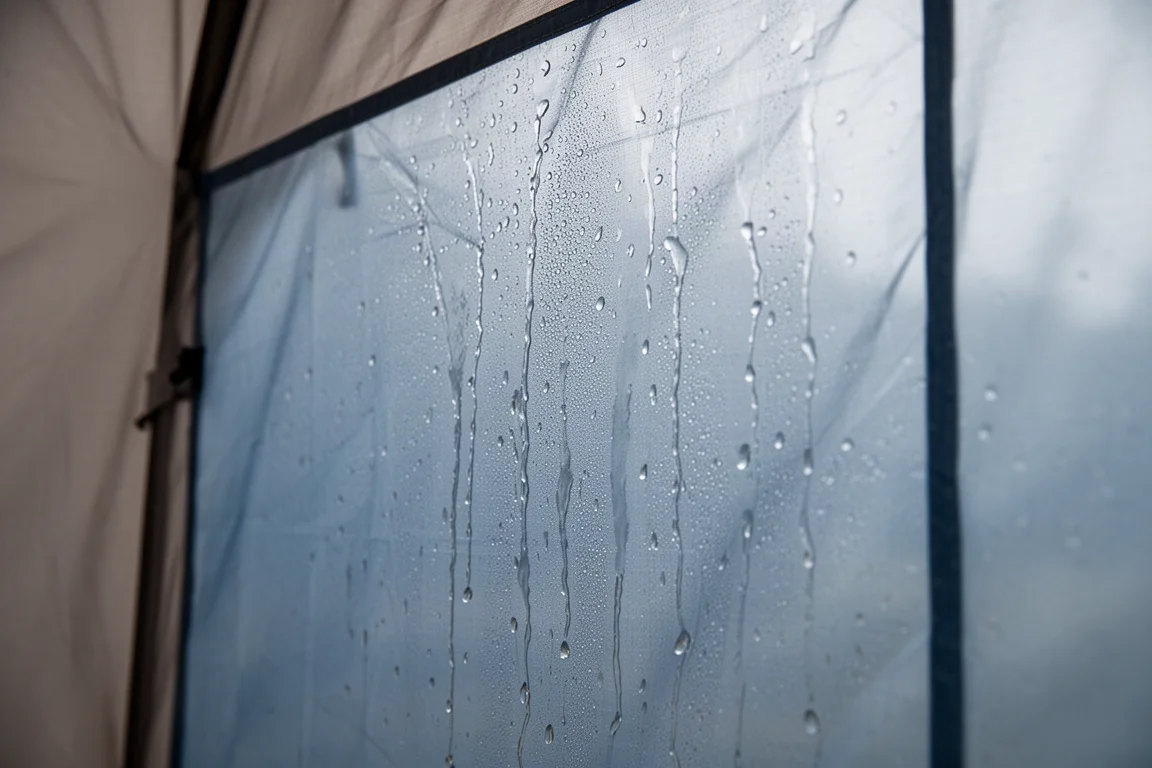
That makes the product a poor choice as a primary rain shelter. It is a wind and snow barrier, and if rain is in the forecast it should be paired with a genuinely waterproof layer rather than relied on alone.
Condensation and Internal Moisture
Even on a cold, snowy night the shelter collected a great deal of moisture on its inner surfaces, and by morning there was ice and water across the material. The design closes in around the occupant, and with limited airflow the condensation has nowhere to go.
This becomes more pronounced if the sack is worn over the body rather than pitched, where the amount of trapped moisture would be considerable. The shelter can work for a short period, but it is not suited to long-duration use.
Value at the Asking Price
At around $150, the Windsack 3 is priced like a considered piece of technical gear, and the performance does not match that positioning. A basic tarp achieves the same wind and snow protection, packs comparably small, and avoids the waterproofing and condensation problems entirely.
Buying Advice
If the goal is a fast, compact wind and snow barrier for emergency use, the Windsack 3 does function, and it survived a genuinely hard night. The catch is that nothing about it is unique, and the same job can be done with a tarp at a fraction of the cost and with fewer compromises.
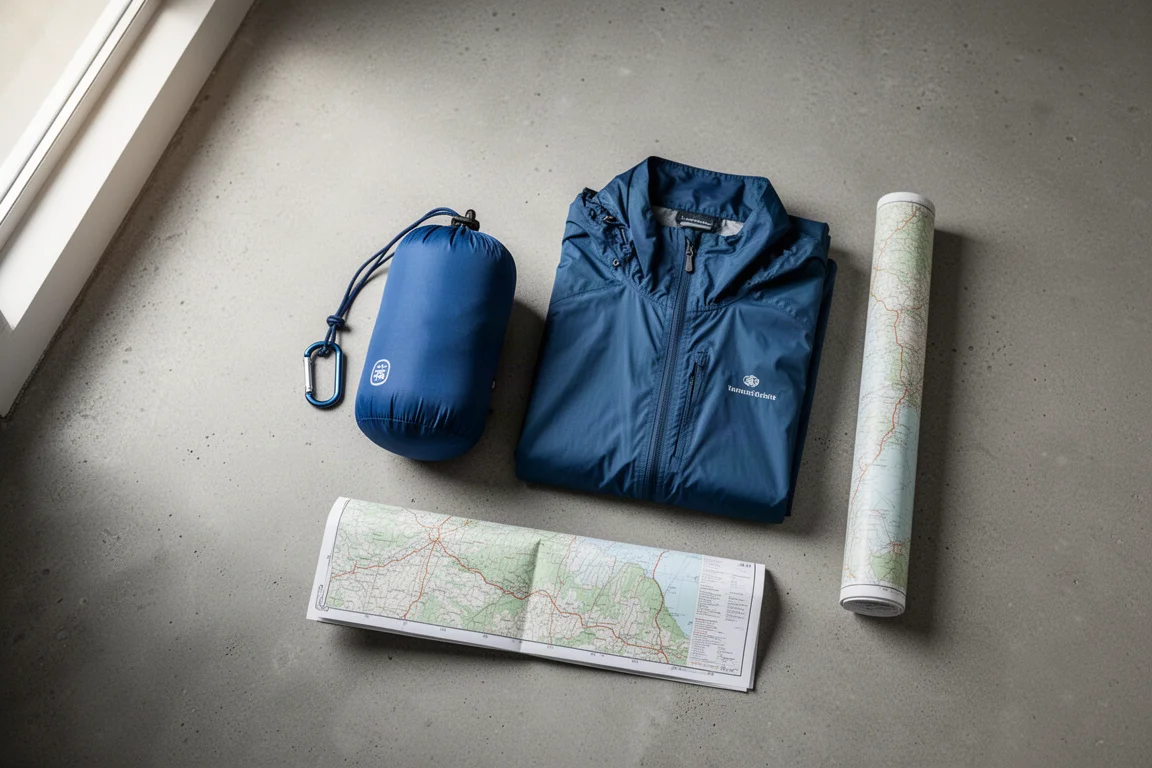
Buyers who want a single-purpose, ready-to-deploy sack and who already carry a separate waterproof layer may find it convenient. Anyone shopping for a shelter that will keep them dry in rain, or that will be used across multiple nights, should treat a tarp as the baseline to beat.
Conclusion
The Fjallraven Windsack 3 is a durable, quick to pitch wind and snow shelter that holds a measurable amount of warmth. It is also not waterproof, it traps moisture, and it costs far more than the simple alternative that outperforms it. It can help you get through a cold night in an emergency, but it is not the shelter to build a plan around.
Link do produktu
Zobacz więcej szczegółów: Fjallraven Windsack 3
Ten produkt jest wymieniony w tej recenzji. Przed zakupem sprawdź specyfikację, dostępne warianty i kompatybilność.
Zobacz więcej szczegółów: Fjallraven Windsack 3Więcej do przeczytania
Powiązane recenzje
Emergency Shelters
Recenzja F Raven Wind Sack 3: schronienie awaryjne za 150 dolarów, które nie radzi sobie w prawdziwej pogodzie
Praktyczne spojrzenie na F Raven Wind Sack 3: odporność na wiatr i deszcz, kondensacja, ograniczenia montażu i to, czy produkt jest wart swojej ceny.
Emergency Shelters
Fjällräven Wind Sack 3 – recenzja: awaryjne schronienie o masie 1.03 lb i jego ograniczenia
Fjällräven Wind Sack 3 blokuje wiatr i zwija się do niemal zerowych rozmiarów, ale nie jest wodoodporny, a kondensacja w środku jest znaczna. Oto, co warto rozważyć przed wydaniem $150.
Emergency Shelters
Fjallraven Windsack – recenzja: lekka osłona awaryjna na nagłą zmianę pogody
Praktyczne spojrzenie na Fjallraven Windsack – składaną osłonę dla trzech osób, stworzoną do osłony przed wiatrem, deszczem i śniegiem, gdy prognoza się nie sprawdzi.