Deutsch · Food & Kitchen
Die besten Supermarkt-Tomaten: Welche Sorten den Kauf lohnen
Von Salmonella-...
Introduction
Supermarket tomatoes are full of choices, and unfortunately, many of them are bad choices. The difference between a tomato that tastes like summer and one that tastes like nothing comes down to a few telltale signs you can learn to spot before you ever take a bite. This guide walks through the varieties worth buying, the ones that shine only after cooking, and the one type of tomato we would consistently leave on the shelf.
What Makes a Tomato Taste Good: The Jelly Factor
The secret to tomato flavor is what some call the jelly: the gooey substance that surrounds the seeds. It is packed with flavor compounds, including glutamate, the same compound that makes Parmesan cheese and mushrooms taste so savory.
A good tomato has thin walls and lots of internal pockets for that jelly. A poor tomato has thick, fleshy walls with almost no room left for the jelly, which means no room left for flavor. Many commercial tomatoes are bred with thick walls precisely because they ship well, arriving thousands of miles from where they were grown with little flavor to show for it.
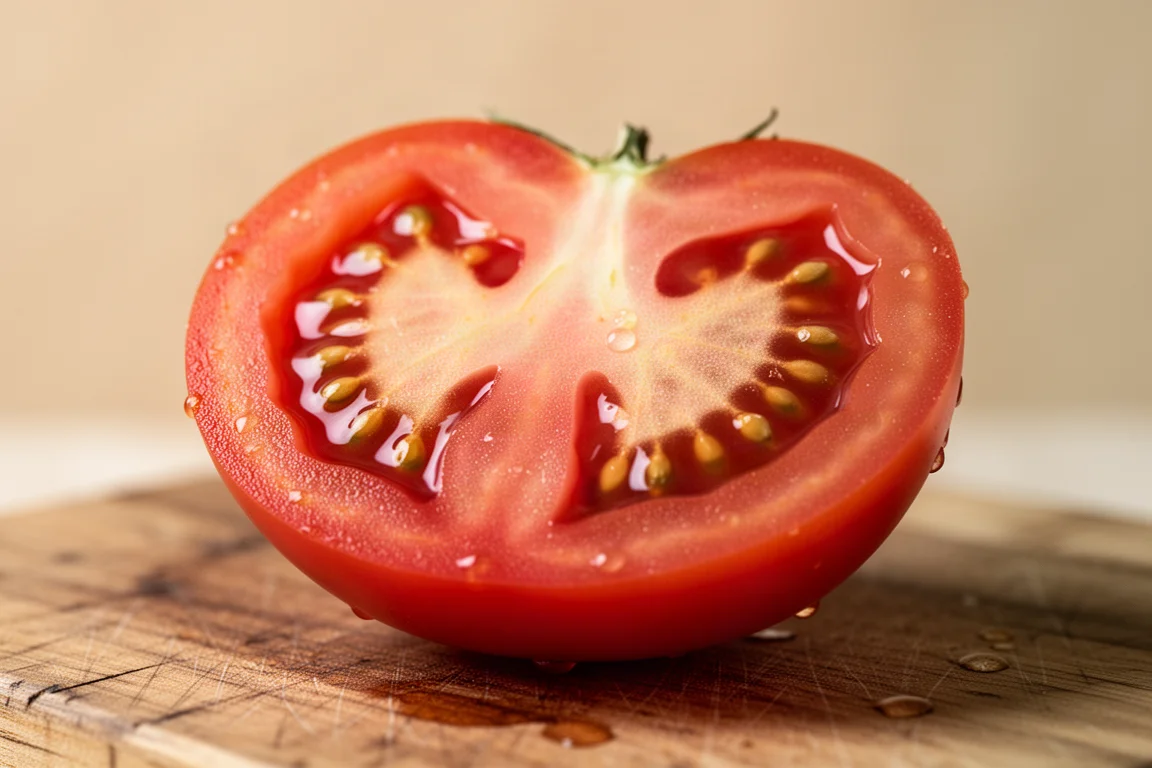
Since slicing a tomato in the store is not an option, the trick is choosing varieties and sources that are more likely to have that jelly-rich interior.
Heirloom Tomatoes: The First Choice
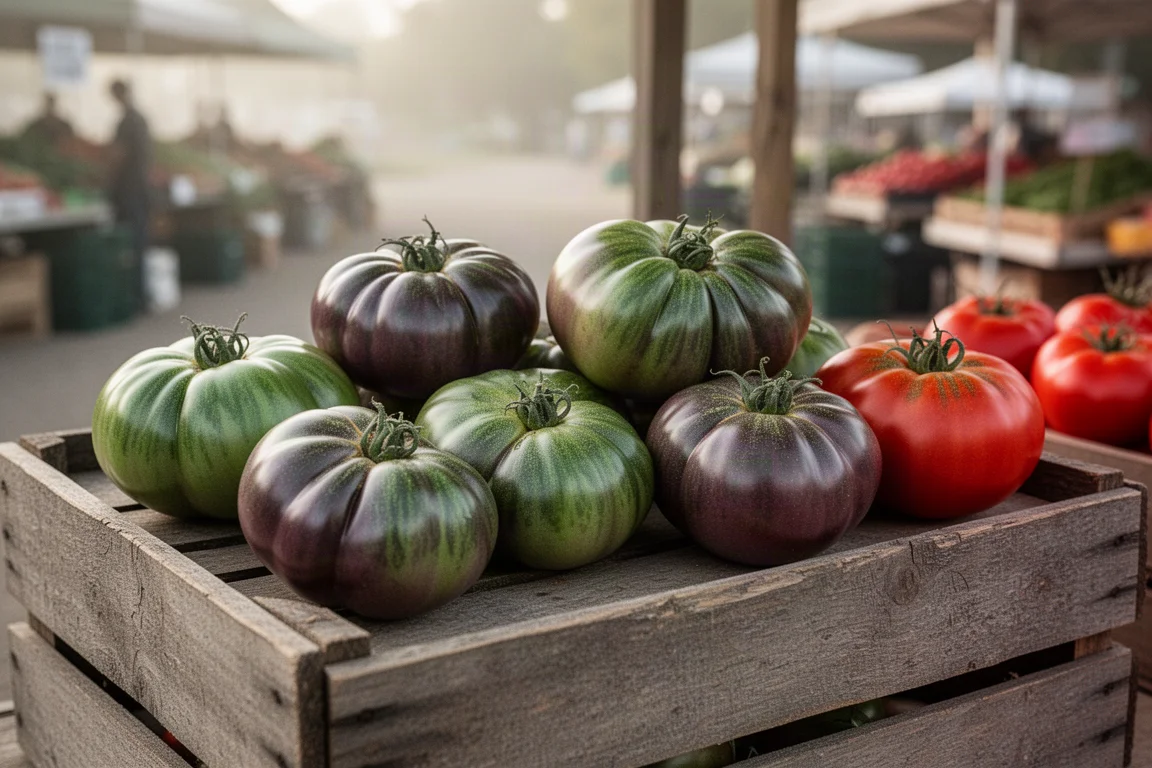
Locally grown tomatoes are the safest bet, and heirloom tomatoes are the classic example. Because their walls are thin, they cannot survive long-distance shipping, which is exactly why they tend to show up locally and taste better.
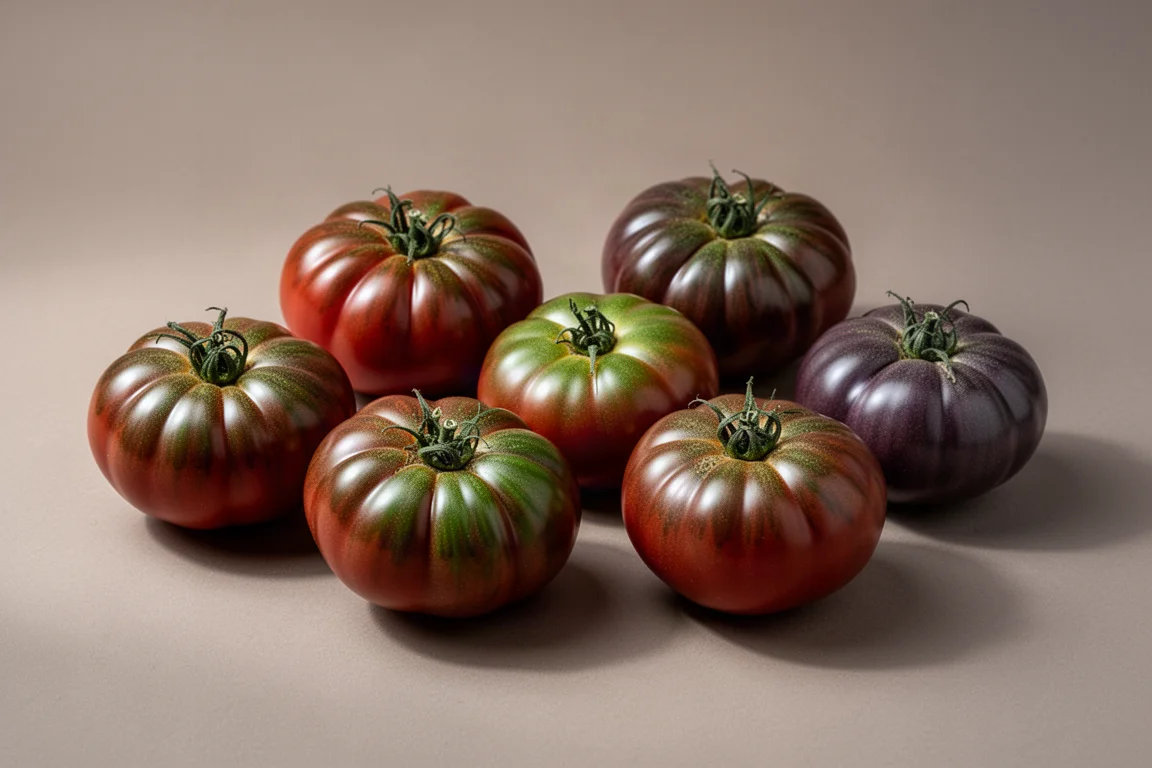
True heirlooms carry the original DNA of pre-Columbian tomatoes, and one visible clue is the ridges on the fruit, a sign the variety has not been heavily hybridized.
Beefsteak Tomatoes: Great from a Local Farm Stand
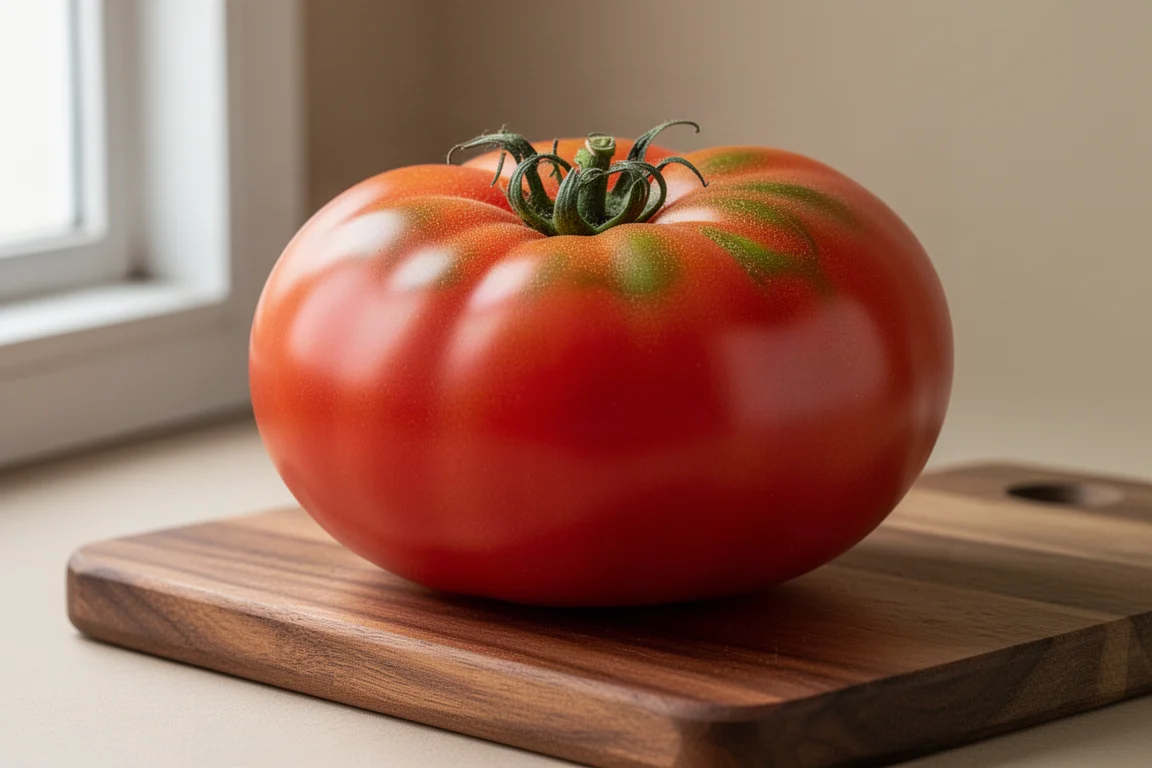
Heirlooms are not the only good option. A good beefsteak, especially from a local farm stand, can be excellent. These giants rarely get shipped because they are too big and growers and supermarkets do not want to deal with them, which works in your favor for flavor.
Beefsteaks are the ideal slicer for a BLT, where their size and juiciness cover the whole sandwich.
Vine-Ripened Tomatoes: Beautiful but Bland
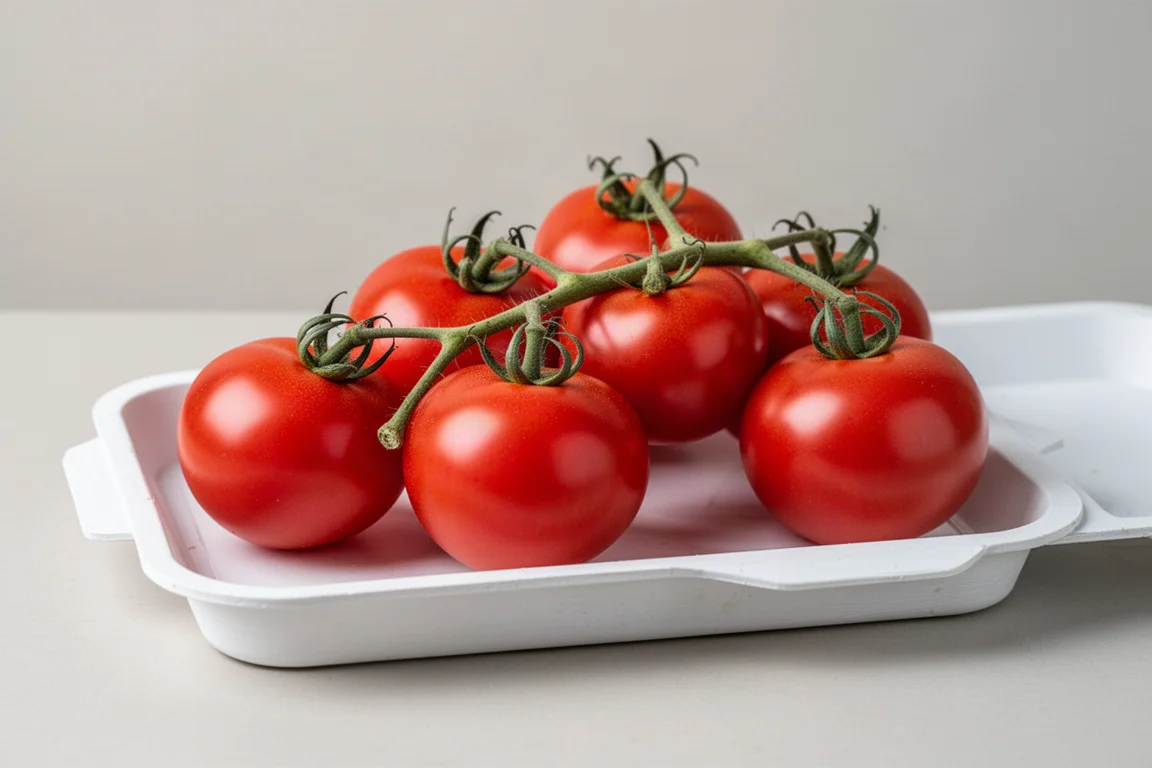
Vine-ripened tomatoes look perfect, but anyone who grows tomatoes knows ripe fruit would never stay attached to the vine like that. These tomatoes are harvested at roughly 10% ripe, shipped, then treated with ethylene gas to finish them.
The result is sturdy, attractive fruit with very little flavor. This is the one category best skipped.
Kumato Tomatoes: The Best Year-Round Supermarket Pick
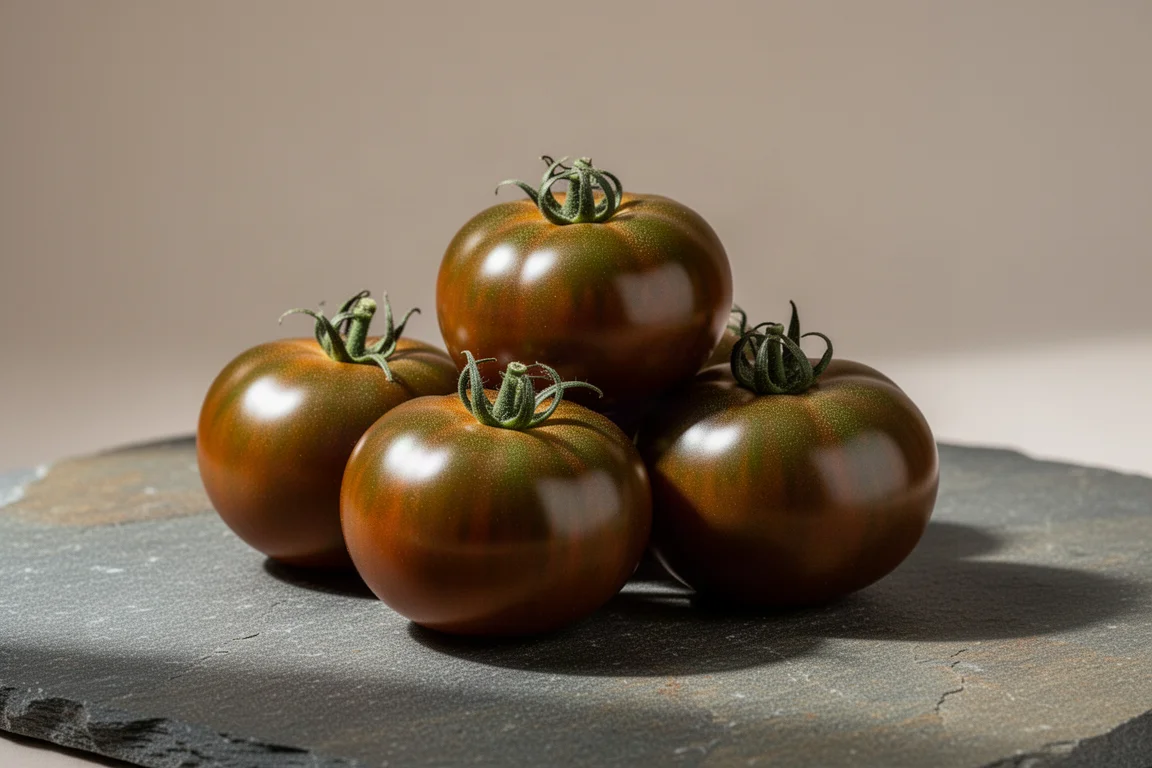
If you want tomatoes in the middle of winter, the Kumato is one of the strongest choices. It has a distinctive brown-green color and is mostly grown in greenhouses, so it is available 12 months of the year.
It is imported from Europe, so it does travel a long way, but it has been bred for more acidity and more sweetness than typical shipping tomatoes, making it a noticeably livelier eating tomato.
Roma Tomatoes: Built for Sauce, Not Salads
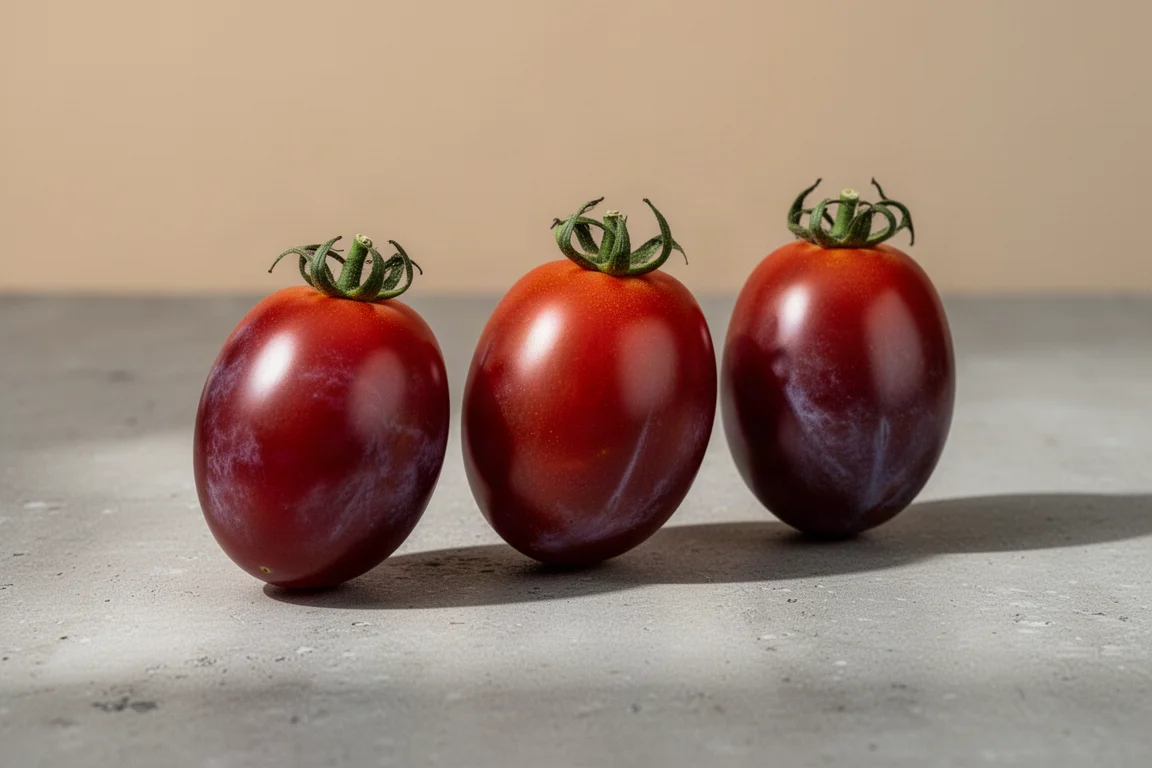
Romas are large plum tomatoes and they earn their place in the kitchen, just not raw. They lack the sweetness and flavor to be enjoyable fresh, but they are exactly what you want when making sauce.
Treat them as a cooking tomato and they deliver.
Grape and Cherry Tomatoes: Raw vs Cooked
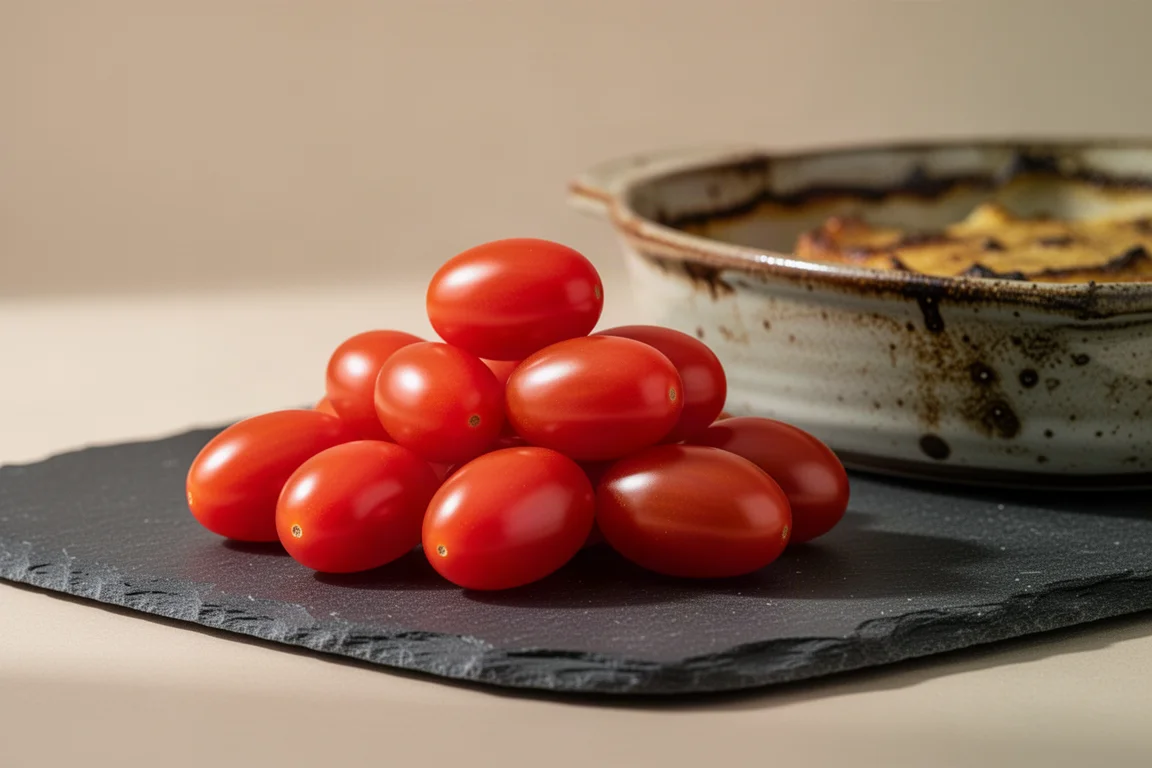
Grape tomatoes follow a similar rule: bland raw, fantastic cooked. Roasted for 15 to 20 minutes, they concentrate into a sauce with far more flavor than they ever show fresh.
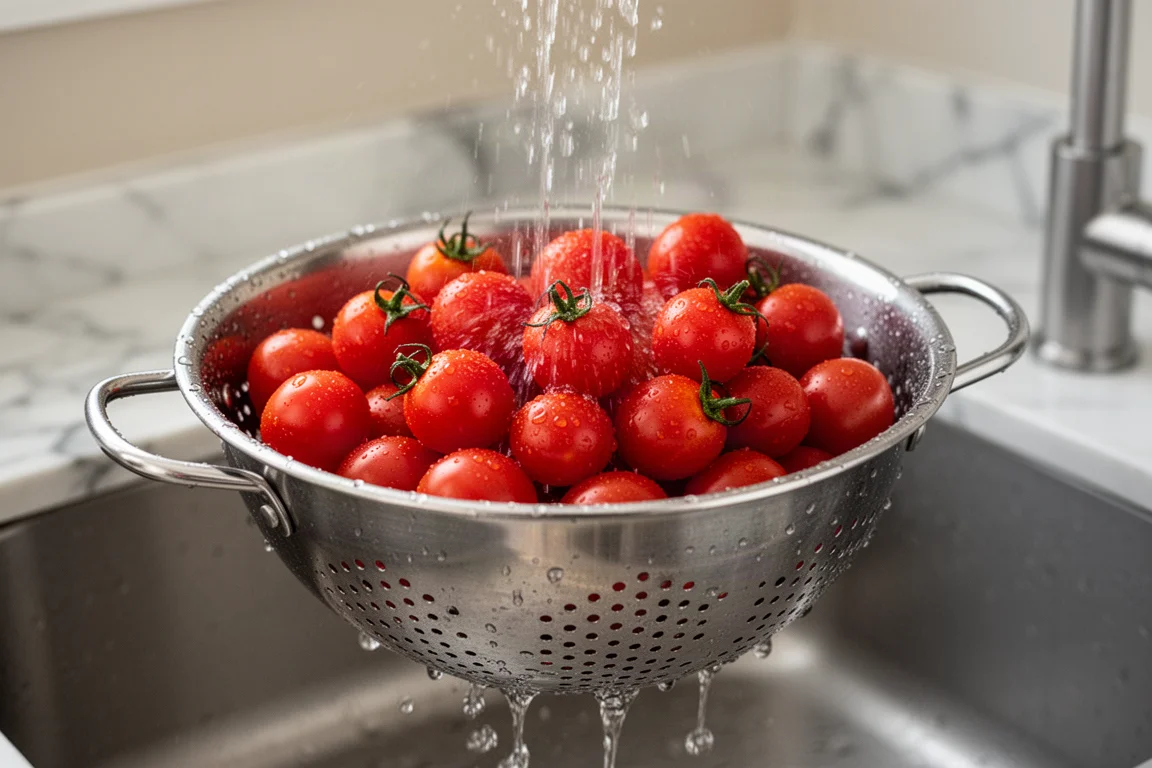
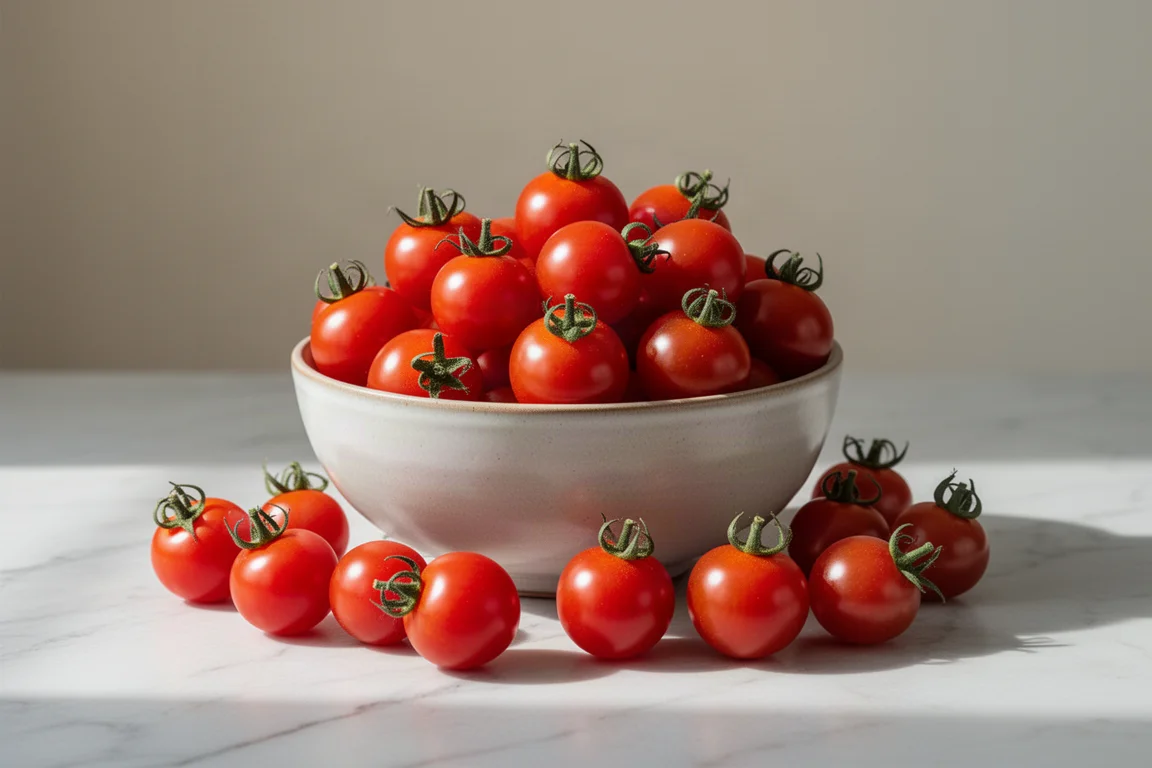
For raw eating, cherry tomatoes are the winner. They are juicy, lively, and almost always good, which makes them the dependable pick for salads.
Buying Advice
The simplest framework: choose locally grown heirlooms or beefsteaks when you can find them, reach for Kumatos when you need a supermarket tomato out of season, and save Romas and grape tomatoes for the stove. Cherry tomatoes are the reliable raw option year-round, and vine-ripened supermarket clusters are best left behind.
Conclusion
There are some genuinely terrible tomato choices in the average store, but also some amazing ones. Know what each variety does well, look for thin walls and locally grown fruit, and every tomato you bring home will have a job it can actually do.