Indoor Cycling
Zwift Ride with Wahoo KICKR Core: A Dedicated Indoor Bike at a Smarter Price
The Zwift Ride pairs a purpose-built indoor smart frame with the Wahoo KICKR Core trainer for an all-in-one setup that costs far less than a full smart bike.
Introduction
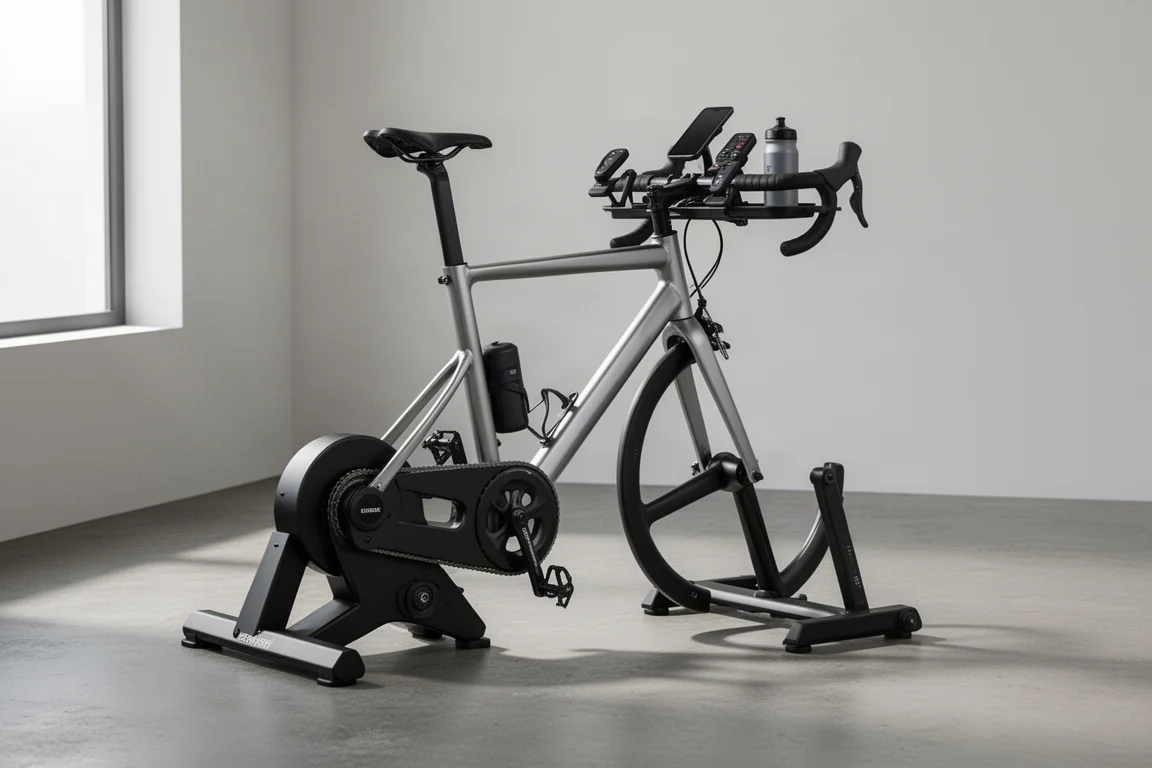
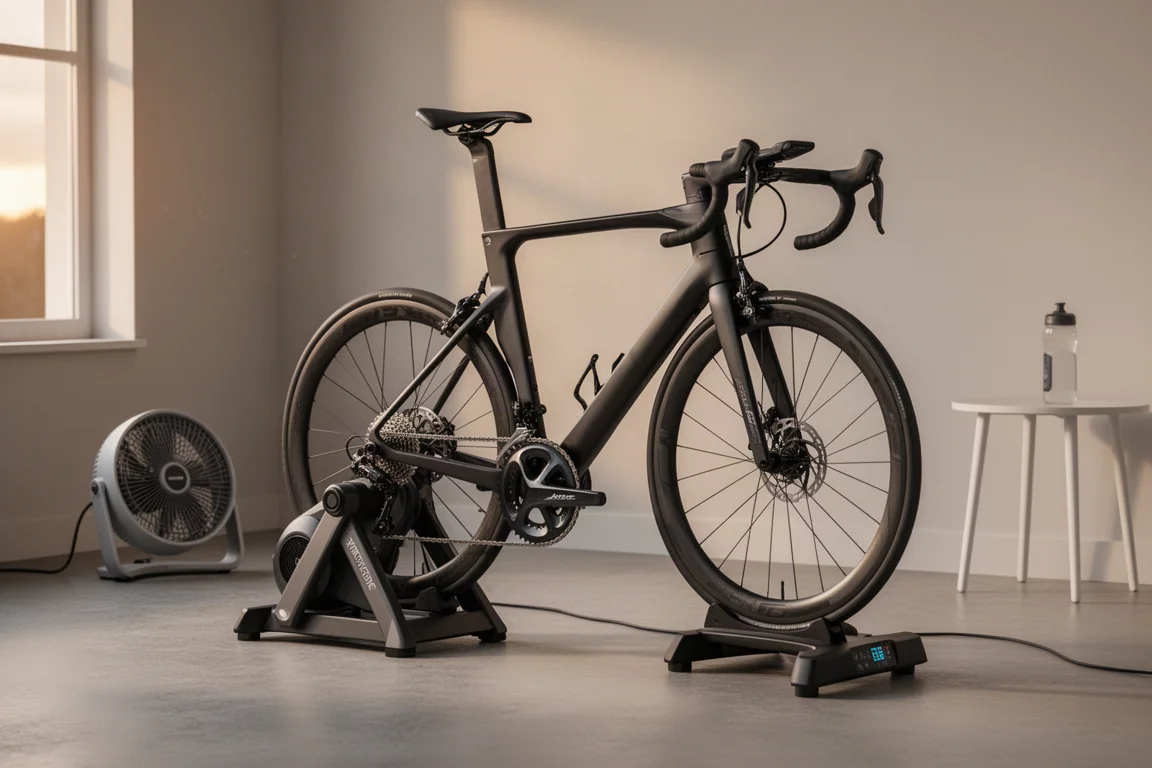
The Zwift Ride is an interesting new concept in indoor cycling: an all-in-one setup that arrives with everything you need to start riding on Zwift quickly. It is not quite a smart bike in the traditional sense. Instead of a single fully integrated piece of hardware, it combines two components: the Zwift smart frame and a compatible trainer, in this case the Wahoo KICKR Core. The frame replaces a traditional bike and adds integrated Zwift Play controllers, creating a permanent indoor setup that costs far less than a dedicated smart bike.
Why a Dedicated Indoor Frame Makes Sense
Indoor cyclists generally choose between two paths. The first is a direct drive smart trainer plus your own bike. The second is a complete smart bike, which works well as a permanent indoor station but is typically expensive. Many riders who train indoors frequently don’t want the hassle of mounting and remounting a bike every session, so they dedicate an old road bike to the trainer permanently.
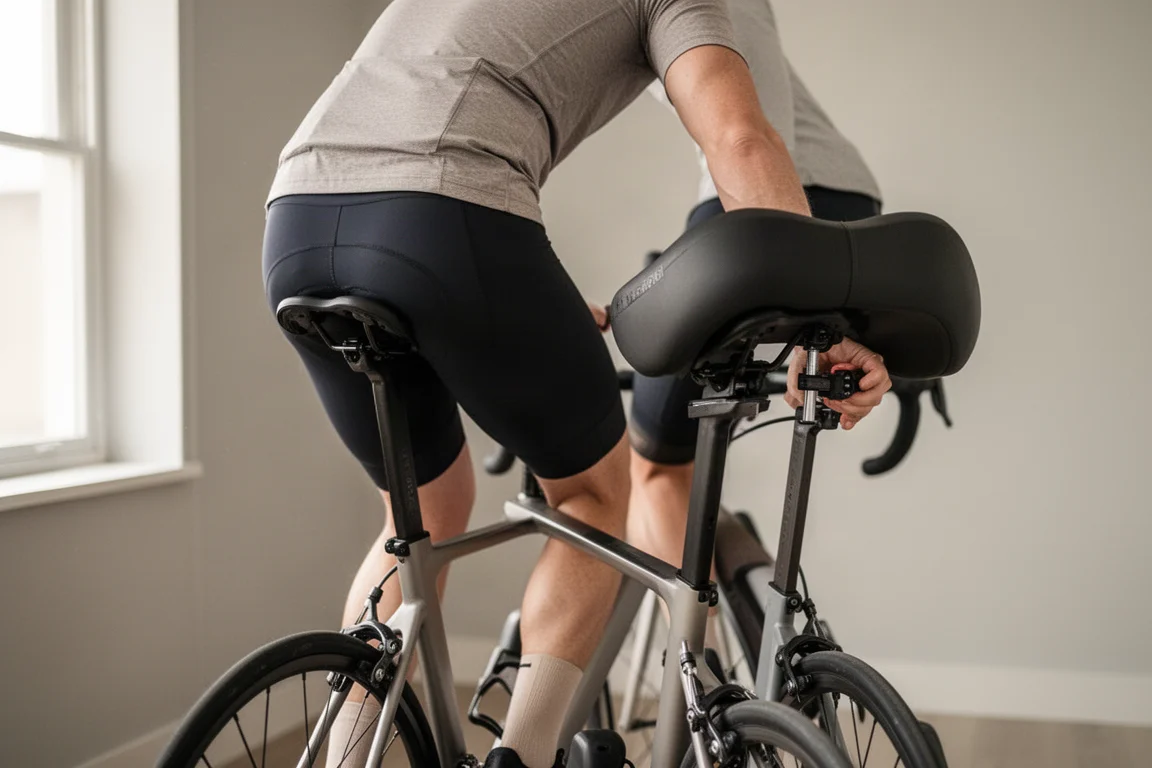
The Zwift smart frame takes that idea further: a dedicated frame designed from the ground up to be an indoor bike, full time. That brings extra benefits beyond replacing a worn outdoor bike. Because everything is adjustable, it can accommodate different sized riders, from around 5 ft tall up to roughly 6 ft 6 in. The concept evolved from an earlier high-end smart frame project, but Zwift deliberately pivoted toward keeping the price as low as possible for riders who simply want a permanent indoor setup.
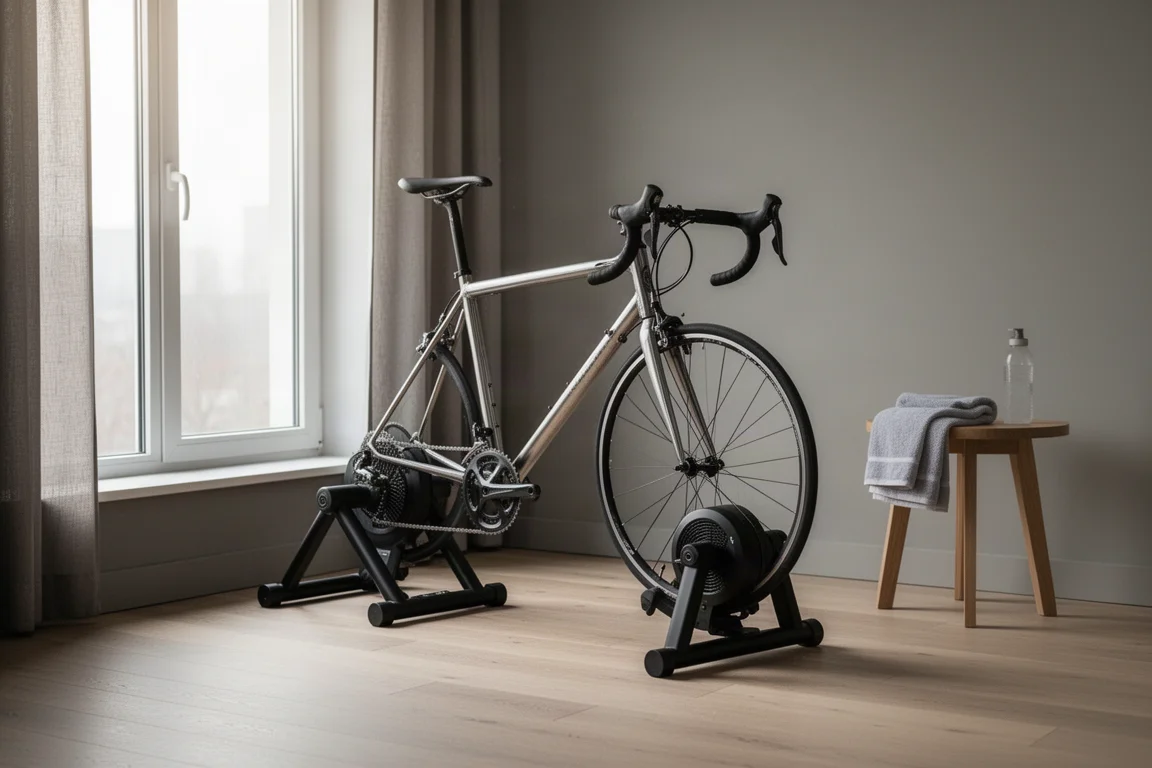
At launch, the Ride is sold as a complete package with the frame and the Wahoo KICKR Core trainer for $1,299. Roughly speaking, the KICKR Core runs about $500 (including a one-year Zwift subscription) and the Play controllers about $100, leaving around $700 for the frame itself. You could certainly find a used bike for that money, but a traditional bike only fits one size of person, while the Ride adjusts to fit almost anyone.
Setup and Build Quality
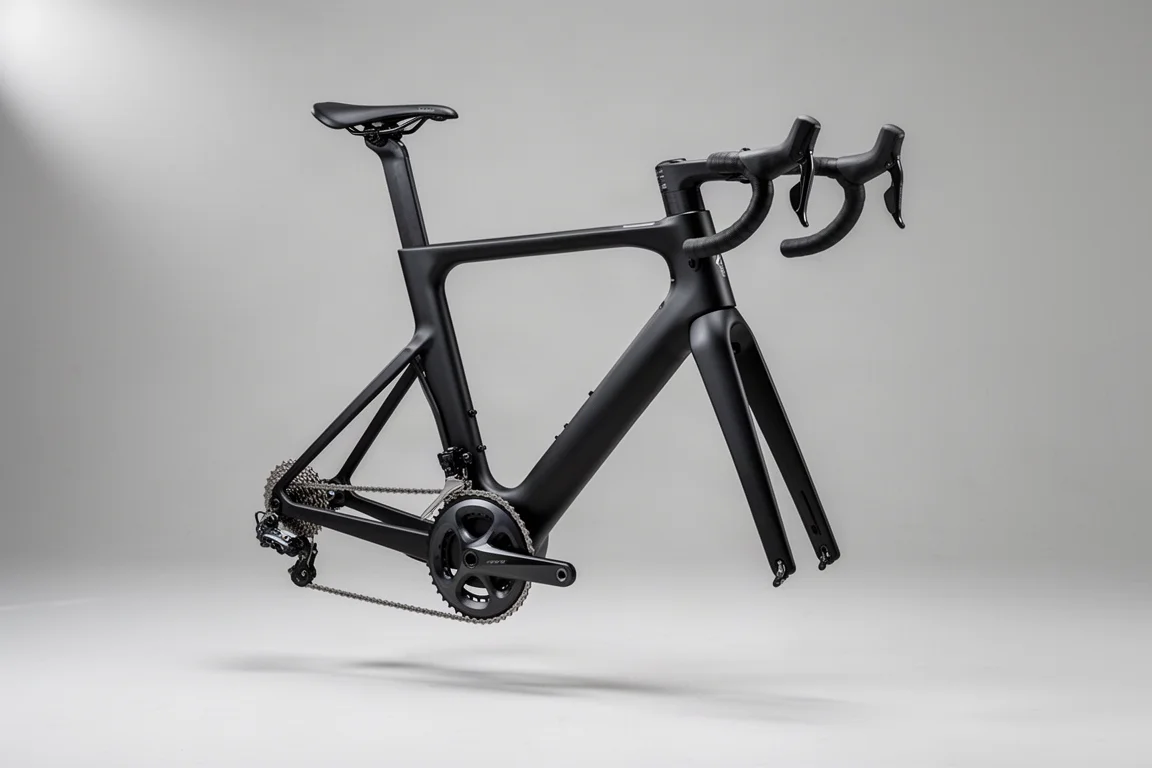
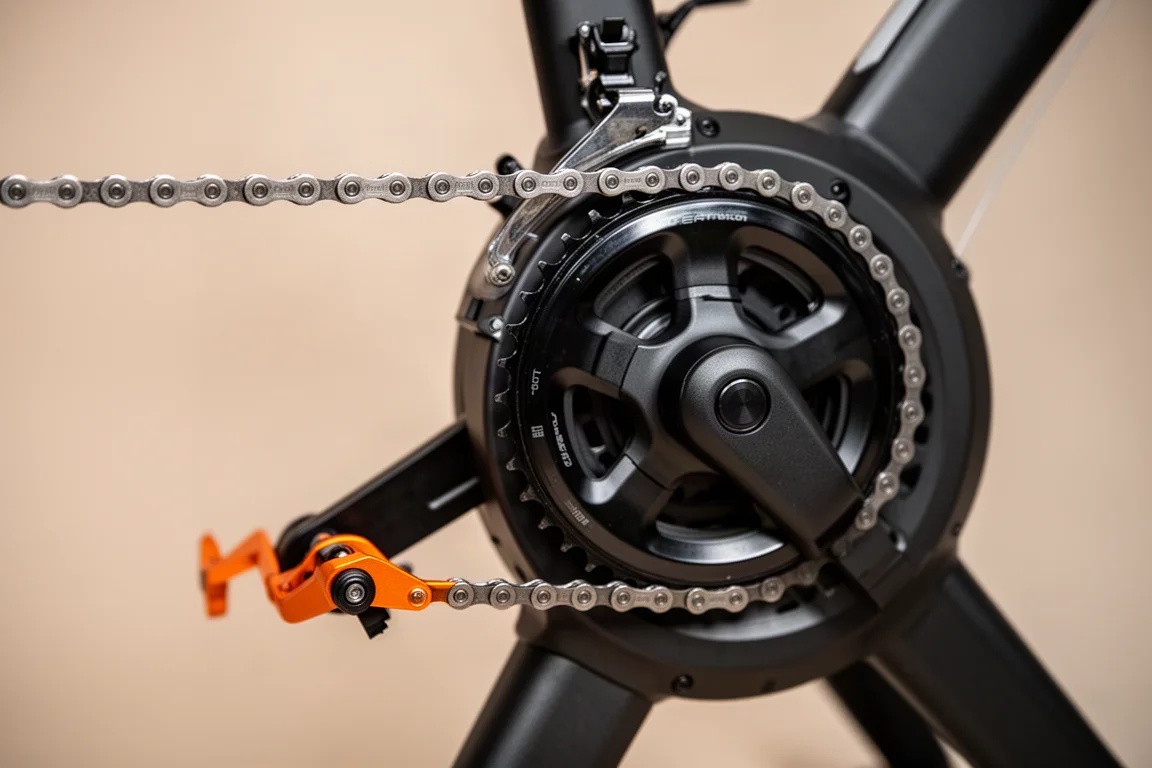
The Ride ships in three boxes: the main frame, a box of components such as handlebars and pedals, and the trainer. Setup has clearly been thought through. The frame box uses a lift-off lid so you never have to lift the frame out, and a single included Allen wrench handles the entire build. Small touches help too: a chain keeper holds the chain off the ground at the axle, and a rubber pad at the bottom of the frame protects the chainring. Mounting the frame to the trainer uses standard 12x142 mm through axles, with the single speed cog pre-installed on the KICKR Core. You drop the chain onto the cog, flip up the orange chain tensioner, install the stem and handlebars, and fit the pedals, with helpful labels showing the correct tightening direction on each crank arm. Baseline fit measurements on the setup card get you close, and the whole process takes roughly 15 to 20 minutes. Once finished, the Allen wrench even gets its own magnetic home under the top tube.
The frame itself is a sturdy powder-coated steel structure that has been thoroughly tested for sweat resistance, a real advantage over a regular bike, where salt from sweat can corrode components. It is beefy, though: around 38 lb for the frame and roughly 78 lb including the trainer. Moving the whole unit around is not ideal, but because it is modular you can separate the frame from the trainer and move them individually, which is still easier than wrestling an 80 lb all-in-one smart bike. Steel over aluminum was a deliberate cost decision, and since the setup lives indoors, weight matters less. With a maximum rider weight of 265 lb, it is rock solid even during hard sprints. A single front leg keeps the footprint small while remaining stable, and it gives the frame the look of a traditional bike, almost floating over the trainer.
The Play Controllers: The Standout Feature
The most unique part of the Ride is the integrated Zwift Play controllers, essentially Play controllers on steroids, which take the place of traditional shift and brake levers. The top controls carry over from the original Play controllers, with the d-pad and ABYZ buttons, but the rest has been reconfigured. Braking and steering use much larger rockers that span the entire front of the lever body: push inward to brake, push outward to steer.
The biggest change is a new two-button configuration on the side, which lets you set up different virtual drivetrain profiles: sequential shifting, a Shimano Di2 style layout, or a SRAM style configuration. You can also choose between chainring and cassette setups for mixed terrain, flat terrain with closer ratios, climbing, or an all-around gearing option. Sequential shifting, where the full gear range is available without manually switching chainrings, is the easiest to live with, but having options is welcome. There are also additional drop-bar buttons for special functions like dropping a Ride On or activating a power up, which is far easier than remembering which face button does what.
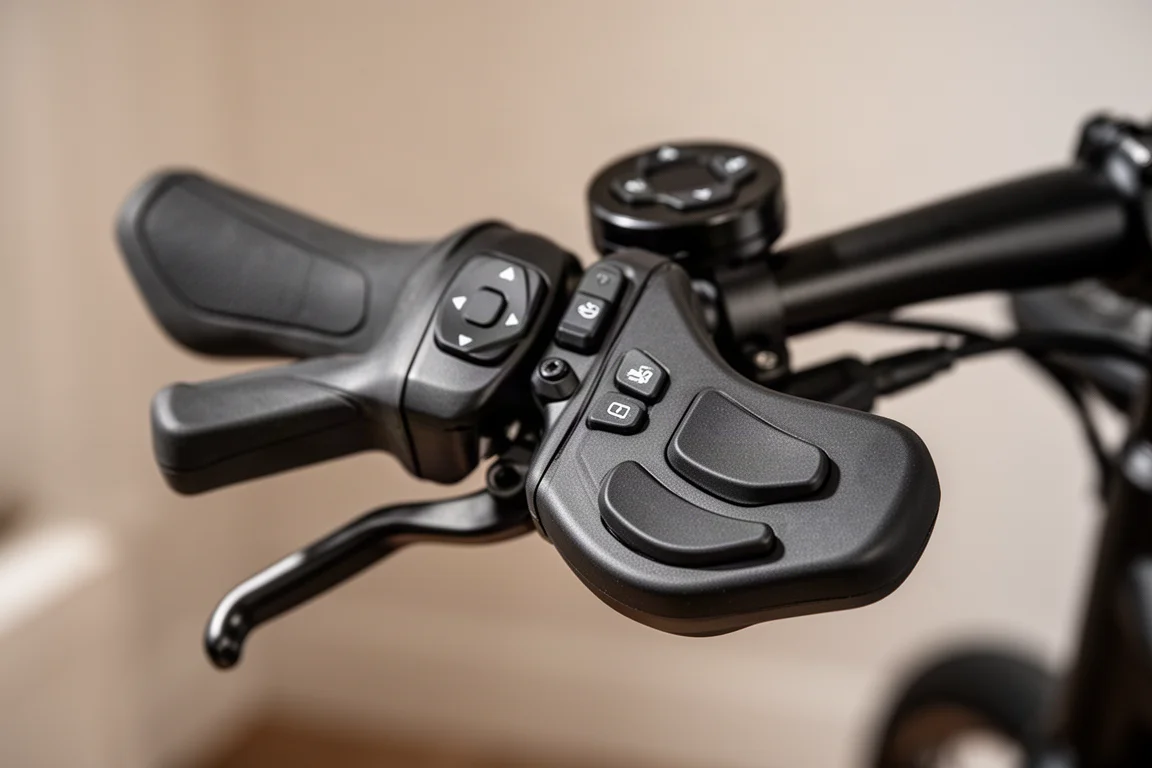
The controllers are rechargeable via USB-C with up to 20 hours of ride time. Oddly, the charging port has moved to a spot closer to the stem rather than staying in the controller body, though the included charging cable integrates neatly and magnetic cable holders keep things tidy if you leave cables attached permanently. You can also use the Zwift Click alongside the Ride controllers at the same time; running the Click up on the handlebar tops for shifting on the hoods is a popular combination.
View more details for Wahoo KICKR Core
Drivetrain, Noise, and Everyday Use
The drivetrain is a single speed setup designed around the Zwift Cog. The chain is a specific single speed chain with a special coating that reportedly needs no lubrication and is claimed to last a very long time. The Cog included here is an updated version with refined tooth geometry that meshes more closely with that chain, making it a little quieter than the original, though the original Cog still works. Since there is no conventional drivetrain, virtual shifting produces no mechanical noise gear to gear, and shifting feels very responsive, if not quite instantaneous like higher-end electronic groupsets. Overall the setup is very quiet: the chain and cog run nearly silently, with only slight resonance from the plastic portions of the Cog and the chain tensioner. It can even be quieter than a two-by drivetrain grinding in the cross chain.
Everyday details are clever. The cranks are aluminum, 170 mm long with a 150 mm Q factor; unlike some smart bikes there is no adjustable crank length, which would have added cost. A cover on the non-drive side mirrors the drive side and neatly hides the chain tensioning mechanism. The water bottle cages are intentionally loose, designed to rest a bottle for easy grabbing rather than secure it for outdoor riding. The handlebar tray fits a phone, bottle, and snacks but is not big enough for a tablet; a $50 tablet holder is available as an optional accessory that replaces the front portion. Note that the frame is not KICKR CLIMB compatible (that black front section is just paint), the foot at the bottom is removable to accommodate different trainer heights, and there is currently no word on KICKR MOVE compatibility.
Using the Ride with Zwift is essentially the same as a traditional trainer plus Play controllers: pair the trainer for resistance, cadence, and speed, select the Ride as your controls, and add a heart rate strap if you use one. From there it handles everything from virtual worlds with varied terrain to structured workouts, with seamless in-game control without taking your hands off the bars. One caveat: Apple TV only offers two Bluetooth connections, so the trainer and controllers use both, and a heart rate strap requires the companion app. Accuracy depends on the trainer, and the KICKR Core is a proven, accurate unit.
Things to Consider Before Buying
The most important consideration is that the Ride is, by design, around 99 percent meant to work with Zwift. You can use the single speed setup with structured workout apps, but other simulation apps are not really supported, at least currently. The Apple TV Bluetooth limitation is worth thinking about if that is your platform, the tablet holder costs extra, and there is no KICKR CLIMB compatibility. Later on, Zwift will offer the frame on its own for riders who already own a compatible trainer; supported trainers include most Wahoo KICKR models, the Zwift Hub, and the JetBlack Volt.
Buying Advice
The Ride is a strong value if you want a permanent Zwift station without paying smart bike prices. It suits households with multiple riders of different heights, anyone tired of swapping bikes on and off a trainer, and Zwift-first riders who will actually use the integrated controllers daily. If you mainly ride other simulation platforms, or you want climb simulation or adjustable crank length, look elsewhere or wait for the frame-only option. There is also a fun customization angle here: the saddle and 42 mm standard road bars are replaceable, and the head badge is removable, so expect the community to make these frames their own.
Conclusion
The Zwift Ride with Wahoo KICKR Core is a clever, well-executed concept with a lot of thoughtful details, from the single-wrench setup to the coated no-lube chain and integrated controllers. It is not trying to be a premium smart bike, and that focus is exactly what makes it compelling: a stable, quiet, fully adjustable permanent indoor setup at a price well below dedicated smart bikes. For Zwift-focused riders, it is one of the easiest ways to get a dedicated indoor bike without the usual cost.
Further reading
Related Reviews
Indoor Cycling
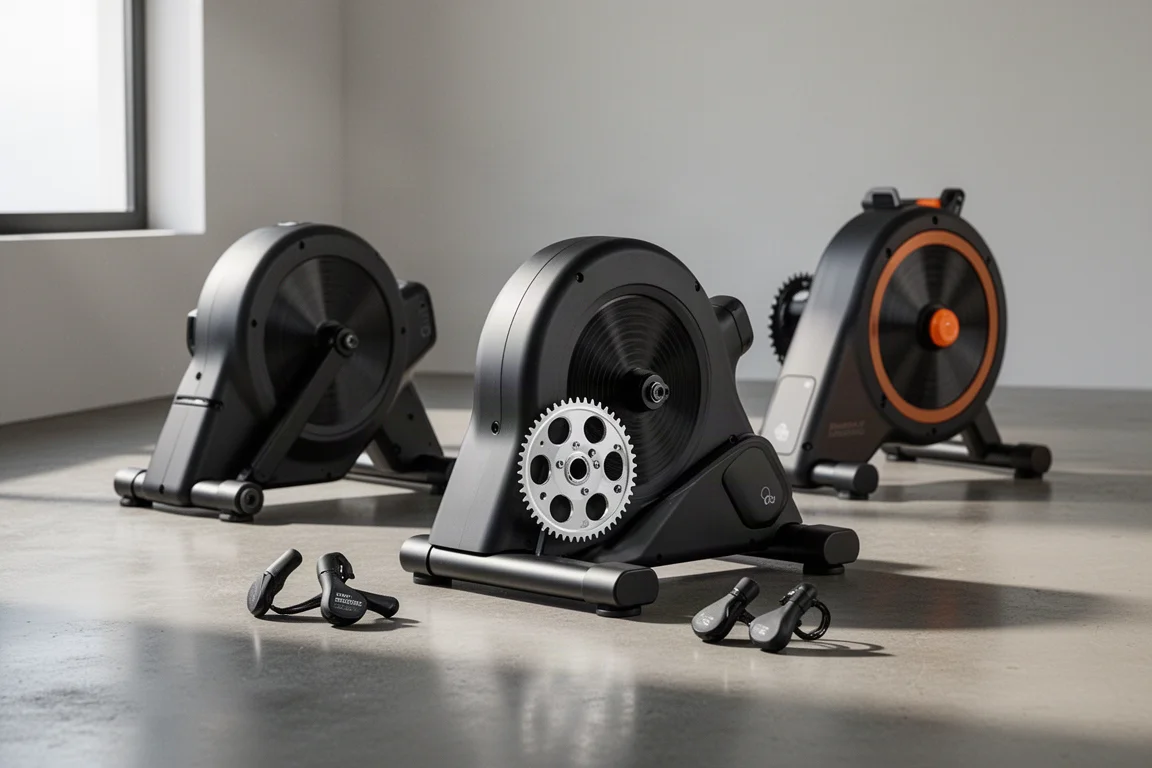
Best Budget Smart Indoor Trainer Setups: Six Options Worth Considering
Smart indoor trainers keep getting better while prices come down. Six setups and components worth considering, from the cheapest Zwift-ready option upward.
Indoor Cycling
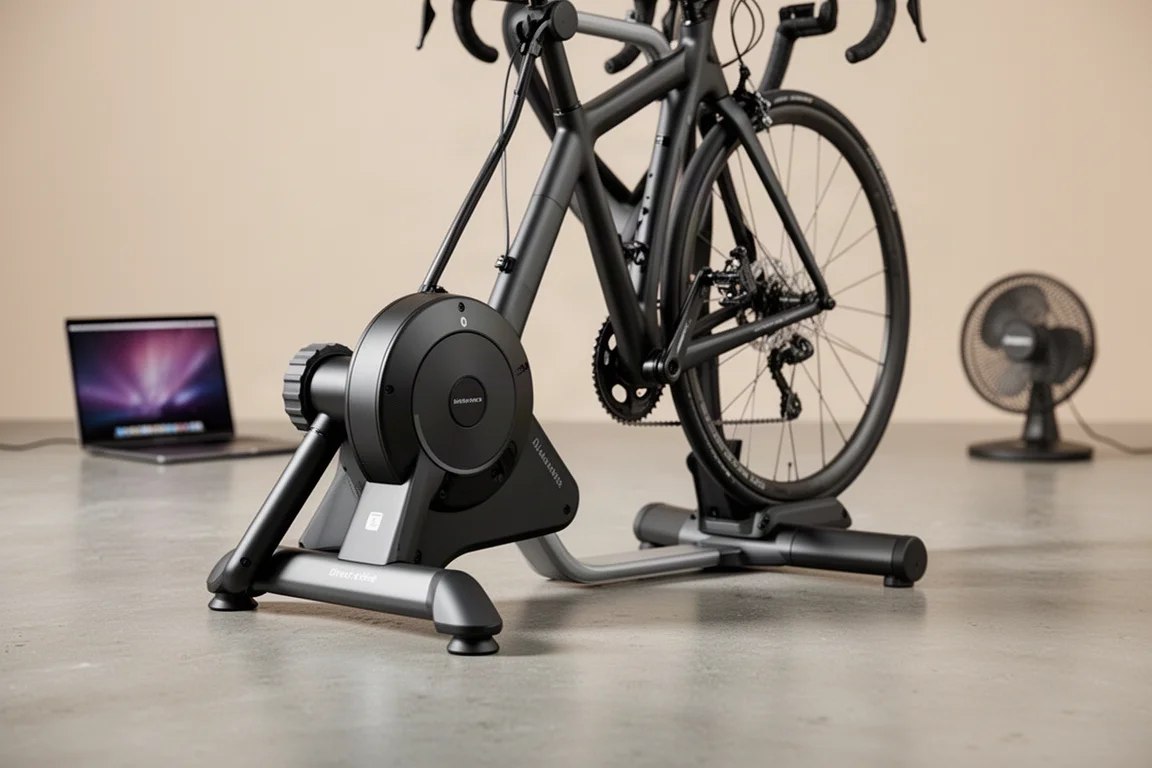
Best Budget Smart Indoor Trainers for Immersive Cycling in 2026
A practical guide to affordable smart indoor trainer setups, including budget and mid-range options with virtual shifting.
Indoor Cycling
Best Indoor Cycling Apps and Smart Trainers: A Winter Buying Guide
A practical look at the indoor training platforms and smart trainers that matter this season, from a new challenger to Zwift to the entry-level trainer that stands out on value.