Indoor Cycling
Best Indoor Cycling Apps and Smart Trainers: A Winter Buying Guide
A practical look at the indoor training platforms and smart trainers that matter this season, from a new challenger to Zwift to the entry-level trainer that stands out on value.
Introduction
Indoor training has become one of the most competitive corners of cycling, and this season the biggest story is not a new trainer. It is a new challenger to the platform most riders already pay for.
On the software side, a long-established training service has moved into virtual riding, and it arrives with a genuinely different pitch. On the hardware side, smart trainers have settled into a pattern of small, useful refinements rather than big leaps. That is welcome news if you are buying a first direct drive trainer, and less interesting if you already own a recent one.
This guide covers the platforms worth a subscription and the trainers worth your money, with the trade-offs set out plainly.
What Changed for the Indoor Season
Two developments define the season. The first is the arrival of a serious new platform. TrainingPeaks, best known as the place riders log workouts and analyse performance, has acquired a virtual cycling app called Indie. The second is that Zwift, the long-standing premium choice, has raised its prices, which makes every alternative more interesting than it used to be.
The hardware picture is quieter. Smart trainer technology has plateaued, and a rising minimum standard across entry-level models means the cheapest credible options are better than they have ever been. A handful of smart bike frames have also appeared, aimed at riders who want a dedicated indoor setup rather than a bike bolted to a trainer.
For most riders the practical question is simple. Is it worth changing platforms, and is it worth changing trainers? The rest of this guide works through both.
TrainingPeaks Virtual: The New Challenger to Zwift
TrainingPeaks has acquired Indie, a virtual cycling simulator that had been developed by a single person who previously worked at Zwift. It is being folded into the TrainingPeaks ecosystem, and it is the most credible alternative the platform has faced.
The pitch is different from most virtual worlds. It leans into realistic world physics, wind simulation, positioning and drafting, with the stated aim of becoming the most realistic and most verifiable form of virtual online cycling racing. Visually it shares a similar interface and style with Zwift, though the colours are more muted and the maps are more grounded in reality rather than deliberately game-like.
The commercial detail matters as much as the physics. The software was free at launch and is set to remain free until at least March 2025. After that, using it requires a TrainingPeaks Premium subscription, which costs around $19.95 a month or $125 a year. If you already pay for TrainingPeaks Premium, the indoor riding is included at no extra cost, which is where the value argument becomes strong.
What it does not have is Zwift’s community scale. Indie had reached roughly 40,000 subscribers or downloads, and TrainingPeaks brings a larger user base of its own, but neither matches the density of riders found on Zwift. Where TrainingPeaks is genuinely strong is the training side: logging fitness, tracking metrics and analysing performance are done better here than almost anywhere else, and that is precisely the gap Zwift leaves open.
Zwift: Still the Premium Platform
Zwift remains the reference point for virtual cycling. Its strength is not a single feature but the size and activity of its community. Log on at almost any hour and the worlds are populated, with events, races and group rides to join, and there is usually someone to ride with on the course you want.
The trade-off is cost. Zwift has raised its prices to around $17.99 a month, or roughly $200 a year, and it does not offer meaningful post-ride analysis, so riders who want to study their data usually pay for something else on top.
Zwift is not standing still on content. As part of its ten-year anniversary, its hub world Watopia is set to receive another expansion in early November. Details are limited, but the expansion is described as building on the history of Zwift and taking riders back in time. Content updates, whether new roads, new races or fixes, have been a consistent part of the platform.

If you value the feeling of a busy, always-on world and the competitive fix of regular racing, Zwift still delivers it better than anything else here. If you mainly want structured training and analysis, the calculation is less clear.
MyWhoosh: The Free Option
MyWhoosh is the strongest free option in virtual cycling. It is backed from Abu Dhabi and connected to the same group behind a top-tier professional team, and it has hosted the UCI Cycling Esports World Championship, which says something about the seriousness of the platform.
It runs events, races and group rides, and it costs nothing to use. The obvious caveat is scale. The number of riders online is unlikely to match Zwift, so the world can feel quieter. For riders who want a solid virtual training platform and treat cost as the deciding factor, MyWhoosh remains the app of choice.
Rouvy and the Route Creator
Rouvy has introduced a Route Creator that lets users film a real local course with a video camera, upload the footage, add augmented reality features, and then ride that route as a virtual world with their own avatar.
It is an ambitious idea, and the results vary. Some user-generated augmented reality routes look genuinely impressive, while others are clearly filmed in a hurry and show it. Building a convincing world takes real time and effort. There is also a philosophical problem: many riders do not especially want to ride their own grim winter roads in virtual form. For riders in more scenic places, or for those who want to ride routes filmed by others, the feature is far more appealing.
JetBlack Victory: The Smart Trainer to Watch
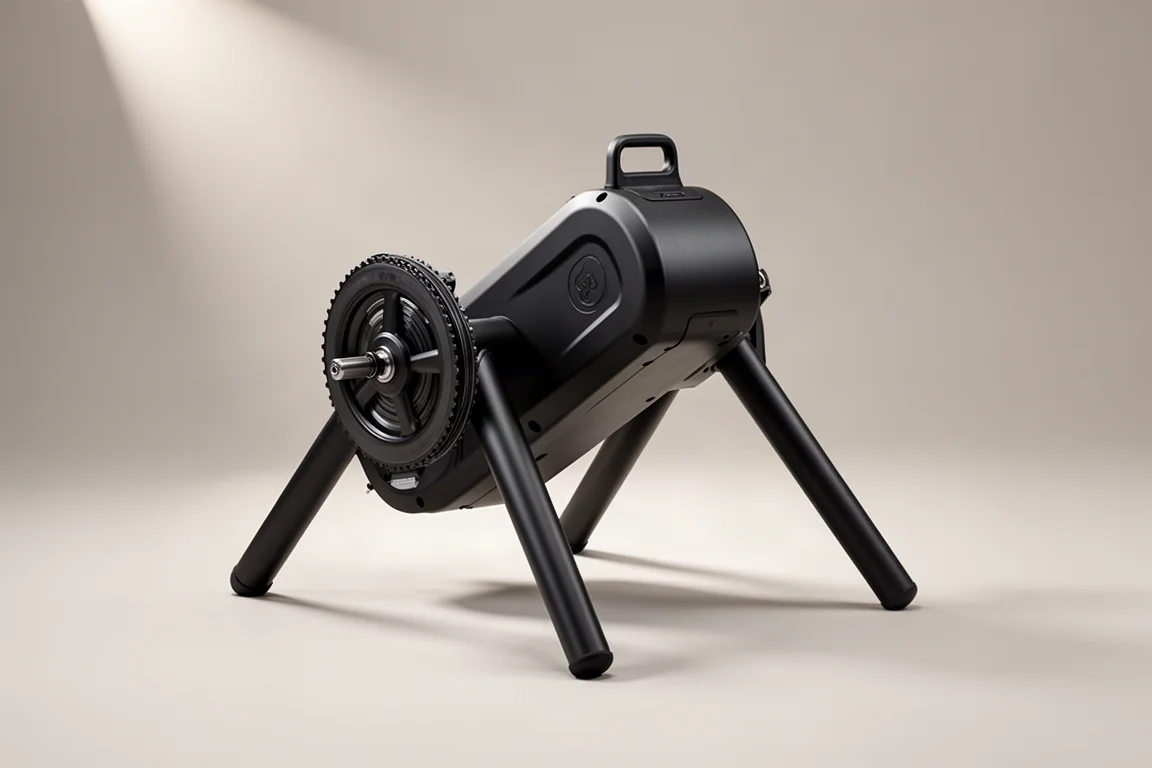
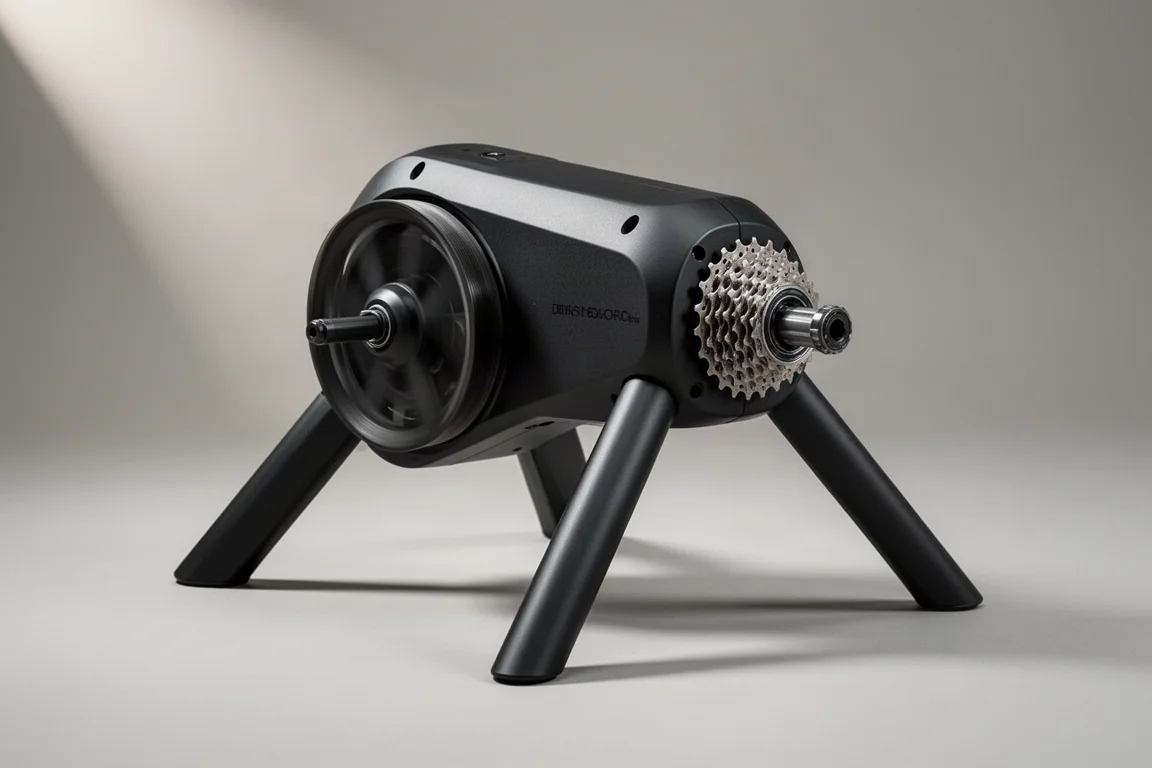
The most interesting trainer launch of the year comes from JetBlack. The Victory pairs Wi-Fi connectivity and automatic calibration with a claimed power accuracy of plus or minus two percent and a maximum resistance of 1,800 watts, and it ships with a Zwift Cog pre-installed.
The price is the headline. At around £399 or $399, it effectively matches the specification of the well-known Wahoo Kickr Core while undercutting it by roughly $50. JetBlack also has real pedigree in this space, having been the manufacturing partner behind the Zwift Hub, a trainer that was very good before it was discontinued.
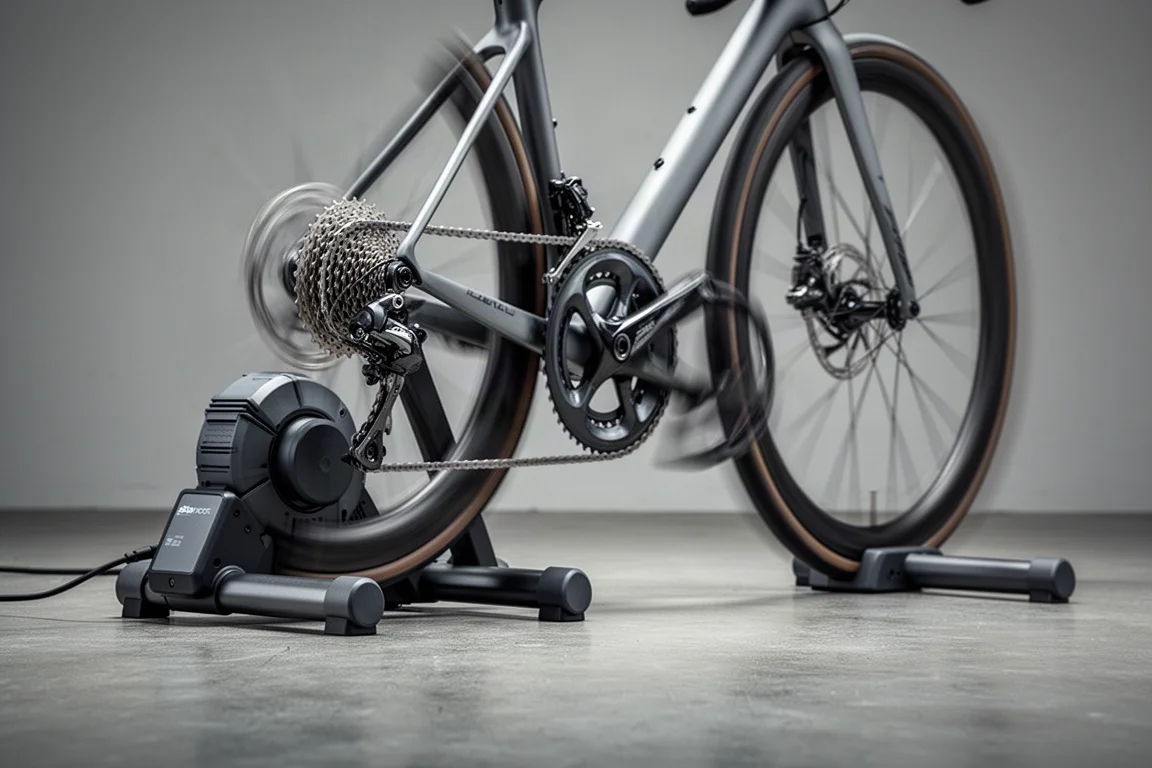
The sensible caveat is that the Victory has not yet been independently tested, so it is worth waiting for that before committing. On paper, though, it lands at a price that makes upgrading from an older wheel-on trainer genuinely attractive.
Zwift Ride: A Smart Bike Frame With a Catch
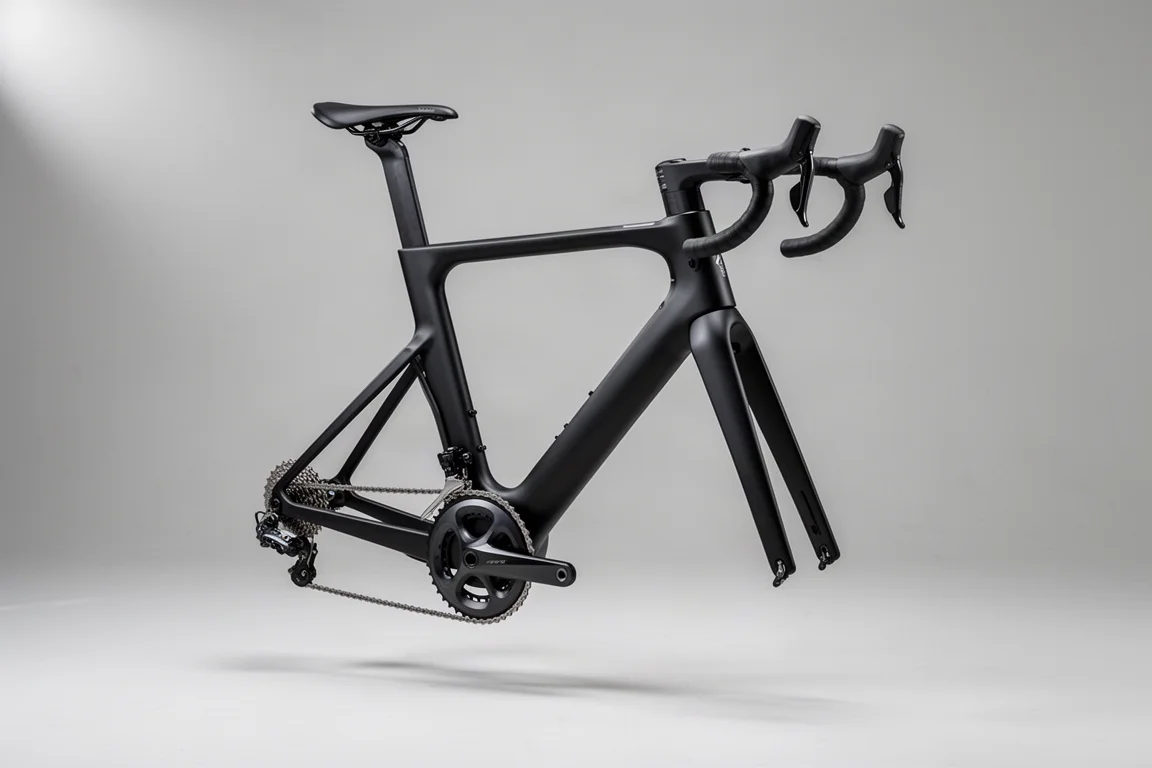
The Zwift Ride is a smart bike frame that bolts to a smart trainer. It costs around $800 for the frame alone, or roughly $1,200 to $1,300 when bundled with a trainer, which places it well below the high-end smart bikes that once sold for £2,500 to £3,000.
The catch is compatibility. Its virtual gear shifting only works when it is connected to the Zwift app, and outside Zwift it runs in ERG mode only, so in practice it ties you to one platform. Zwift has said the system is not intentionally closed and that it may open the protocols to other apps in future, but that is not something to count on today.
For households with a dedicated training space and more than one rider, the built-in adjustability is a real advantage, since you can share one setup and change position without moving equipment around.
Wahoo Kickr Core: Entry-Level Direct Drive
The Kickr Core is a useful benchmark for value. A trainer that once cost around £650 now sits closer to £450, and competing options perform just as well at similar prices.
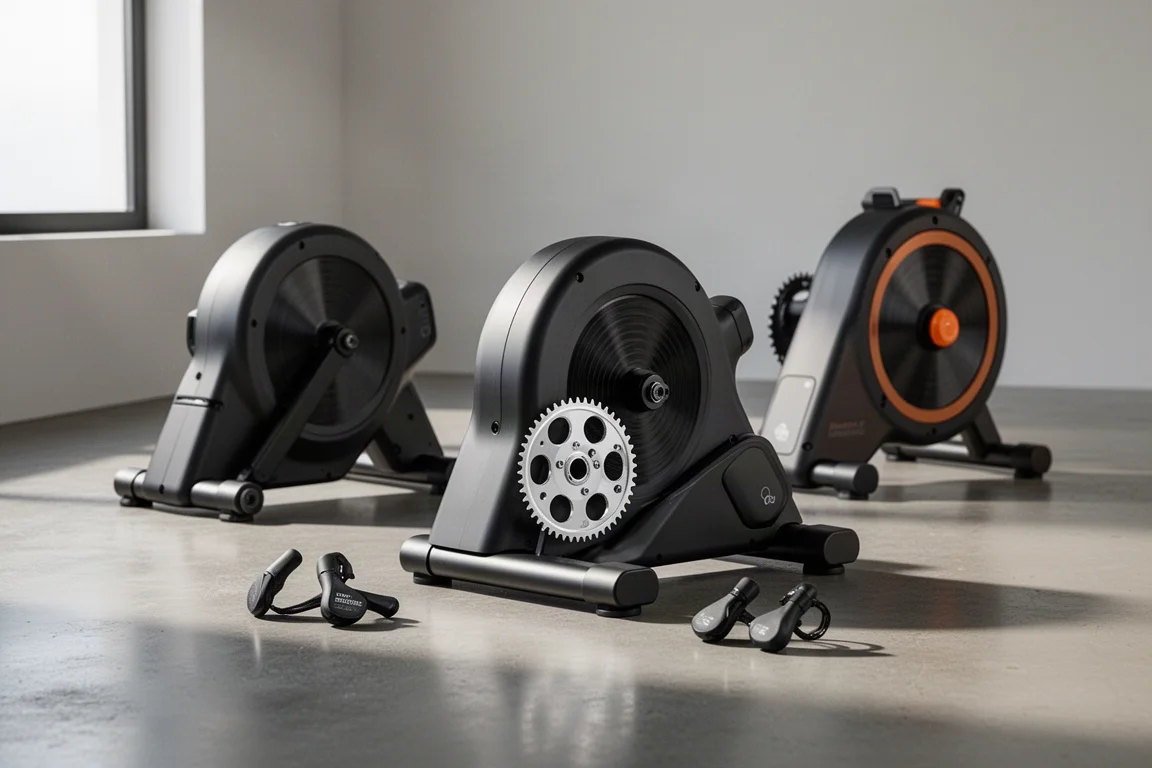
The broader advice for this season is straightforward. If you already own a direct drive smart trainer bought in the last several years, there is little reason to upgrade. Gains in power accuracy and ride feel have been incremental, and features such as Wi-Fi connectivity and automatic calibration, found on newer models, are conveniences rather than transformations. Some older direct drive trainers, such as the Elite Direto XR, remain stable enough for most riders; they simply lack those extras.
If you have not yet moved to a direct drive trainer, now is a good moment. Competition has pushed entry-level prices down, and the jump from a basic wheel-on unit, which costs far less but feels lighter and less stable under load, is a significant one in ride feel, consistency and overall performance.
What to Consider Before Buying
Start with the platform, because it shapes everything else. If you already pay for TrainingPeaks Premium, the indoor riding now included with it makes the value case obvious. If you mostly want busy worlds, races and a large community, Zwift still leads, at a higher monthly cost. If free is the priority, MyWhoosh is the clear pick.
On hardware, match the purchase to what you already own. A recent direct drive trainer does not need replacing. A first direct drive trainer is worth buying now, with the entry level offering more than it ever has. A smart bike frame only makes sense if you have a dedicated space and want to share one setup, and even then a secondhand bike frame bolted to a trainer is cheaper and more flexible.
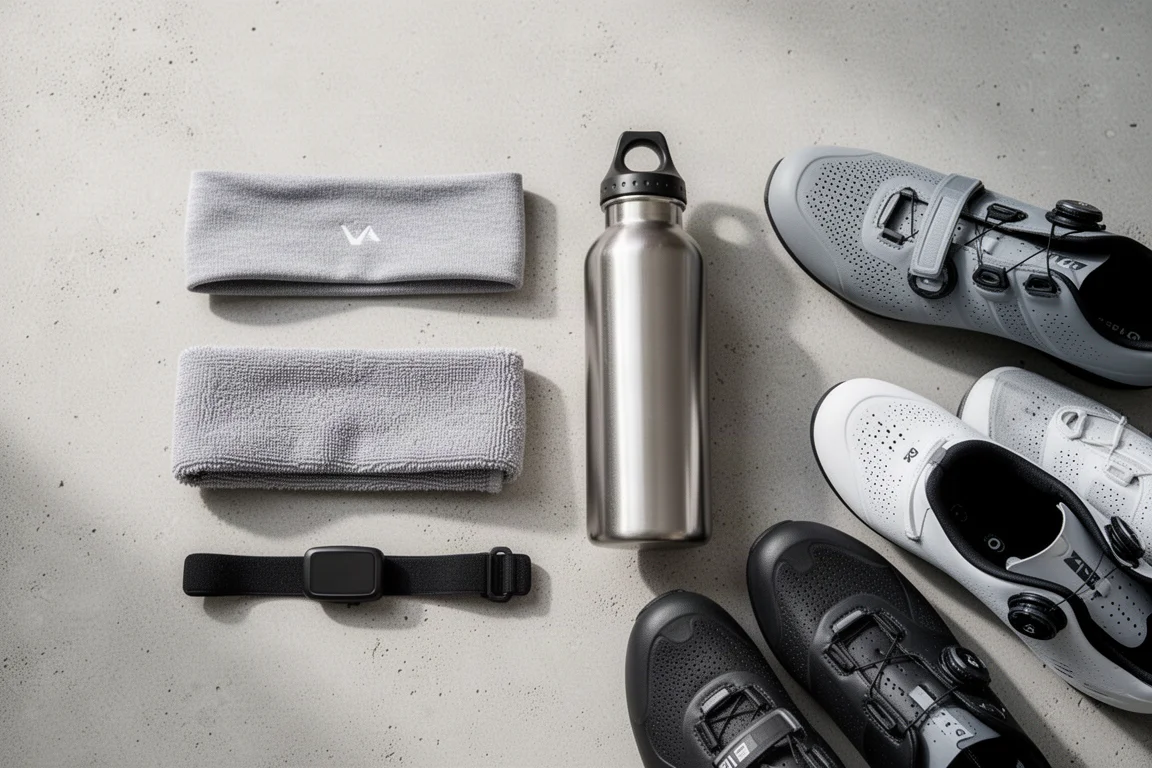
Finally, do not overlook the small things. A headband or a sweatband is a genuinely worthwhile addition for indoor riding, and far more practical than draping a towel over the handlebars, which tends to slide off at the worst possible moment.
Conclusion
This season rewards riders who look past the biggest name. TrainingPeaks has arrived with a serious virtual platform built around realistic physics and excellent training analysis, and the free period makes it easy to try. Zwift remains the best place for community and racing, but it now costs more. On the hardware side, the JetBlack Victory looks like the value standout, while a recent direct drive trainer is best left alone.
Try the free options first, then decide where your money is best spent.
Further reading
Related Reviews
Indoor Cycling
Best Budget Smart Indoor Trainer Setups: Six Options Worth Considering
Smart indoor trainers keep getting better while prices come down. Six setups and components worth considering, from the cheapest Zwift-ready option upward.
Indoor Cycling
Best Budget Smart Indoor Trainers for Immersive Cycling in 2026
A practical guide to affordable smart indoor trainer setups, including budget and mid-range options with virtual shifting.
Indoor Cycling
Best Indoor Cycling Trainer Setups for Every Budget
Entry level smart trainers, mid-range options, dedicated indoor bikes and premium direct drive setups compared, plus the add-ons that make indoor riding feel more real.